I had always dreamed of visiting China, but I kept thinking it was too far away and that getting there would be very hard. It took Marco Polo years to get there and back. Yes, these days we have planes, but it is still the other side of the world. At the beginning of November, though, I decided I had to do it – I grew up on Shaolin and kung fu movies and I simply had to go, however far it was. After a few days of digging through the programs of different travel agencies, I chose one that included as many of the places I wanted to see as possible. All that was left was to wait half a year – but that also meant half a year of dreaming about what it would be like.
And it was amazing. We spent 11 days in China – from 3 to 13 May 2026 – and passed through Beijing, Shaolin, Xi’an, Guilin and Shanghai. It is one of those places I want to return to many times, and I will definitely keep dreaming about it for a long time.
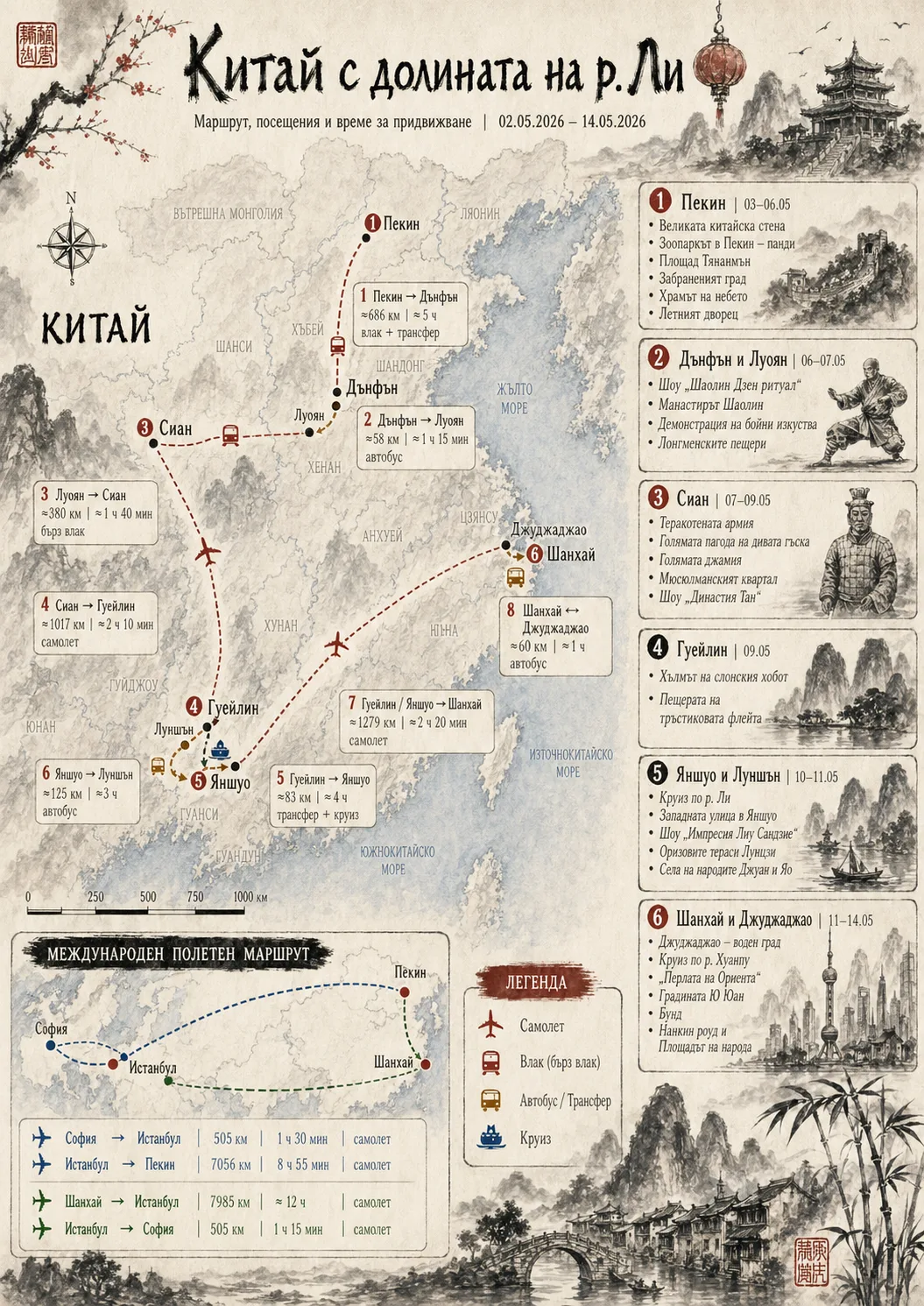
- Train
- Bus
- Plane
Before you go
Before I start the story, here are a few things that are good to know if you also decide to head to China.
Beijing
After a whole night on the plane we finally landed in Beijing. We were met by a group of staff who directed us where to queue, and we immediately felt something that would be our constant companion throughout the trip – order. Later we saw it at the airports and the train stations too: in China everything works like a well-oiled machine and everything happens exactly when it should – the complete opposite of what we saw on departure at Istanbul airport.
At first it felt strange that police officers stood there watching us and that there were cameras everywhere, but after a few days we got used to it and stopped noticing. One thing I never understood, though, is how scooters are allowed to fly along the roads and pavements. I had the feeling that there were no rules for them and that they were above the law. I guess it is because they have to deliver their parcels on time, but even so, the way they ride is not normal. Still, the situation is many times better than in Thailand.
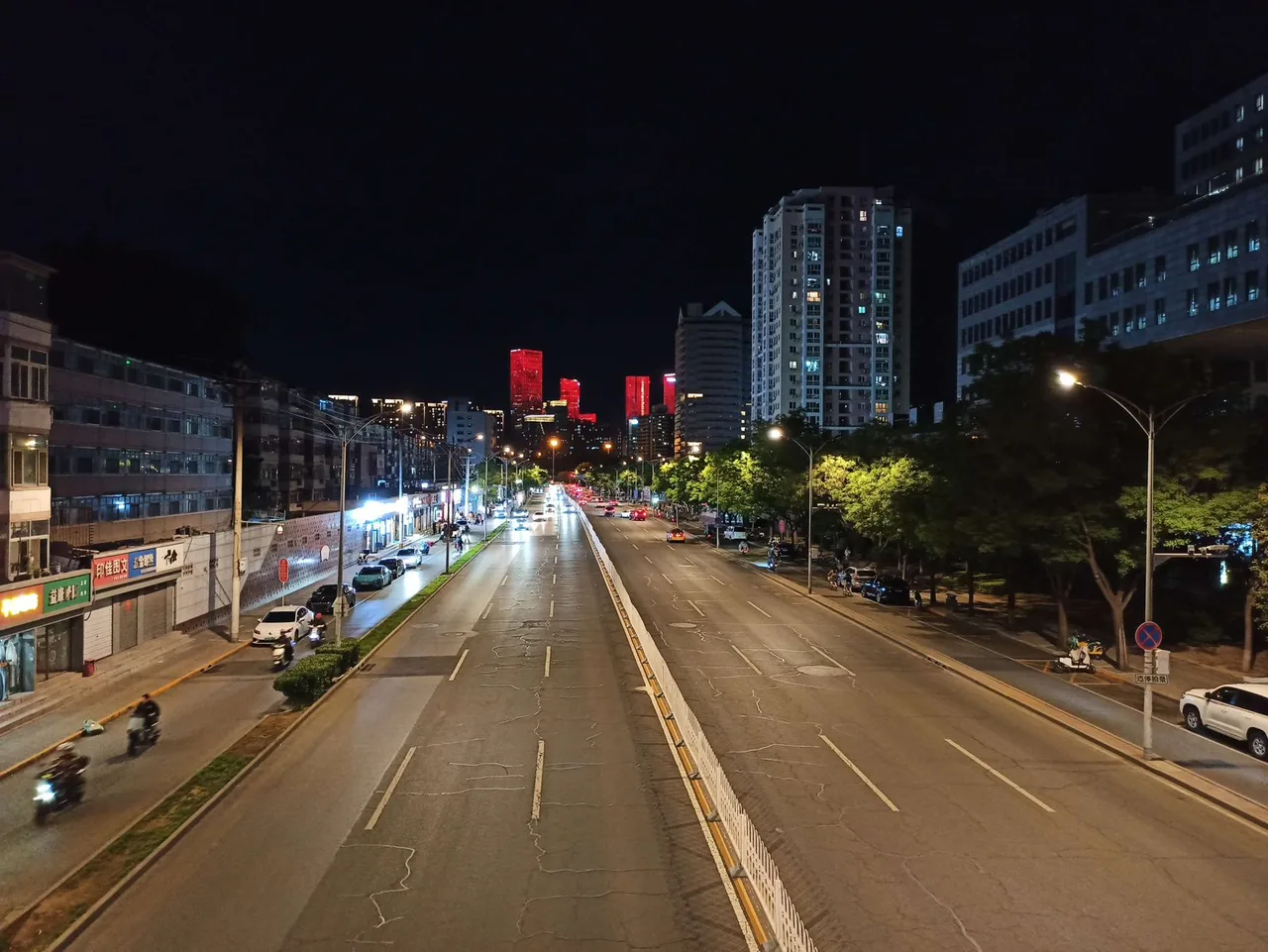
On the first evening I decided to walk around the hotel, and what surprised me most was how modern and at the same time how traditional China is. On one side of the boulevard there may be a huge mall with expensive cars out front, and on the other – a traditional medicine shop. At first this surprised me, but over the next days I saw it everywhere and got used to it.
Tiananmen Square
The day started very early, because we were told we had to get to the square as early as possible – even being 10 minutes late could later cost us hours of waiting in queues. We managed to get in on time, when there weren’t many people yet, but really just 20 minutes after us it turned into madness, and we were grateful we had come early.
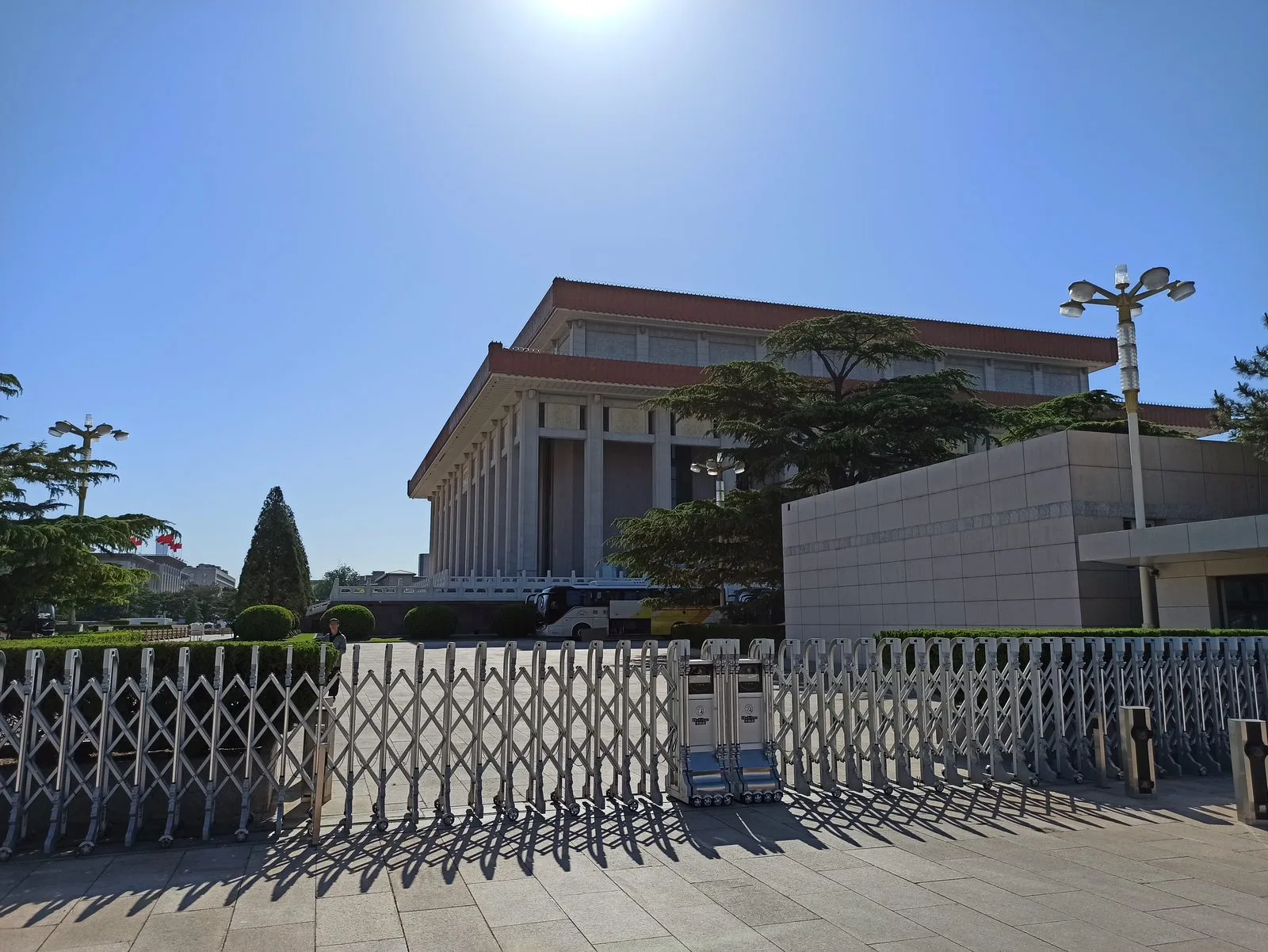
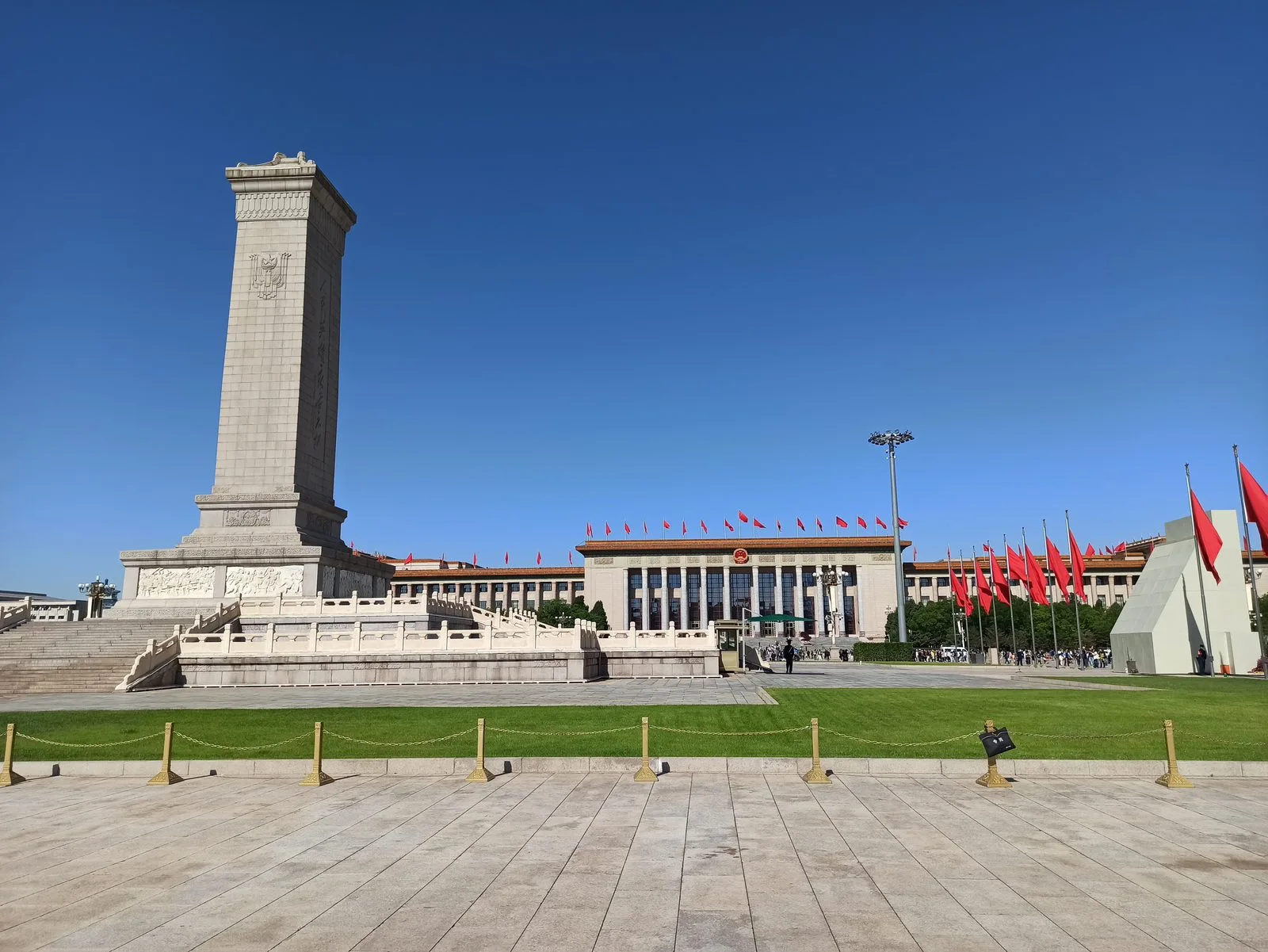
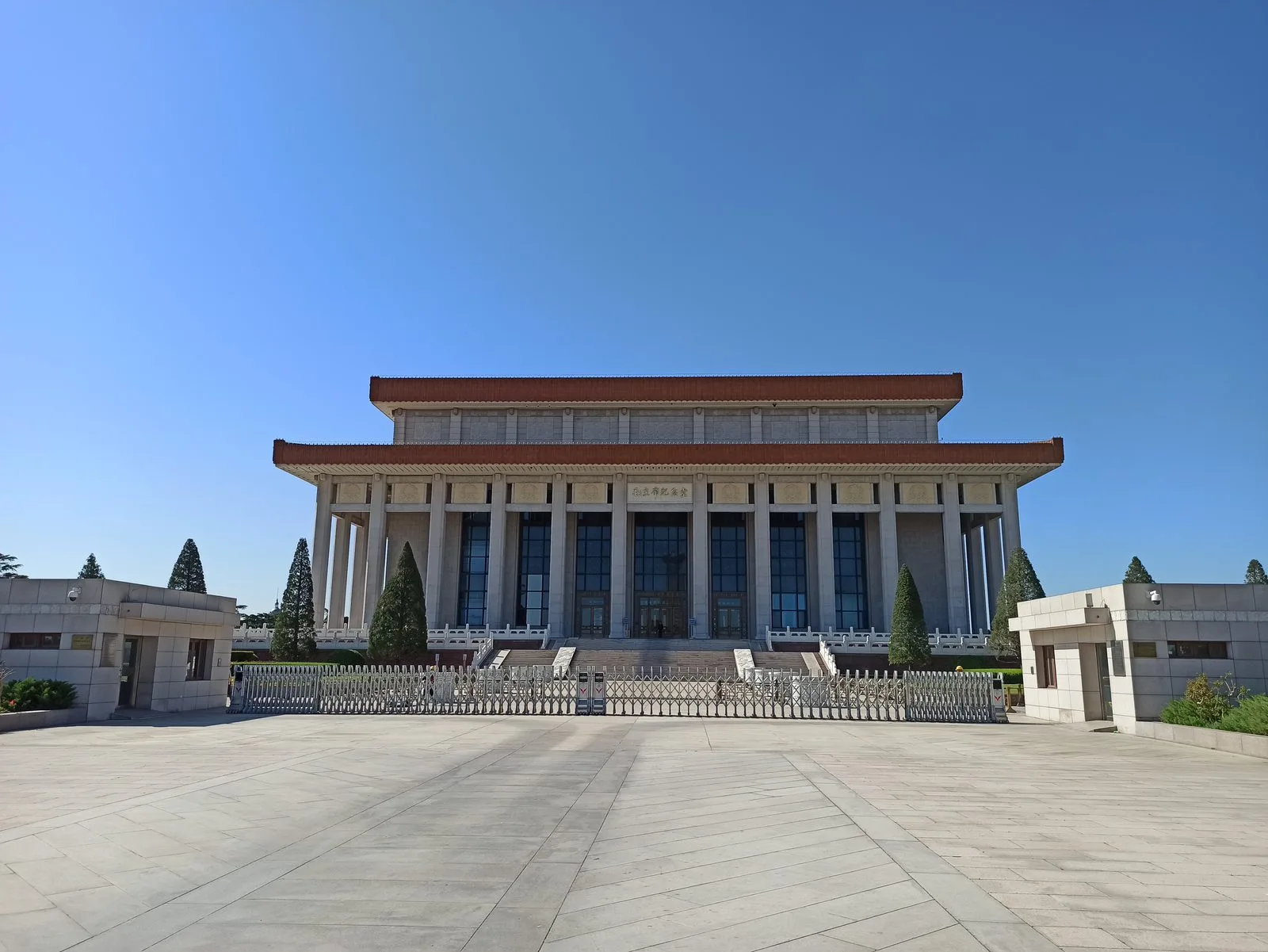
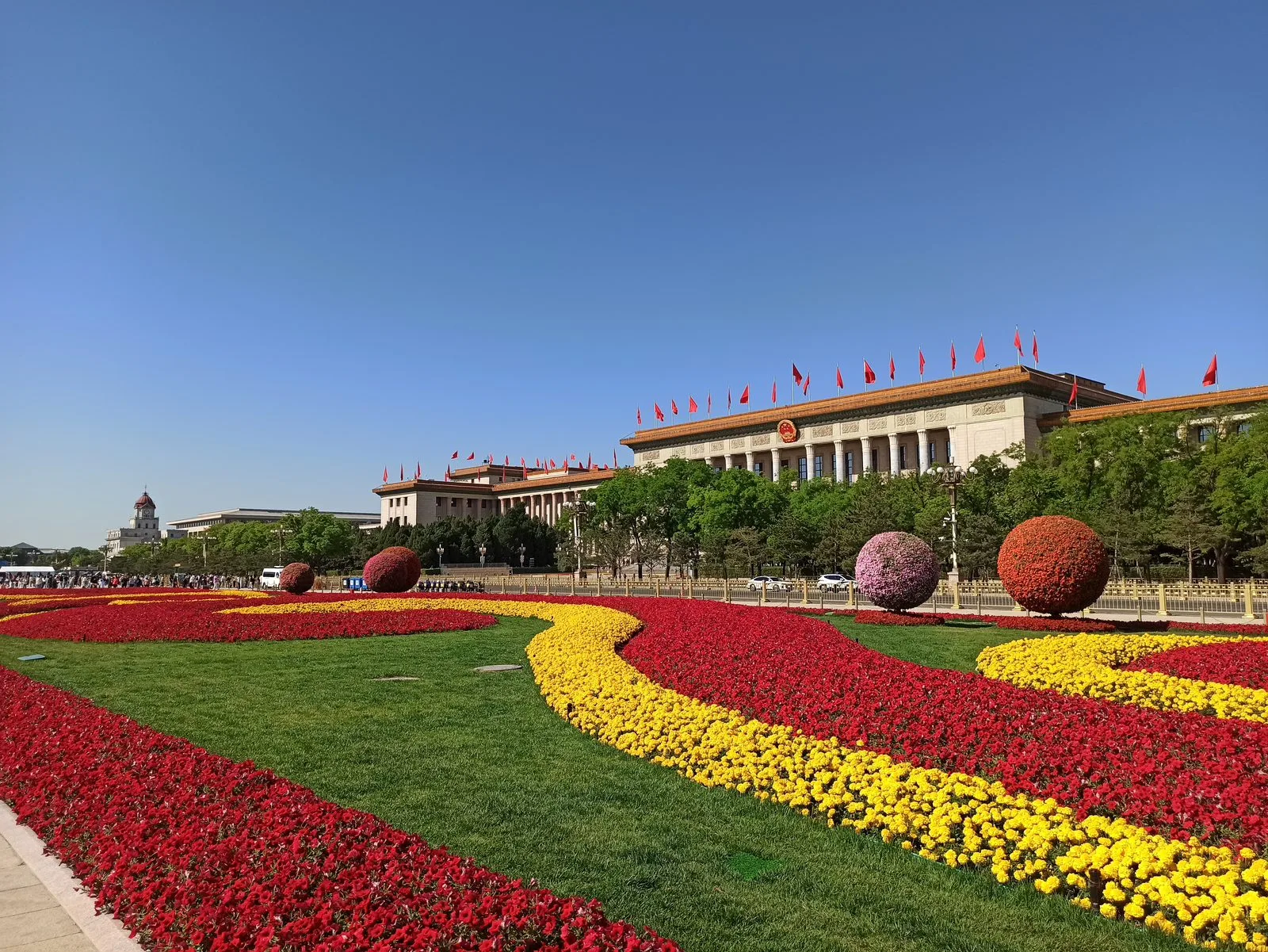
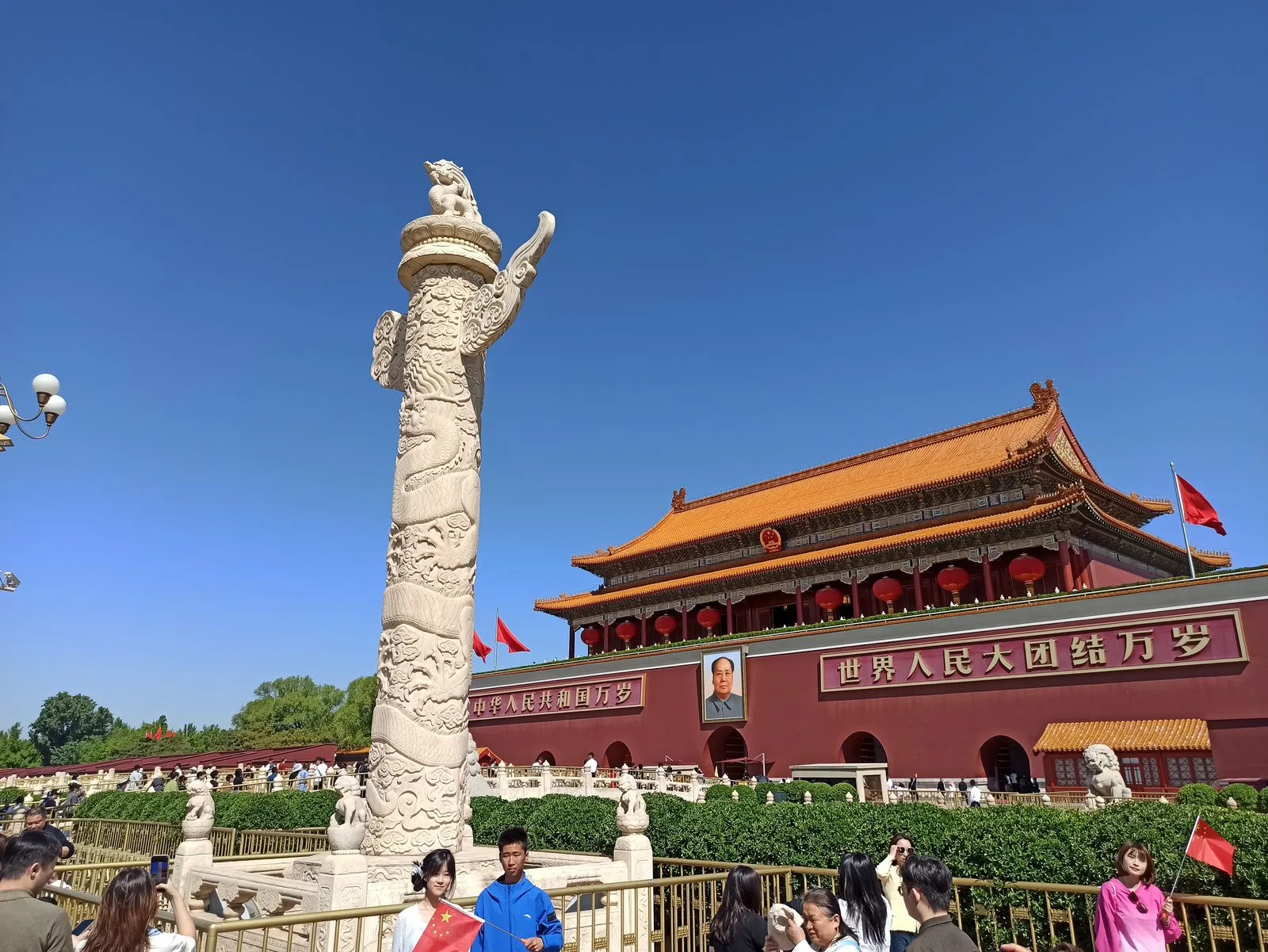
The square is the meeting point of power in China. If you go clockwise from the Forbidden City (to the north), next come the National Museum (to the east), Mao’s Mausoleum (to the south) and the Great Hall of the People (to the west), where the Chinese parliament meets. The name Tiananmen means “Gate of Heavenly Peace” – that is the name of the gate to the Forbidden City, on which hangs the famous portrait of Mao. It is precisely because of the symbolism of the place that the protests of spring 1989 took place here.
What really struck me was how many Chinese people were there and almost no foreigners. Over the following days the picture was the same almost everywhere – around 80–90% of the visitors at the sights were locals. Because of the huge distances in China, even people from other provinces are like visitors from another country, and for them a visit to the capital is a real experience.
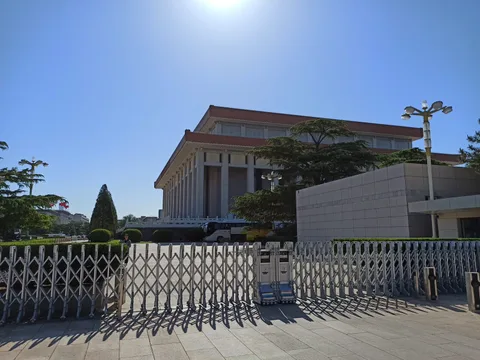 Mao’s Mausoleum from the side
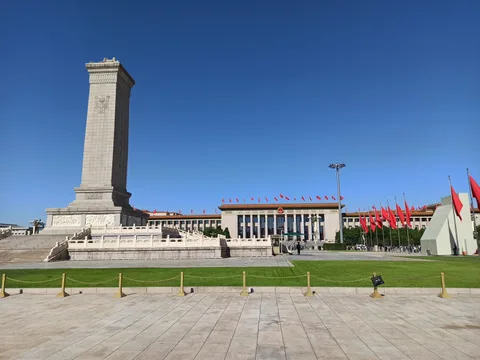 The Monument to the People’s Heroes, with the Great Hall of the People behind it
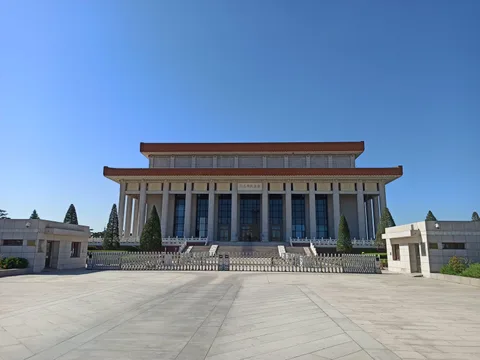 Mao’s Mausoleum from the front
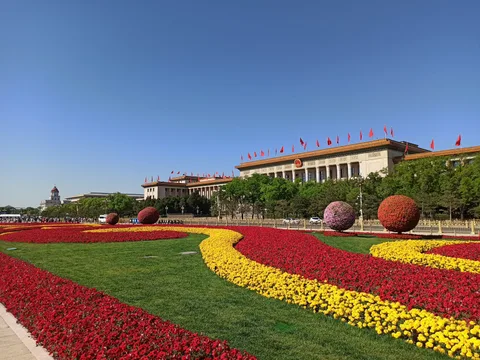 The Great Hall of the People – this is where the Chinese parliament meets
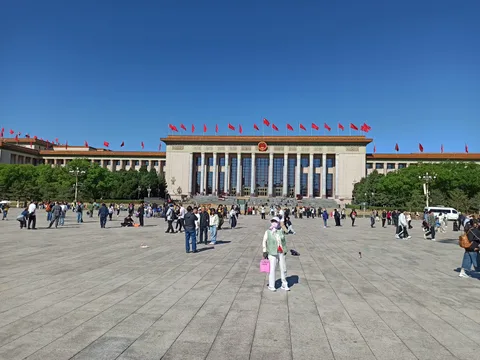 The Great Hall of the People from the front
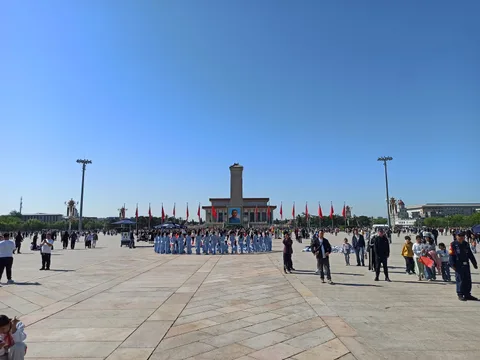 View towards the Monument to the People’s Heroes
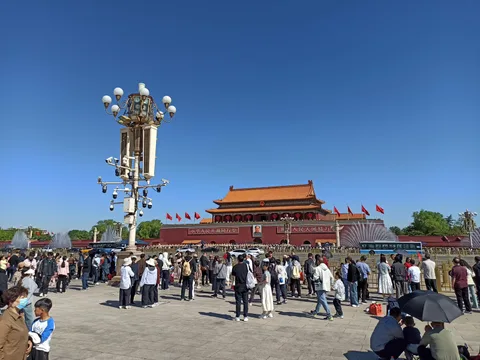 Tiananmen Gate with Mao’s portrait – the entrance to the Forbidden City
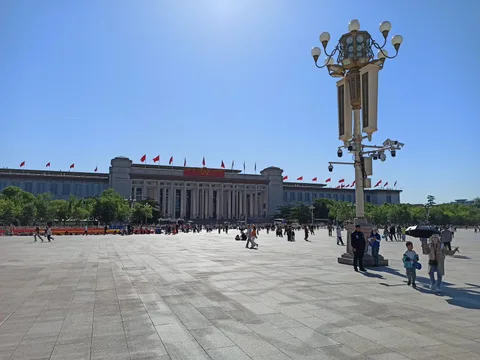 The National Museum of China
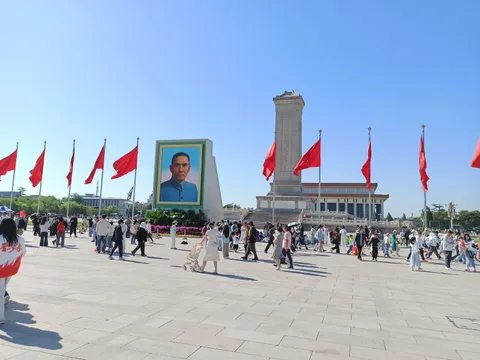 The portrait of Sun Yat-sen, called “the father of modern China” – it is put up on the square only around 1 May and 1 October
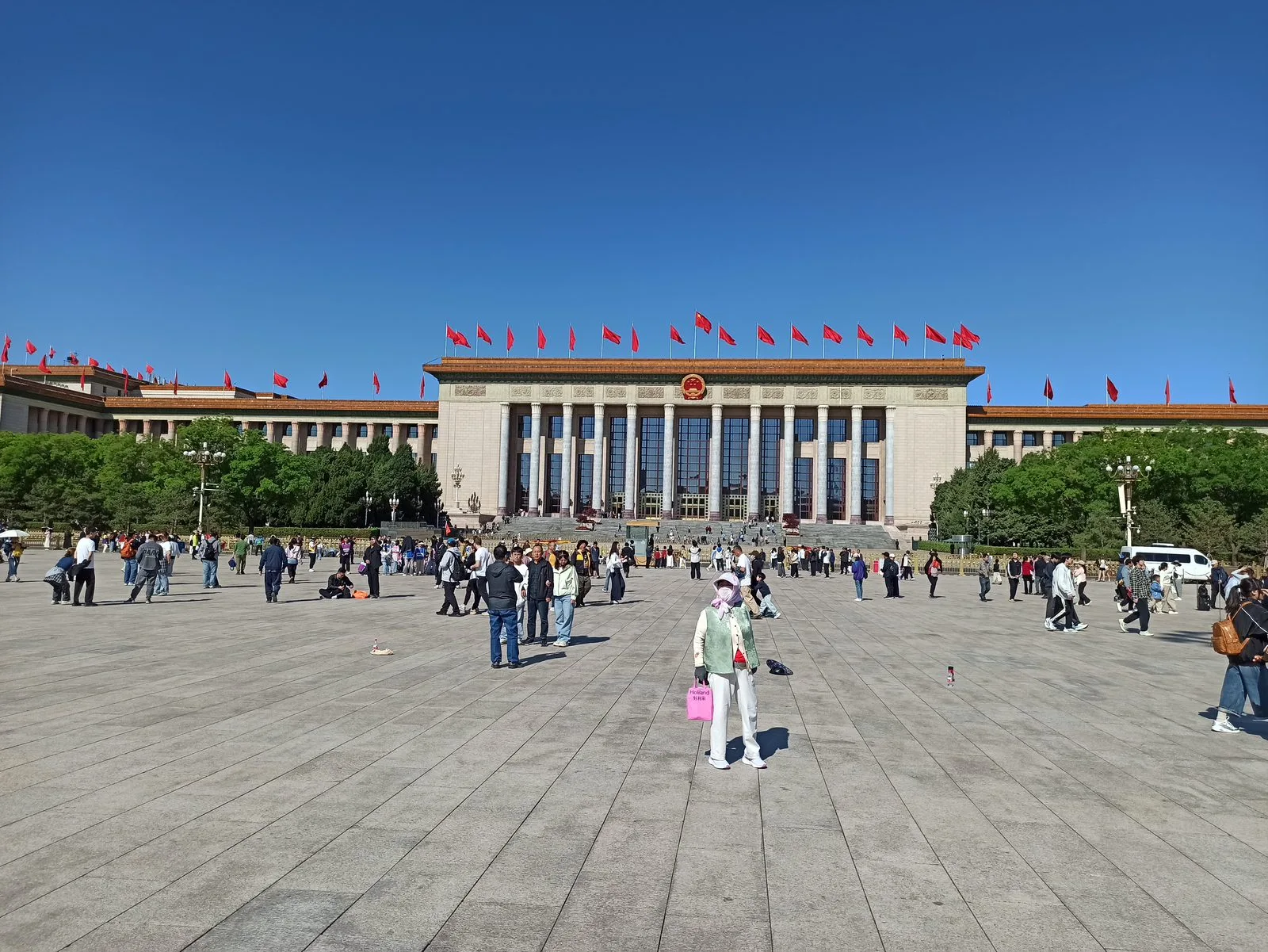
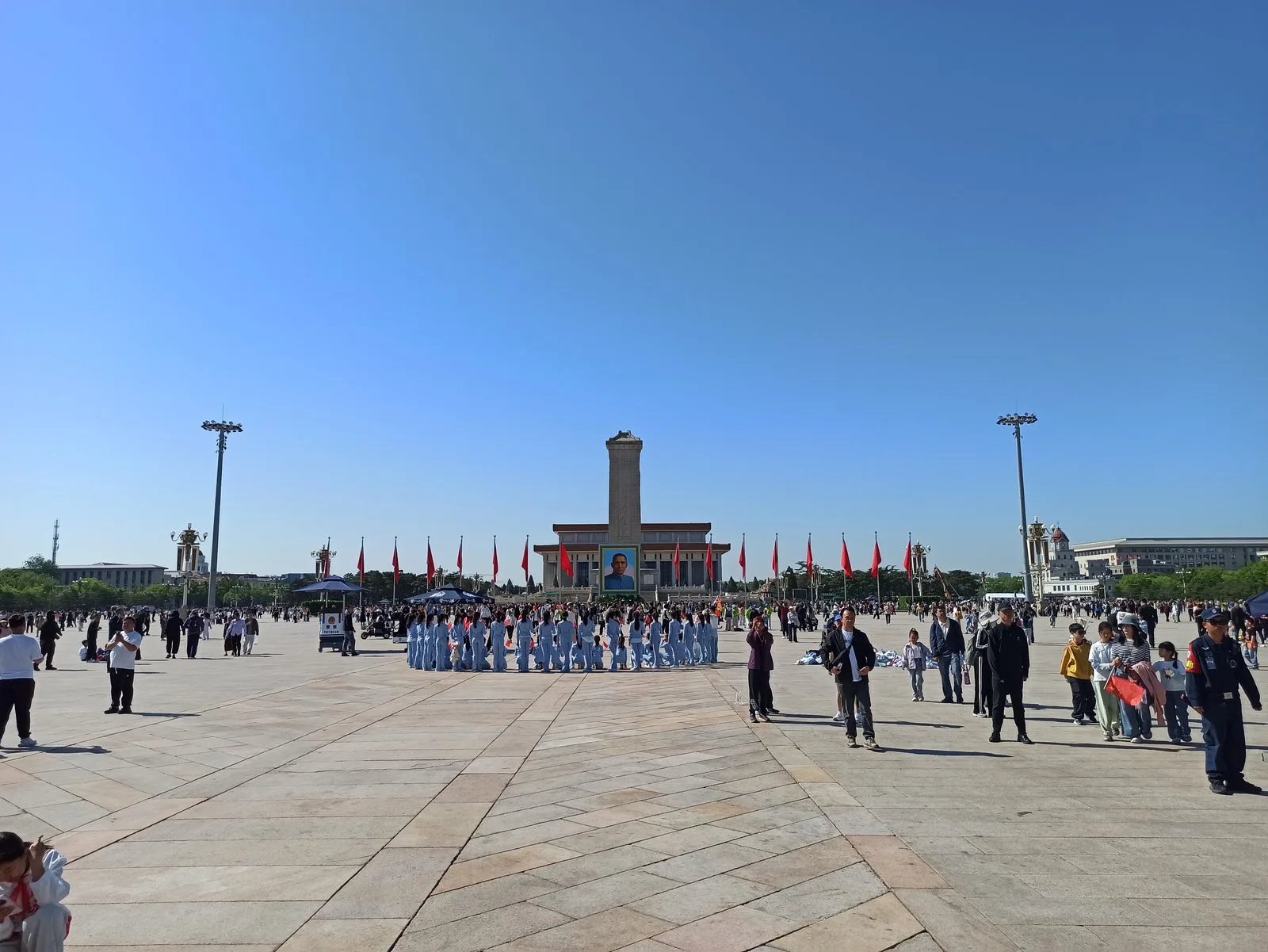
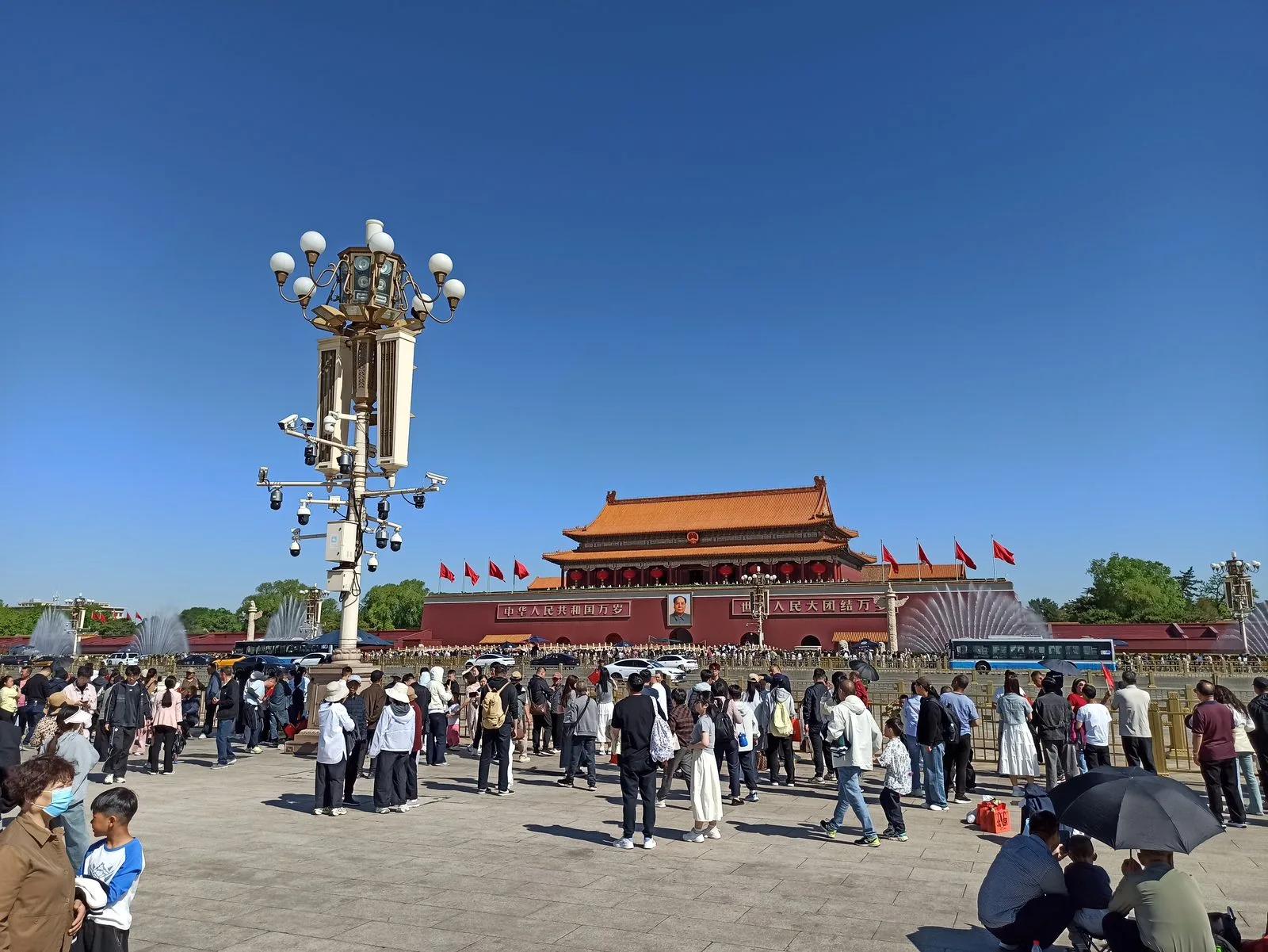
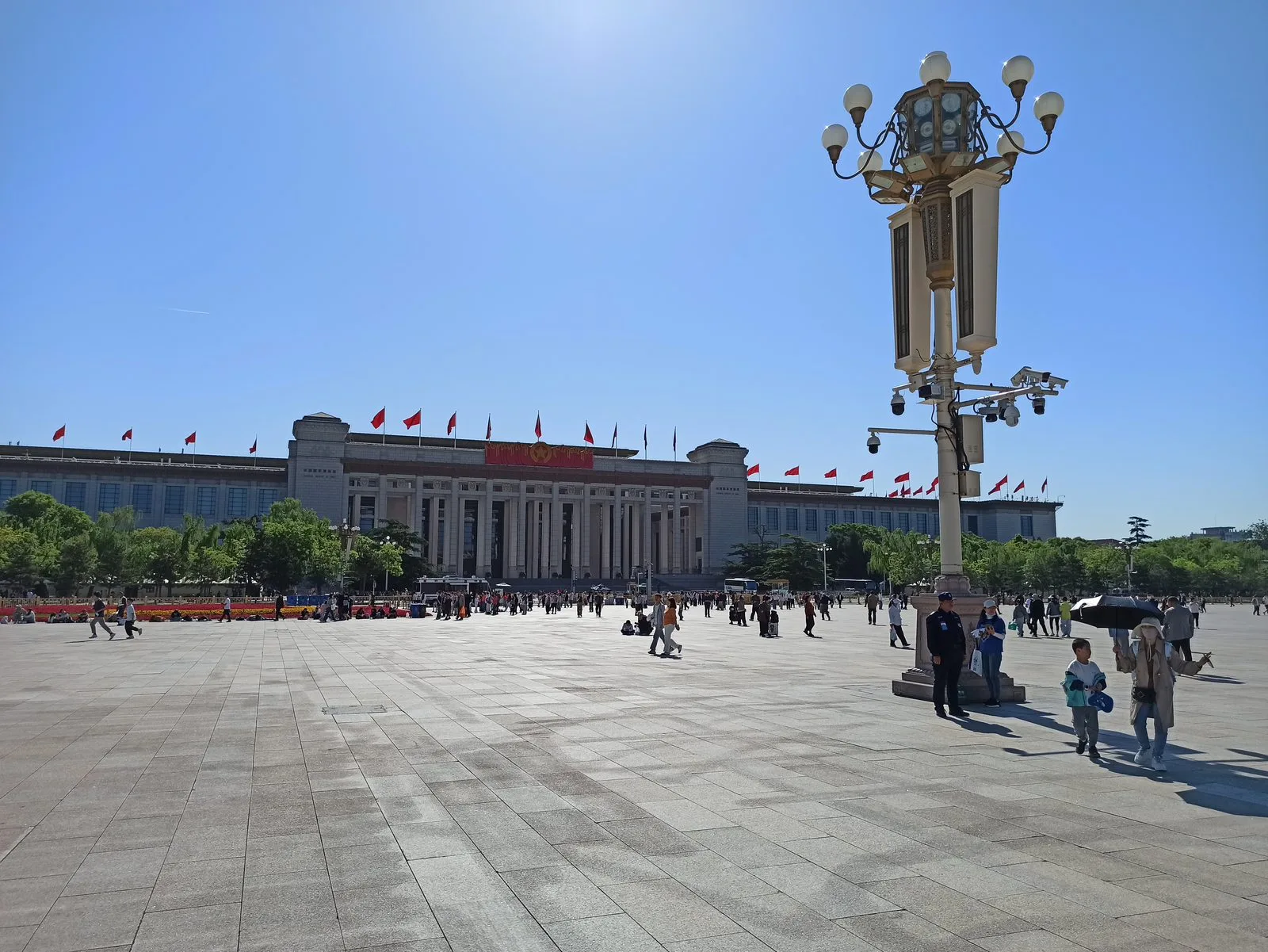
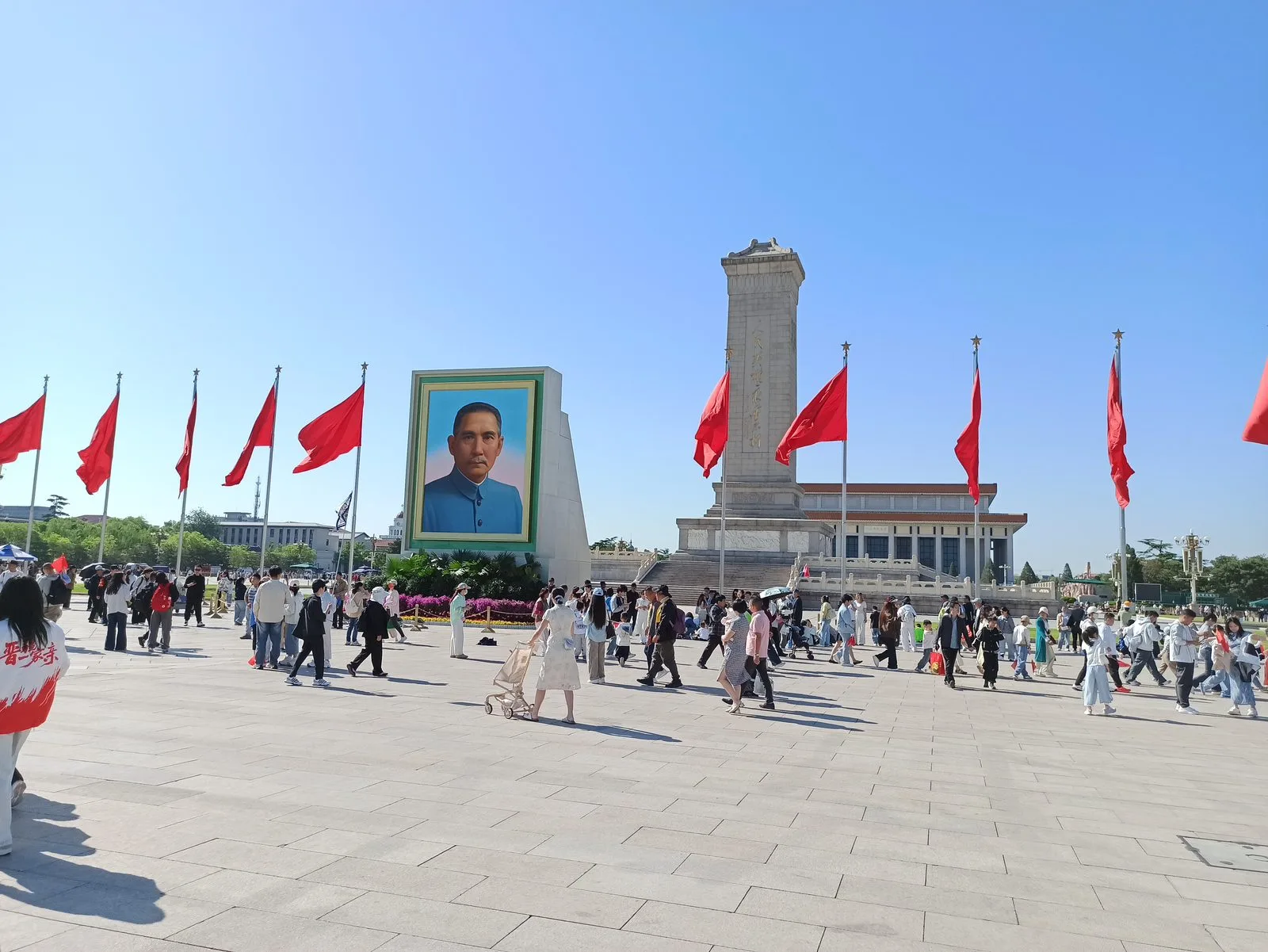
One moment there really touched me. While I was walking around taking photos, a boy of about 6 came up to me, and after a few attempts at understanding each other it turned out he wanted a photo with me. It had never happened to me before that a local person wanted to take a picture with me – and in the very centre of China at that. I had heard that people from the remote, non-touristy parts of the country rarely see foreigners and that the appearance of one is an event, but I had never experienced it. It wasn’t the only time – later on, people would just come up to me and ask for a photo together.
One of the questions I’m asked most often is what Chinese people are like. Honestly, I came away with very good impressions. Probably because I’m a foreigner and they tried to be hospitable, but to me the Chinese are good people who live in a fairly harsh environment, who have historically been trampled on and humiliated by many, but have kept their humanity. Of course, the population is huge and there will always be someone who wants to cheat a foreigner and profit at their expense, but on the whole they are kind and welcoming people.
The Forbidden City
We have seen the Forbidden City many times in films, but in reality few films have actually been shot there. The best known is “The Last Emperor” (1987) – the first Western feature film allowed to shoot inside the palace. Today most productions are filmed elsewhere, and the palace is added with computer graphics, or realistic sets are used – in Hengdian, “China’s Hollywood”, there is an entire full-size copy of the Forbidden City. And if you think being an actor in China is great, think again: we were told that many actors (especially extras) act in films and series during the day and deliver food in the evening, because it is hard to make a living from this profession alone.
The palace itself was built between 1406 and 1420 under the Yongle Emperor of the Ming dynasty, and for almost 500 years it was home to the emperors of the Ming and Qing dynasties. It is called “forbidden” because without the emperor’s permission nobody could either enter or leave.
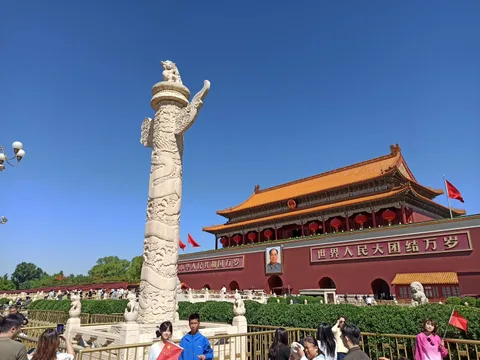 The marble huabiao column in front of Tiananmen Gate
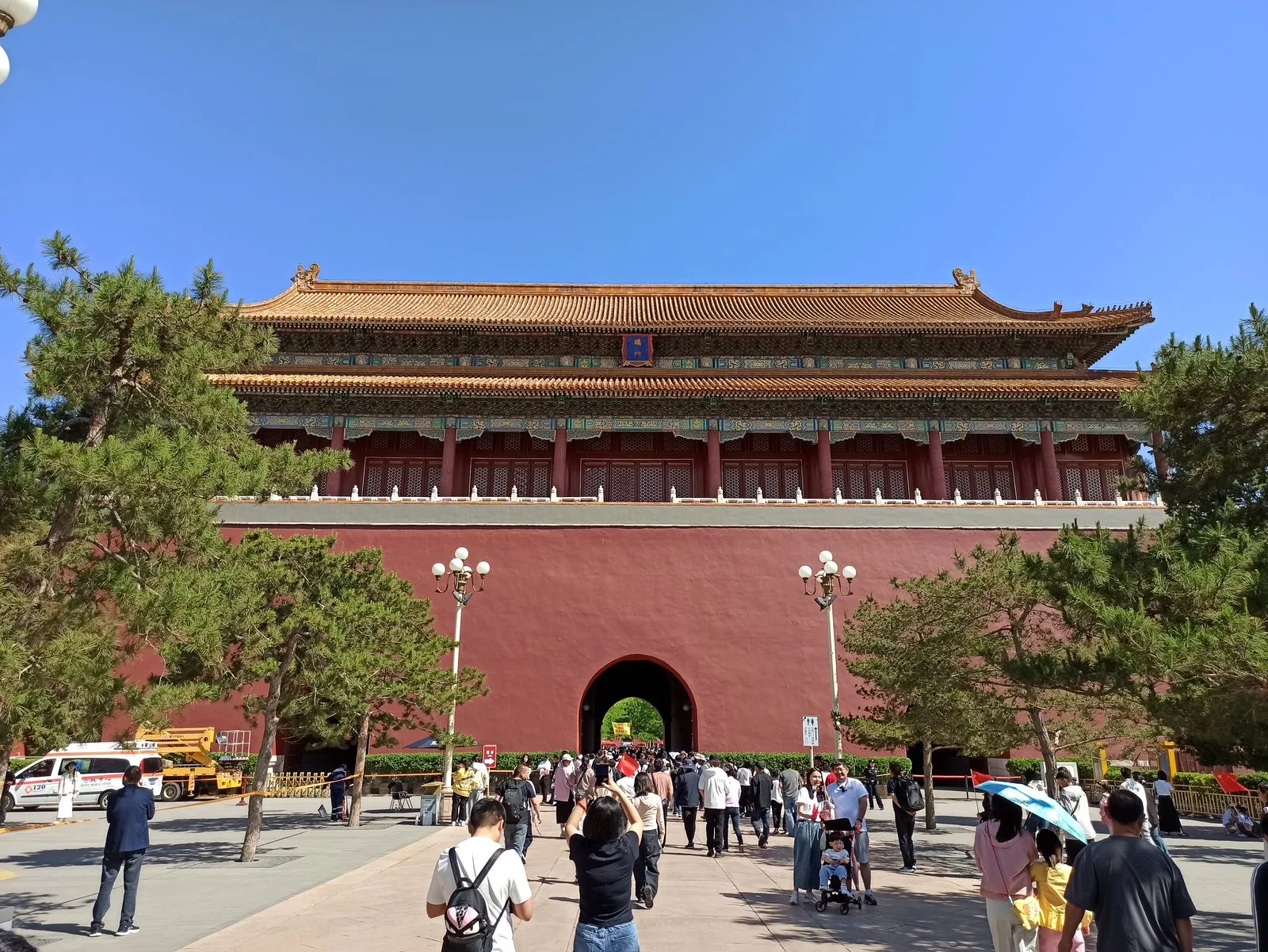
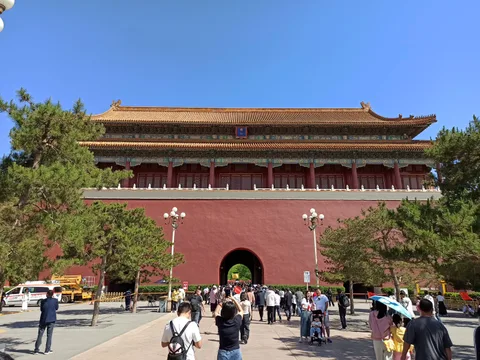 One of the gates on the way from Tiananmen to the palace
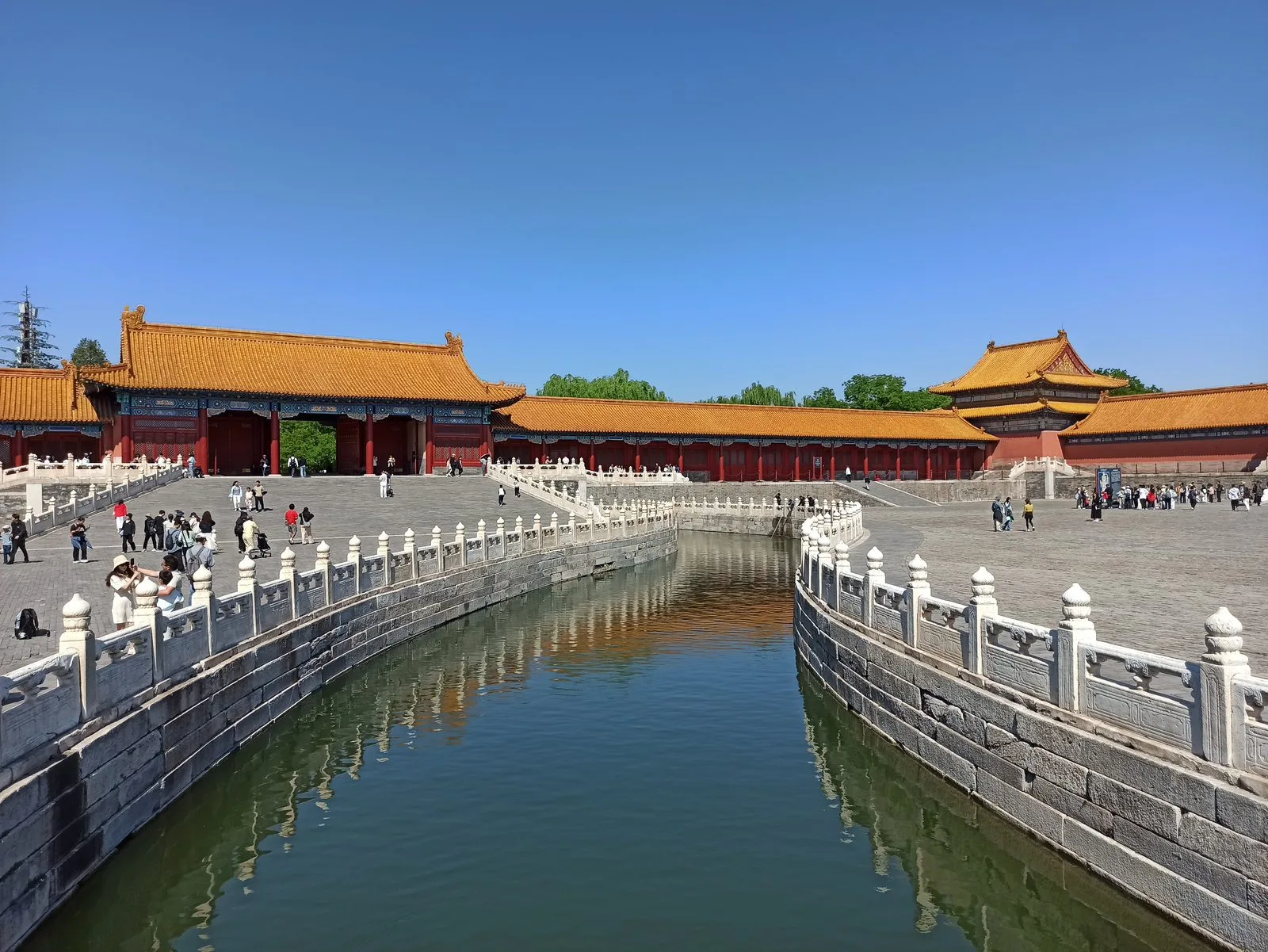
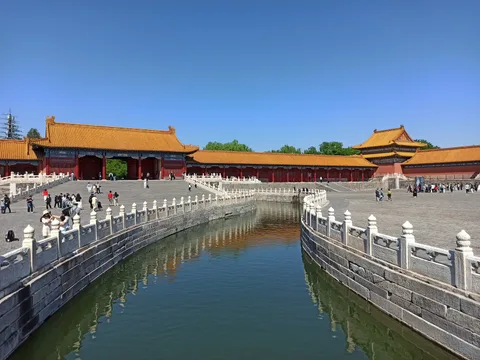 The Golden Water River and the marble bridges in front of the Gate of Supreme Harmony
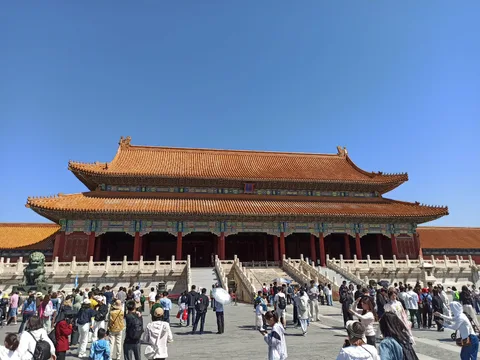 The Gate of Supreme Harmony
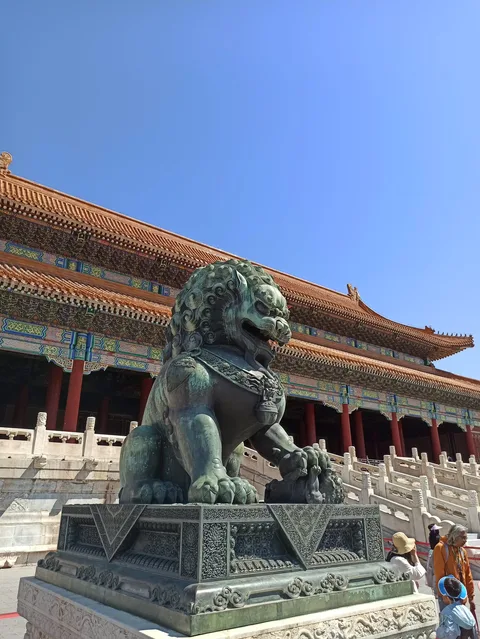 A bronze guardian lion – they always come in pairs: the male holds a ball under his paw, the female a cub
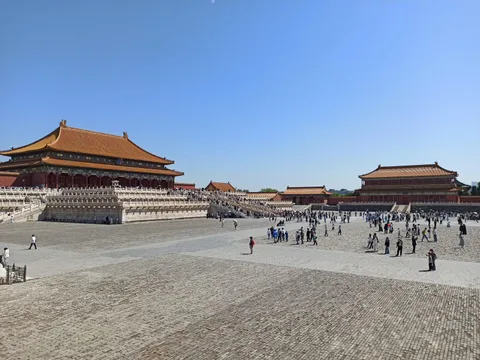 The huge square in front of the Hall of Supreme Harmony – thousands of courtiers once gathered here
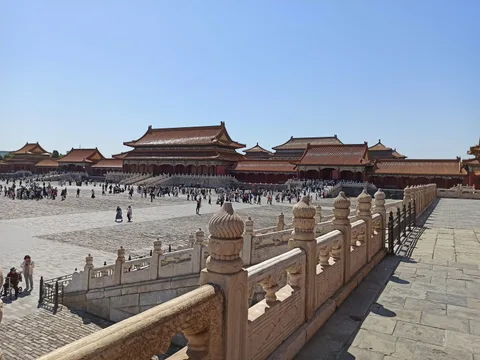 The square seen from the marble terrace
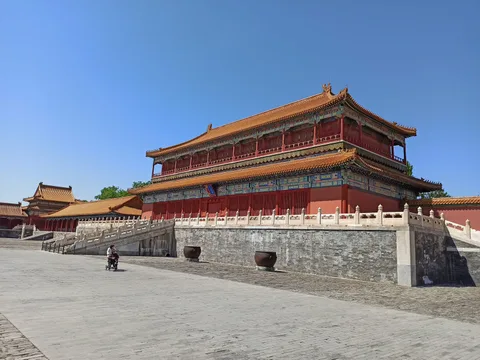 One of the pavilions around the square
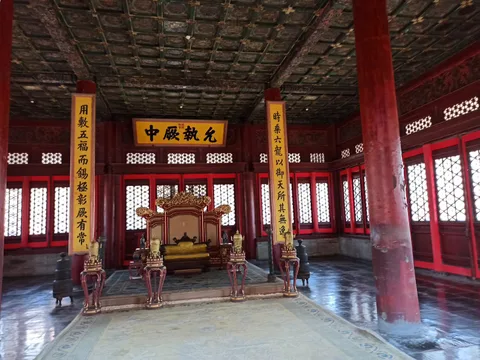 The throne in the Hall of Central Harmony – here the emperor prepared before the great ceremonies
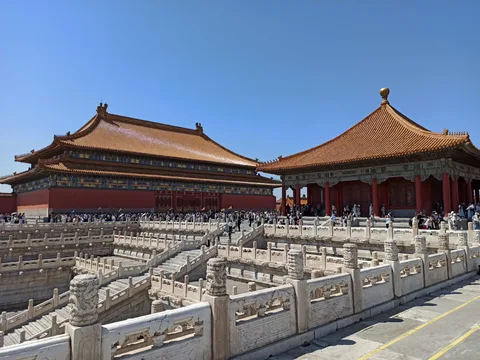 The main halls stand on three levels of marble terraces
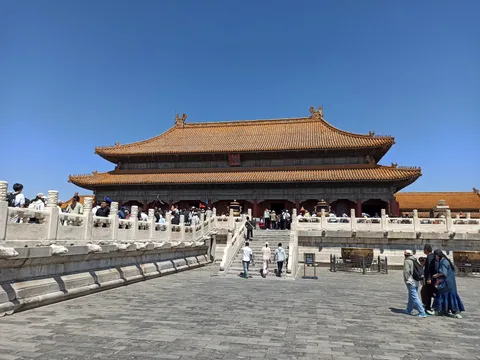 Double roofs of yellow tiles – a colour reserved for the emperor alone
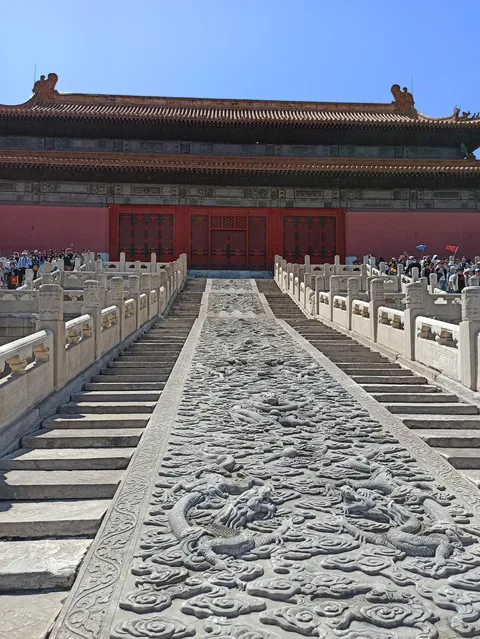 The largest stone carving in the palace – carved from a single block of marble
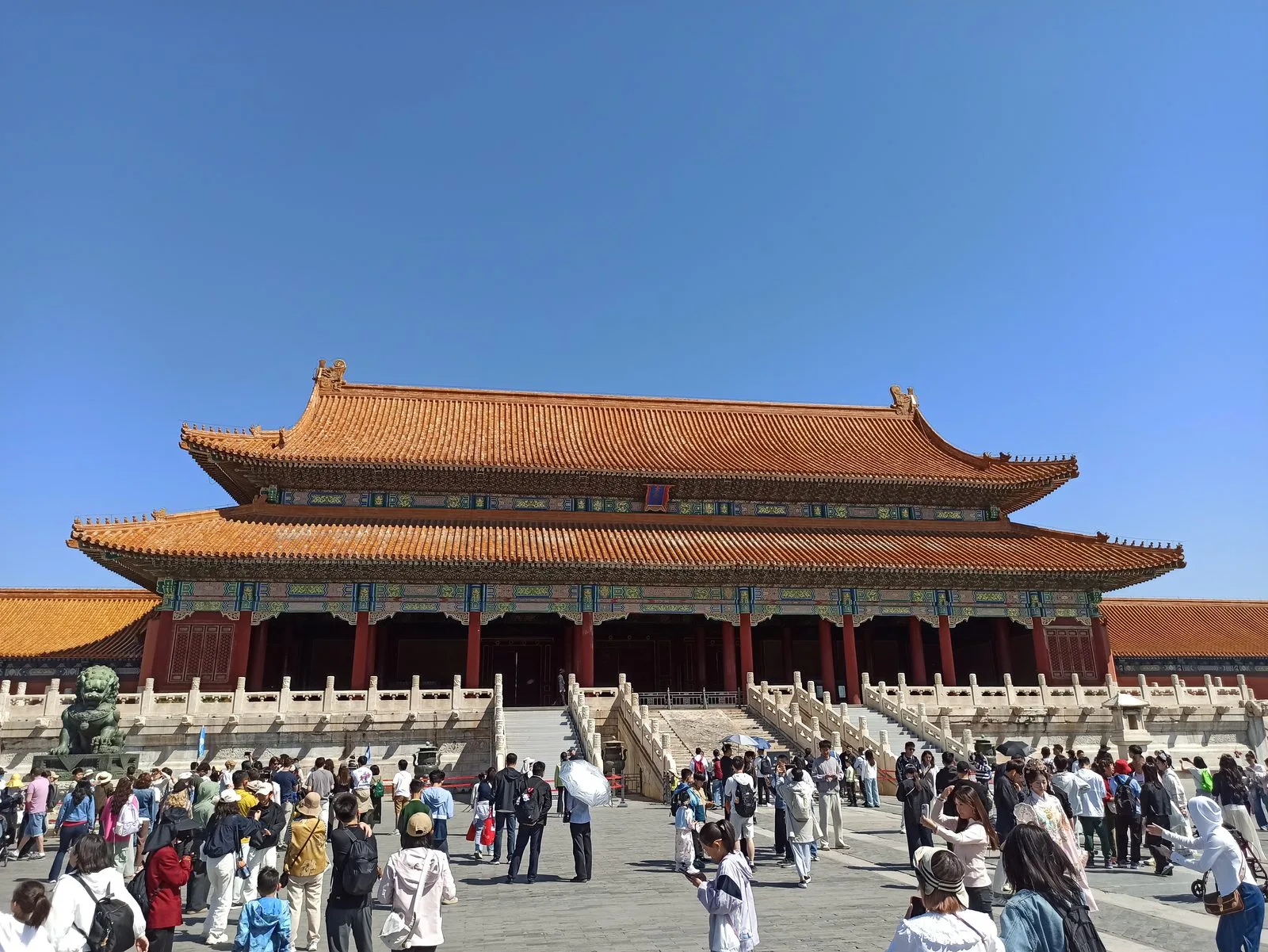
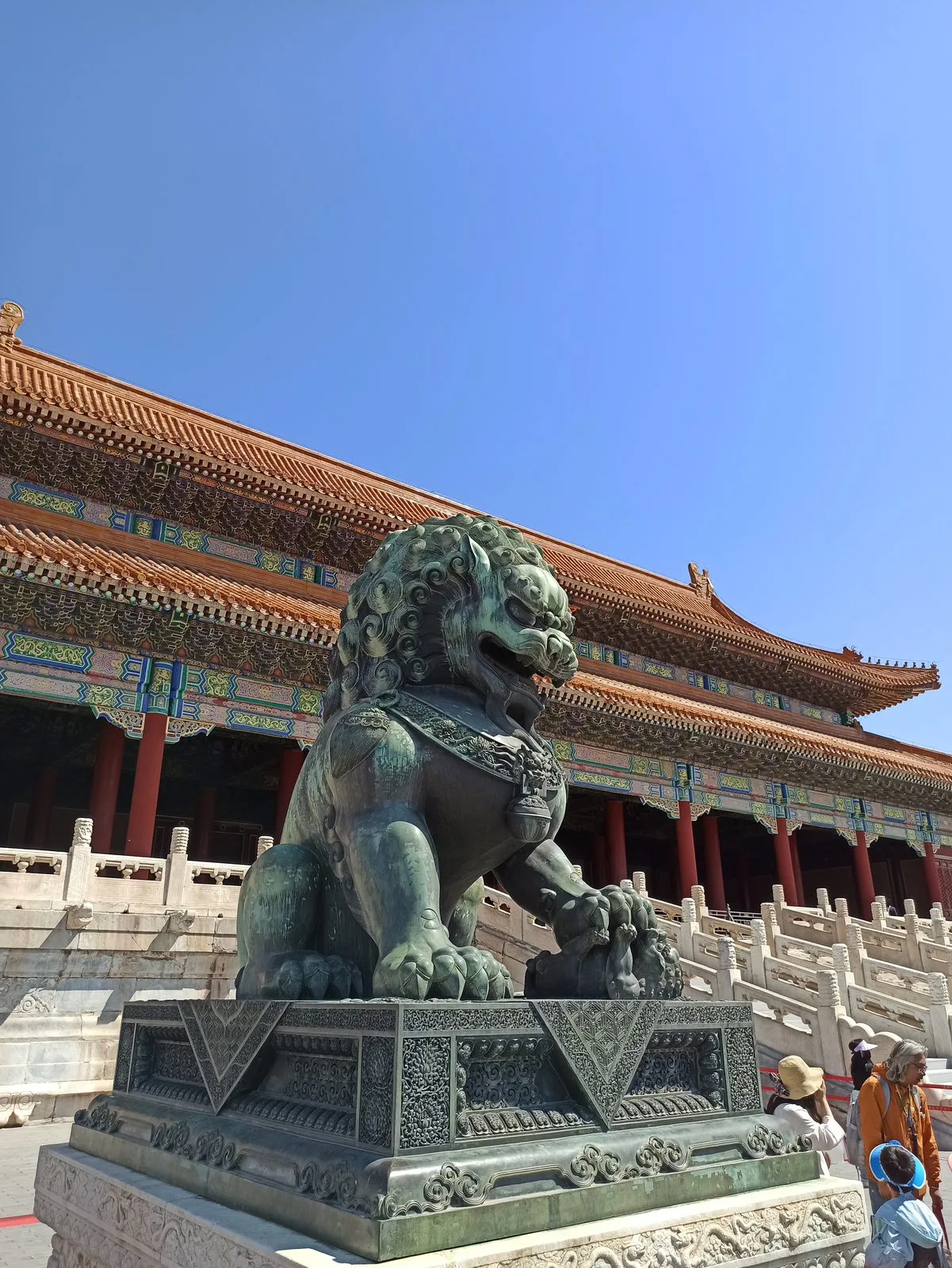
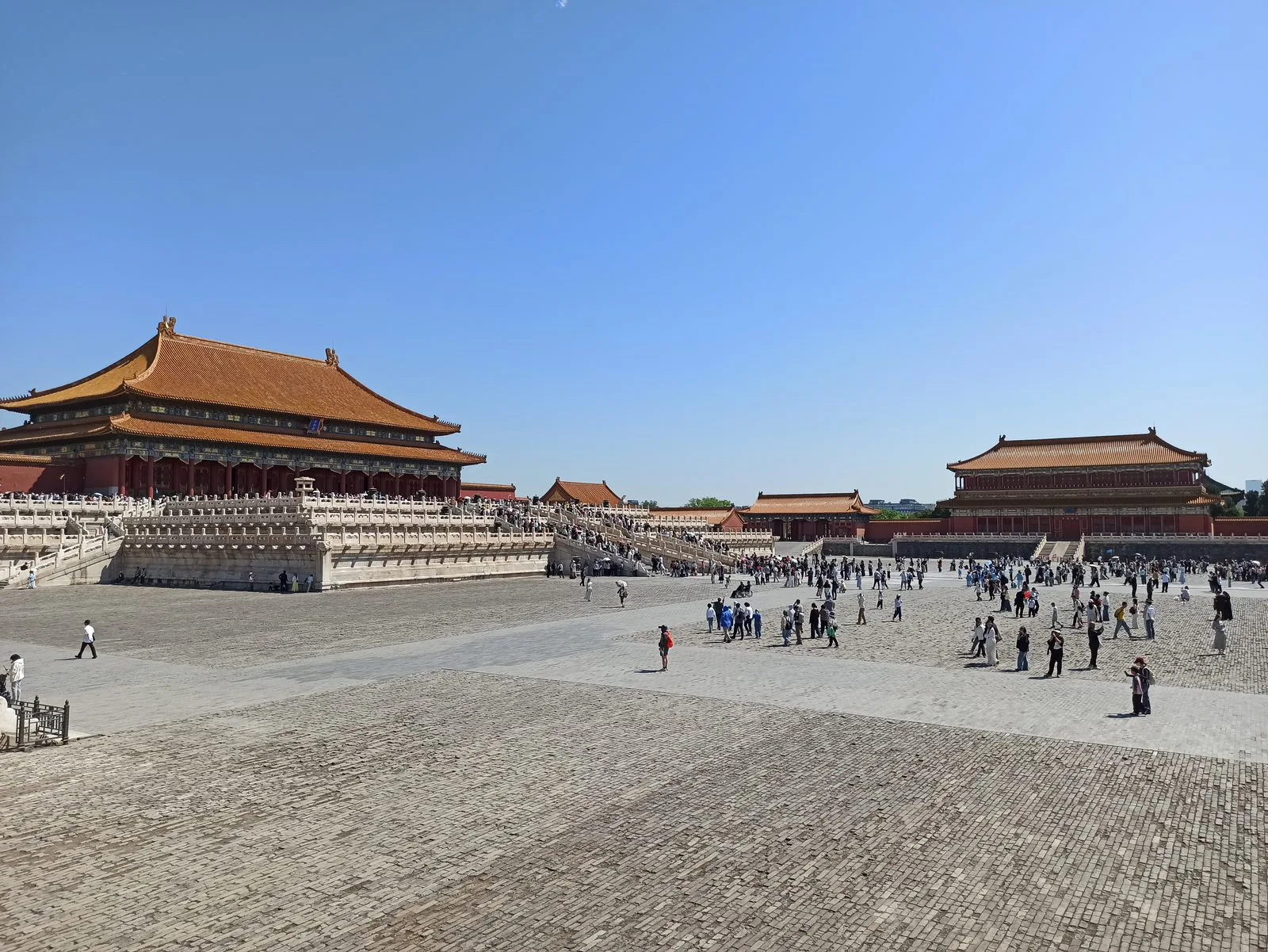
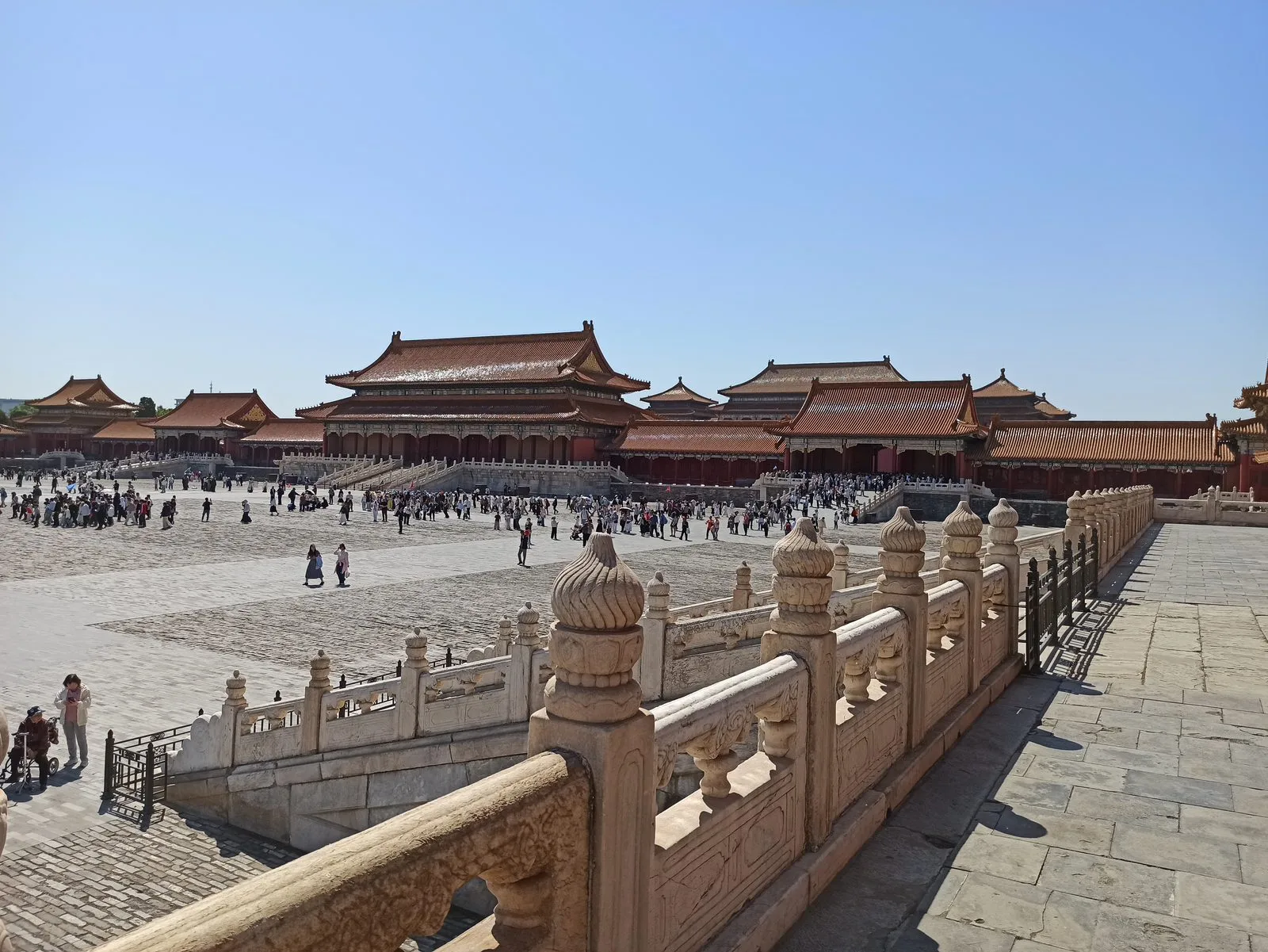
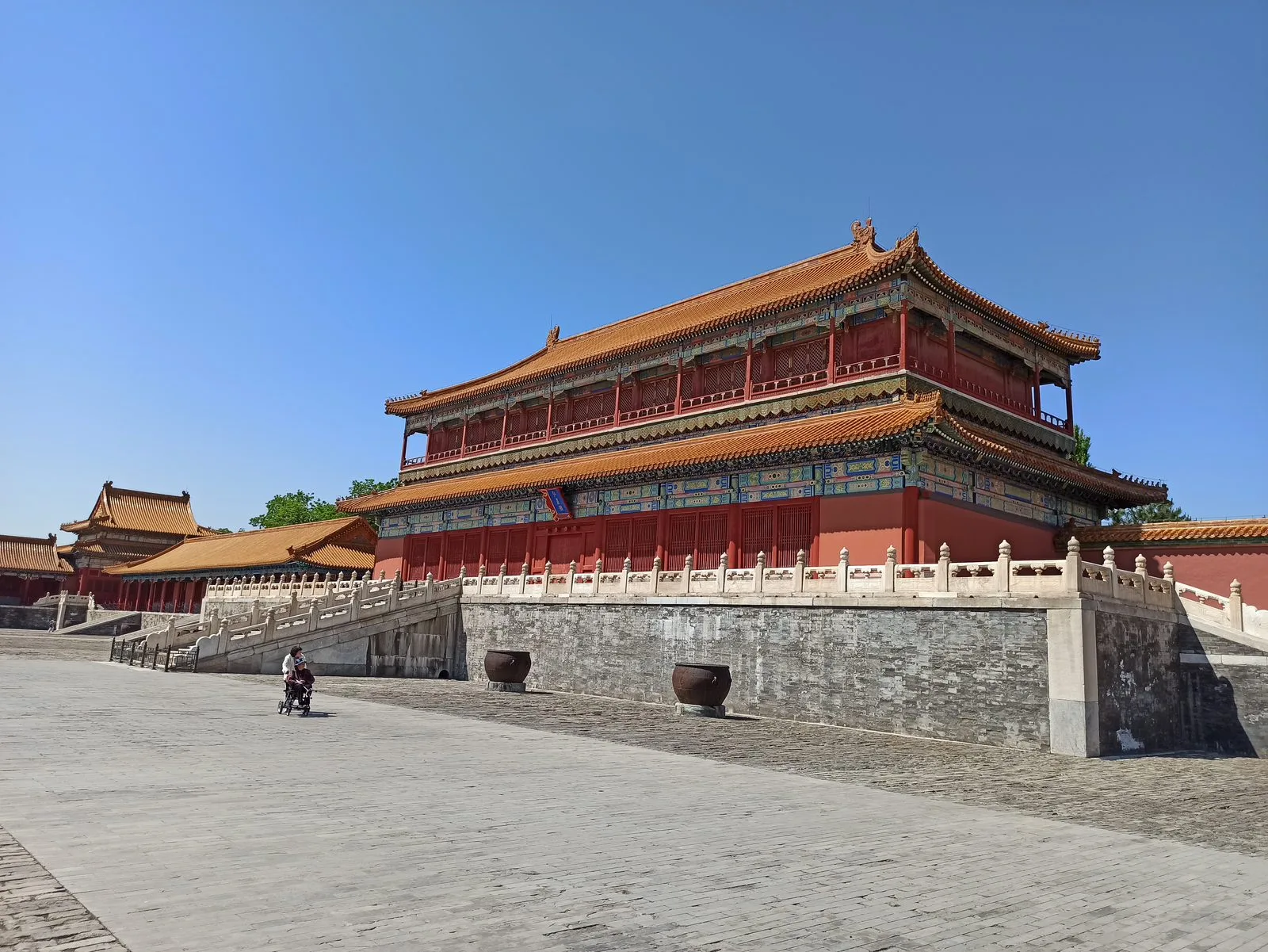
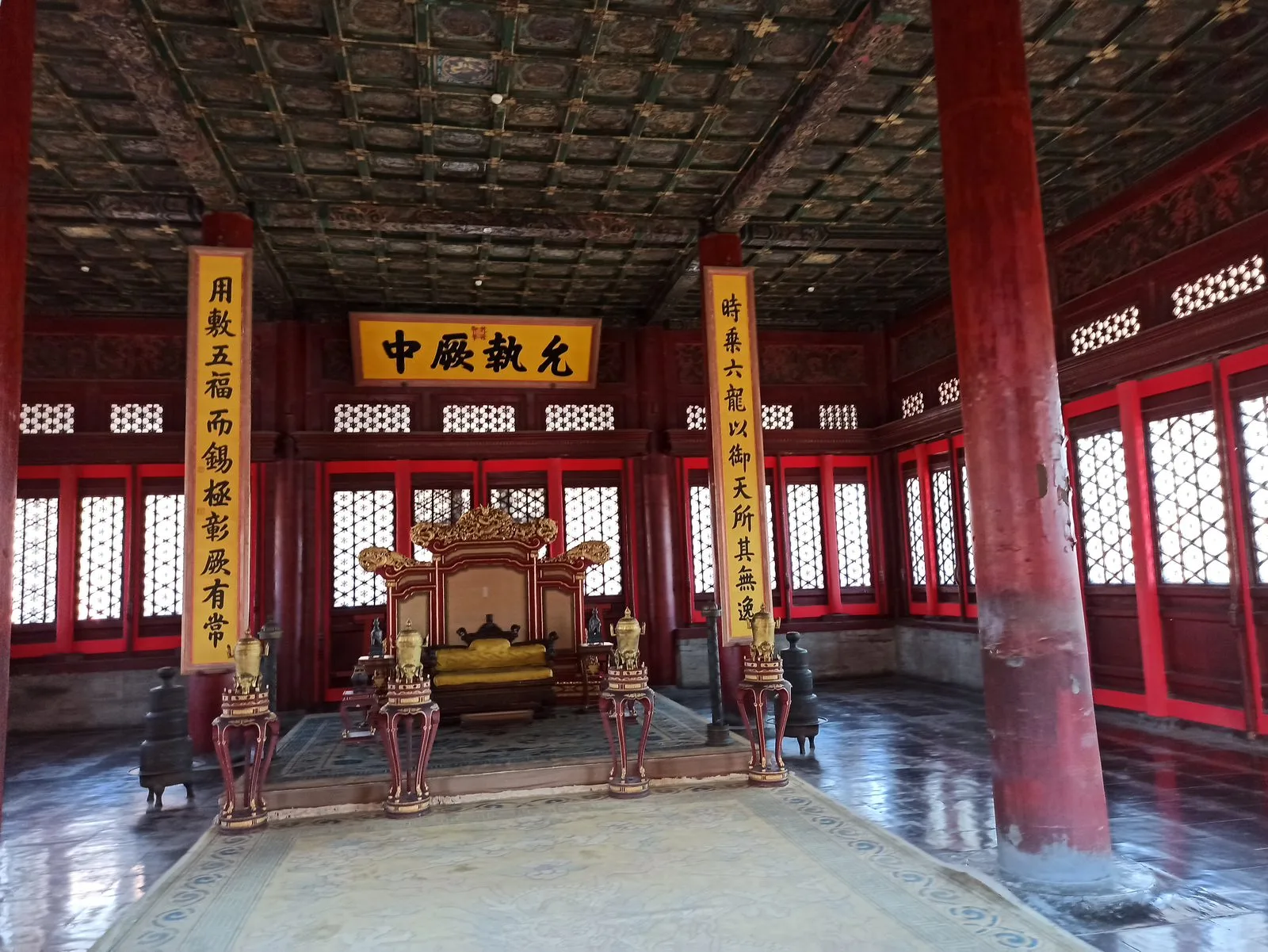
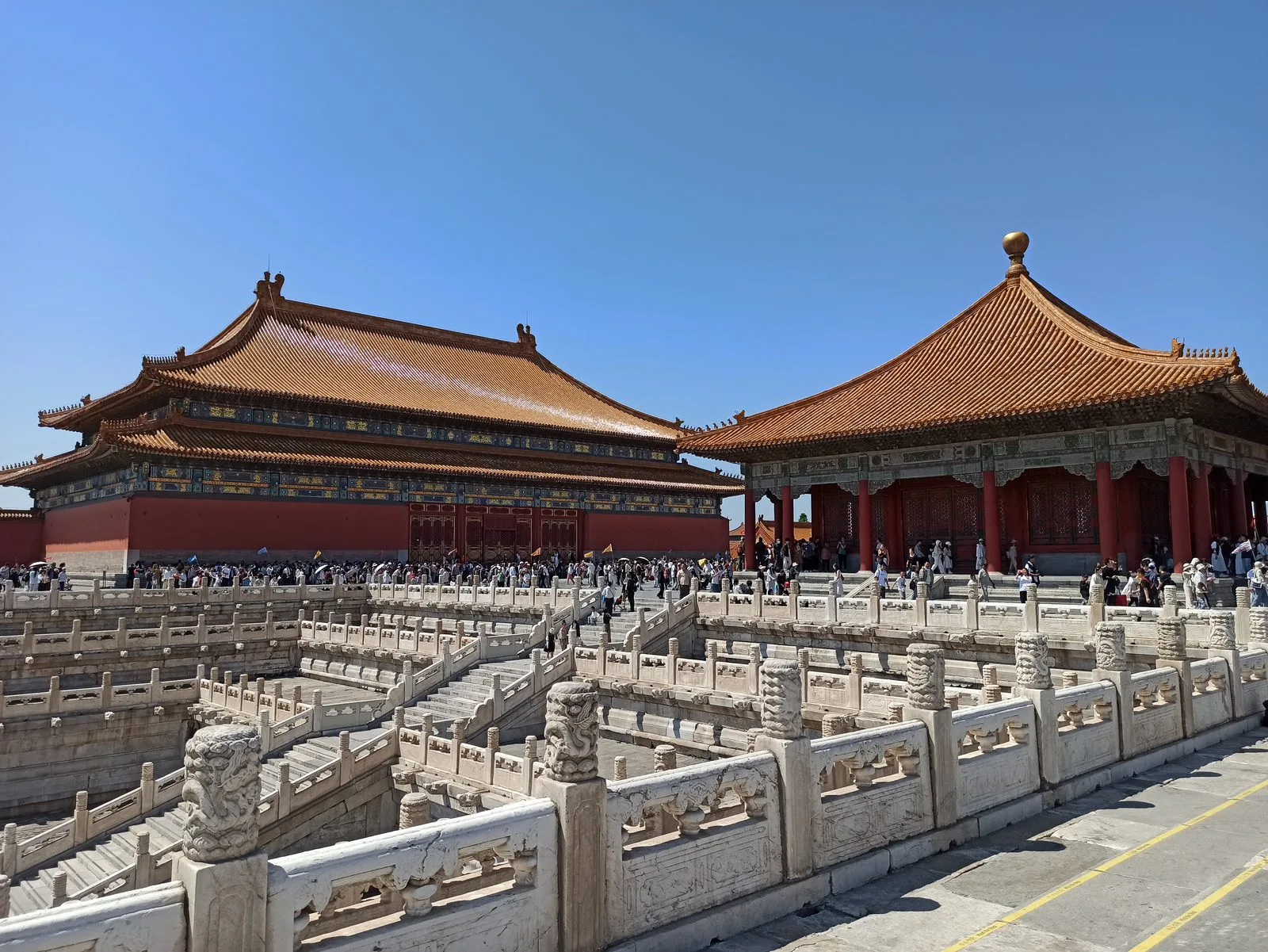
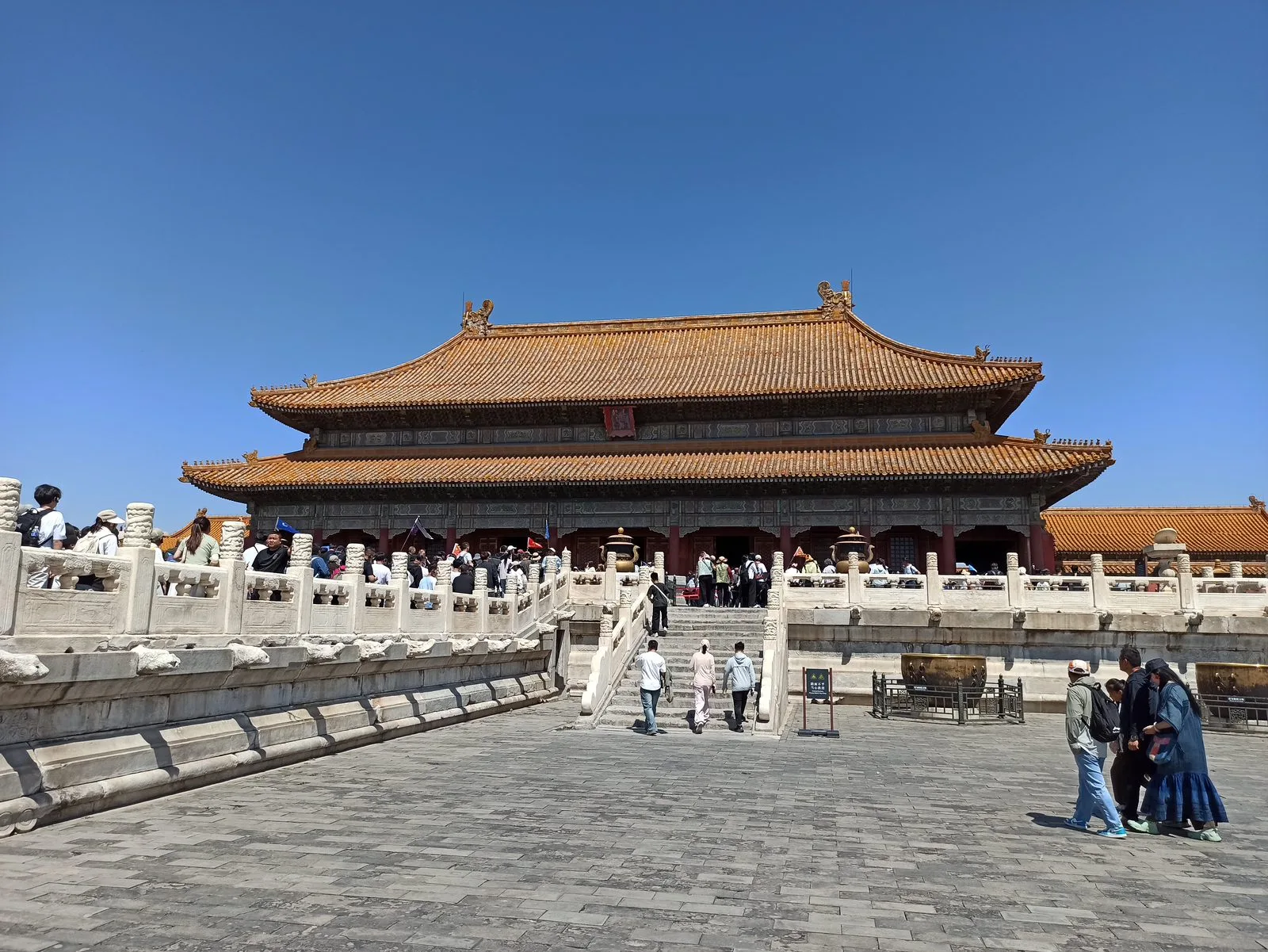
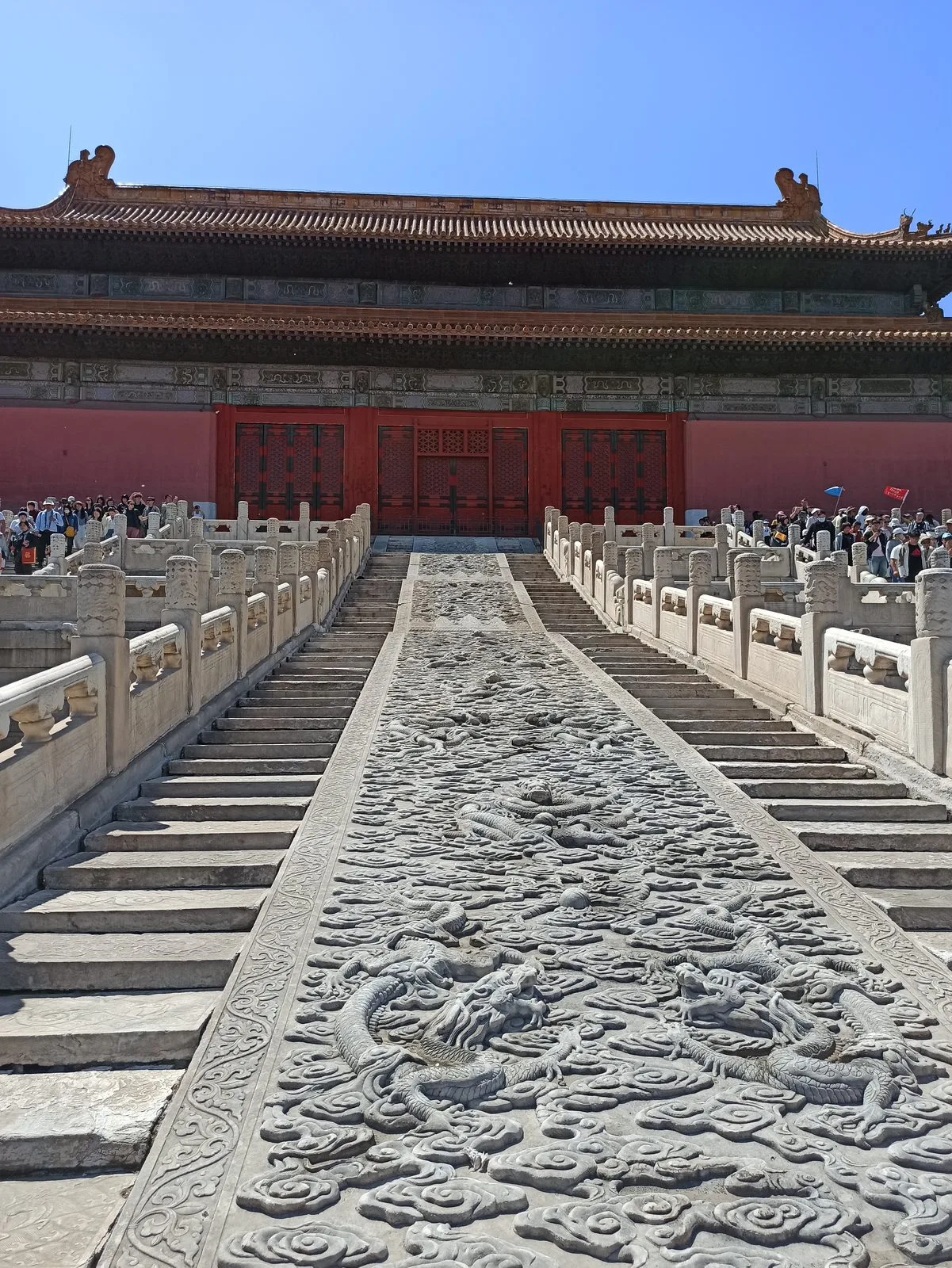
Something that caught my eye was that the paving in many places is full of holes, the paint on the buildings is peeling, and I wouldn’t be surprised if a rotten plank was hanging somewhere. We were told that they deliberately don’t renovate the Forbidden City so that it looks authentic. Still, it’s strange for one of China’s biggest attractions to be dangerous to walk around, with you constantly looking at your feet so you don’t break something in a hole. Later I found out that the palace is in fact being restored, but selectively – they try to preserve as much of the original material as possible, and because of its enormous size they simply can’t repair everything at once.
What impressed me most, though, were the girls dressed in traditional clothes of princesses and empresses, walking around and taking photos everywhere. At times I felt as if we had been transported several centuries back – to the time when princesses really did walk here. Only now they are looking for the perfect spot for a social media photo.
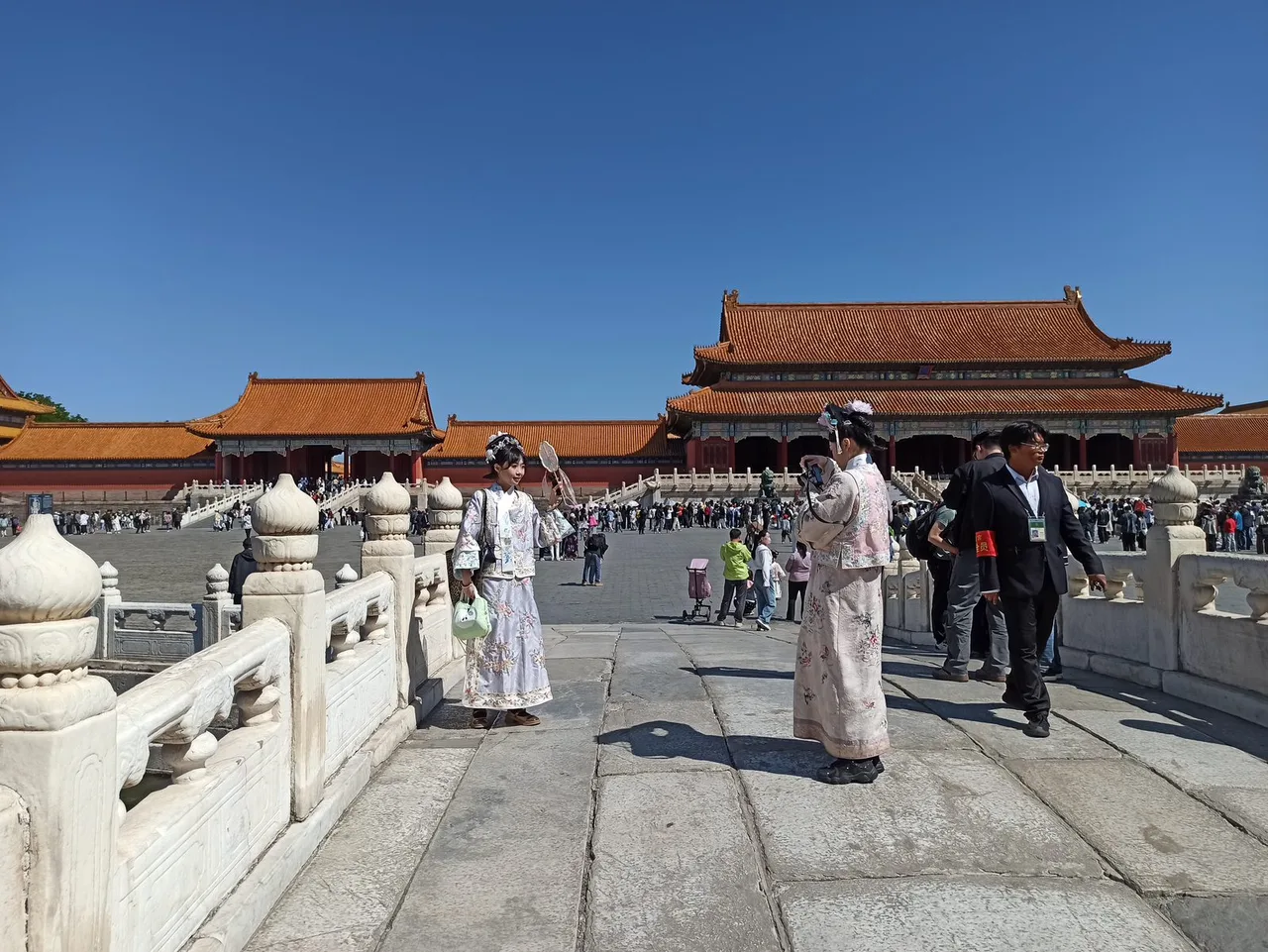
Over the following days I saw girls in traditional clothes almost everywhere, and the interesting thing was that the costumes changed with the region. In the Forbidden City they were mostly in the style of the last dynasty, the Qing, in Xi’an – in the style of the Tang dynasty, and around Guilin – in the costumes of the local ethnic minorities.
If you are interested in what life in the imperial palace was like, I recommend the anime “The Apothecary Diaries”. It is set in a fictional empire inspired mainly by the Tang era, so it is not historically accurate, but it shows very well how people lived in the palace and what intrigues went on there. If you want something set specifically in the Forbidden City, watch the series “Story of Yanxi Palace” – it takes place in the time of the Qianlong Emperor of the Qing dynasty.
Pearl factory
When you’re told you will visit a “factory” in China, imagine that you will be taken to a shop, probably in a mall, where prices will be quite inflated because – as they assured us – the state guarantees the quality.
That was exactly our experience. We were taken to a shop and first given a long explanation of how great, incredible and valuable the pearls are and how we absolutely had to buy some. In these shops bargaining isn’t common, but they may agree to some kind of discount.
The pearls really are very beautiful, but they are now produced in huge quantities and most are cheap. In many places in China you will be promised genuine pearls, and in most cases they will be fakes or low-quality pearls sold to you as something very rare. If you still want to buy pearls, a shop like this is the safer place.
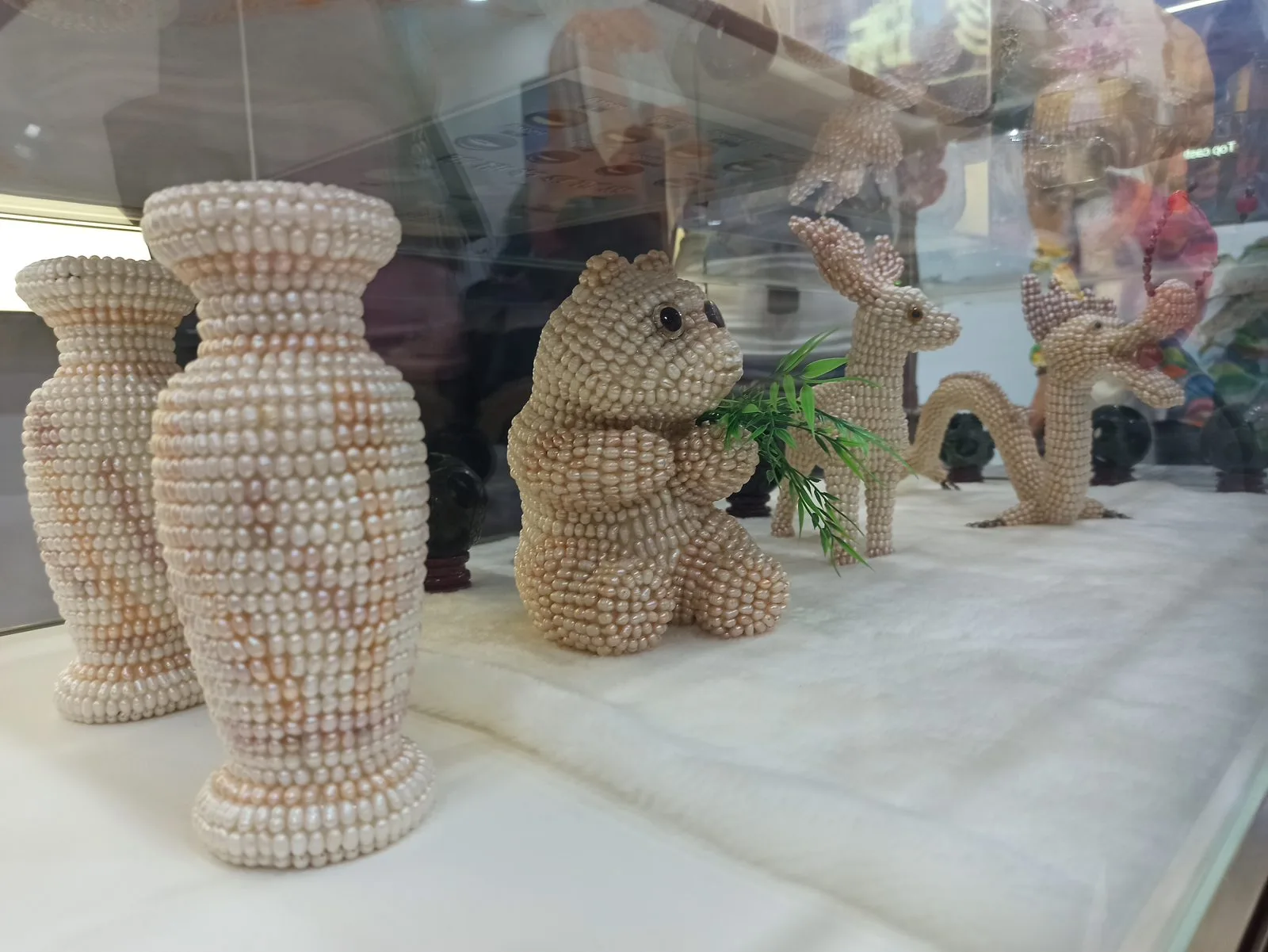
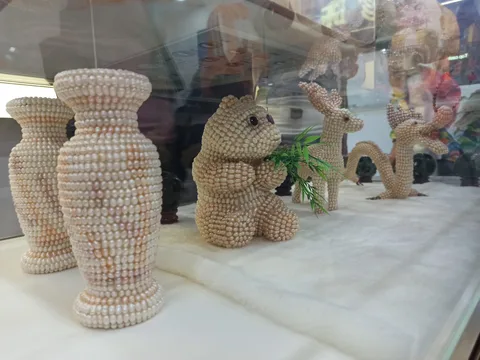 Vases and figurines made entirely of pearls
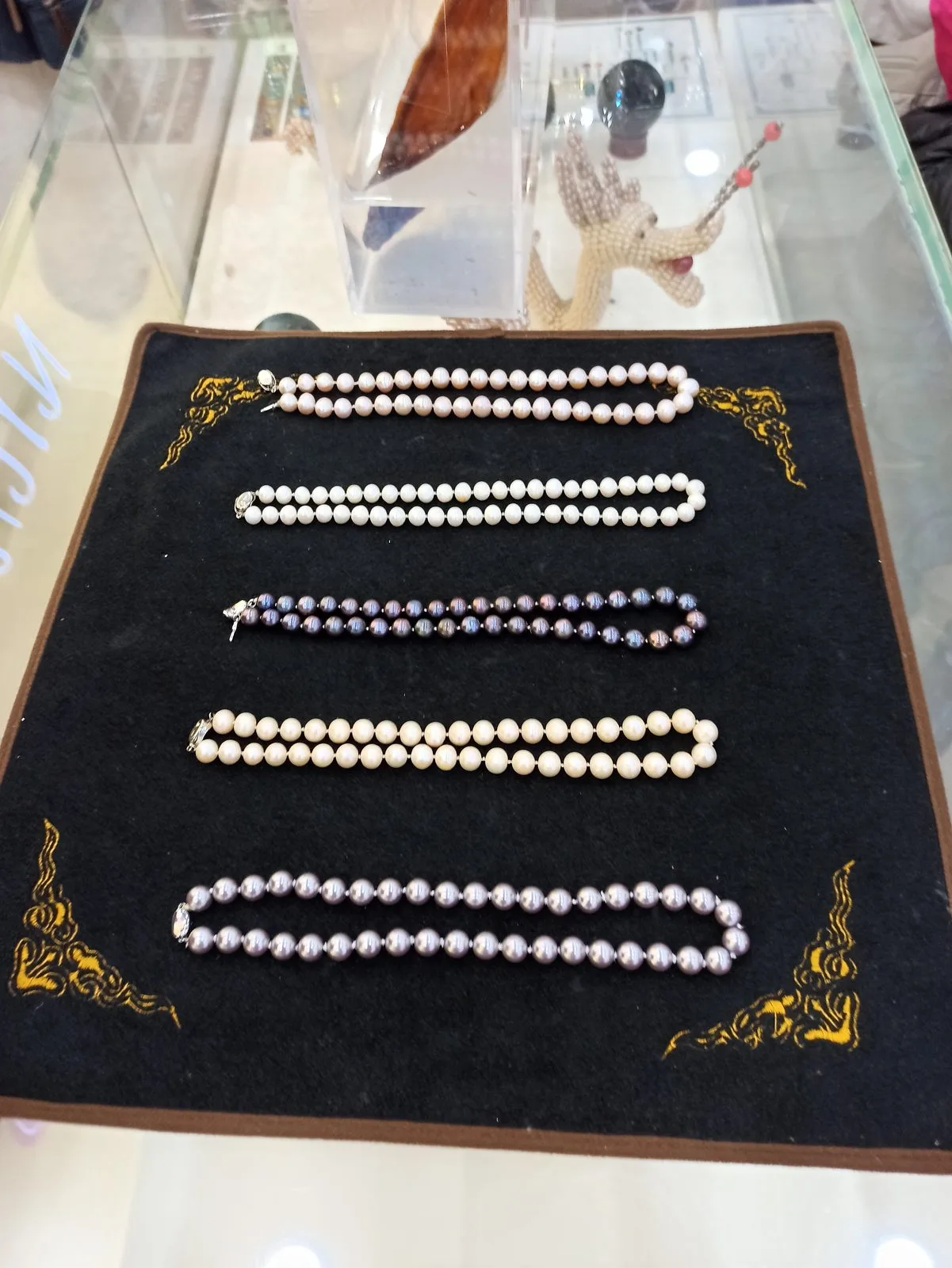
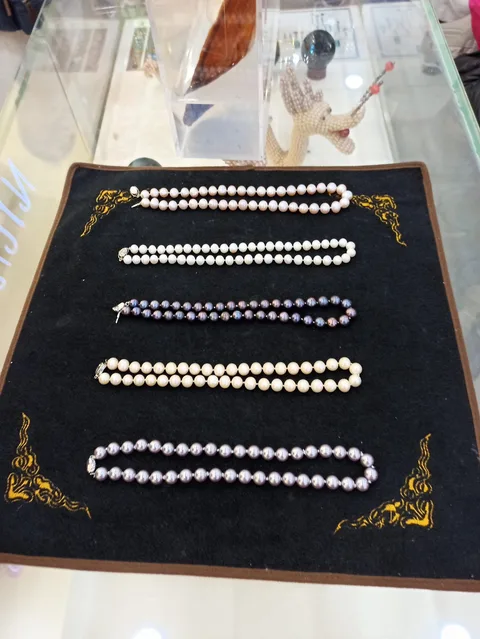 Pearl strands in different colours
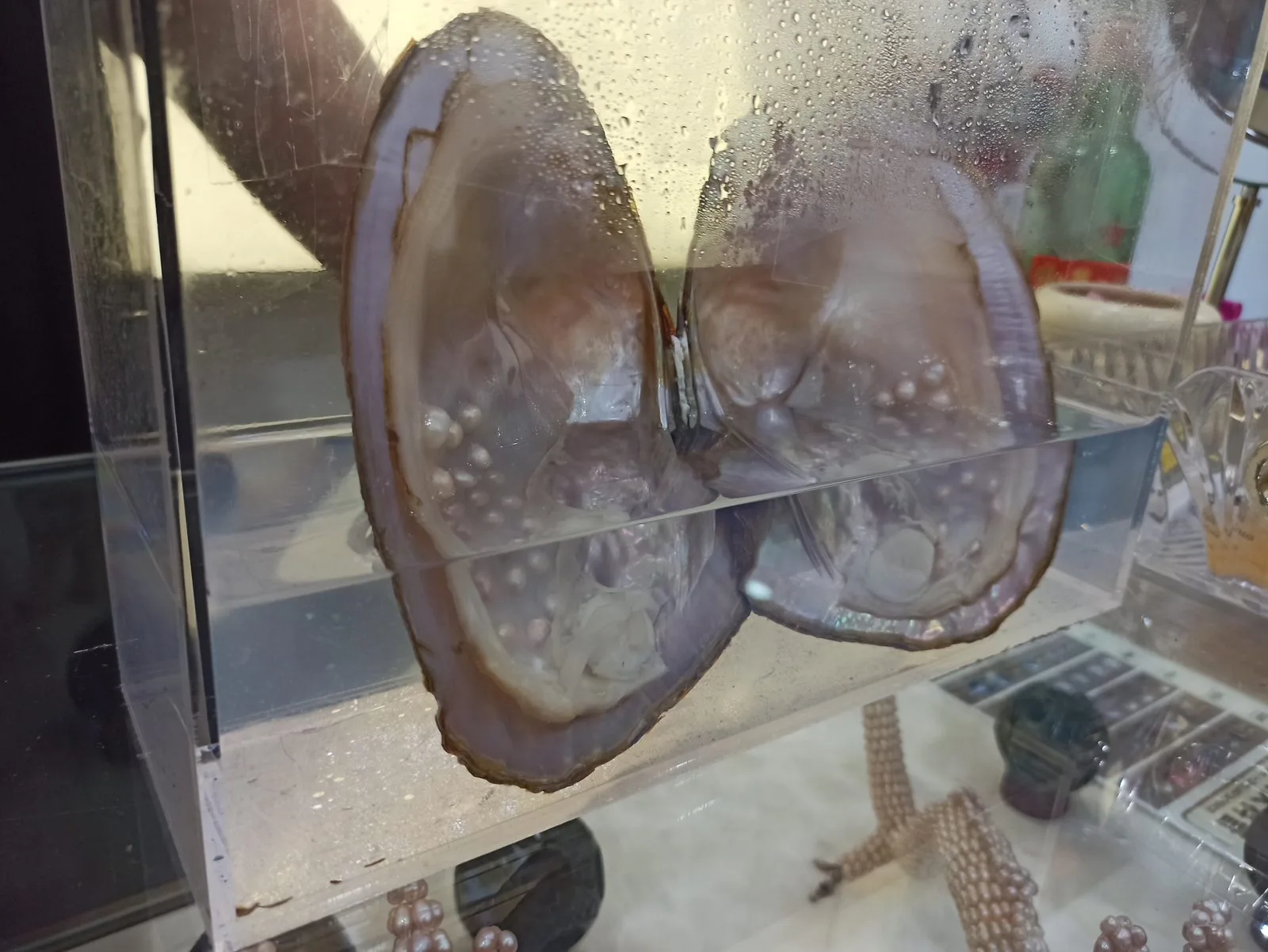
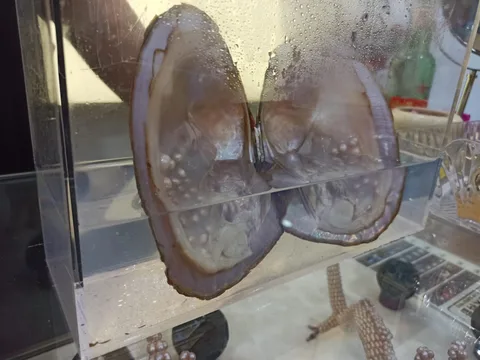 A freshwater mussel – a single one can grow 30–50 pearls at the same time
The Olympic Park
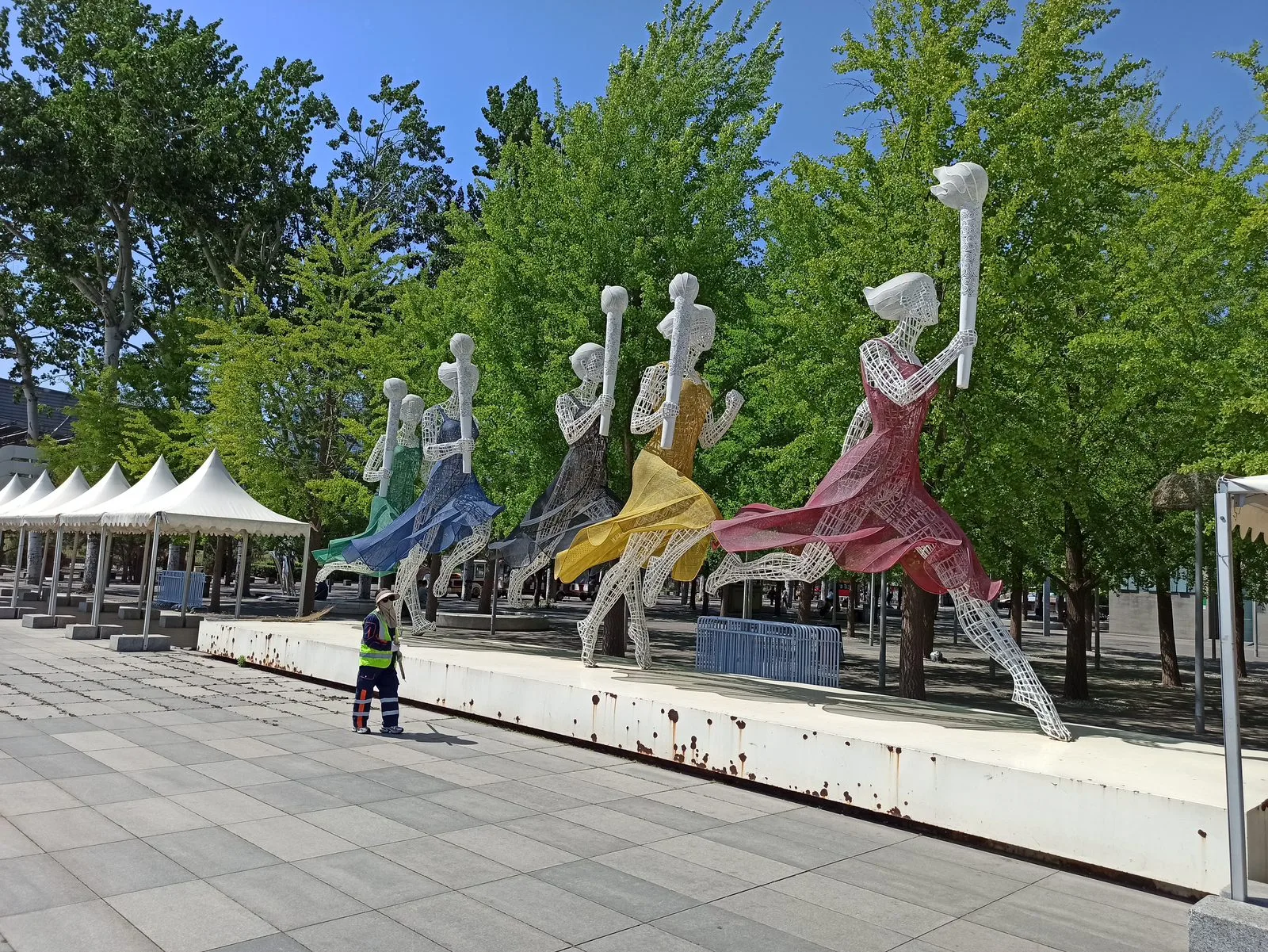
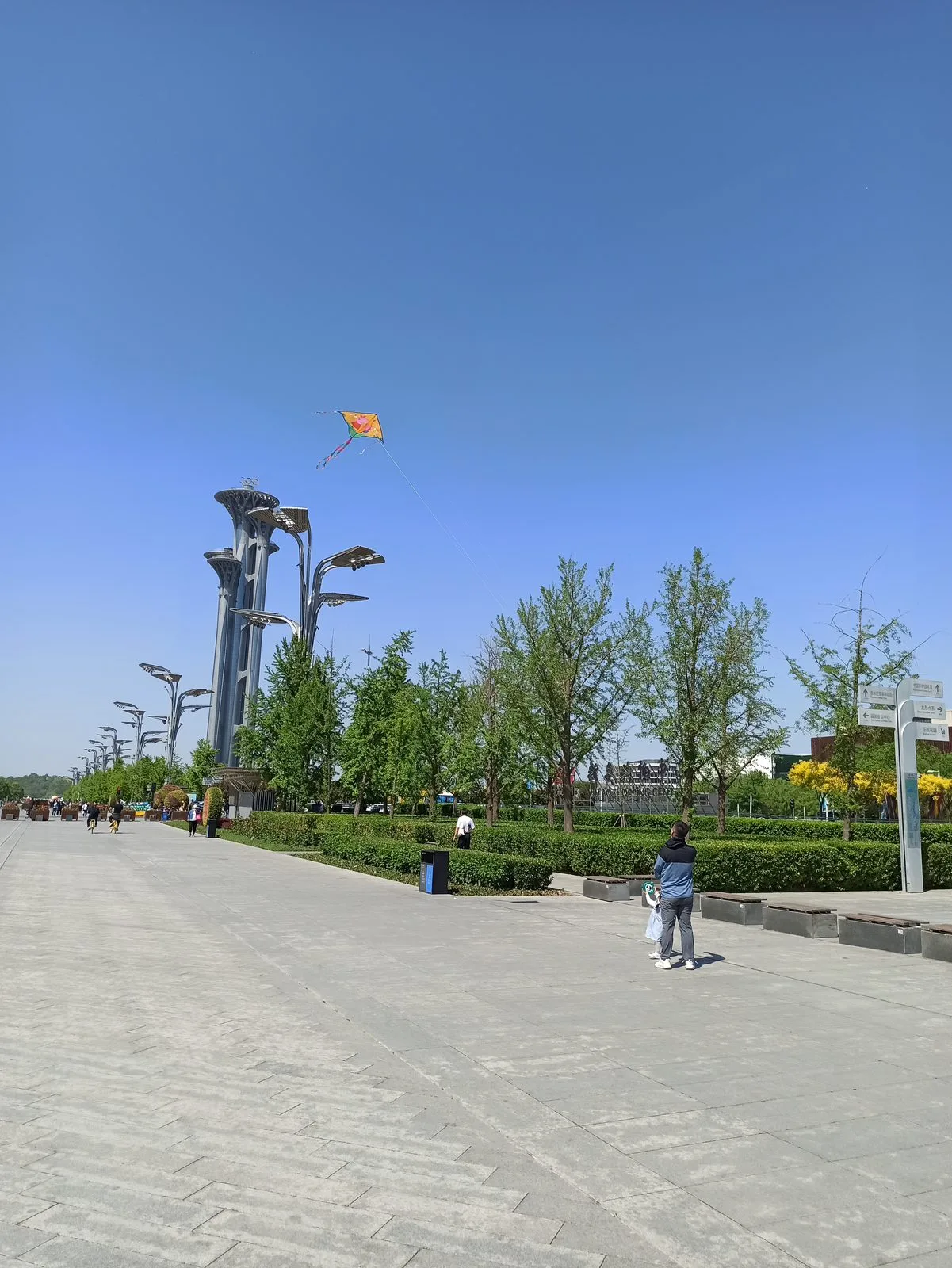
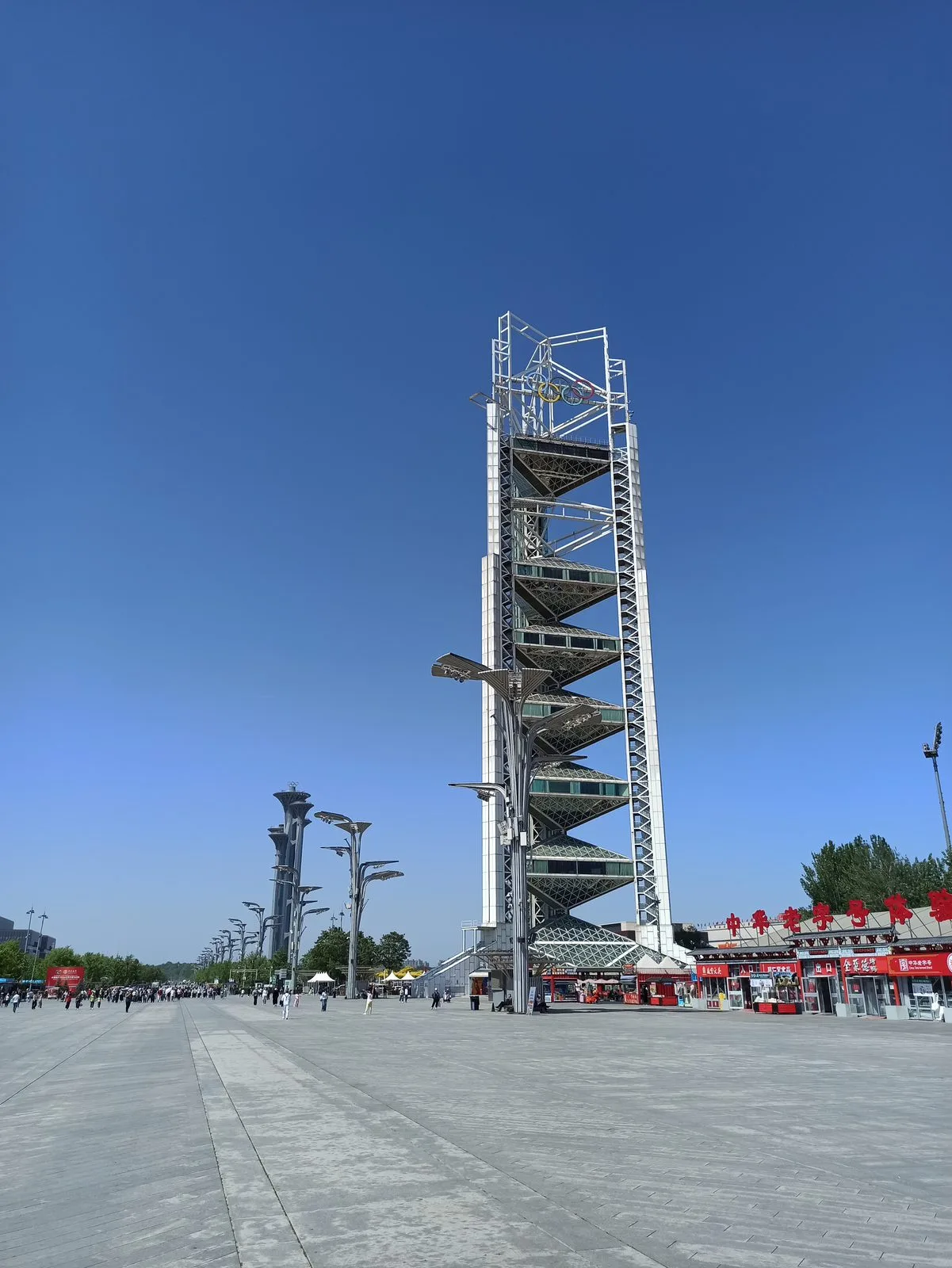
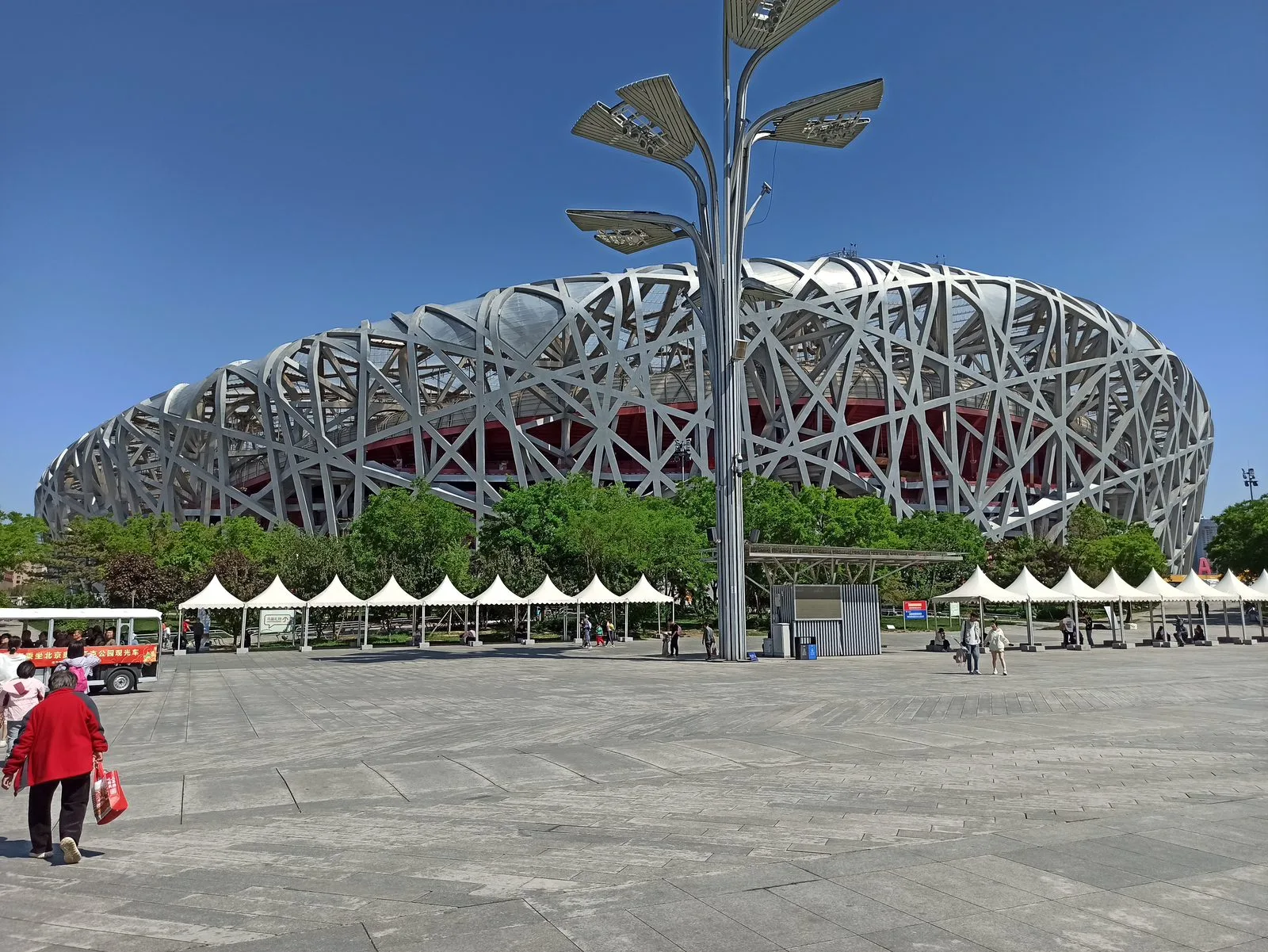
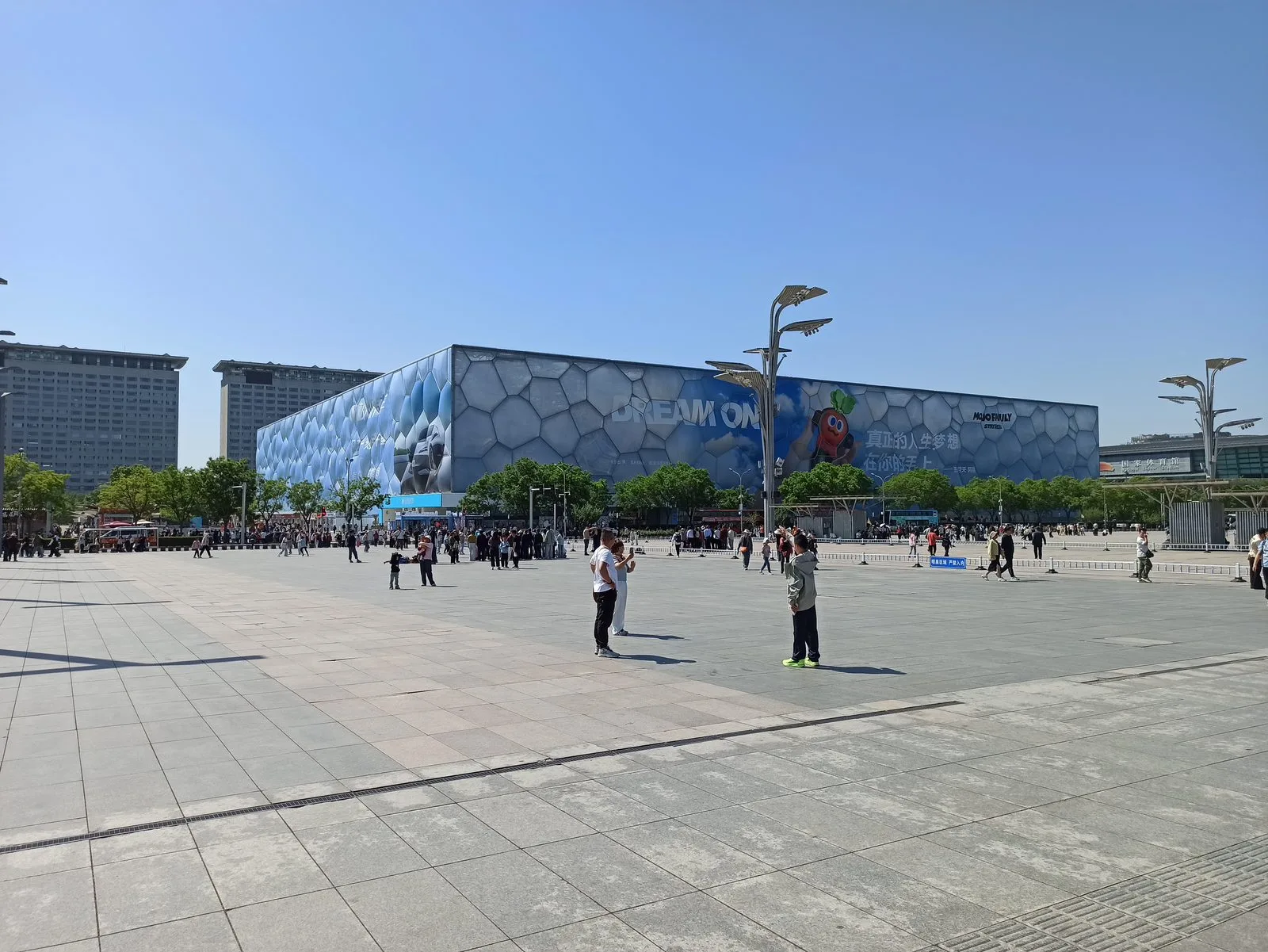
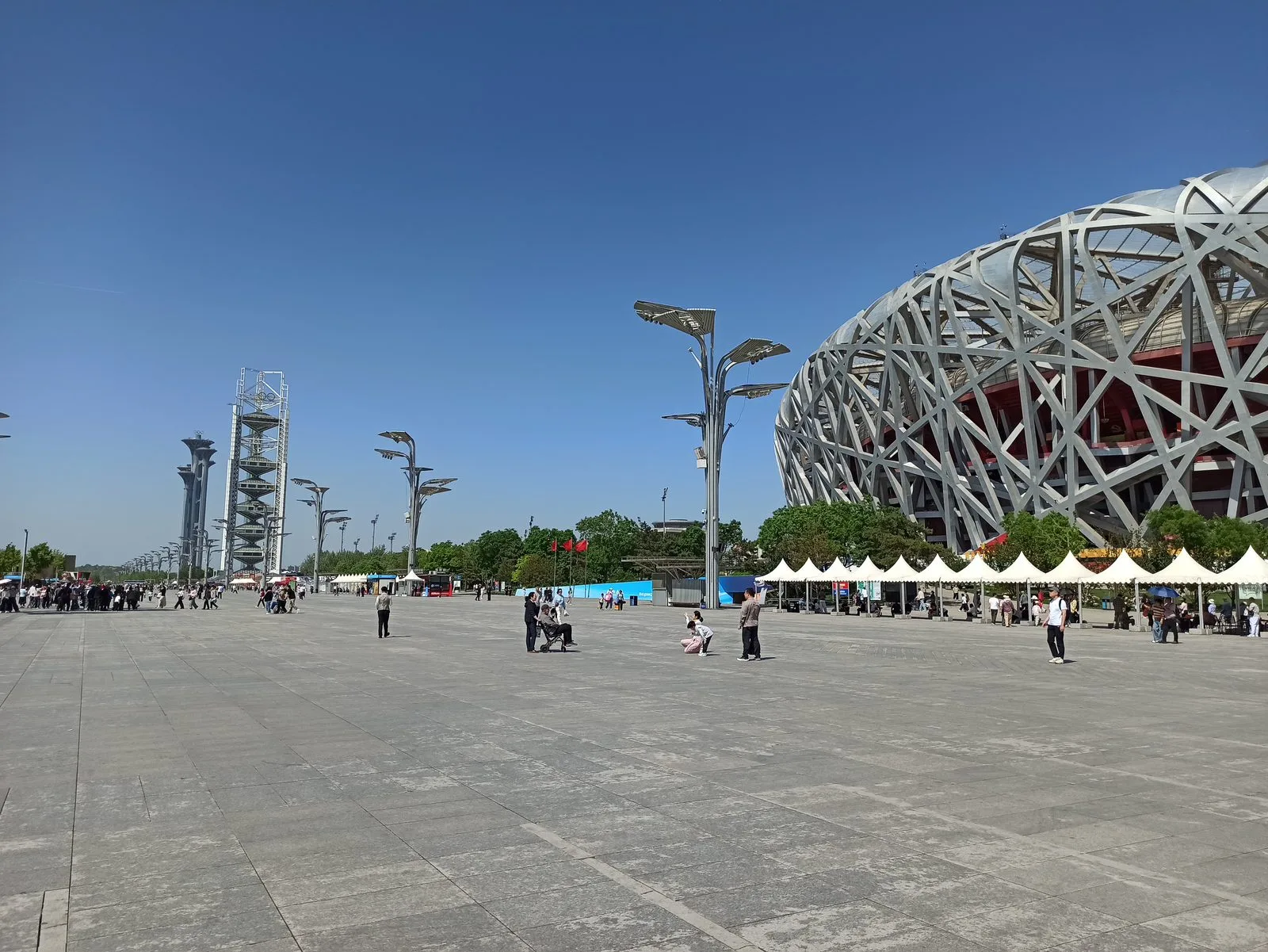
After all these sights, our guide had prepared something special and took us to the Olympic Park, built for the 2008 Games. That’s where the iconic buildings we all remember from the Games are: the National Stadium, known as the “Bird’s Nest”, the National Aquatics Center – the “Water Cube”, and the Linglong Tower, which housed the TV studios during the Games. A little further on rises the 258-metre Olympic Tower, opened in 2015. Overall it’s a great place for a walk, but things look deceptively close while in reality the distances are quite large. Definitely worth a visit.
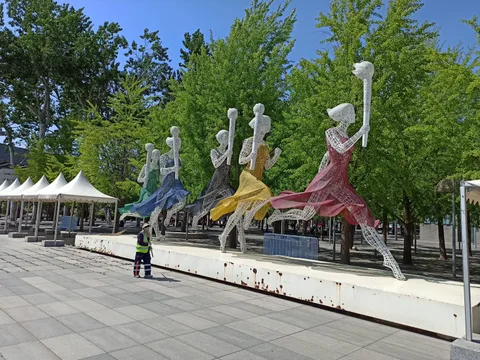 Sculptures of torchbearers in the Olympic Park
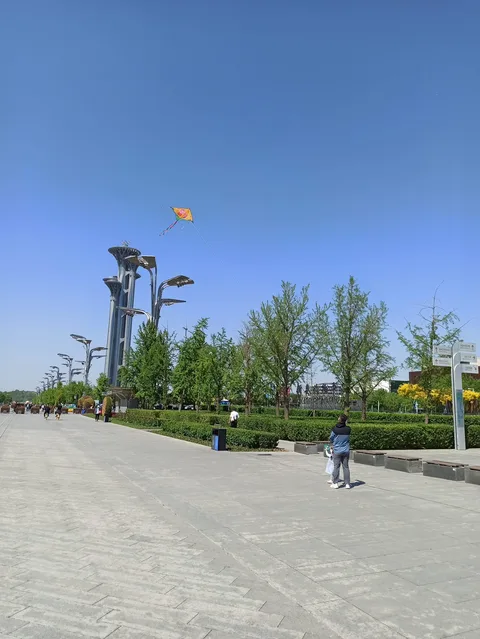 The Olympic Tower – and the ever-present kite in the sky
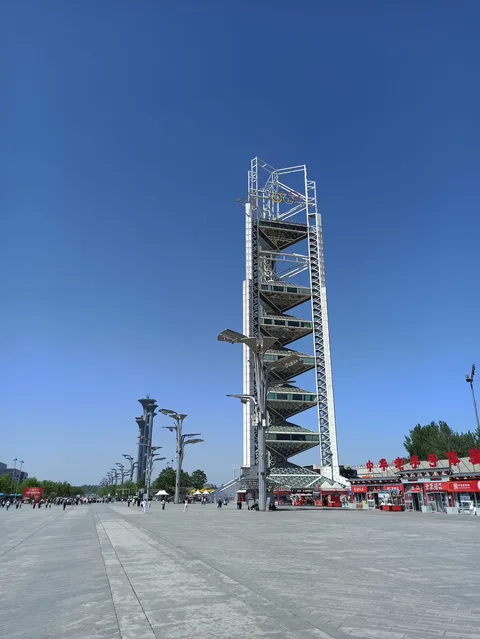 The Linglong Tower – during the Games it housed the TV studios; on the left in the distance is the Olympic Tower
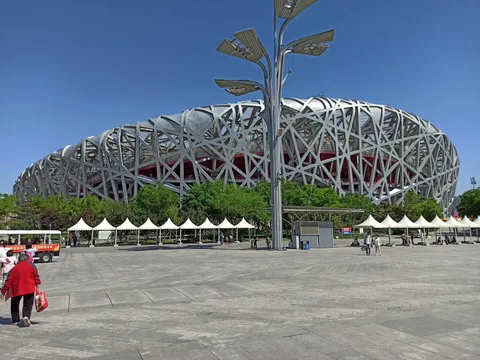 The National Stadium, the “Bird’s Nest”
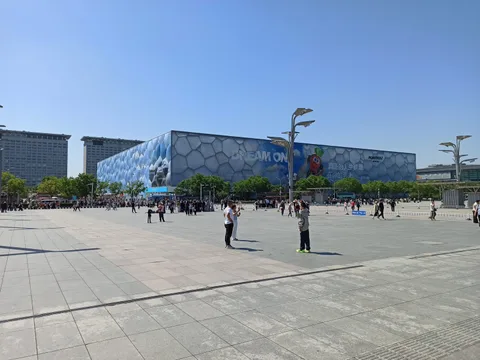 The “Water Cube” – for the 2022 Winter Olympics the pool was turned into an “Ice Cube” for curling
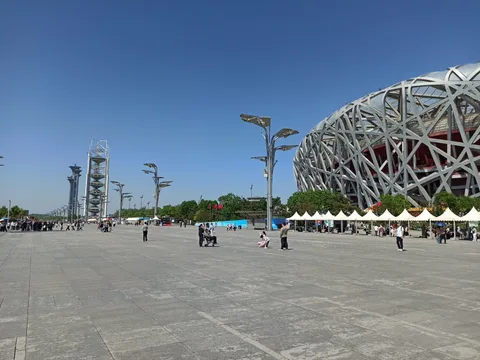 The park’s three symbols in one photo
Beijing Zoo
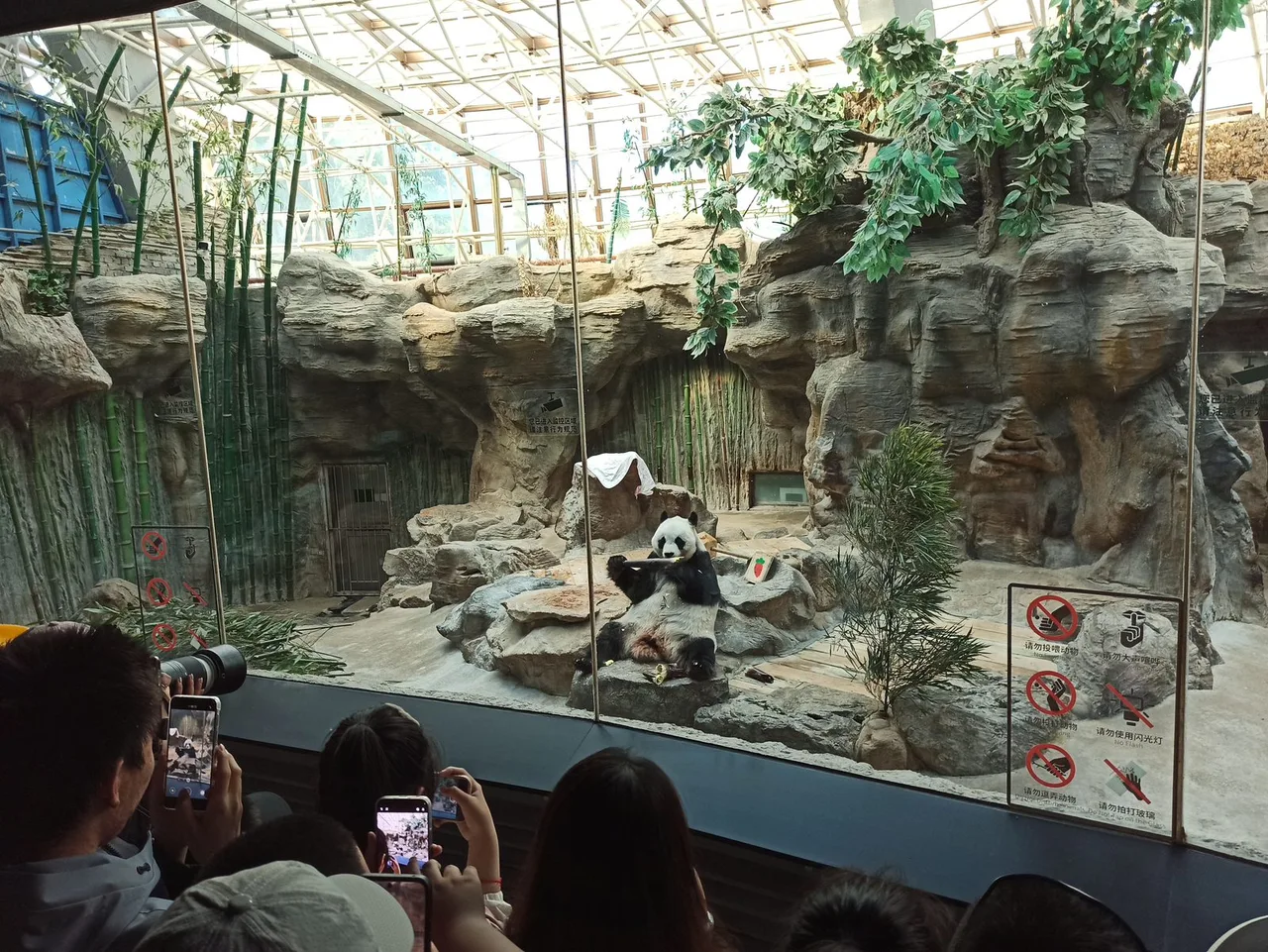
After the nice walk we wanted to see real pandas, so we went to Beijing Zoo, which has several pandas and many other animals. Overall it is a pleasant place for a walk, but I wouldn’t plan it specially unless you want to see pandas – there are no truly exotic animals that can’t be seen elsewhere in the world, and it isn’t very big. For me it was a bit of a disappointment: I couldn’t get close to a panda, the two I saw were behind glass, and after 30 minutes in a queue we were told we were too late and the pandas were already asleep.
Peking duck dinner
One of the things that impressed me most was the way the Chinese eat. Traditionally there are many dishes on the table and everyone takes a bit of everything. Nowadays people rarely have time for this, but on holidays, when relatives gather from all over the country, many dishes are still cooked and a big feast is laid out.
Many people, however, now prefer to order food online – it’s delivered in minutes, so you can put together a traditional feast with almost no effort, and the most interesting thing is that the price is quite reasonable. That’s why many simply can’t cook, and probably don’t want to either. In general, almost everything in China can be ordered online.
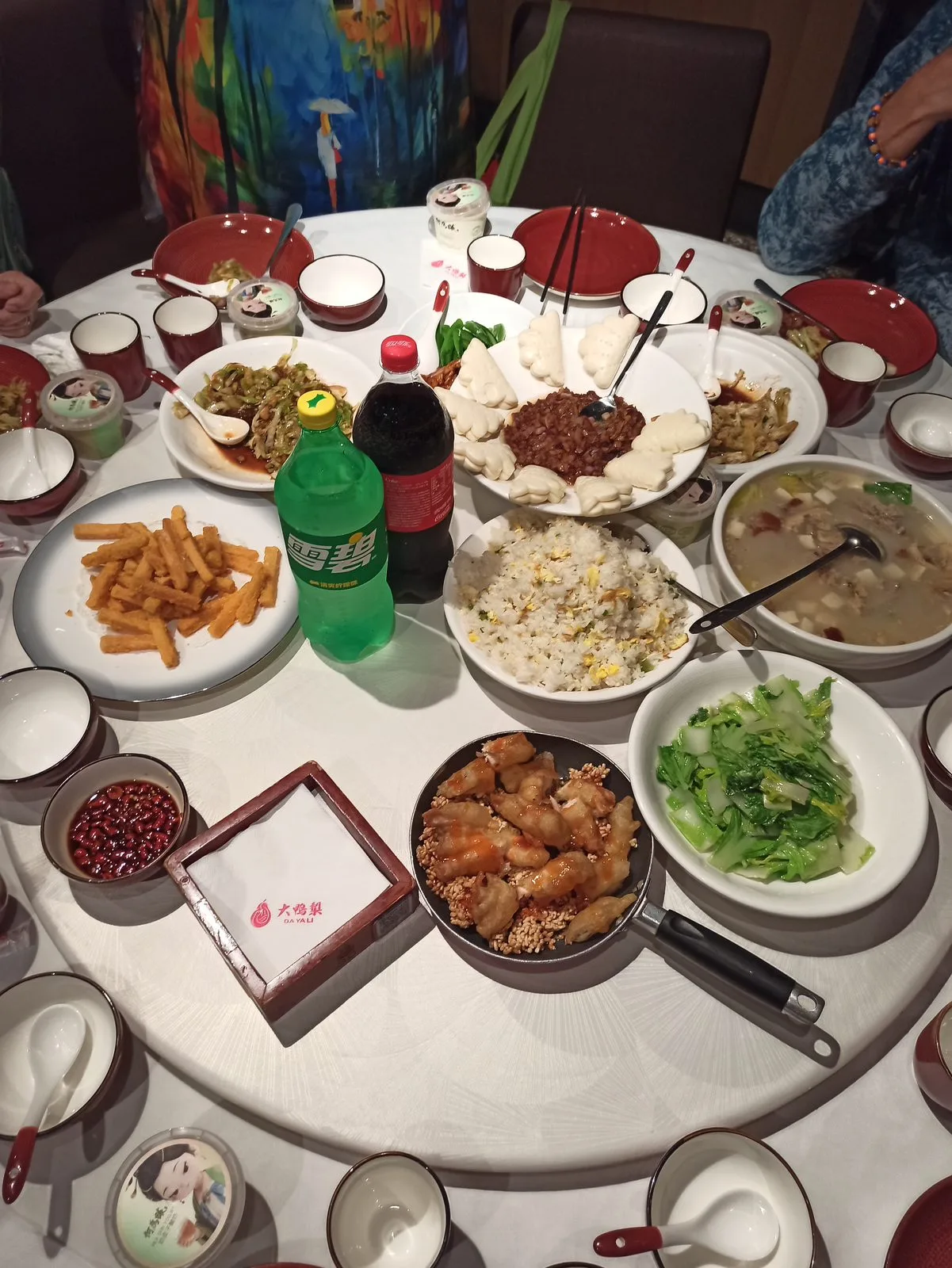
If you imagine Peking duck as a stuffed duck or a duck in some strange sweet-and-sour sauce, you’re quite wrong. The star here is the crispy skin – the duck is dried, glazed and roasted in a special way, then sliced into thin pieces. It’s served with small thin pancakes, vegetables and a wonderful dark sauce: you put a slice of duck and some vegetables in a pancake, roll it up, dip it in the sauce – and it tastes amazing, but it’s quite greasy and heavy.
Chaoyang Park
Usually after a long day full of experiences you want to lie down and rest, but I decided to go to a park that seemed very close to the hotel. Except that distances in China are huge, and this “little park nearby” turned out to be 5 km away. On the other hand, it gave me the chance to see what the locals do in the evening.
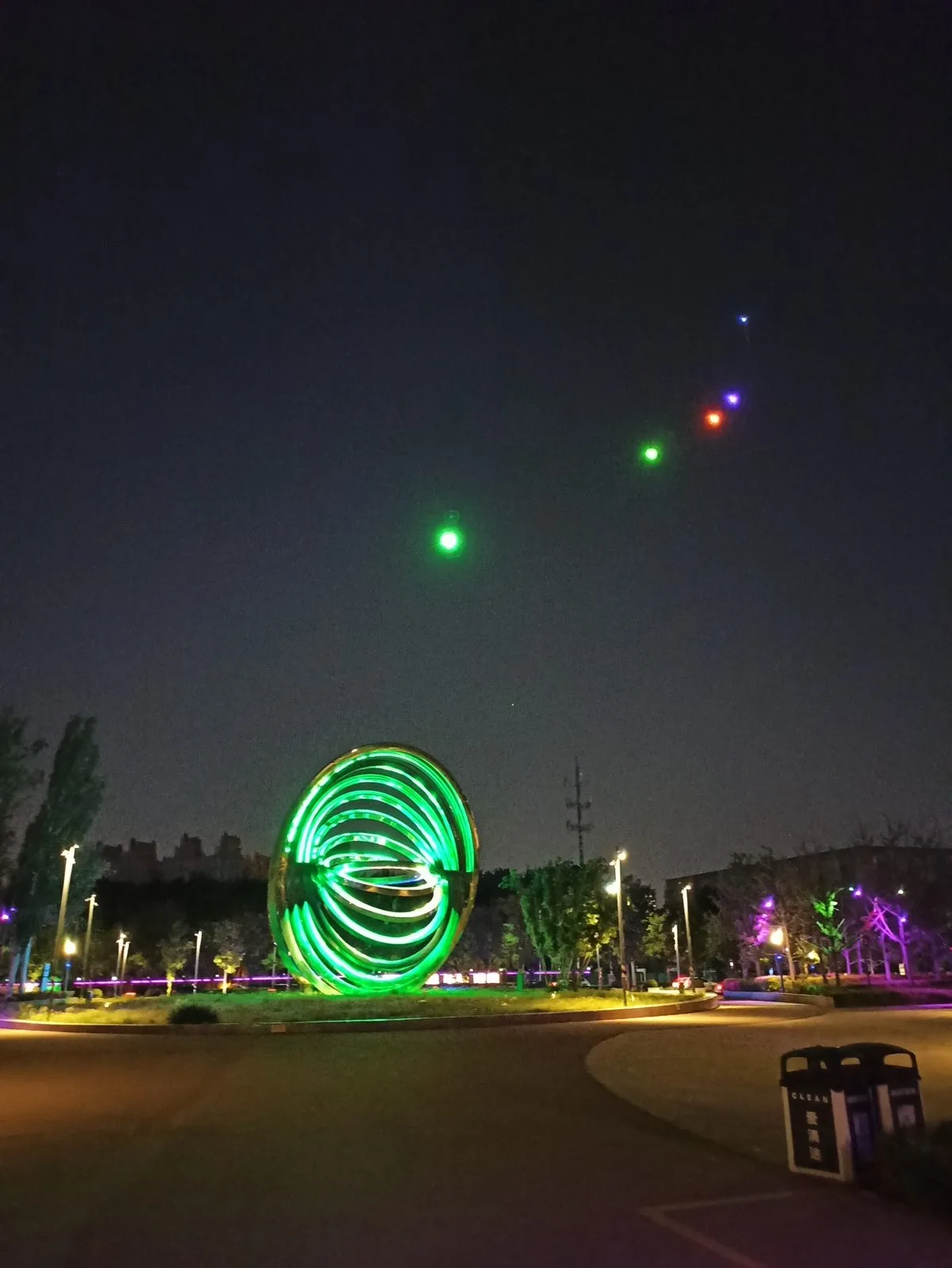
In the park there were people jogging or walking their dogs – nothing unusual. As I was walking, though, I saw something glowing in the sky. I thought it was a drone, but it turned out to be a kite with little lights along its string, just glowing and floating in the sky. It turned out to be a fairly popular hobby – I’d seen one in the Olympic Park too, and over the next days as well.
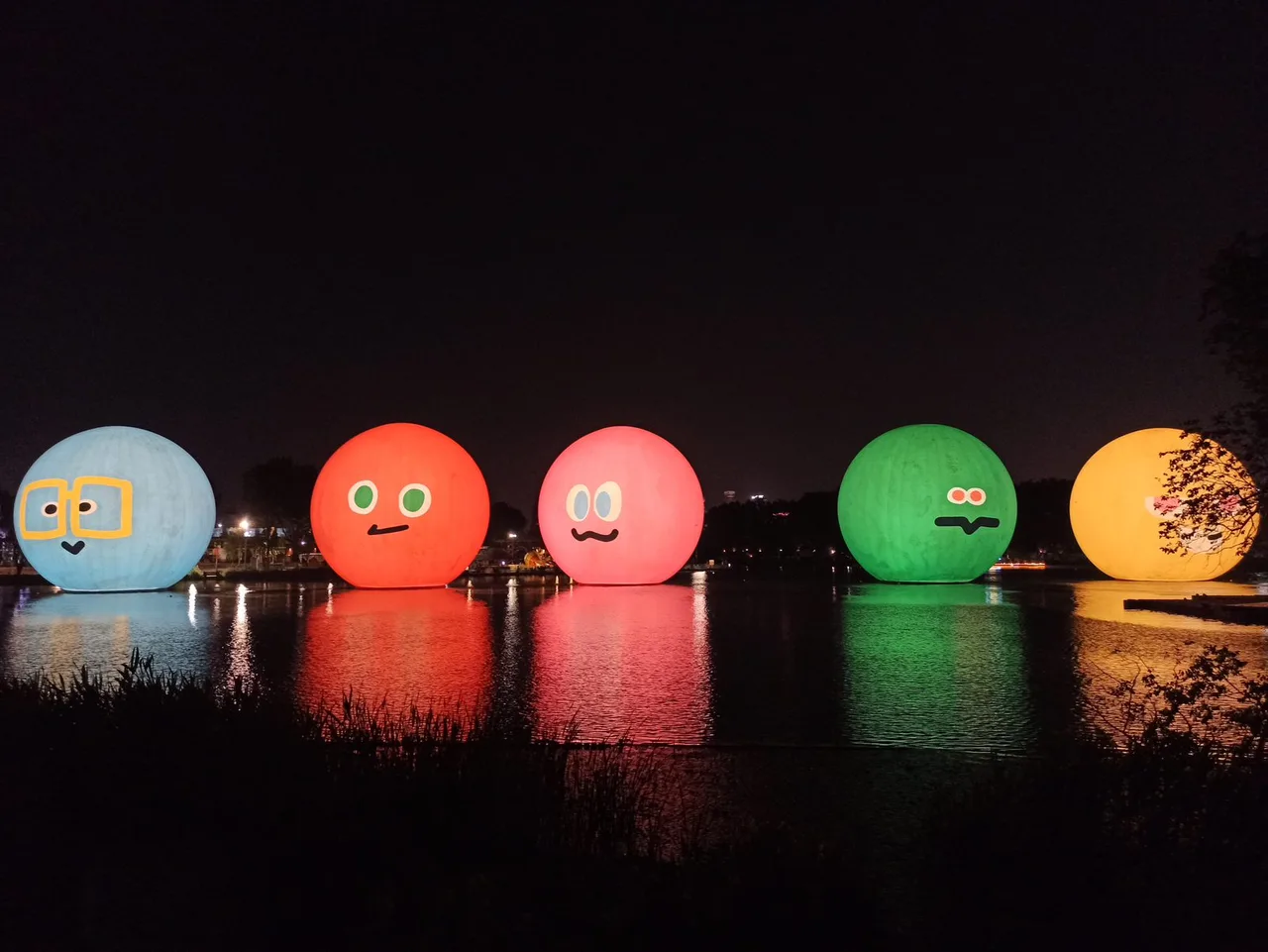
At one point I heard music and decided to see what was going on. I expected something like the Singing Fountains in Plovdiv, but it turned out to be something much more interesting – a group of young people had gathered by the lake and were singing. I thought there was a concert, but there was no stage and no performer – just people singing together. After a long search for someone who spoke English (and that is a hard task in China), I found a girl who explained that the day before, at the “Bird’s Nest” stadium, there had been a concert by the Taiwanese rock band Mayday. The band is hugely popular in China, but I had never heard of them.
She also explained what the strange glowing balls in the lake were, which I’d been wondering about too. It turned out they were the mascots of the band members – each colour stands for one of the five musicians. Later I found out that the giant balloons appear in the park’s lake for their concerts (they were first put there in summer 2025), and this time they had been set up about two weeks before we arrived. In May 2026 Mayday played no fewer than 12 concerts in Beijing, attended by nearly 650,000 people.

I spent several hours talking to this girl – about her life and mine and about the differences between China and Bulgaria. What surprised me most was how wrong an idea I had had about China. I imagined it as an absolute dictatorship where people are crushed, and if someone says something against those in power, they are thrown in prison or killed in the street. These young people made me change my mind. Yes, such things exist in China, but in my opinion they are not as common or as brutal as television shows them. While we were talking, I thought about how many misconceptions we in the West have about China and about Asia as a whole. These countries definitely need to be visited, to see first-hand what is happening there, rather than just listening on TV to how terrible a place China is – because at least my impression is that this isn’t true.
A few days later I shared my impressions with one of our guides, who had travelled a lot around Europe. I told her that at first I was worried about the cameras and the police, but after a few days I stopped noticing them and felt completely safe walking alone at night – something that would be almost unthinkable in some Italian cities. I also asked her about the social credit score. She said they really do have one, but it doesn’t worry them unless it drops a lot. I was shocked, because I expected her to criticise it, and for her it was something normal. I also noticed that the Chinese don’t like to talk about those in power and the various systems, and when they do, they never criticise them. That may be the reason for her opinion, or perhaps they really don’t care and see it like a credit score in America.
The Great Wall of China
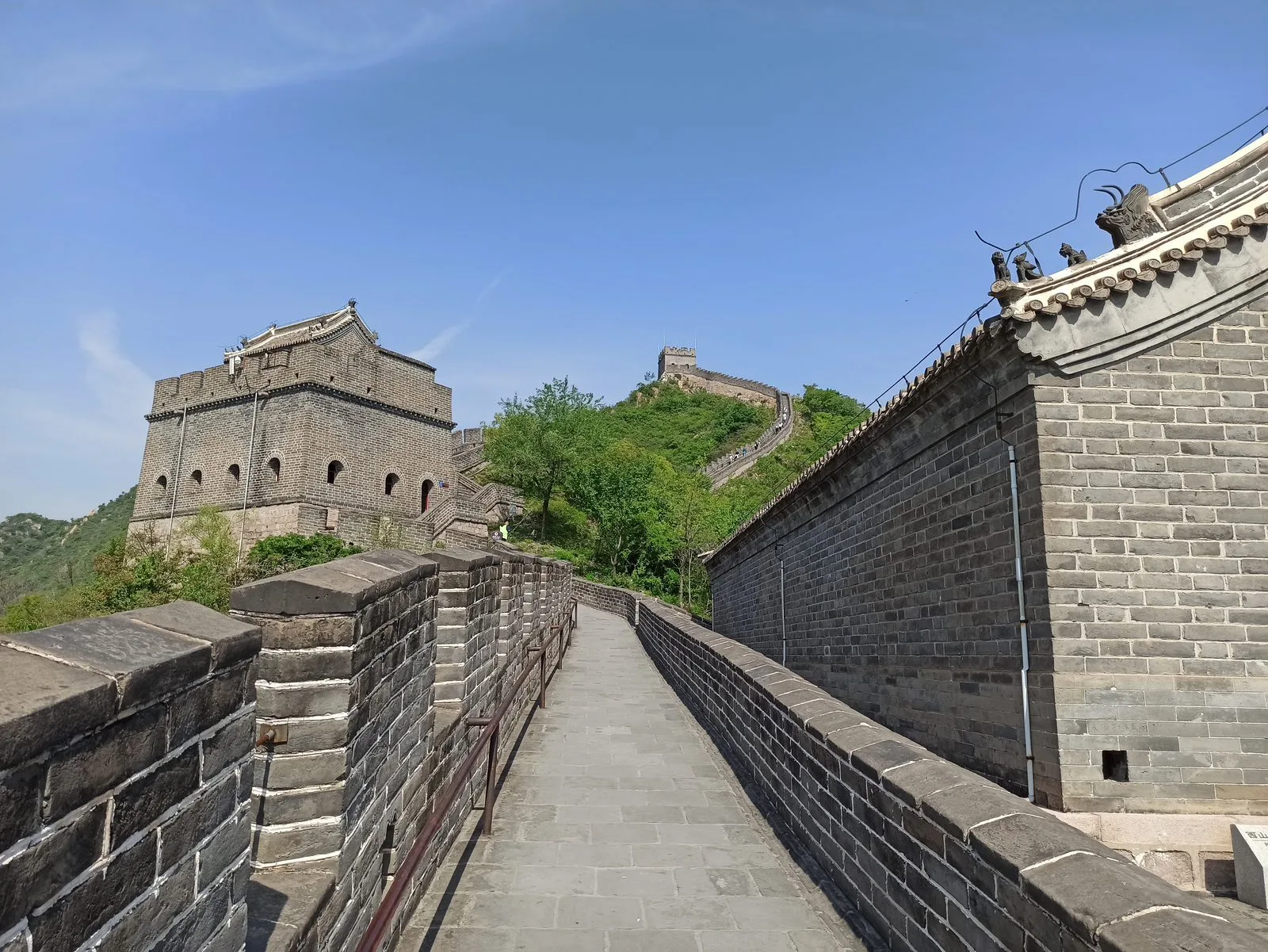
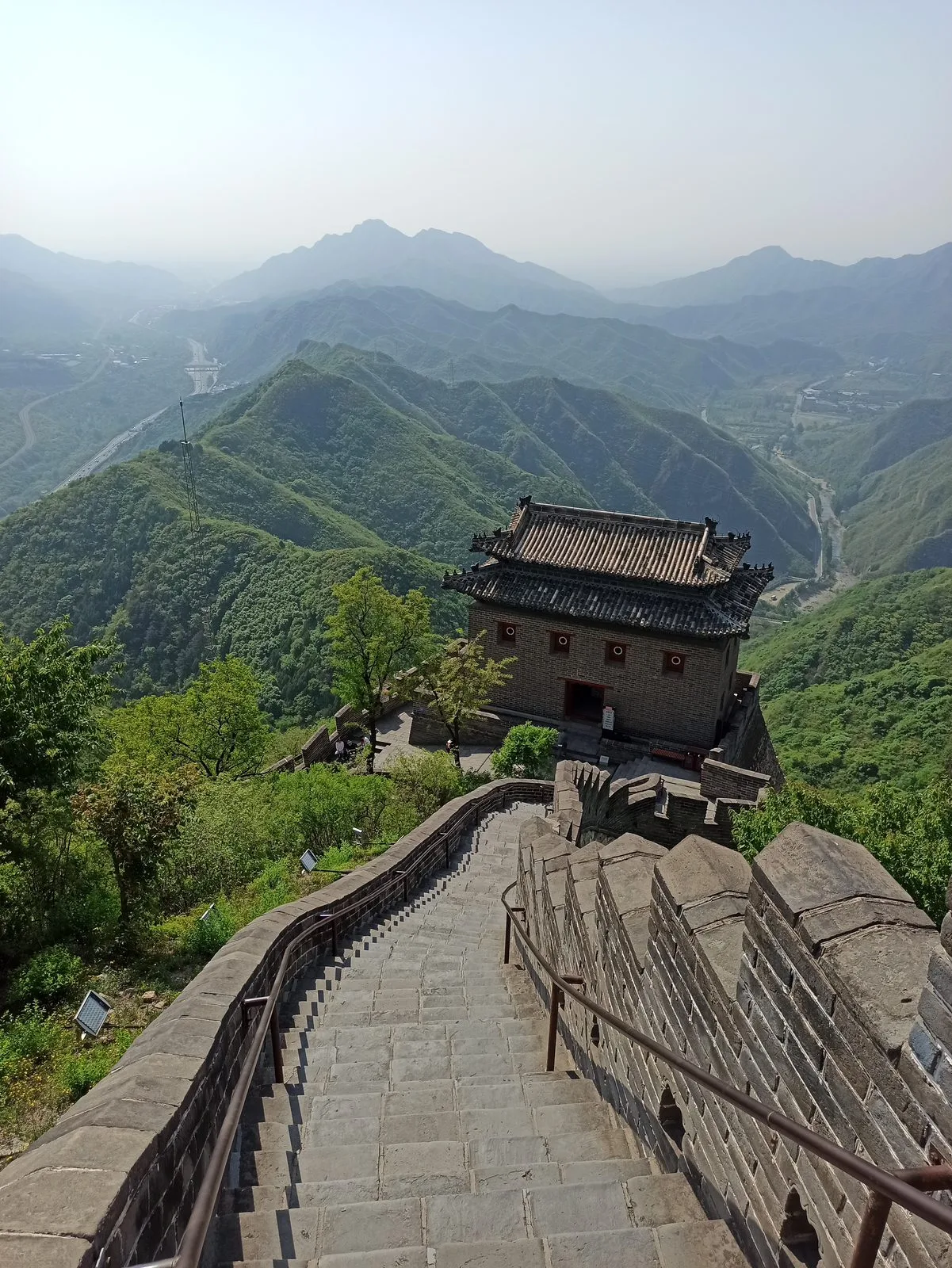
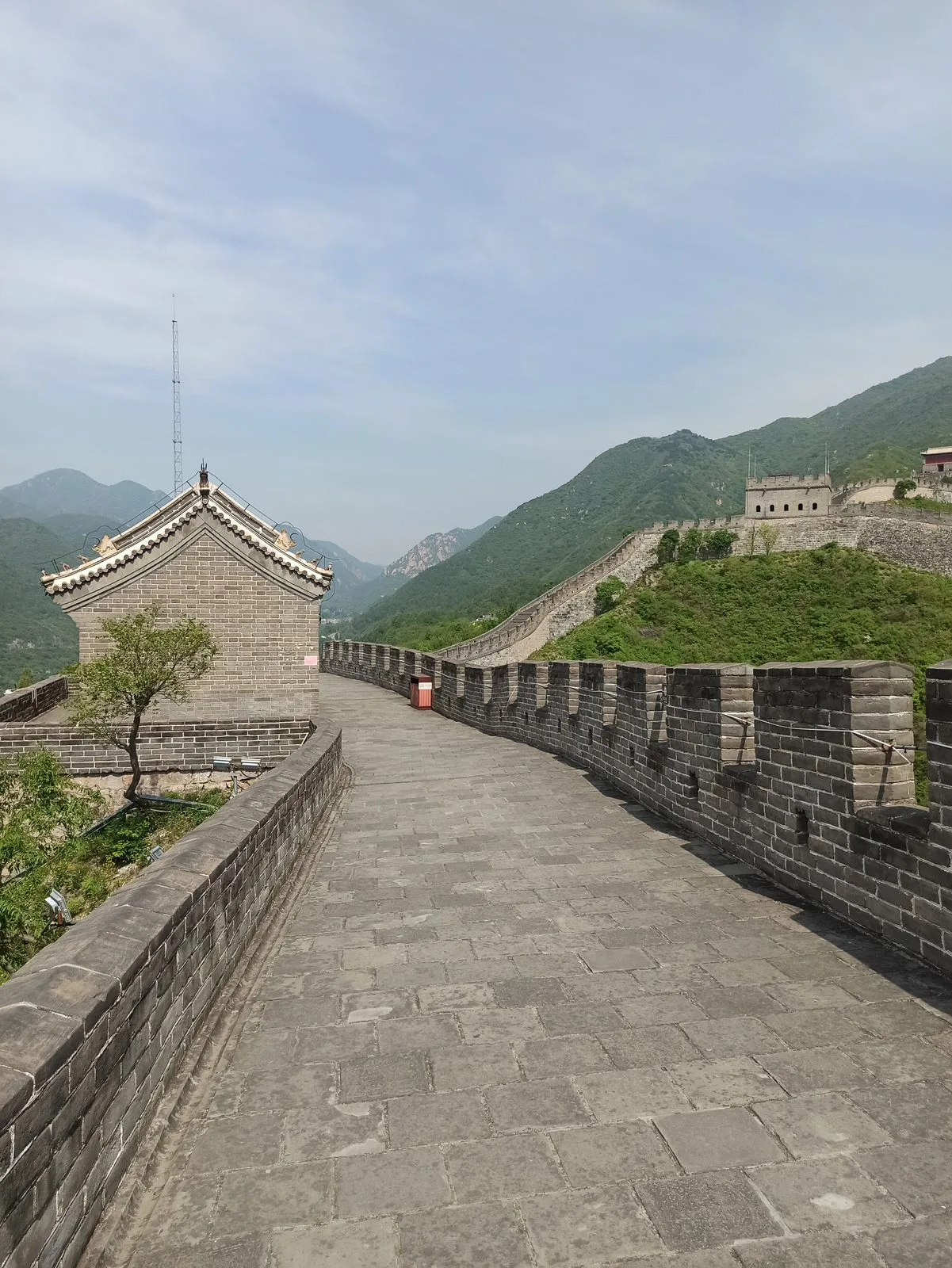
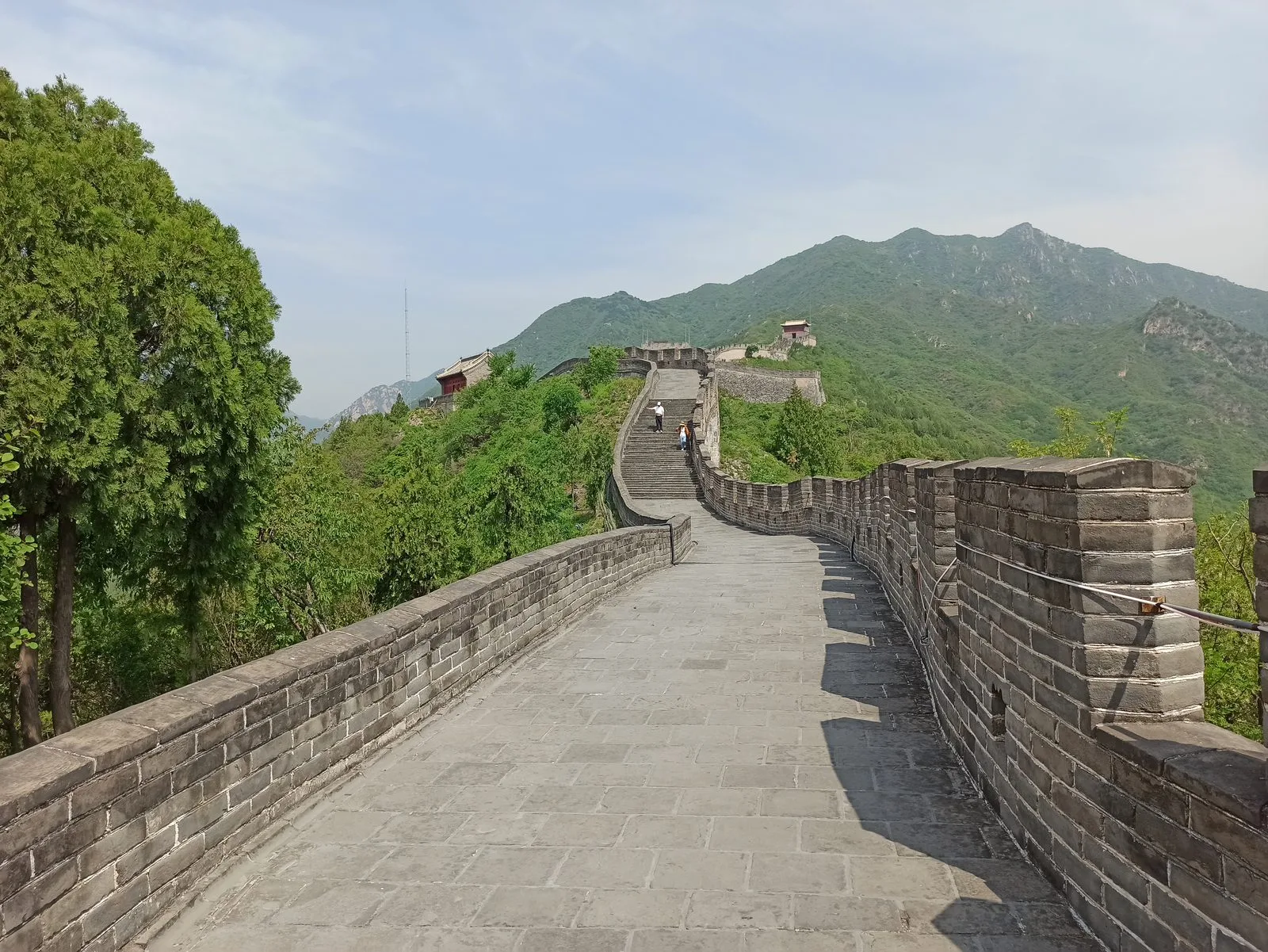
The day started with a long drive to Juyongguan – a pass about 55–60 km north-west of central Beijing. I was very excited, because this was one of the places I most wanted to see in China. The only thing that worried me was that we would have very little time – about 2 hours, which, however I looked at it, wasn’t going to be enough. But I had to make do with what I had.
We got off the bus and people immediately went shopping – as if the wall didn’t matter, only the next souvenirs. And of course to get a certificate saying they had been on the wall. It felt strange to me, because most of them probably wouldn’t even reach the highest point, but they would have a certificate.
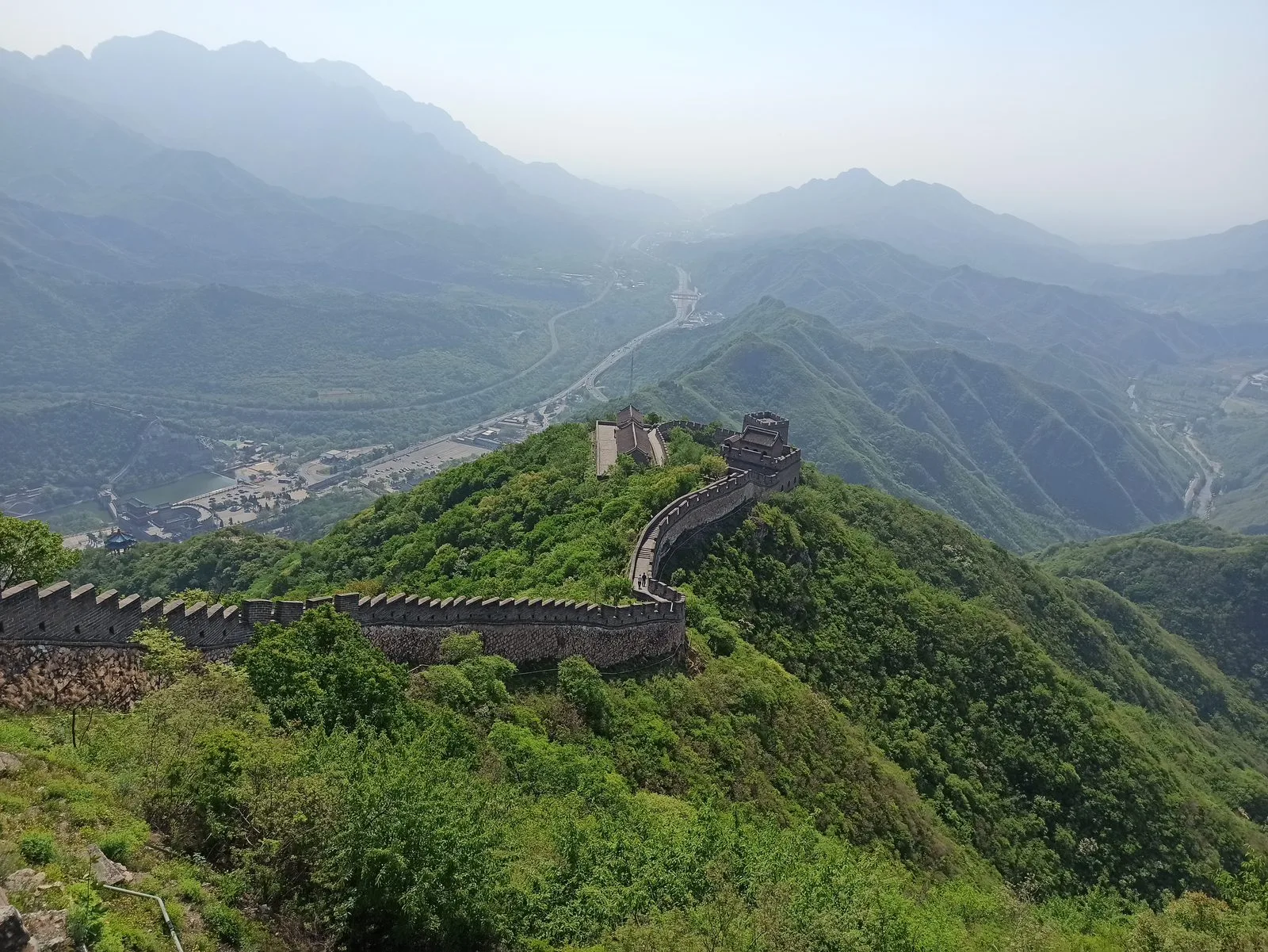
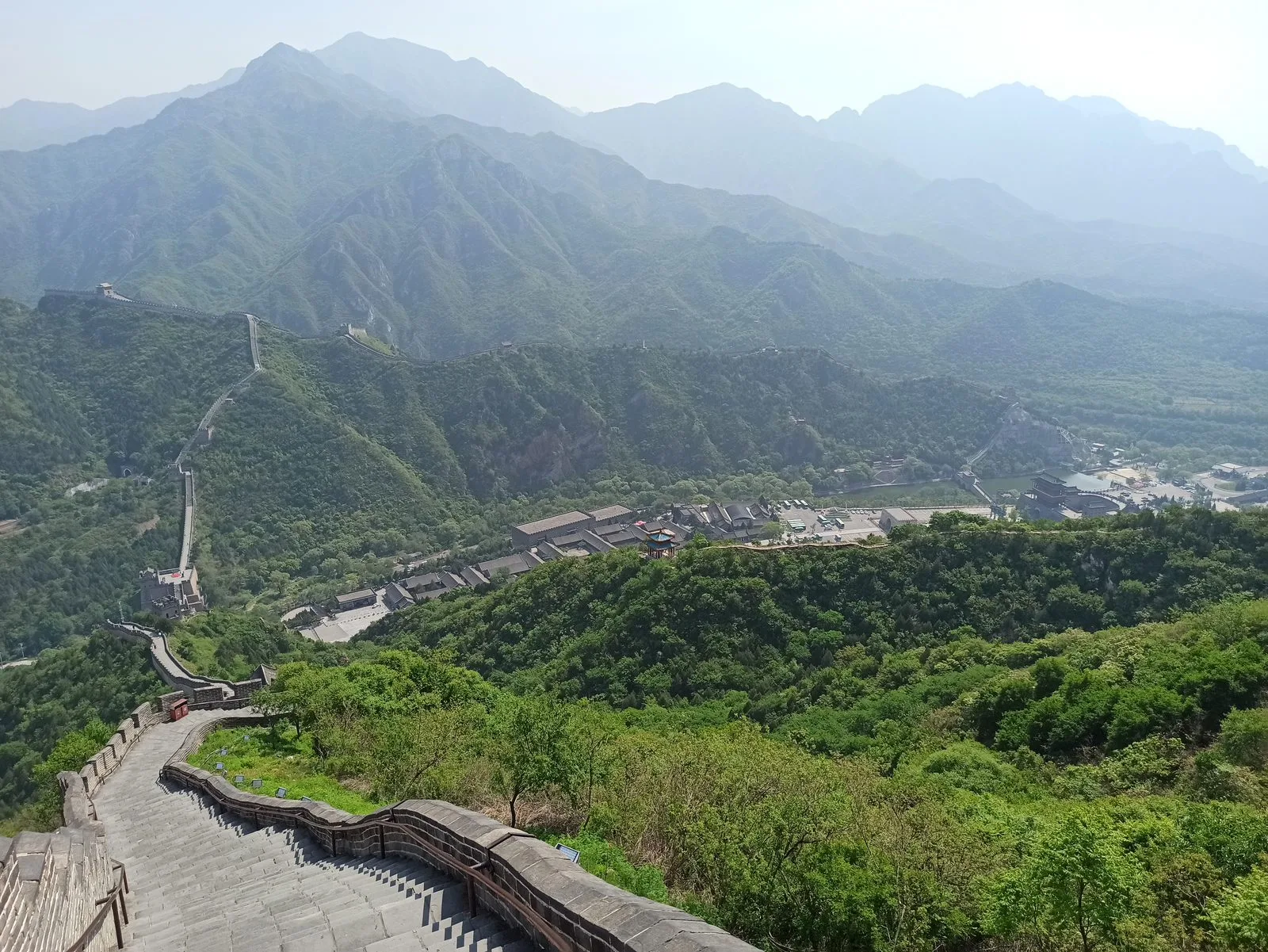
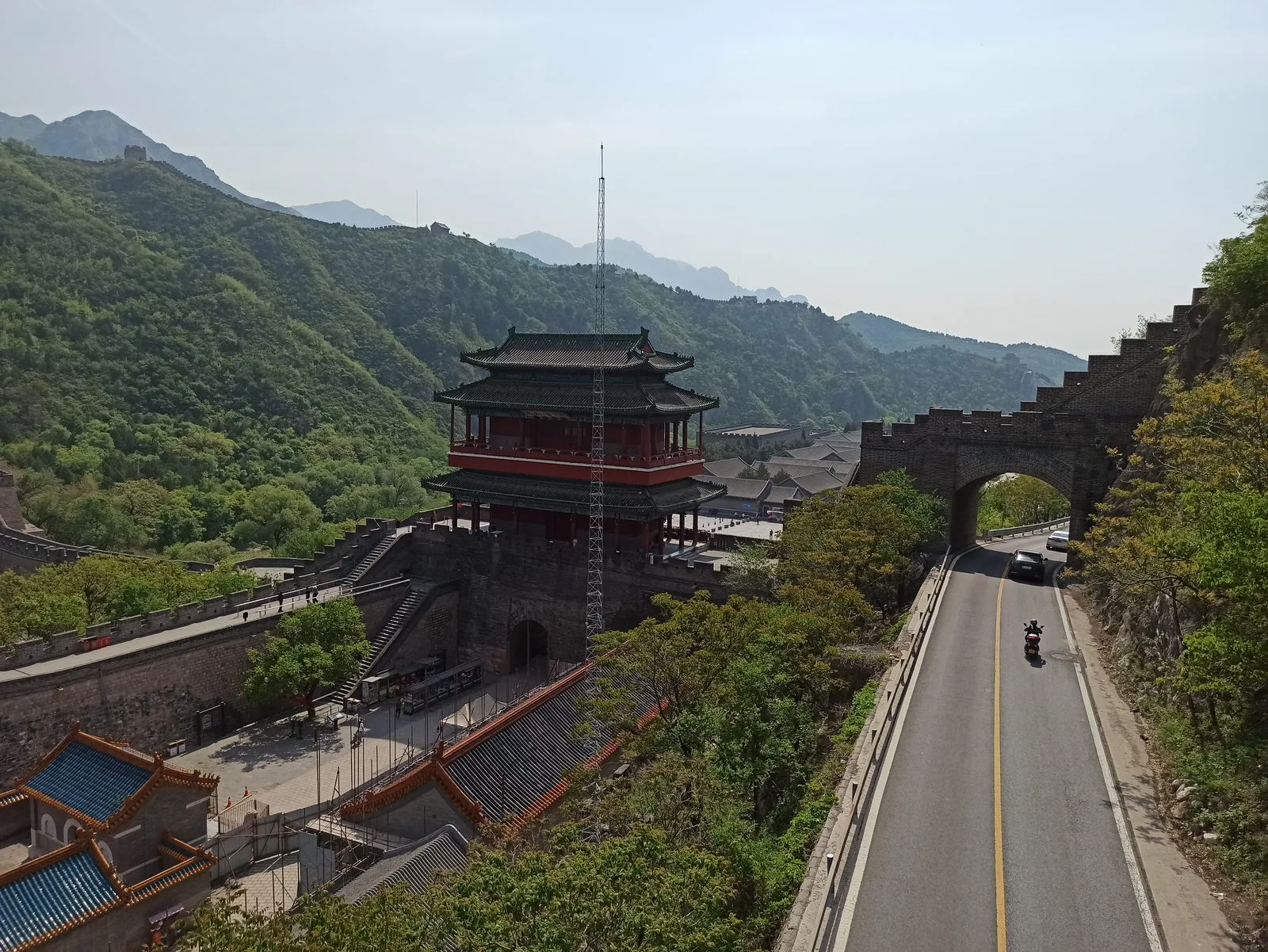
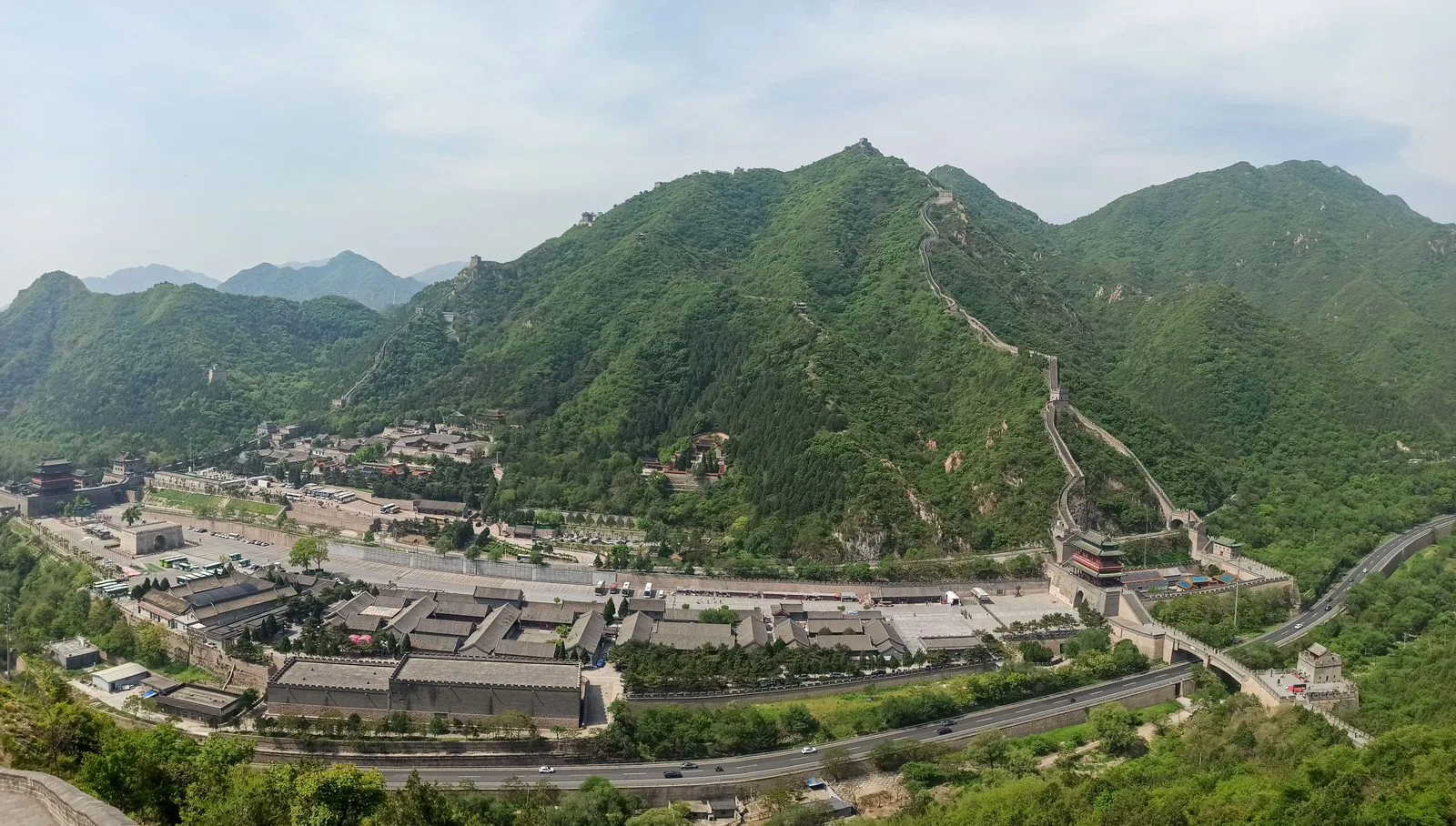
What nobody told us at the time is that Juyongguan is a fortified pass – one of the key defensive positions against armies coming from the north. The location was chosen very cleverly: the wall climbs up both mountain slopes, with a narrow pass between them, so the defenders could control passage through the valley. There is even a saying that here one man can hold the pass against ten thousand enemies – an exaggeration that shows how strong the natural defences were.
All we were told was that the climb to the top takes about an hour, and the descent about the same. Nobody mentioned that you can do a full loop or how long it takes – just that the start and the end are in the same place. And with this minimal information, the climb began.
The wall is made of stone and in places the steps are quite steep. Along it are towers where soldiers were stationed. This section has been restored and doesn’t look exactly as it did in ancient times – in fact, much of the wall was destroyed and rebuilt over the centuries as needed. There were periods when certain sections weren’t used and fell into ruin, while others were maintained because of their strategic position. The section at Juyongguan was restored in the 1990s following the Ming dynasty model.
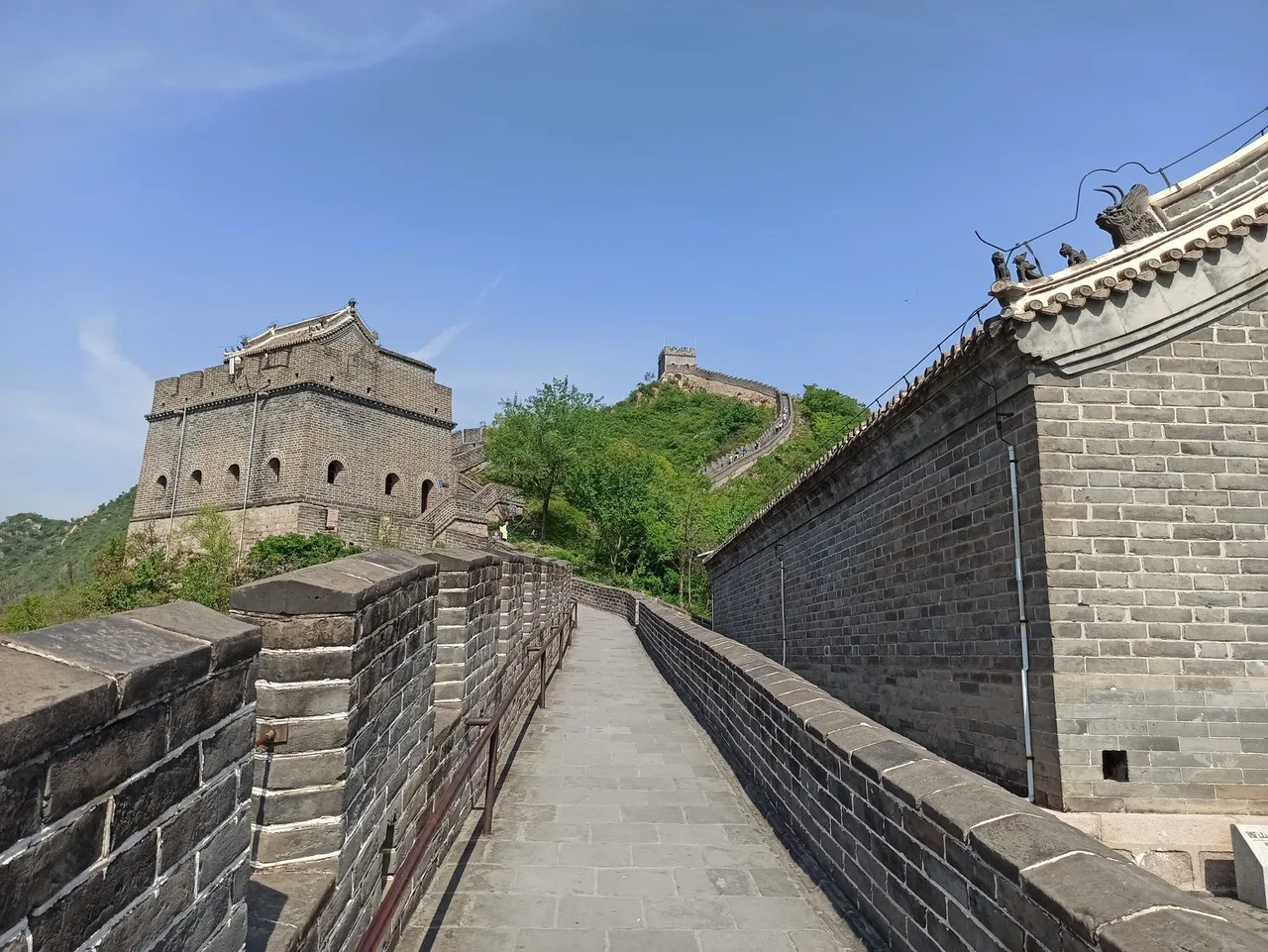
I was so worried I wouldn’t have enough time that I almost ran up and climbed 350 metres of elevation gain in 25 minutes instead of an hour. When I reached the top, a great panorama opened up in front of me – and most importantly, I could see the opposite hill and wondered whether I could reach it too. It looked very far away, but after sitting for a while and enjoying the view, I decided to try.
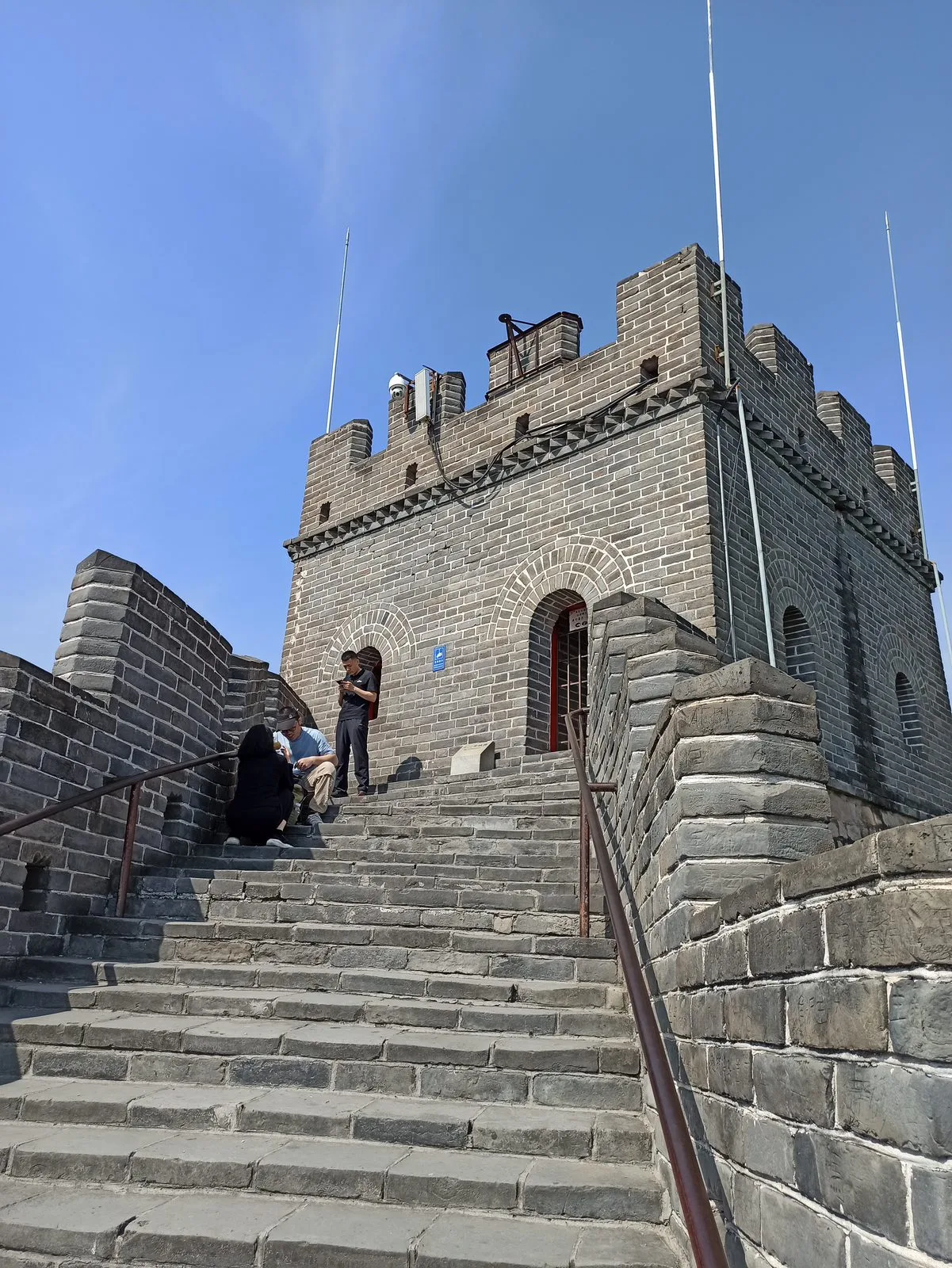
The descent was fast, but I had to be very careful because the steps were even steeper than on the way up, and the whole time I was worried whether I would have enough time. When I reached the top of the neighbouring hill, I realised it was much closer than I had thought. In about an hour and a half I covered a large part of the wall, and the rest of the time I simply enjoyed the views and the incredible feeling of walking along the stone dragon. The full loop is about 4.2 km, with a total ascent of about 500 m, counting all the repeated climbs.
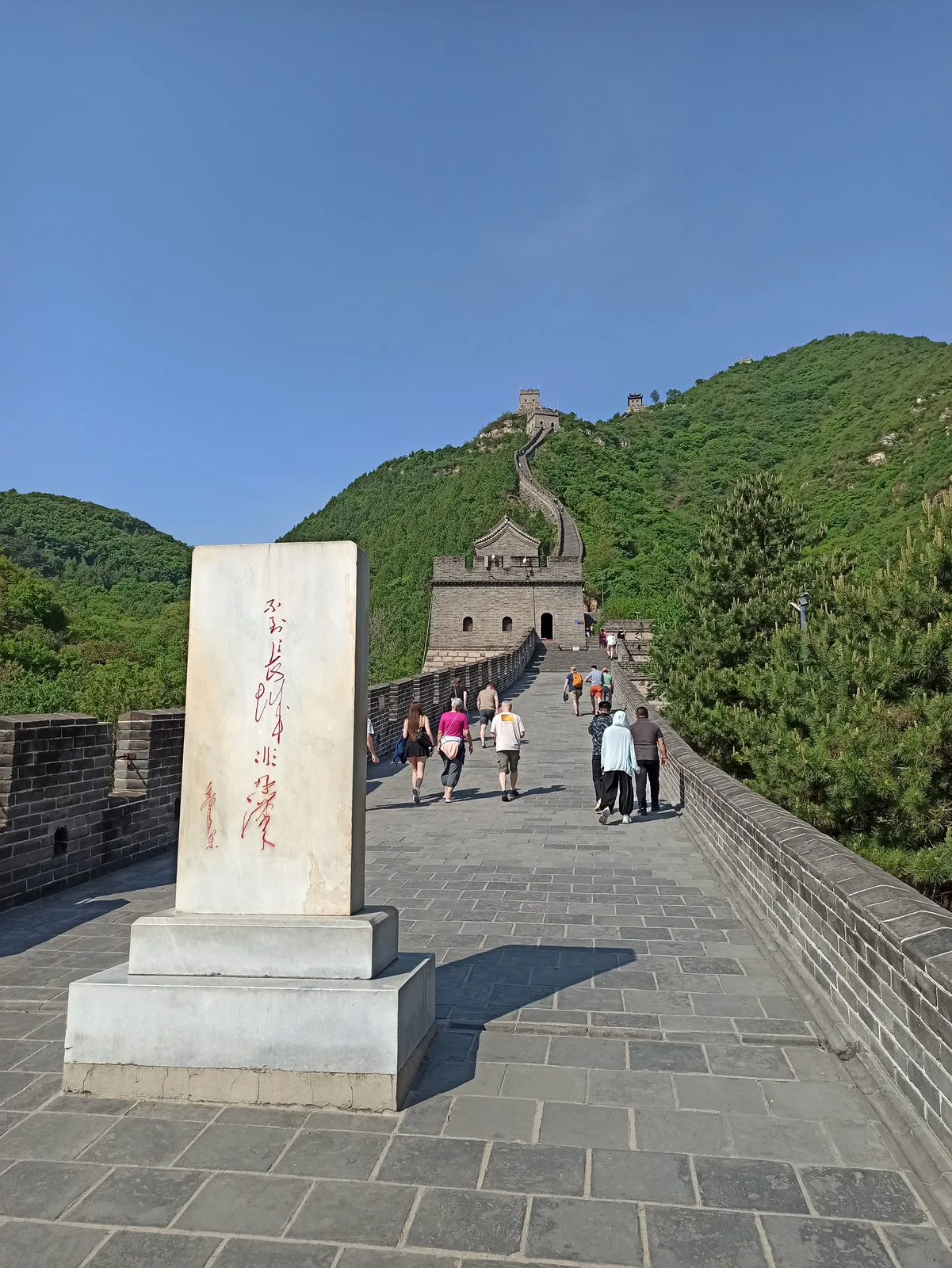
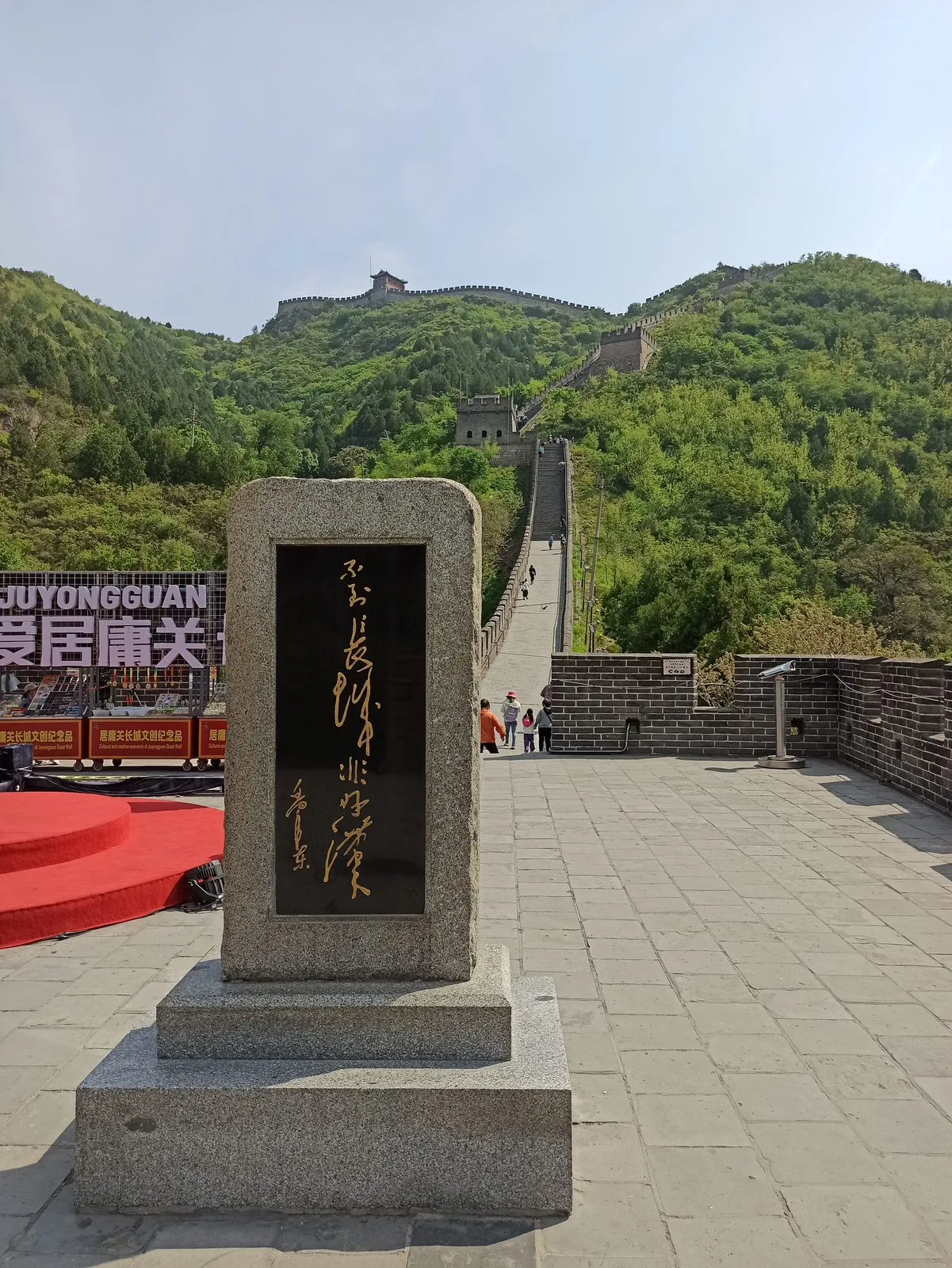
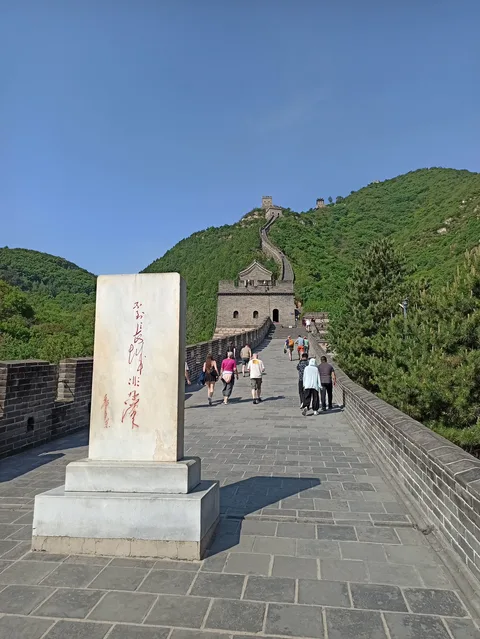 The inscription reads “He who has not reached the Great Wall is not a true hero!” – a line from a 1935 poem by Mao
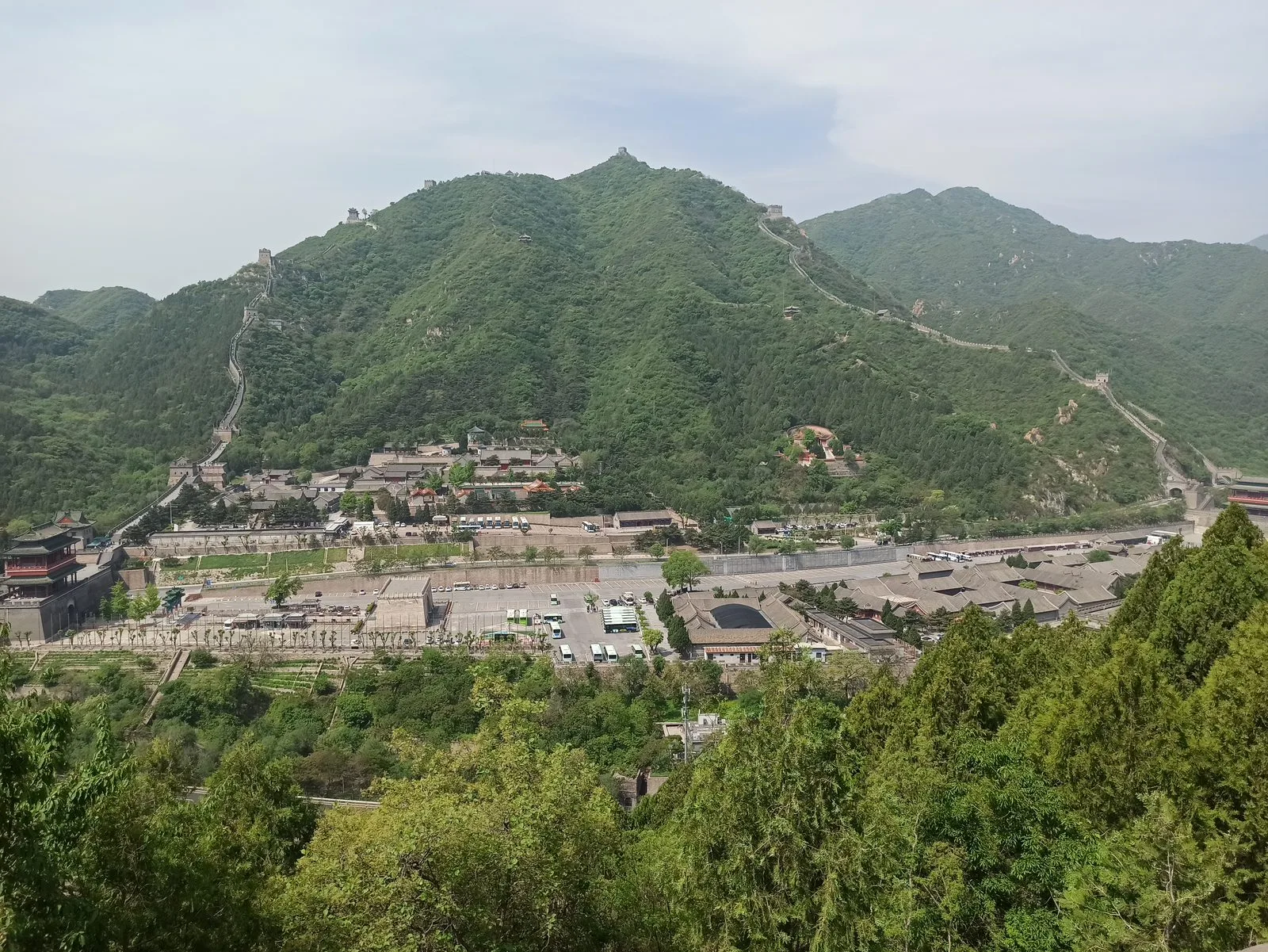
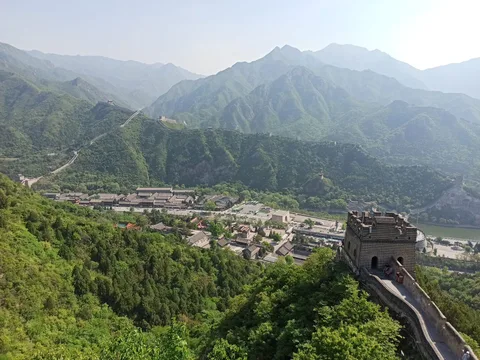 Looking back at the fortress in the valley
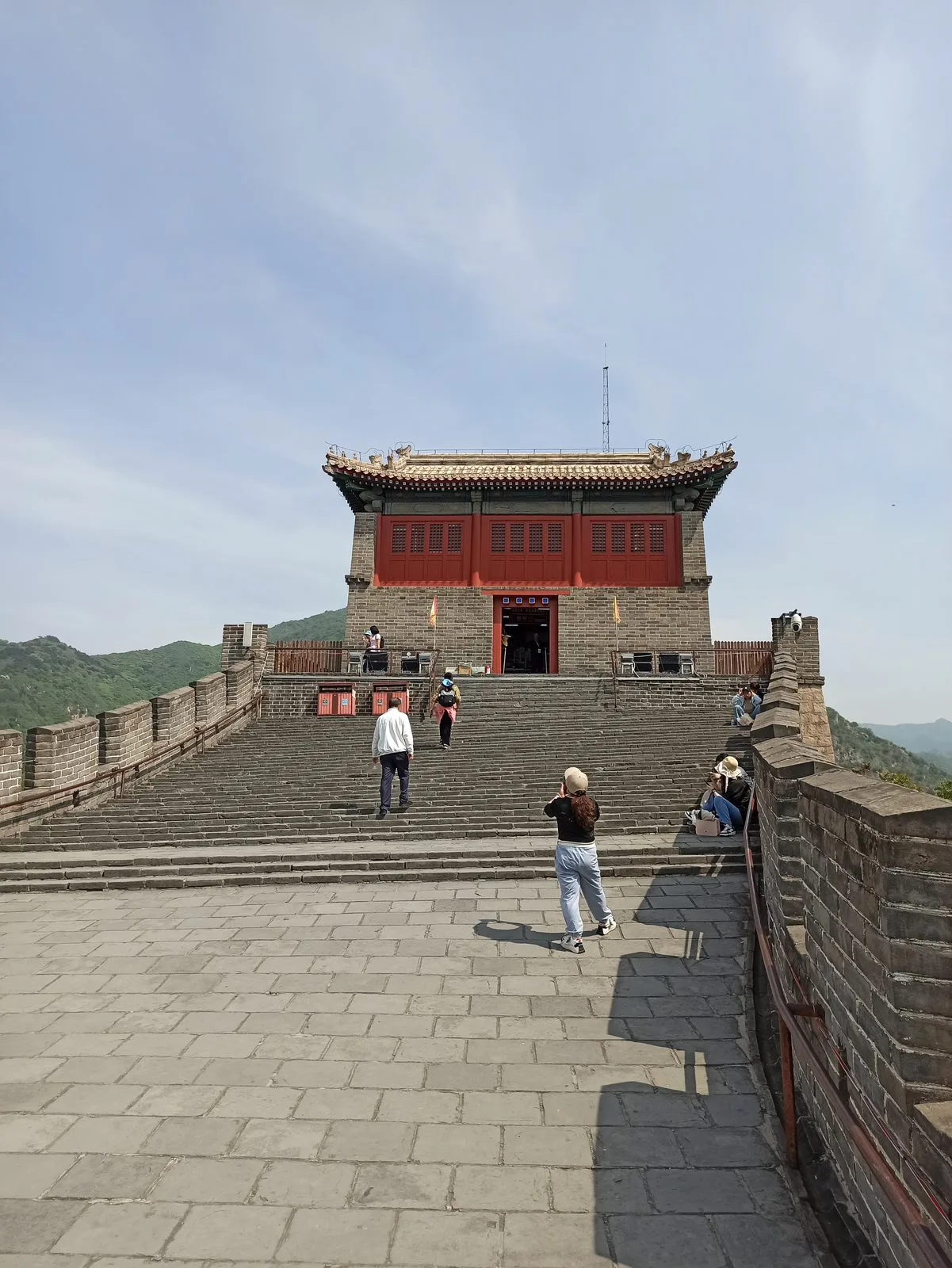
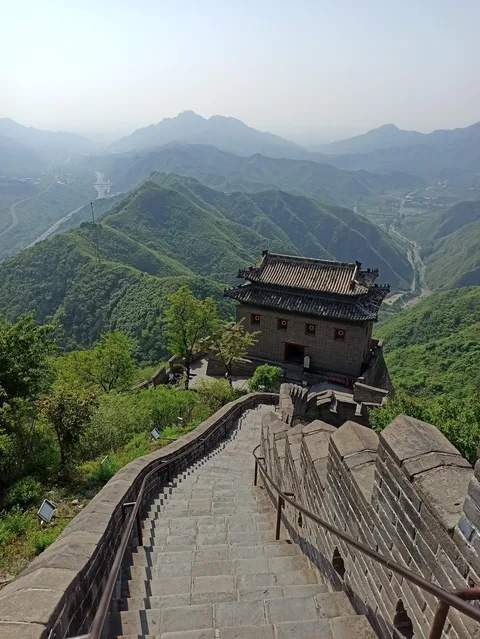 The steep steps up to one of the watchtowers
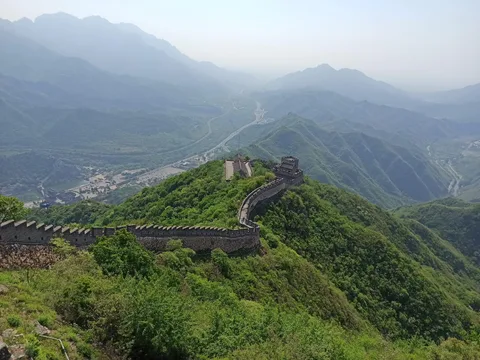 The wall winds along the ridge like a real stone dragon
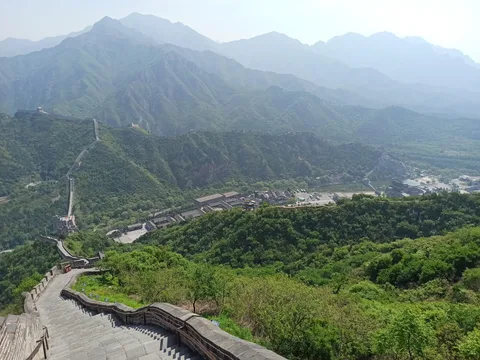 View from the highest part
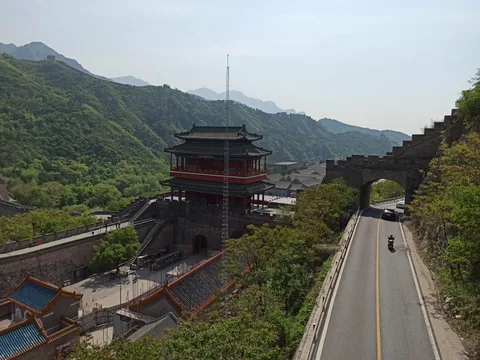 The gate of the pass – a road still runs beneath it today
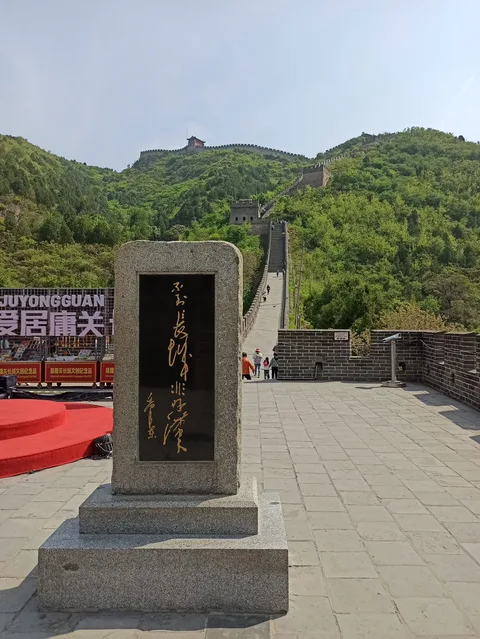 “Juyong’s Layered Greenery” – a view counted among Beijing’s famous sights since the 12th century
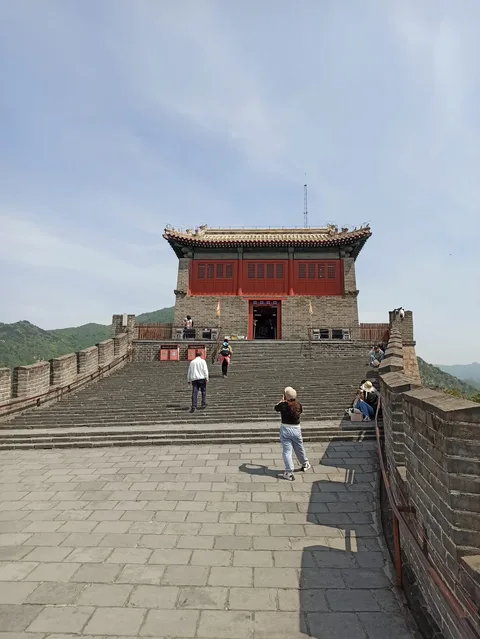 A watchtower on the opposite hill
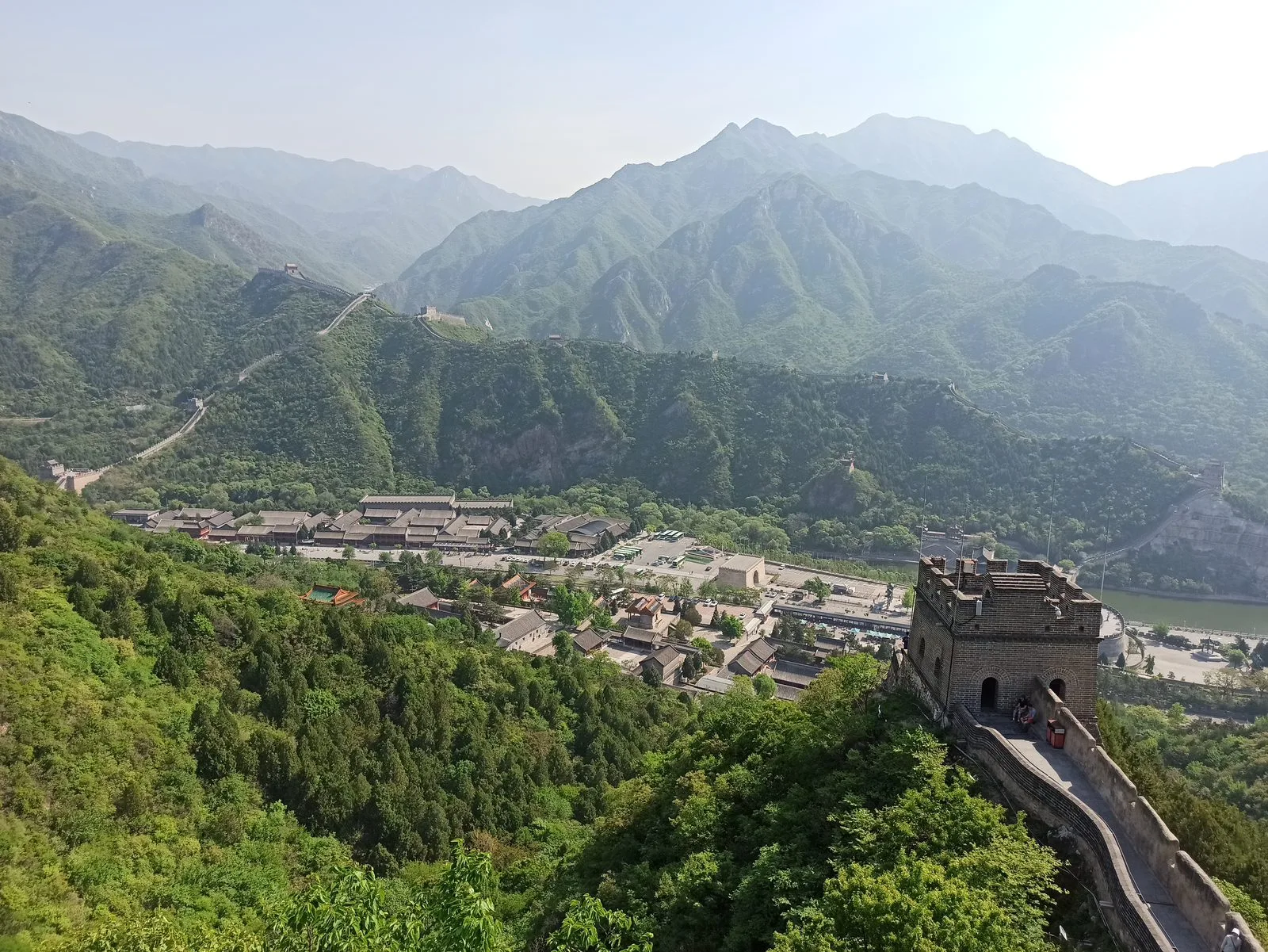
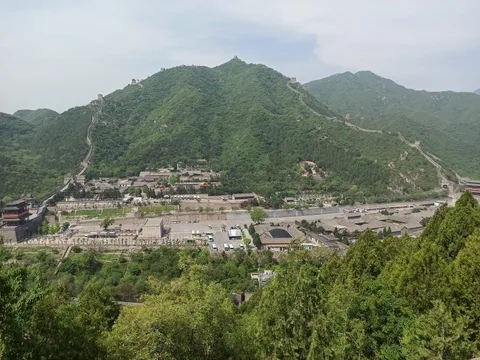 Juyongguan Pass and the fortress in the valley
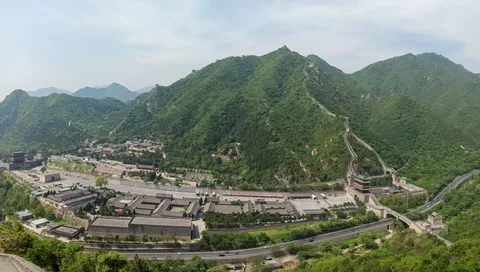 Panorama of the whole pass – the wall climbs up both slopes
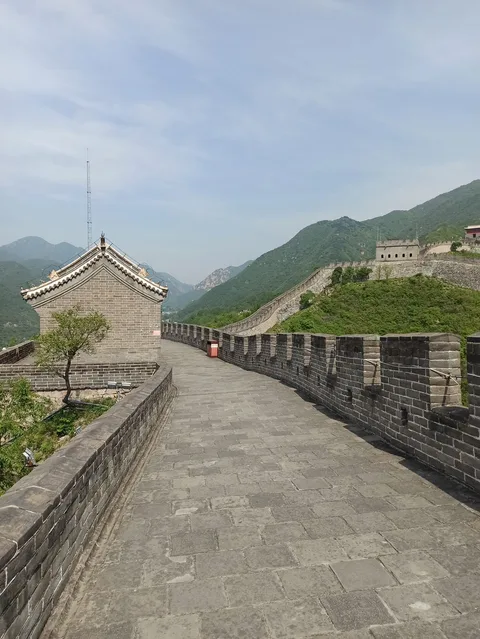 On the way down
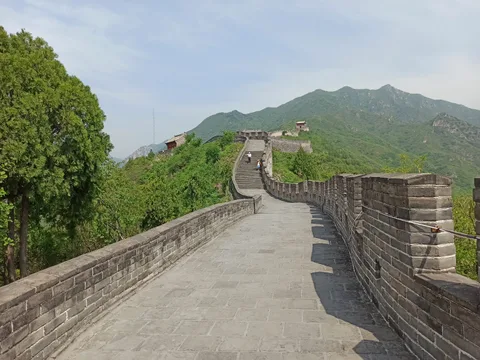 The almost empty wall – far from the crowds
The Summer Palace
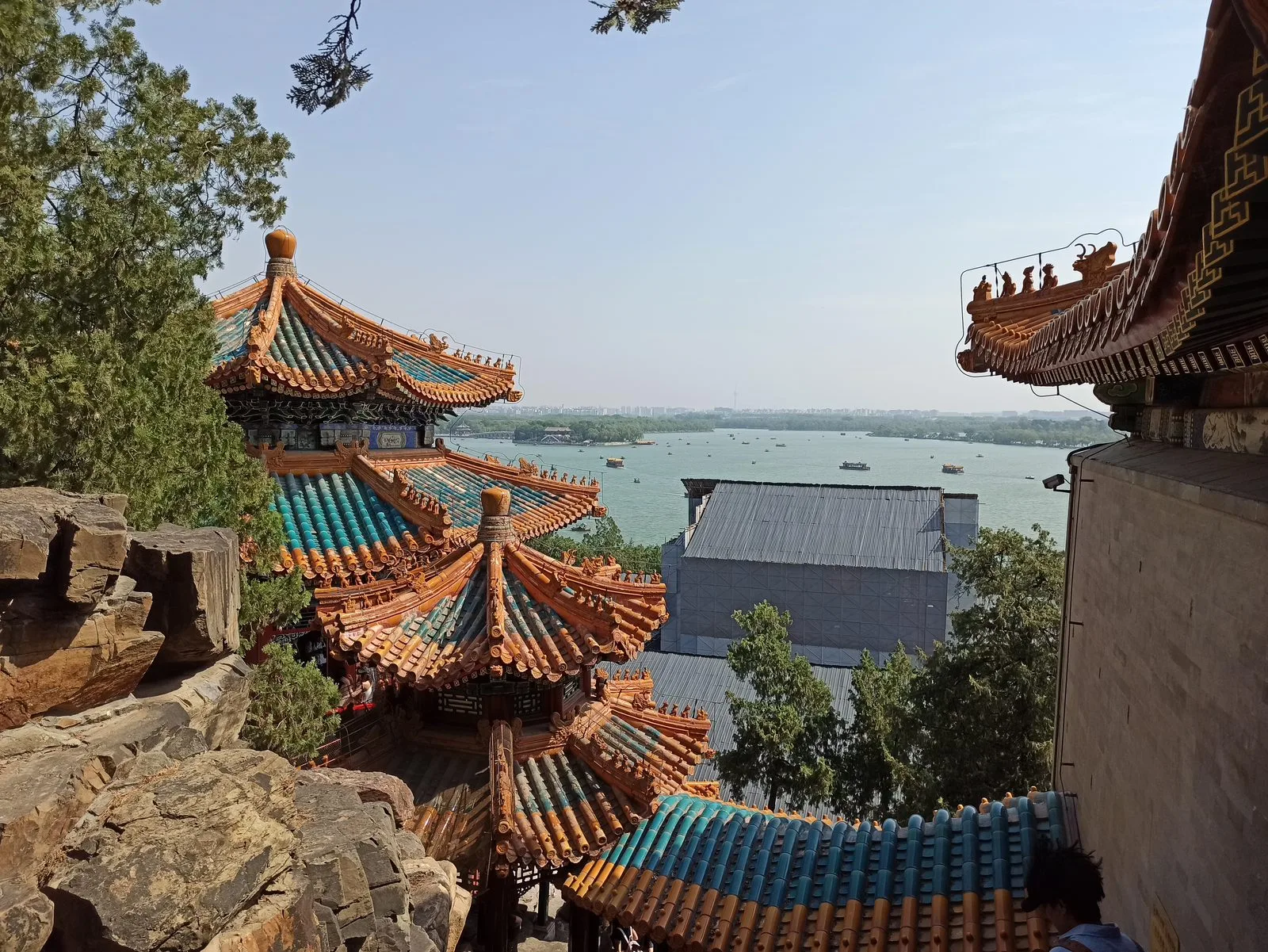
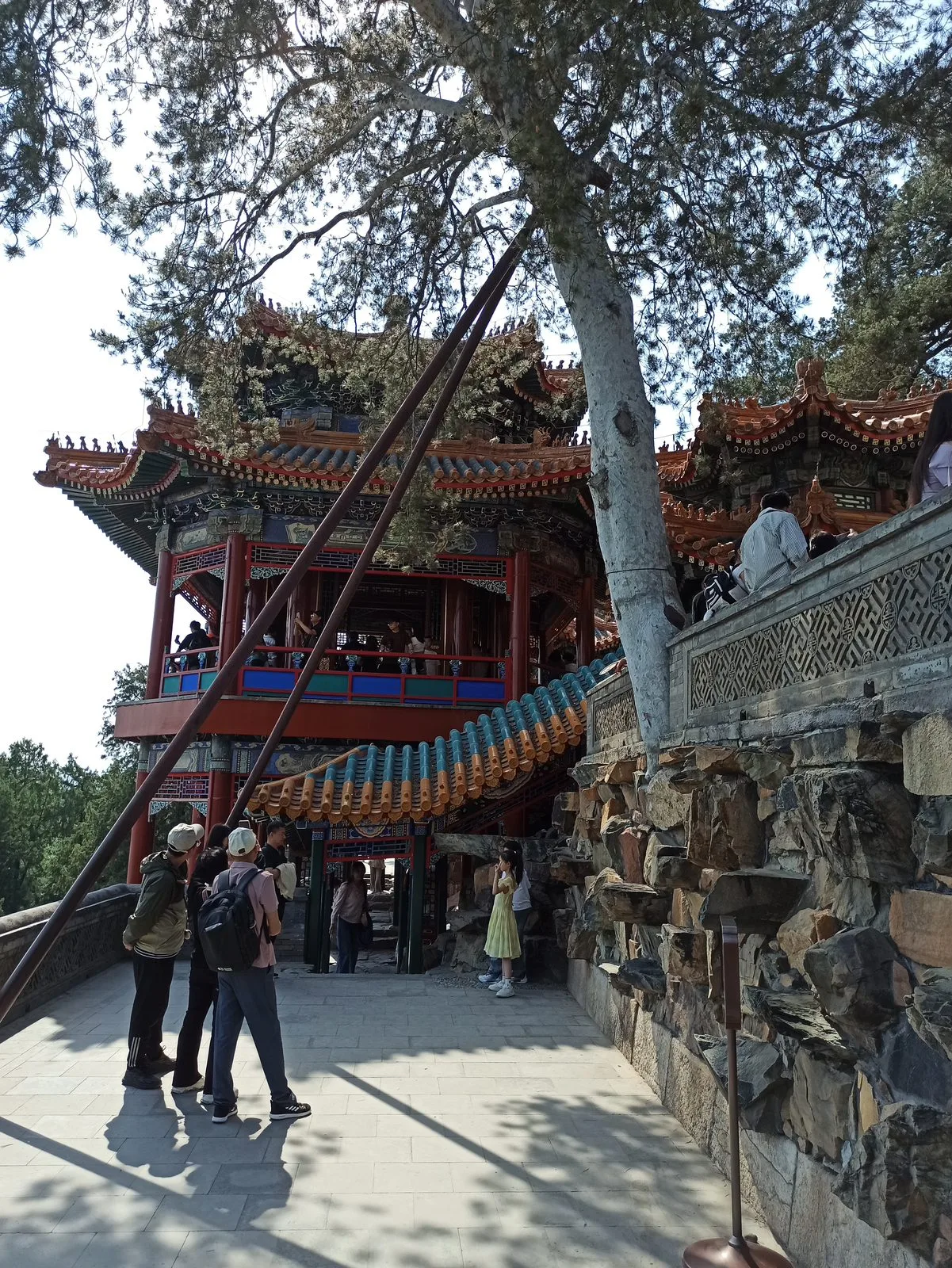
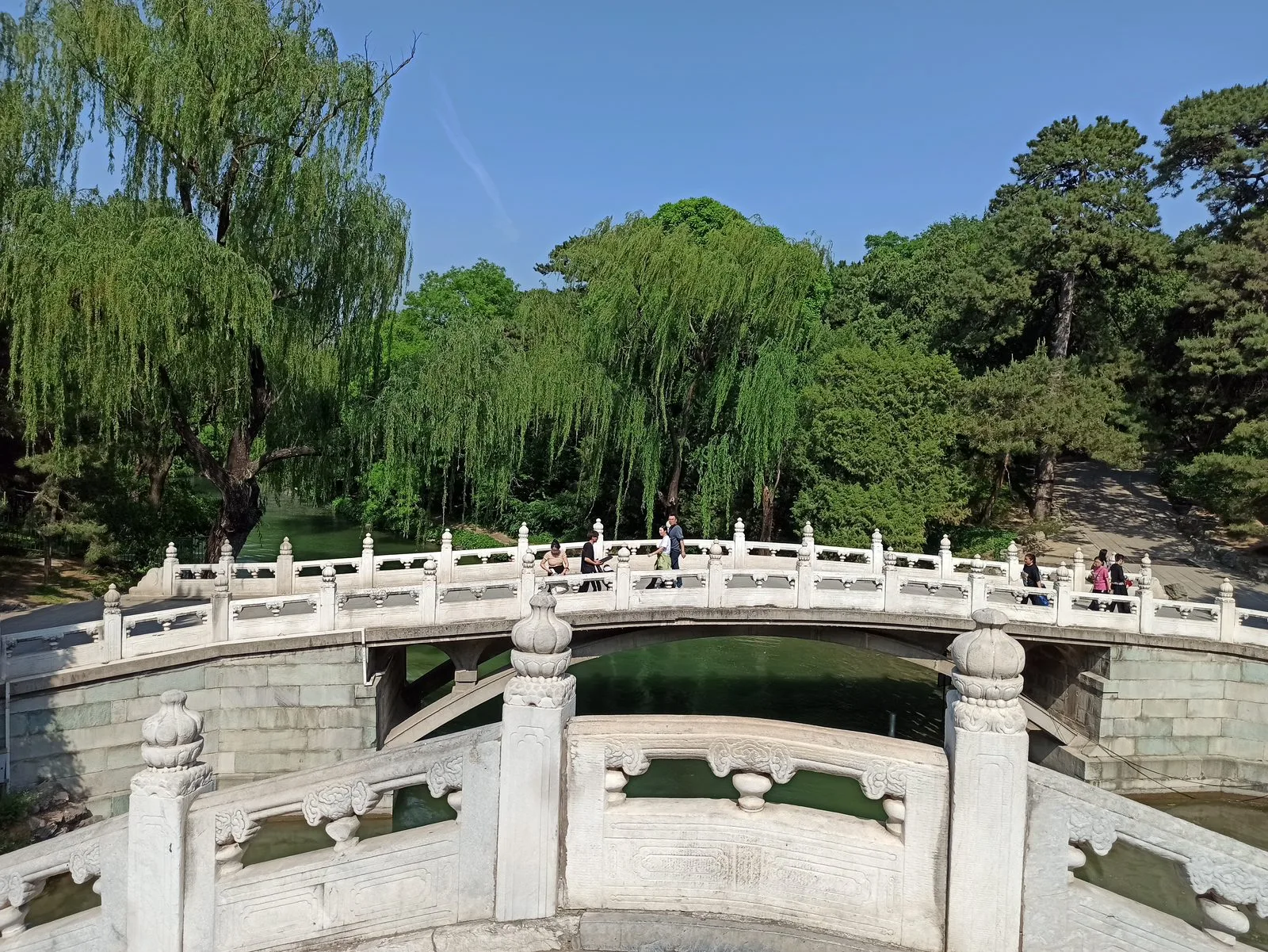
After the long walk we went to the Summer Palace – the favourite place of Empress Dowager Cixi, one of the most iconic figures in Chinese history. We were told that after a great fire she diverted part of the money intended for modernising the navy to rebuild the palace, and as a result China lost the Opium Wars, which I’ll talk about later.
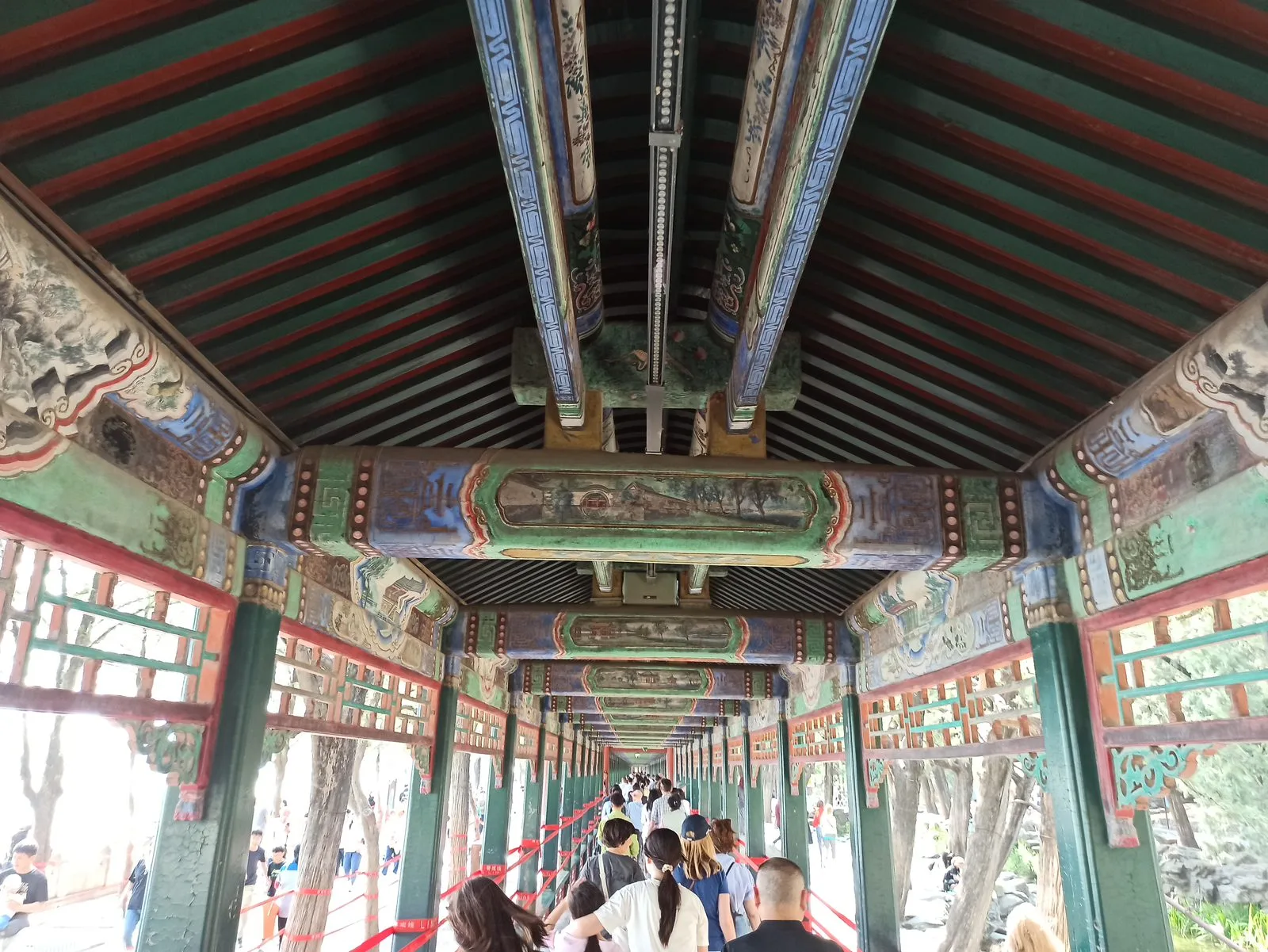
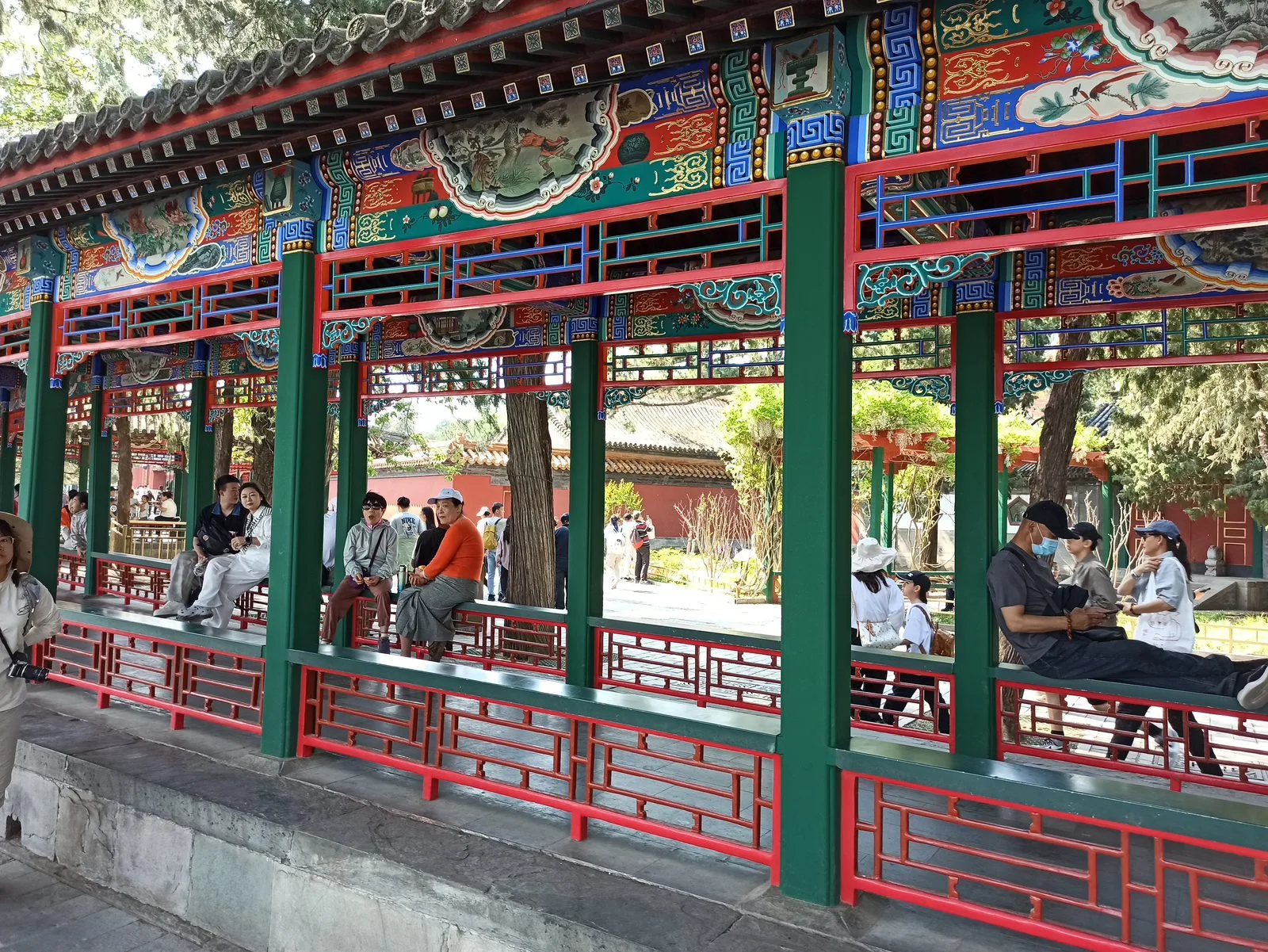
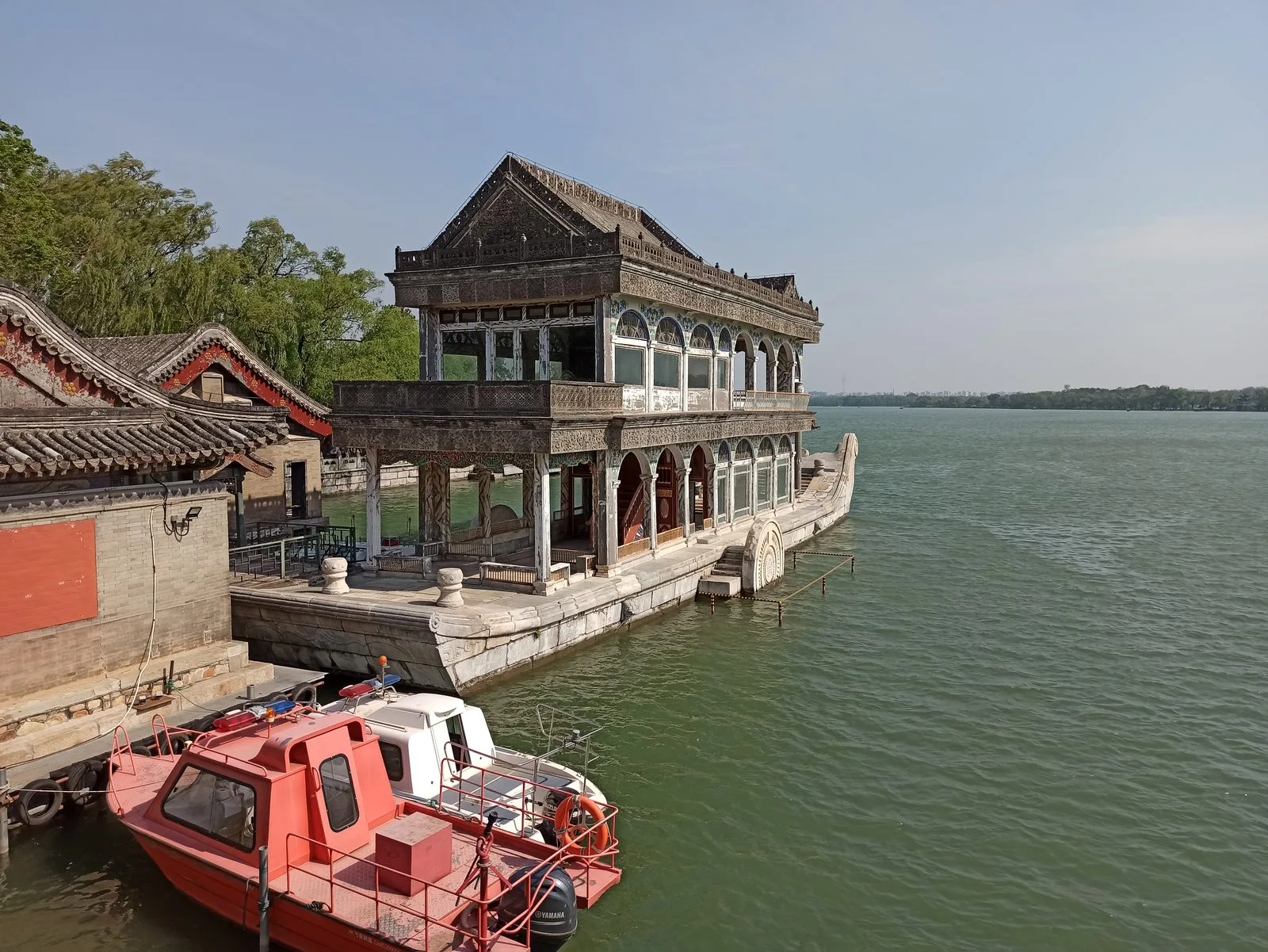
What impressed me most were the painted Long Corridor and the Marble Boat. The corridor is 728 metres long and decorated with over 14,000 paintings telling stories from Chinese mythology and literature, as well as scenes from everyday life. The imperial family could stroll along it by the lake, protected from the sun and the rain.
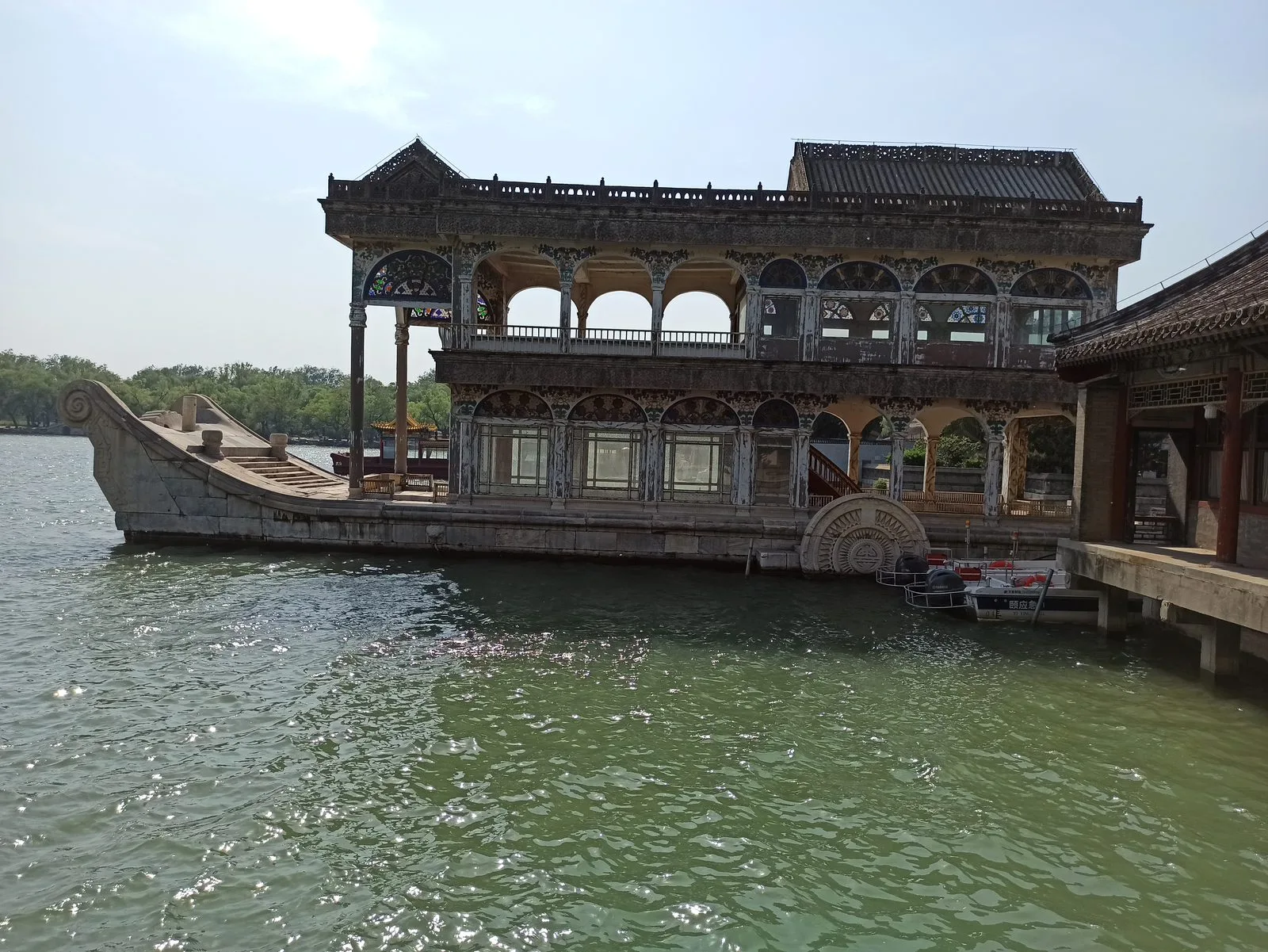
The Marble Boat is a stone pavilion in the shape of a boat, built in 1755. Cixi rebuilt it in 1893 into what we see today. The curious thing is that the upper part is wooden, painted to look like marble. There’s a certain irony too – while China needed real ships, the palace got a ship that can never sail!
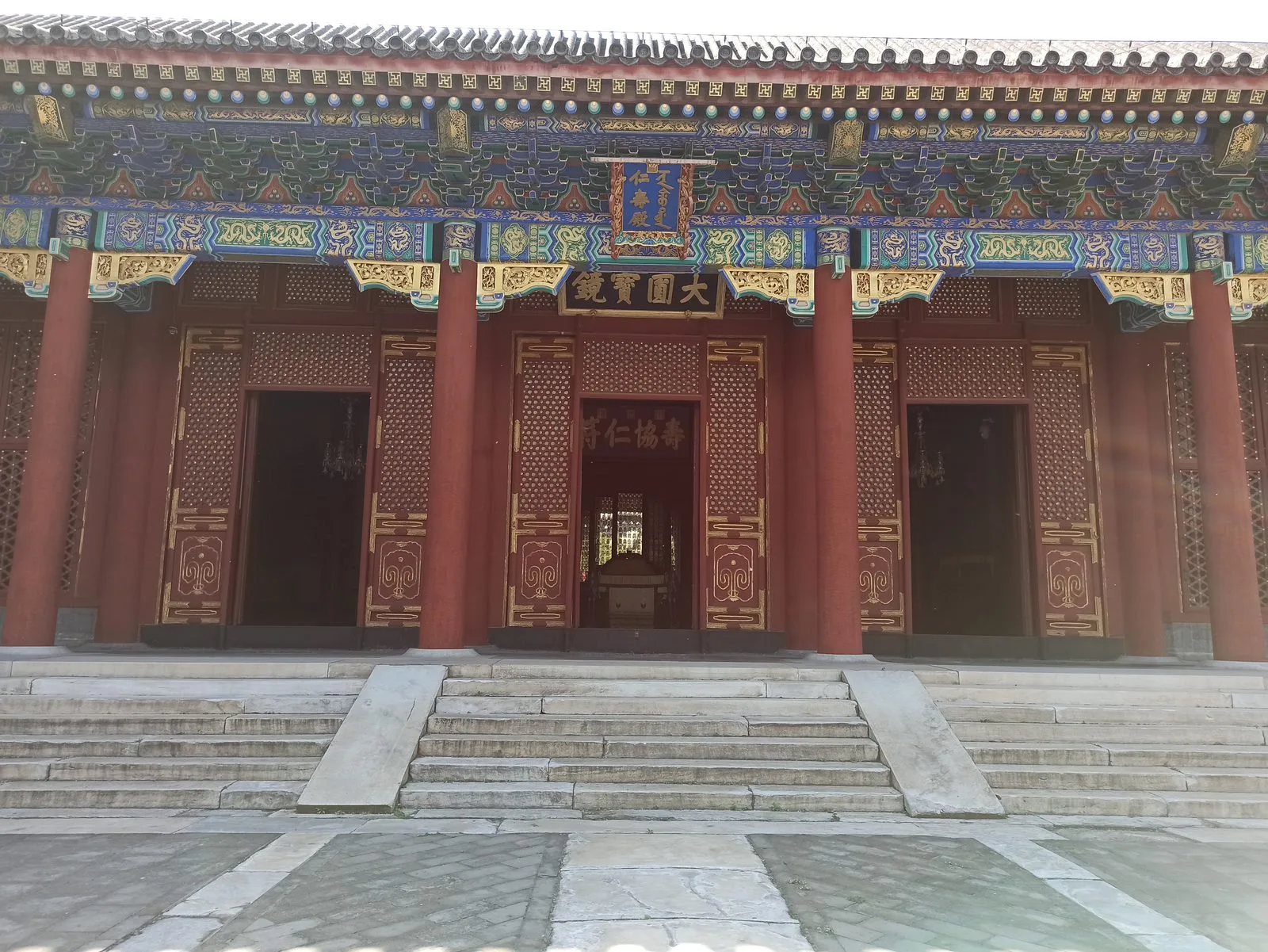
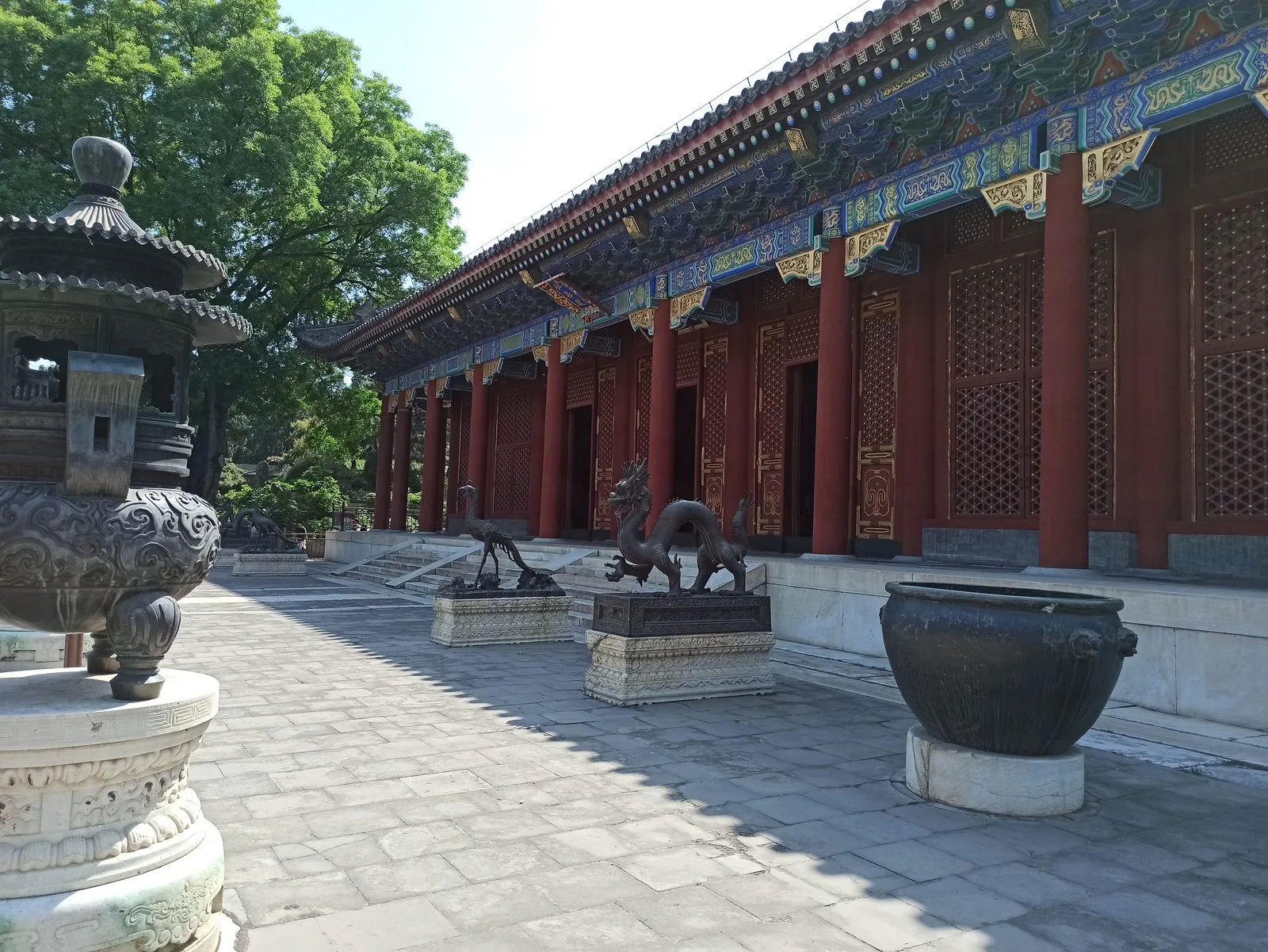
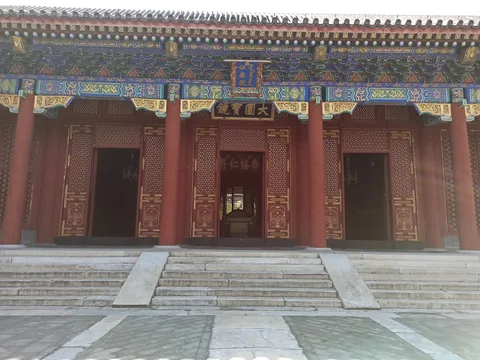 The Hall of Benevolence and Longevity – here Cixi received ministers and foreign envoys
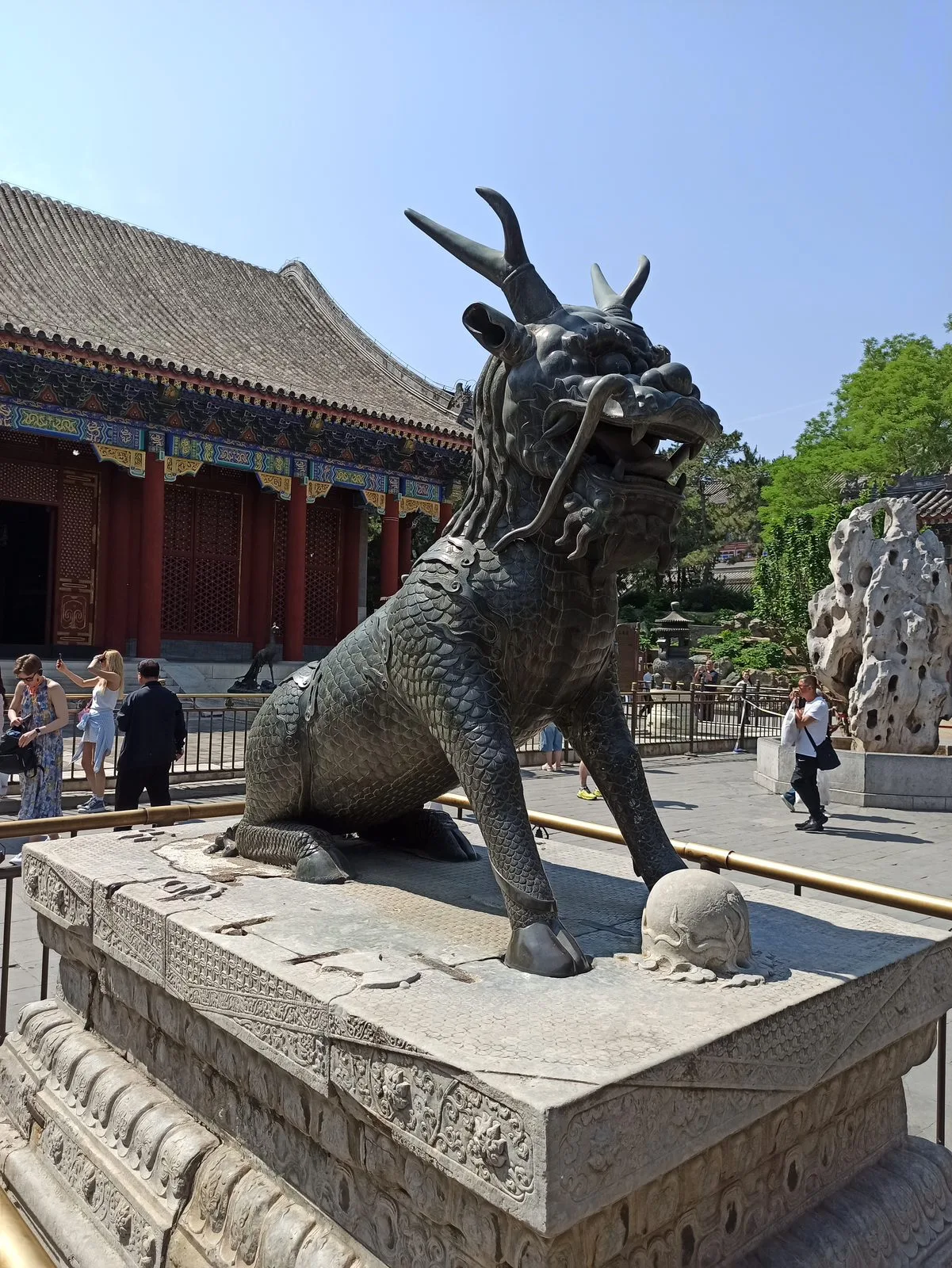
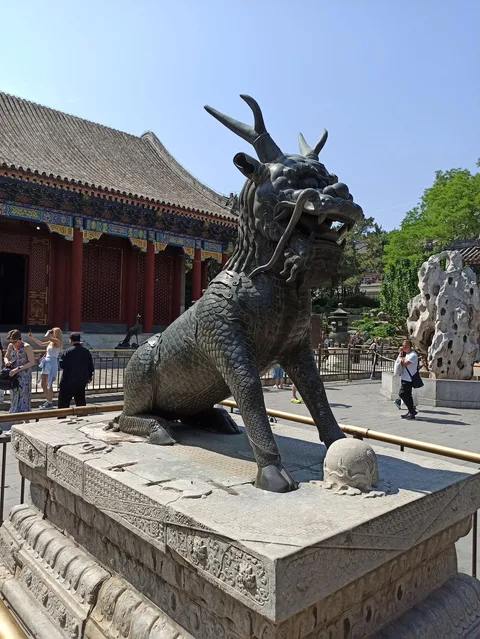 The bronze qilin – a mythical creature that brings luck and drives away evil
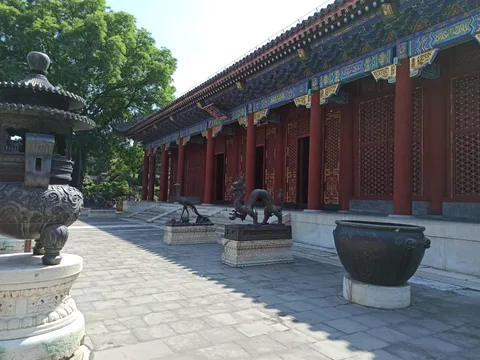 Bronze figures and vessels in the courtyard in front of the hall
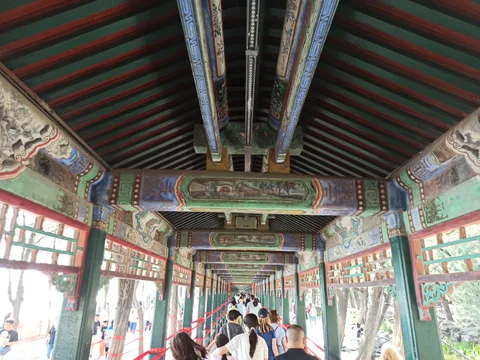 The painted Long Corridor – 728 metres and over 14,000 paintings
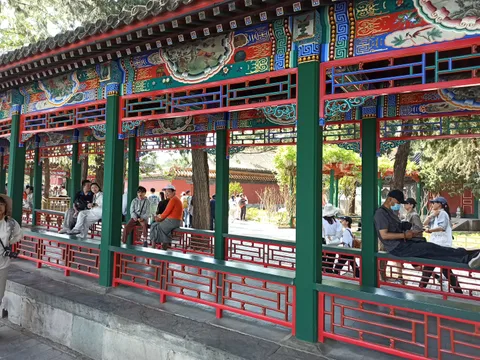 The corridor from the outside – perfect for a stroll in both heat and rain
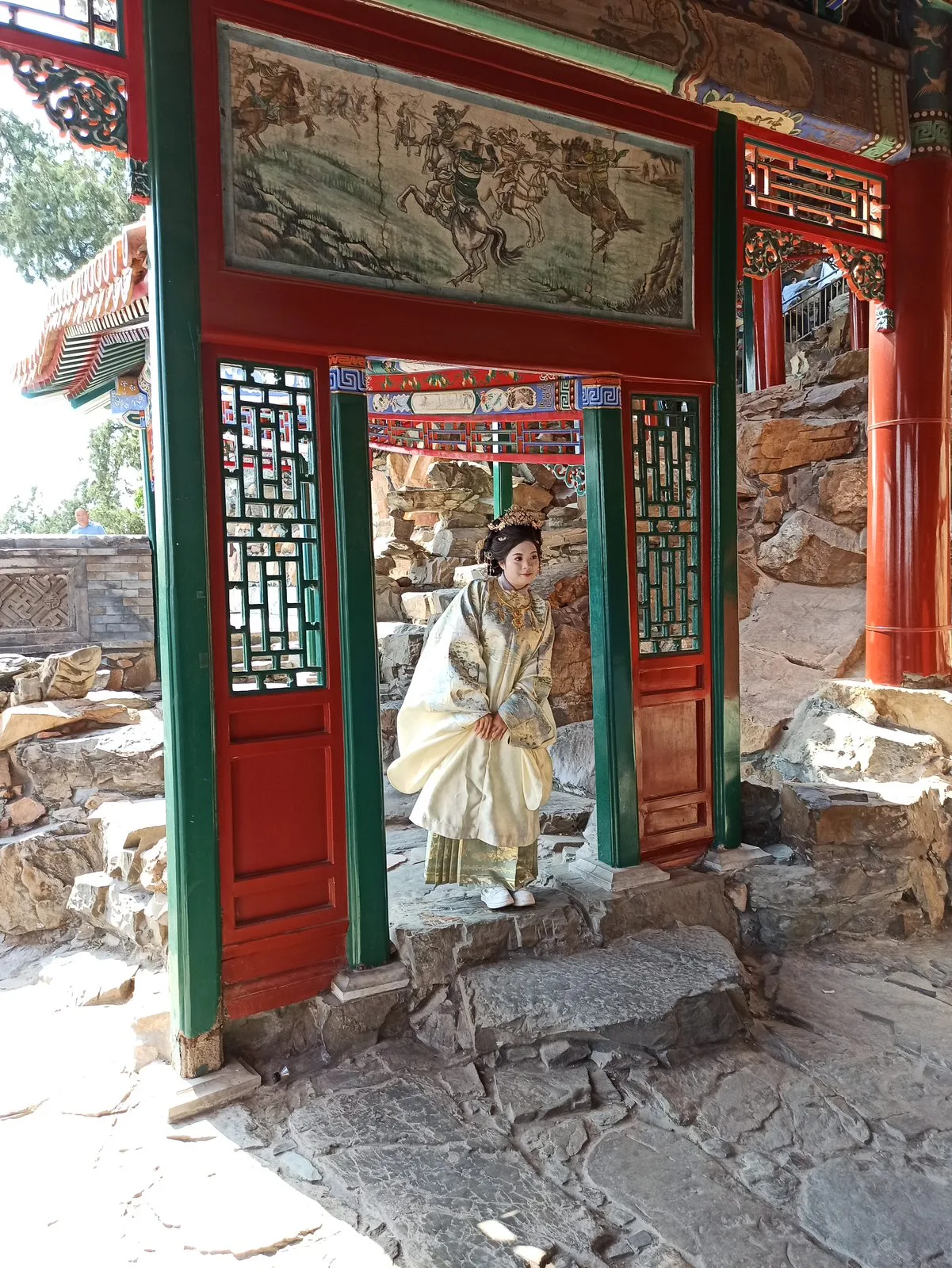
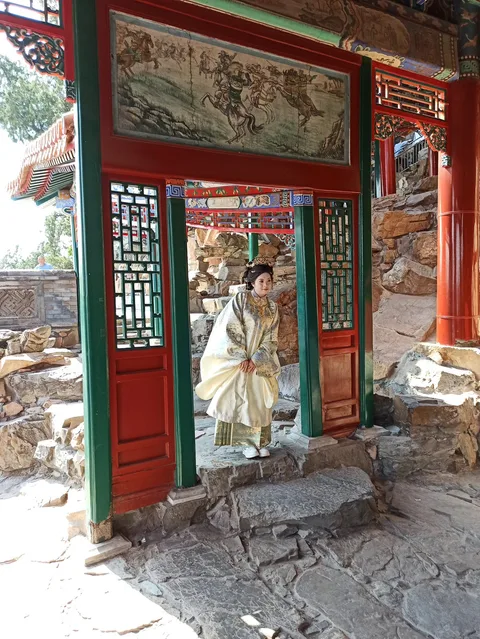 Here, too, there was no shortage of girls in traditional dress
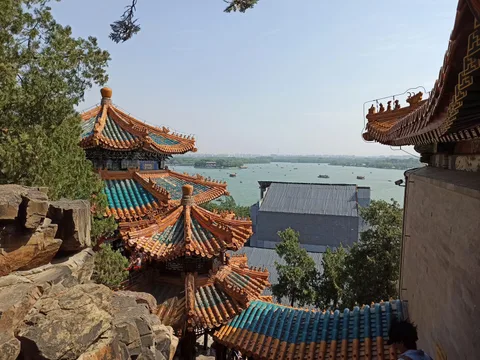 View from Longevity Hill towards the lake
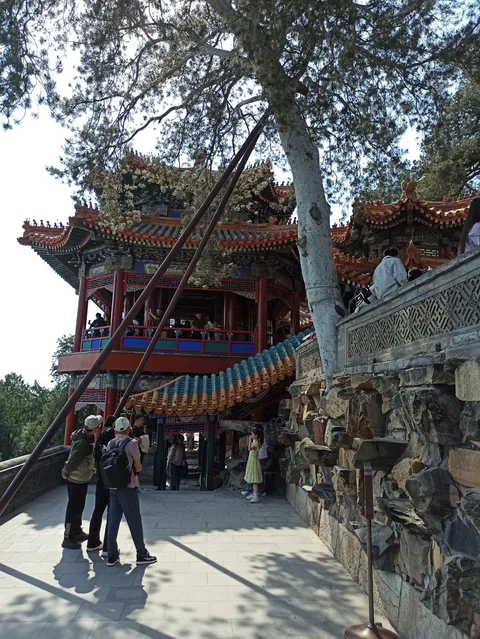 A pavilion on the slope of Longevity Hill
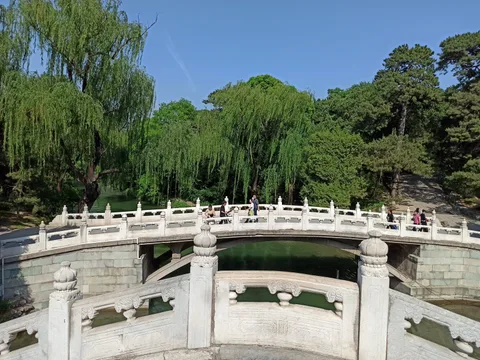 A marble bridge among the willows
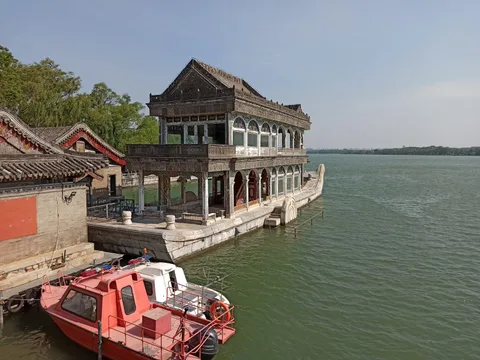 The Marble Boat – the upper part is actually wooden, painted to look like marble
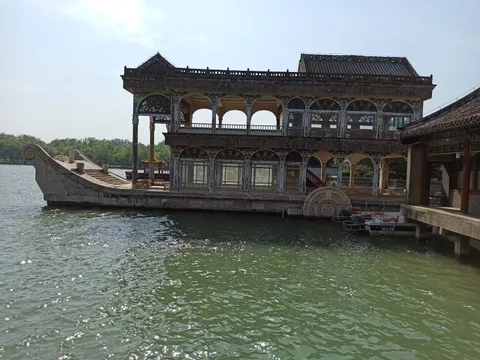 The boat that will never sail
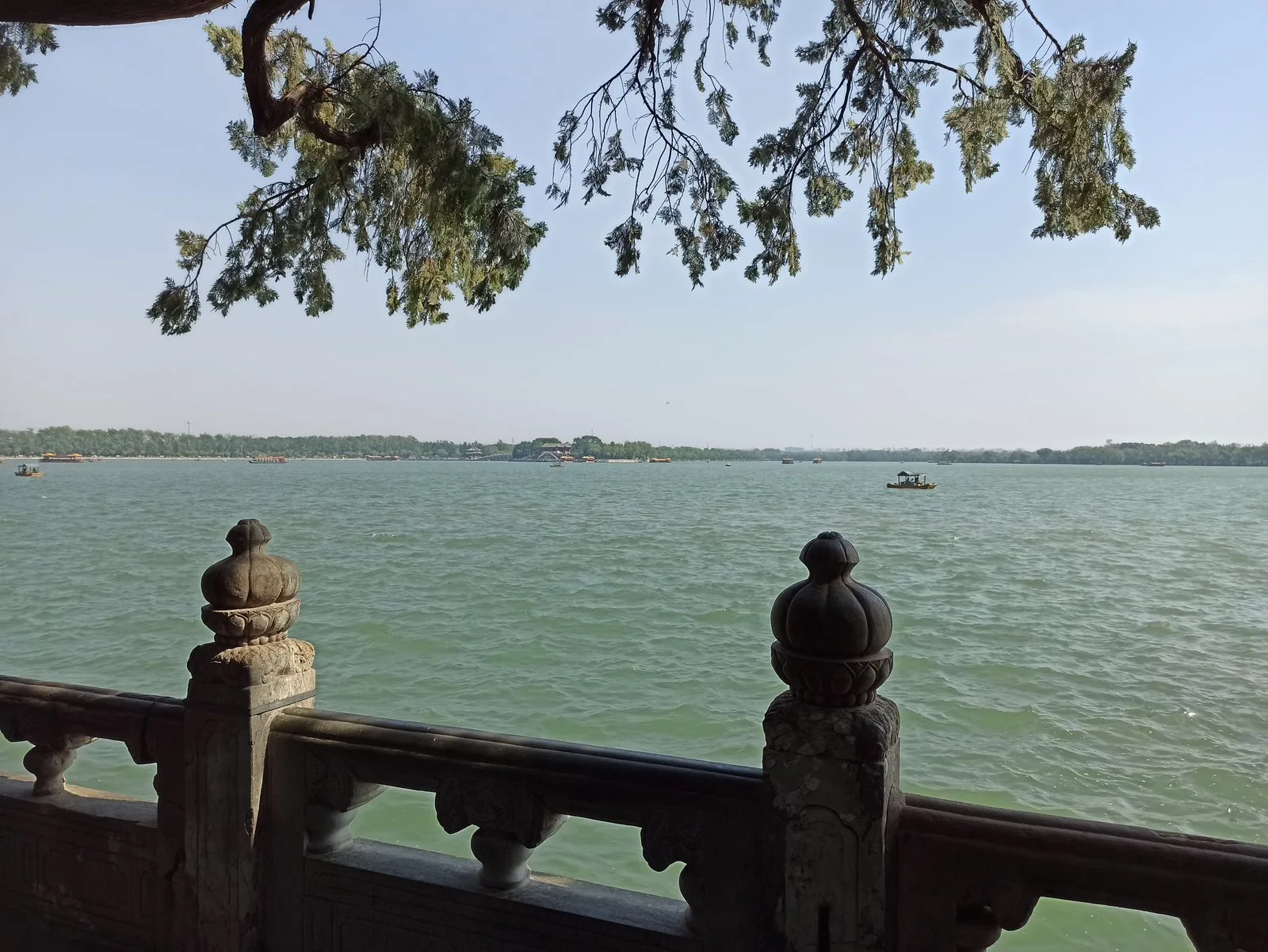
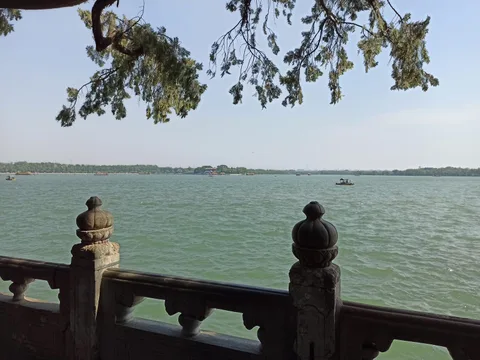 Kunming Lake covers about three quarters of the palace grounds
Beijing by night
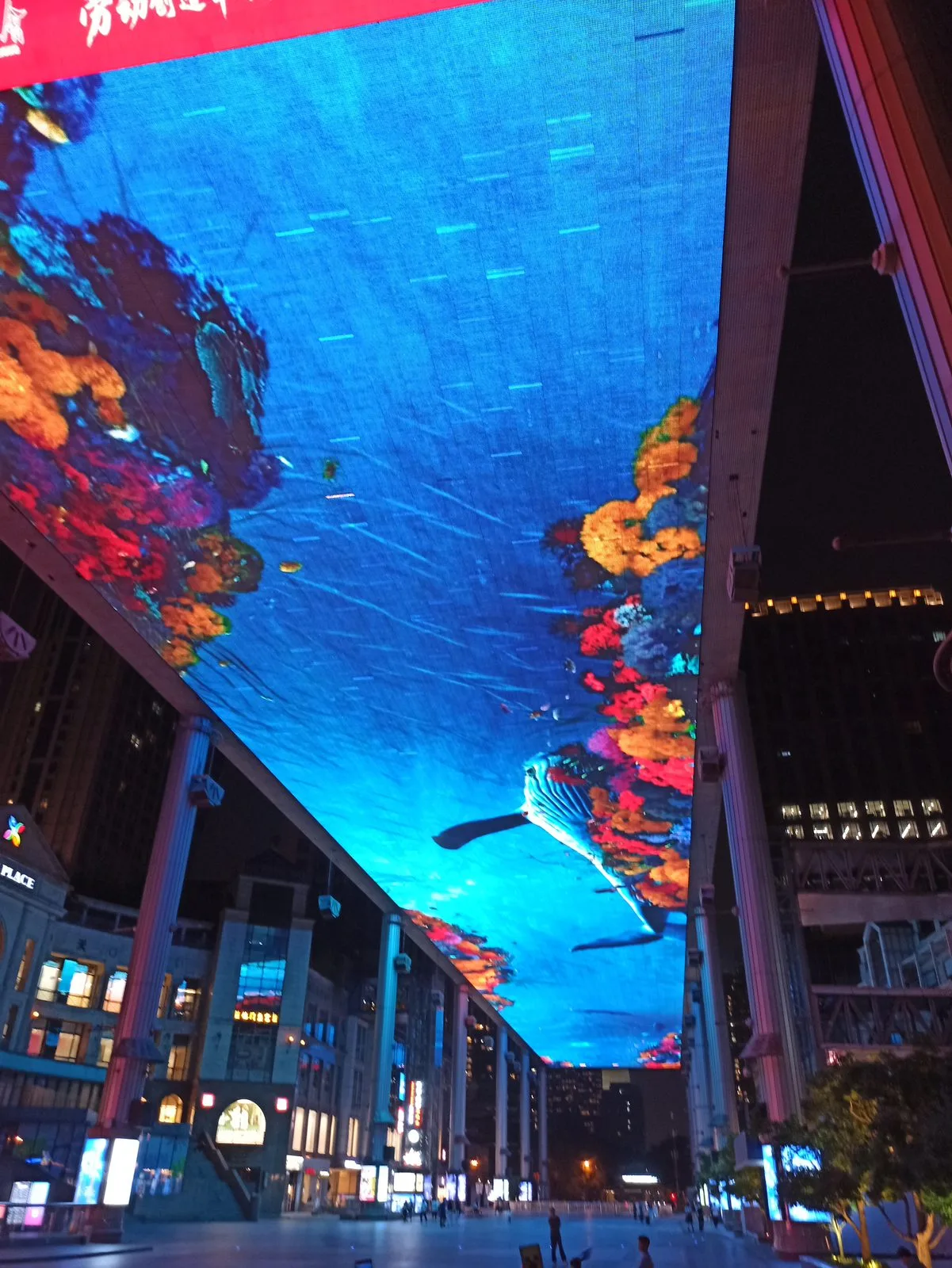
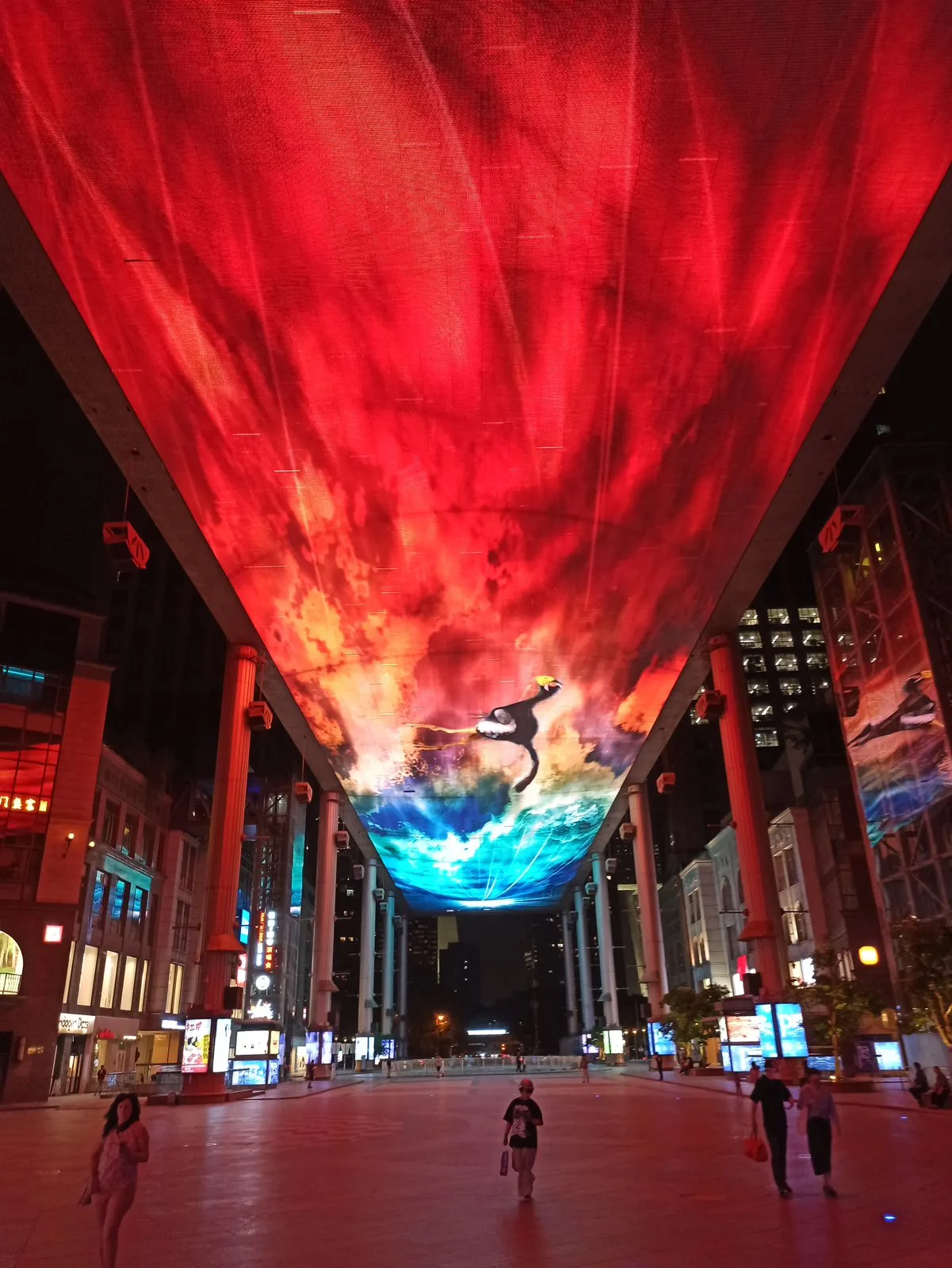
In the evening we decided to walk around Beijing to see what it looks like after dark. What impressed me most was the Shimao Tianjie shopping centre, known in English as The Place. Above its pedestrian street hangs a gigantic LED screen, 250 metres long and 30 metres wide – 7,500 square metres in total. It opened almost two decades ago, and in 2009 it entered the Guinness Book of Records as the largest LED screen in the world. We also saw Beijing’s business district, but it wasn’t anything I hadn’t seen elsewhere. The screen, though, was incredible.
The Temple of Heaven
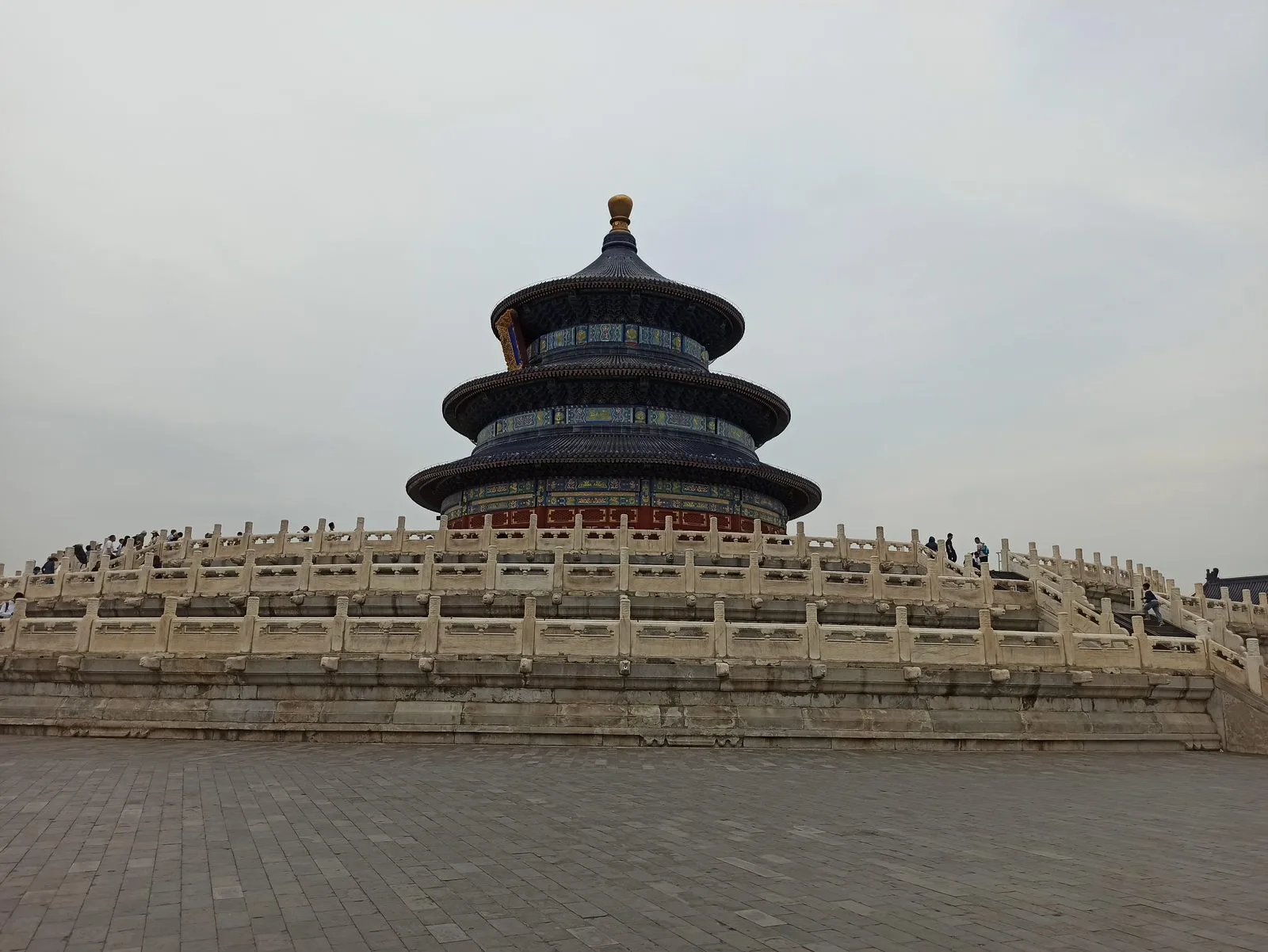
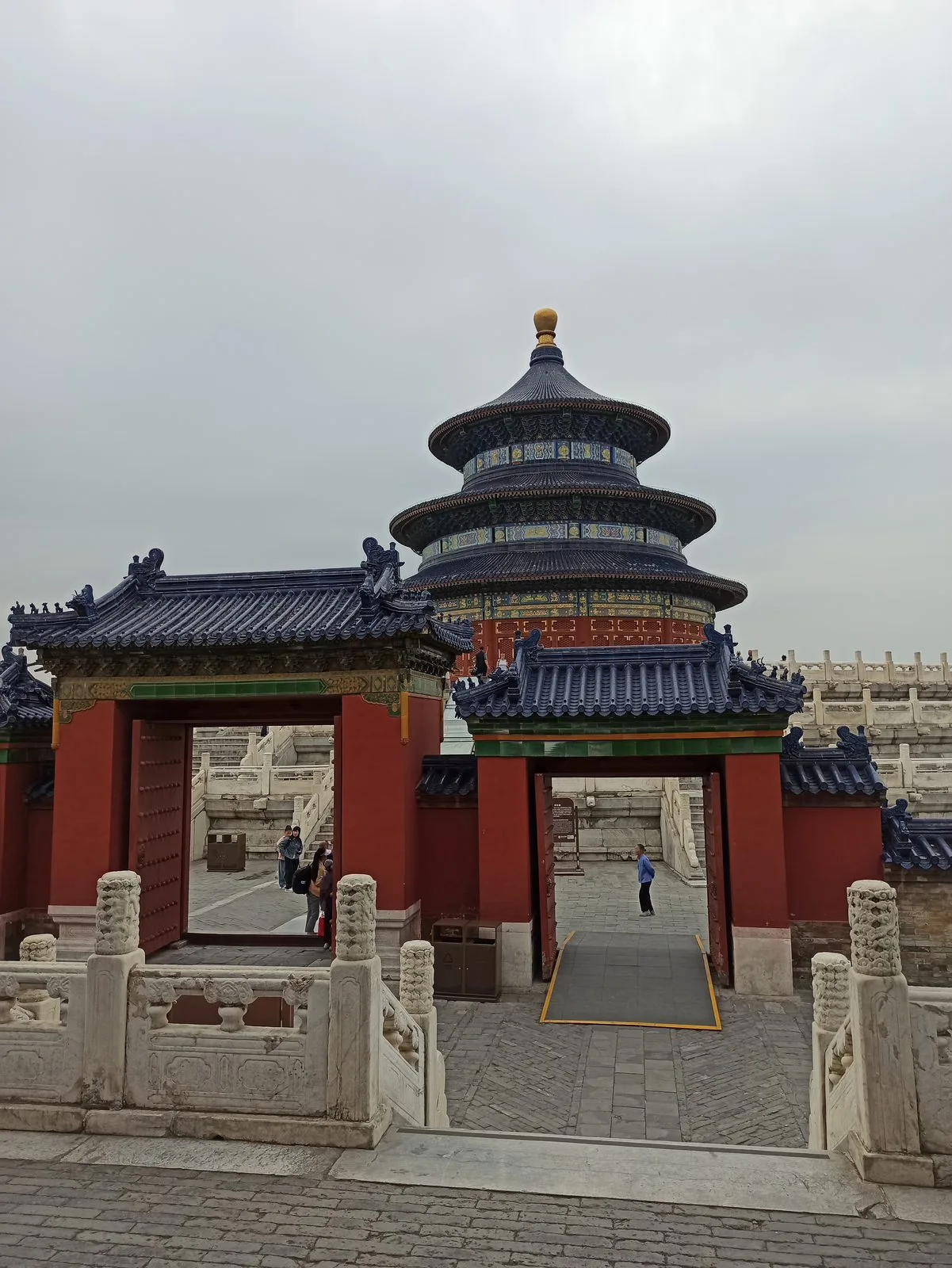
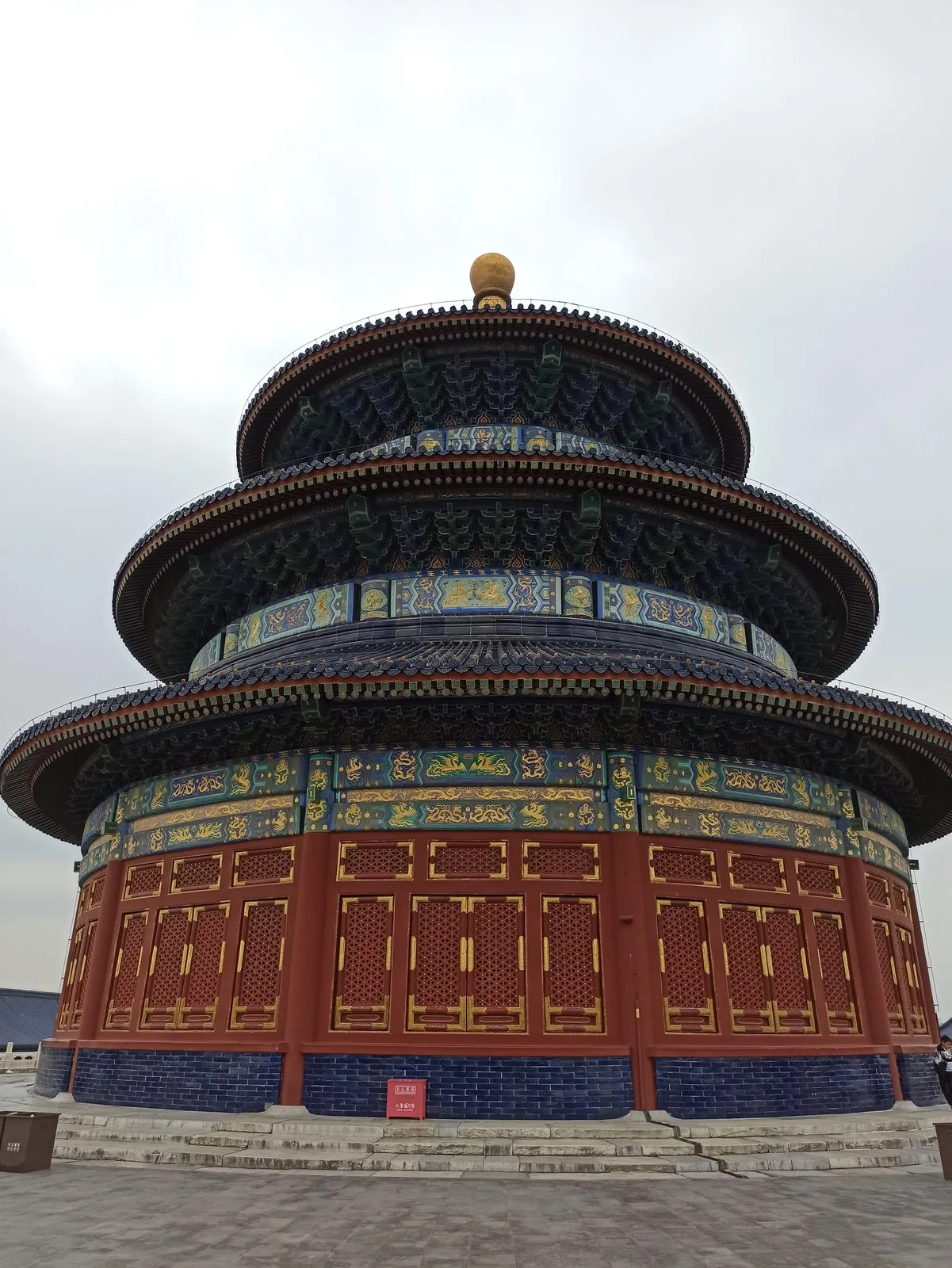
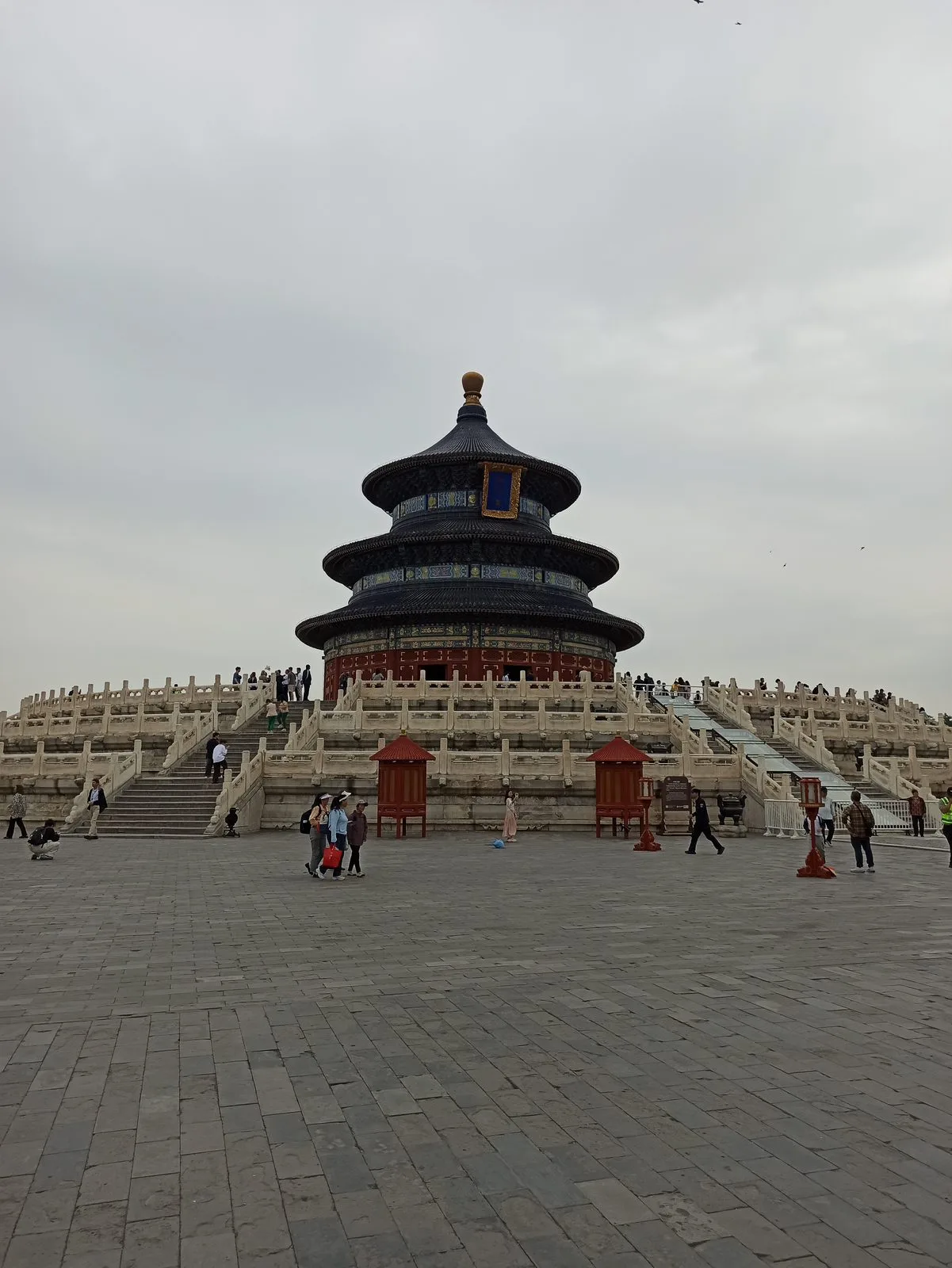
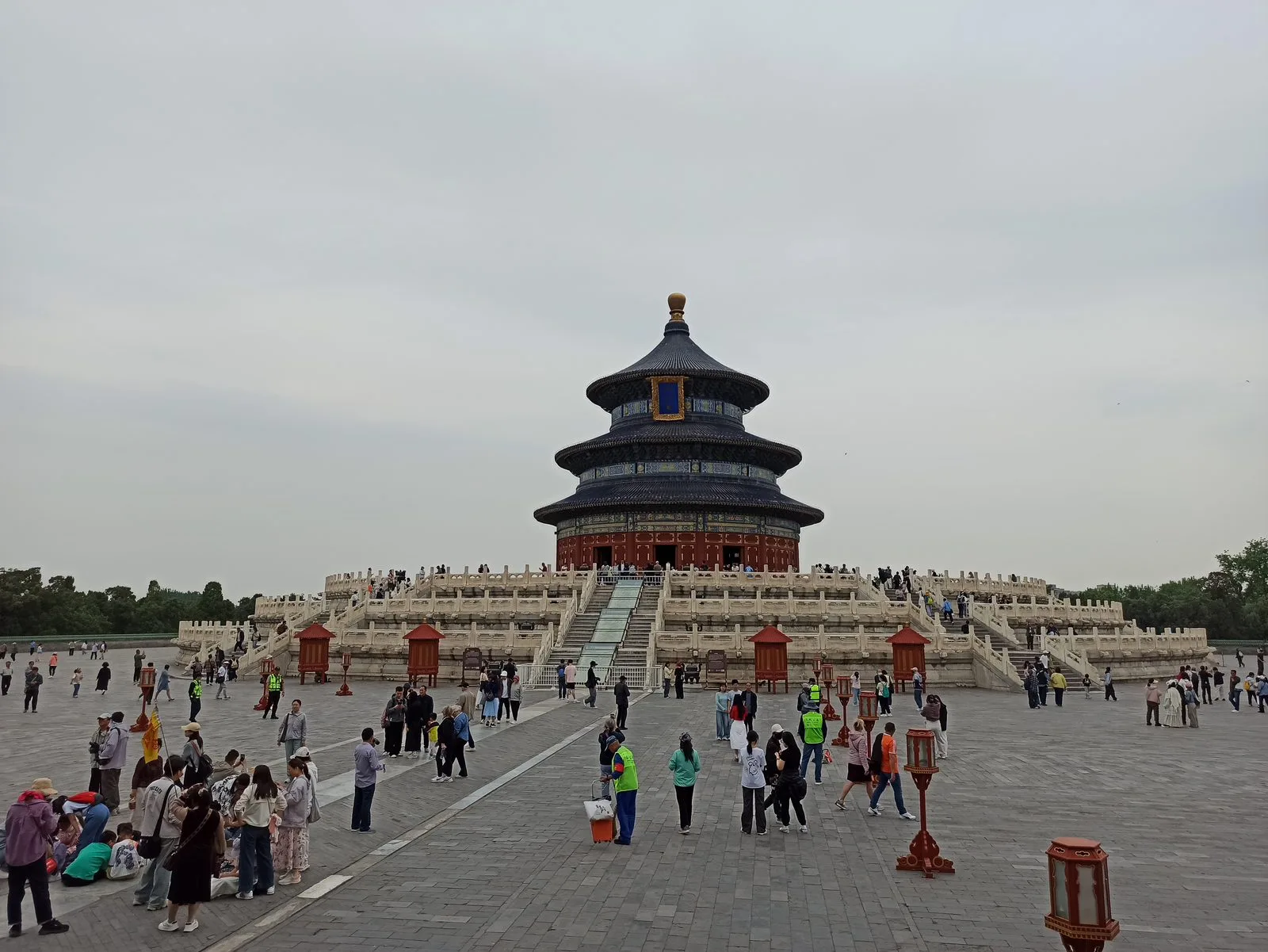
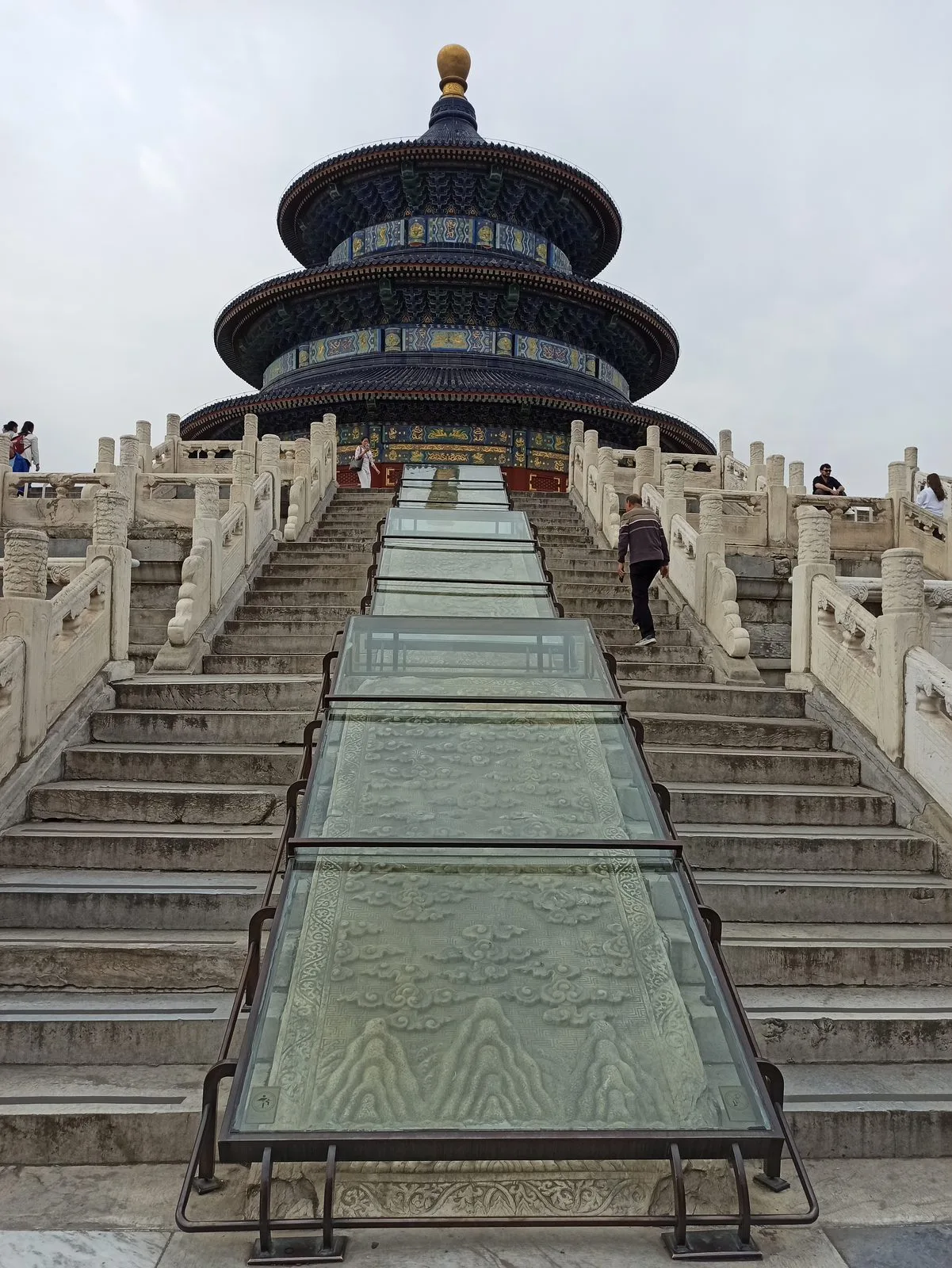
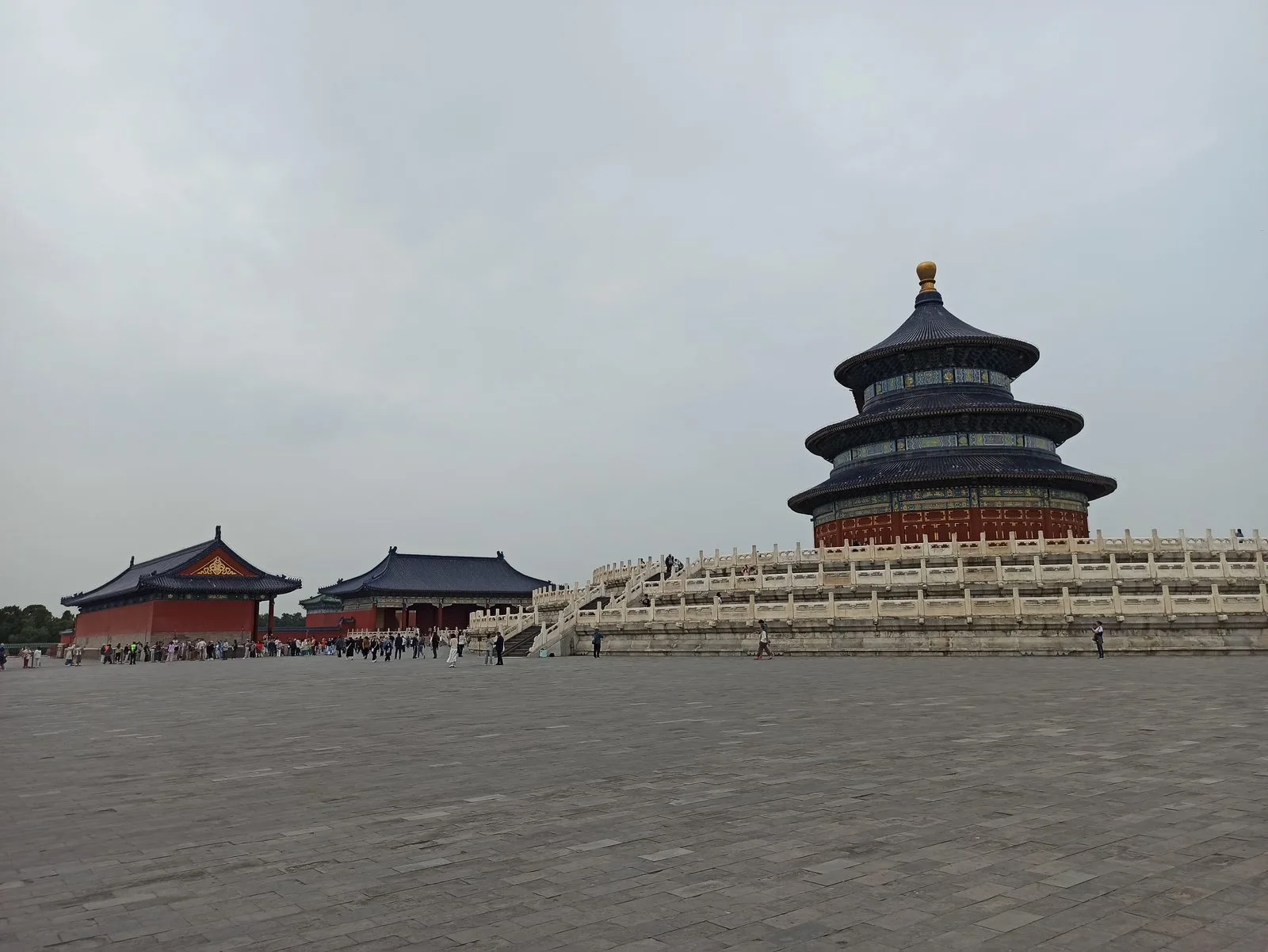
The next day began with the Temple of Heaven (Tiantan) – one of the most important temples in China, built in 1420 under the Yongle Emperor of the Ming dynasty, the same ruler under whom the Forbidden City was built. Its most famous building, the Hall of Prayer for Good Harvests, is built entirely of wood without a single metal nail. The current hall was actually rebuilt after 1889, when lightning set it on fire and it burned to the ground.
This was the place where the Chinese emperor symbolically communicated with Heaven. The emperors bore the title “Son of Heaven”, and it was believed that their duty was to maintain harmony between Heaven and Earth. Every year the emperor performed special ceremonies to pray for rain, good weather and a rich harvest. If drought, famine or disasters struck, people could take them as a sign that the ruler had lost Heaven’s favour.
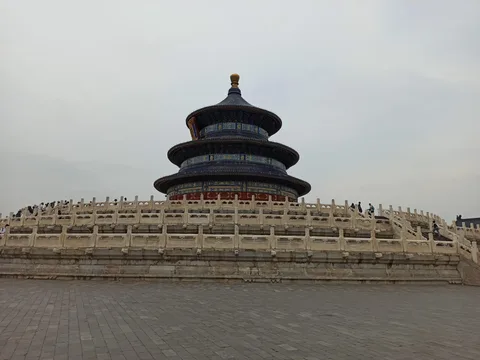 The Hall of Prayer for Good Harvests on its three marble terraces
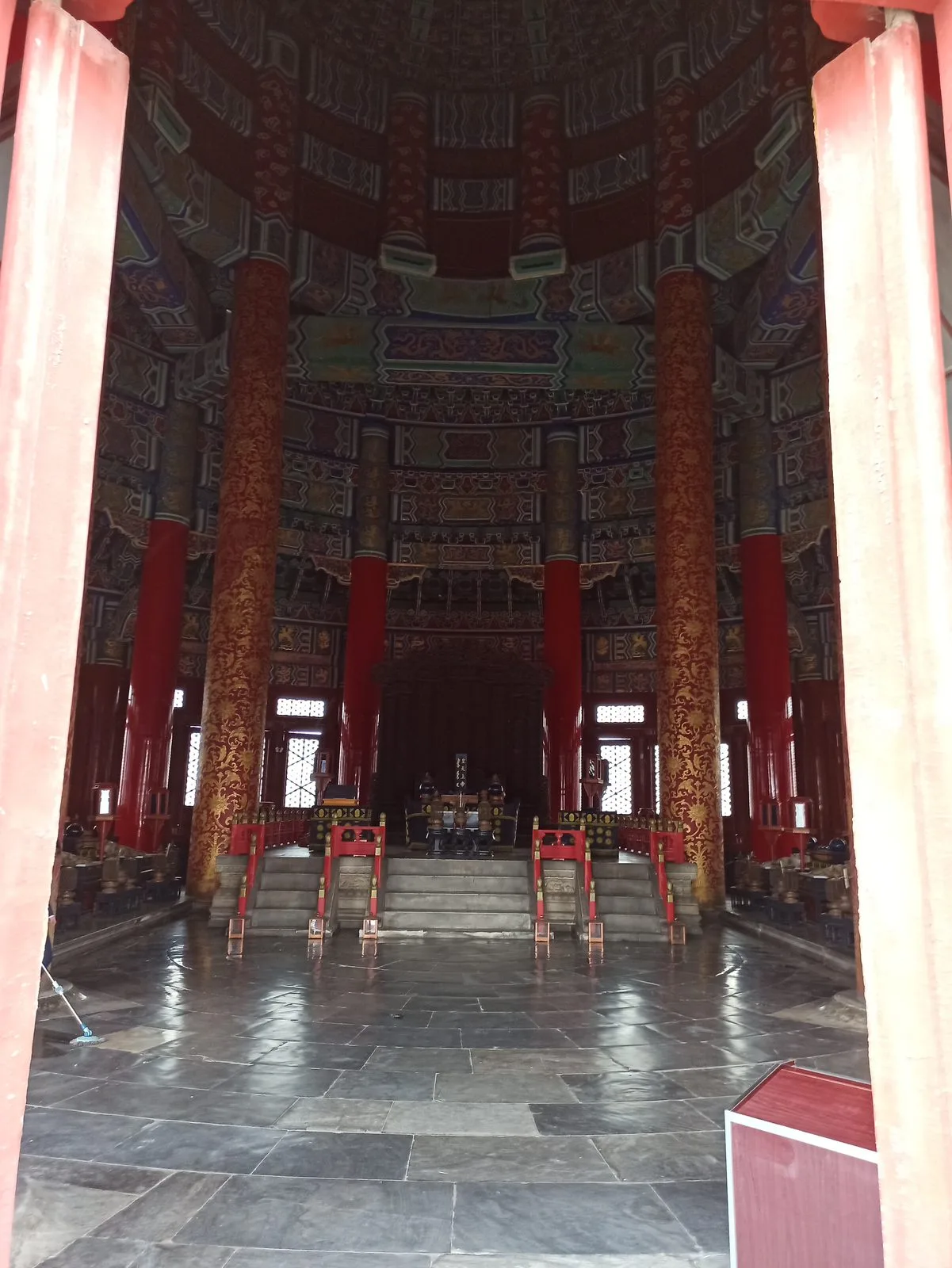
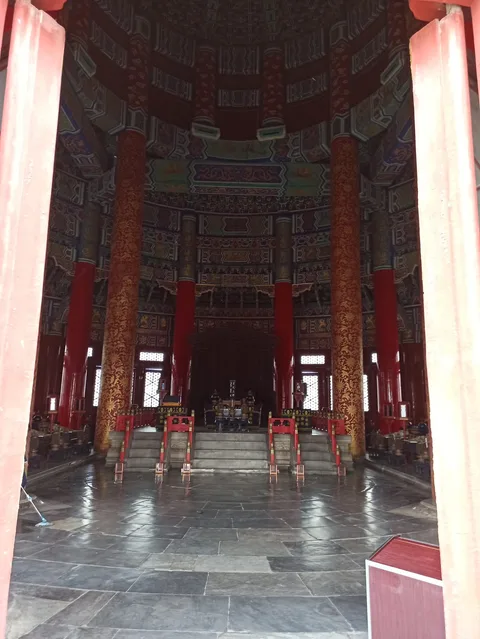 Inside: 4 central pillars for the seasons, 12 for the months and 12 for the hours of the day
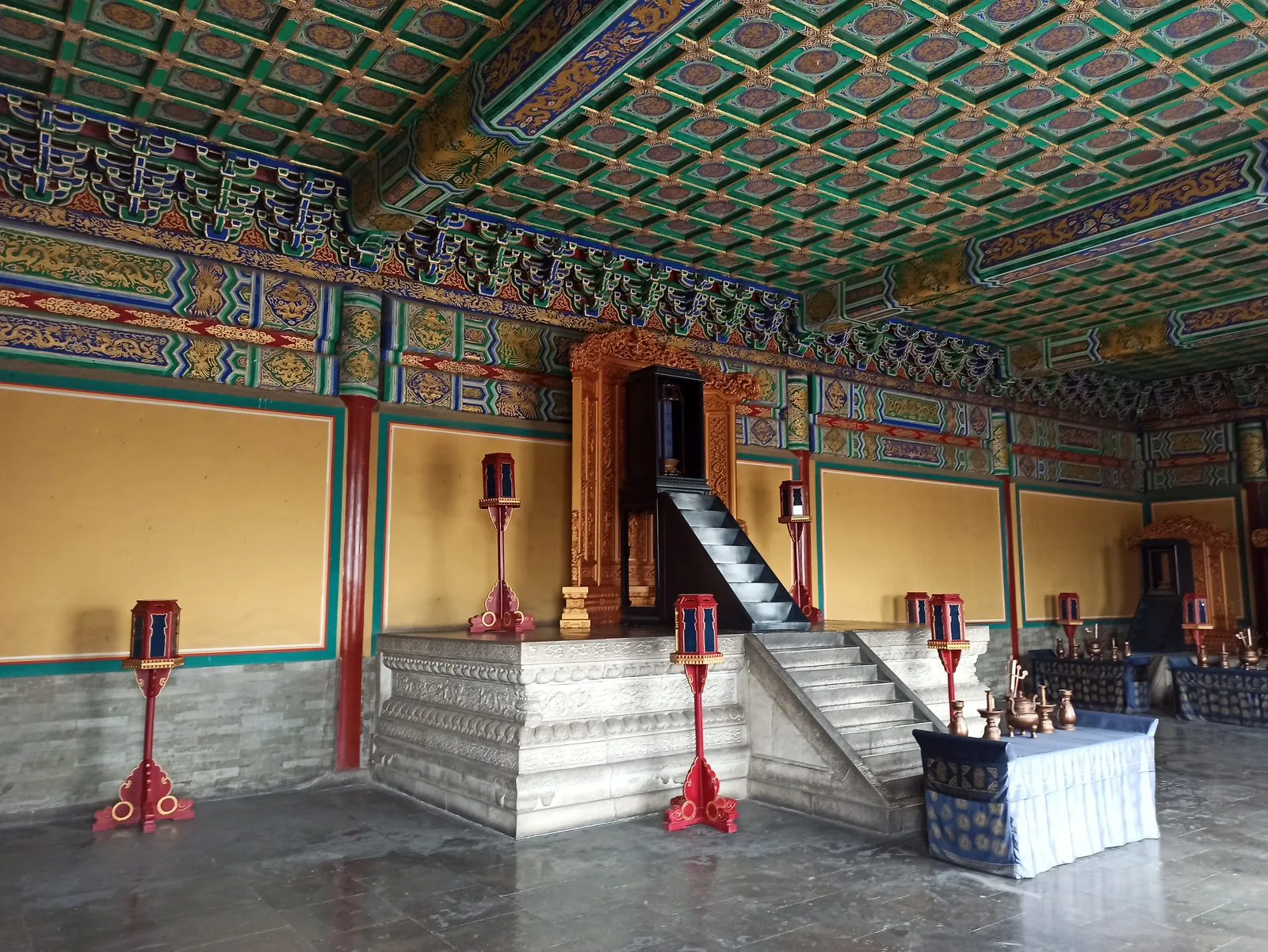
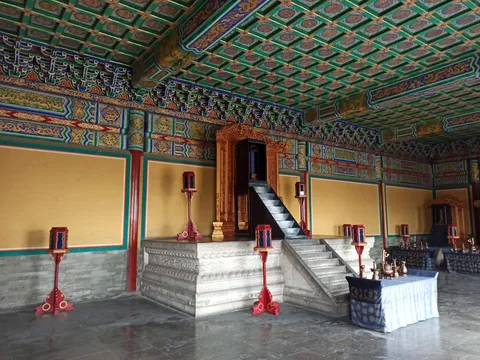 One of the side halls
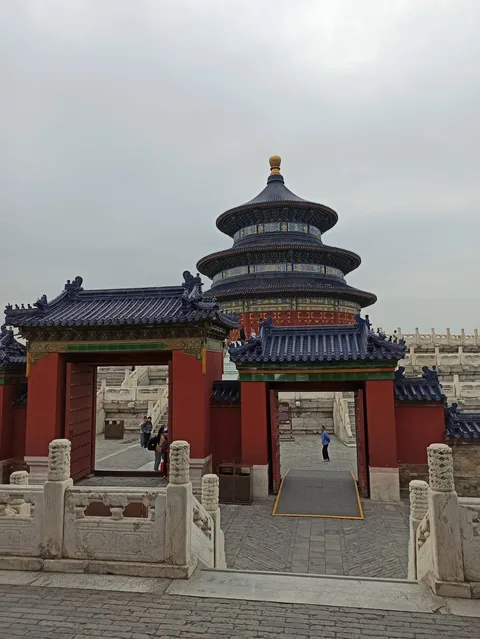 The hall seen through one of the gates
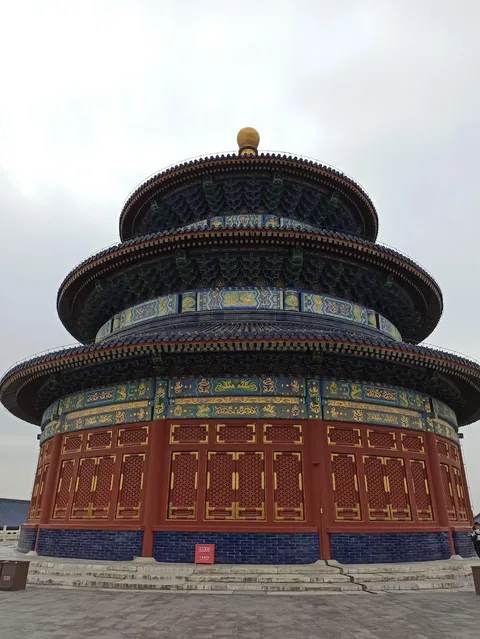 The blue tiles symbolise Heaven
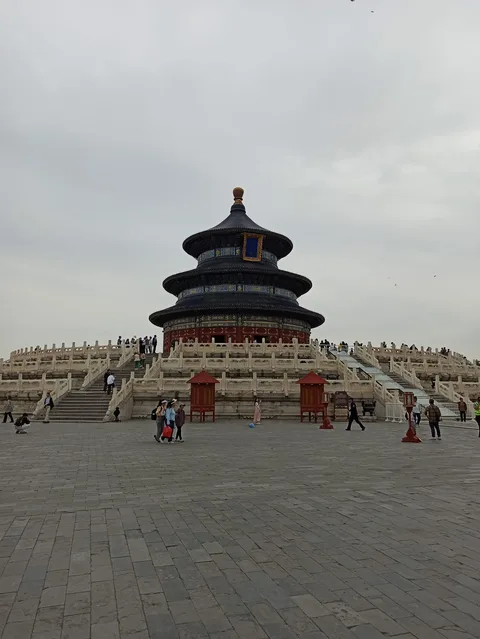 Almost 40 metres tall – and not a single metal nail
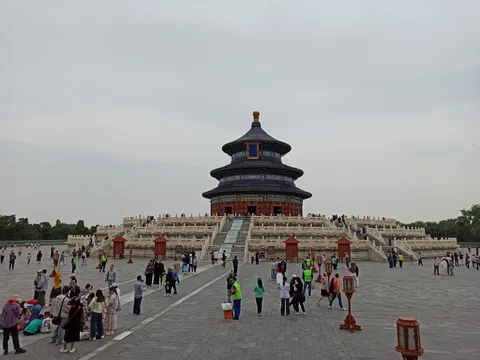 The square in front of the hall in the morning
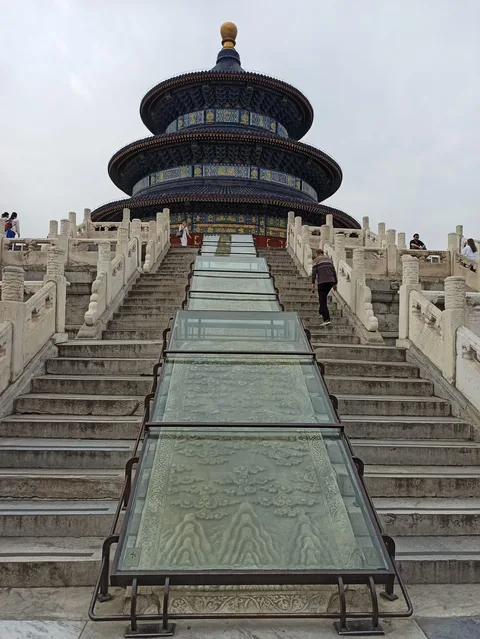 In the middle of the stairs is carved the “imperial path” – only the emperor was carried over it
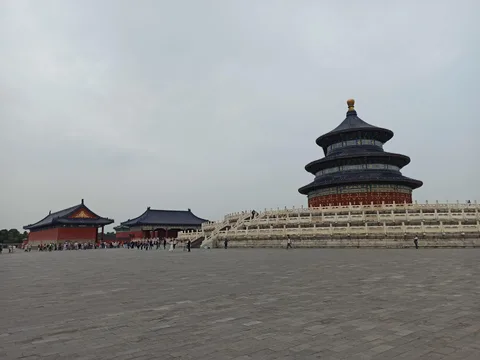 A round hall in a square courtyard – “Heaven is round and Earth is square”
Traditional Chinese medicine hospital
As I mentioned above, the Chinese believe strongly in traditional medicine, and for many it is the best remedy. The interesting thing is that some of its herbs and approaches have been shown to have a healing effect, while many others have been shown to have none at all – and yet they continue to be prescribed.
After the Temple of Heaven we were taken to a traditional medicine hospital, where we were given a “diagnosis” – taking the pulse and examining the irises and the tongue. Science still can’t confirm that diseases can be detected this way, but people believe in it and often go for such check-ups. We also got a foot massage, which was very pleasant, especially after walking the wall the day before.
What I didn’t like was that after the diagnosis they started prescribing medicines of unclear effectiveness that supposedly cure everything – but for quite a lot of money. They have to be taken for a long time, and before people had even finished their first dose, there was already talk of how they would get the next ones. It also seemed strange to me because all sorts of unusual ingredients go into these medicines.
One of our guides even explained why there were so many sick people in China during COVID-19. According to him, the reason was that people turned en masse to traditional medicine, which was supposed to come up with a treatment for the new virus, and the old remedies didn’t help.
The jade factory
China is famous for jade, and according to the Chinese, real jade, silk and tea can only be bought in China, while everything else in the world is an imitation – quite amusing to hear in the country famous for imitations.
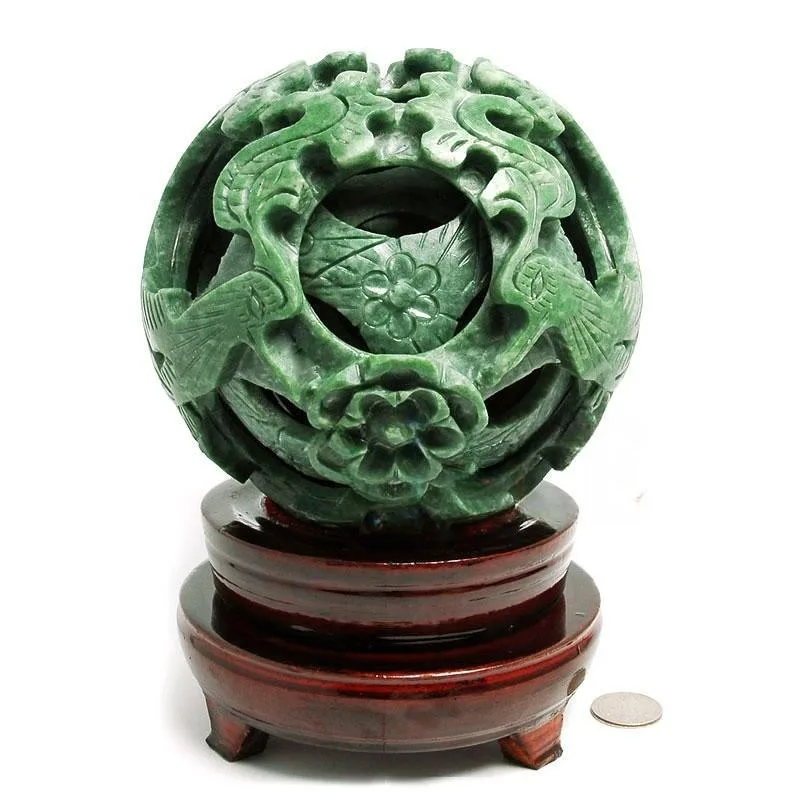
The shop was in a mall and was quite interesting, but what impressed me most was the “Ball of Generations” – a jade ball with many openings, inside which there are other, smaller balls that move freely, all carved from a single piece of stone. Each inner ball symbolises one generation of the family, and the whole composition – unity, happiness and the bond between generations. The Chinese also call it the “devil’s ball”, because it seems impossible that a human hand could have carved it.
The more inner balls there are and the more beautifully it is engraved, the more expensive it is, and it is believed to bring happiness to the home. There is also a variant with Chinese guardian lions on both sides of the ball – then the composition is called “Two Lions Playing with a Ball”.
Zhengzhou
After the jade shop we headed to the station to catch the high-speed train to Shaolin, but first we had to pass through Zhengzhou. This is one of the most ancient Chinese cities – about 3,500 years ago it was one of the capitals of the Shang dynasty – although today it looks extremely modern. We didn’t get to explore the city, but I noticed that it is full of skyscrapers and must be a great place for a walk.
If you imagine the train as a maglev, you’re wrong – from the outside it looks like an ordinary train, but it travels at “only” 300 km/h. Interestingly, there’s none of the rattling we know so well from Bulgarian trains – inside it’s quite quiet and very pleasant for resting after the long days so far. Before I left, I’d been told that at that speed everything outside becomes a blur, but that only applies to the trees right next to the train – everything further away looks just as it does from a normal train. Overall, these trains are what trains everywhere in the world should be: fast and reliable.
On the way out of Beijing I noticed how many new buildings there were – entire complexes of high-rise blocks that looked empty. There were roads next to them, but neither people nor cars – like a ghost town. I had heard about this, but I didn’t think it would surprise me so much when I saw it. Construction in China moves so fast that new neighbourhoods and even entire cities are built, initially empty, and gradually fill up. But if there’s no work nearby, life in such places is hard.
I was also very surprised by what we were told about housing. The Chinese buy homes, but they don’t really own them fully – they borrow them from the state for 70 years, after which this can be extended once by another 40 years for the heirs. The state remains the owner of the land and can at any time move people to another home of the same value and use the land for something else. I suppose many of the people in the new cities and neighbourhoods ended up there after such a procedure, or simply those were the only homes they could afford.
Dengfeng
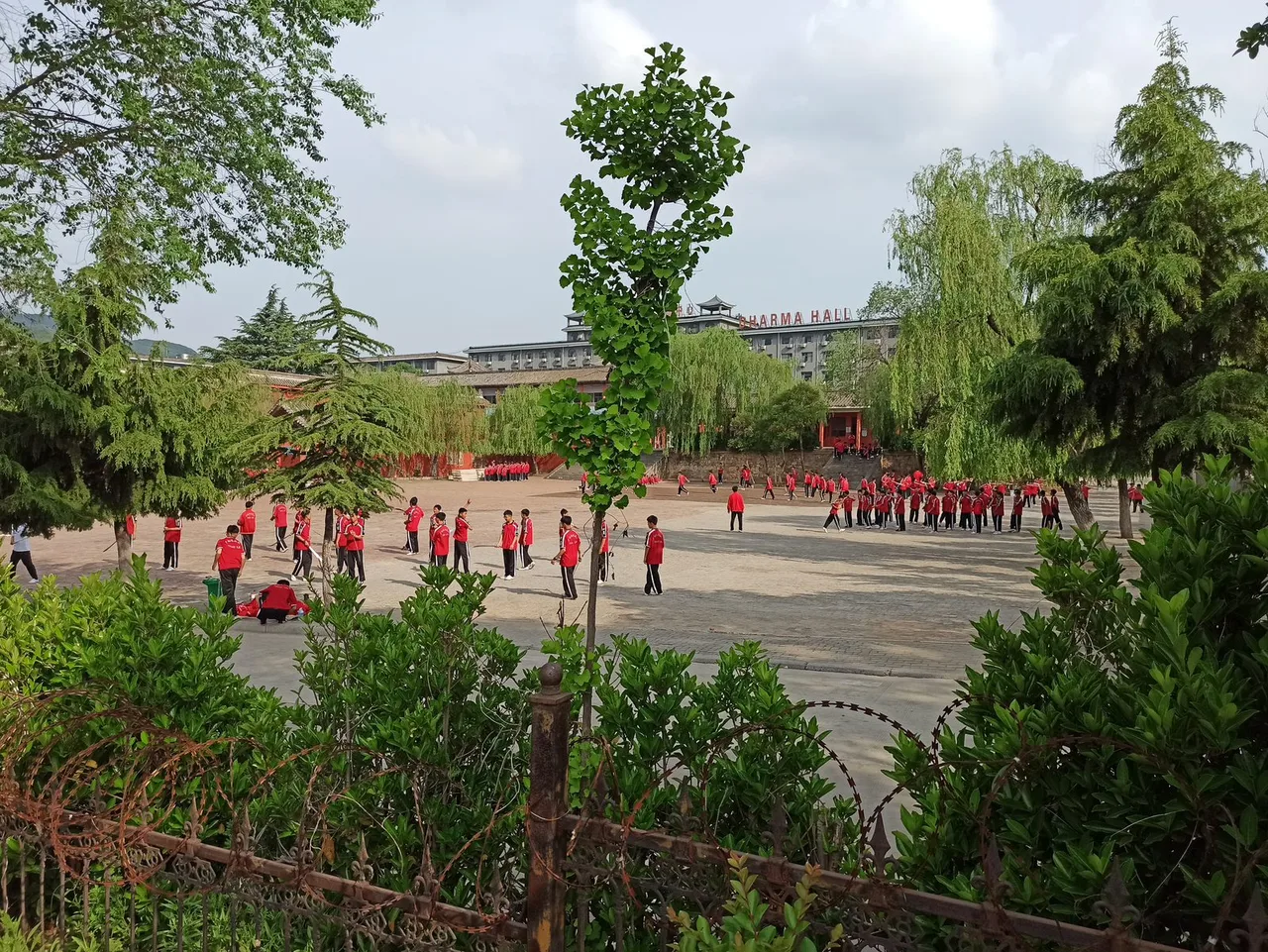
You could say Dengfeng is the city of kung fu. It’s small by Chinese standards – about 700,000 people – and we were told it has around 100 martial arts schools. (According to the data I found later, it’s more like 40 to 60, but over 50,000 students study in them, and the largest one alone, Tagou, has tens of thousands.) So when someone tells you they trained at Shaolin, they most likely trained at one of these schools.
But if you think it’s easy there, believe me – it isn’t. From 6 in the morning we started hearing the boys’ battle cries, and I had the feeling the whole city could hear them, but nobody seemed particularly bothered. It was strange to walk the streets surrounded everywhere by high walls with barbed wire on top – which, as we were told, isn’t there to keep anyone out, but to keep the boys who are inside from getting out. What can I say – this is discipline: you go there for a few months or a few years, live as if in prison, and the only thing you do is train 10 hours a day to the point of complete exhaustion. This isn’t the image from the films, where monks meditate on rocks in the mountains – it’s more the modern way to build discipline. Those who make it through, though, can later become soldiers, police officers, actors or bodyguards.
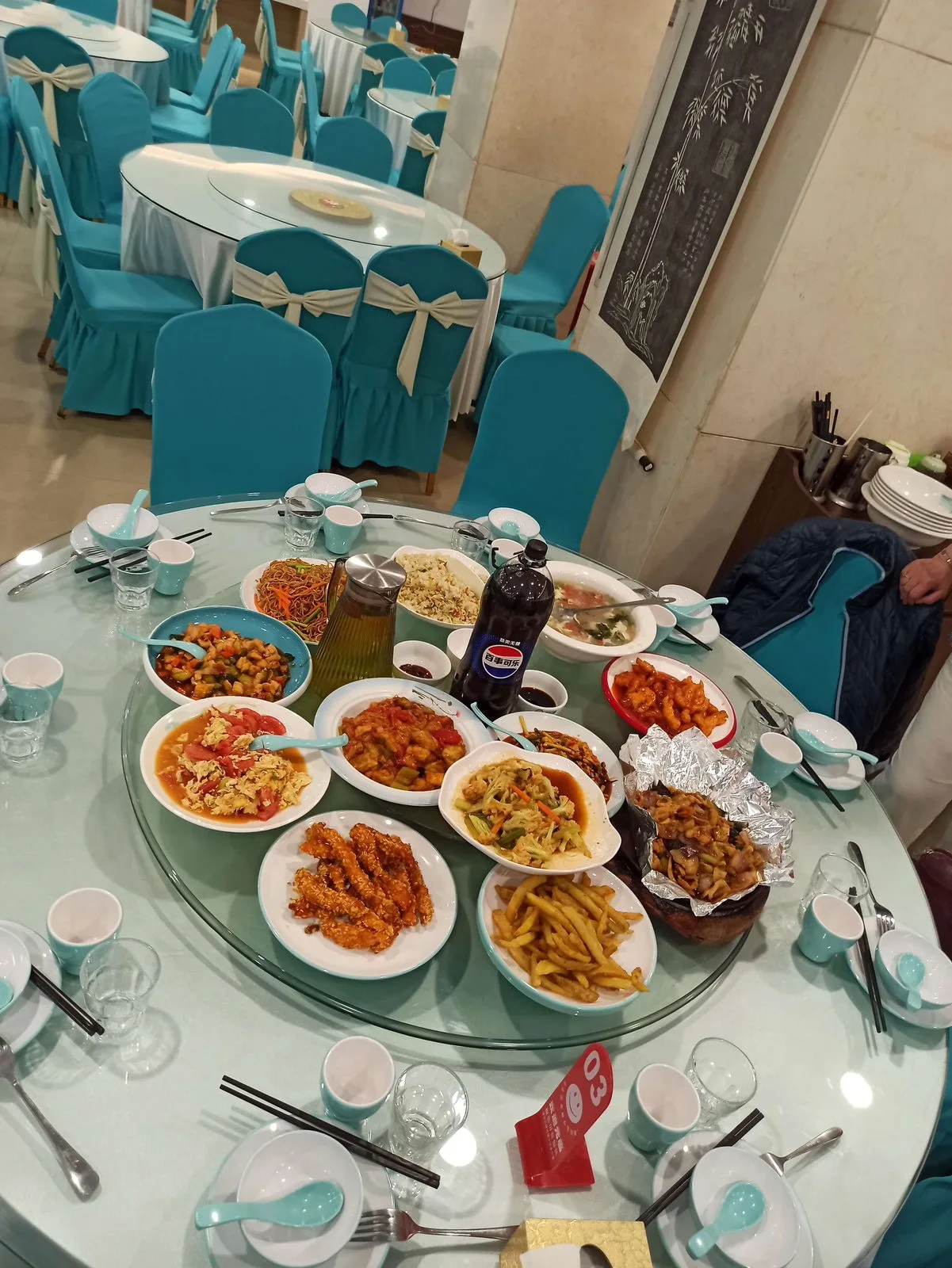
The way we ate was also very interesting – at round tables of about 10 people, whose central part rotates so that everyone can reach what they want. Since we’re foreigners, the food wasn’t very spicy, it was adapted to Western tastes, and there was even cutlery. If anyone thinks the food was scarce or not tasty, they’re very wrong – it was great. It rarely happened that there was anything too exotic for us, like chicken feet. Most dishes were exotic but tasty, and quite close to what we eat in Chinese restaurants back home.
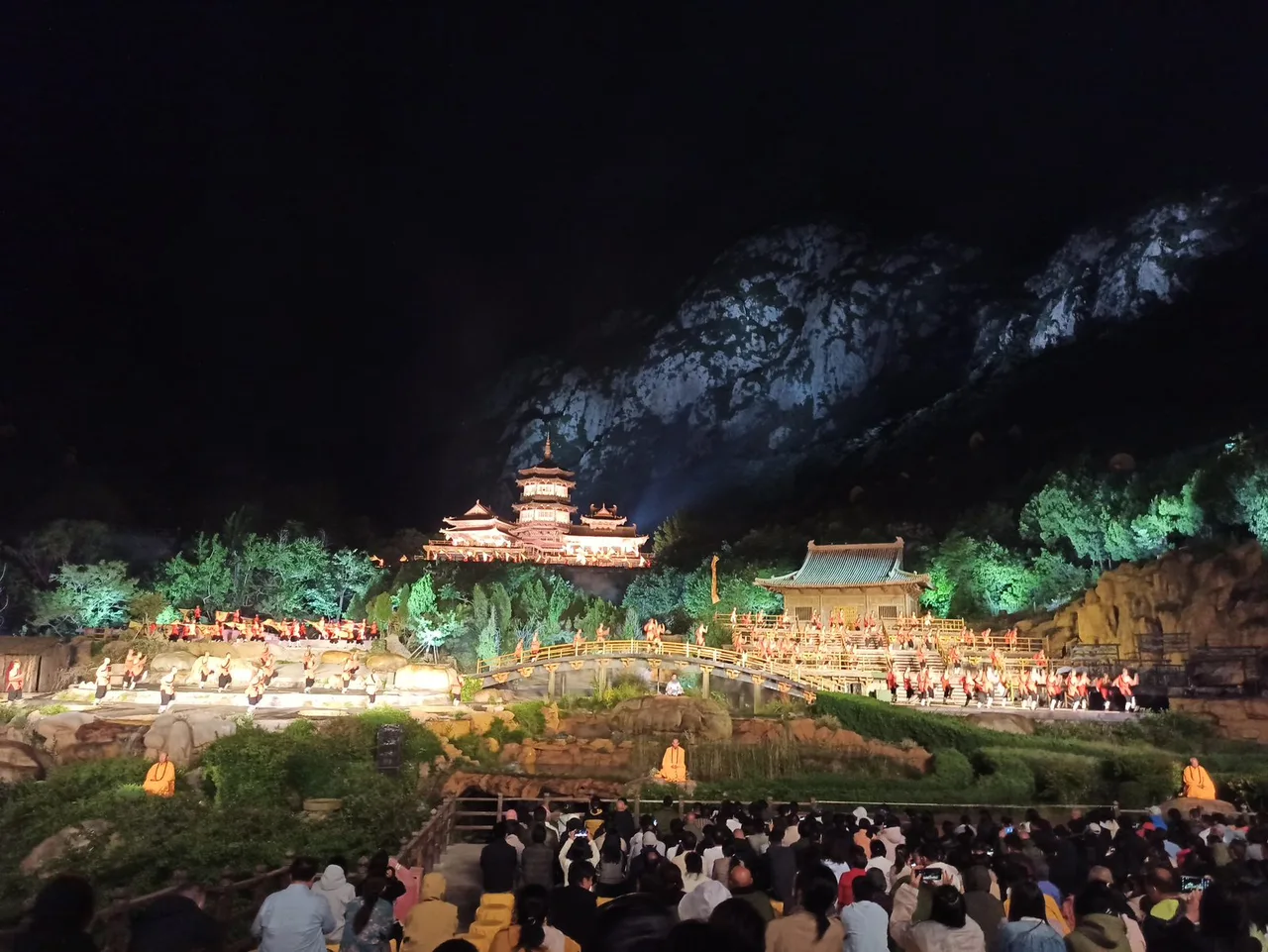
The musical show “Shaolin Zen Ritual”
Before visiting the monastery itself, it’s a very good idea to see the incredible show “Shaolin Zen Ritual”. It has been performed since 2007 in a picturesque gorge in the Song Mountains, about 7 km from the monastery, and combines Zen Buddhist music on traditional instruments with martial arts demonstrations. The music is by the composer Tan Dun – the same one who wrote the score for “Crouching Tiger, Hidden Dragon” and won an Oscar for it. Sitting in front of the cliffs, watching hundreds of performers moving across the different parts of the stage, built full-size right up against the rocks, watching the lasers paint pictures and the cliffs seem to come alive with the lights at times – it’s a truly unforgettable experience. I recommend it to anyone who has the chance, because the Chinese know how to impress with scale and detail.

Shaolin Monastery
This is the place shown in countless films – almost every hero of the kung fu movies has some connection to it. Scenes of the monks training are shown constantly, and you start to think the monastery is huge, at least for several thousand people, and that it is somewhere very hard to reach. That’s not quite how things are, though. You get there on an asphalt road, and if you expect fearsome cliffs, you’ll be disappointed – inside there are quite well-kept little gardens. The mountains can be seen in the distance and one day I’ll definitely have to visit them, but for now I had to make do with exploring the monastery.
The monastery was founded in 495 for the Indian monk Batuo. According to legend, a little later Bodhidharma arrived here too, founding Chan Buddhism (known in Japan as Zen). Today Shaolin is part of the UNESCO site “Historic Monuments of Dengfeng in ‘The Centre of Heaven and Earth’”.
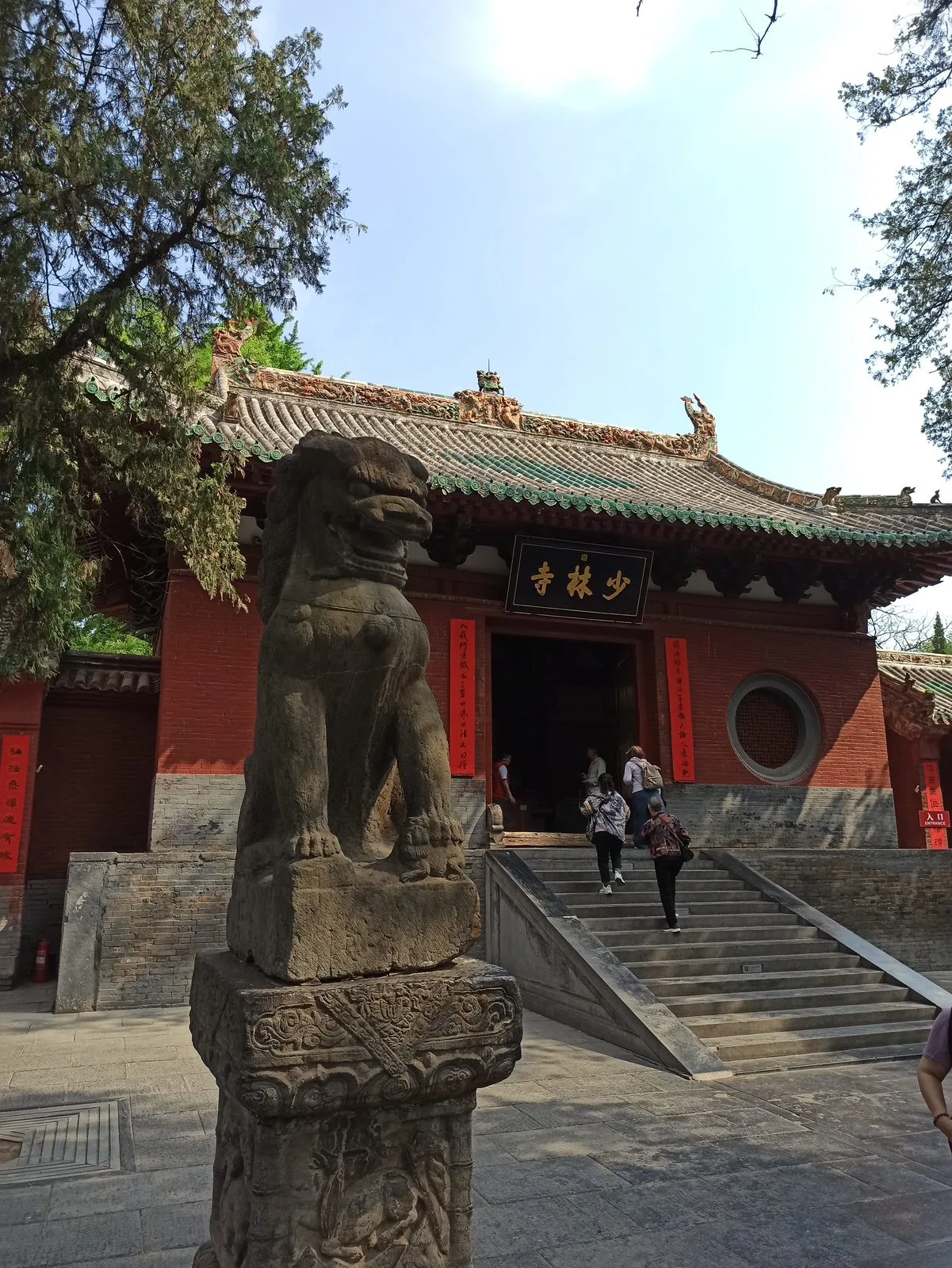
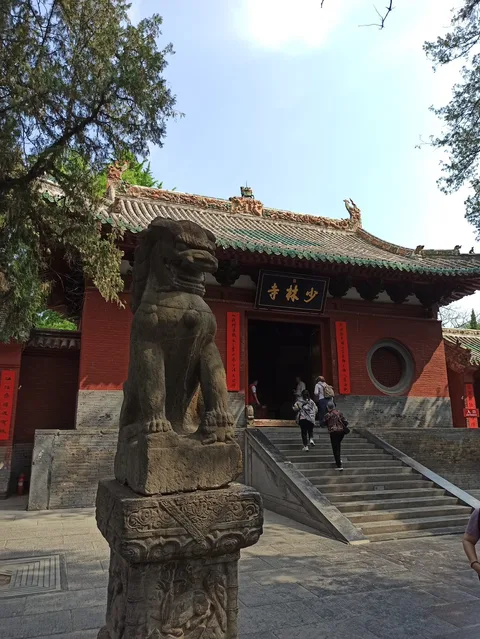 The main gate – the “Shaolin” inscription above it is in the calligraphy of the Kangxi Emperor
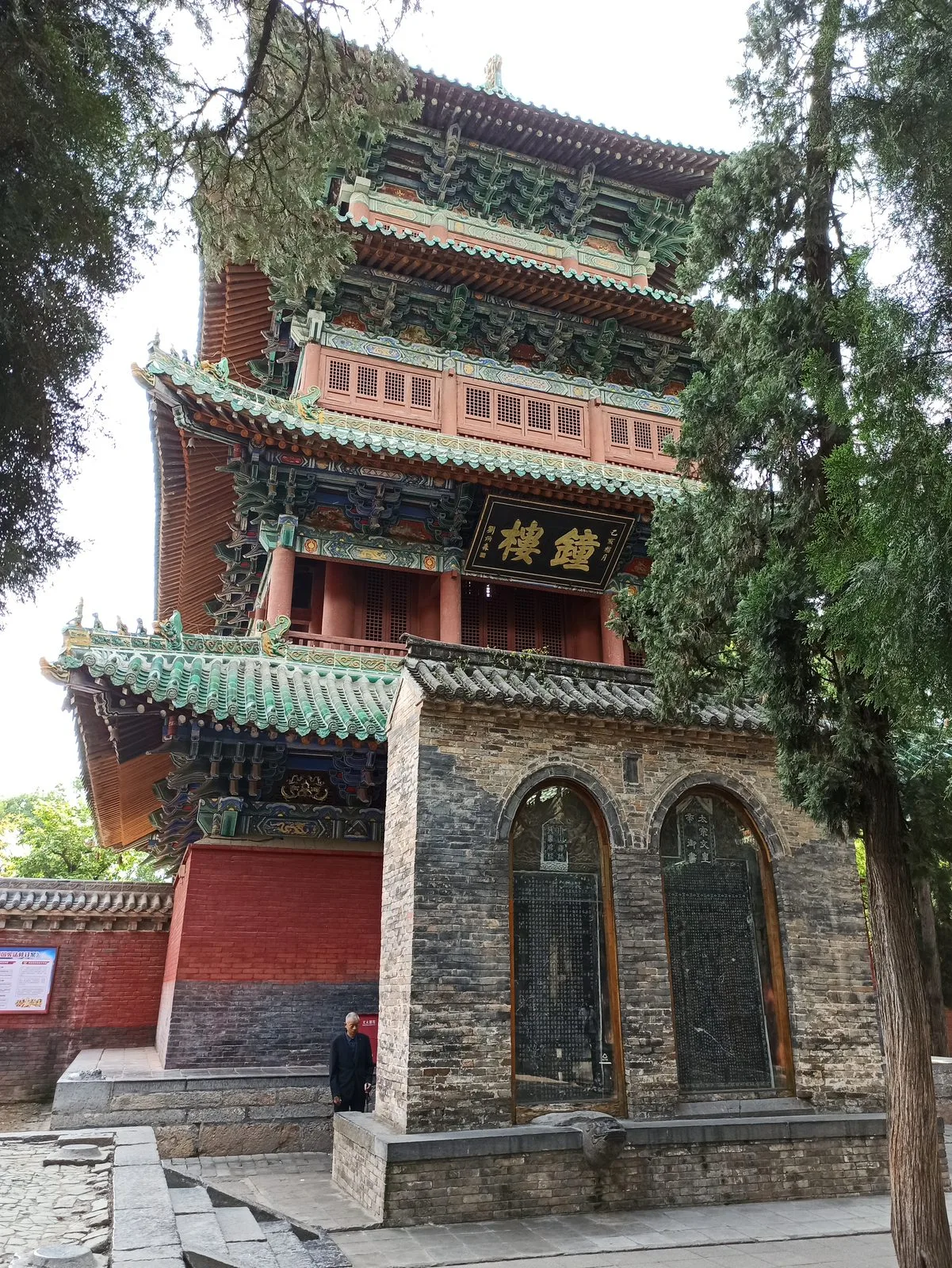
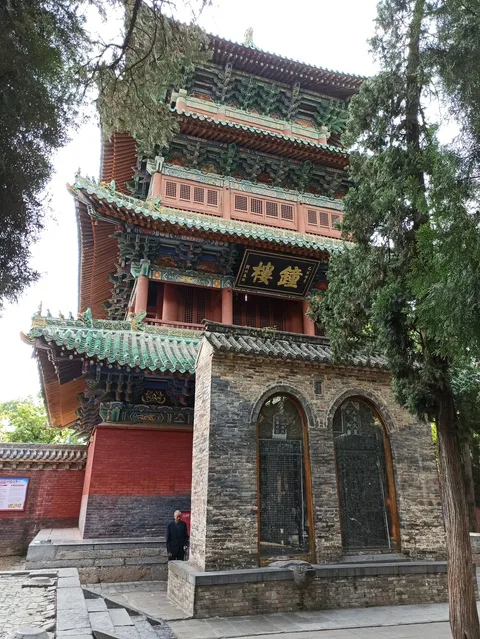 The bell tower
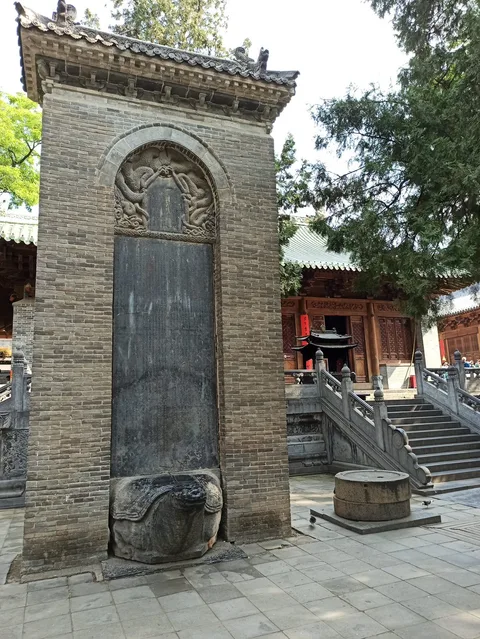 A stele on a stone tortoise – a symbol of longevity
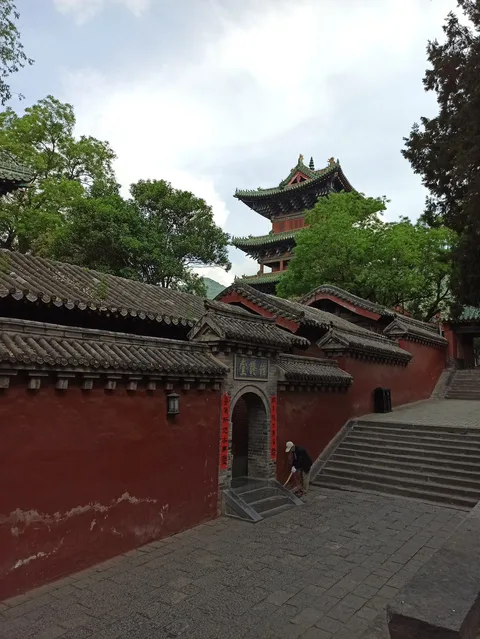 The red walls of the monastery
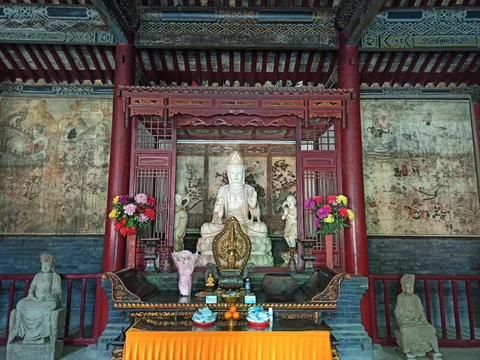 A white statue of Guanyin surrounded by murals
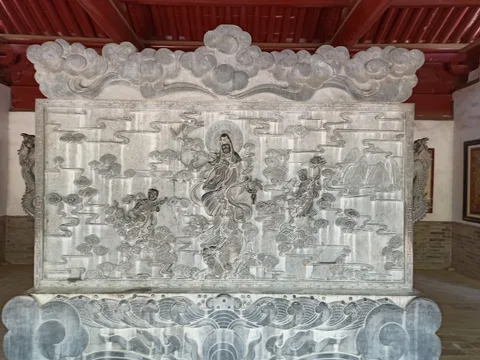 A stone relief in one of the halls
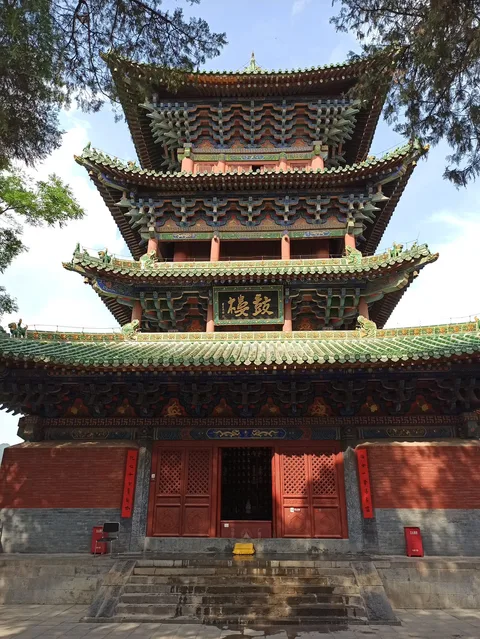 The drum tower
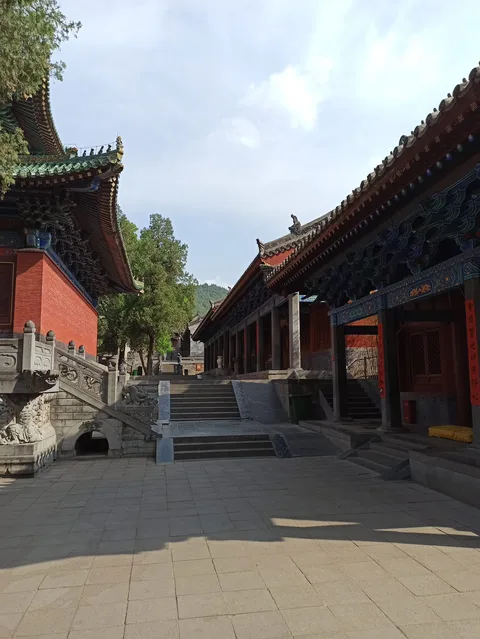 The courtyards climb up the slope
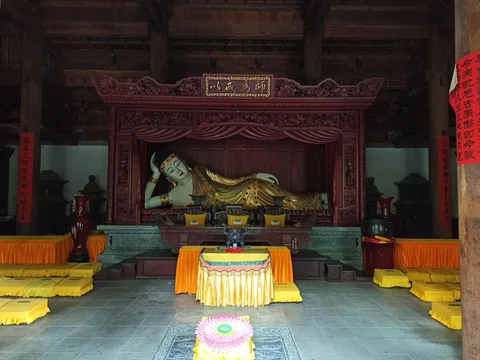 The Reclining Buddha
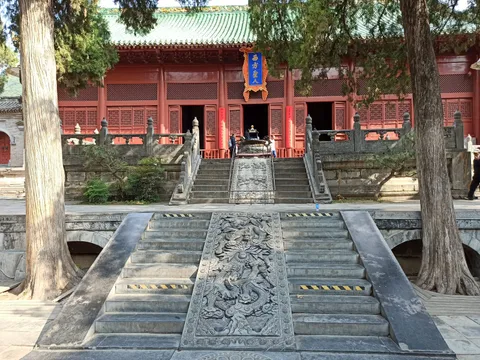 The steps to the Thousand Buddha Hall – the largest in the monastery
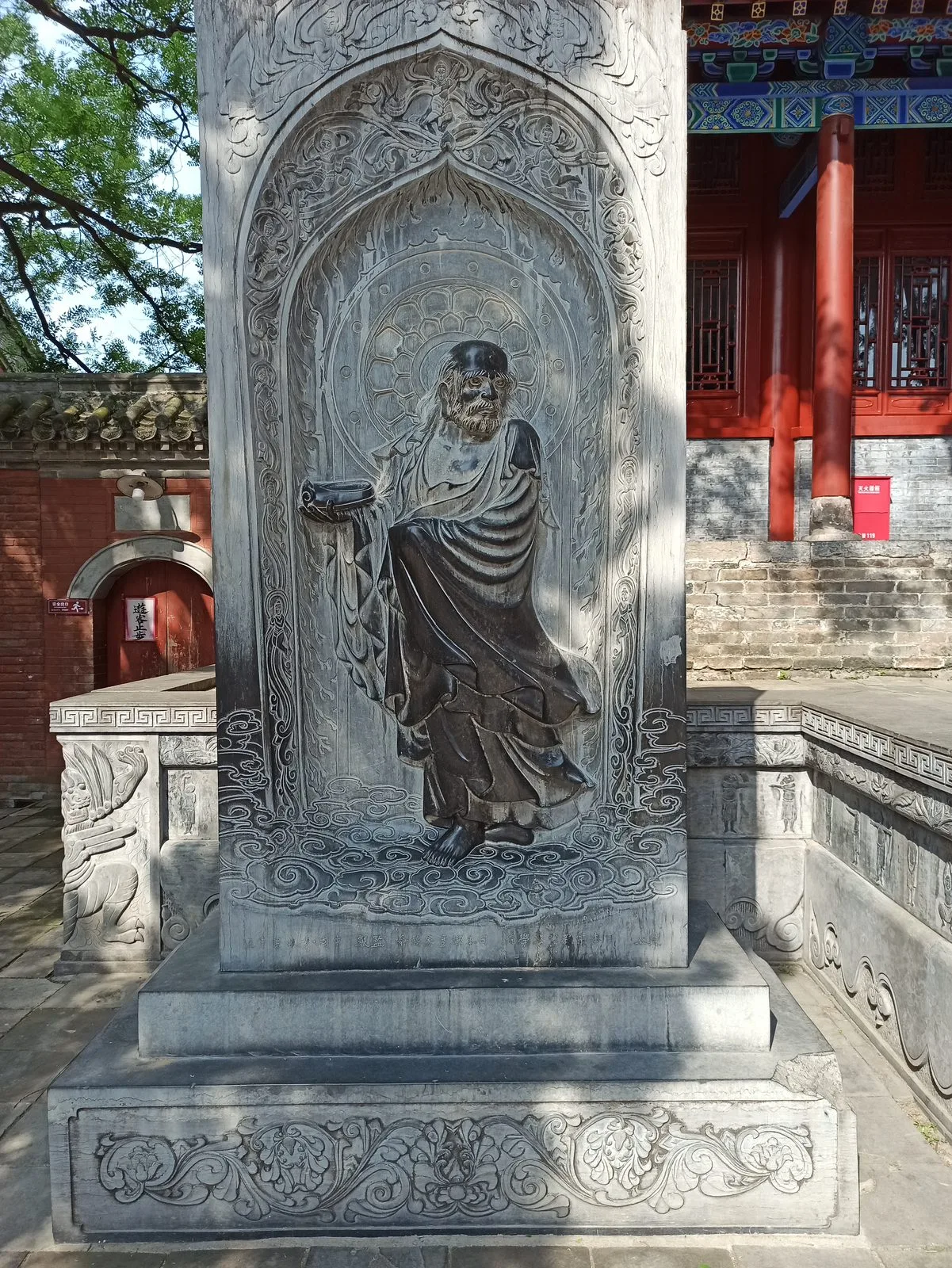
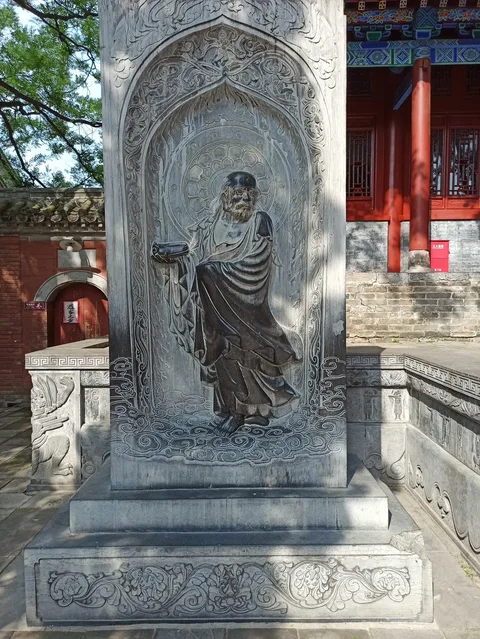 A stele with the image of Bodhidharma – the legendary founder of Zen Buddhism
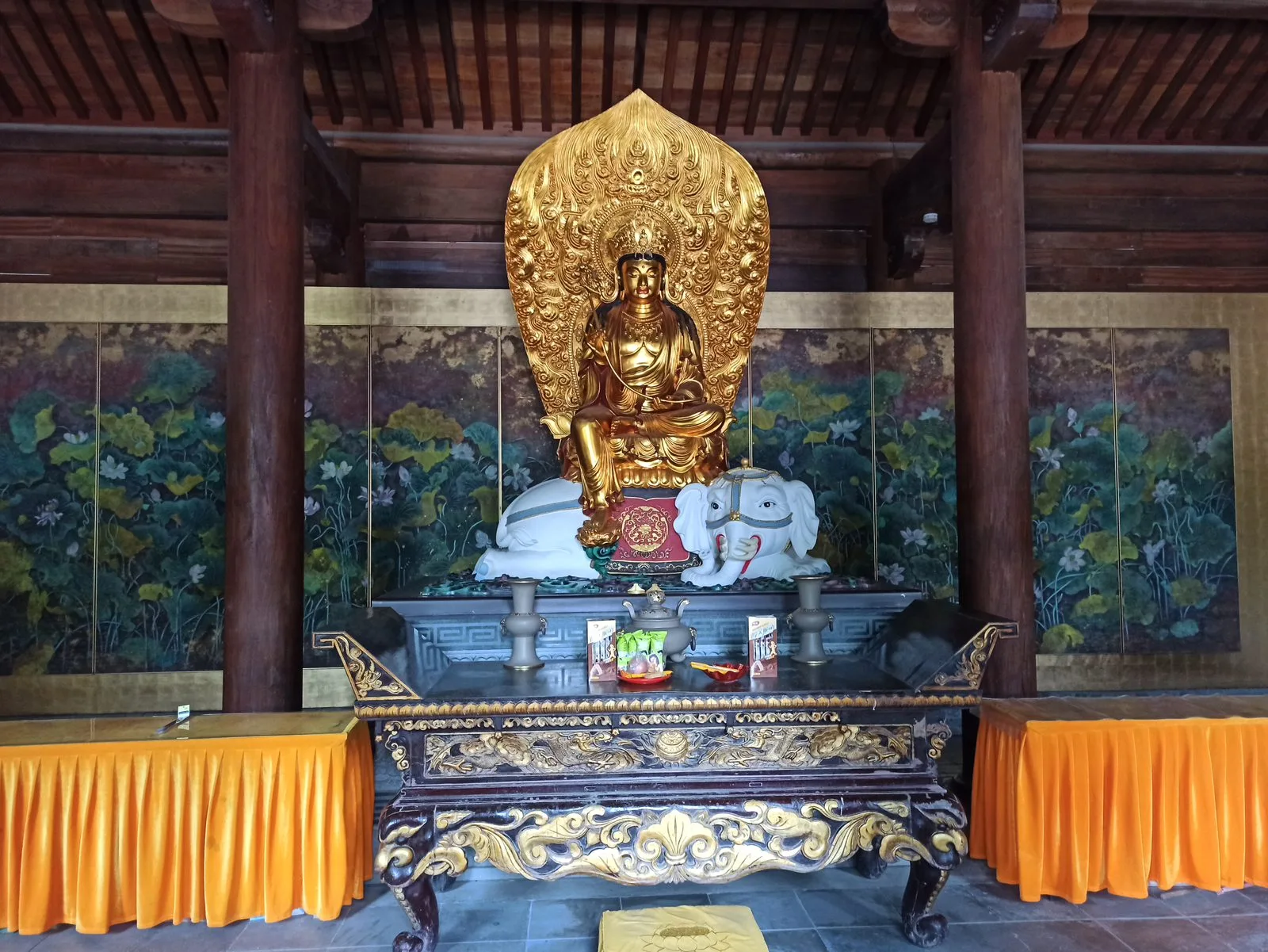
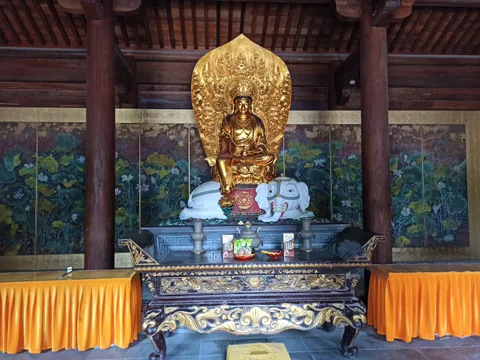 The Bodhisattva Samantabhadra (Puxian) on a white elephant
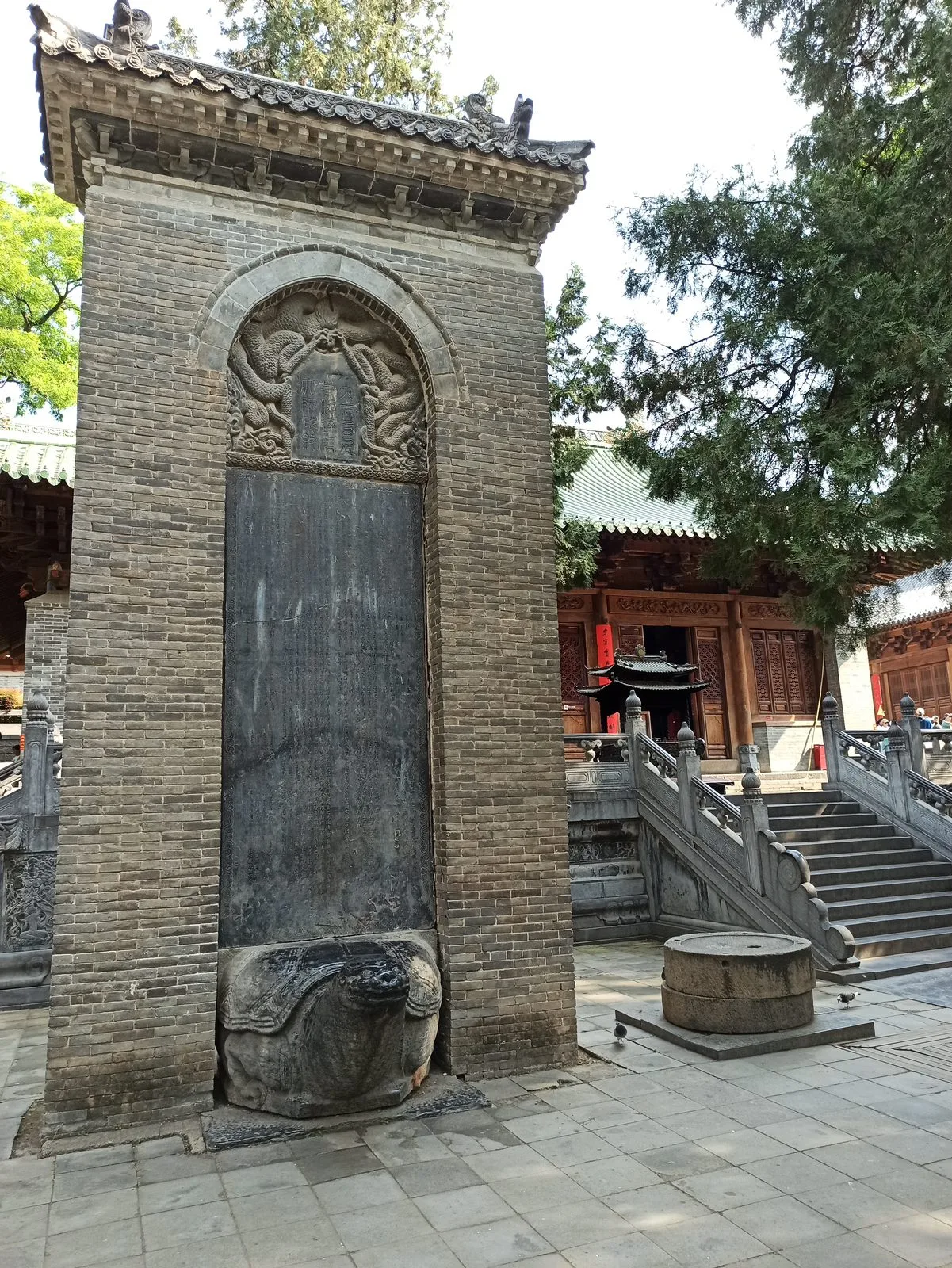
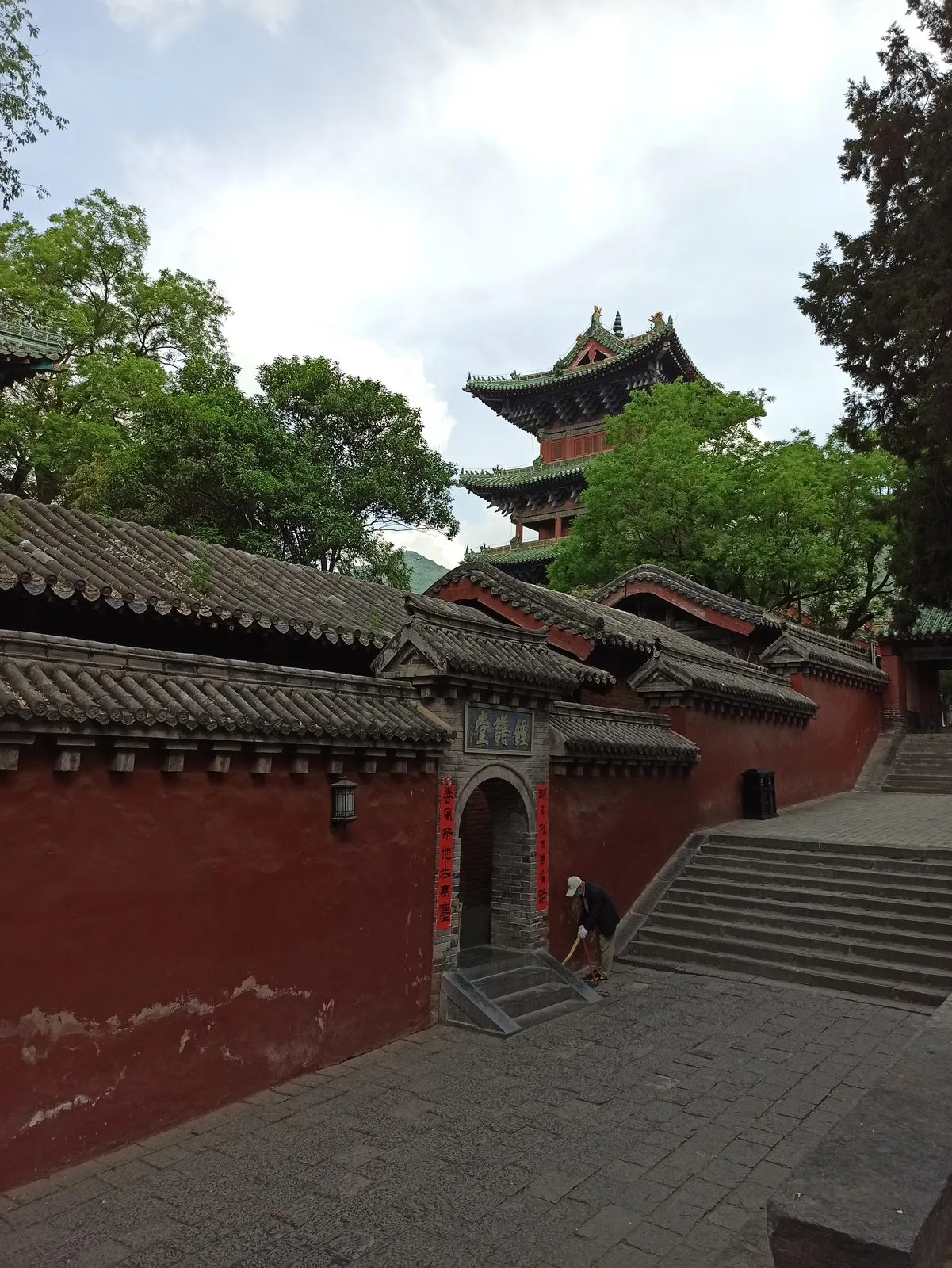
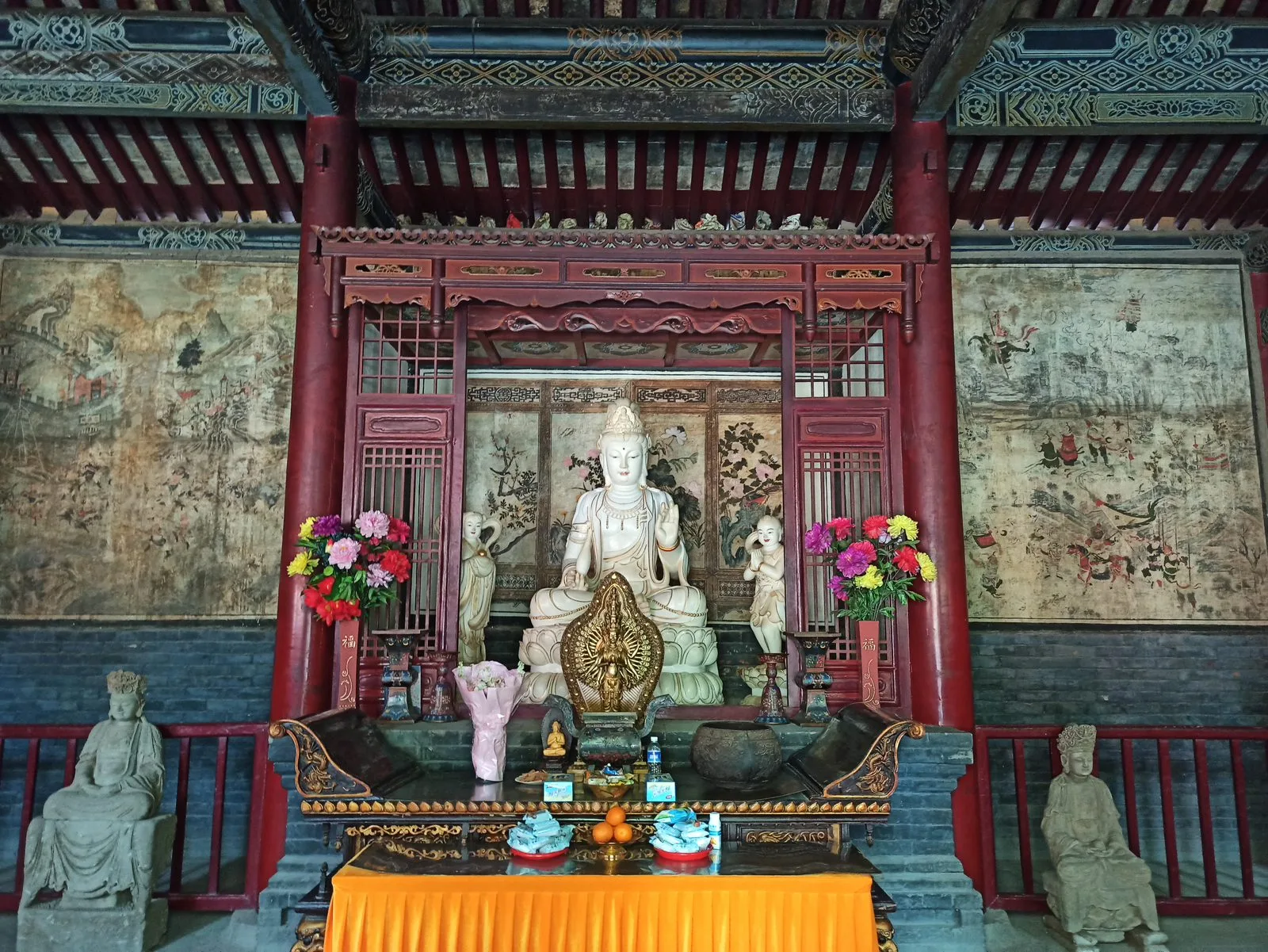
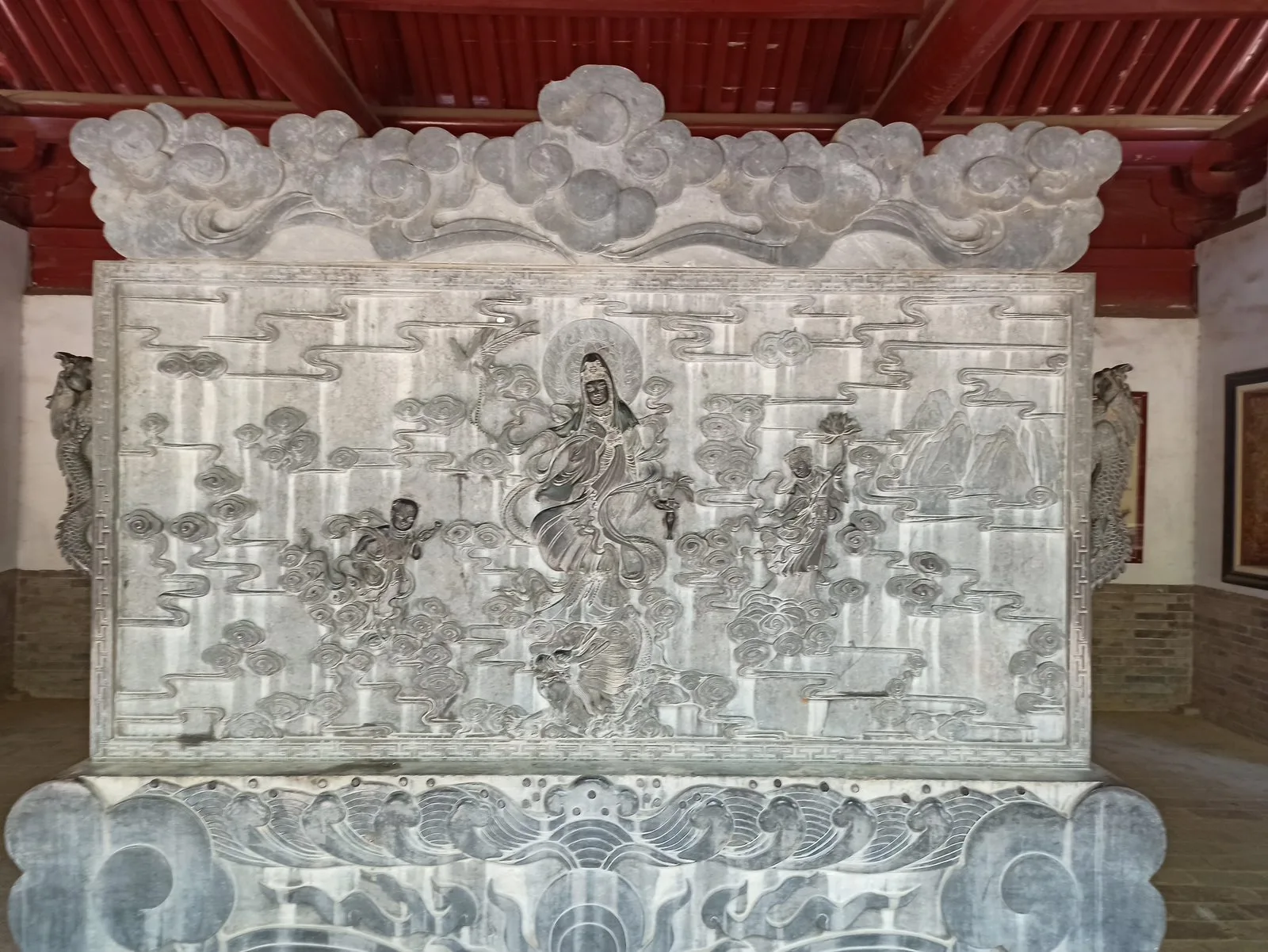
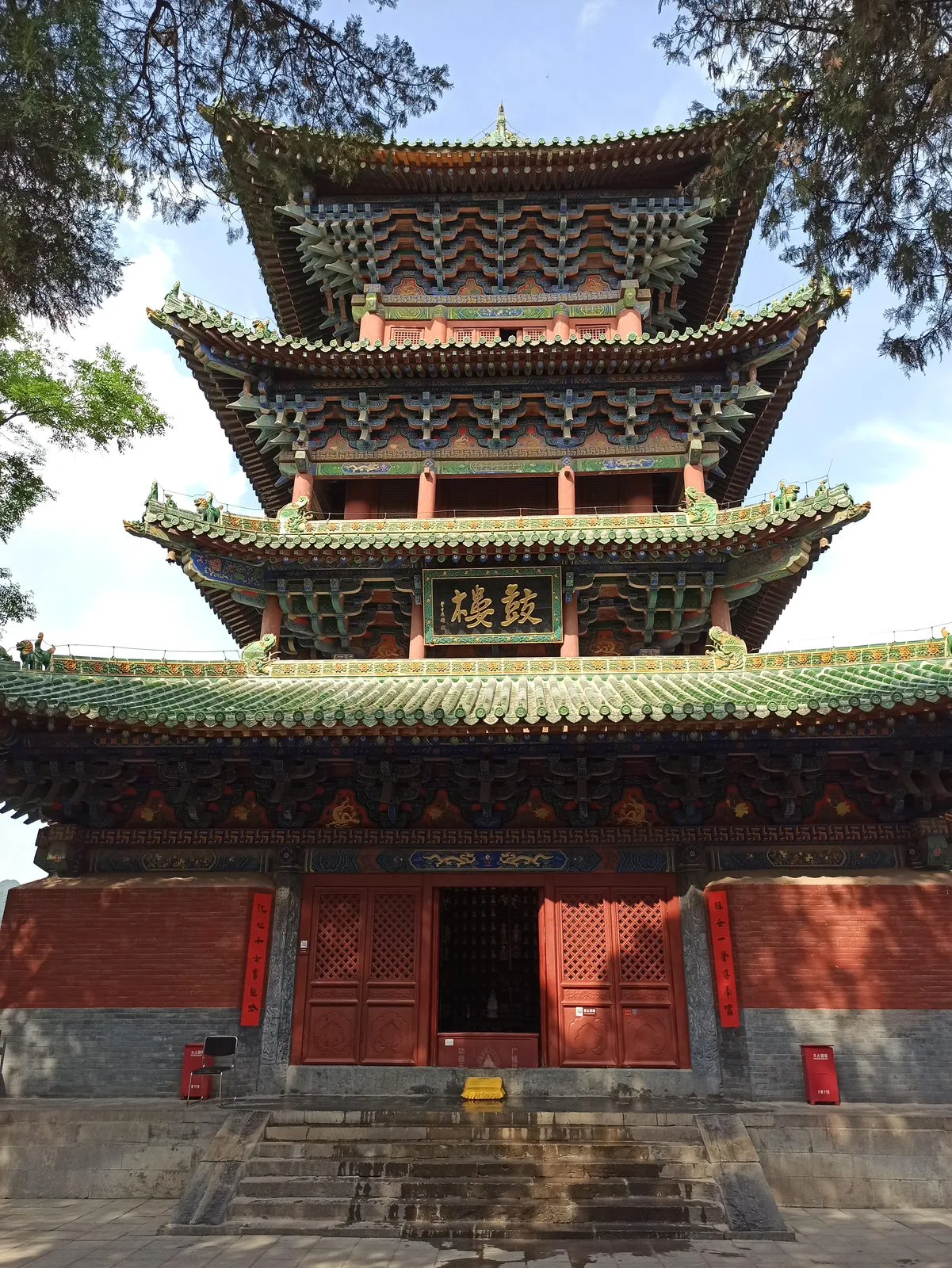
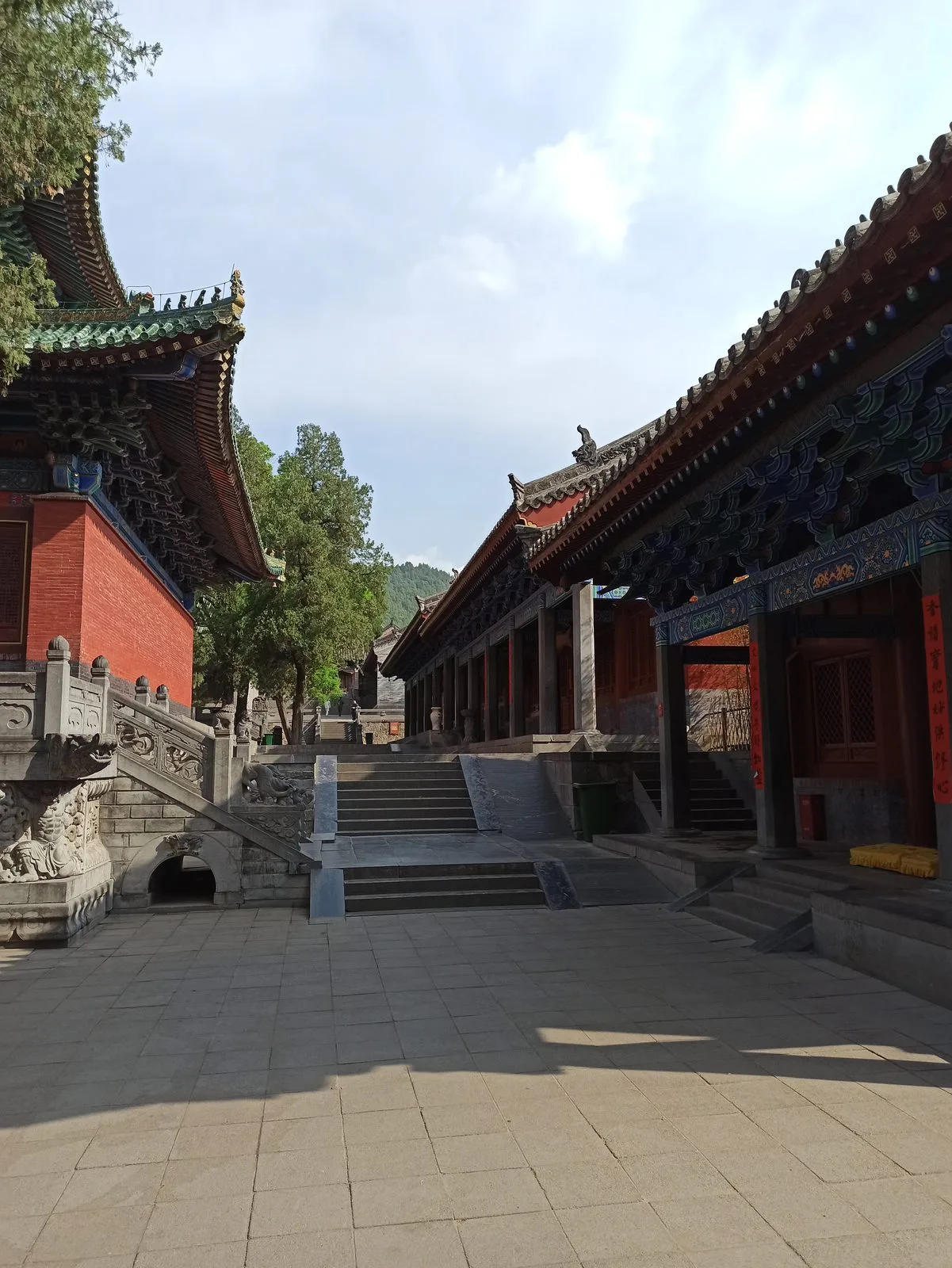
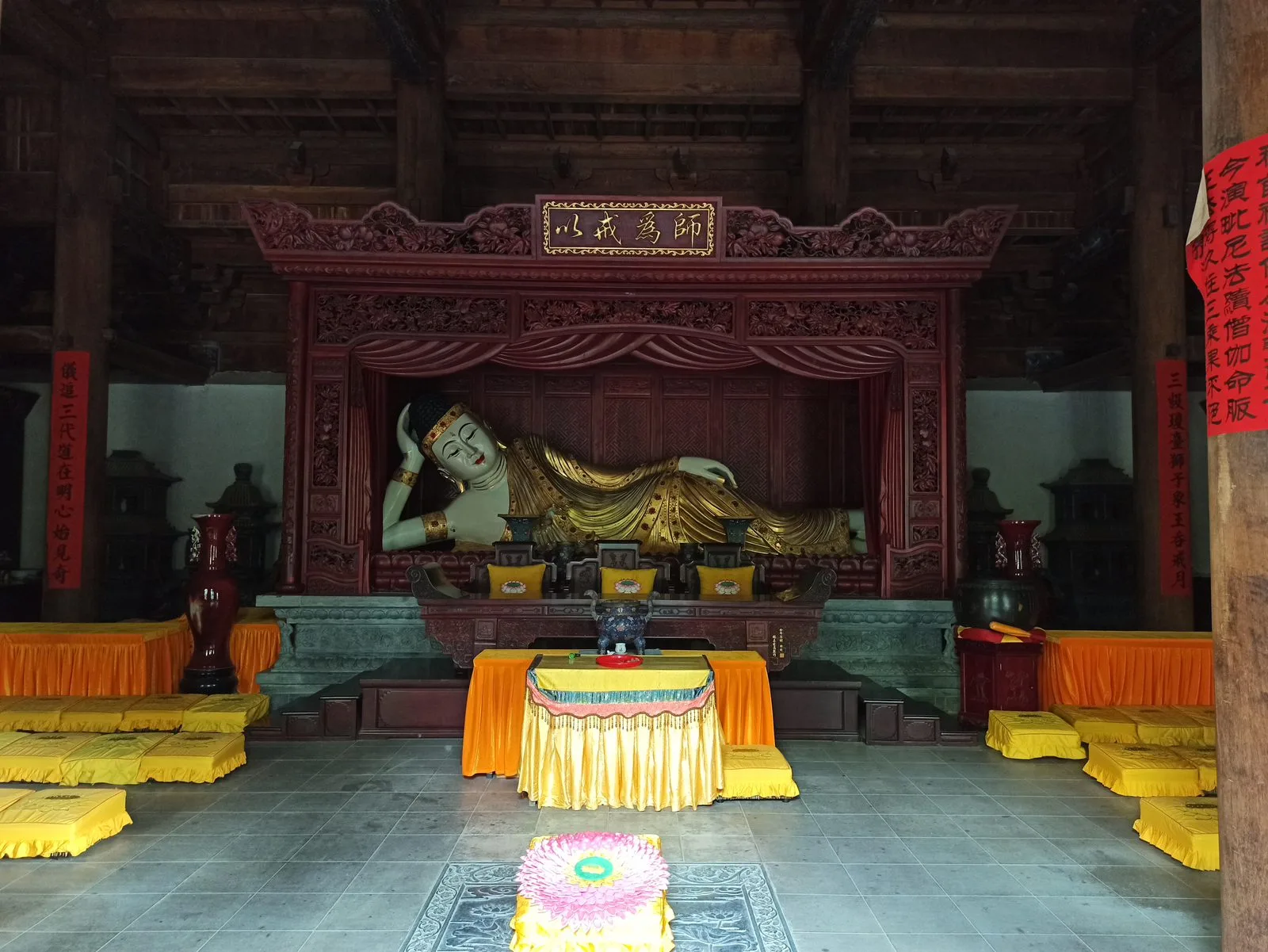
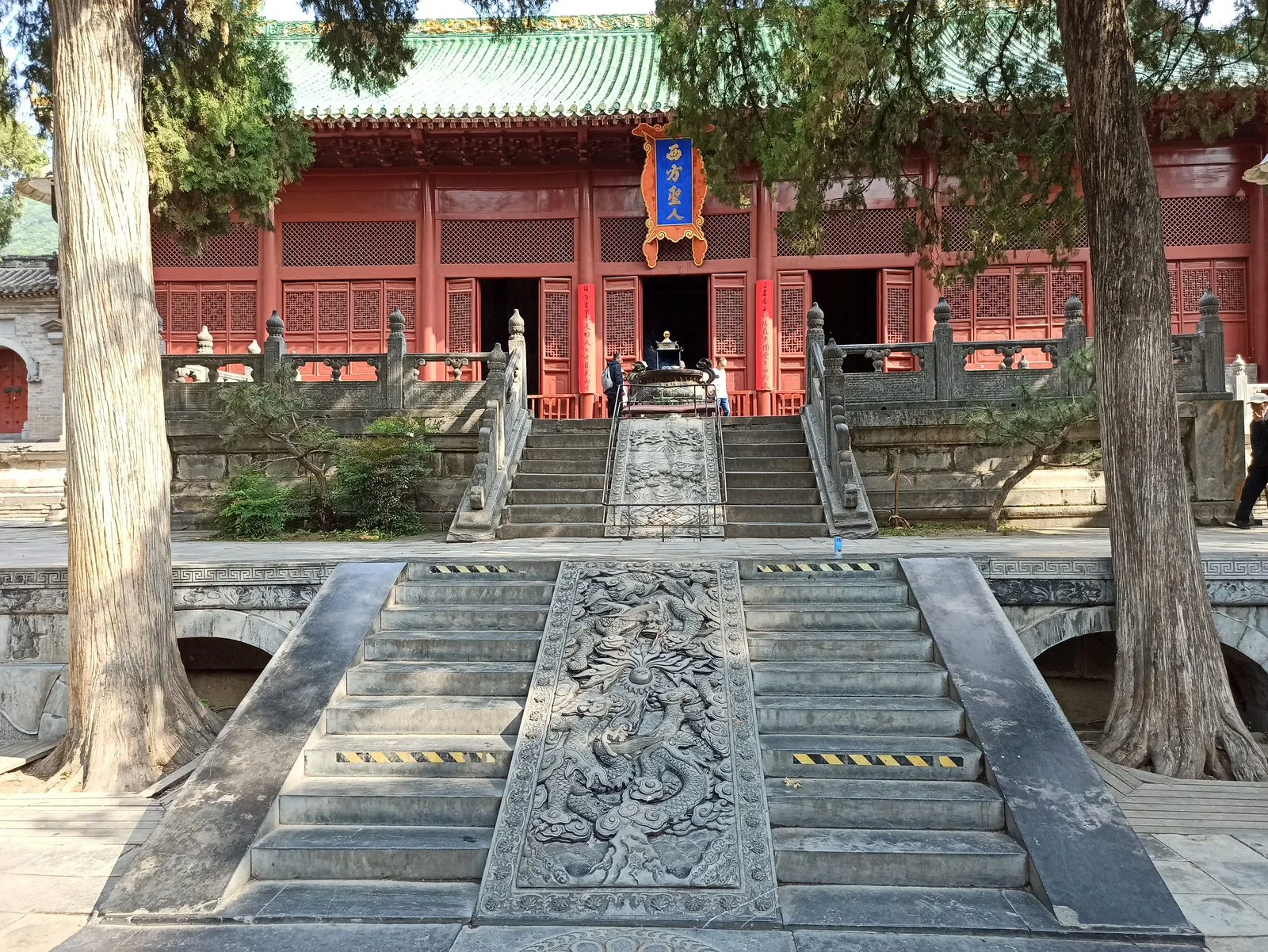
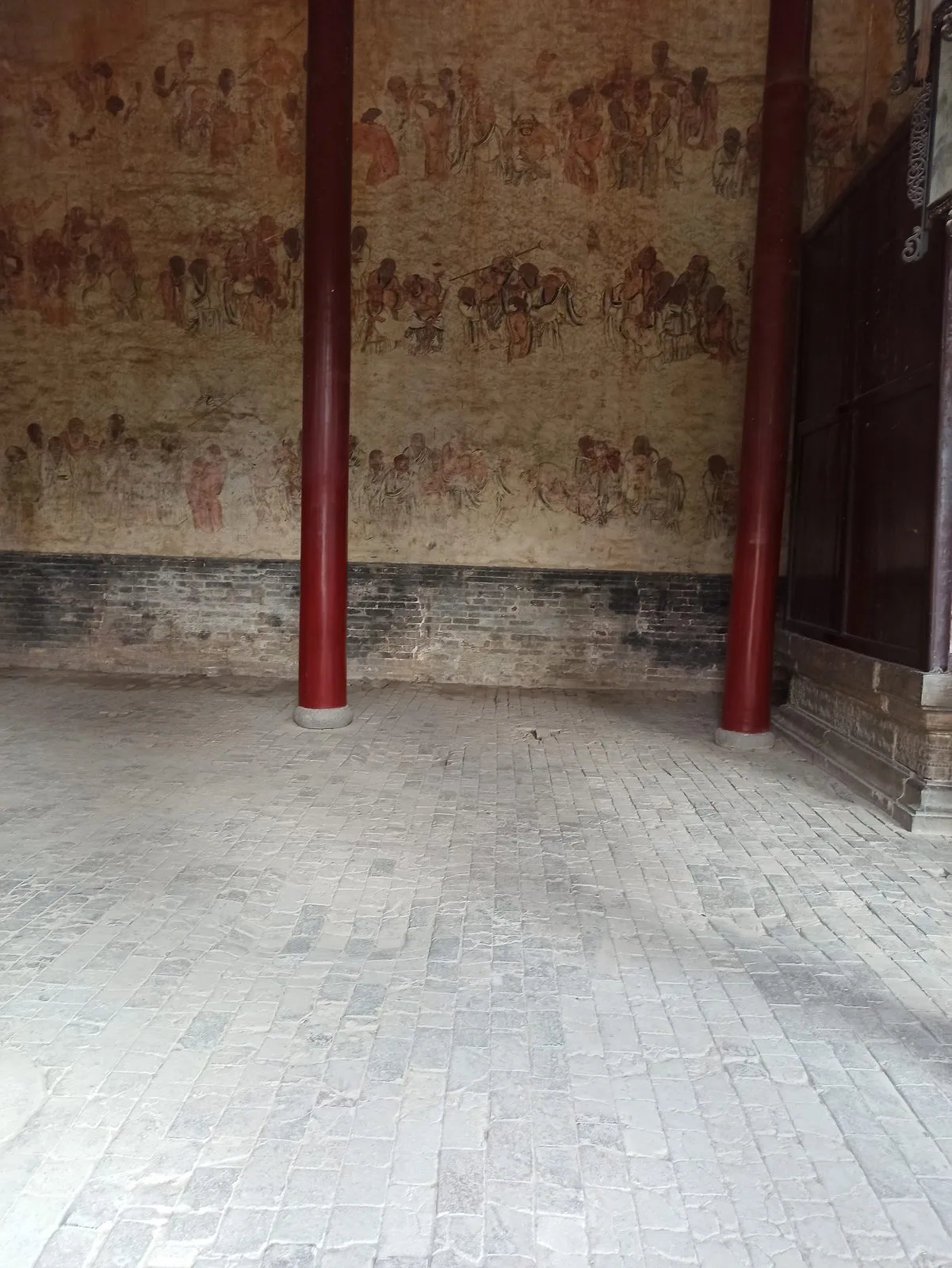
One of the places I had seen in films and documentaries is the hall with the hollows in the floor, left by centuries of monks’ training. I had always imagined it as huge, but in reality it’s quite small – it probably holds no more than 30–40 people. Still, it’s interesting to see. Historians, by the way, doubt that the hollows really come from training, but the legend is too good not to tell.
Near the monastery there are two more sights worth seeing if you have time. Usually everything is rushed to leave more time for souvenir shopping and people don’t get to them, but I was lucky and managed to visit them.
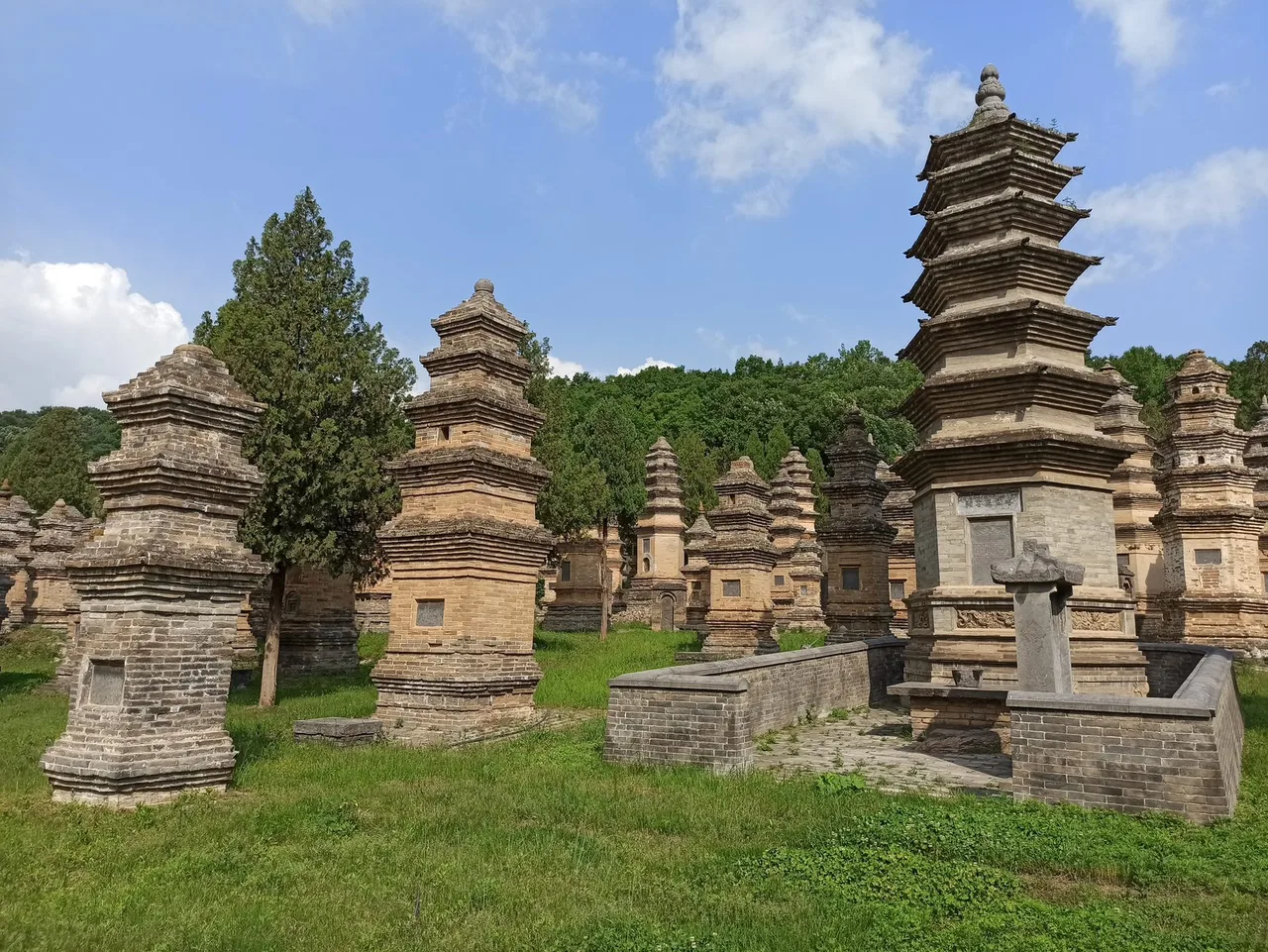
The first is the Pagoda Forest – over 240 burial pagodas of monks from different eras. The bigger the pagoda and the more tiers it has, the higher-ranking or more distinguished the monk was. It’s only a few minutes’ walk from the monastery and is definitely worth it.
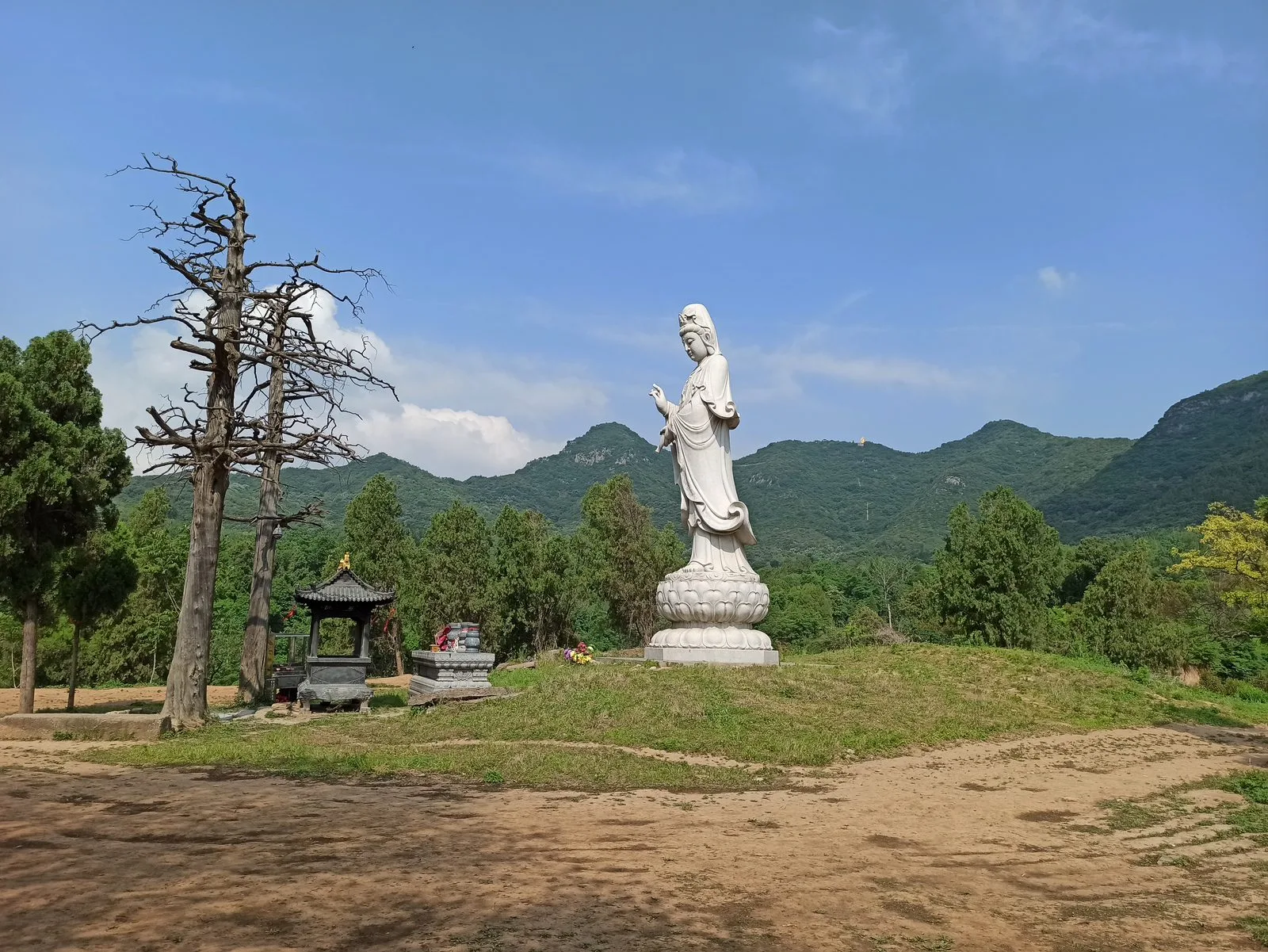
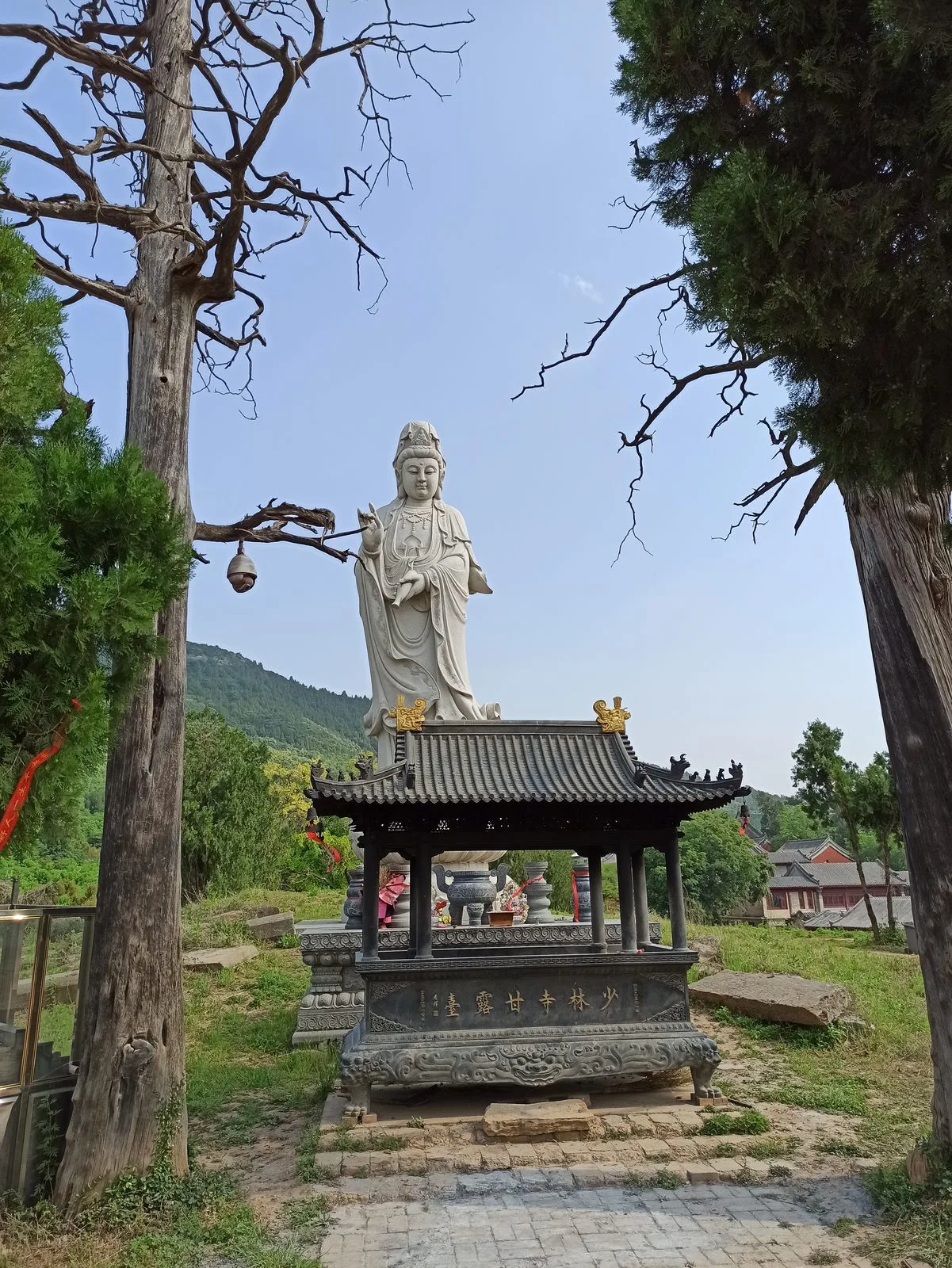
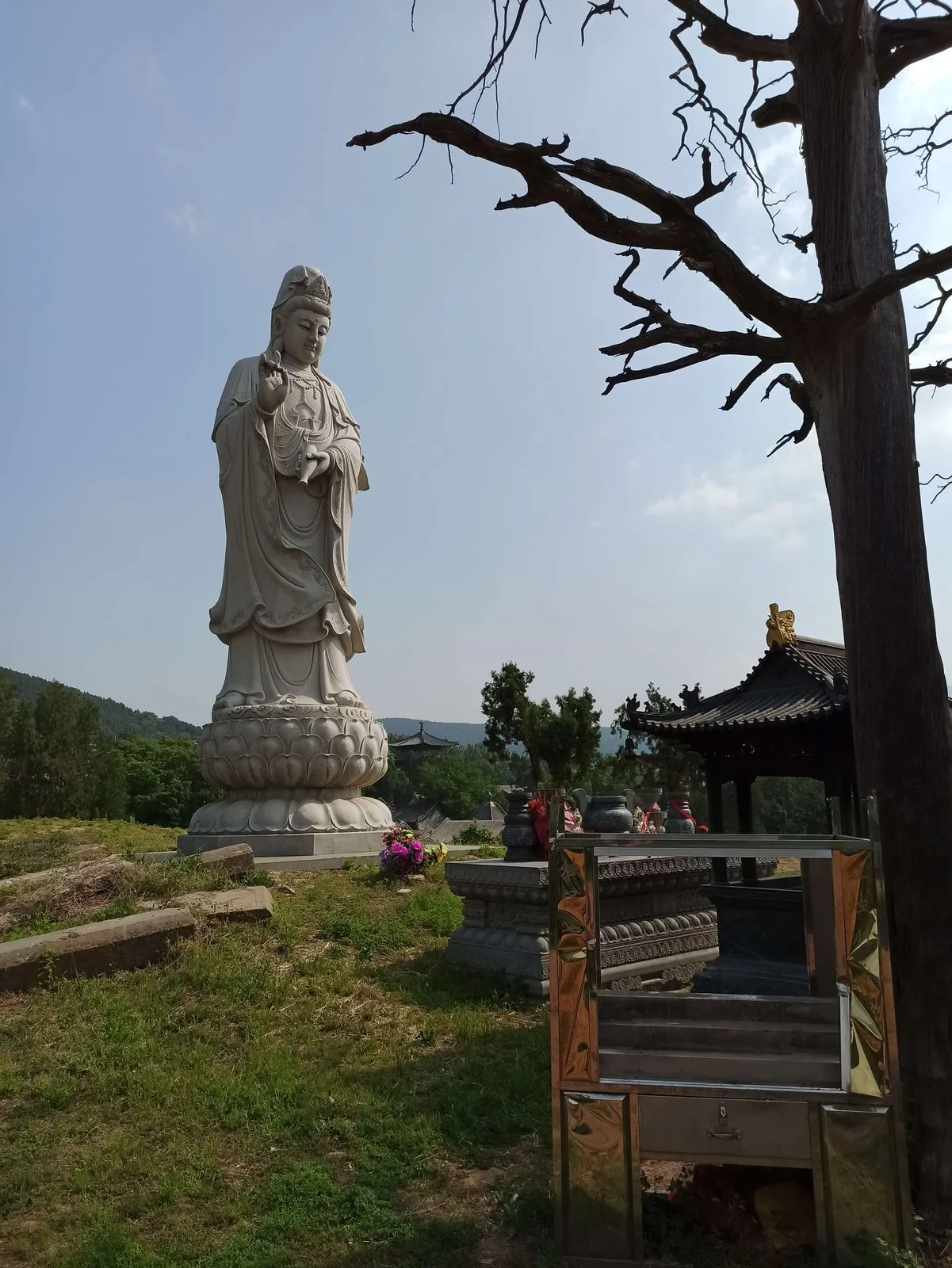
The second is the statue of Guanyin – the goddess of mercy and compassion, which rises on a hill near the monastery. According to local beliefs, if you make a wish in front of her, your wish may come true.
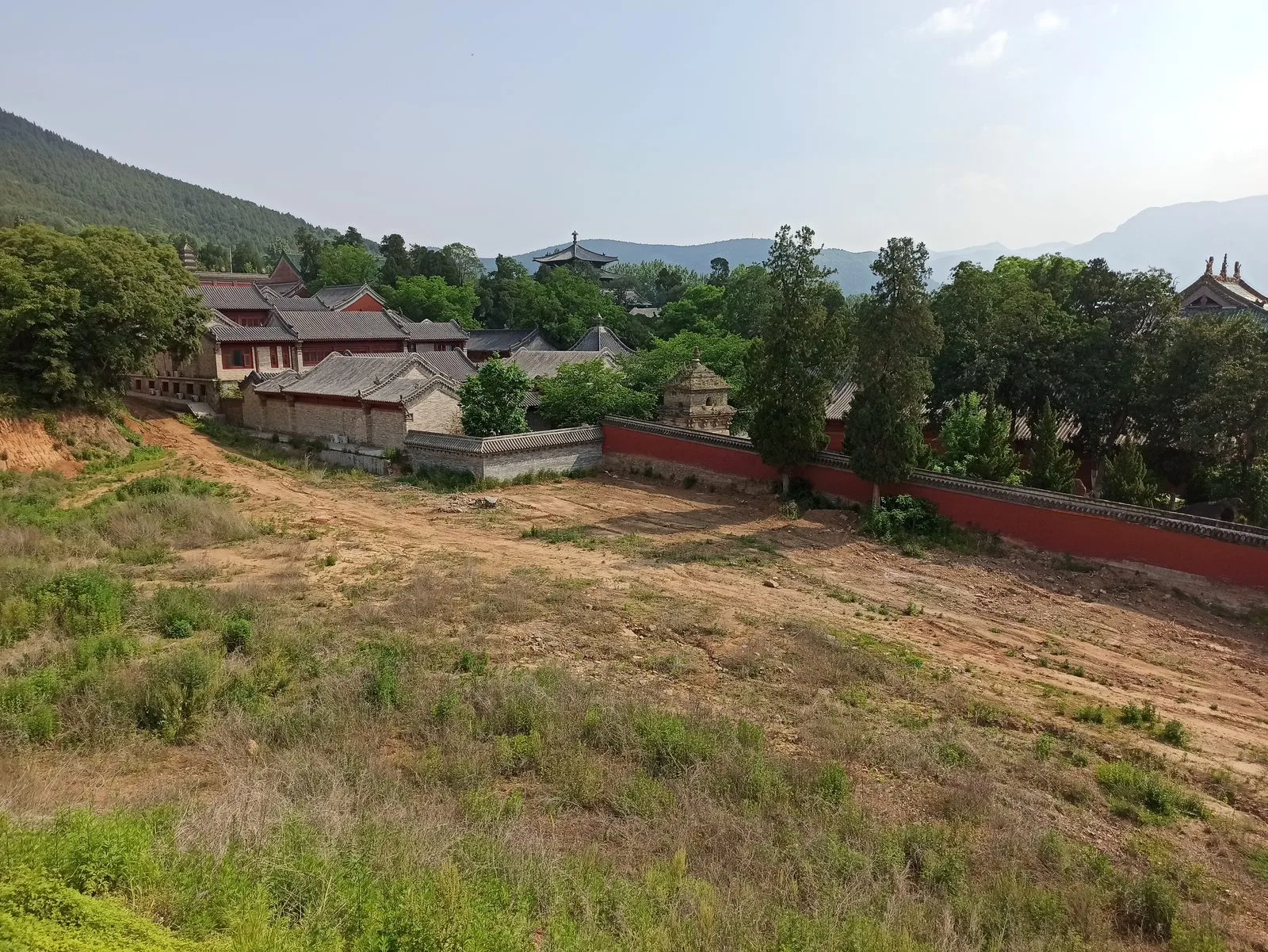
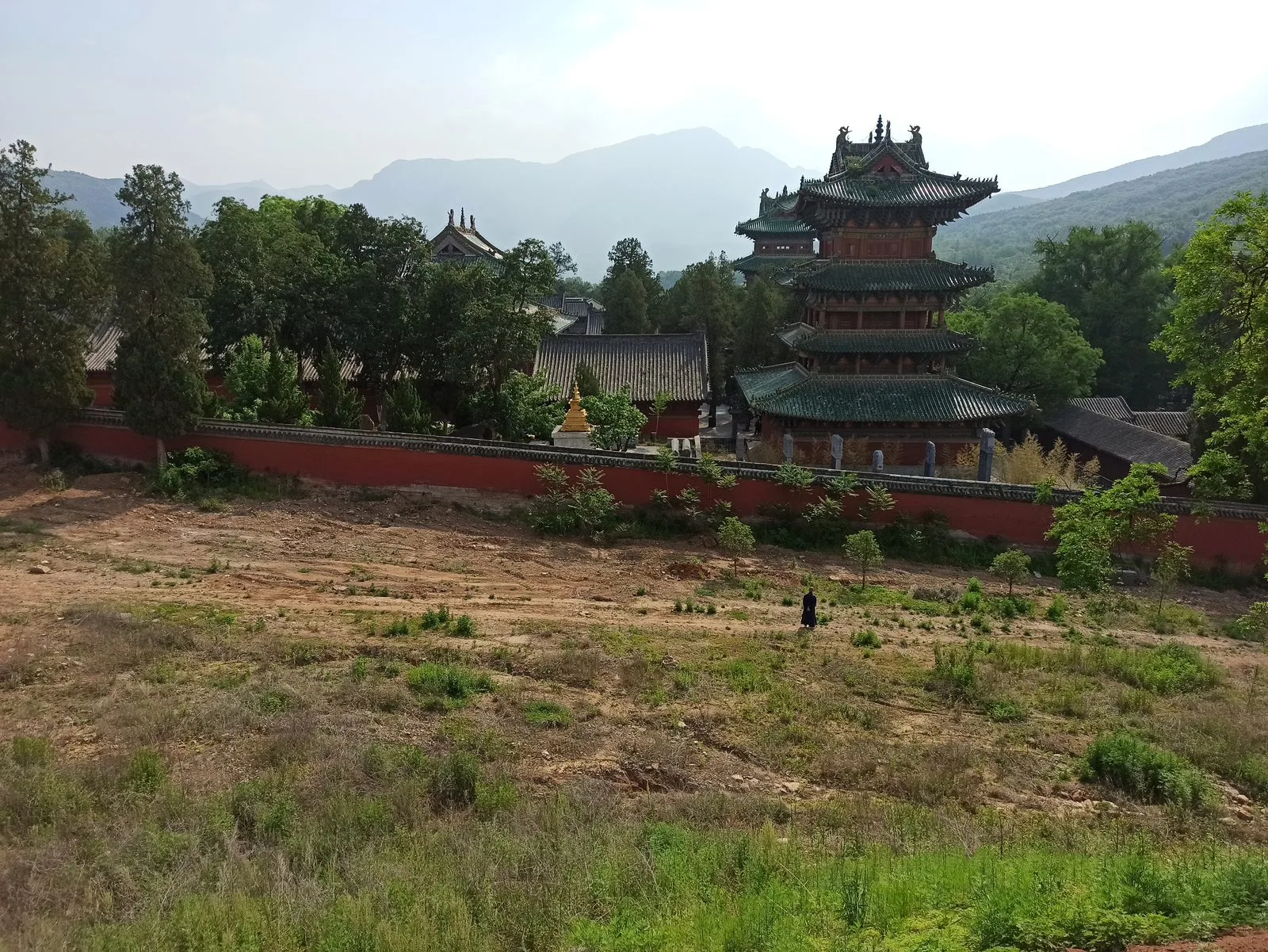
Even if you don’t believe in such legends, the place is definitely worth it. From there you get a great panorama of the monastery and the surrounding mountains, and only when you look at it from above do you realise how small the famous Shaolin really is. Be prepared for a short climb, but the effort is worth it – you’ll be rewarded with incredible views and wonderful photos.
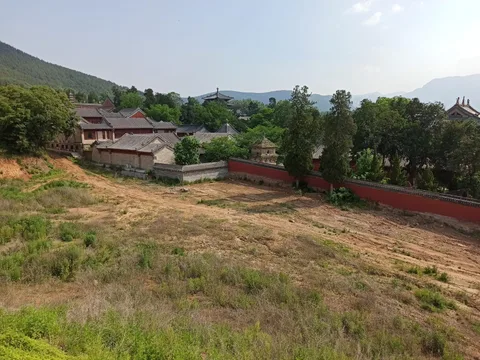 Shaolin seen from the hill
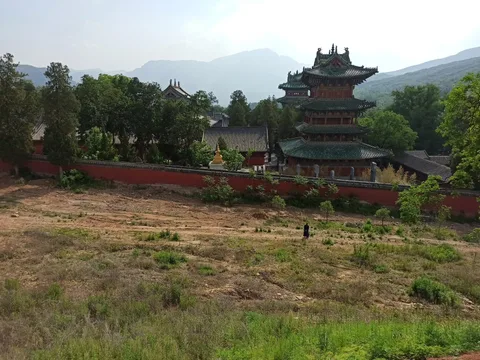 The monastery turned out to be much smaller than I had imagined
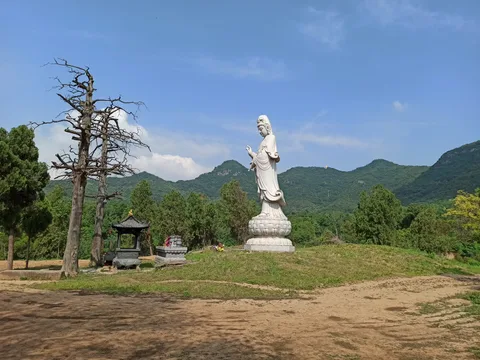 The statue of Guanyin on the hill
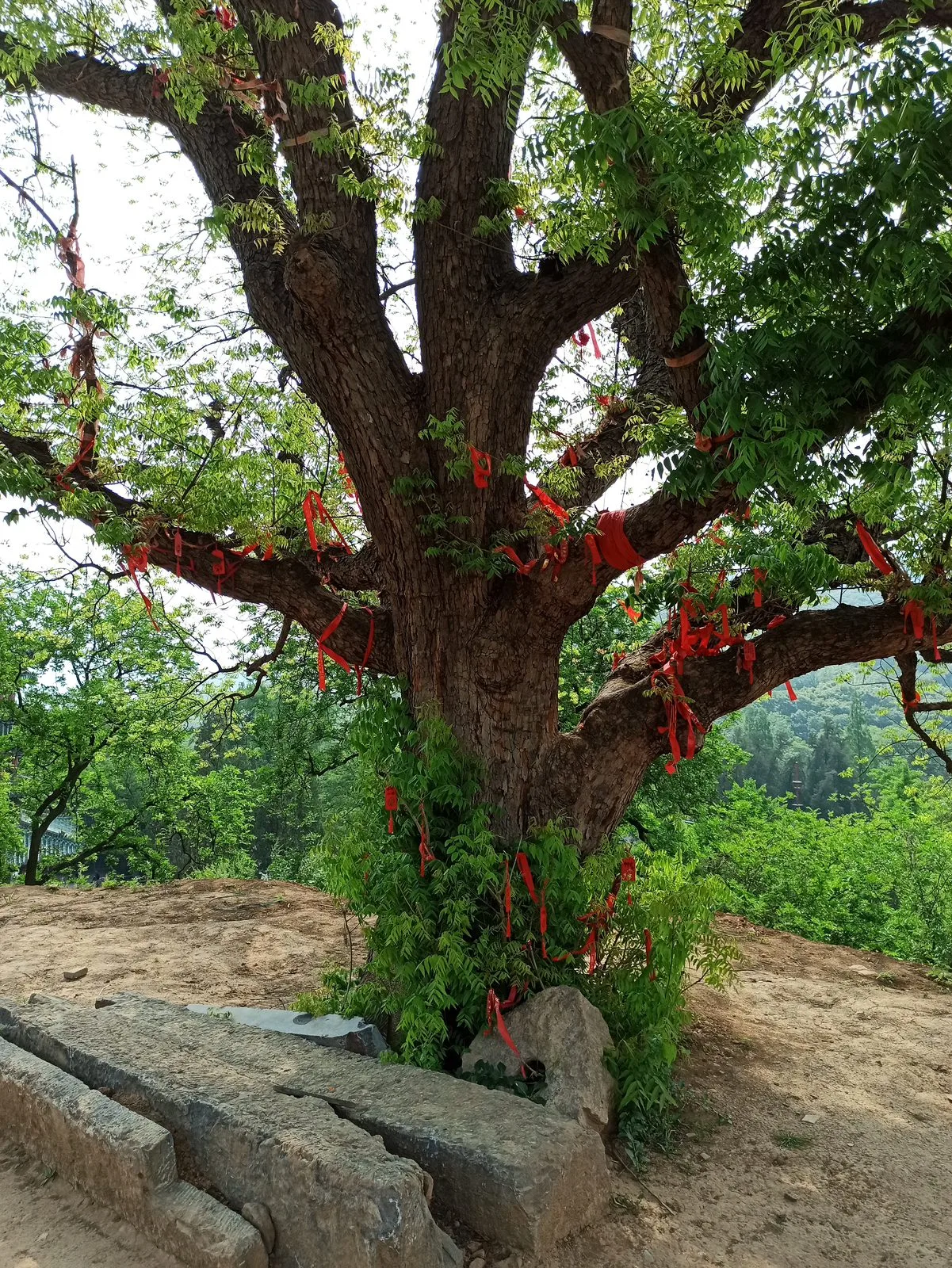
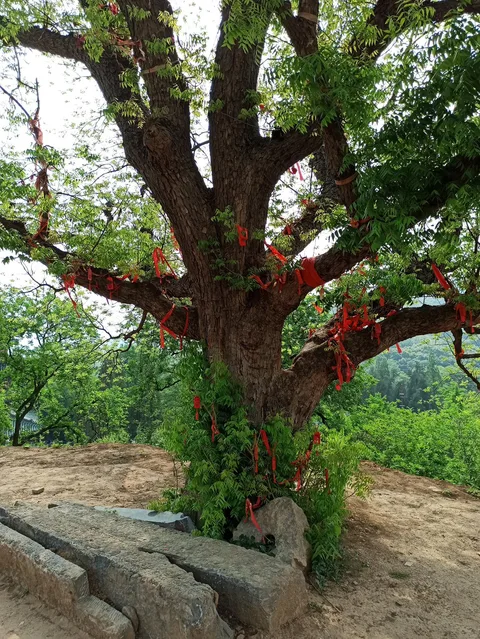 An old tree decorated with red wish ribbons
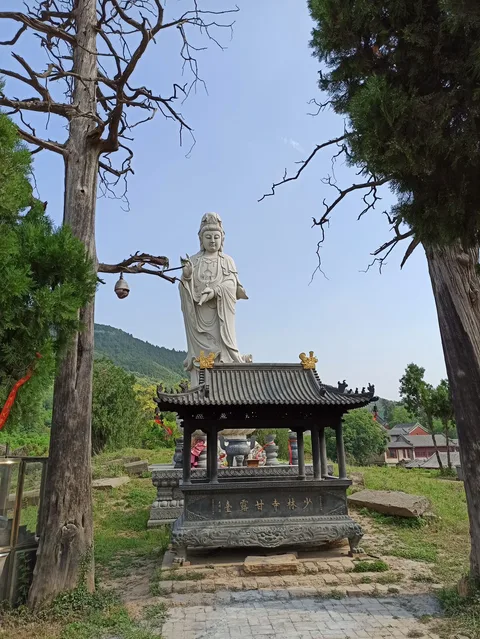 Guanyin – the goddess of mercy
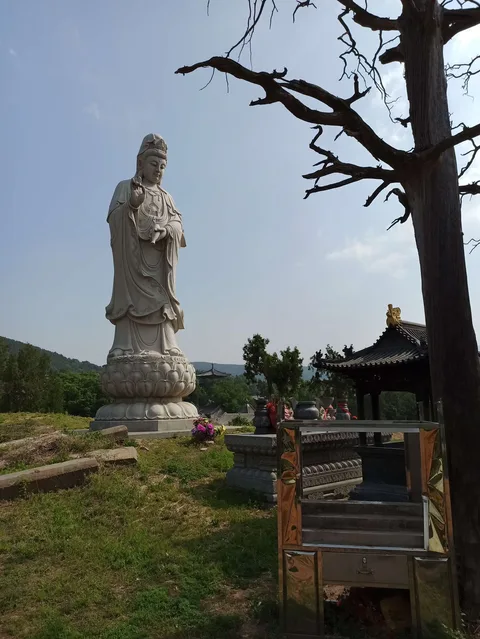 They say that if you make a wish in front of her, it will come true
After exploring the monastery we went to the beginning of the complex, where the Shaolin monks give martial arts demonstrations. This is one of the most interesting things you can do there. As you sit in the hall watching how easily the monks do everything, you’ll probably think you can do it too – but you can’t. If someone is brave enough, they can go up on stage and try to imitate them. These men have been training for years, as I already mentioned, and their movements have become almost automatic. If an untrained person tries to repeat them, they’ll quickly find out how hard it is – and it won’t look anywhere near as good.
The Longmen Grottoes
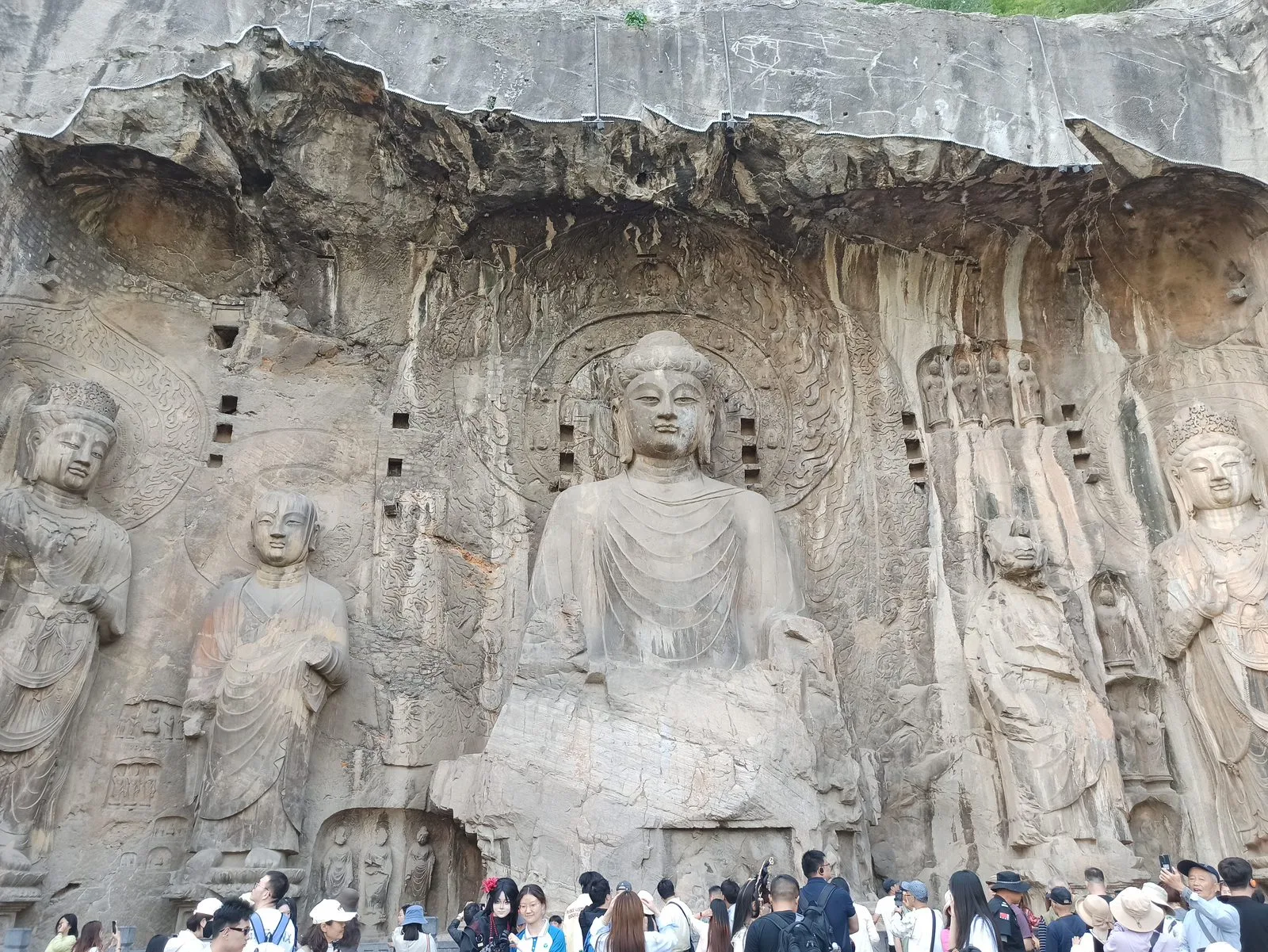
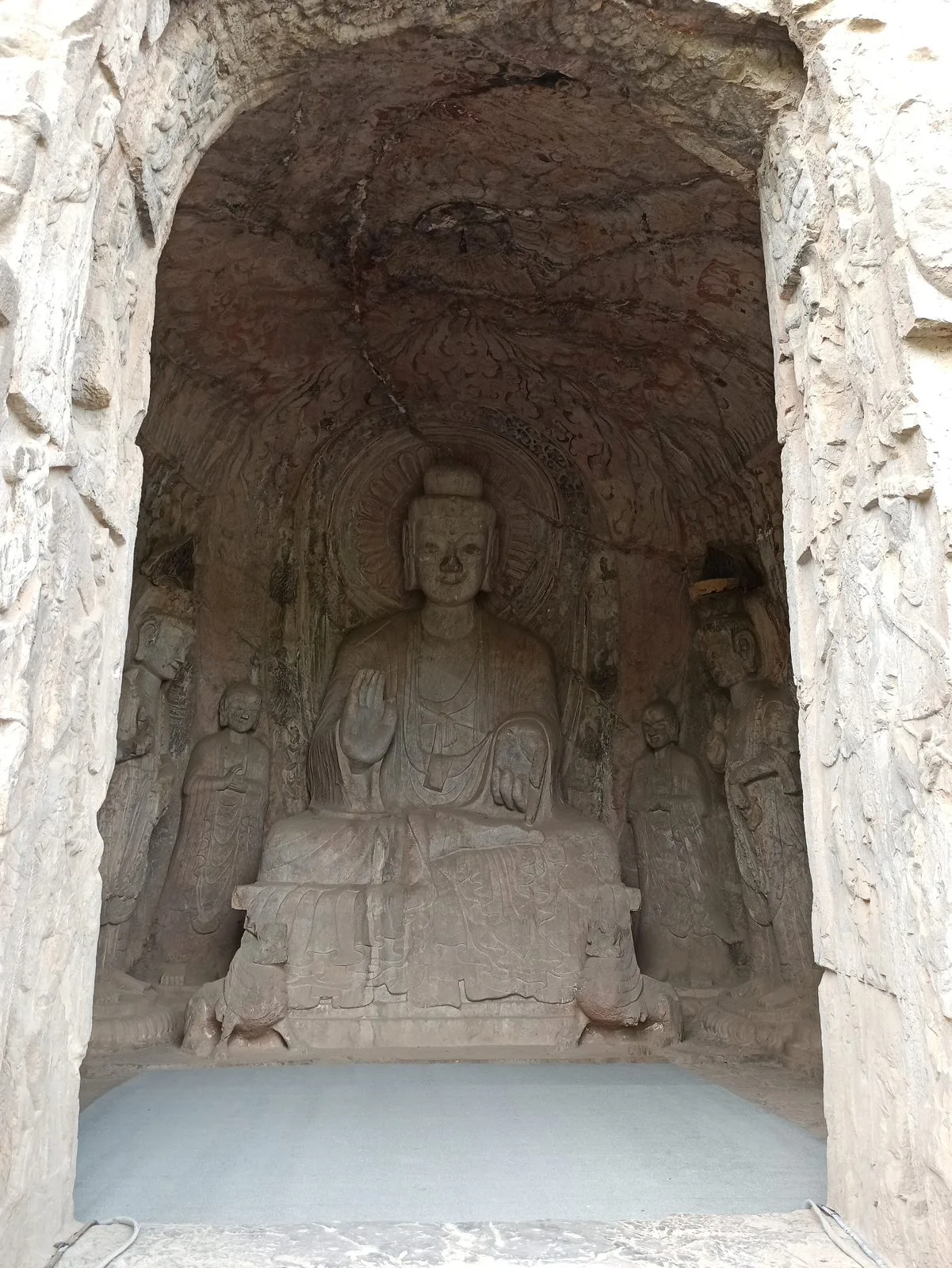
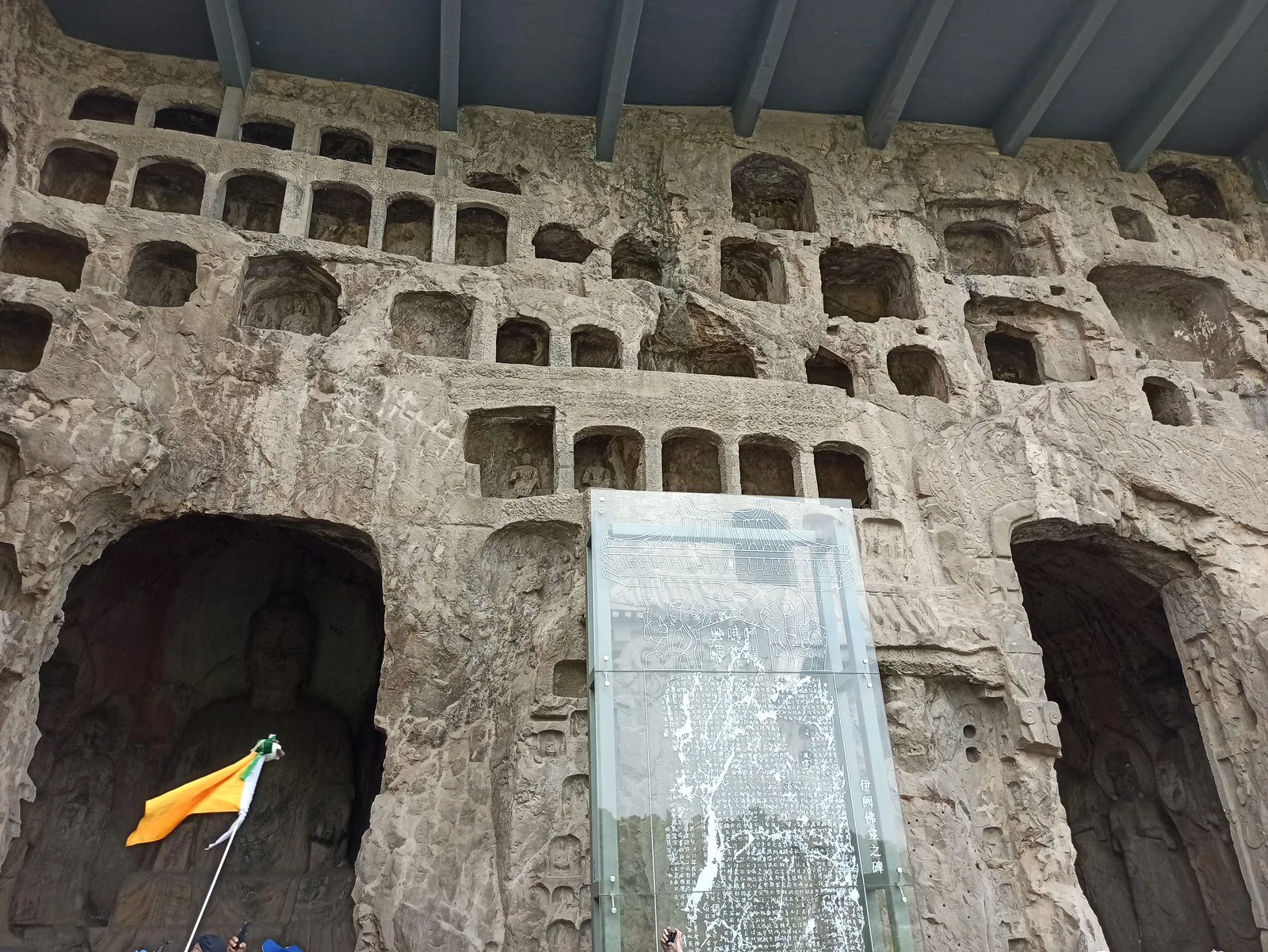
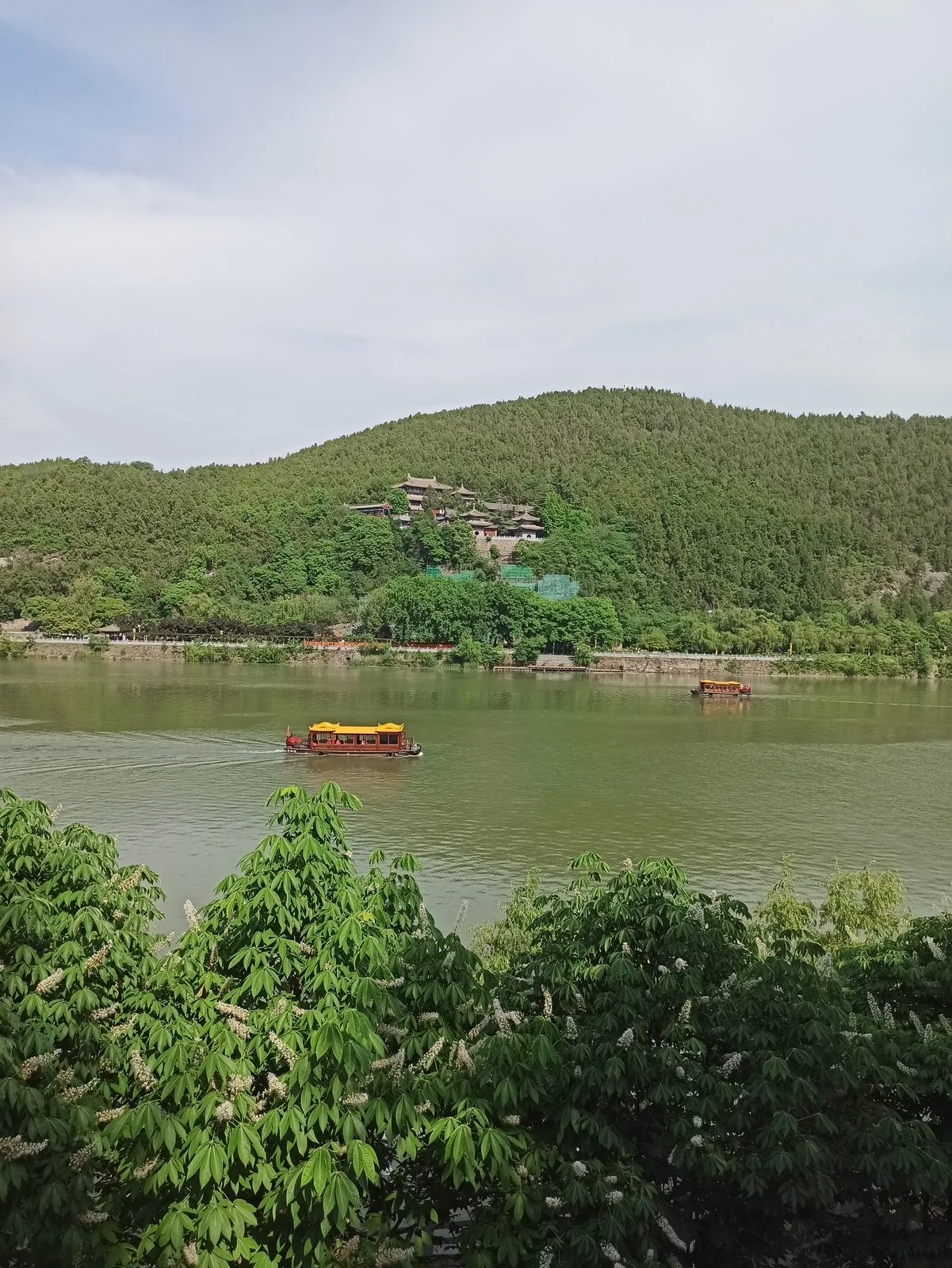
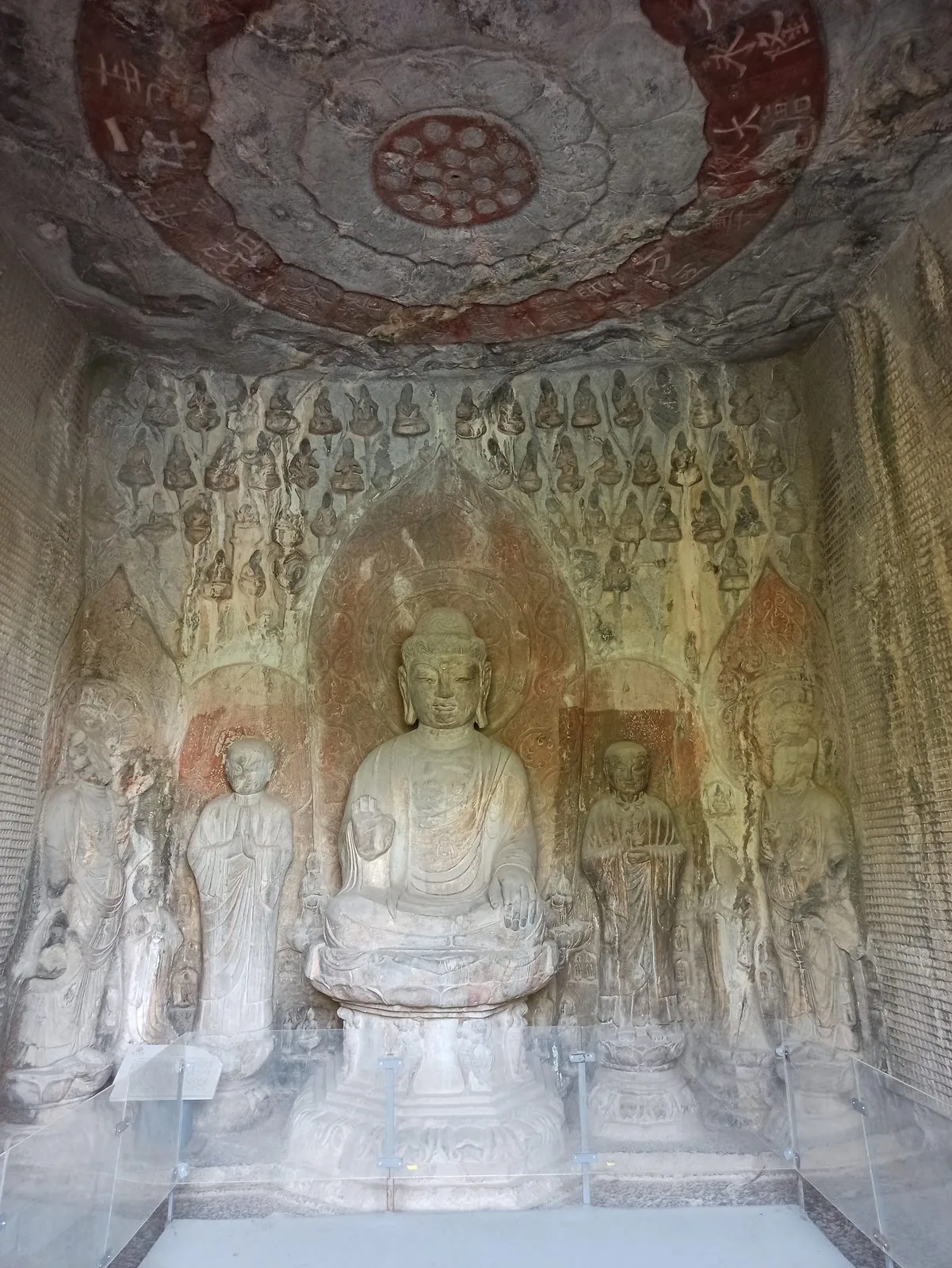
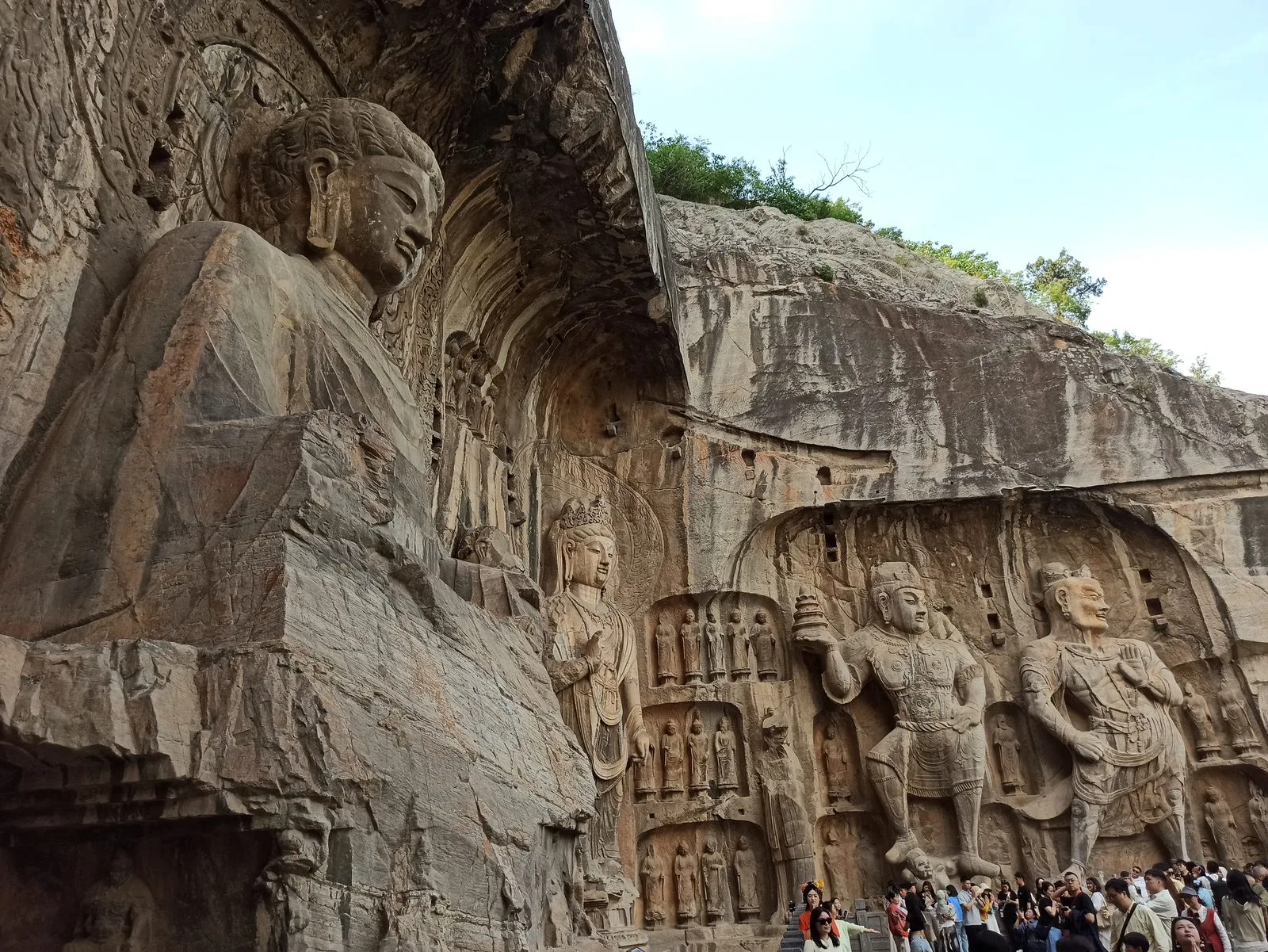
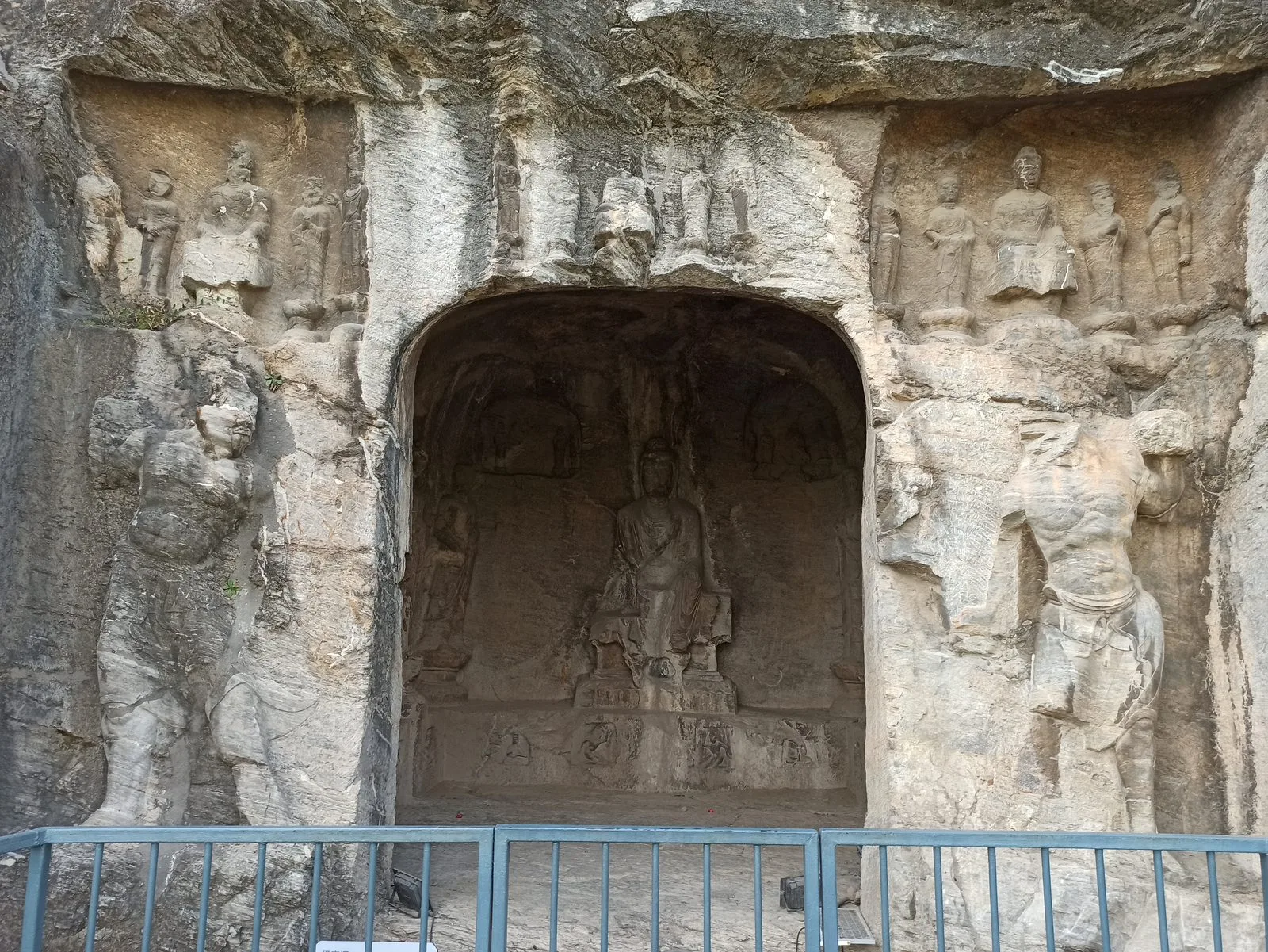
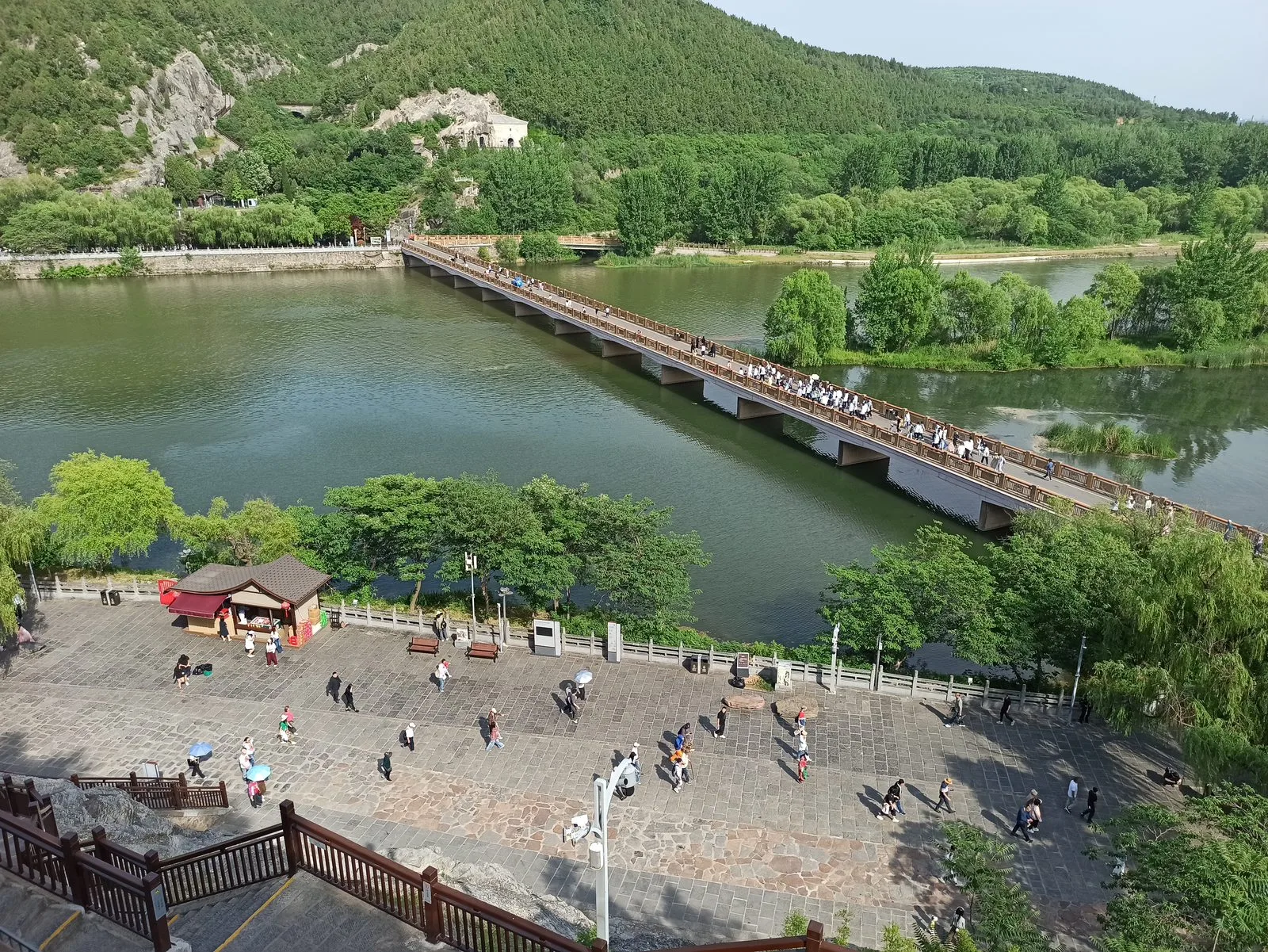
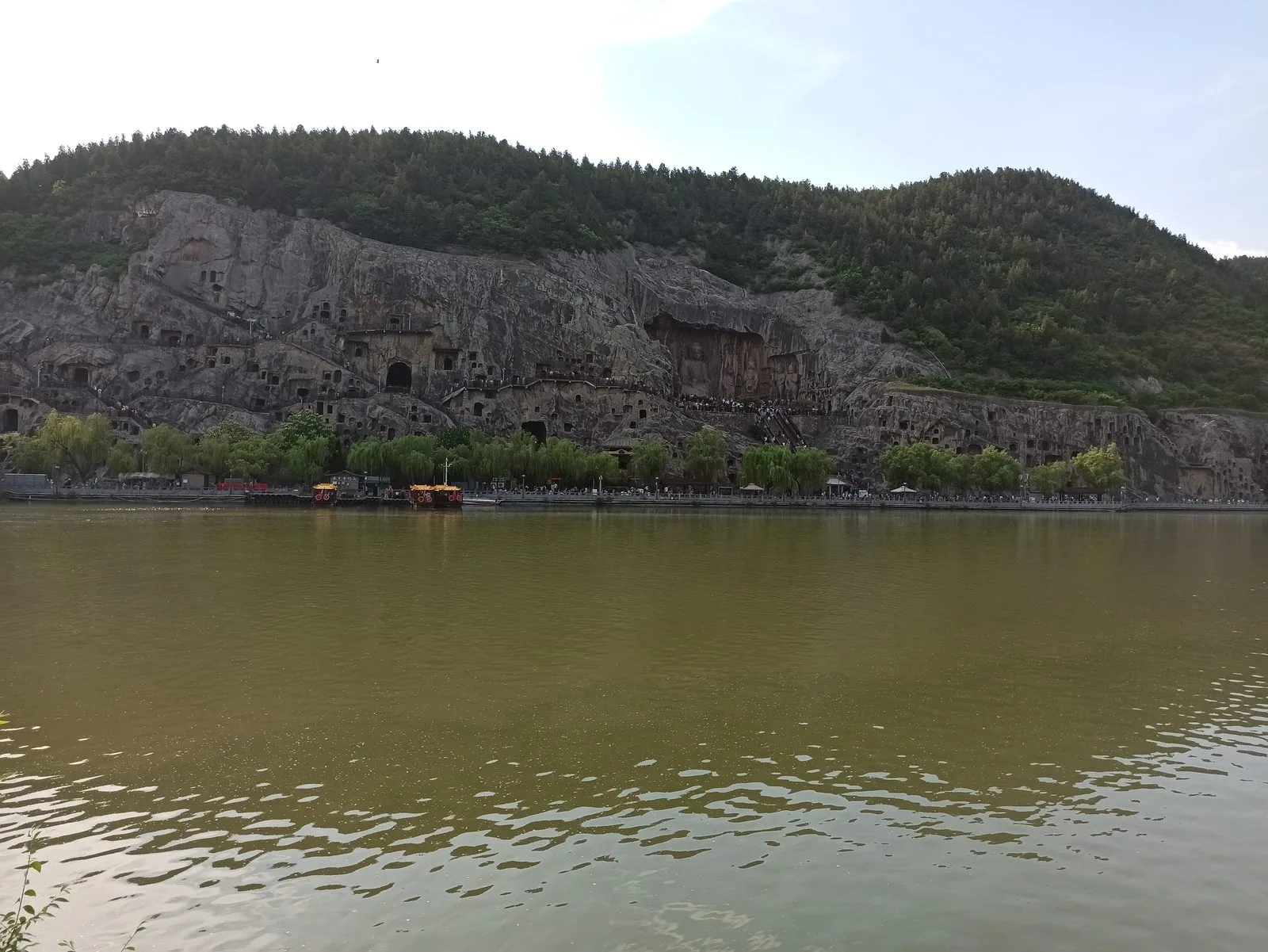
In the afternoon we went to the Longmen Grottoes (“Dragon Gate”) near the city of Luoyang. They’re quite interesting and somewhat reminiscent of the Eagle Rocks near Ardino in Bulgaria, except that the niches contain figures of the Buddha. You walk along the Yi River and everywhere around you there are niches with sculptures – over 2,300 caves and niches in total and about 110,000 statues, carved between the end of the 5th and the middle of the 8th century. It’s one of the finest examples of Chinese Buddhist art and a UNESCO site. In one place there are also huge sculptures that are simply incredible – the central Buddha is 17 metres tall.
Unfortunately, many of the statues are damaged. I thought this was mainly due to erosion, but later I found out that most of the damage was caused by people – at the beginning of the 20th century many heads and reliefs were cut off and sold to collectors and museums around the world.
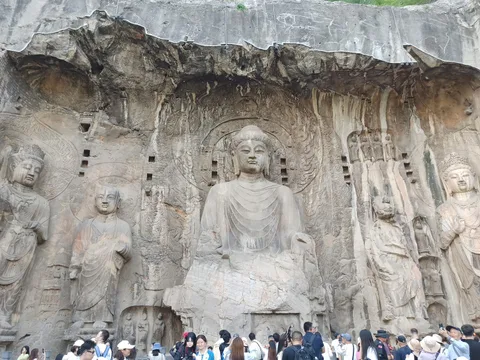 The Vairocana Buddha in Fengxian Temple – 17 metres tall; it is called the “Mona Lisa of the East” because of its mysterious smile
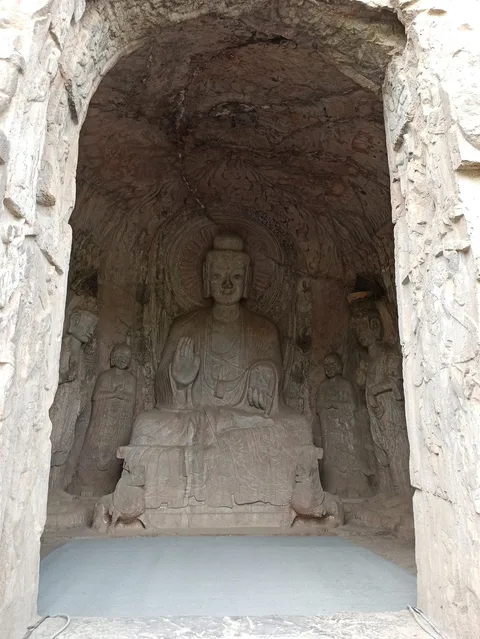 One of the large caves with a seated Buddha
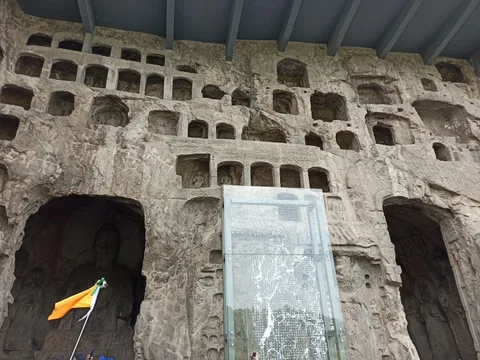 Hundreds of small niches in the rock – each with a figure inside
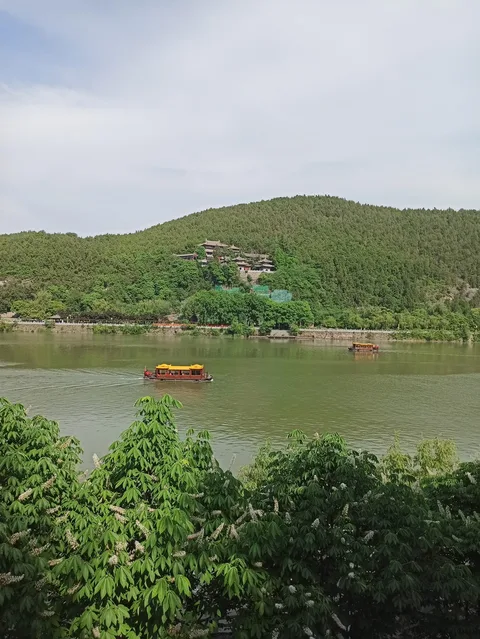 The Yi River and the East Hill
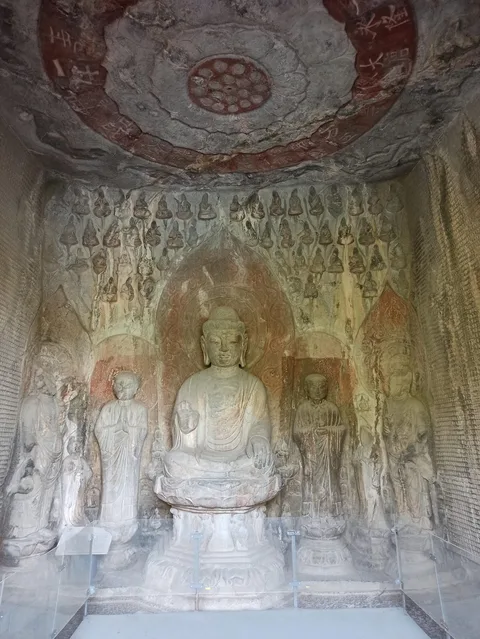 In some caves traces of the original paint can still be seen
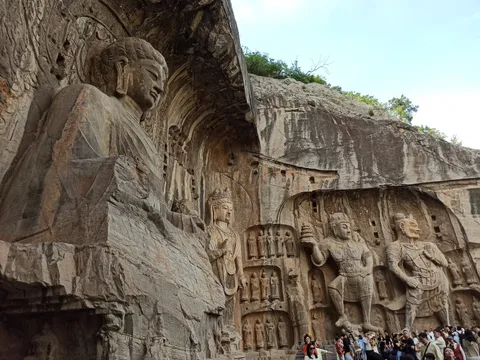 The Heavenly King and the wrathful guardian in Fengxian Temple
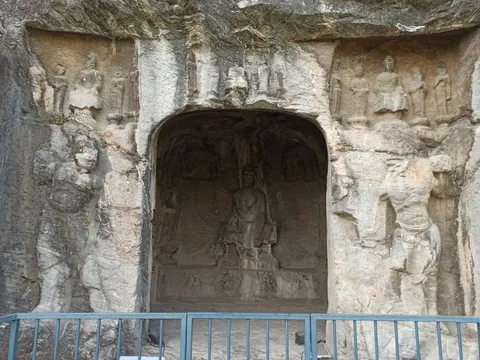 Guardians on both sides of one of the caves
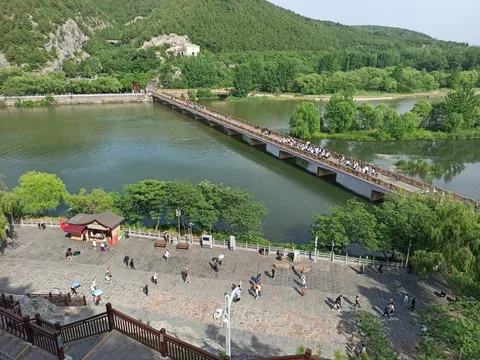 View from Fengxian Temple towards the river
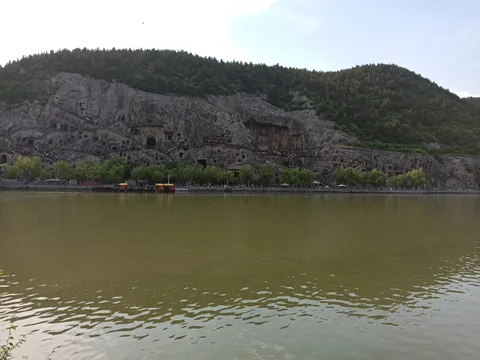 The West Hill from the other bank – every dark dot is a niche
Xi’an
After another train journey we reached China’s old capital – the city of Xi’an. Over the centuries more than ten dynasties ruled from here, and under the Tang dynasty the city (then called Chang’an) was one of the largest in the world and the starting point of the Silk Road. Today Xi’an is known for tourism because of the Terracotta Army, but it is also one of China’s big industrial centres. I liked it a lot, but unfortunately I didn’t have enough time to explore it. Even the little I saw impressed me.
The Big Wild Goose Pagoda
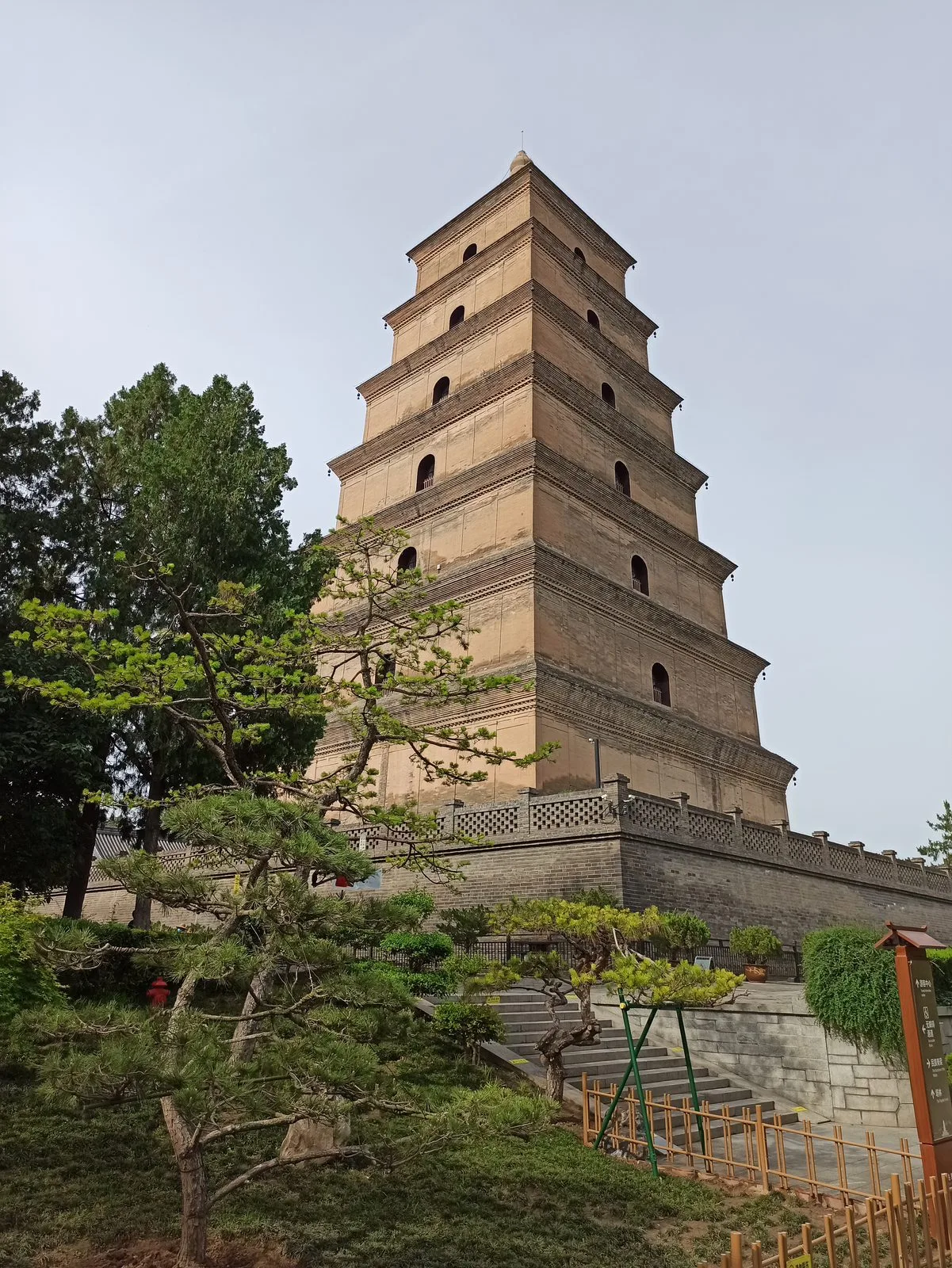
In the morning we started with one of the most important Buddhist monuments in China – the Big Wild Goose Pagoda, built in 652, under the Tang dynasty. I’ve watched many films about the Monkey King and his adventures, but the interesting thing is that they’re based on the real journey of the monk Xuanzang.
In the 7th century he undertook an extremely dangerous journey from China to India that lasted about 17 years, and returned with over 600 Buddhist texts, which he began translating into Chinese. The pagoda was built precisely to keep them safe. His journey later inspired the famous Chinese novel “Journey to the West”, in which the legendary Monkey King – Sun Wukong – appears.
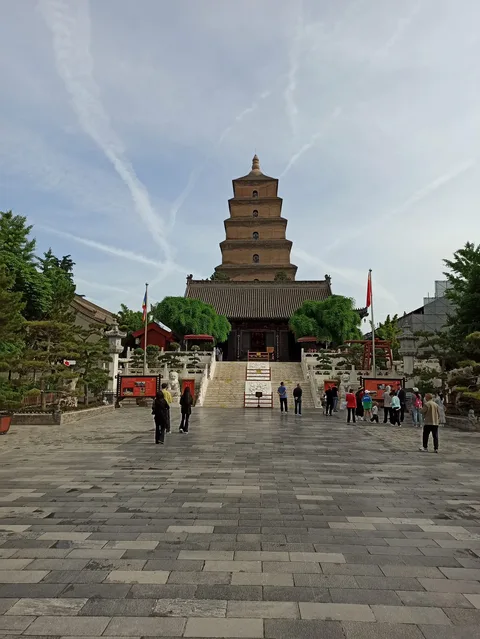 The Big Wild Goose Pagoda can be seen right from the entrance
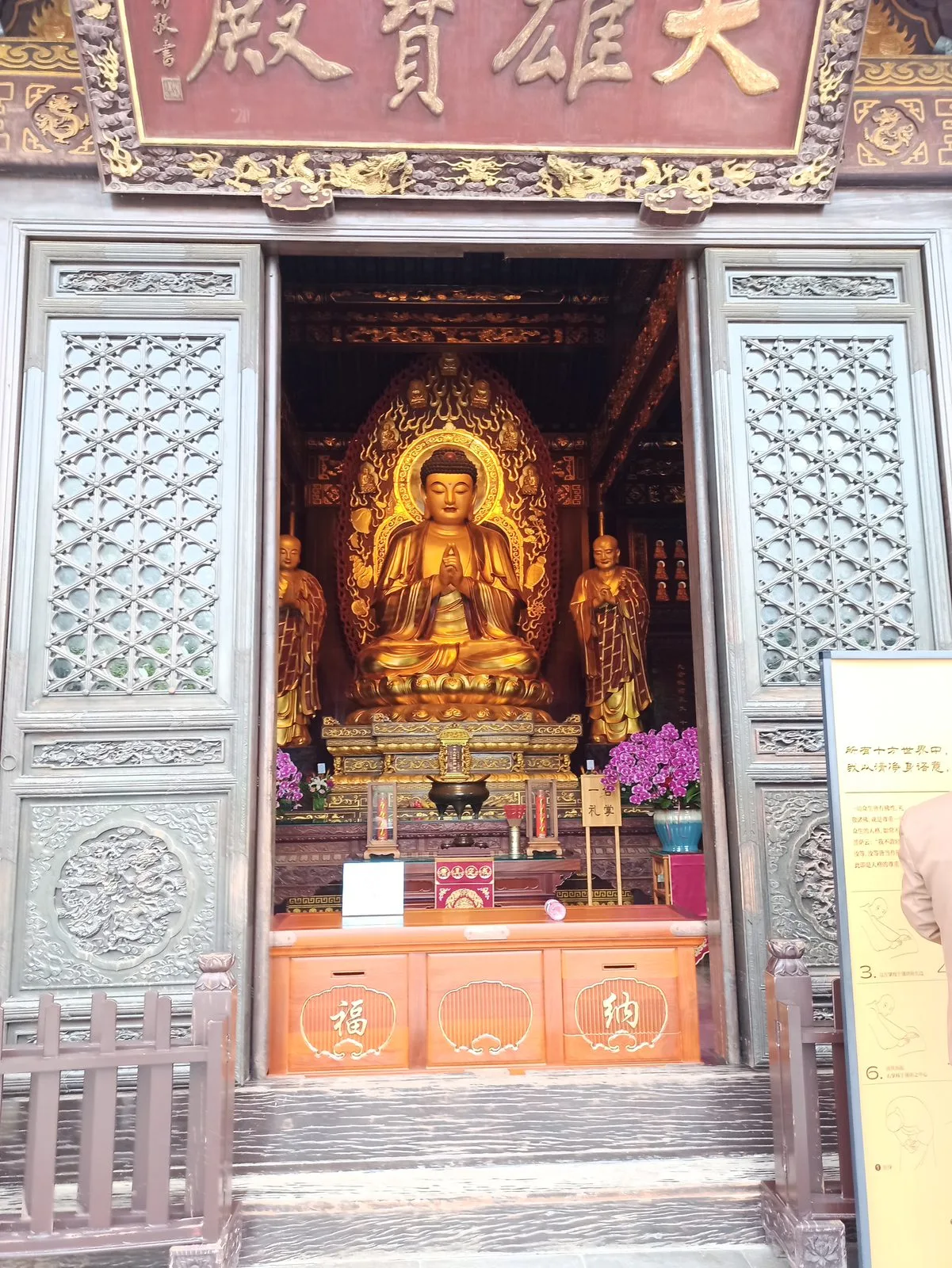
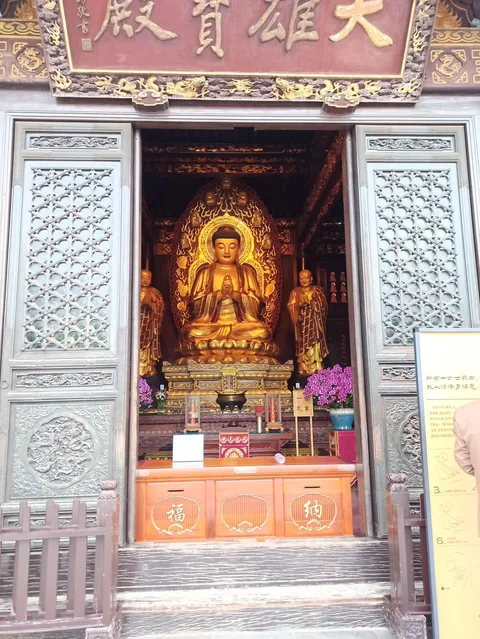 The golden Buddha in the Main Hall
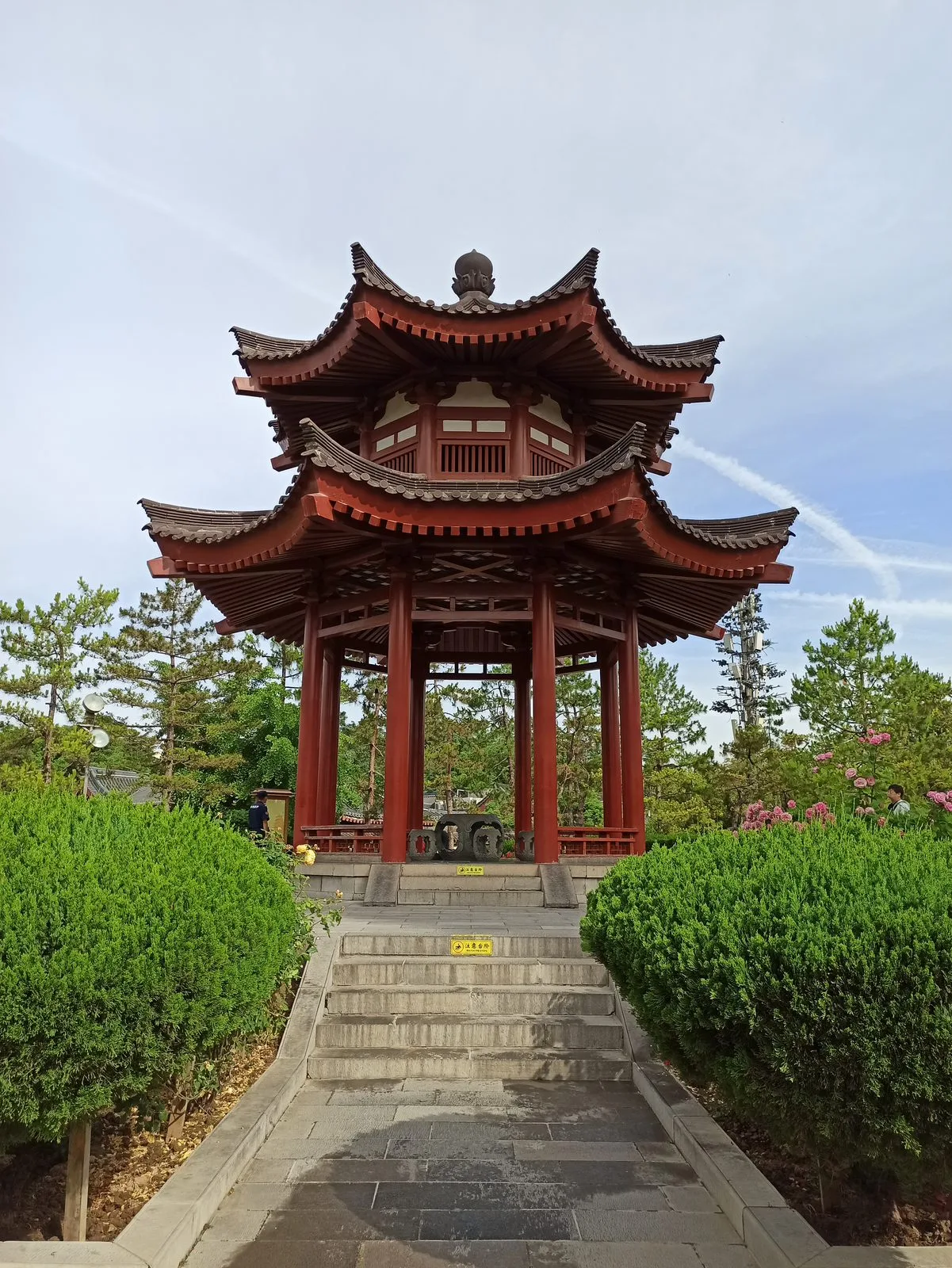
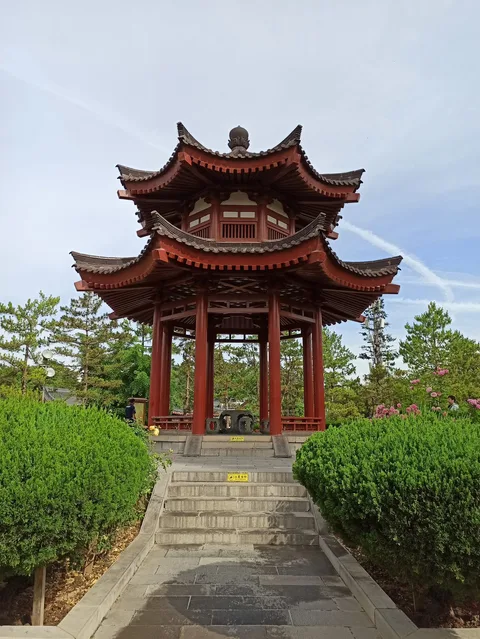 One of the pavilions in the temple courtyard
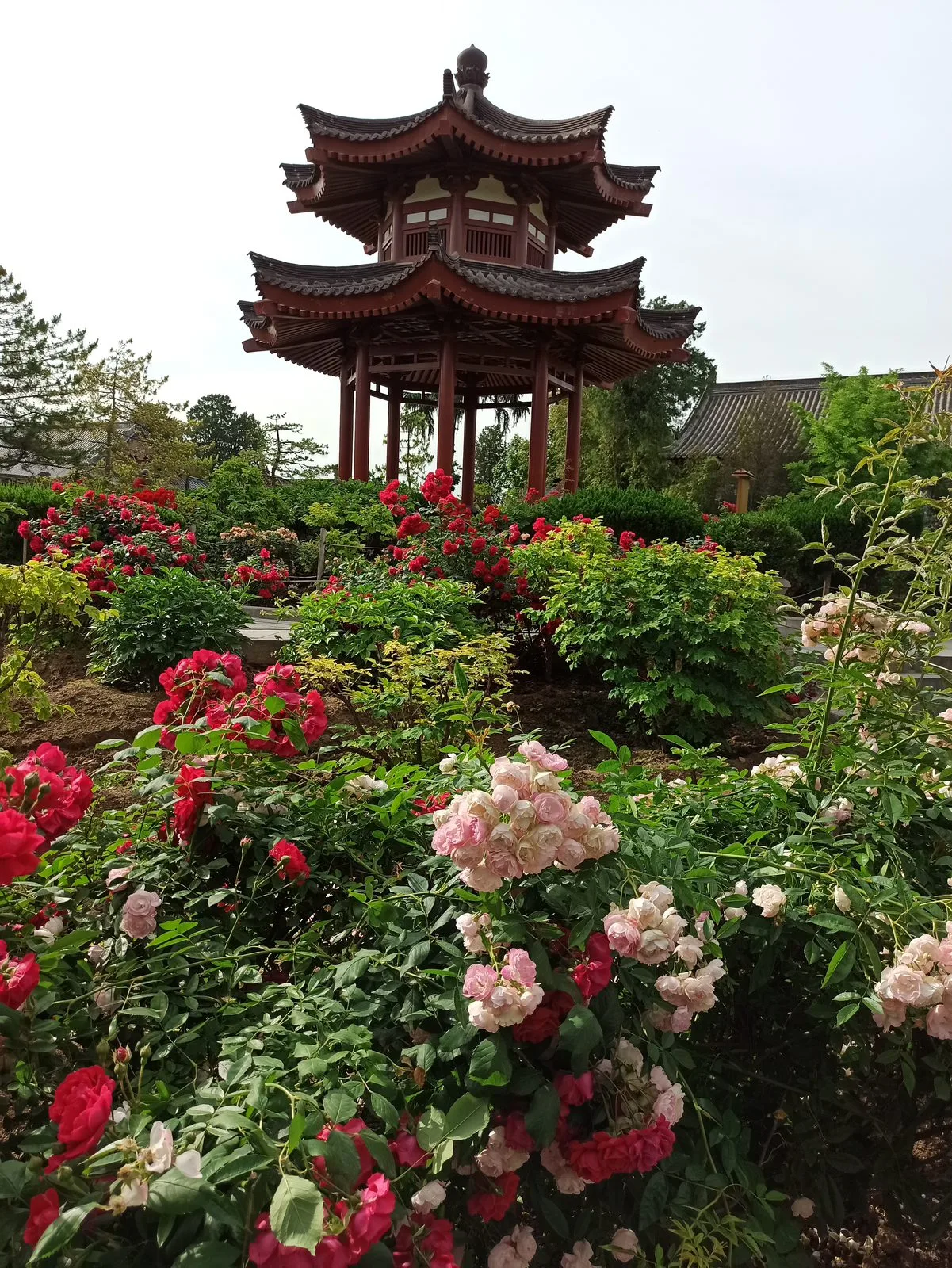
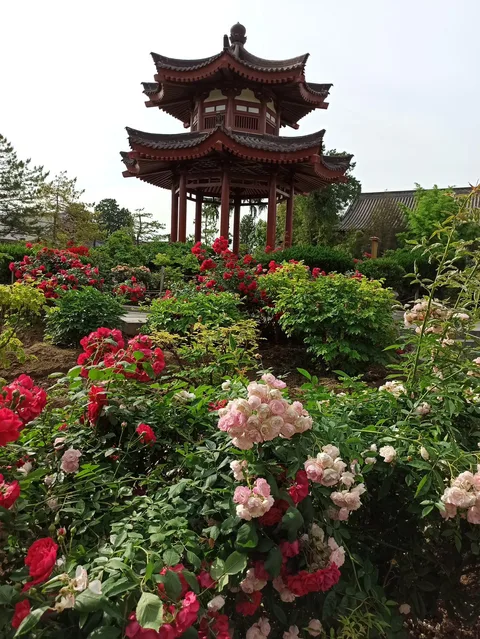 In early May the courtyard is full of blooming peonies
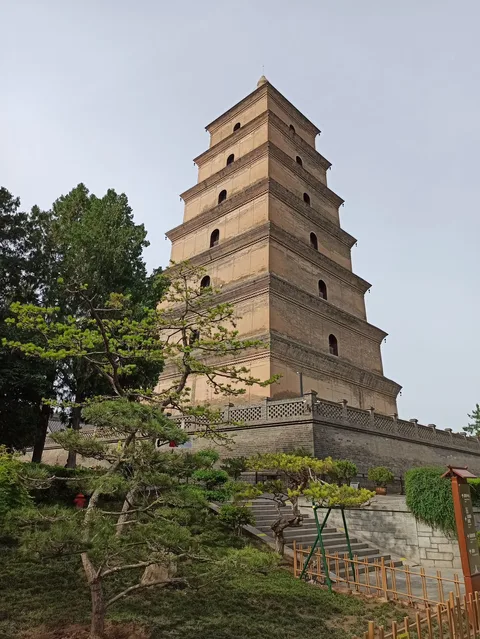 64 metres and 7 storeys – over the years the pagoda has leaned slightly
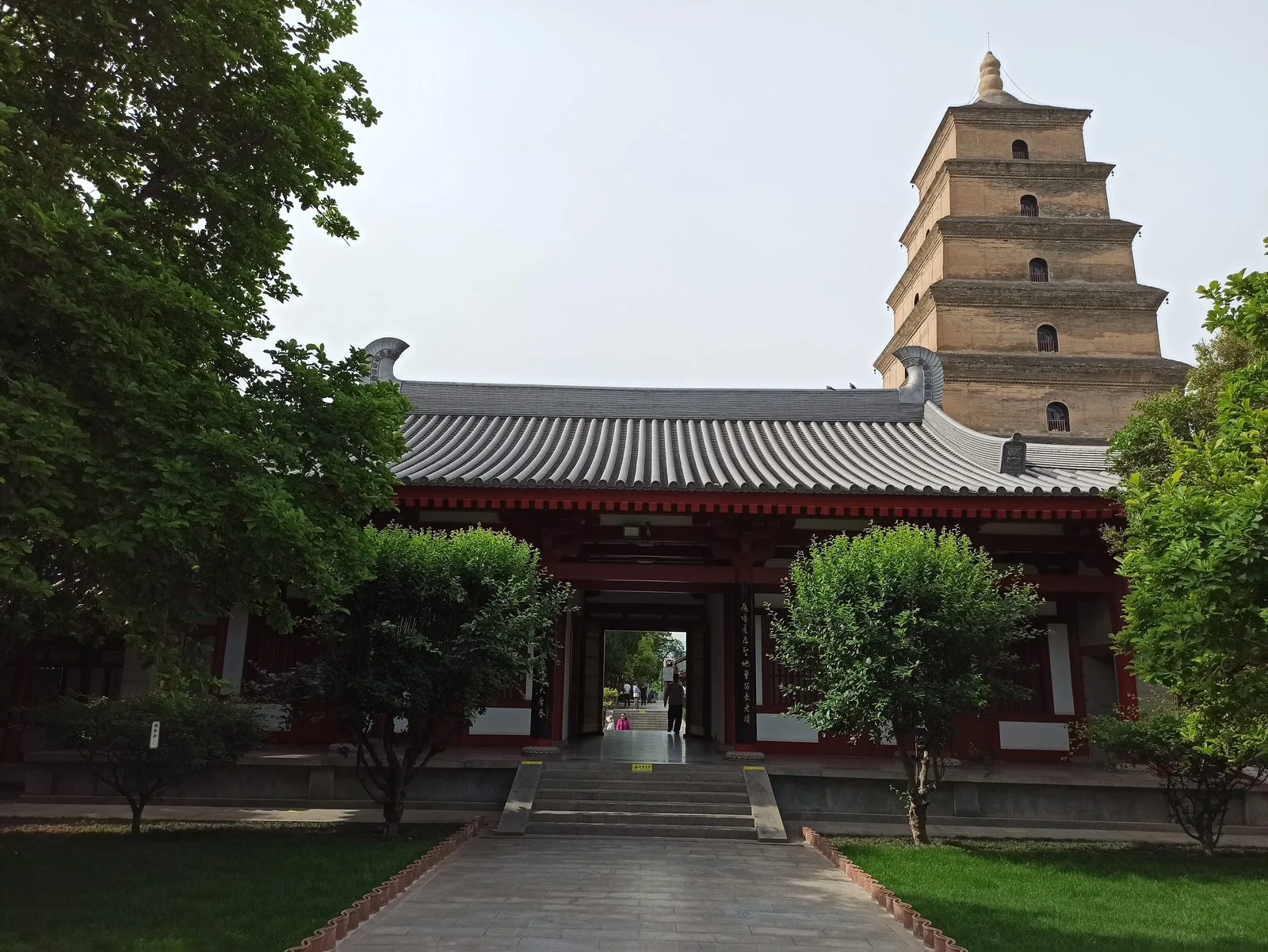
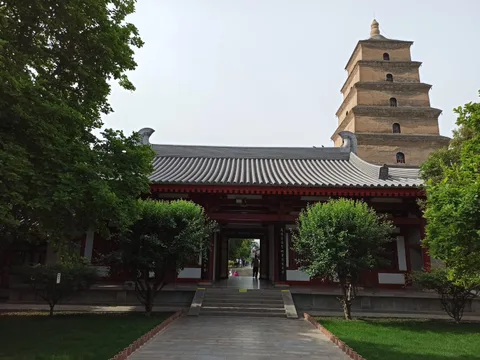 The gate to the rear courtyard
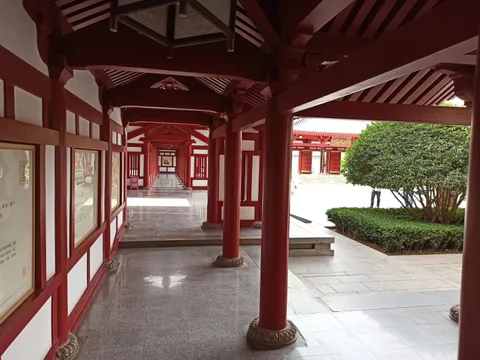 The galleries around the courtyard
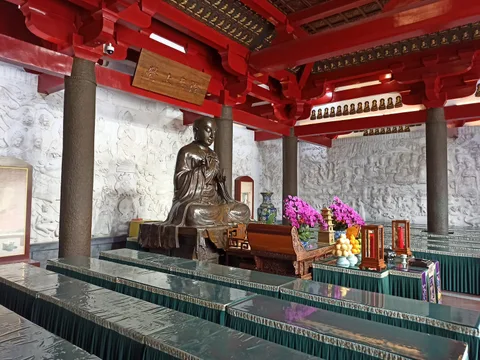 A statue of Xuanzang in the hall dedicated to him
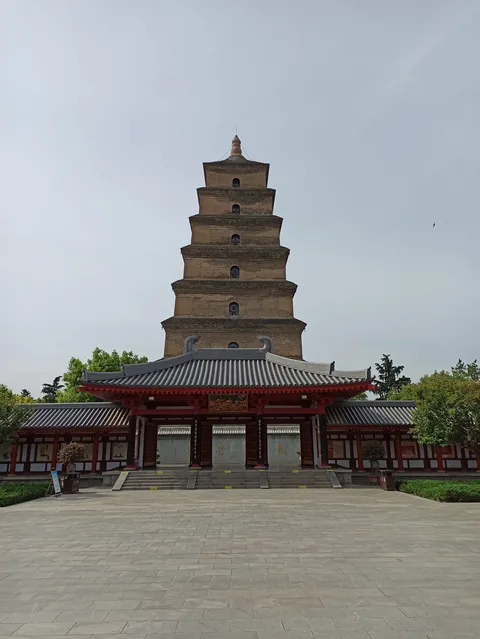 The pagoda behind one of the halls
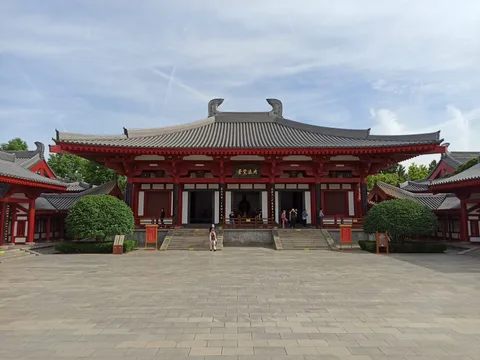 A hall in the style of the Tang dynasty
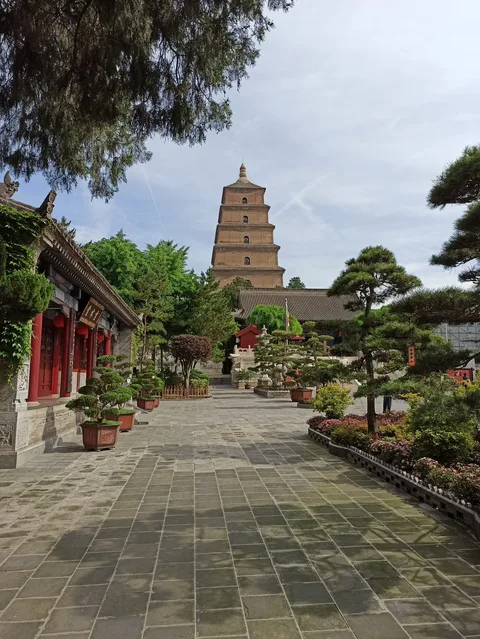 An alley lined with bonsai
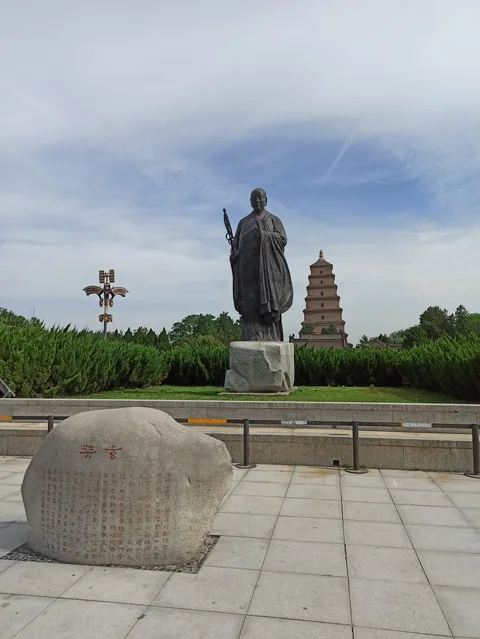 A statue of the famous monk Xuanzang in front of the pagoda
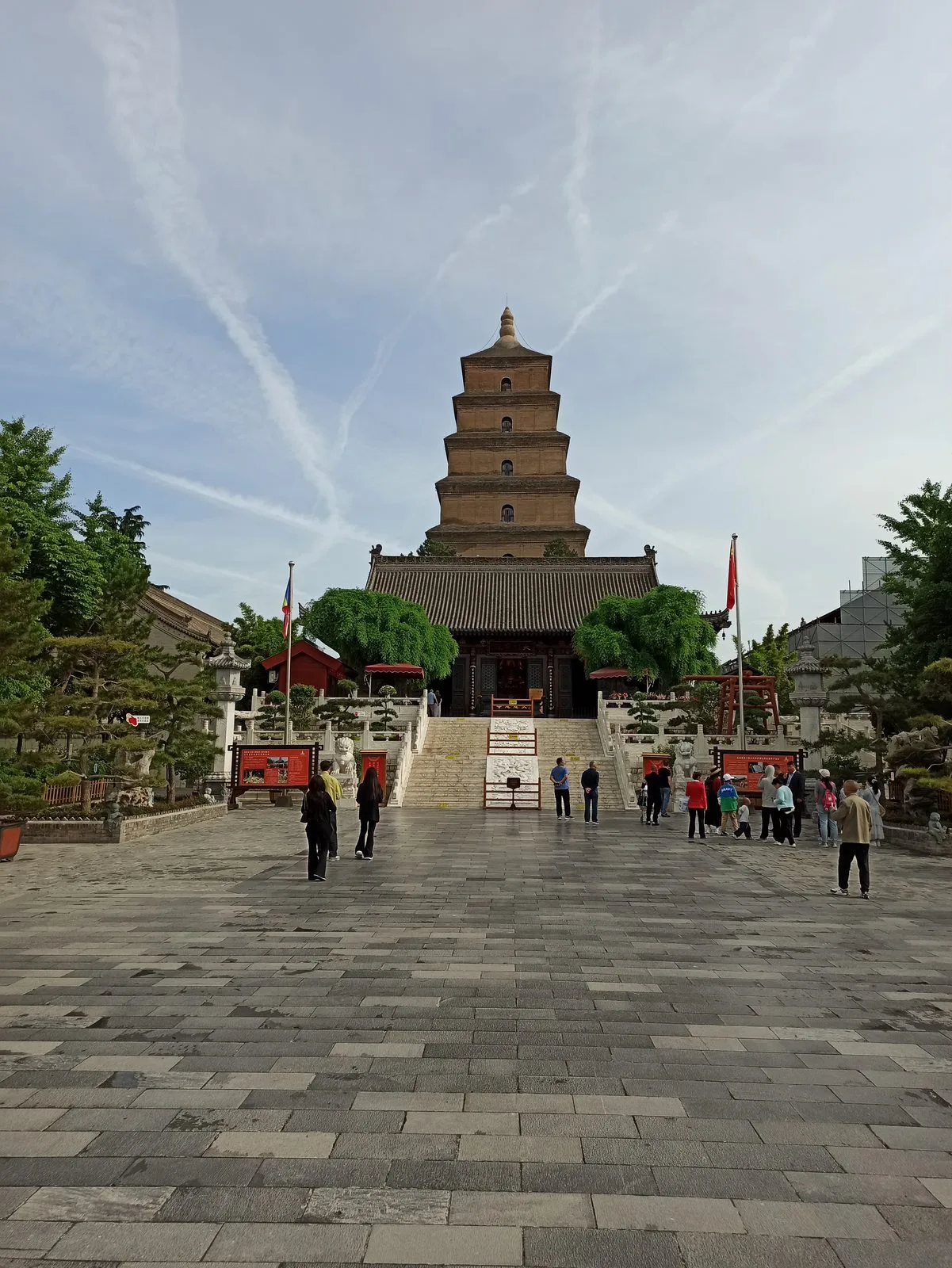
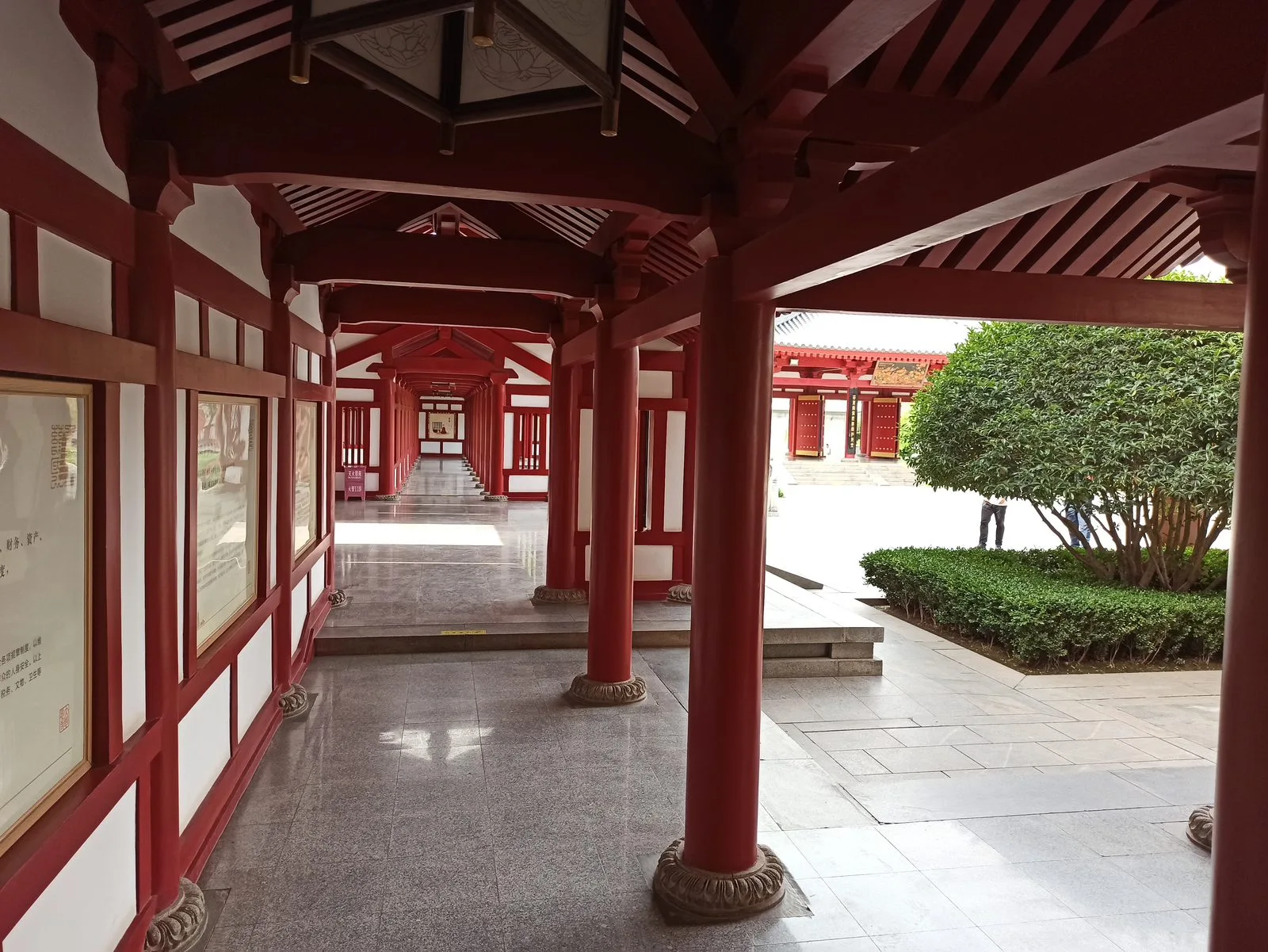
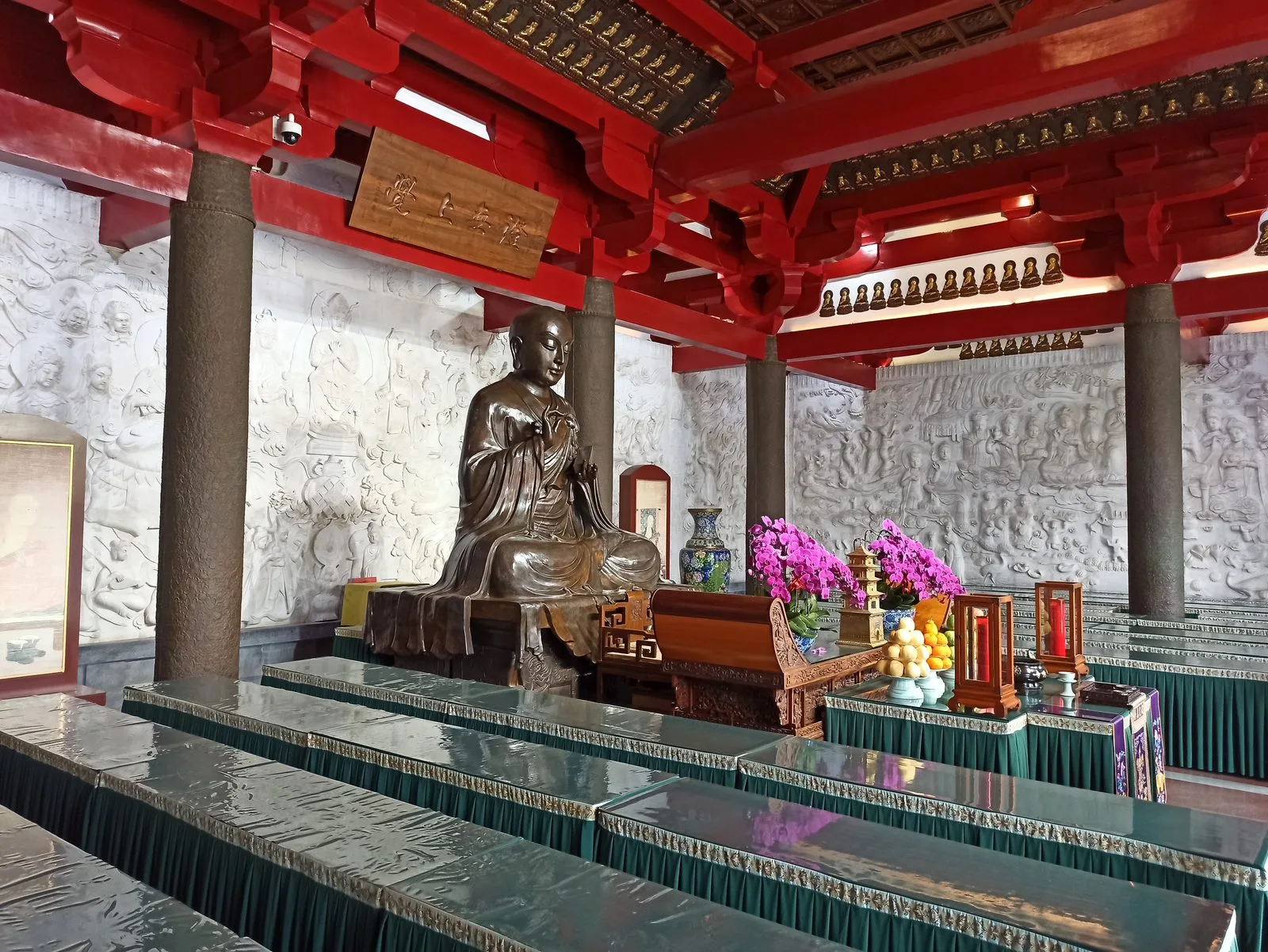
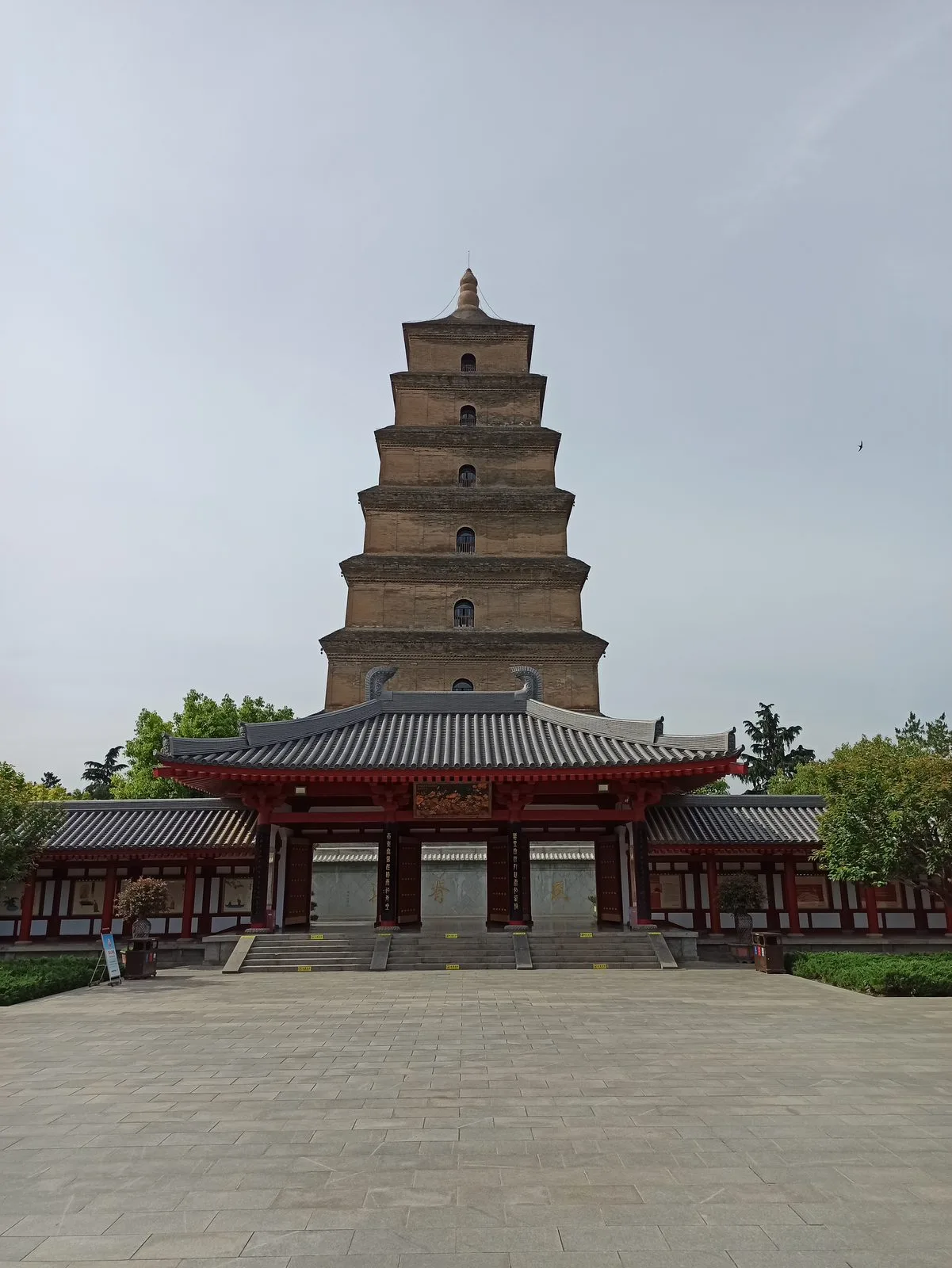
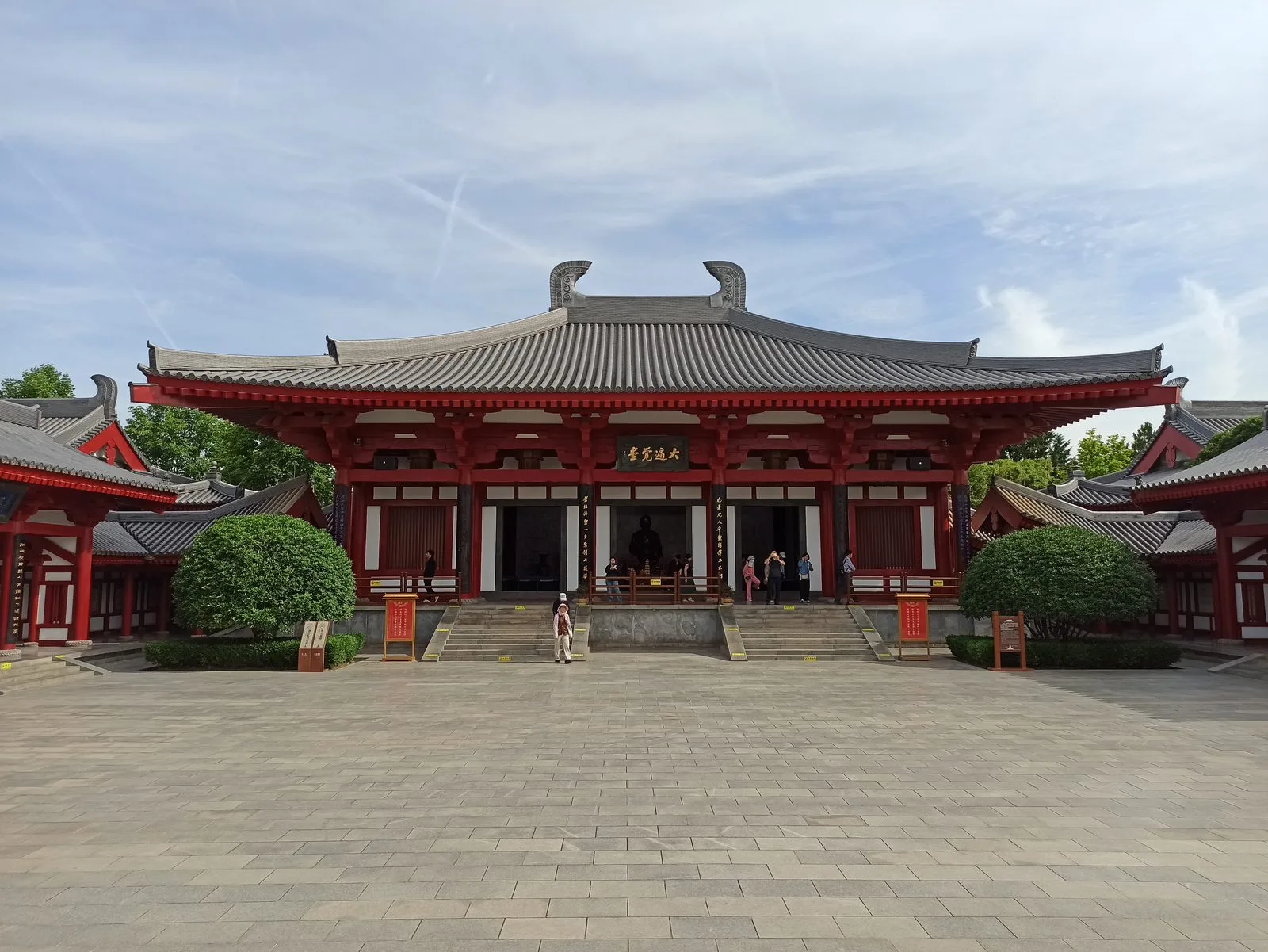
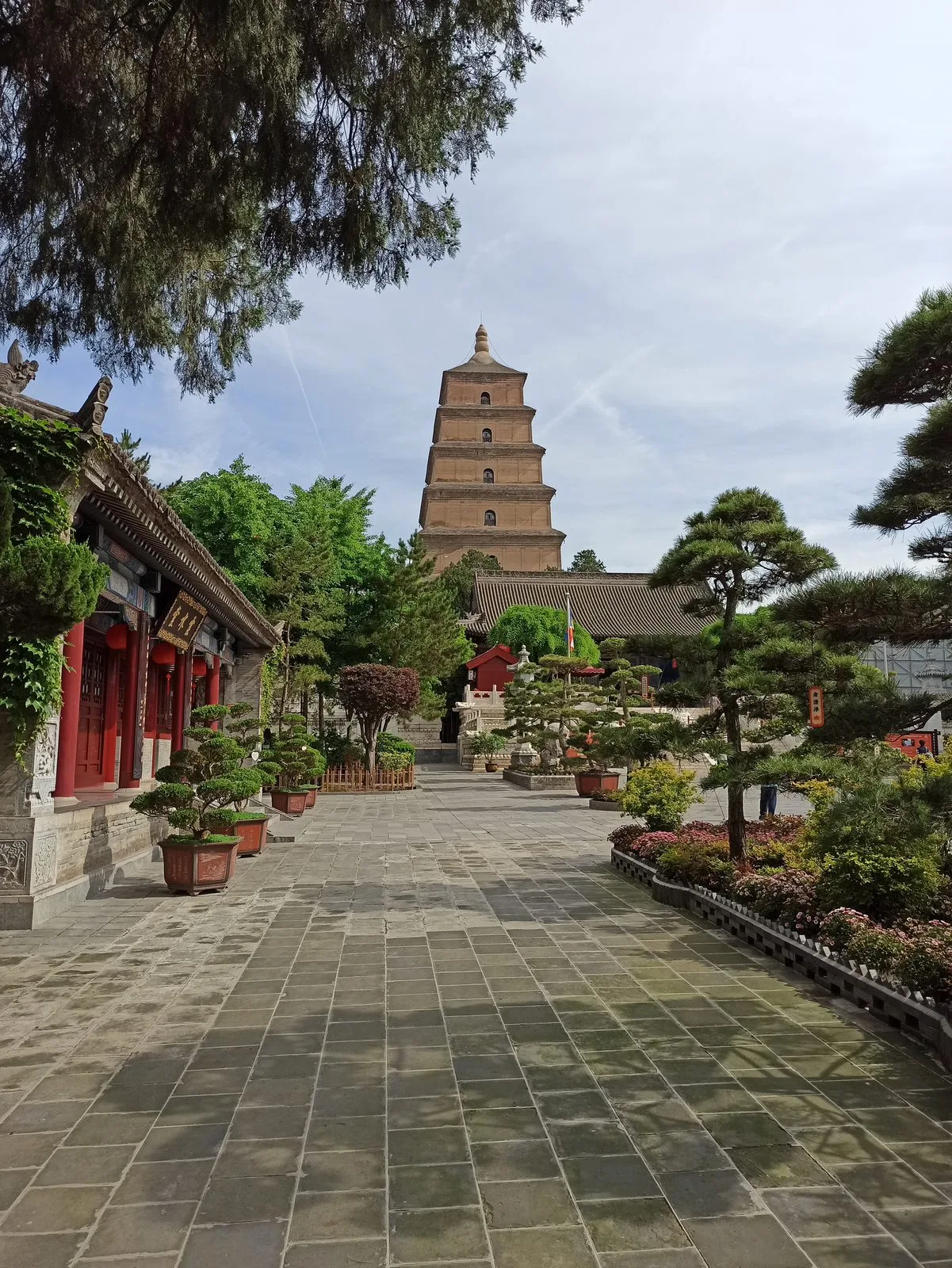
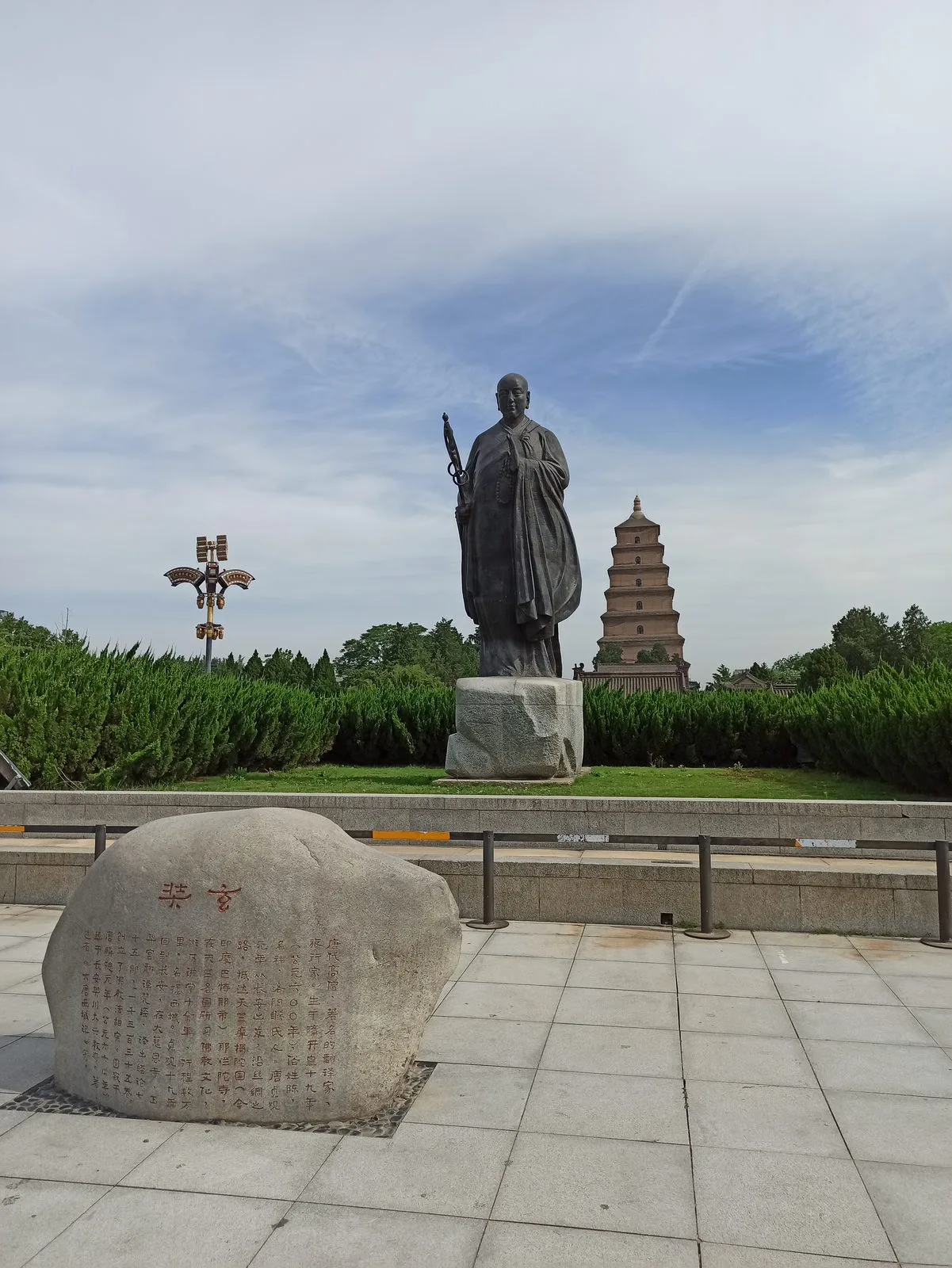
The pagoda is very beautiful and definitely worth it, but this was only the beginning of the day. Ahead of us was the real reason we had come to Xi’an.
The Tomb of the First Emperor and the Terracotta Army
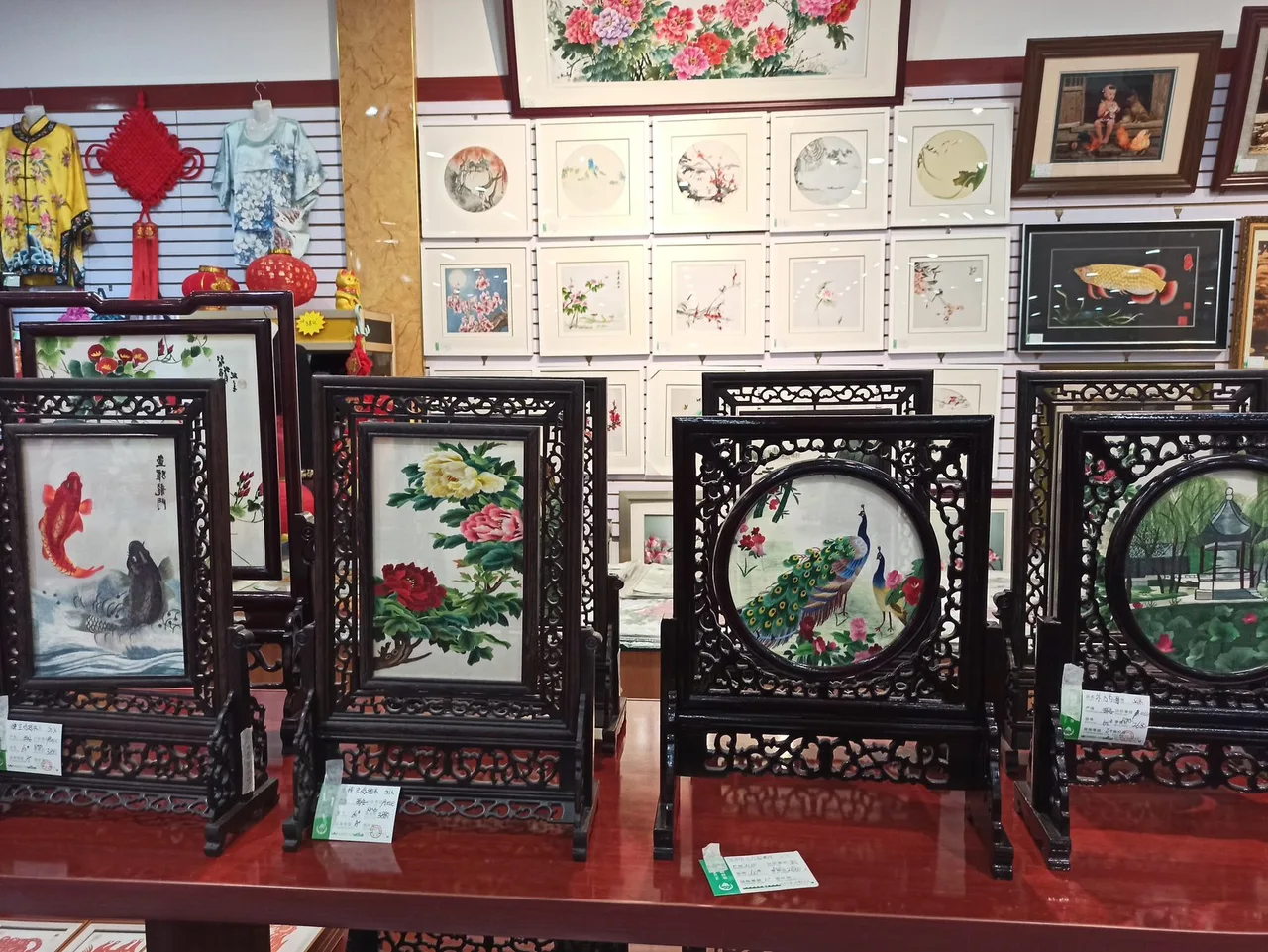
Before the tomb we visited a shop where they make modern terracotta warriors and other works of art. It was great – you could easily treat it as a museum.
Qin Shi Huang is the man who unified China in 221 BC and became its first emperor. His tomb itself has still not been excavated and probably won’t be any time soon. It’s expected to contain untold treasures, but according to ancient chronicles the tomb is full of rivers of mercury – and measurements really do show elevated levels of mercury in the soil – so excavation would be very dangerous. The Chinese government has decided not to excavate the tomb until technology allows everything to be preserved for future generations.
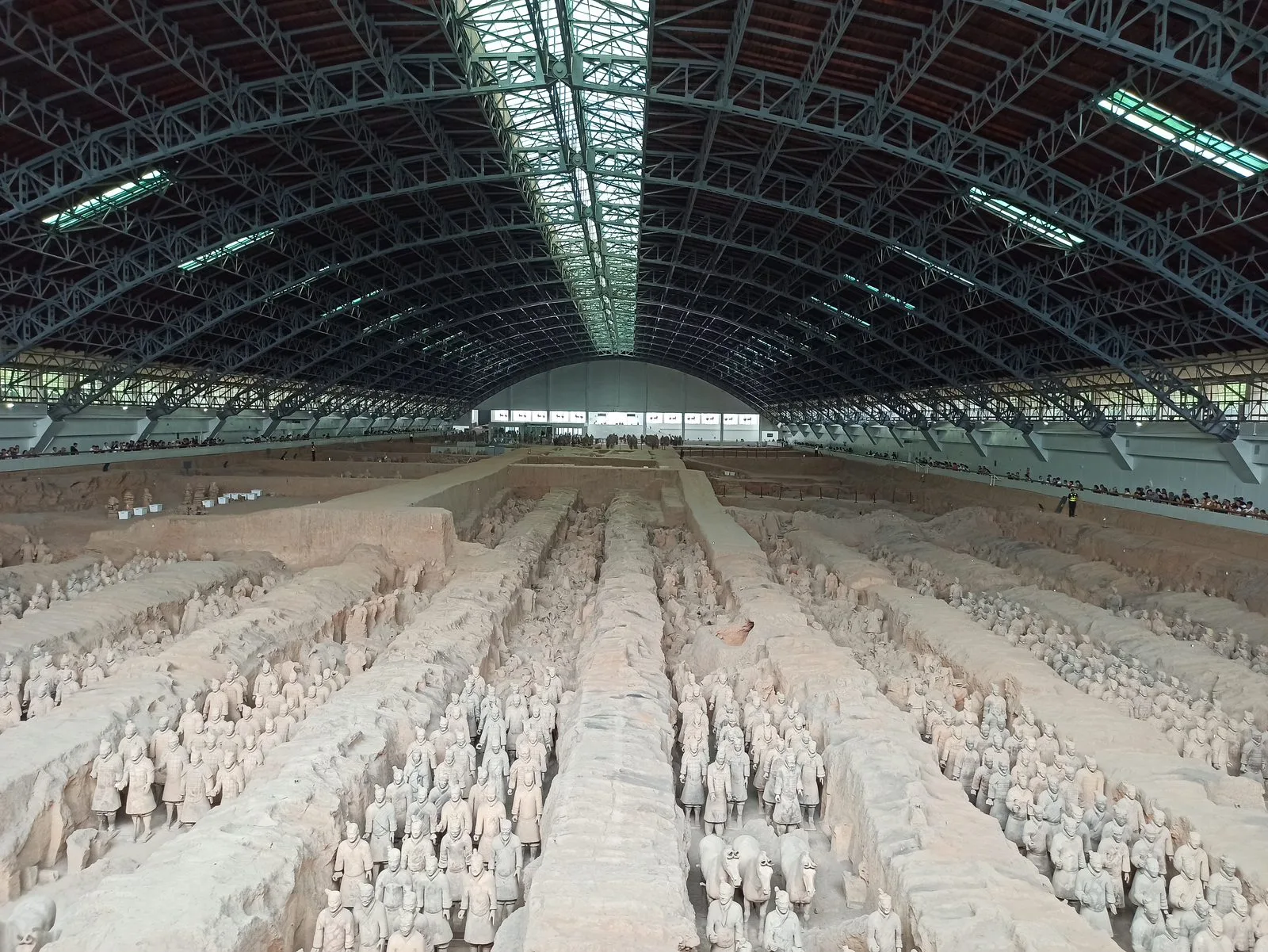
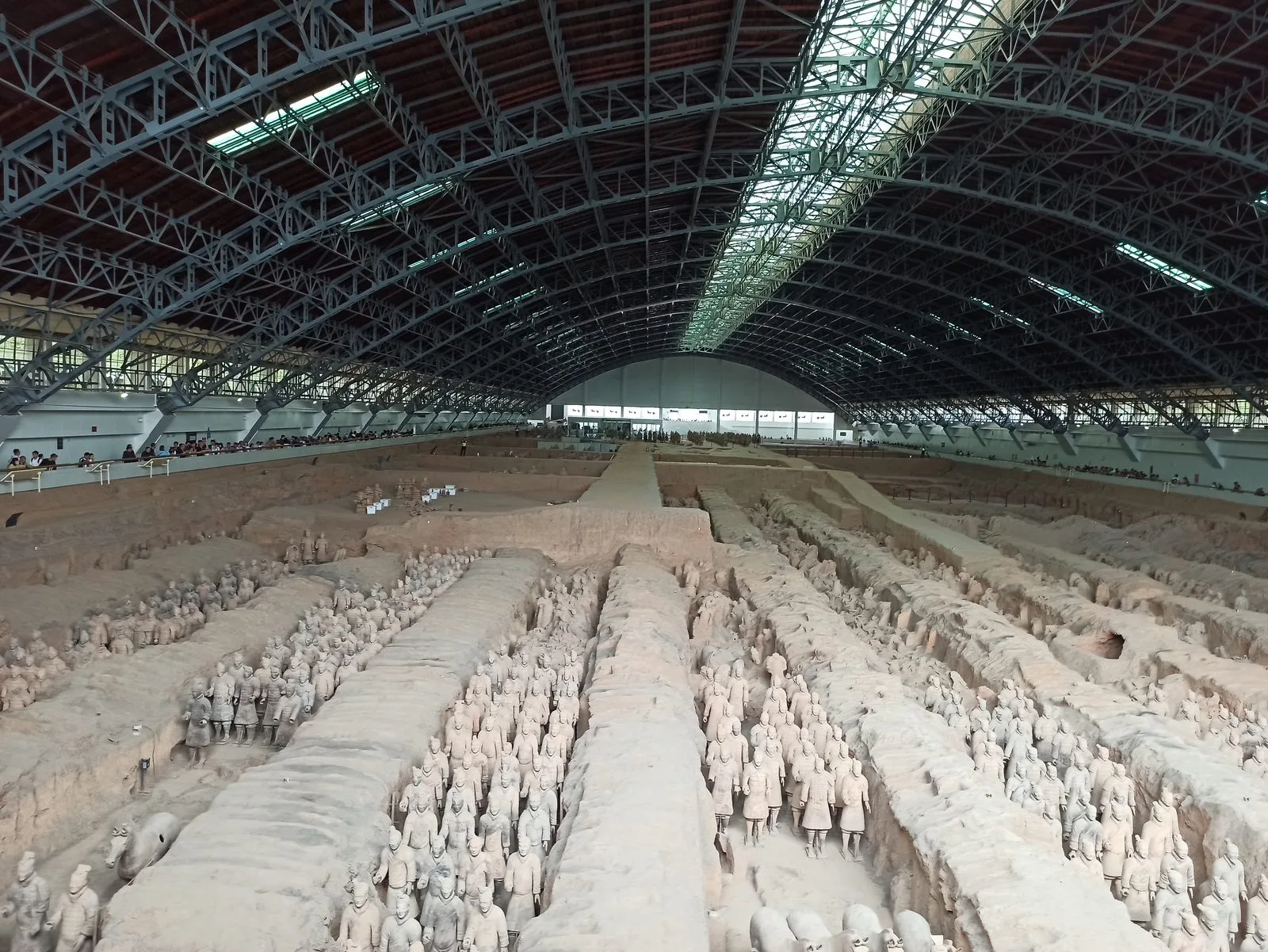
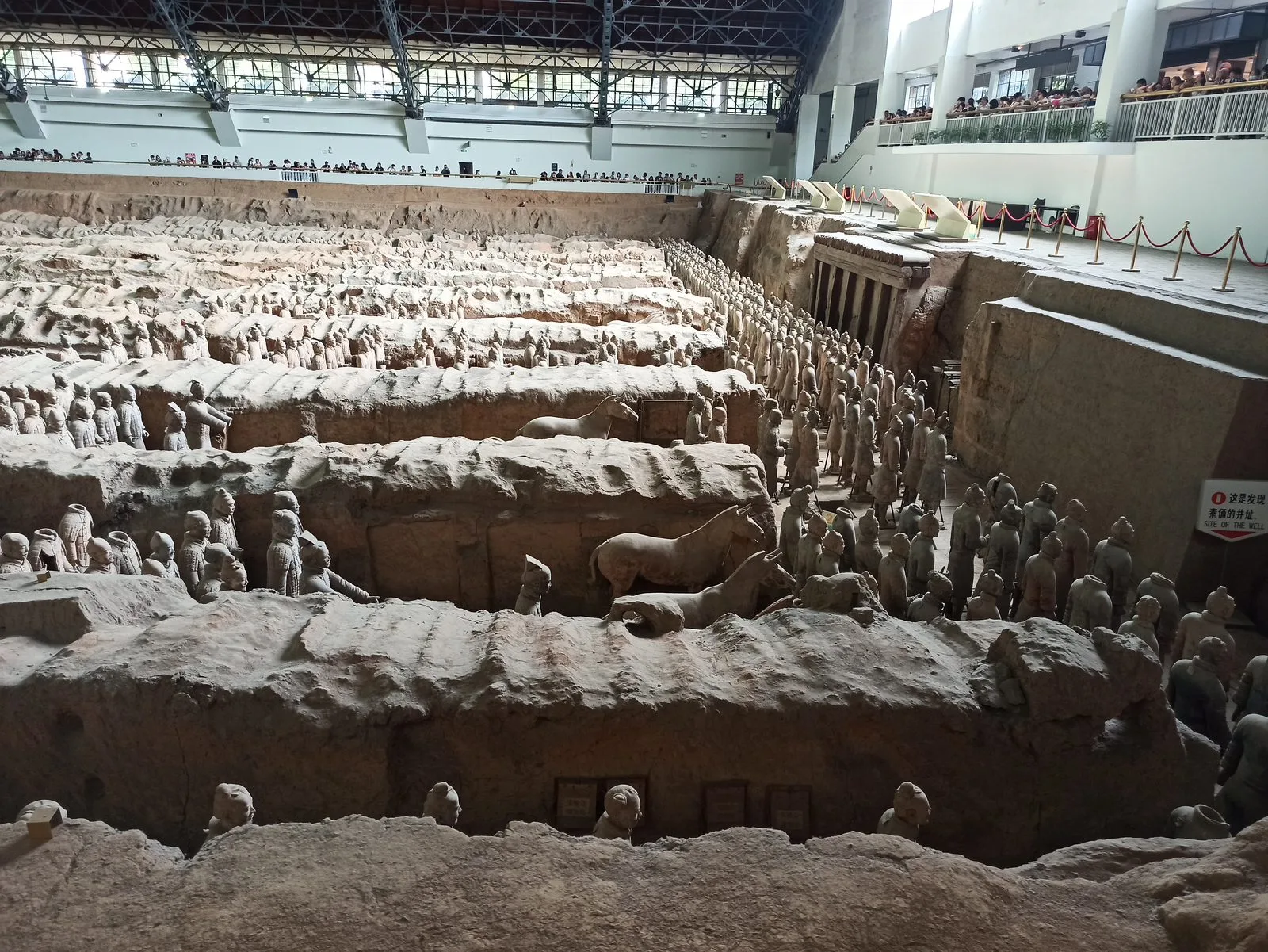
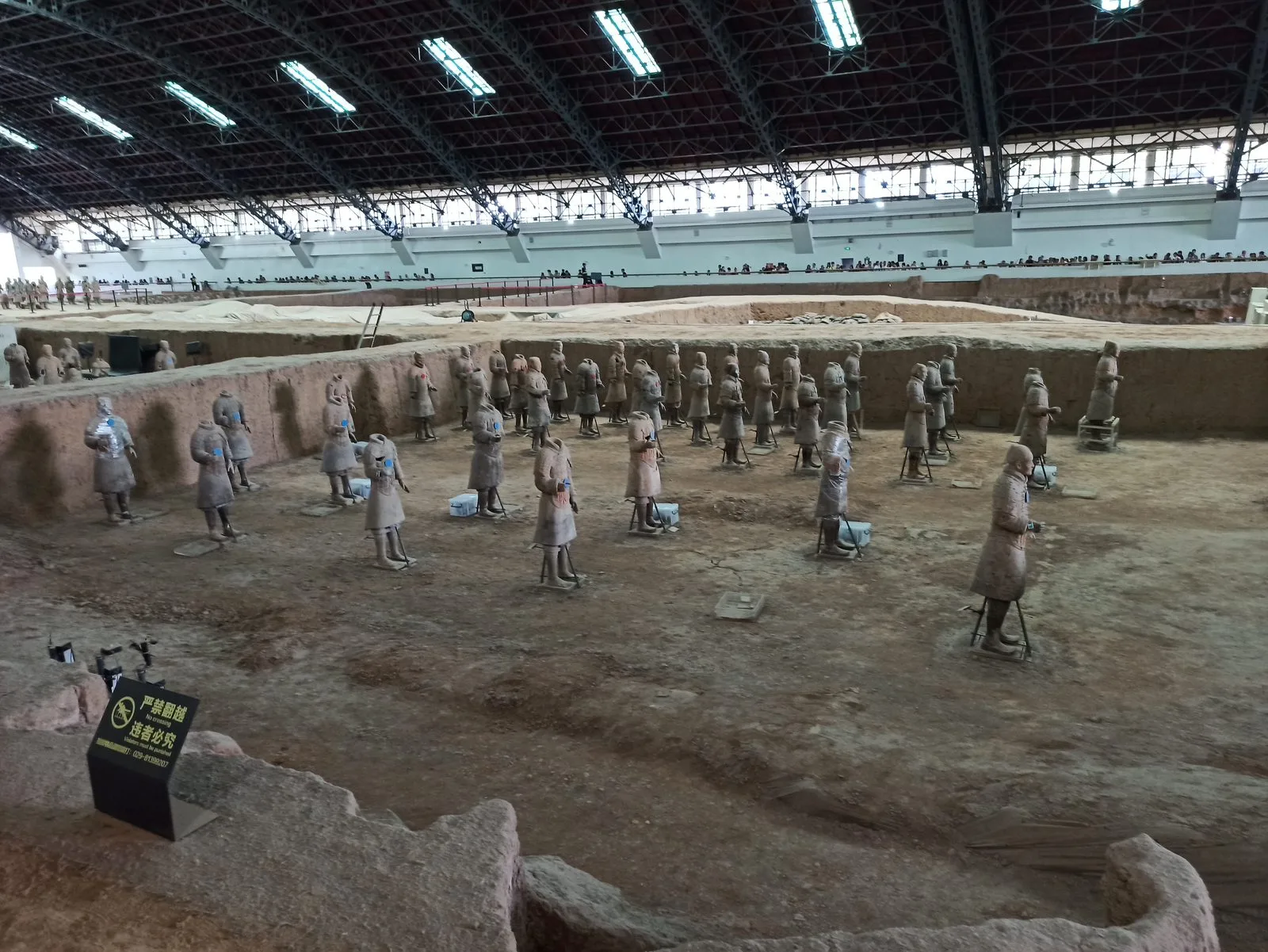
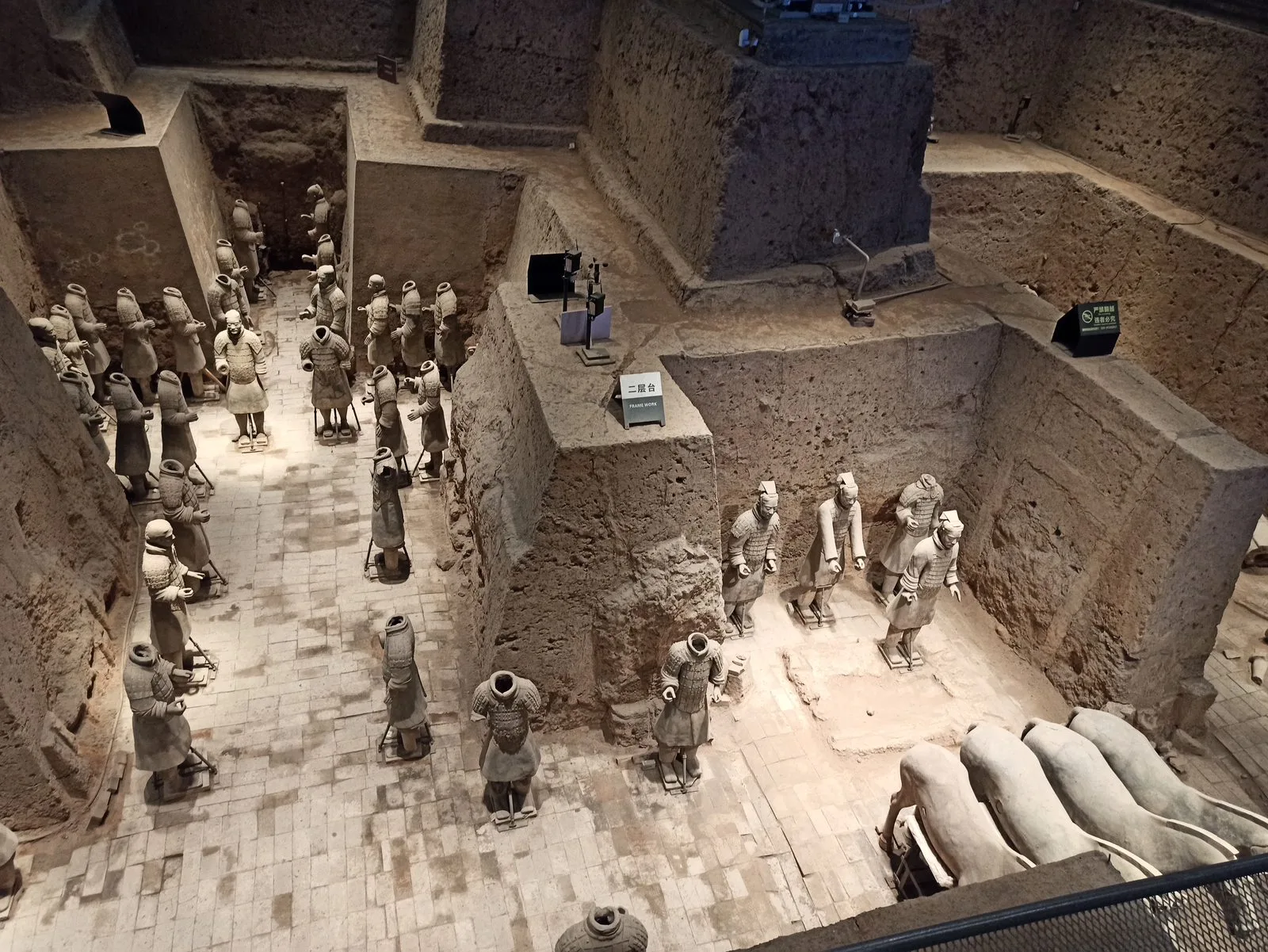
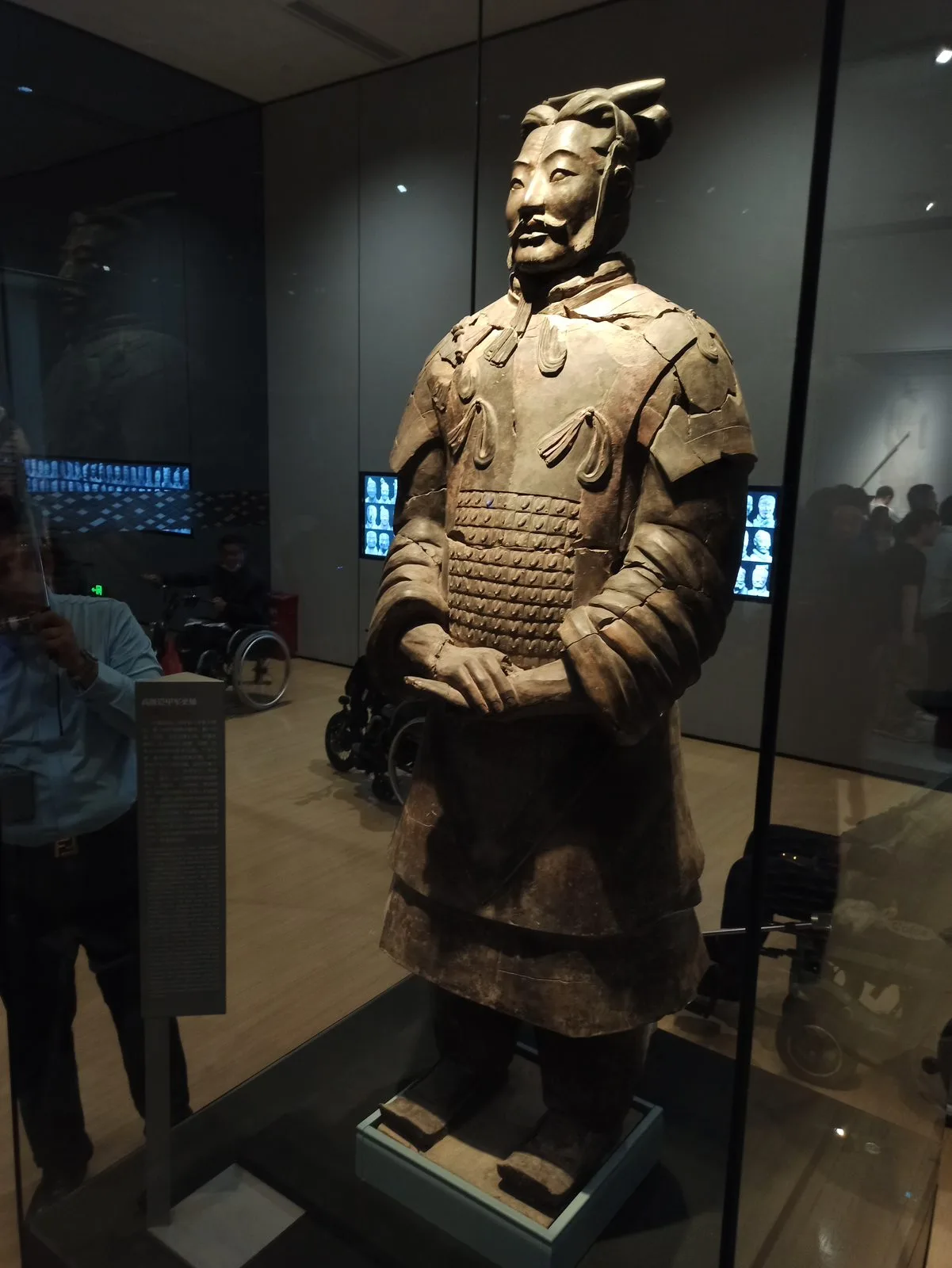
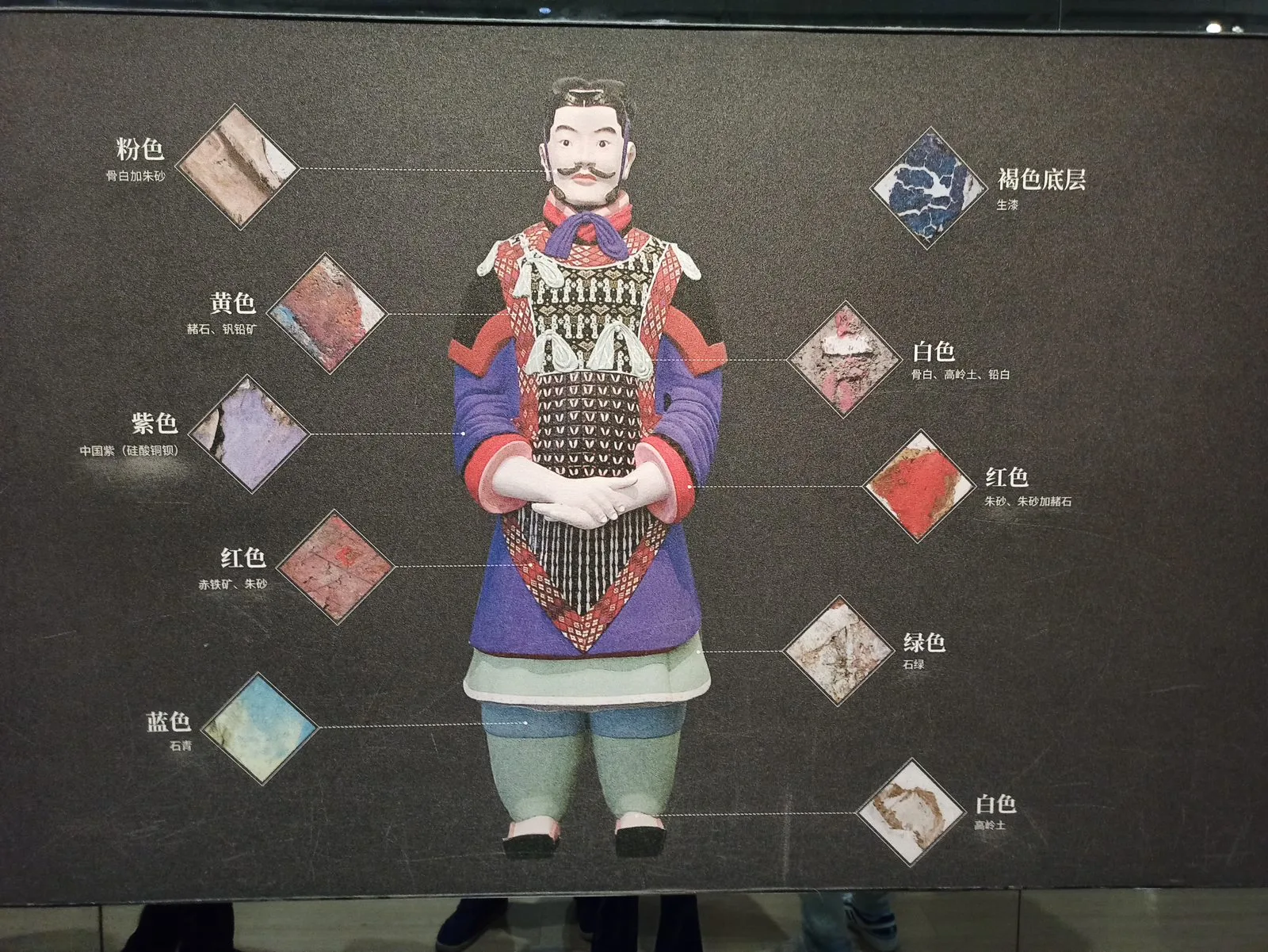
The army was discovered completely by chance in 1974 by farmers digging a well. We were told that the pits contain over 8,000 life-size clay figures – soldiers, horses, chariots and more – arranged for a campaign and guarding the emperor’s tomb and his path to the afterlife. In fact, 8,000 is the estimate for everything in the pits – about 2,000 figures have been excavated so far, and the rest still lie underground. I found it very interesting that in places the figures are covered with plastic film. The reason is that they were once painted, but as soon as air comes into contact with the paint, it begins to break down – the lacquer underneath wrinkles within seconds and flakes off within minutes. So they try to preserve as much of the colour as possible, and as soon as even a little paint appears, they cover it.
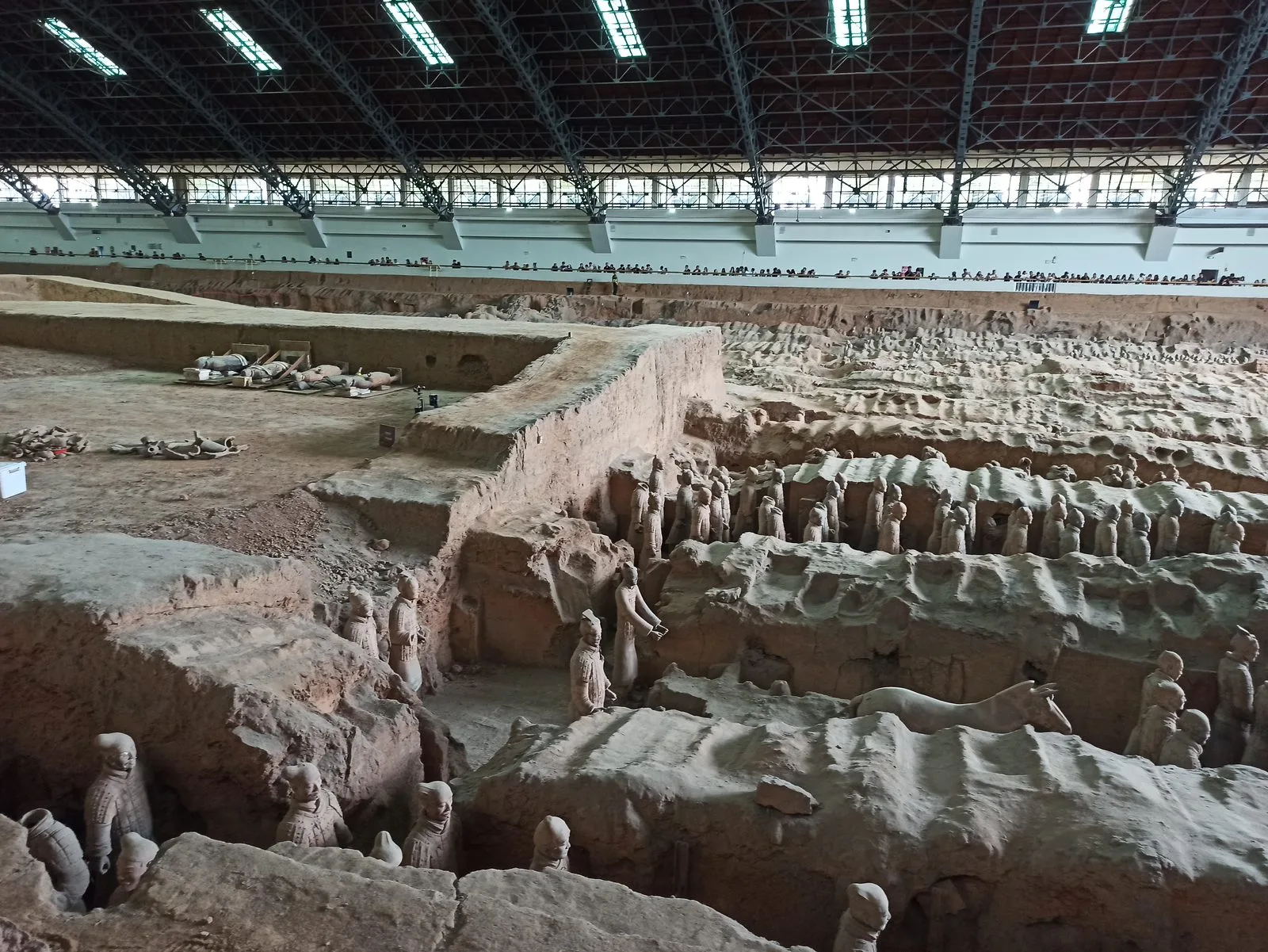
It’s also interesting that almost no figure was found intact. The roofs of the pits collapsed, and under the weight of the earth the figures shattered, so they have to be put back together afterwards. In one spot there may be pieces of several sculptures, and the puzzle becomes very complicated.
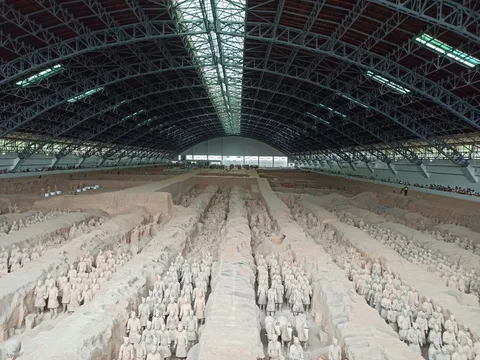 Pit No. 1 – the largest; it is thought to hold about 6,000 figures
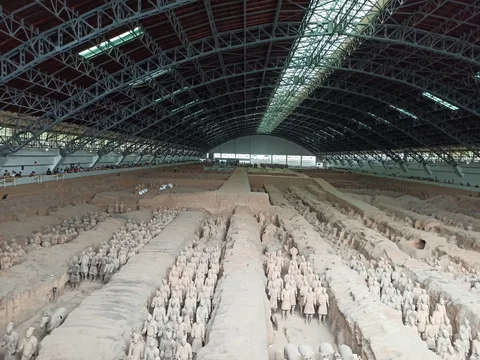 The rows of infantry, facing east
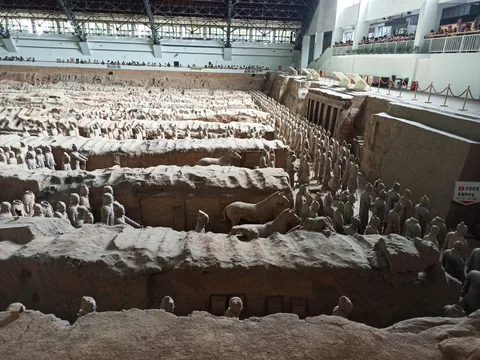 Clay horses in one of the trenches
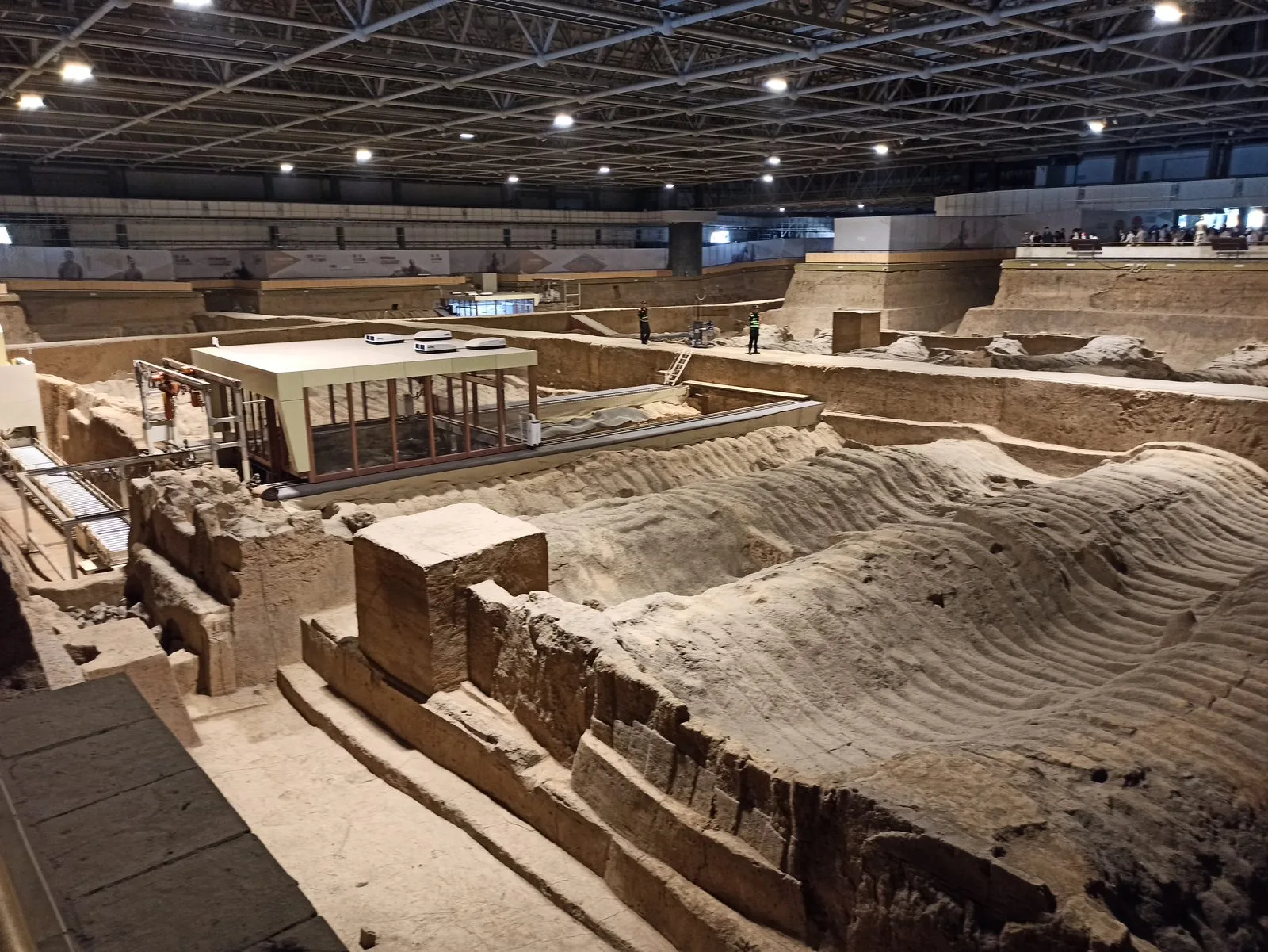
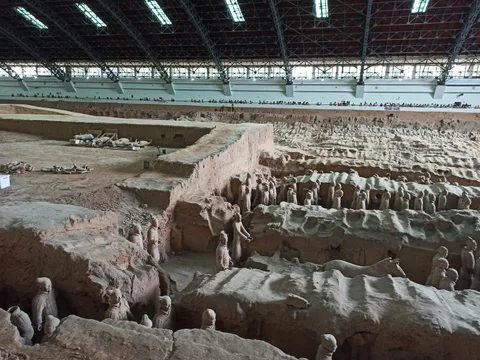 A large part of the pit has not yet been excavated
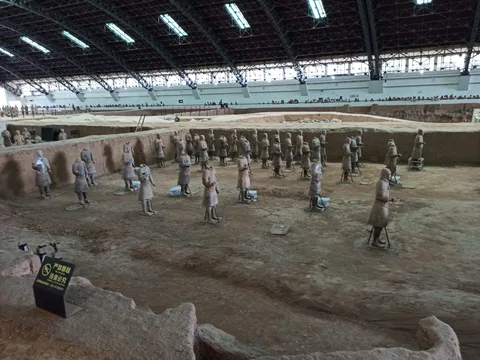 Some of the figures have been restored, others are still waiting their turn
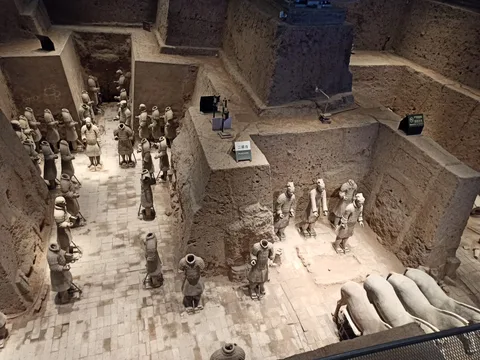 Pit No. 3 – thought to be the army’s command headquarters
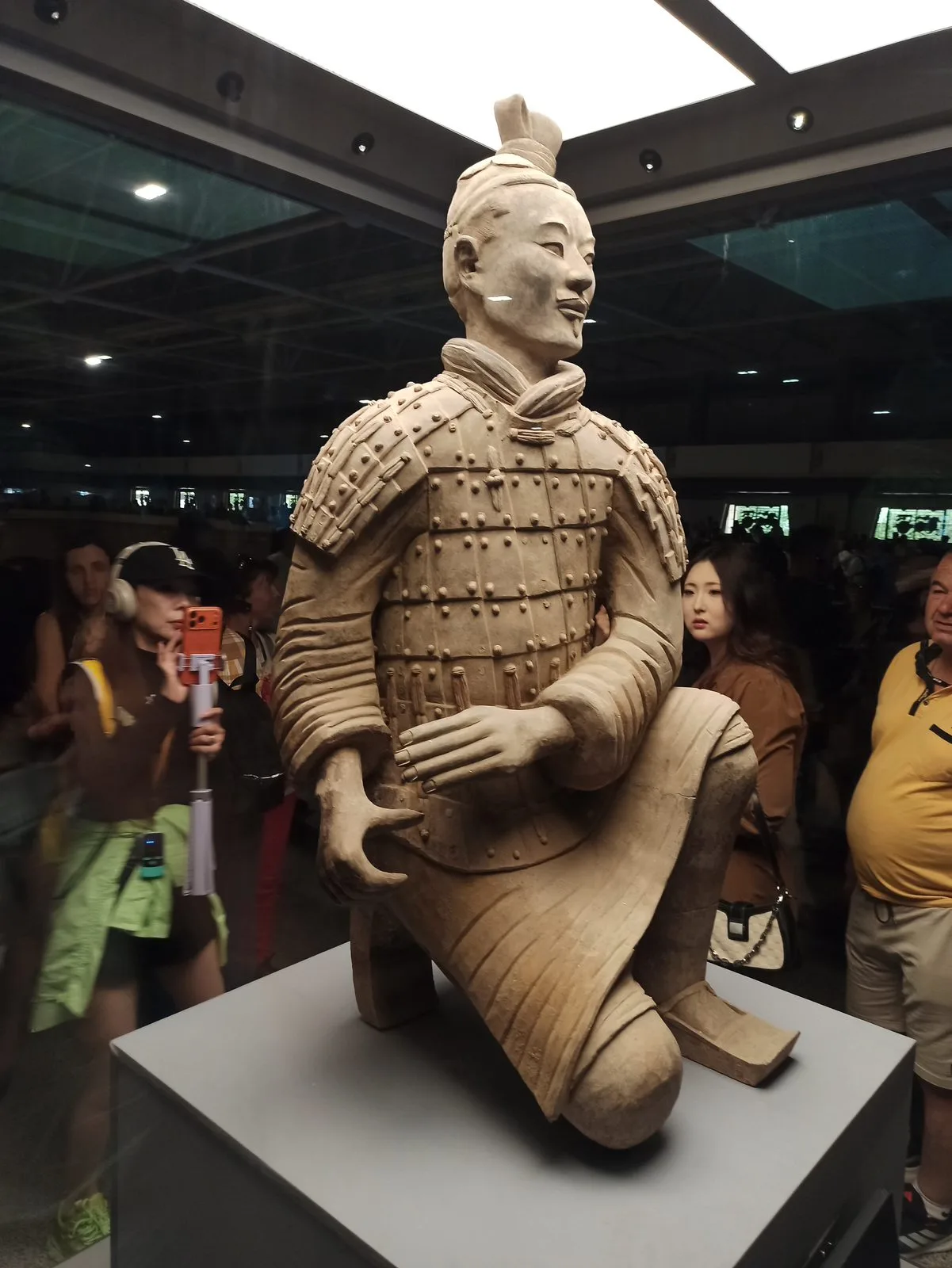
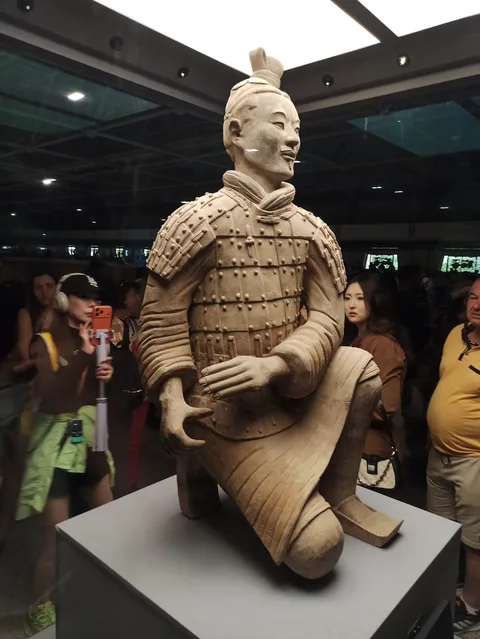 The kneeling archer – the best-preserved figure found so far
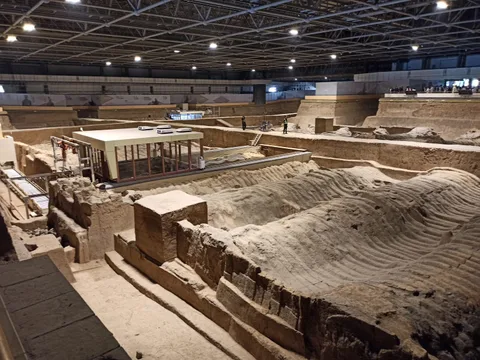 Pit No. 2 – unexcavated figures still lie under these waves of earth
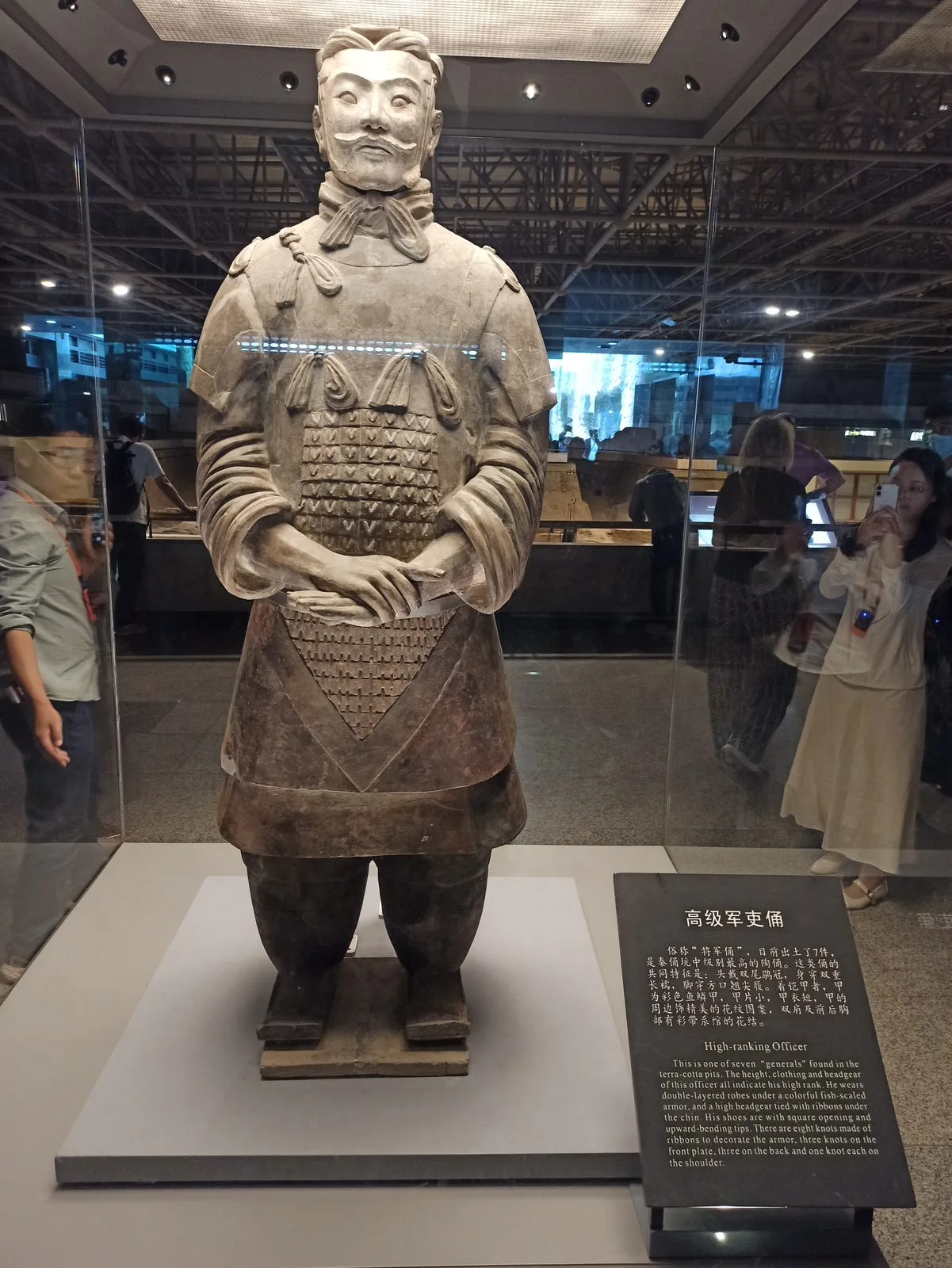
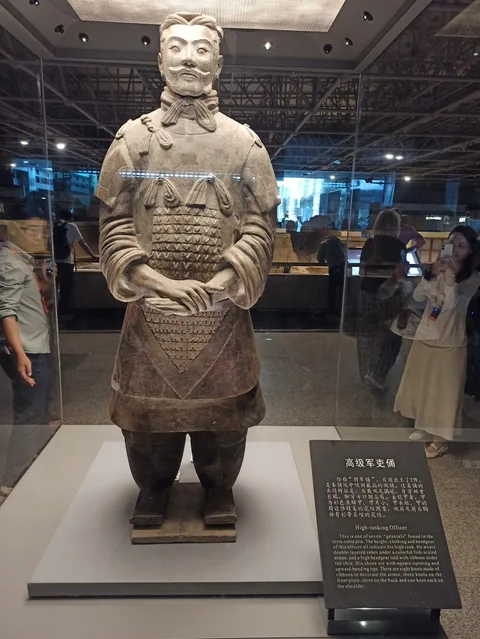 A high-ranking officer – only a handful of these “generals” have been found
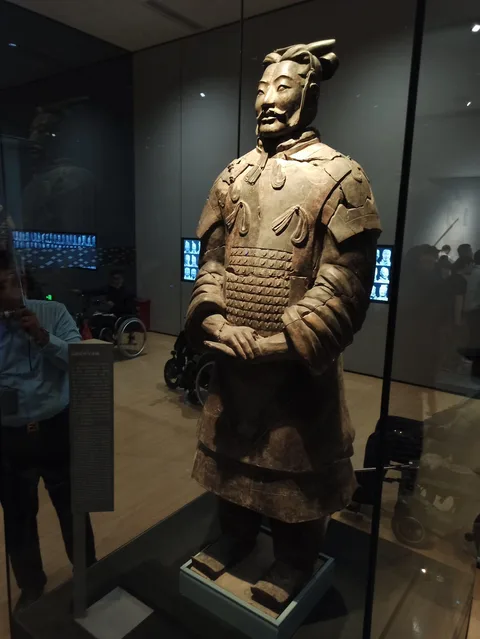 A general of the army
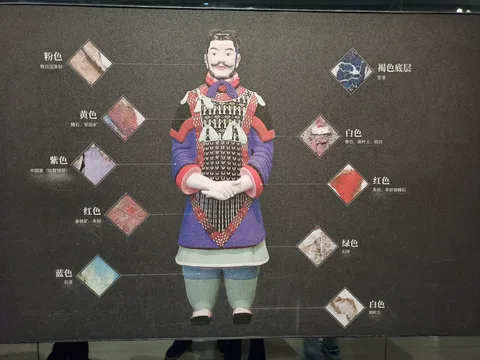 A reconstruction of the original colours – the figures were once brightly painted
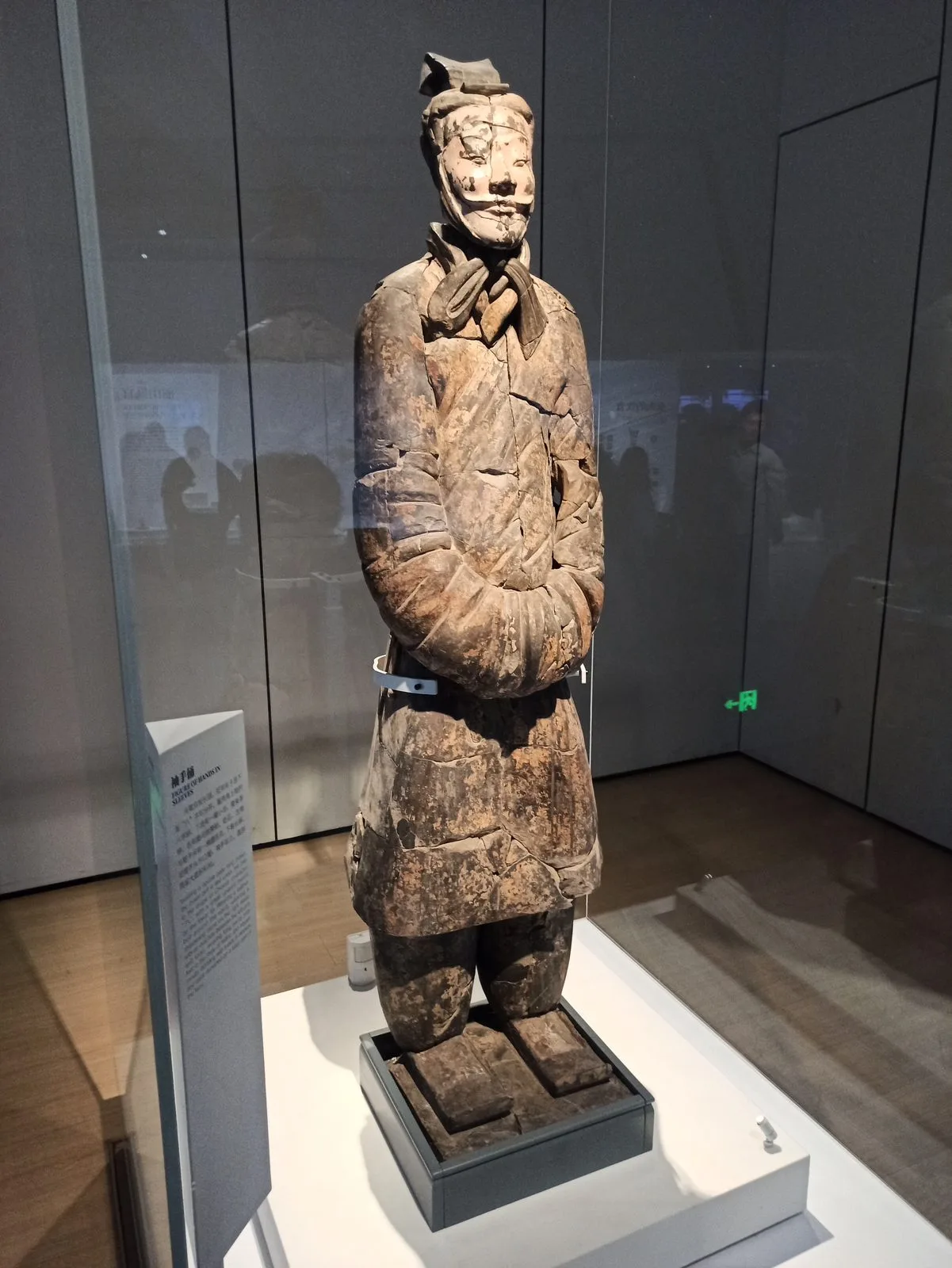
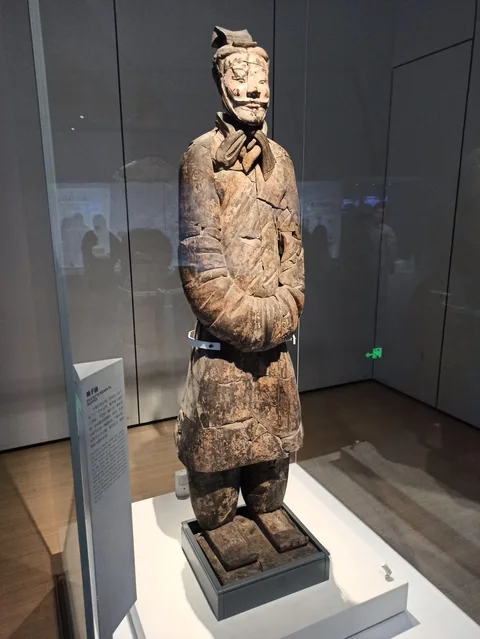 A figure with hands hidden in its sleeves
Xi’an’s Muslim Quarter
If you think all Chinese people follow one religion – or that they are all atheists – you’re wrong. Several main religions are practised in China, but I definitely didn’t expect there to be Muslims too. Yet they have lived in Xi’an for more than a thousand years. The Muslims here are mostly Hui – descendants of Arab and Persian merchants who came along the Silk Road and mixed with the local Chinese – and they have created their own quarter.
It’s very important to know that in the quarter many goods are sold at a large markup and you have to bargain for everything. Be careful, because many things are of low quality but are sold as originals. Also watch out for scams – for example, being given a “prize” coupon that lets you buy something at a discount, but only right now. What they don’t tell you is that the product is worth far less than even the discounted price, but in the euphoria of having won something, you agree to pay much more than it’s worth.
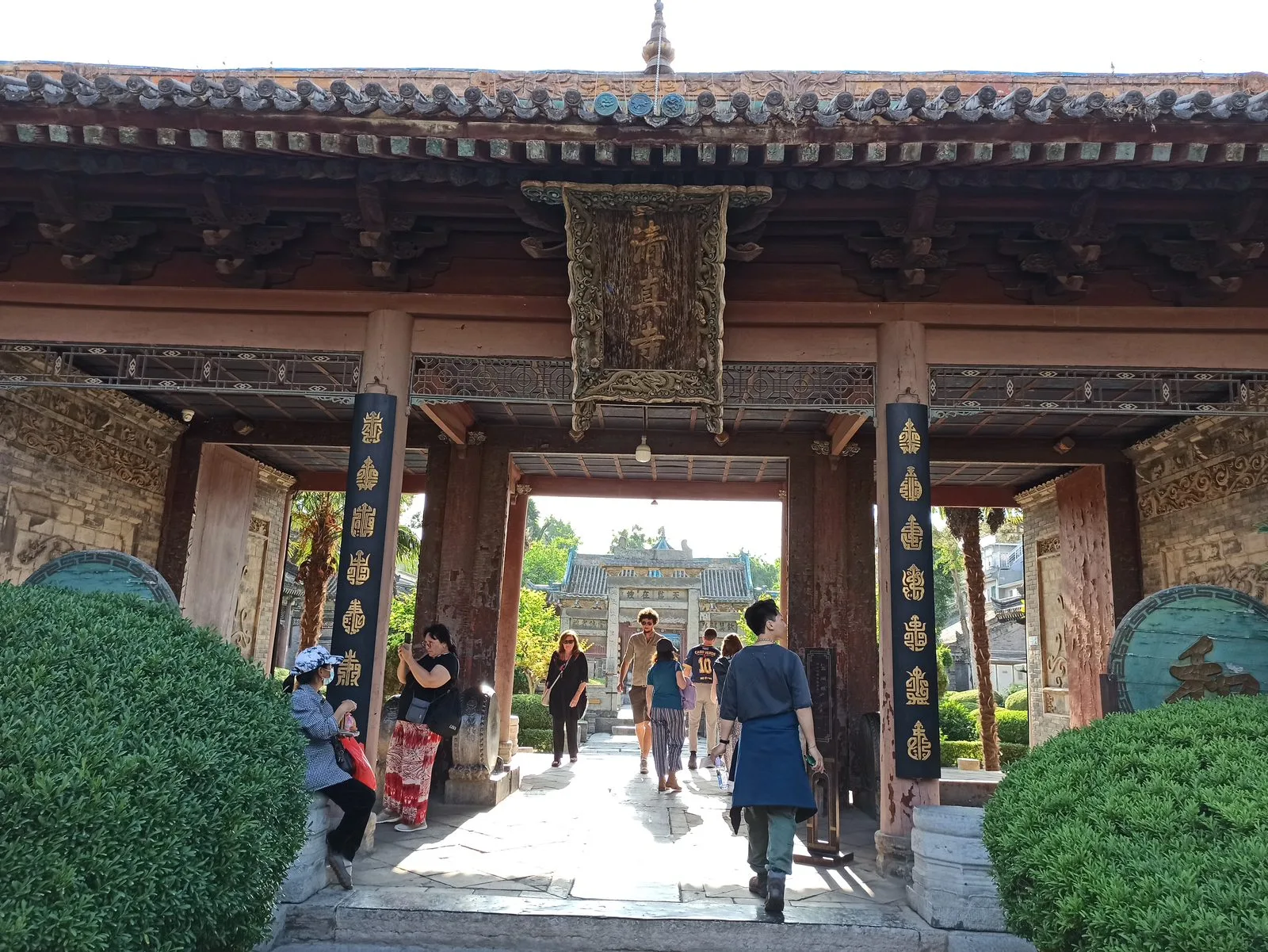
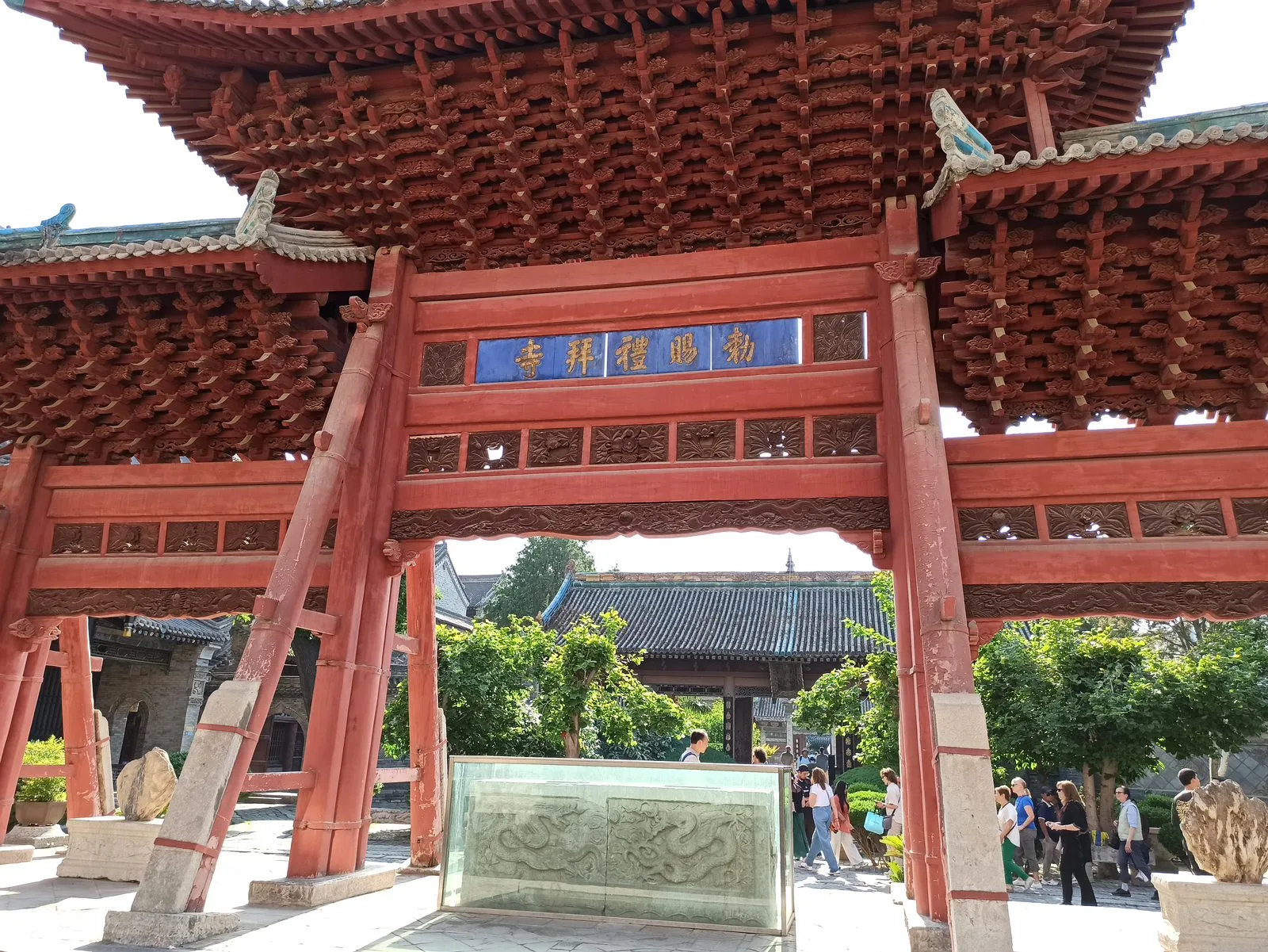
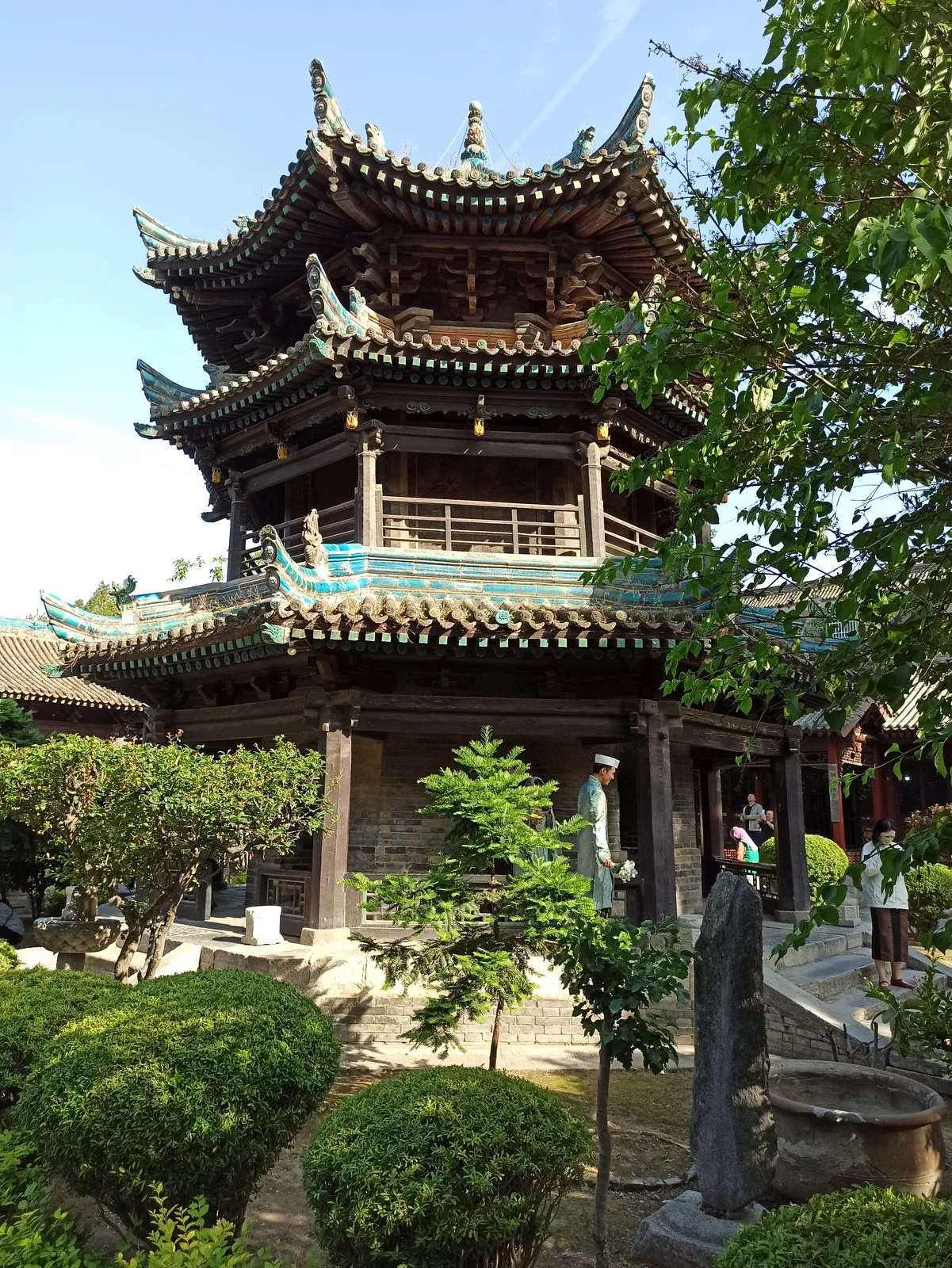
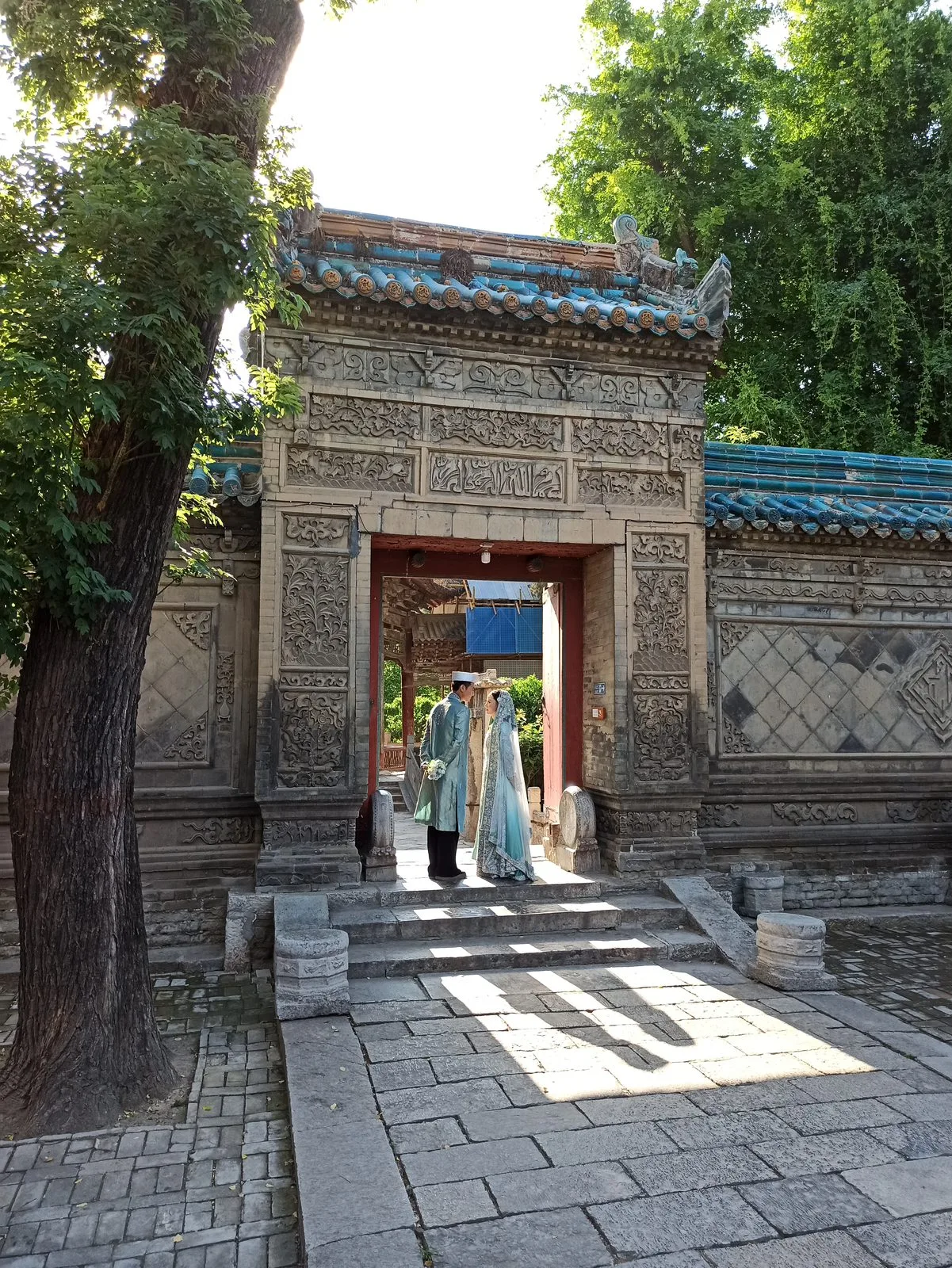
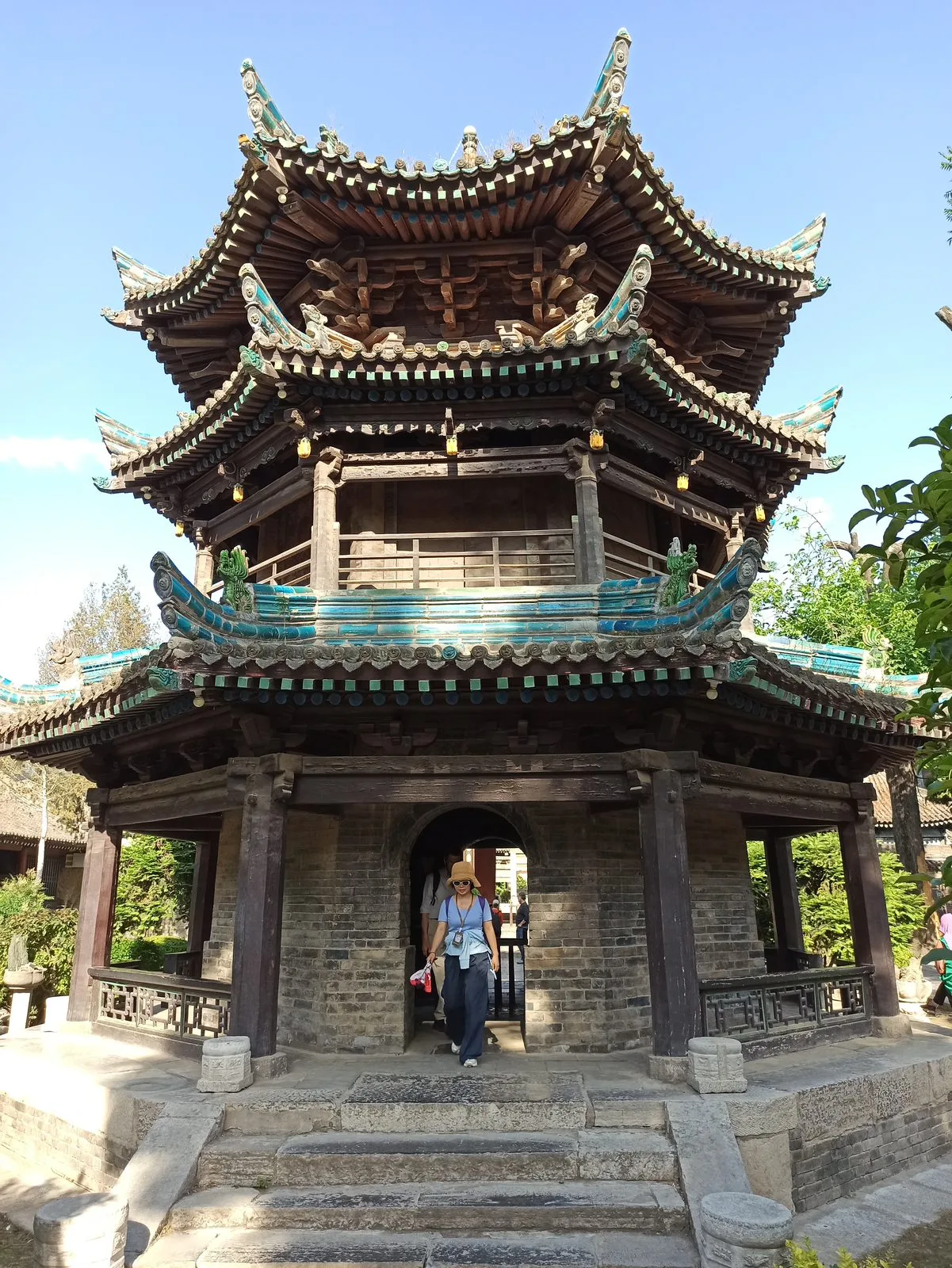
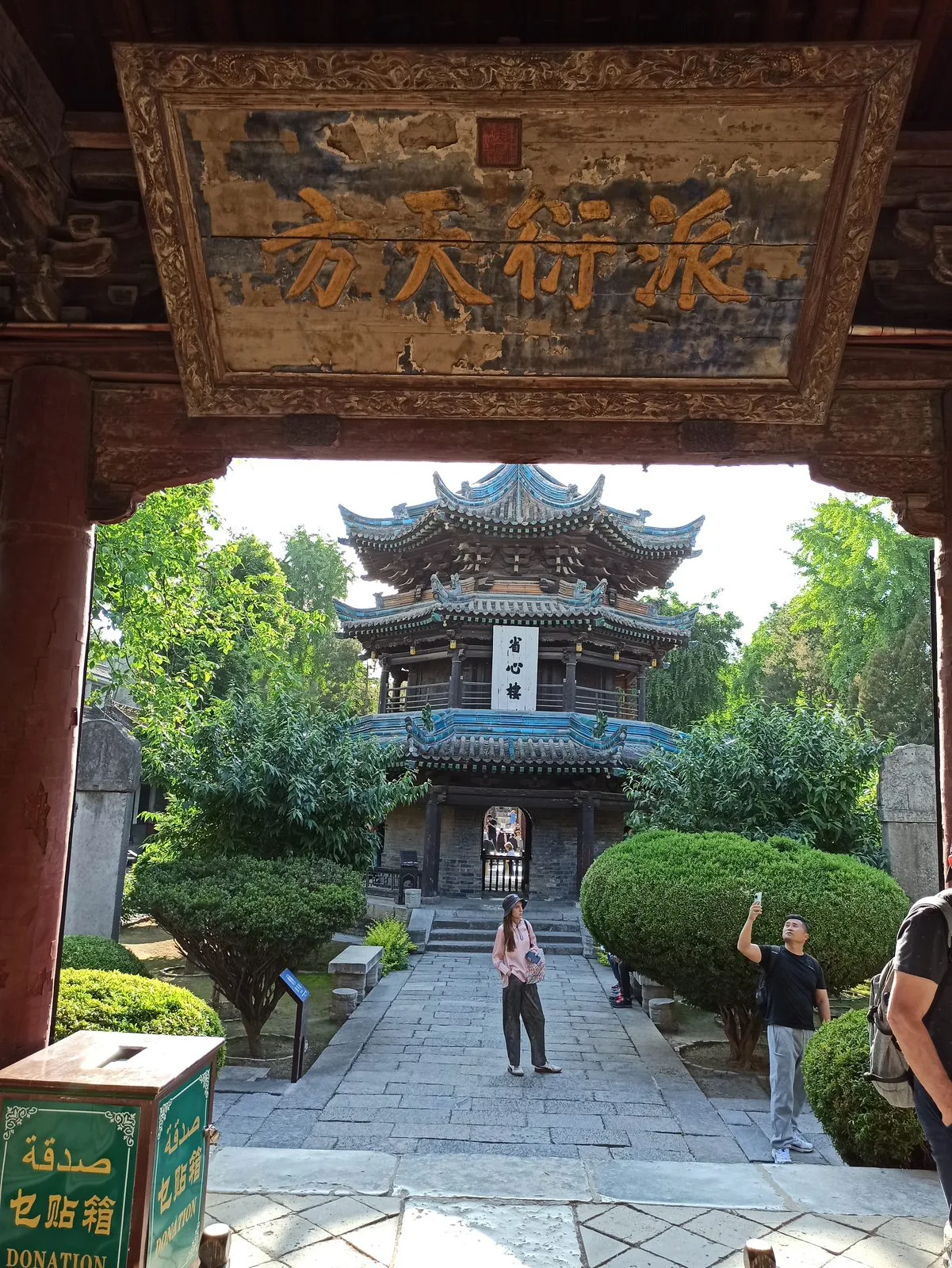
While we were in the quarter, we also visited the Great Mosque, which is built entirely in Chinese style – without a dome and with a minaret that looks like a pagoda. It’s so different from anything we’ve seen elsewhere in the world that it deserves special attention. According to a stele in the courtyard it was founded as early as 742, under the Tang dynasty, although most of today’s buildings date from the Ming and Qing eras. While we were there, we also saw a bride and groom.
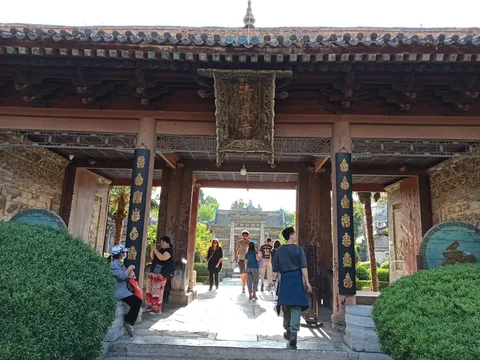 One of the gates between the courtyards
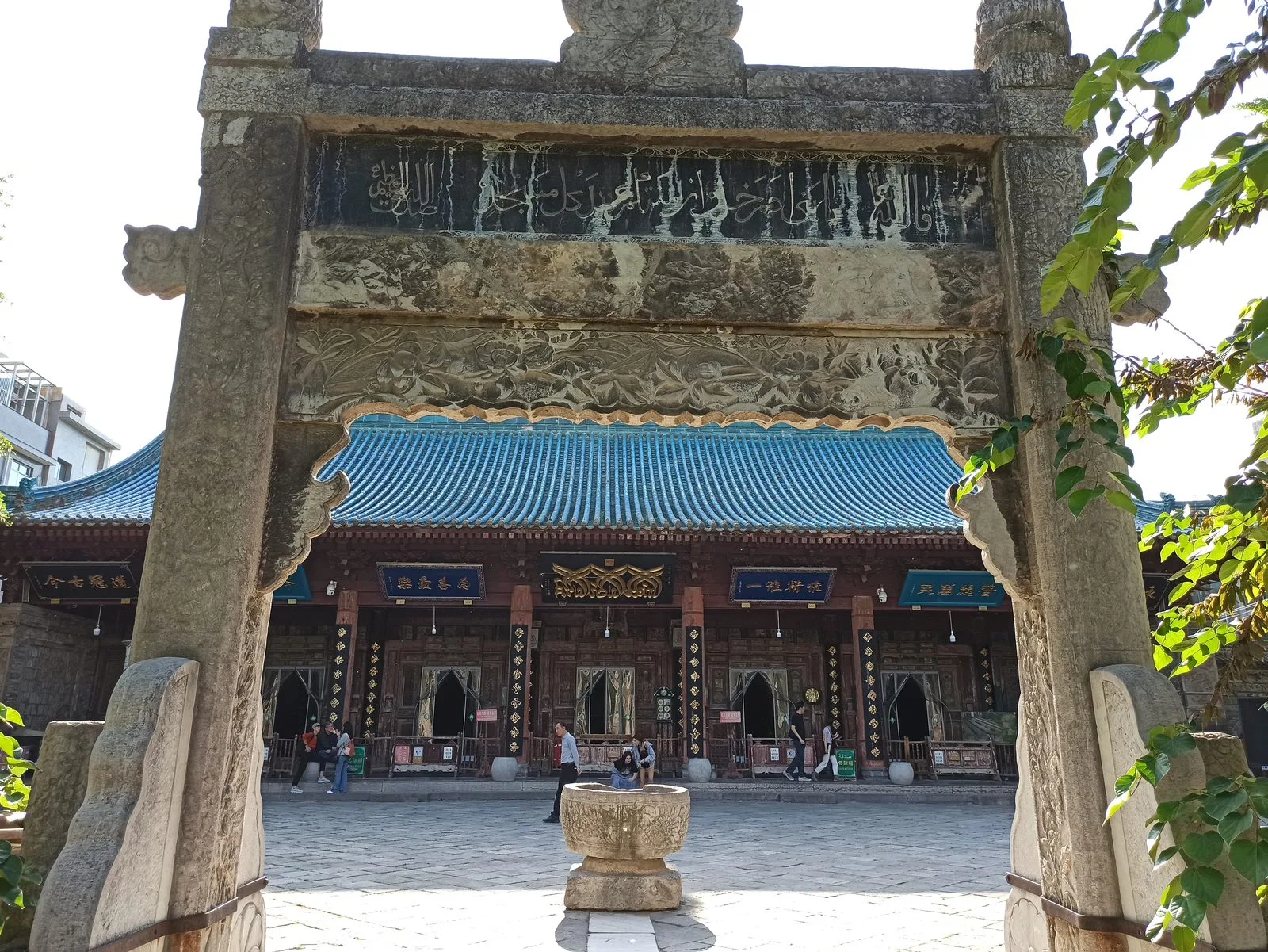
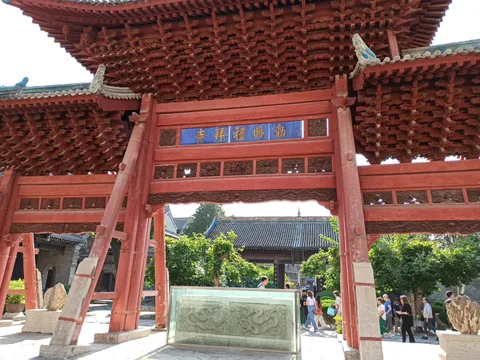 The wooden archway in the first courtyard
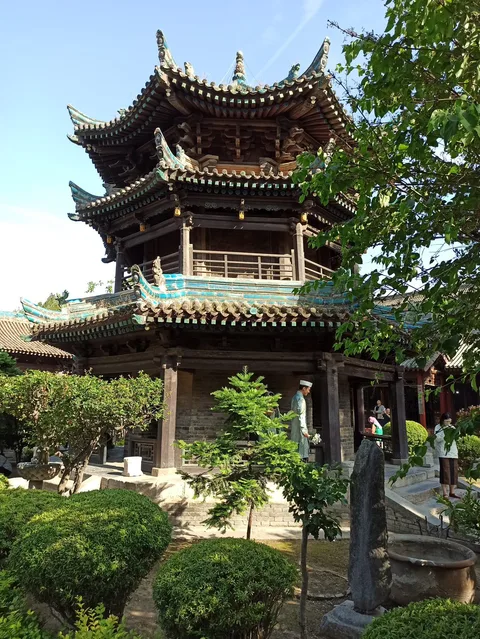 The minaret looks more like a pagoda than a minaret
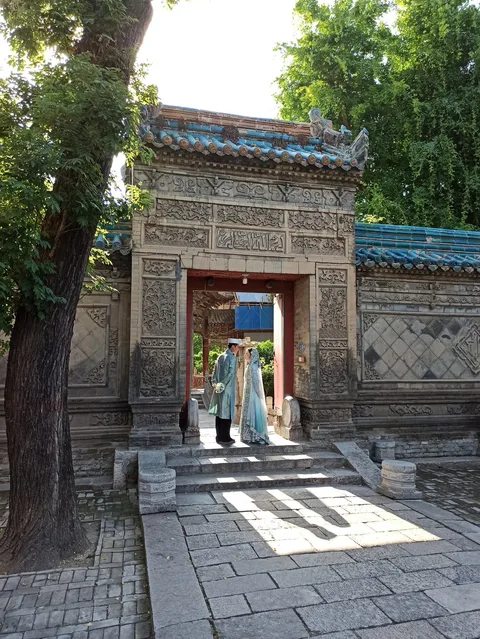 The newlyweds we met
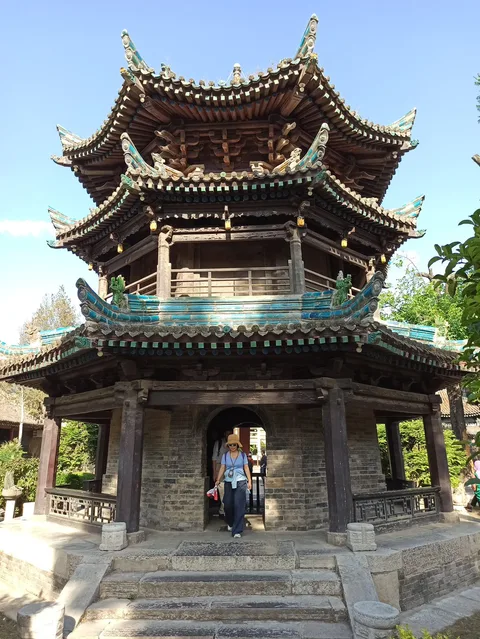 The Introspection Tower – that is what the minaret is called
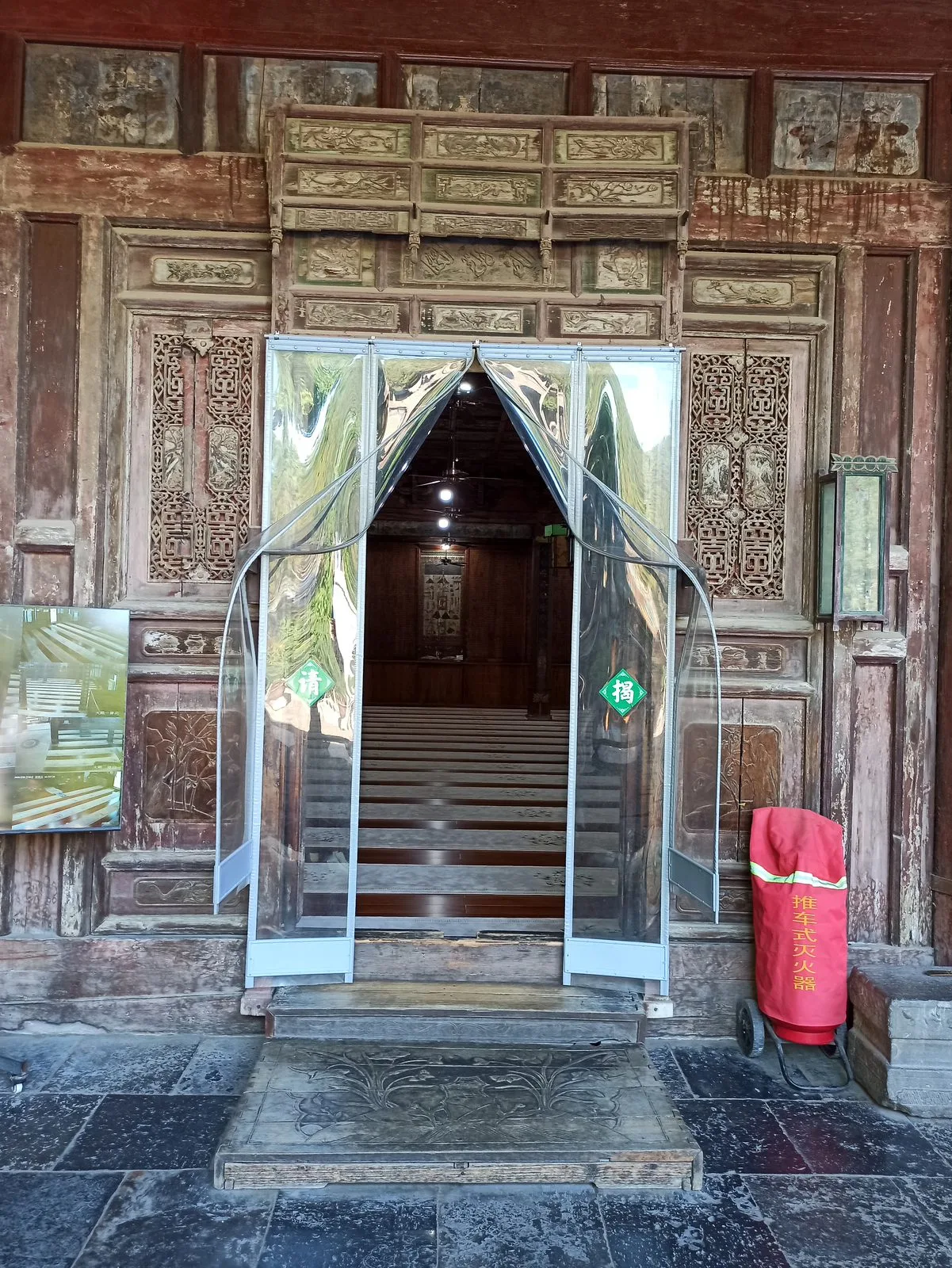
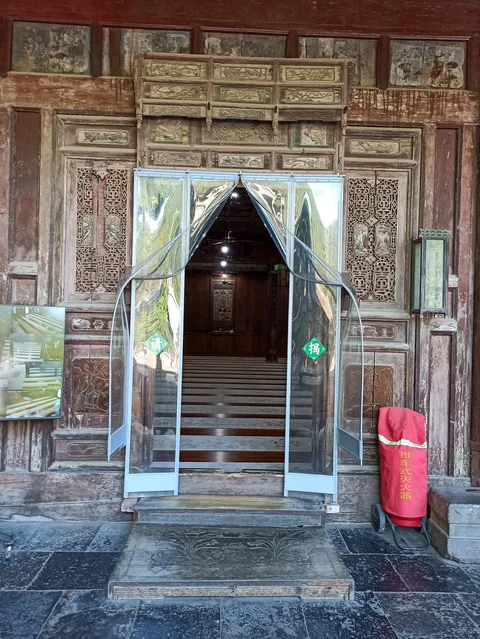 The entrance to the prayer hall
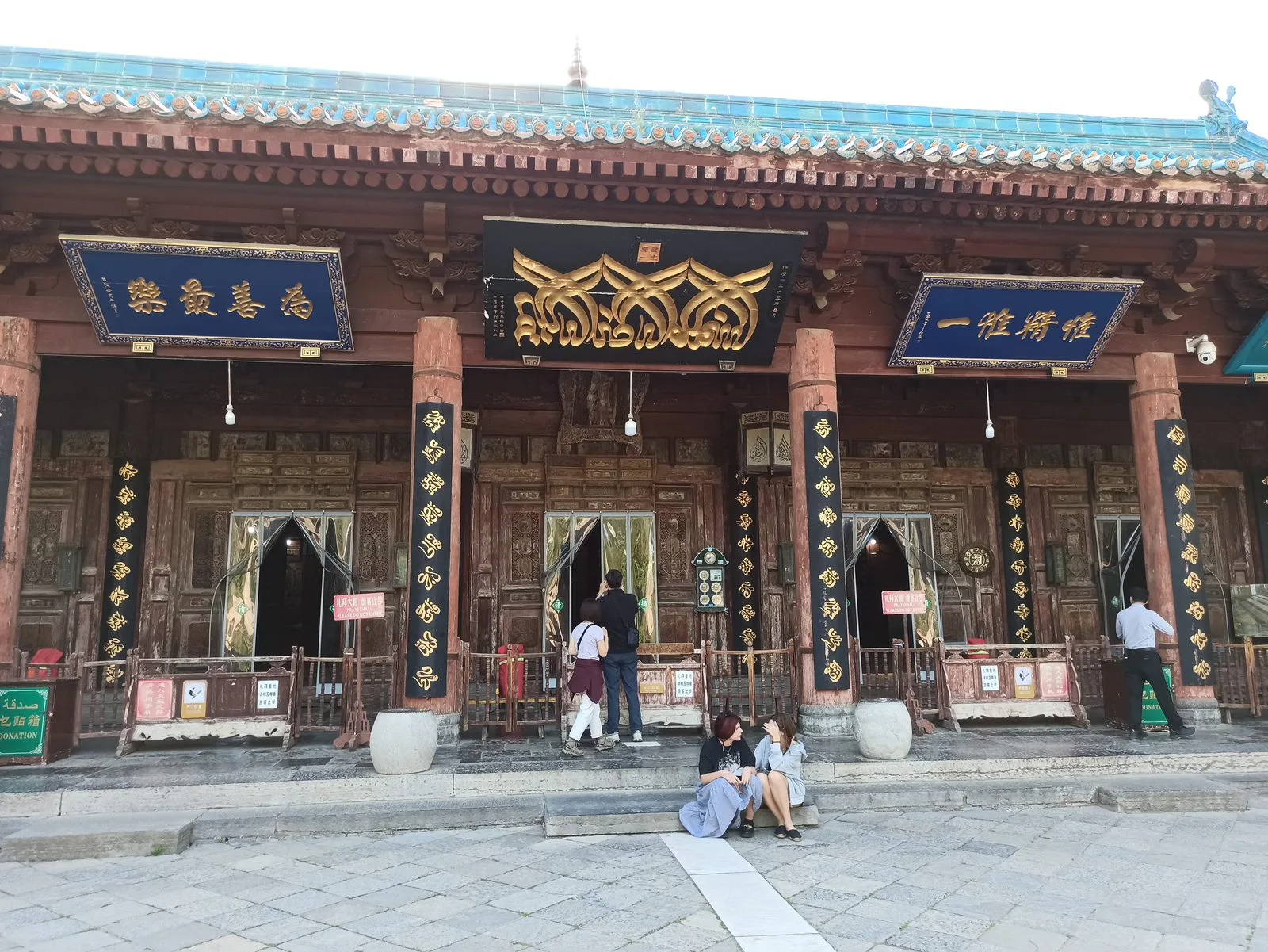
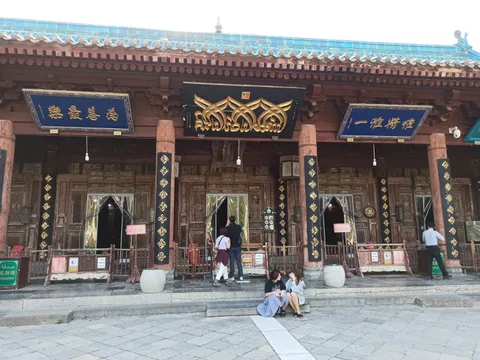 The prayer hall – a Chinese roof and Arabic calligraphy
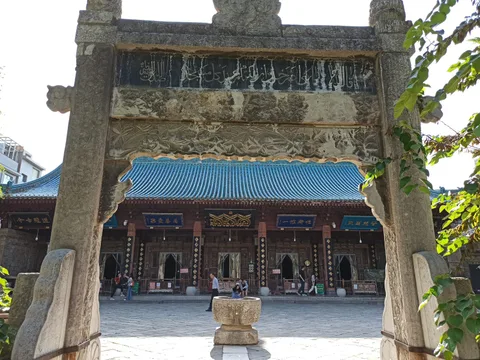 A stone archway with Arabic inscriptions
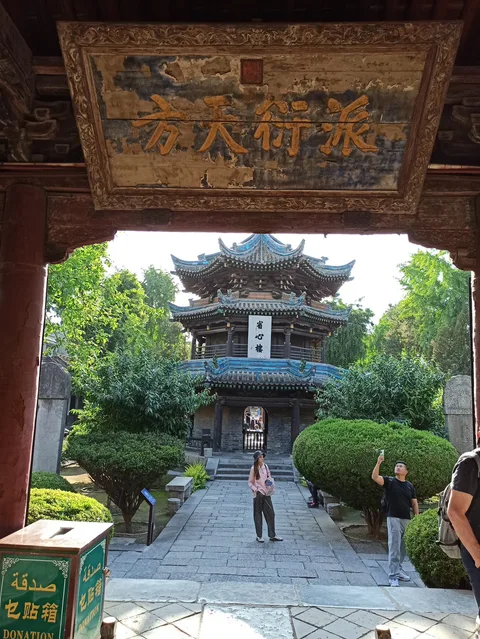 The inscription “Pai Yan Tianfang” – “Tianfang” is the old Chinese name for Arabia; the plaque is said to be a gift from Empress Dowager Cixi
The “Tang Dynasty” show
After the long day we went to an incredible show that was described to us as the Chinese “Moulin Rouge”. “Tang Dynasty” is one of the most beautiful performances in Xi’an – with music, dance, lavish costumes and traditional instruments, it recreates life at the imperial court of about 1,300 years ago.
Along the Silk Road, merchants, musicians and travellers from Persia, India and Central Asia came to the city. That’s why the show contains many motifs not only from Chinese culture, but from others too.
What impressed me most were the beautiful dances with the long silk sleeves. They are historically inspired, but unfortunately the dances themselves have not survived from ancient times. In the 20th century Chinese artists and choreographers began studying ancient murals, sculptures and texts to reconstruct an idea of the dances from the time of the Tang dynasty.
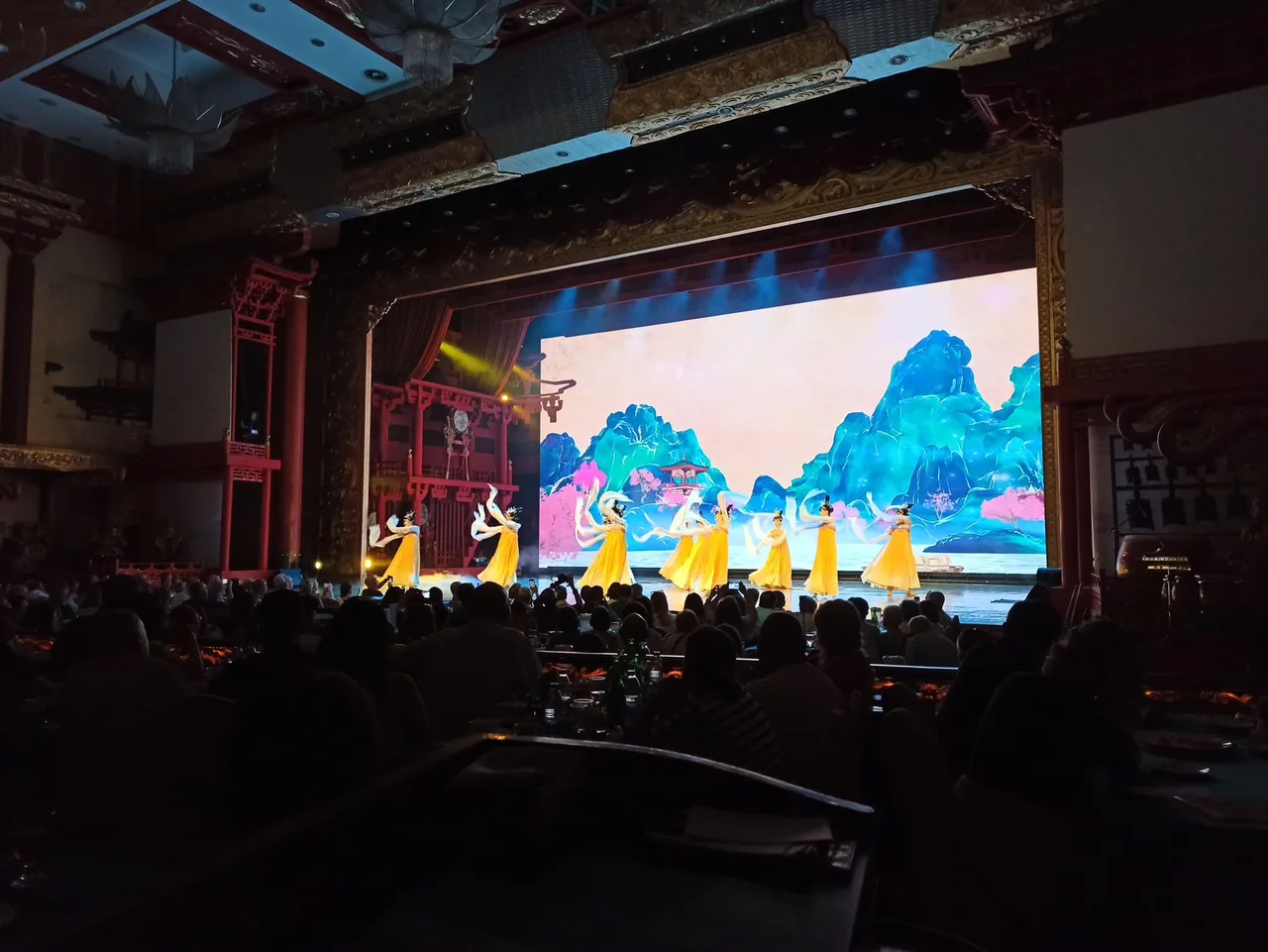
For me it was as if I had walked into the film “Crouching Tiger, Hidden Dragon”: something incredible was being danced in front of me, traditional music was playing on traditional instruments, and we were snacking on Chinese dumplings. Definitely an unforgettable moment.

Guilin
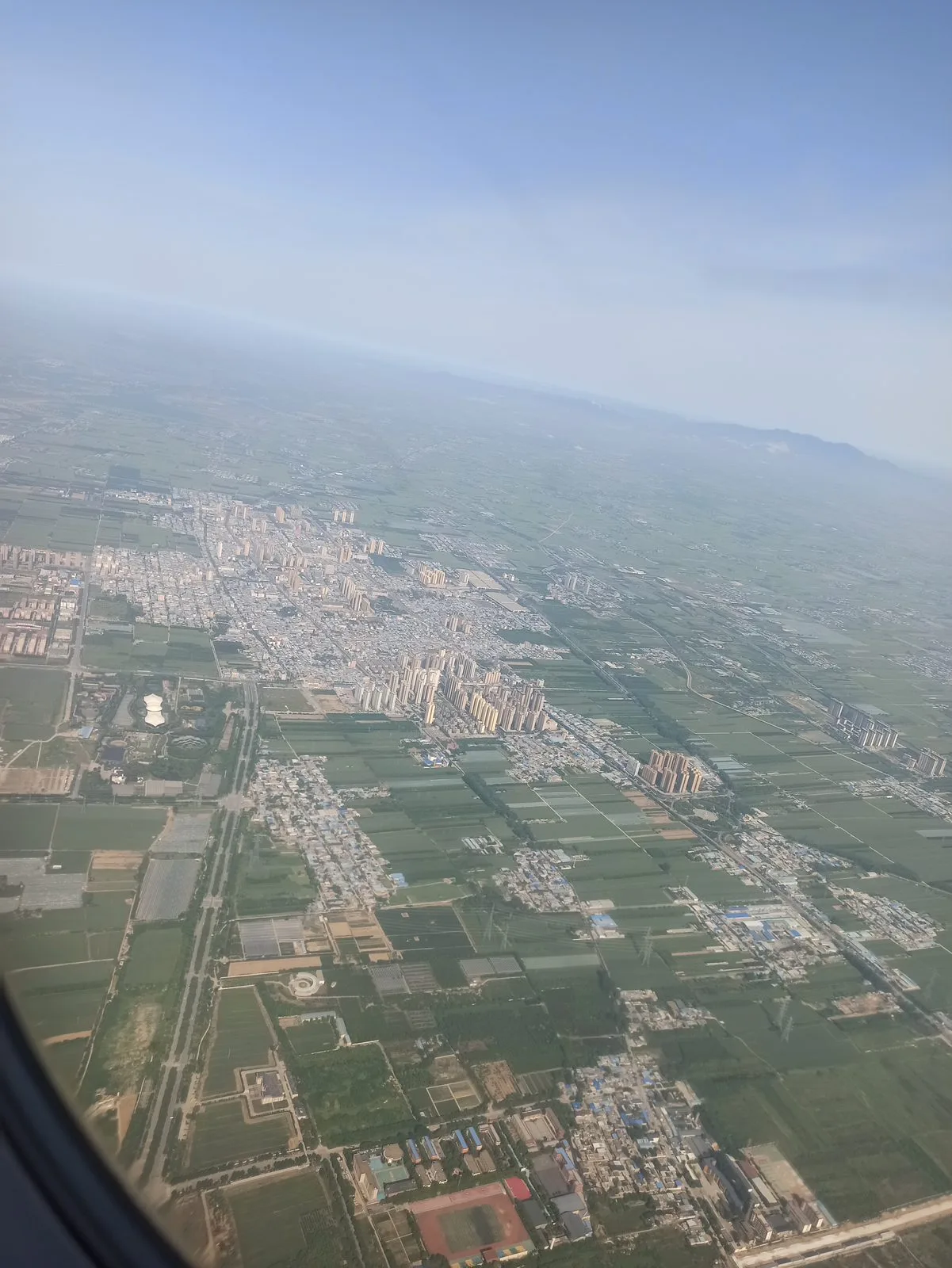
After this whole adventure, which wore us out, we flew south – to a part of China known for its beautiful nature and calm atmosphere. For us it was like a holiday – time to take in everything we had seen and experienced so far, a time when things happen more slowly and calmly. Over the next days I had the feeling we had travelled back in time, which was a pleasant change after the megacities.
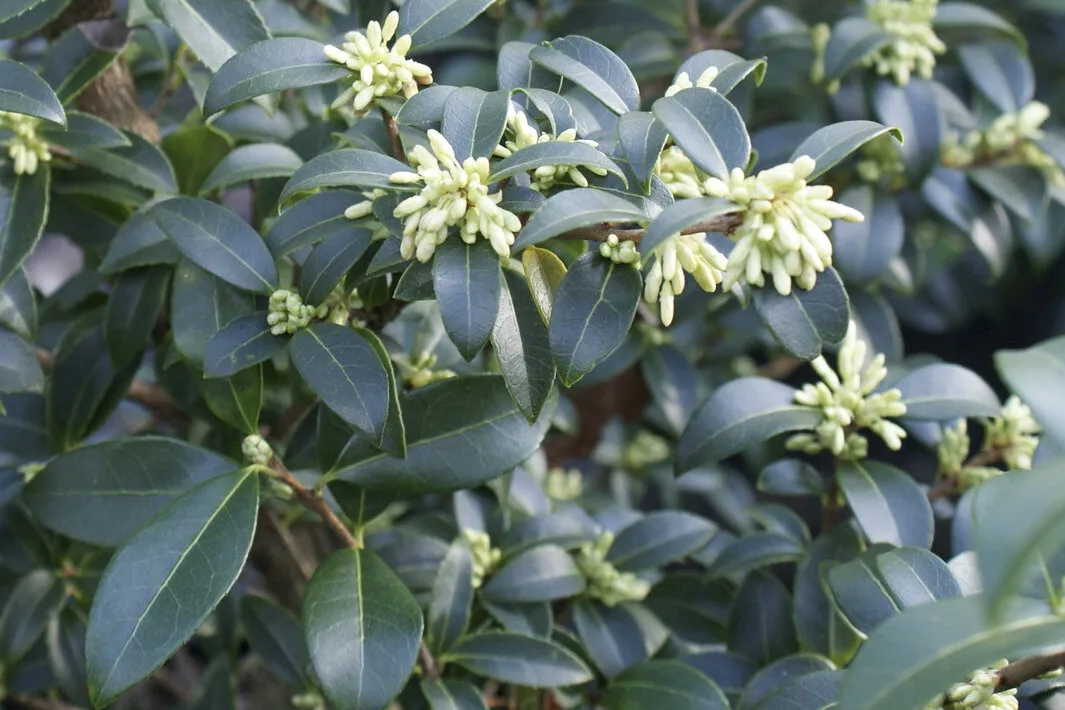
The name Guilin literally means “forest of osmanthus” – a fragrant tree whose small flowers have a sweet scent. The Chinese make tea, sweets and fragrant drinks from them, and in autumn, when the osmanthus blooms, the whole city smells of it.
Guilin is famous for its incredible limestone hills, which rise almost vertically from the plain, for the Li River and for its old Chinese villages. The Chinese have a well-known saying:
“The mountains and waters of Guilin are the most beautiful under Heaven.”
Most people back home have never heard of this place, which is a pity, because for the Chinese it is one of their favourite places for holidays and walks.
Reed Flute Cave
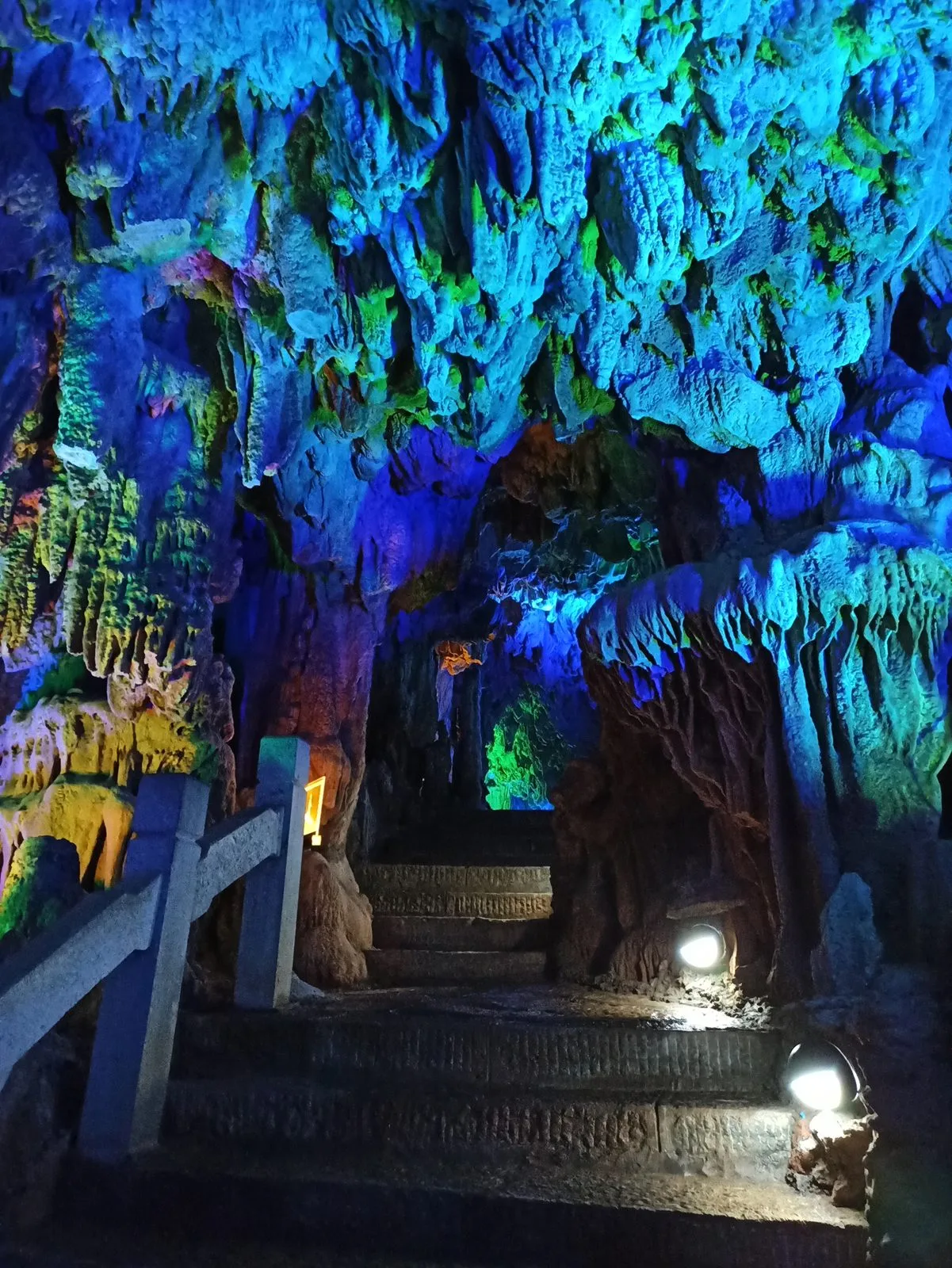
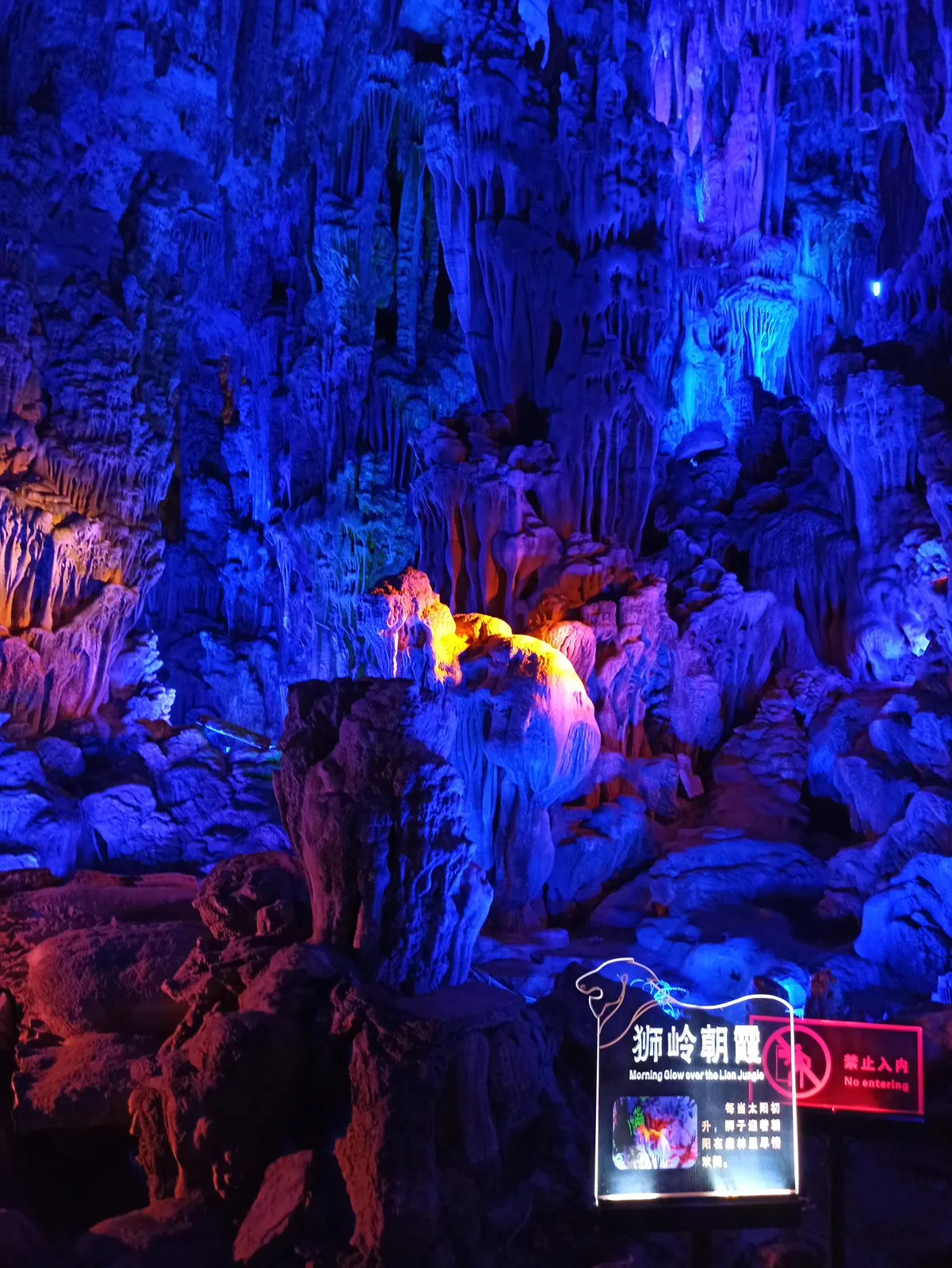
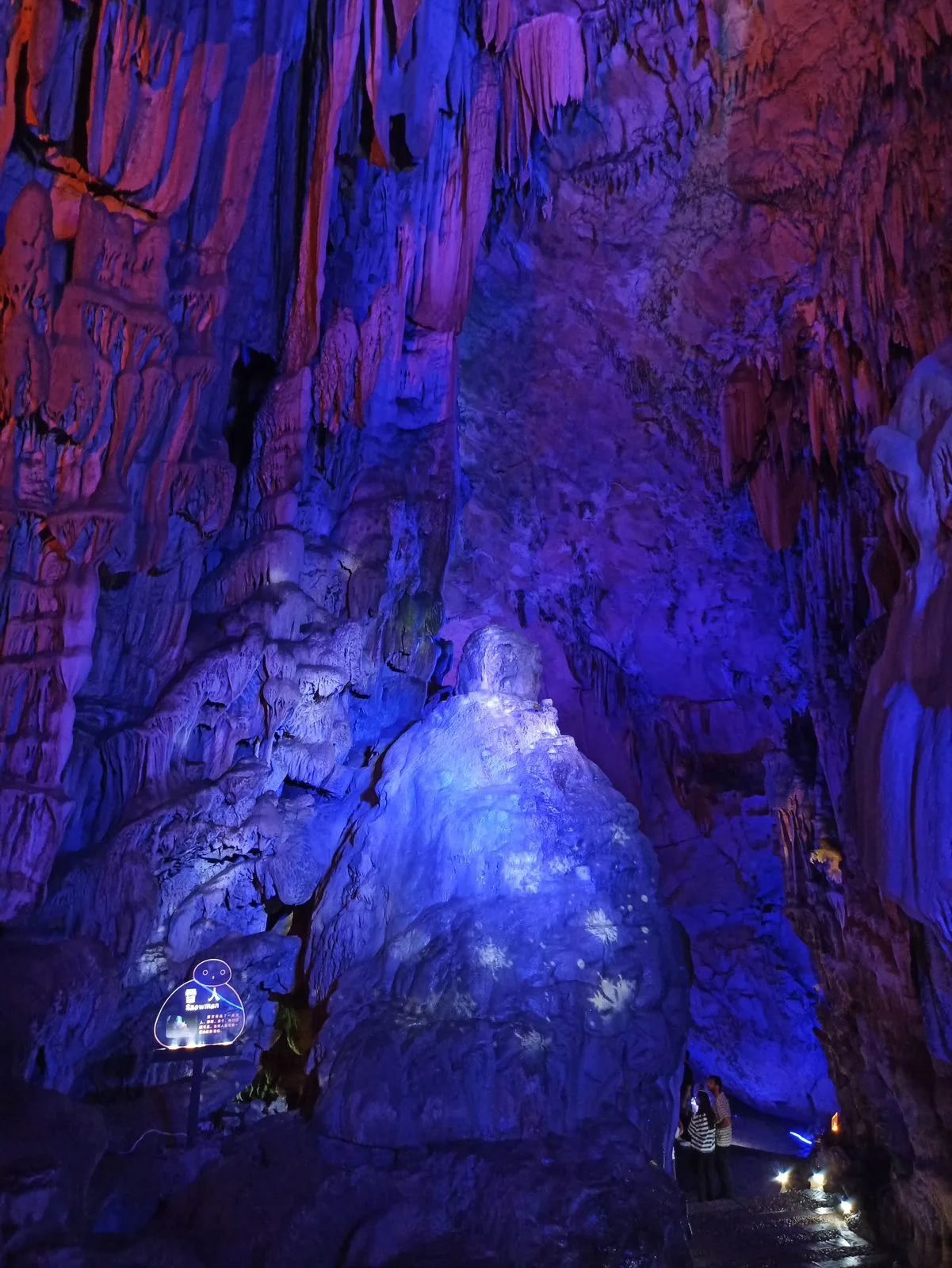
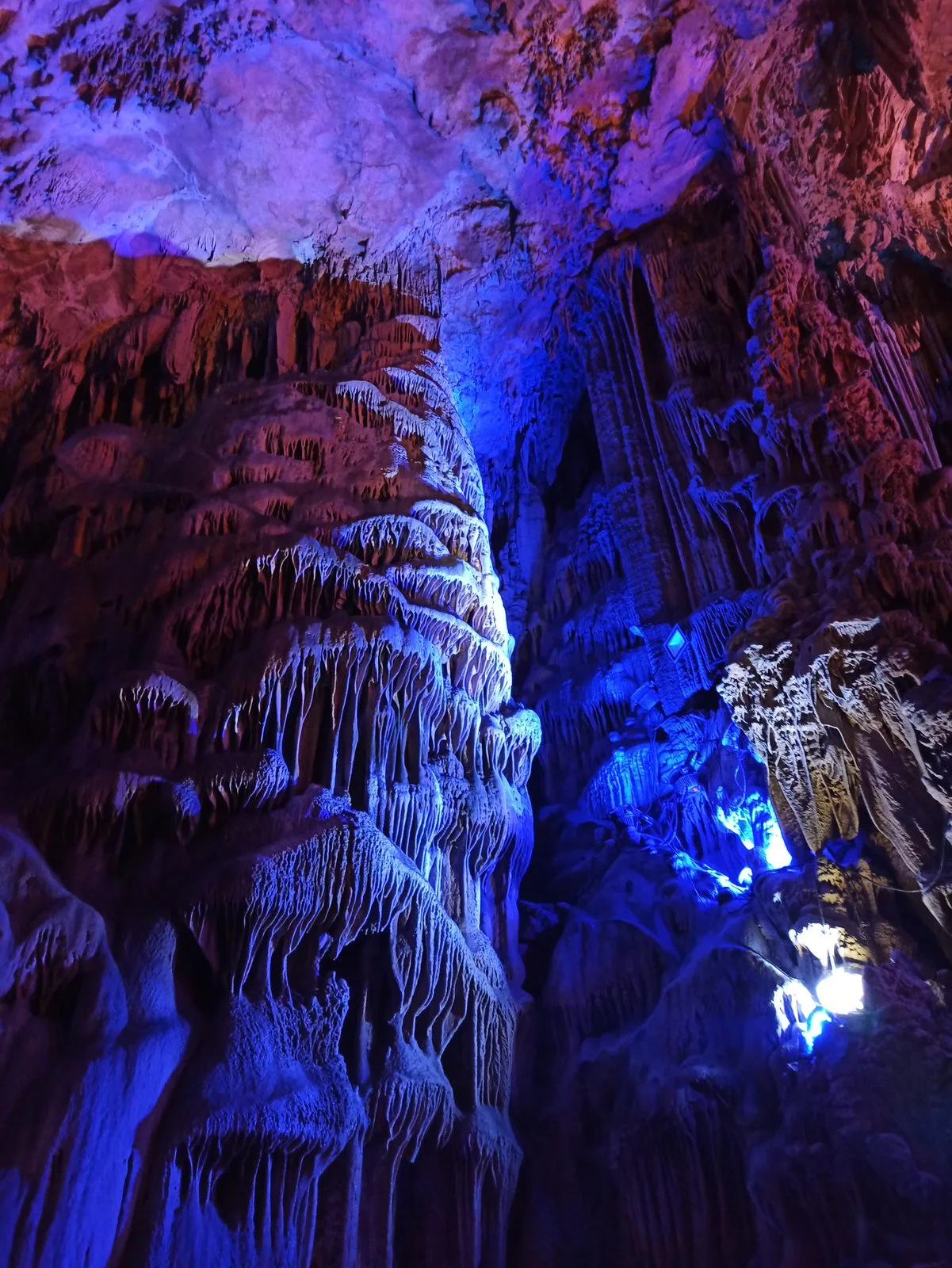
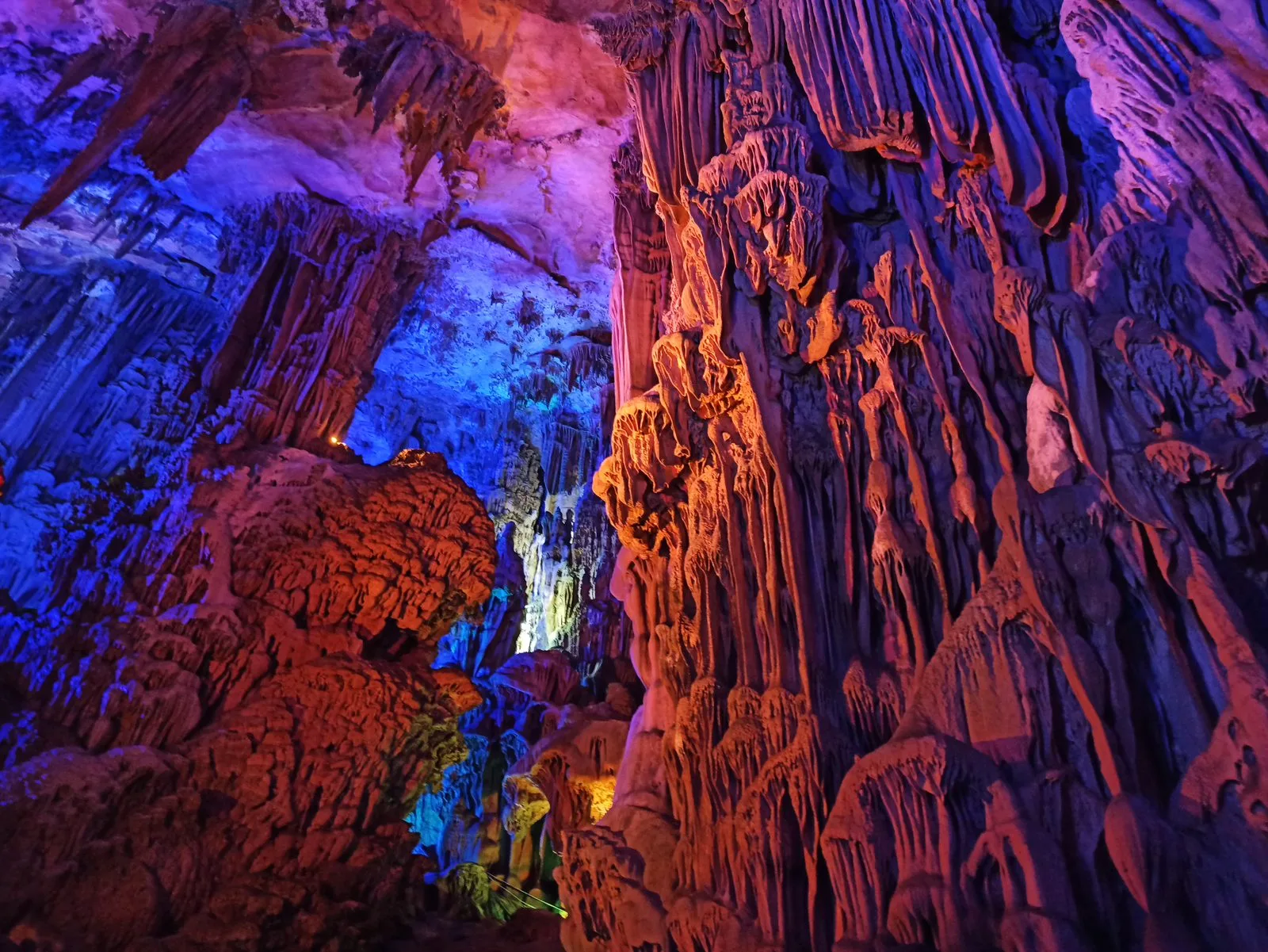
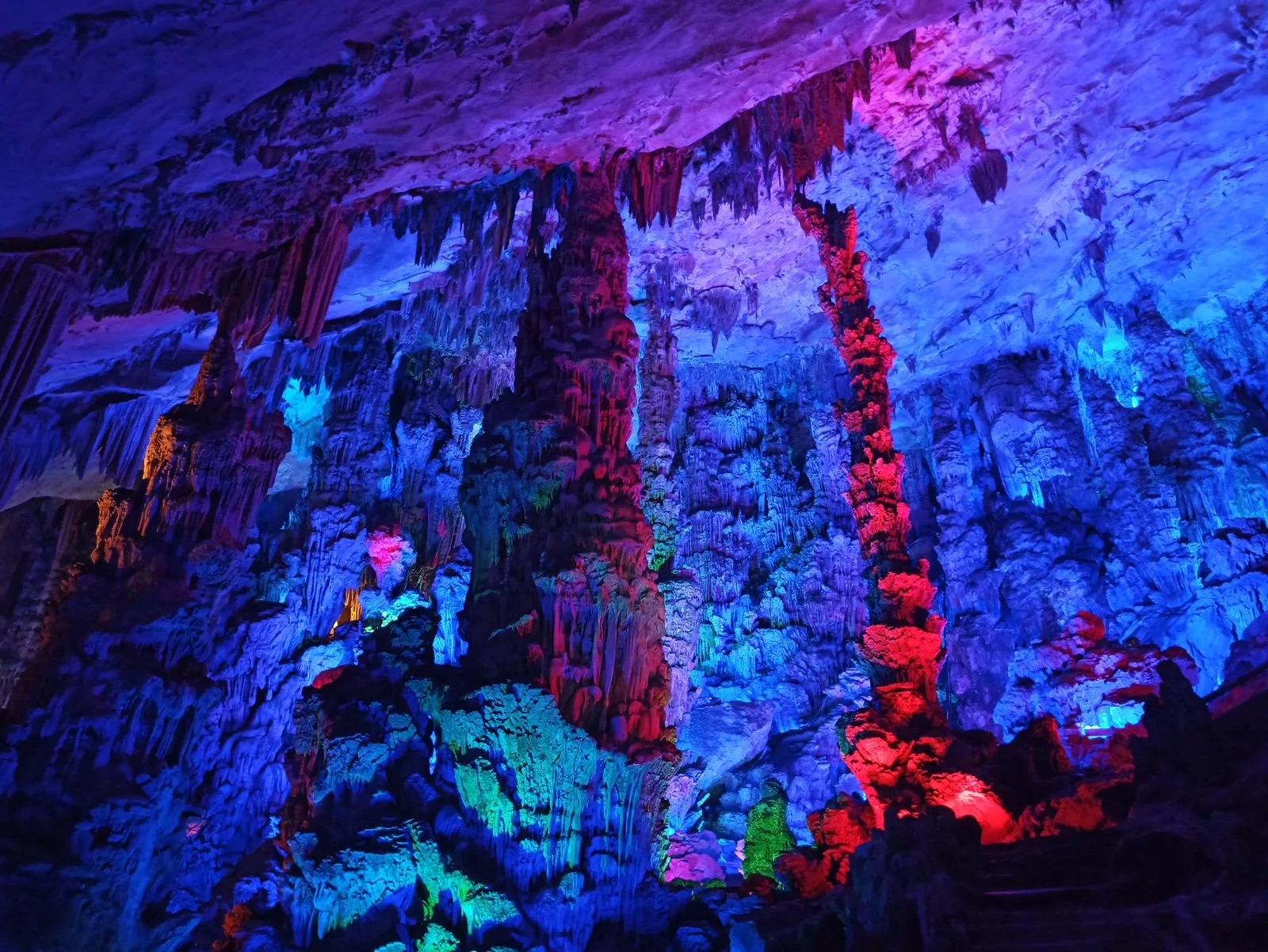
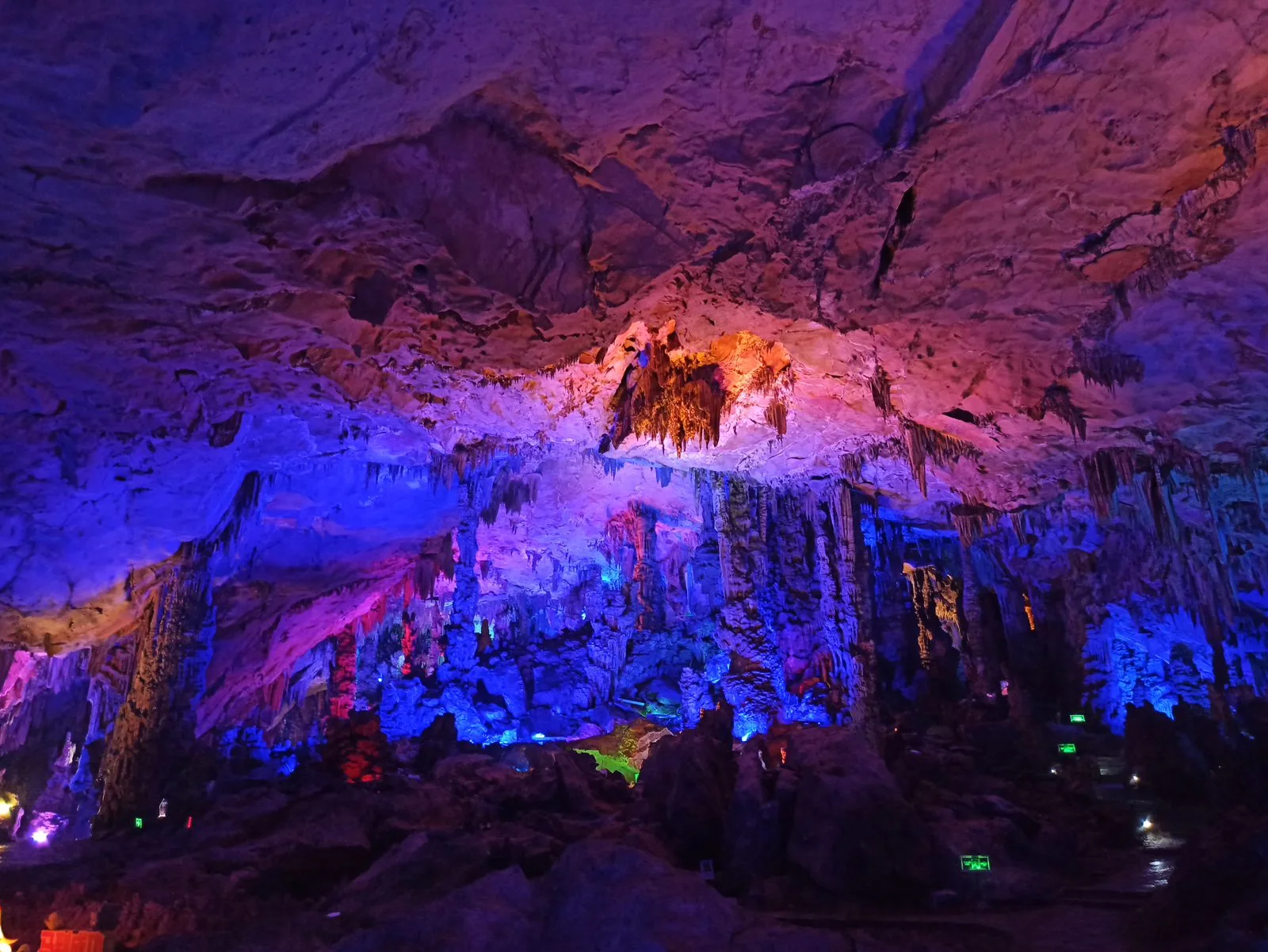
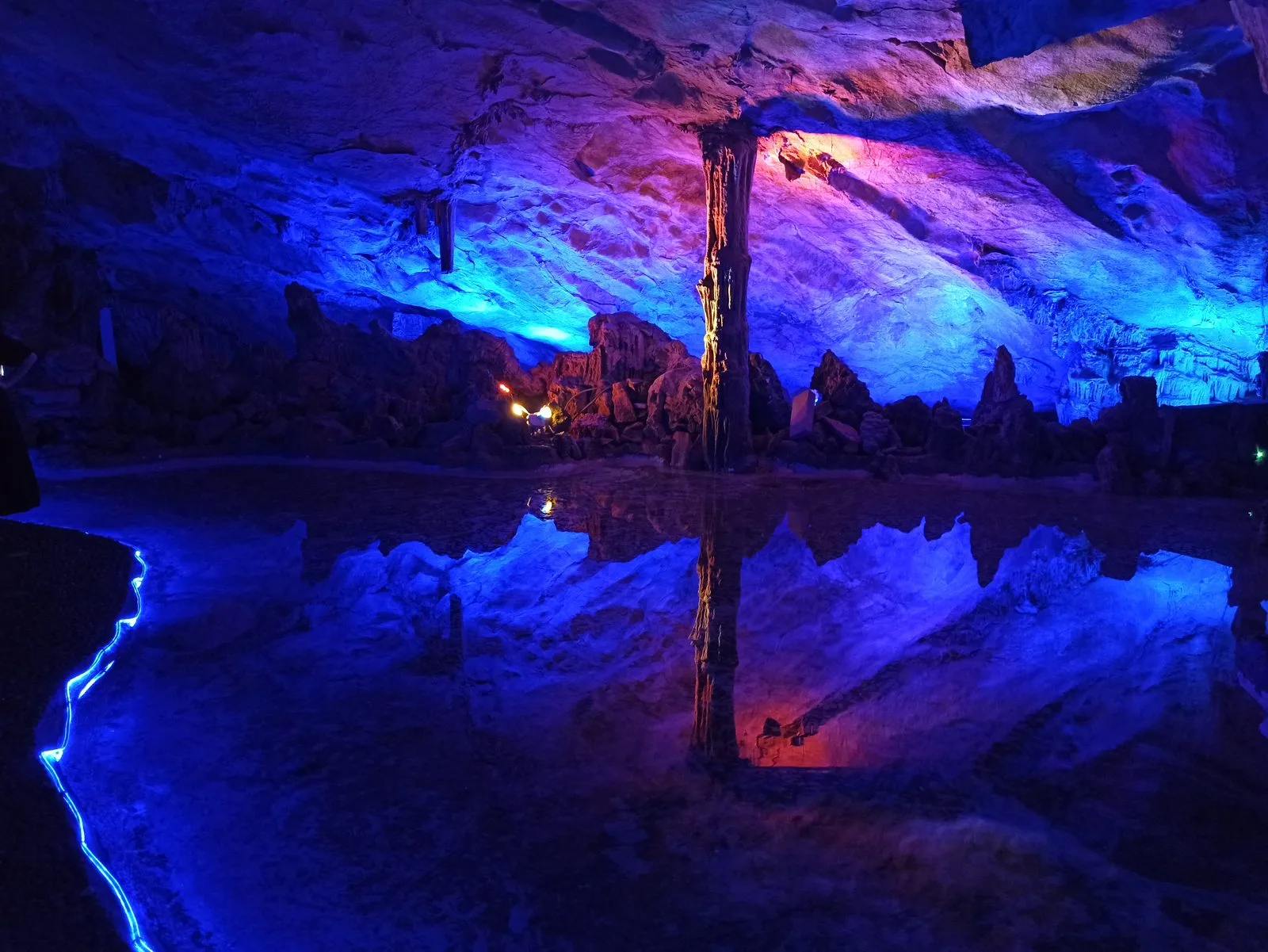
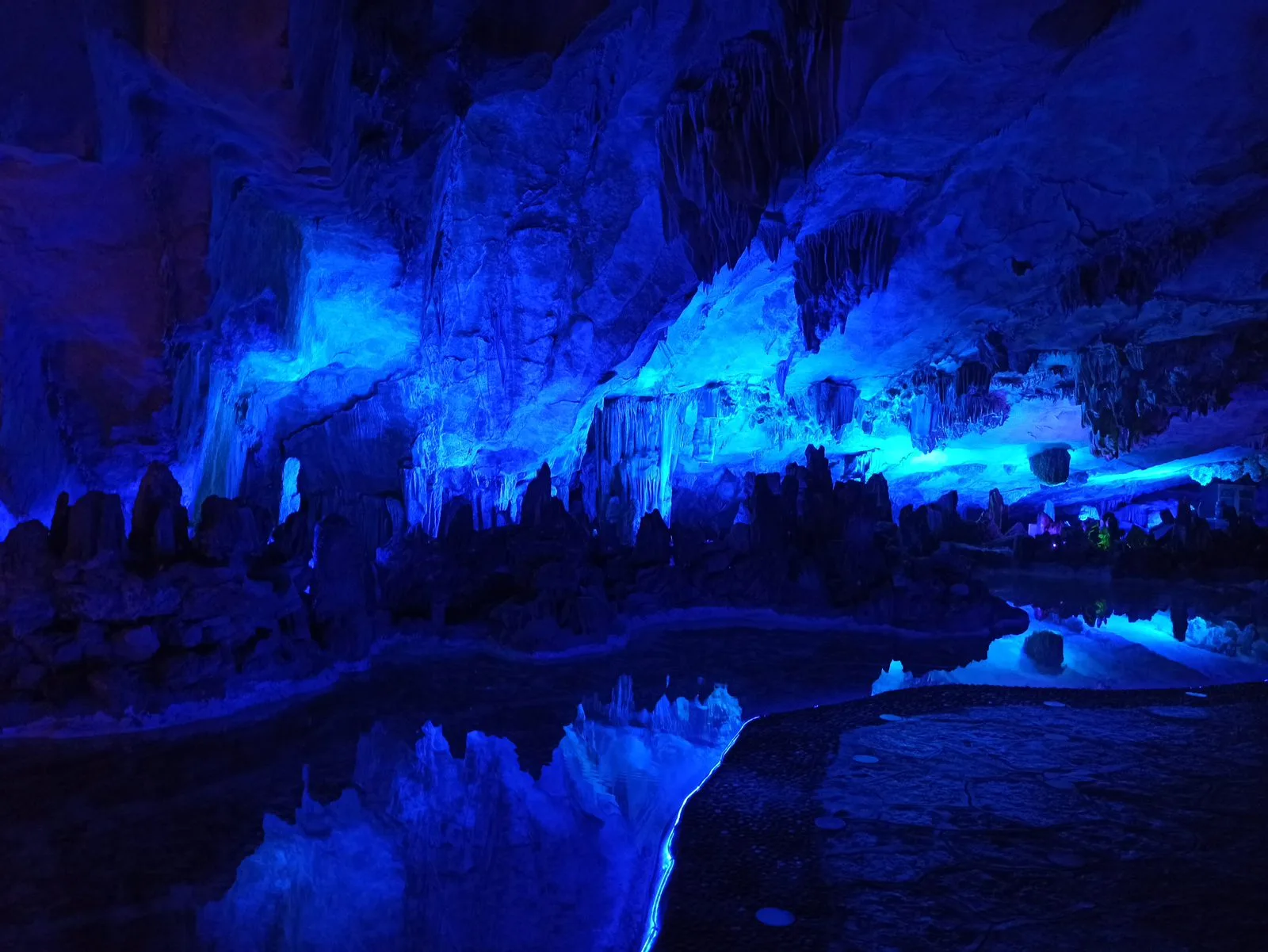
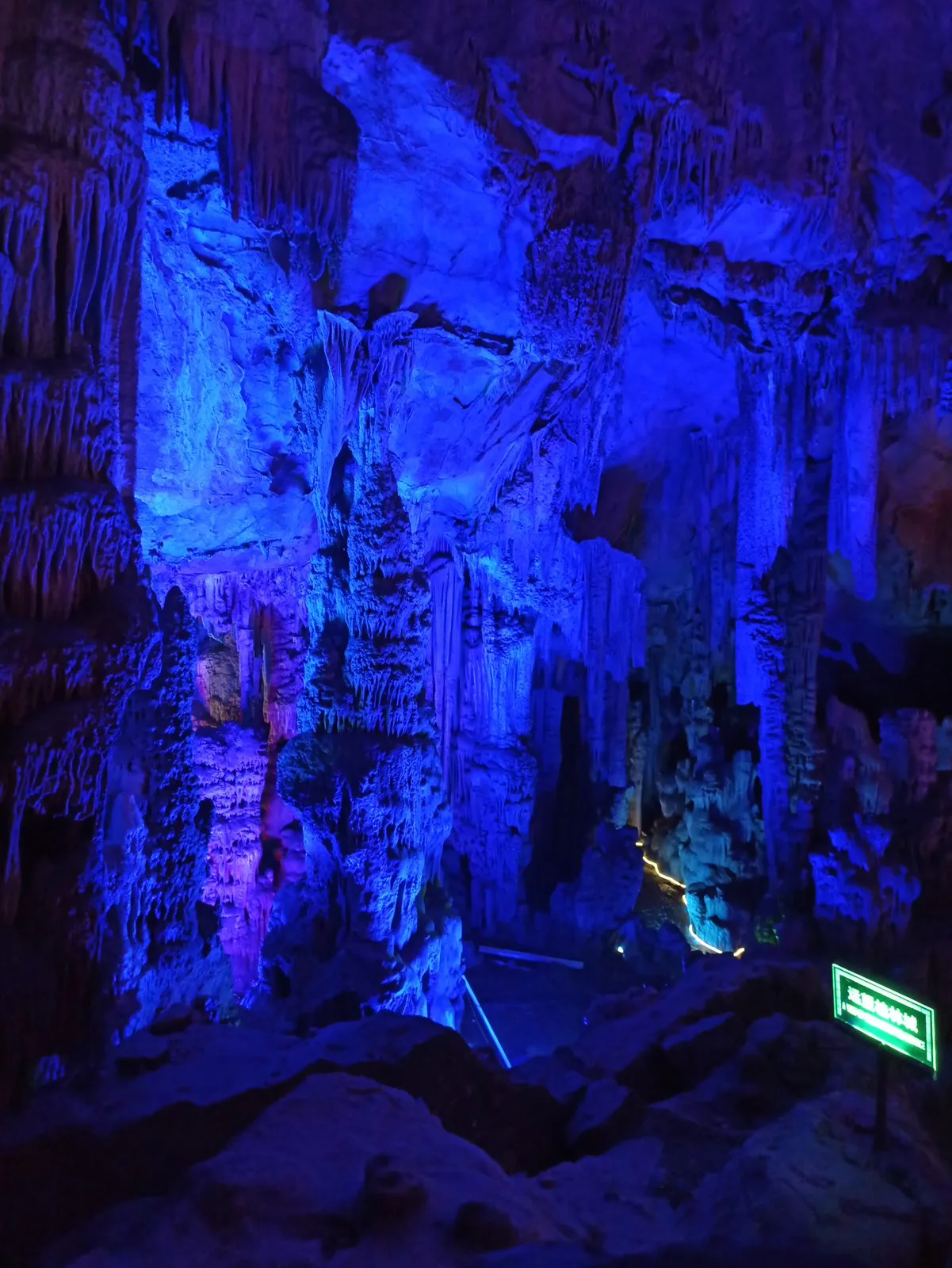
Our first stop was Reed Flute Cave. Its name comes from the reeds that grow around the entrance, from which flutes were once made. I knew nothing about it and was very pleasantly surprised. Inside there are many cave formations lit in different colours, some of which look like palaces, waterfalls and fantastic creatures.
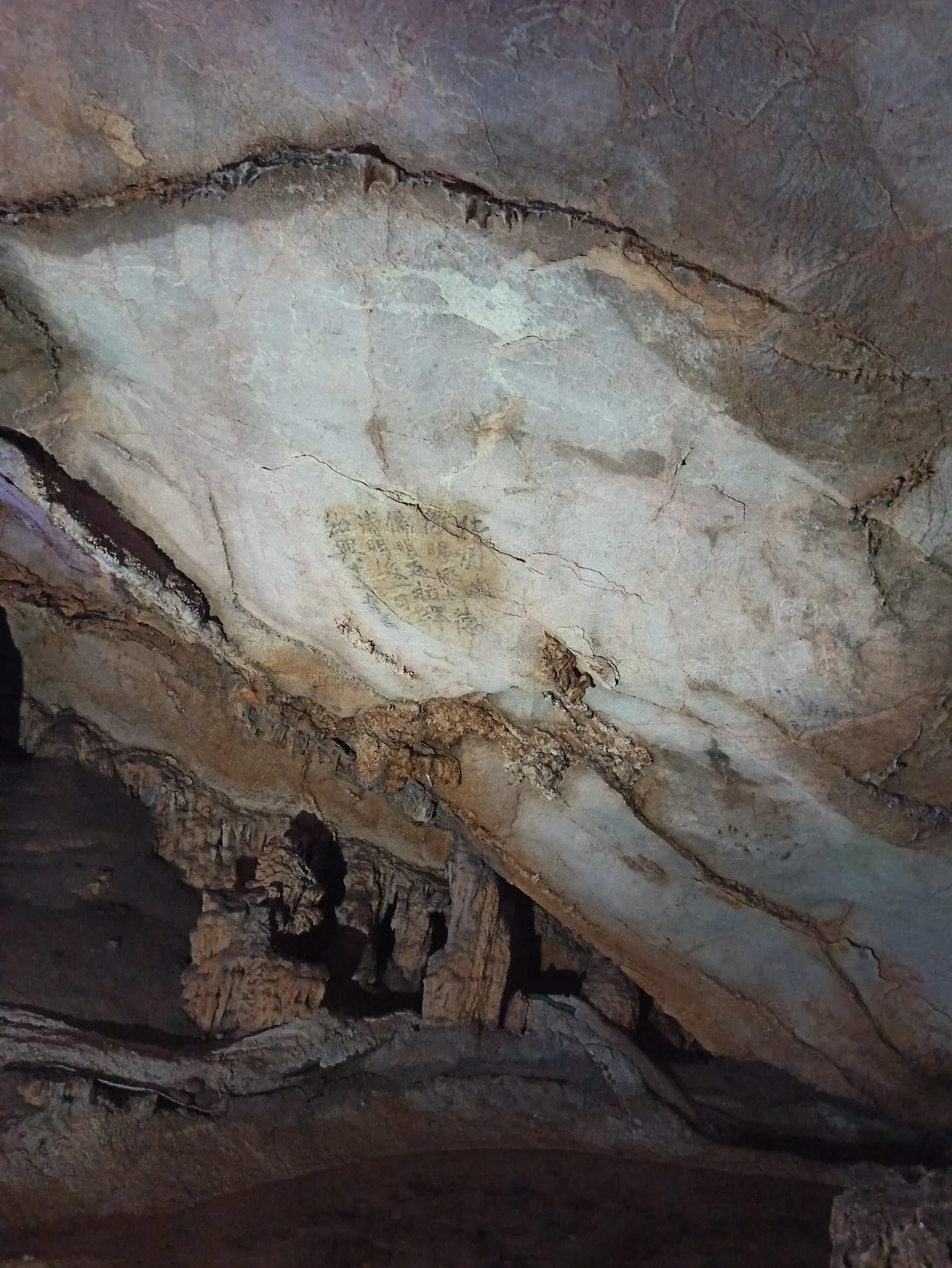
On the cave walls alone there are over 70 old inscriptions – poems and travel notes written in ink. The oldest date from 792, from the time of the Tang dynasty. After that the cave was forgotten for centuries and was only rediscovered in the 1940s, when refugees from the Japanese troops hid in it.
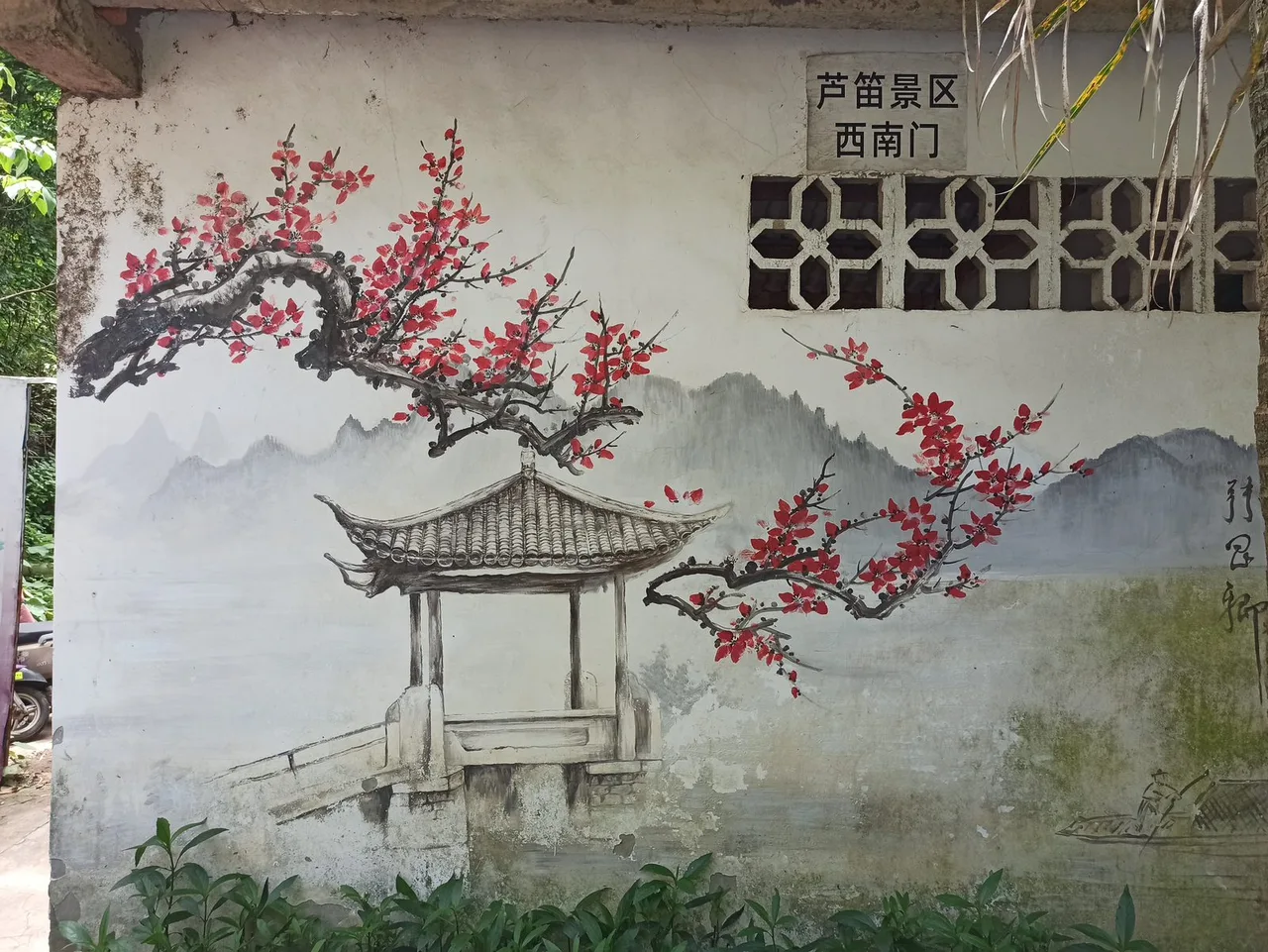
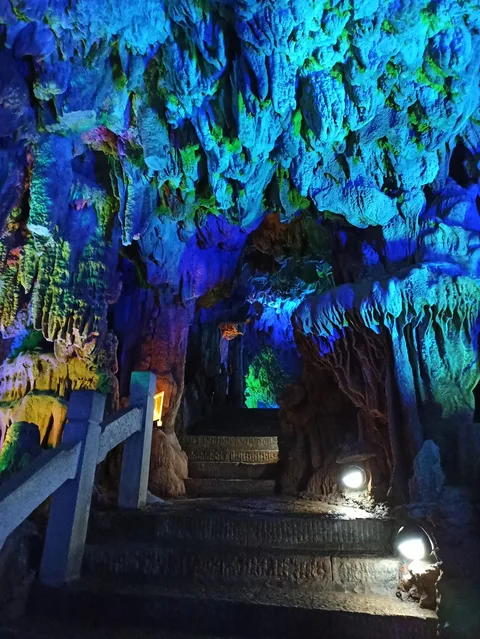 Right from the entrance the cave looks like a set from a fantasy film
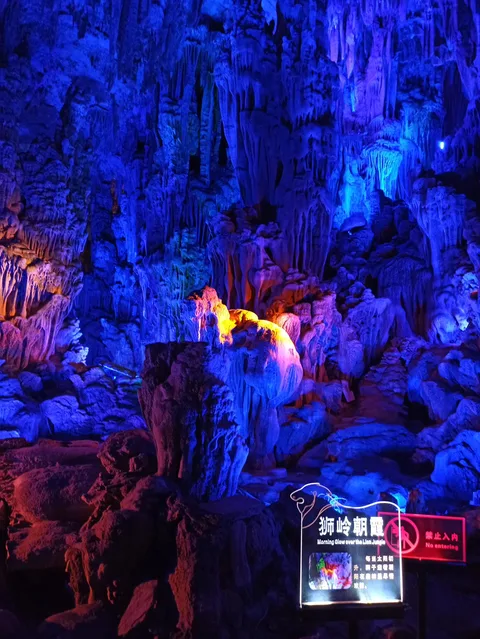 “Morning Glow over Lion Ridge” – every formation here has a poetic name
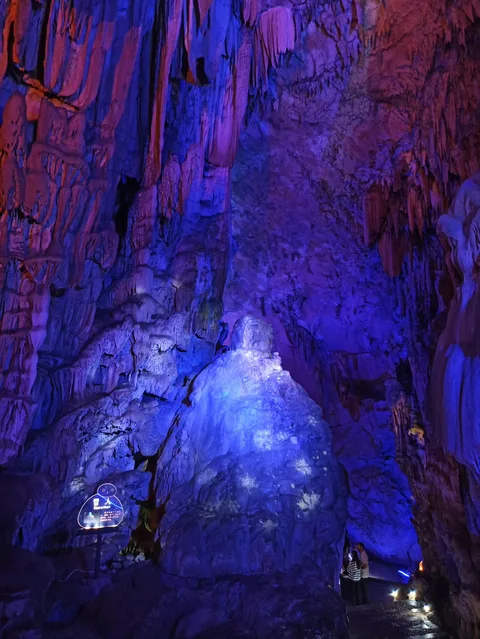 A stalagmite lit like a mountain in the mist
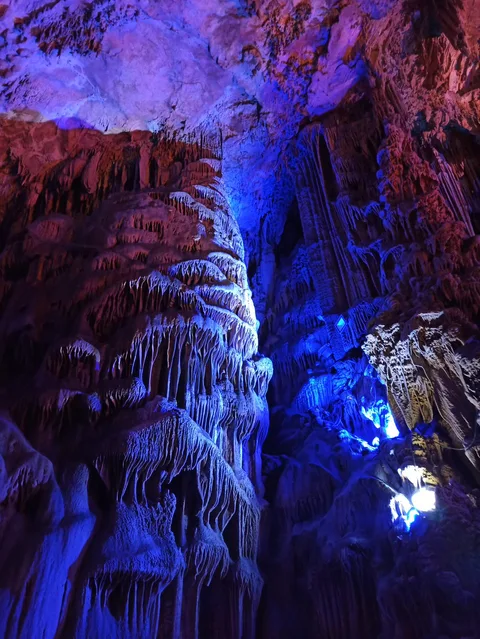 Stone “curtains” of stalactites
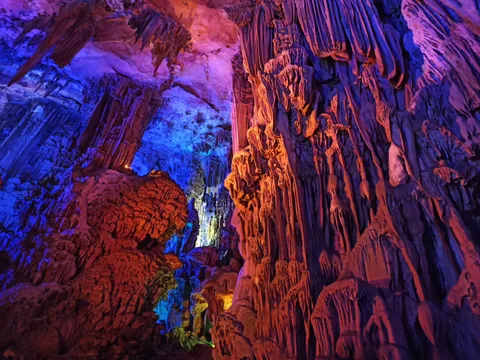 Fiery colours in the blue darkness
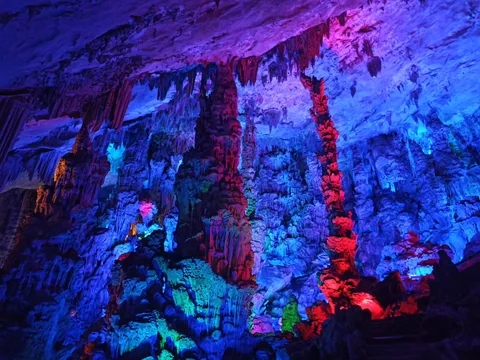 Columns that have grown from floor to ceiling
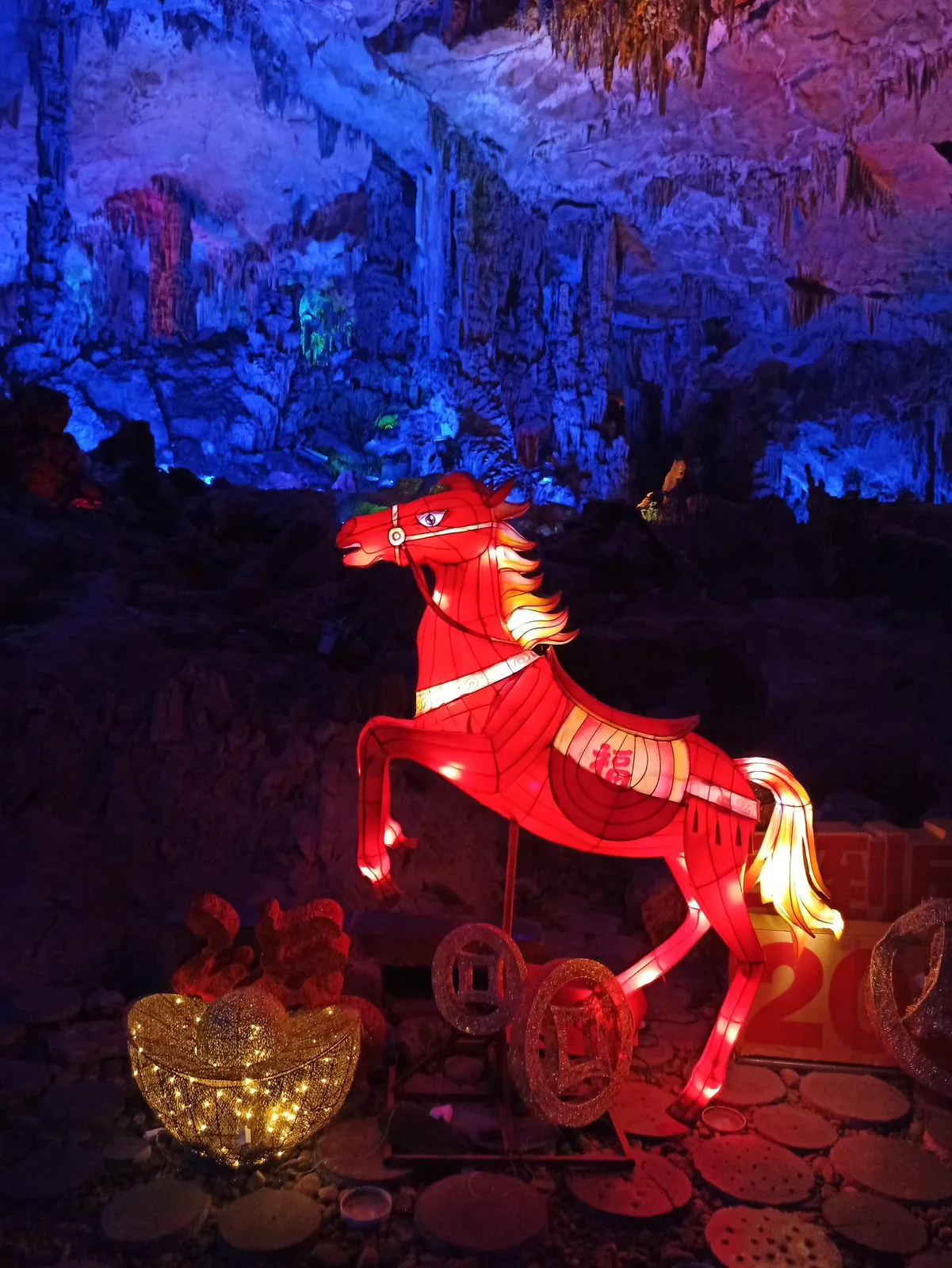
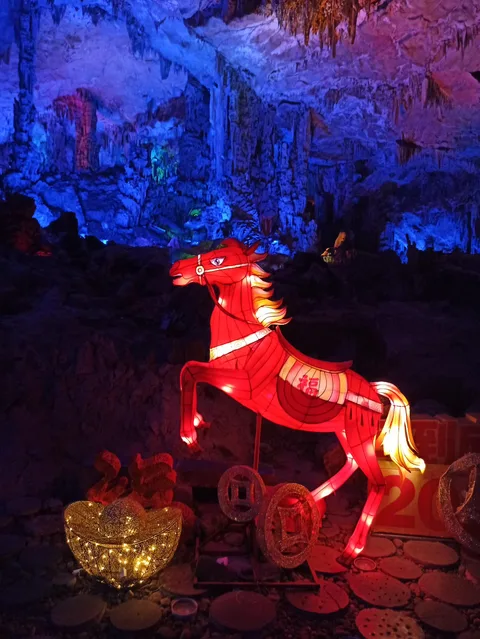 2026 is the Year of the Horse – the festive decorations had made it even into the cave
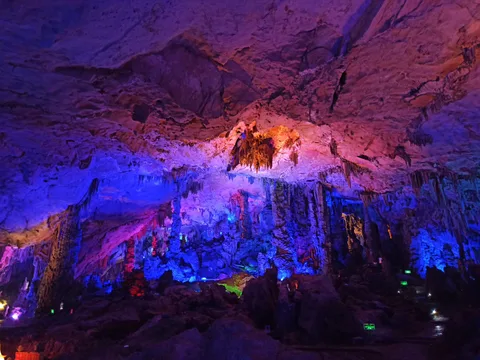 The huge hall in the heart of the cave
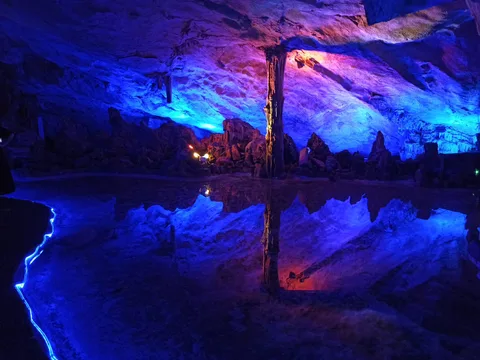 The underground lake in the “Crystal Palace of the Dragon King” – the largest hall
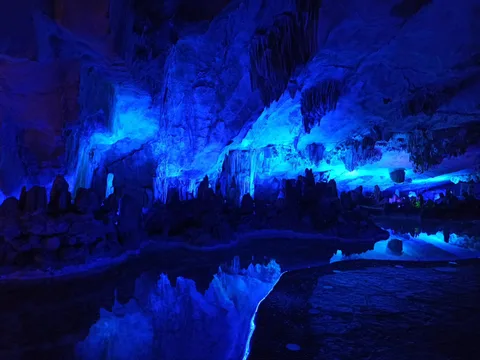 The reflections in the water create the illusion of a second world beneath our feet
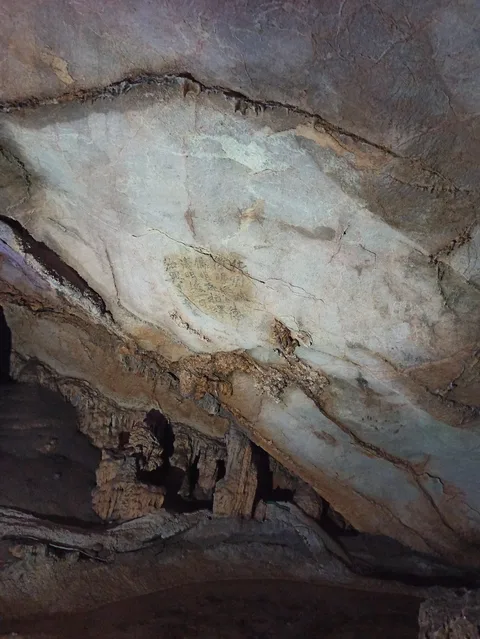 One of the old ink inscriptions on the wall
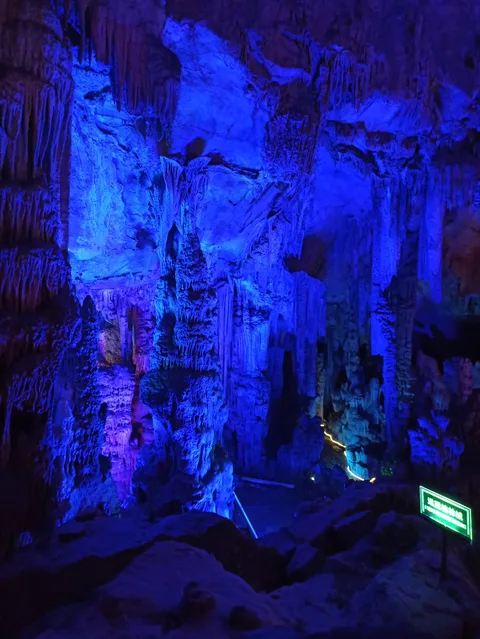 A last look before the exit
Elephant Trunk Hill
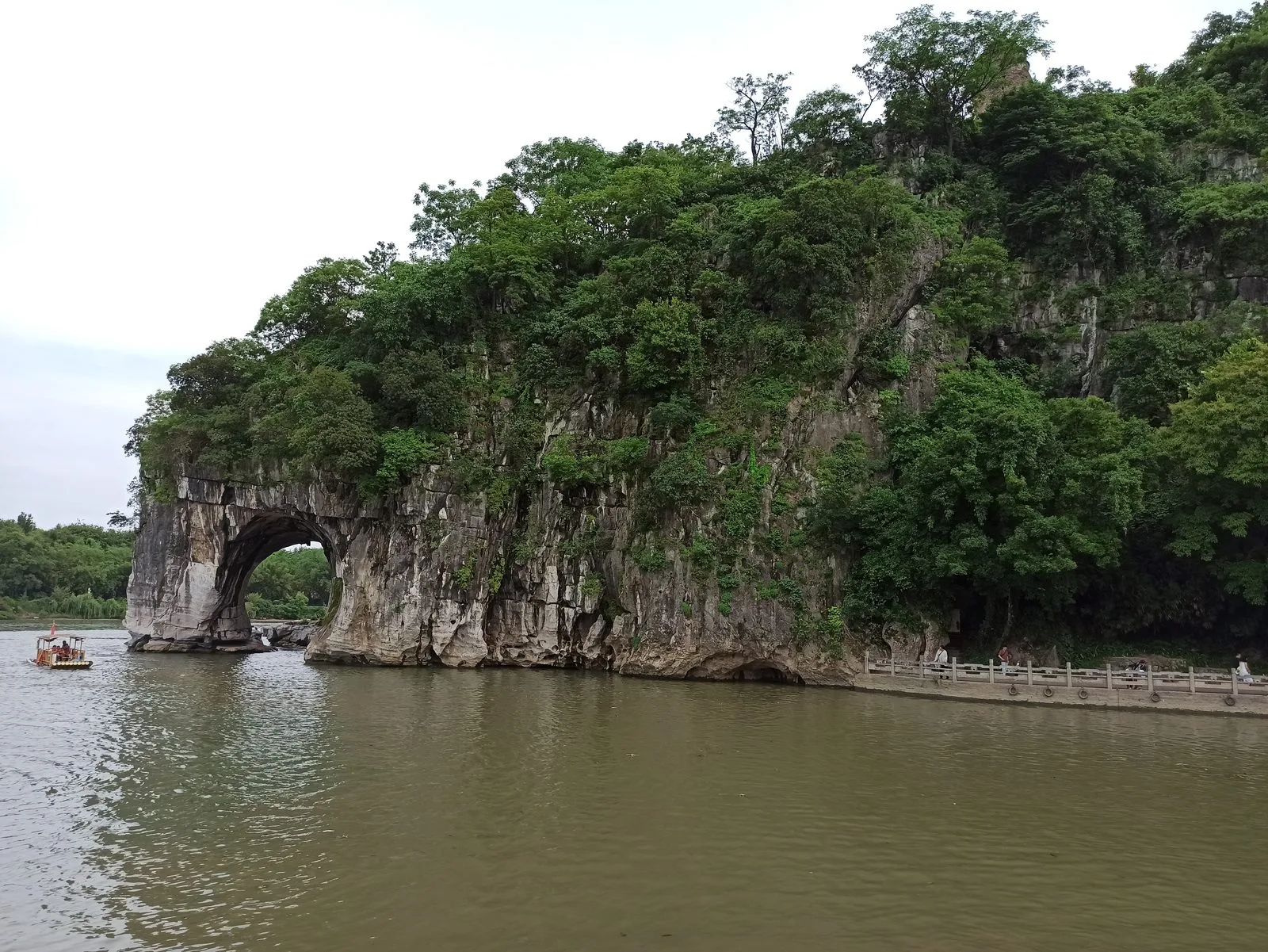
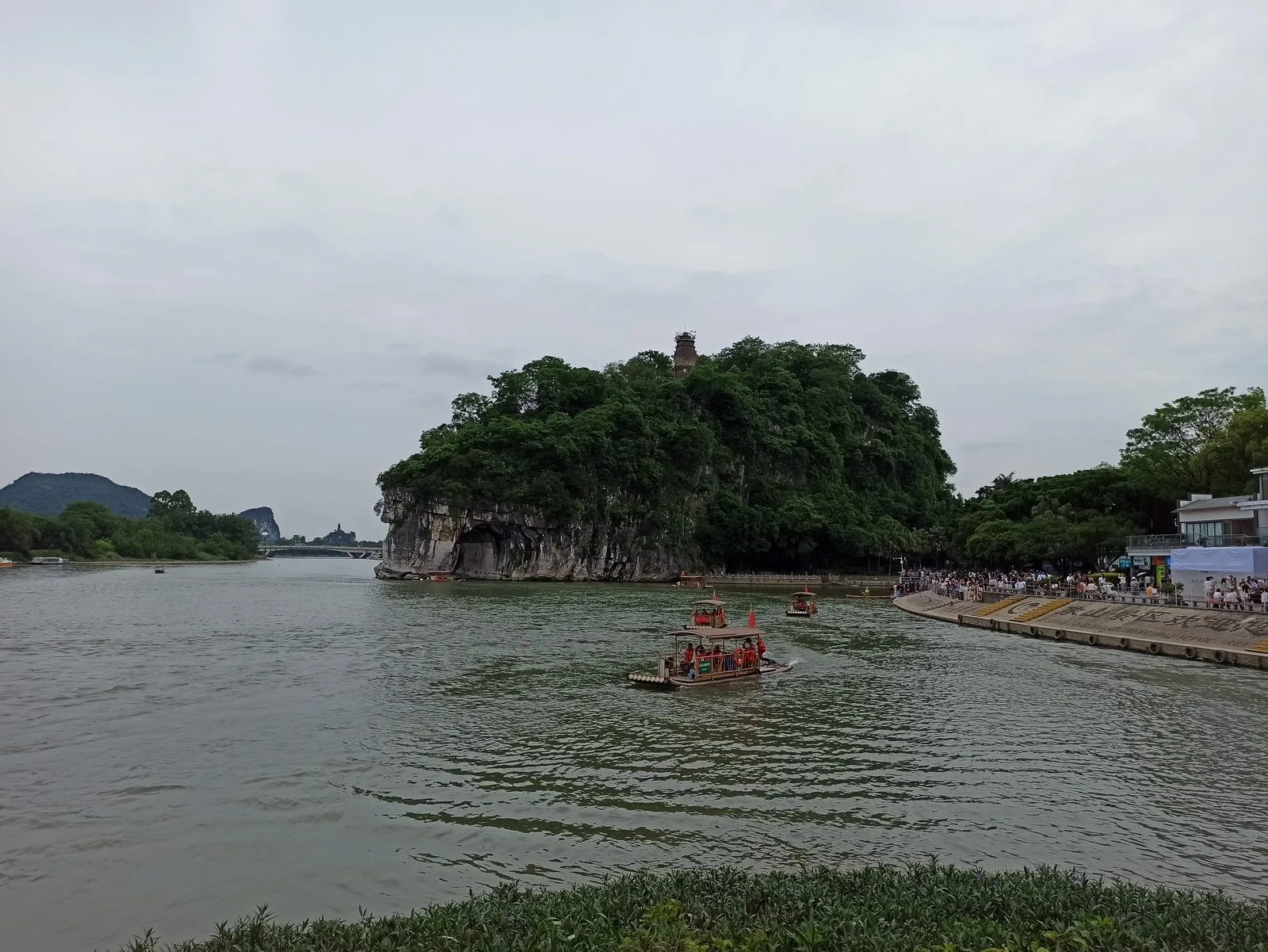
After the cave we walked to the impressive rock shaped like an elephant that has lowered its trunk over the river to drink. Between the “trunk” and the “body” there is a natural arch called Water Moon Cave – when the arch is reflected in the water, it creates an image that looks like a moon floating on the river. It’s one of the most recognisable symbols of Guilin. On the rocks around it there are over 70 inscriptions from the time of the Tang and Song dynasties, and on top stands a Ming-era pagoda which from afar looks like the hilt of a sword stuck into the elephant’s back. Overall it was a pleasant walk, though without anything truly unique.
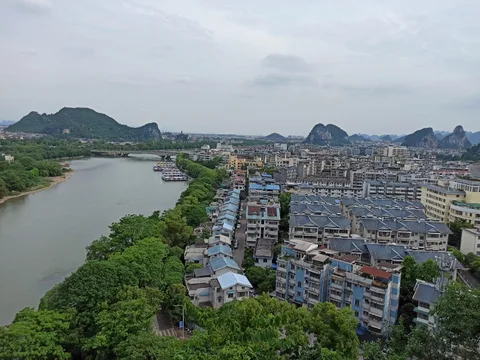 Guilin from the top of the hill – the limestone hills are literally inside the city
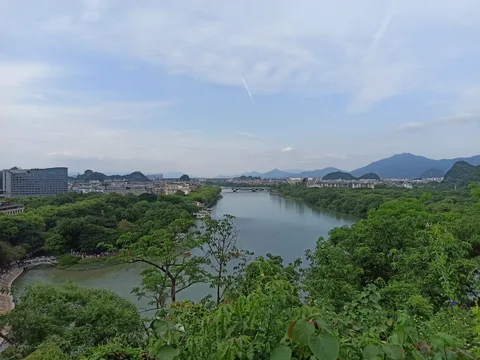 The Li River from the top
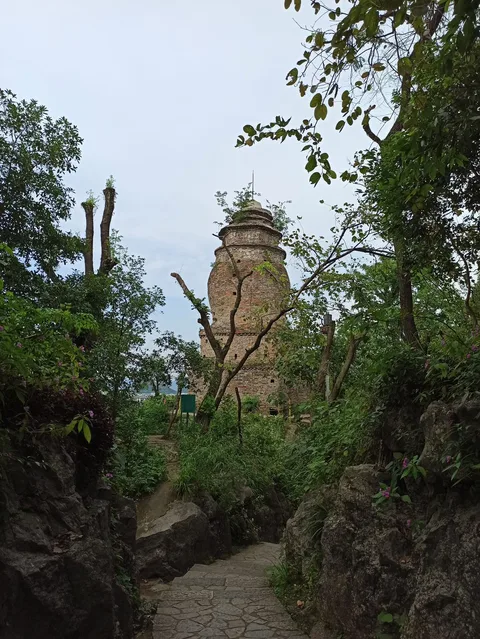 The Puxian Pagoda on top – from afar it looks like the hilt of a sword stuck into the elephant’s back
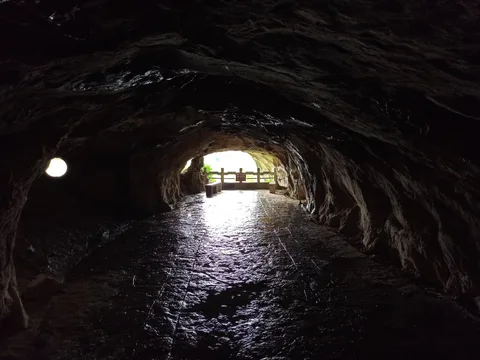 The “Elephant’s Eye” cave runs right through the hill
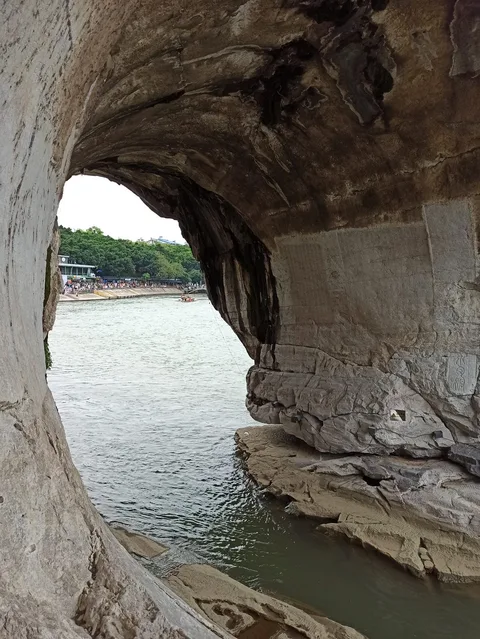 Under the “trunk” – the rocks bear inscriptions dating back to the Tang and Song dynasties
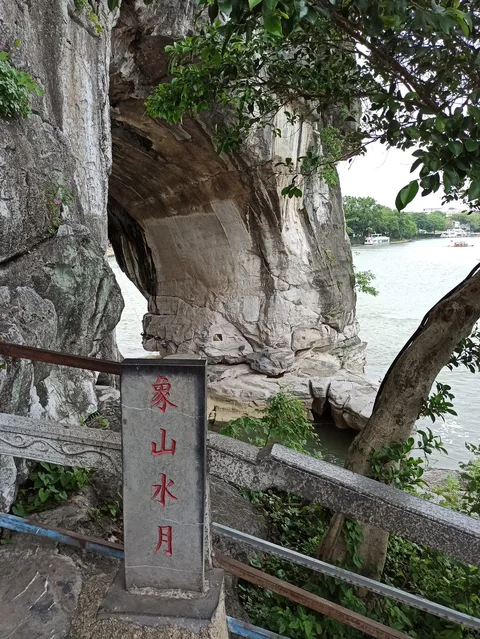 “Elephant Hill and the Water Moon”
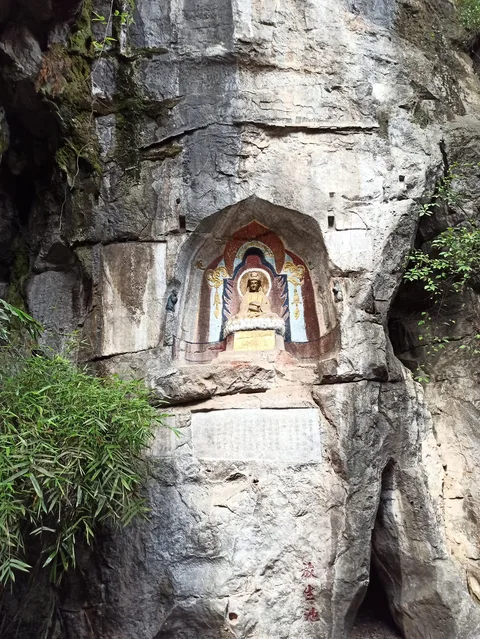 A Buddhist niche carved into the rock
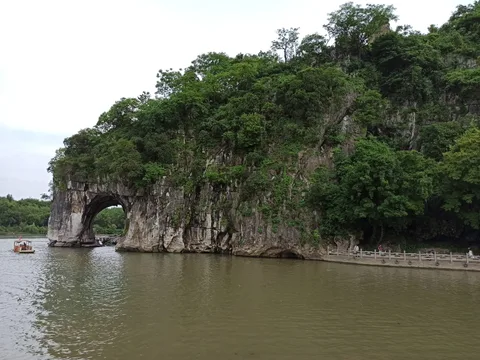 The classic view – the elephant drinking from the river
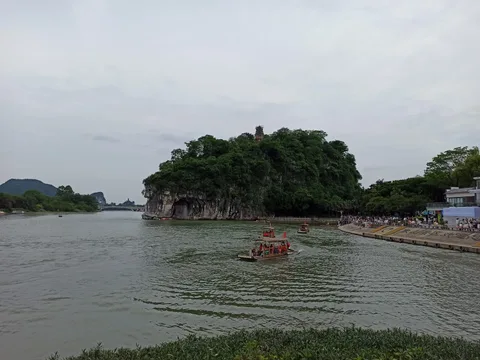 The elephant seen from the other bank
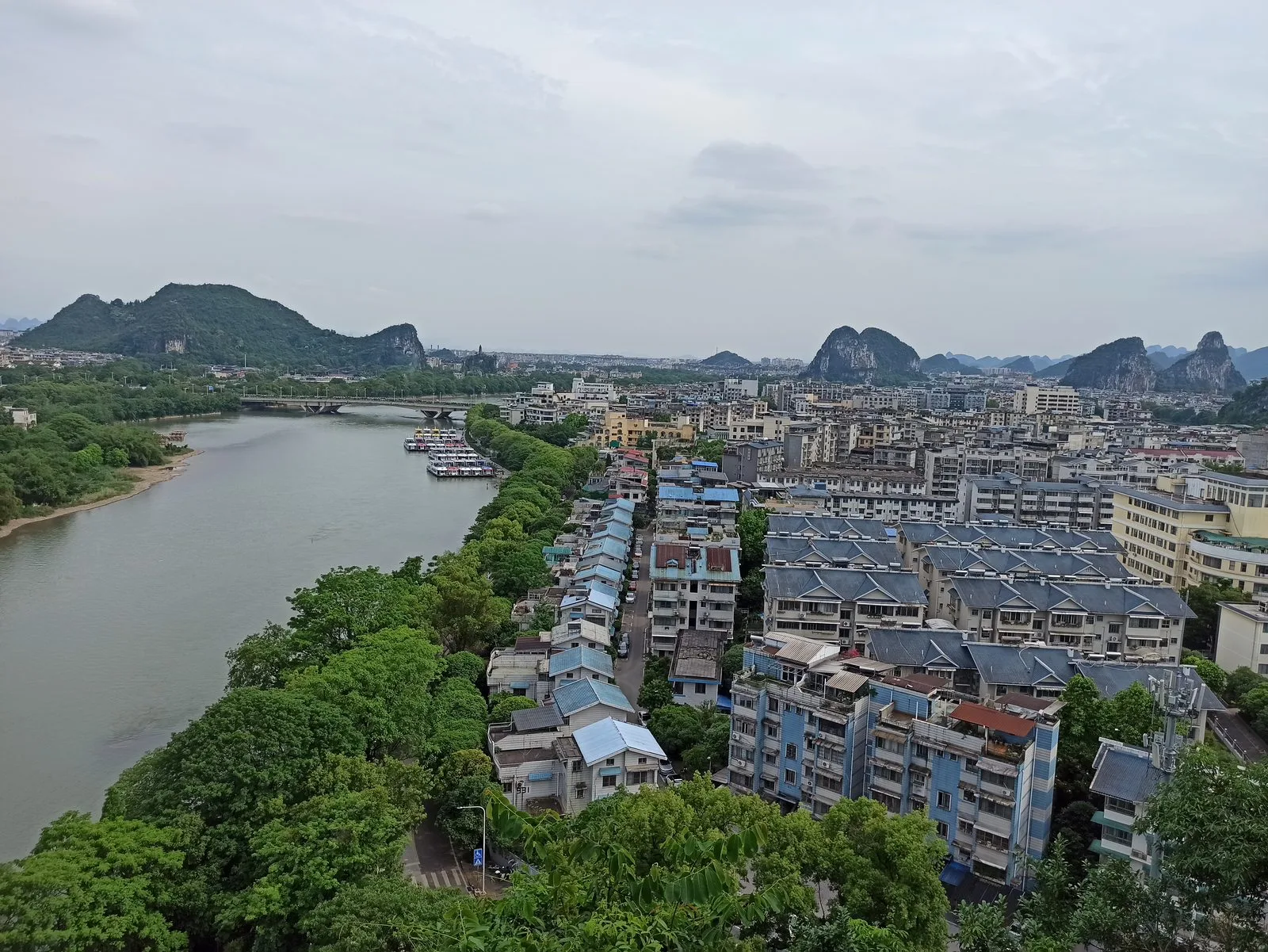
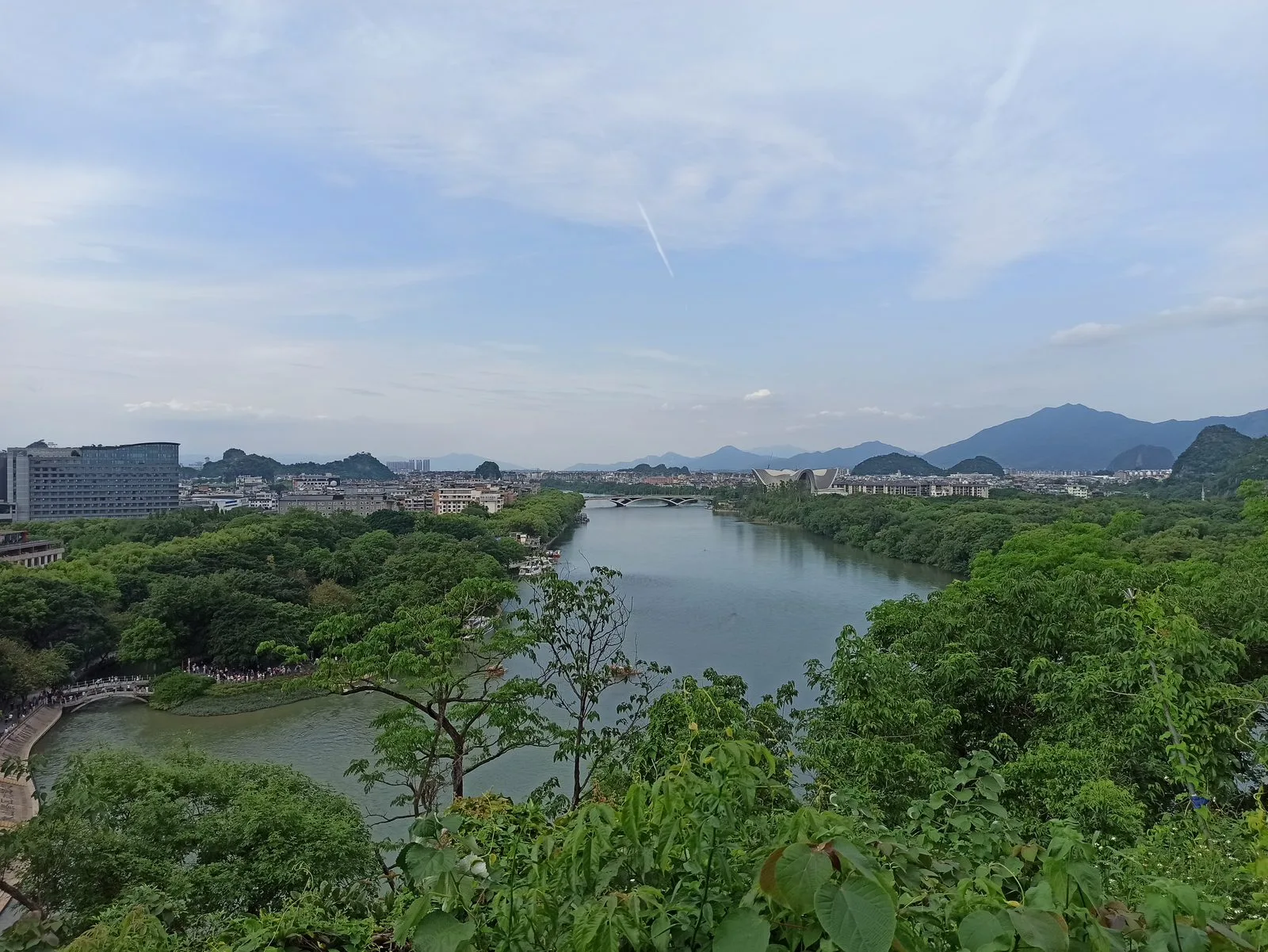
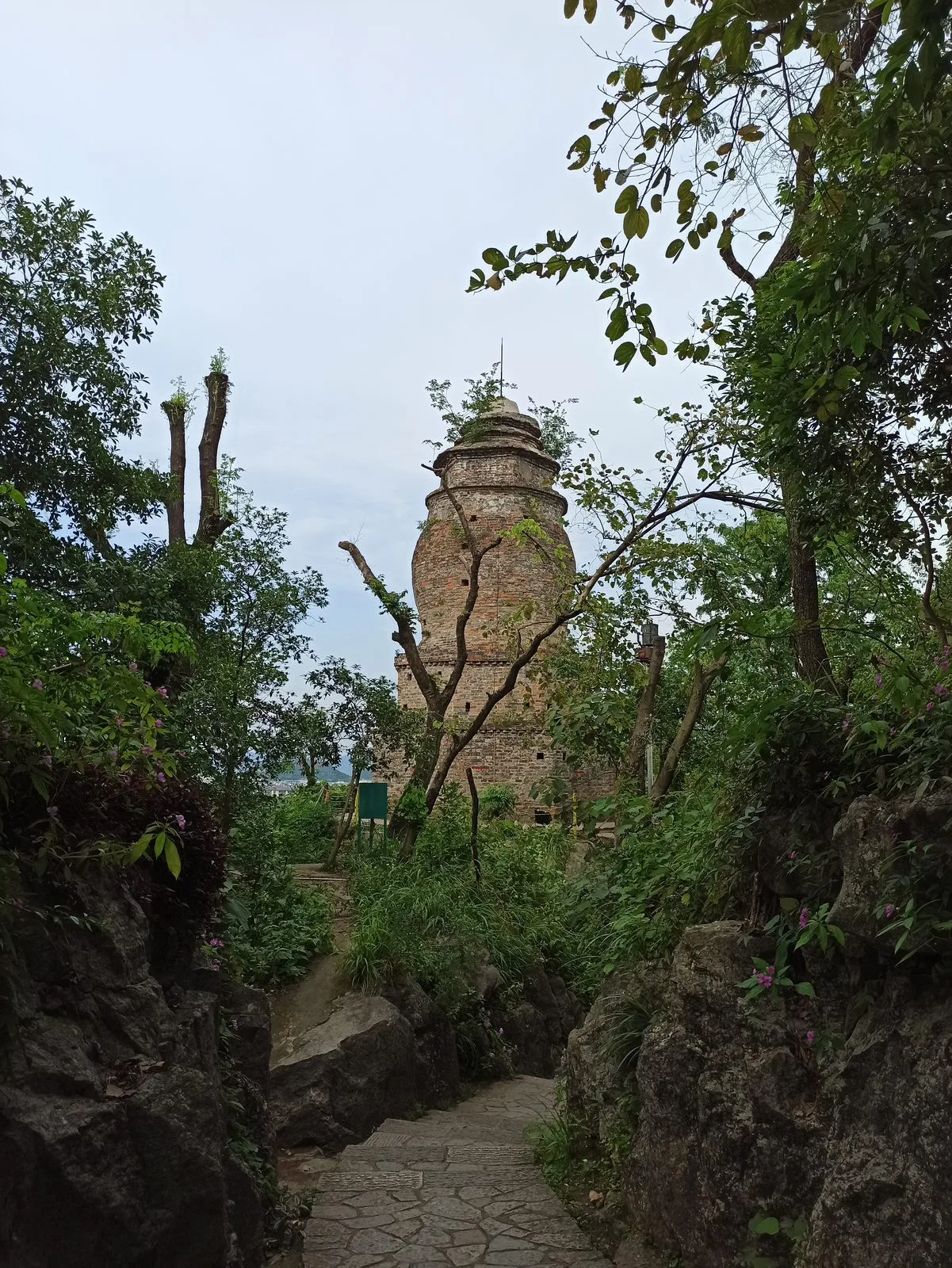
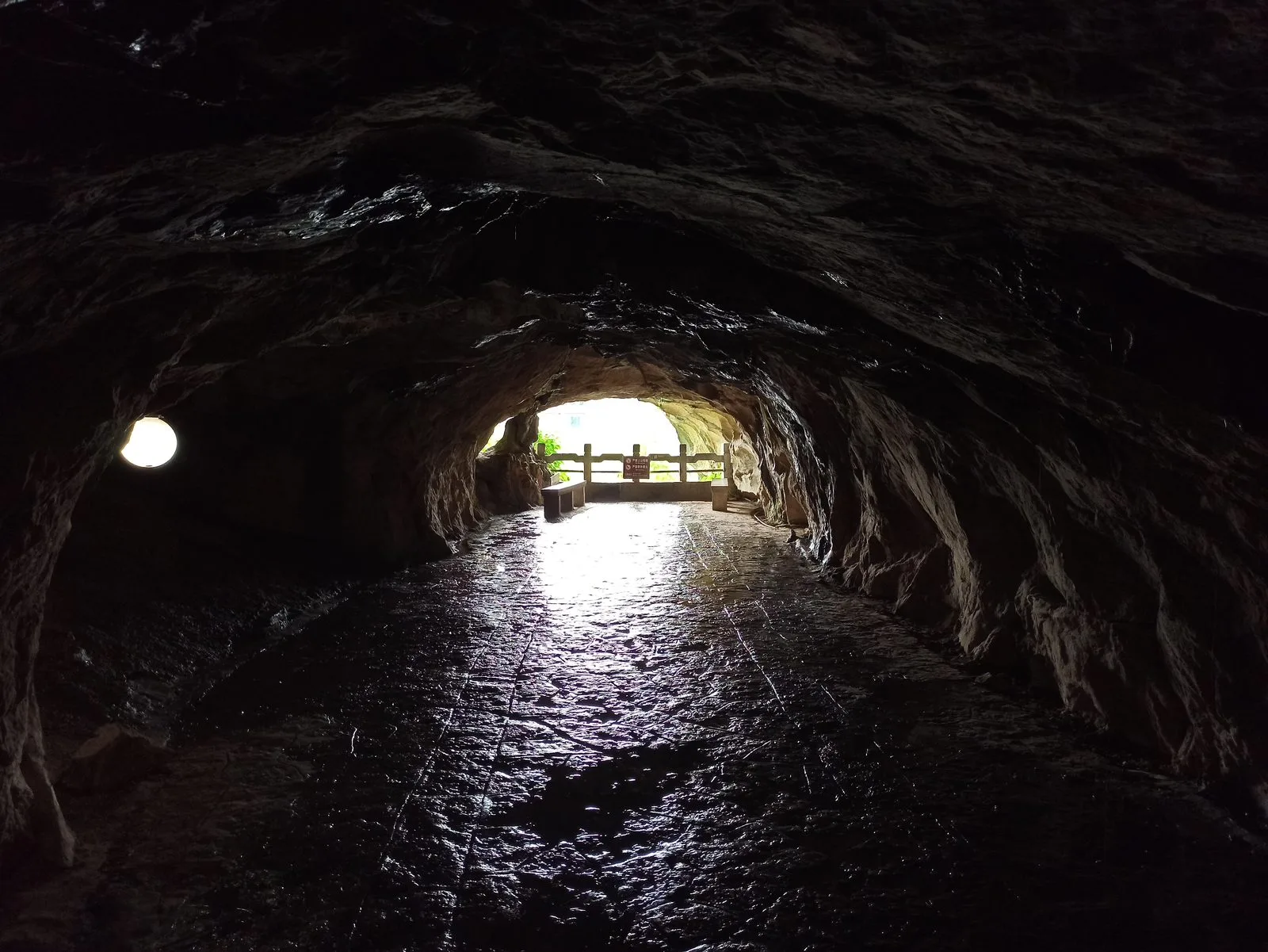
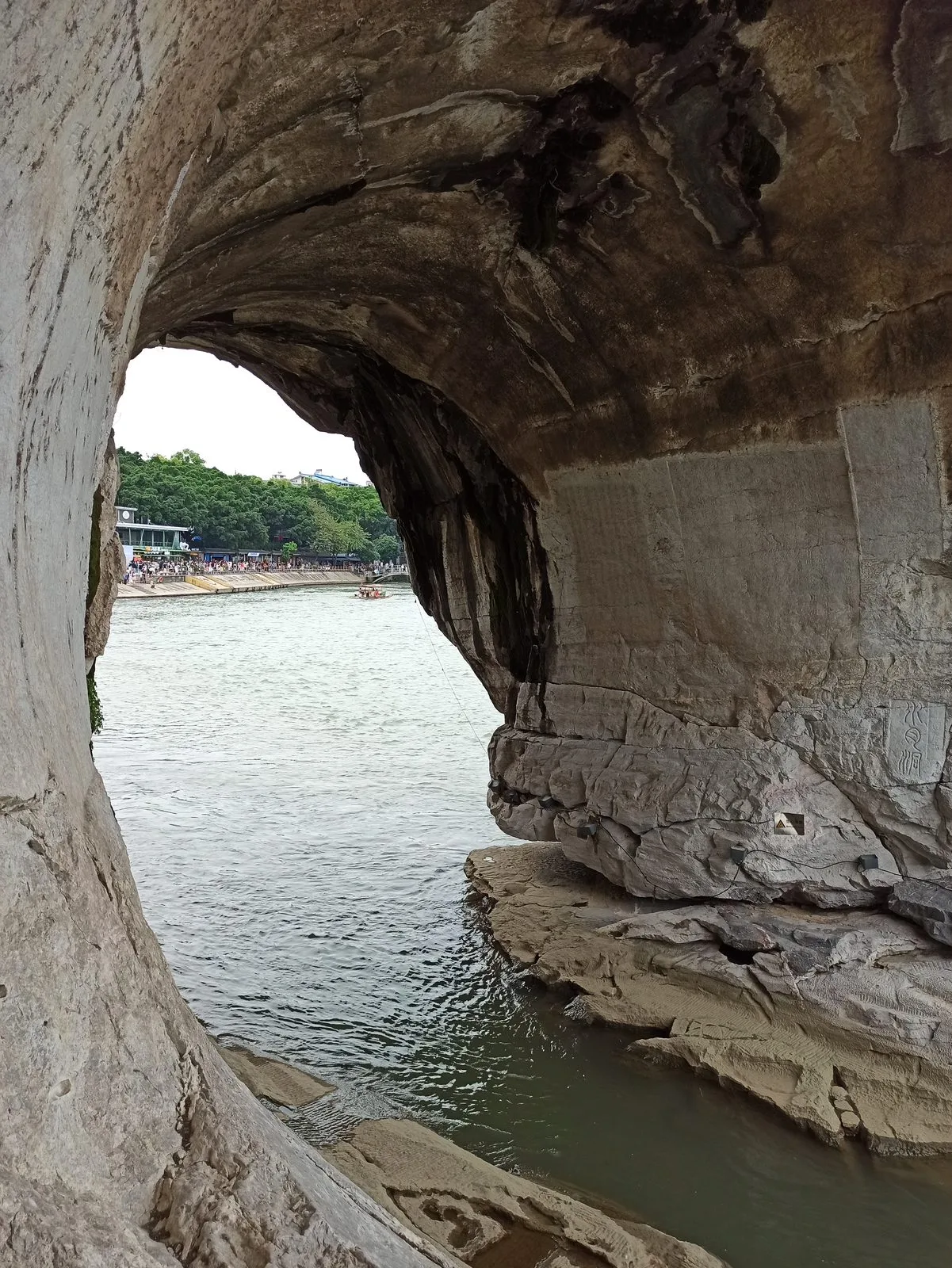
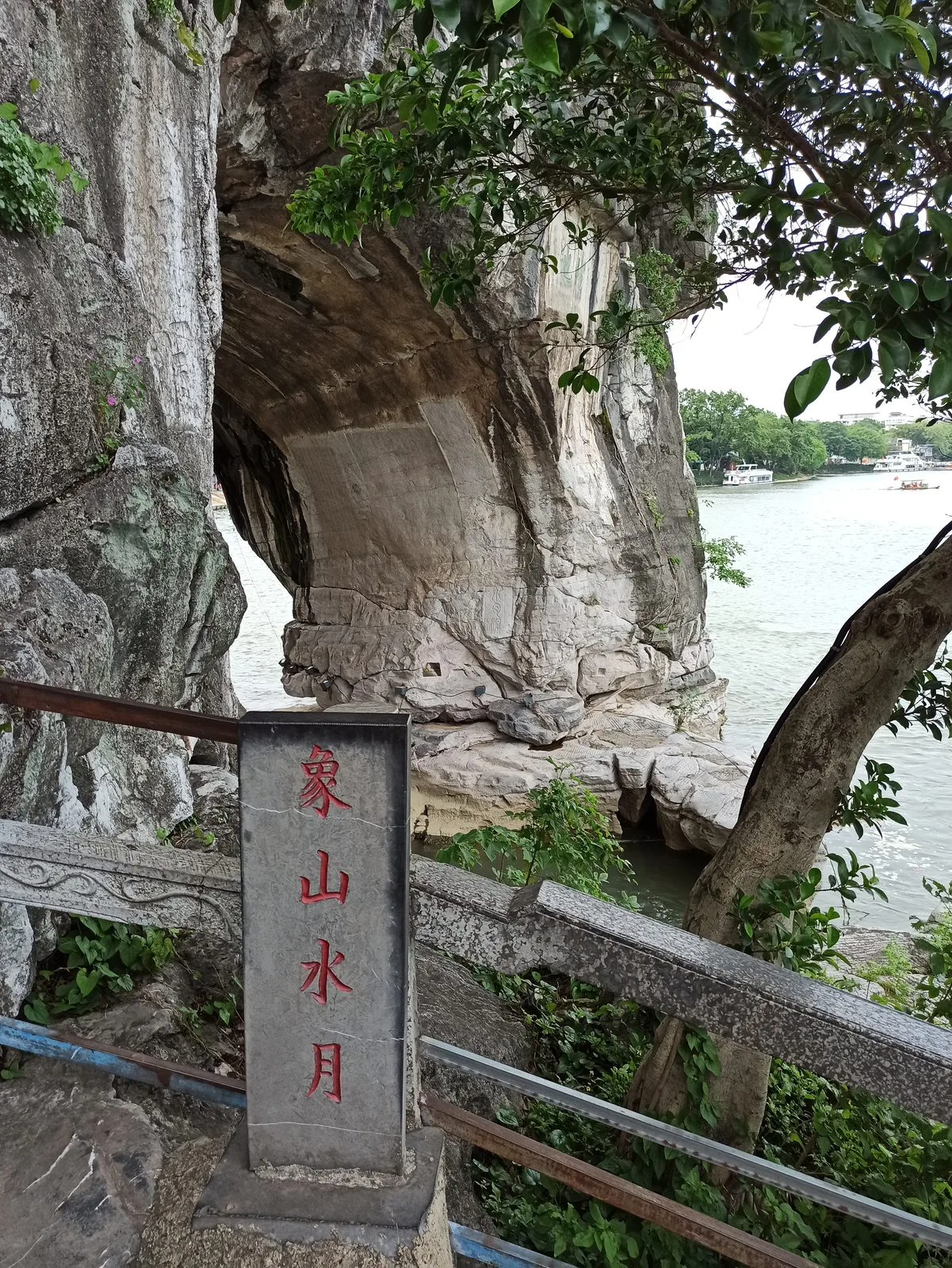
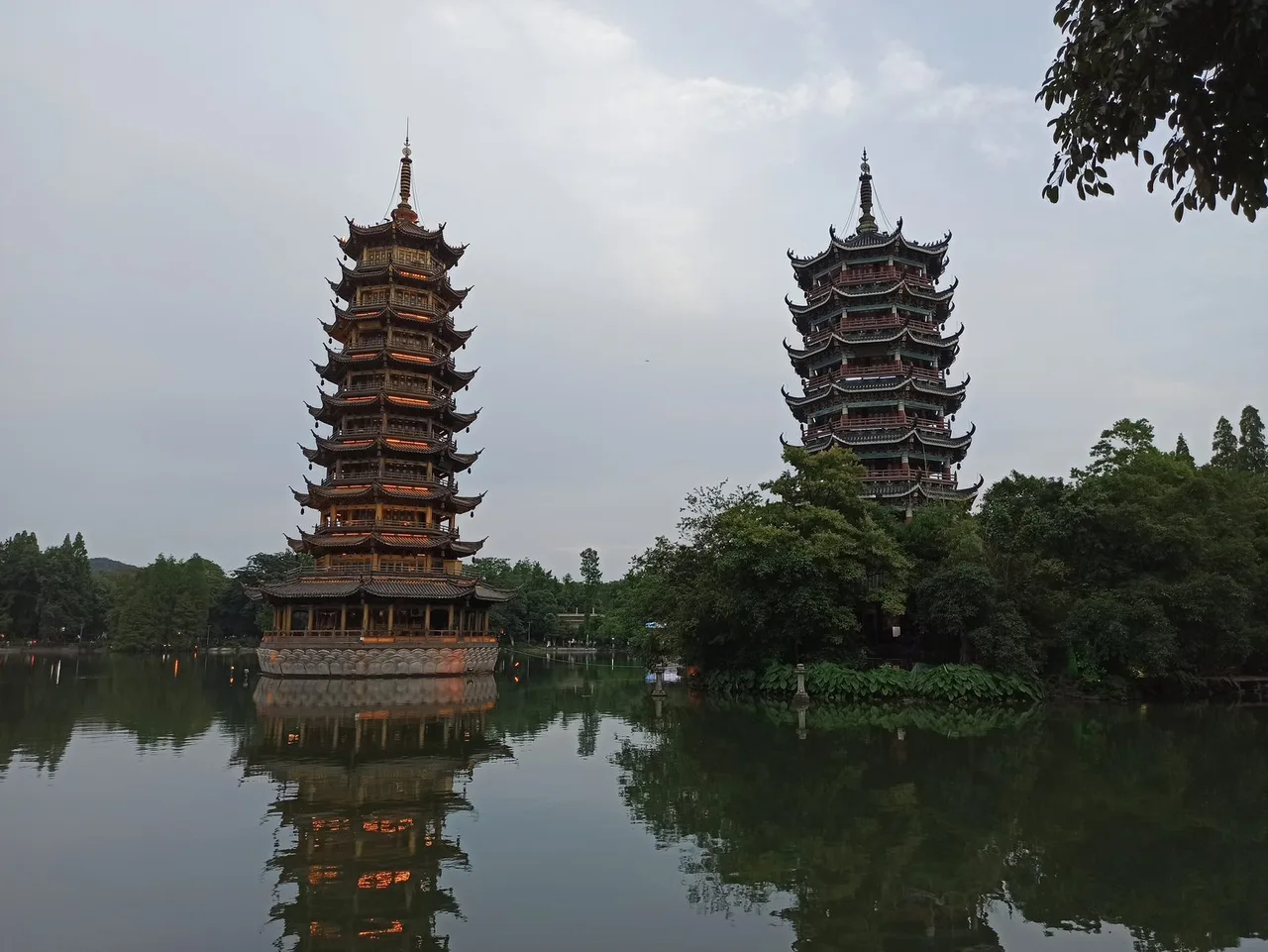
In the evening we walked to the Sun and Moon Pagodas, which stand in the middle of the lake in the city centre. The Sun Pagoda is 41 metres tall and is the tallest copper pagoda in the world, and the two are connected by a tunnel under the water.
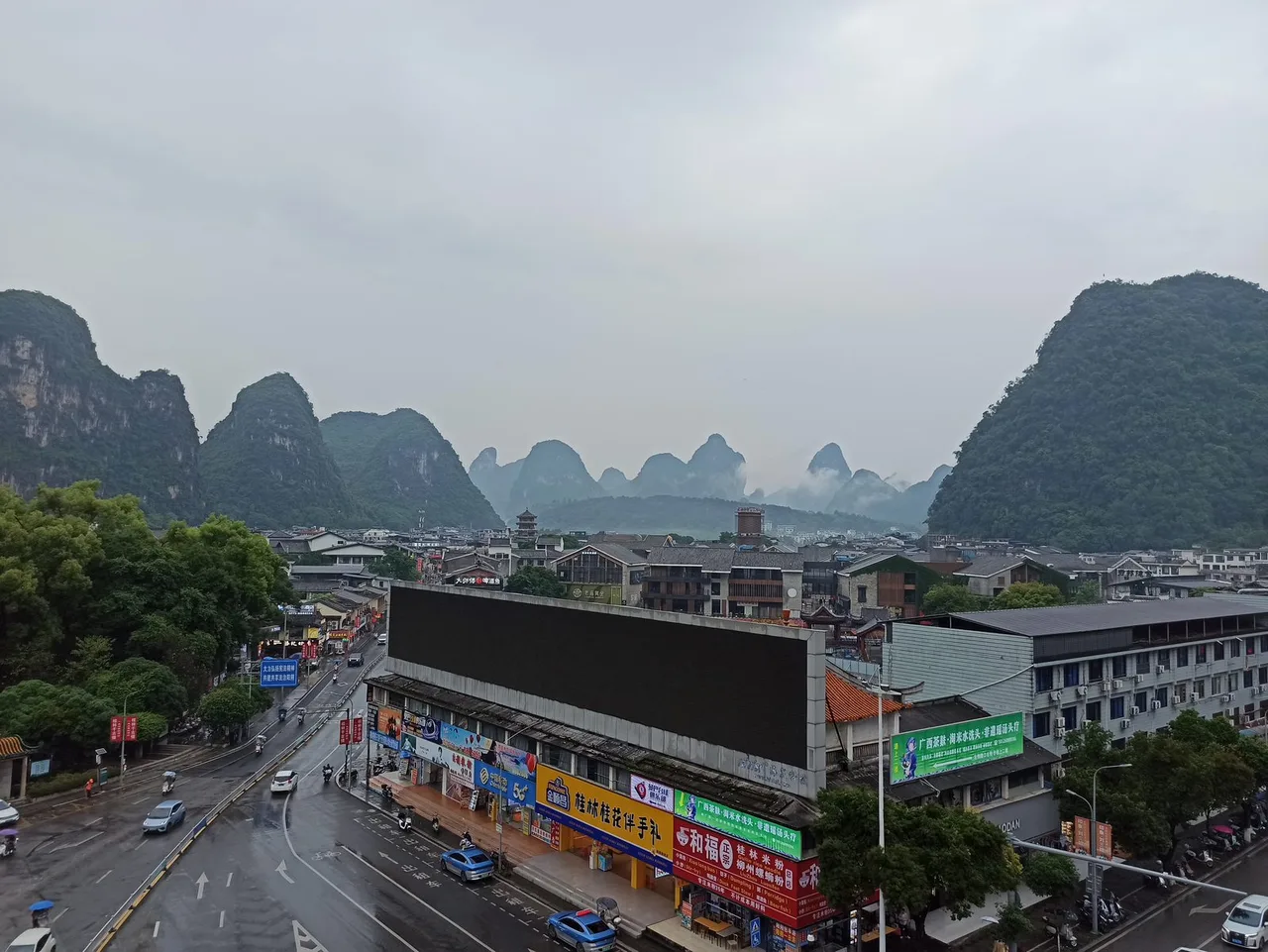
Towards Yangshuo
The next day we set off for the small town of Yangshuo, where we would spend the night. On the way our guide decided to tell us a bit more about China – but this time not from the point of view of the rich big cities, but from the point of view of someone who grew up on a farm.
What we learned about work in China
Several times we asked how much holiday the Chinese get, and everyone told us something different, so I sat down to look into it. Here is the reality – although it also depends on the job, the employer and the province.
The standard working week is 5 days of 8 hours, as in Bulgaria, and under the usual regime overtime is limited to 36 hours a month. The stories we have all heard are, in many cases, no longer true – or, if they do happen, they aren’t entirely legal.
Before I went, I thought everyone worked under the “996” system I had heard about. The name comes from “9 a.m. to 9 p.m., 6 days a week”. This regime became known in Chinese internet and tech companies.
In August 2021 China’s Supreme People’s Court, together with the Ministry of Labour, explicitly declared mandatory “996” illegal. Even so, the system hasn’t completely disappeared – some people continue to work long hours because of competition, pressure from their employer or the desire to earn more money.
What really surprised me was that the Chinese are afraid of turning 35 – they even have a term known as the “curse of 35”. We were told that as soon as someone turns 35, every day they start worrying whether they’ll be called in for a talk with the boss and fired, after which it will be very hard for them to find a new job.
There are several reasons:
- Younger employees are often paid less.
- Employers believe young people accept long working hours more easily.
- People over 35 usually have more family responsibilities.
- Tech companies are constantly looking for new skills.
- Some employers prefer younger candidates even with similar qualifications.
There are documented cases of employees let go in restructurings right around this age, as well as job adverts with an upper age limit of 35. For a long time 35 was also the upper age limit for applying to the civil service – only in 2025 was it raised to 38 (and to 43 for people with a master’s or doctoral degree).
It’s important to say, however, that there is no law in China allowing automatic dismissal of people who turn 35 – the employer must have legal grounds to terminate the contract.
These things surprised me, because they’re not what I imagined about China. The good thing is that things are gradually improving and the strange, unethical practices are disappearing.
Li River cruise
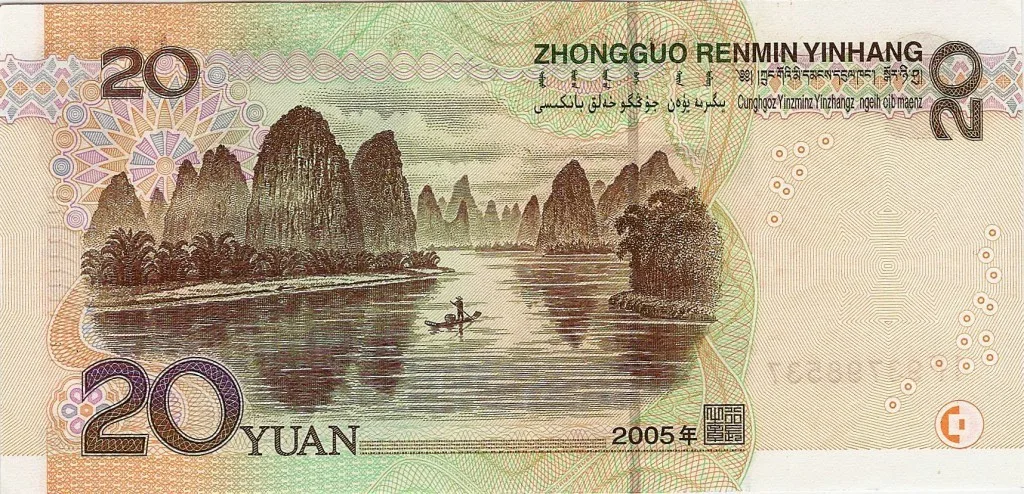
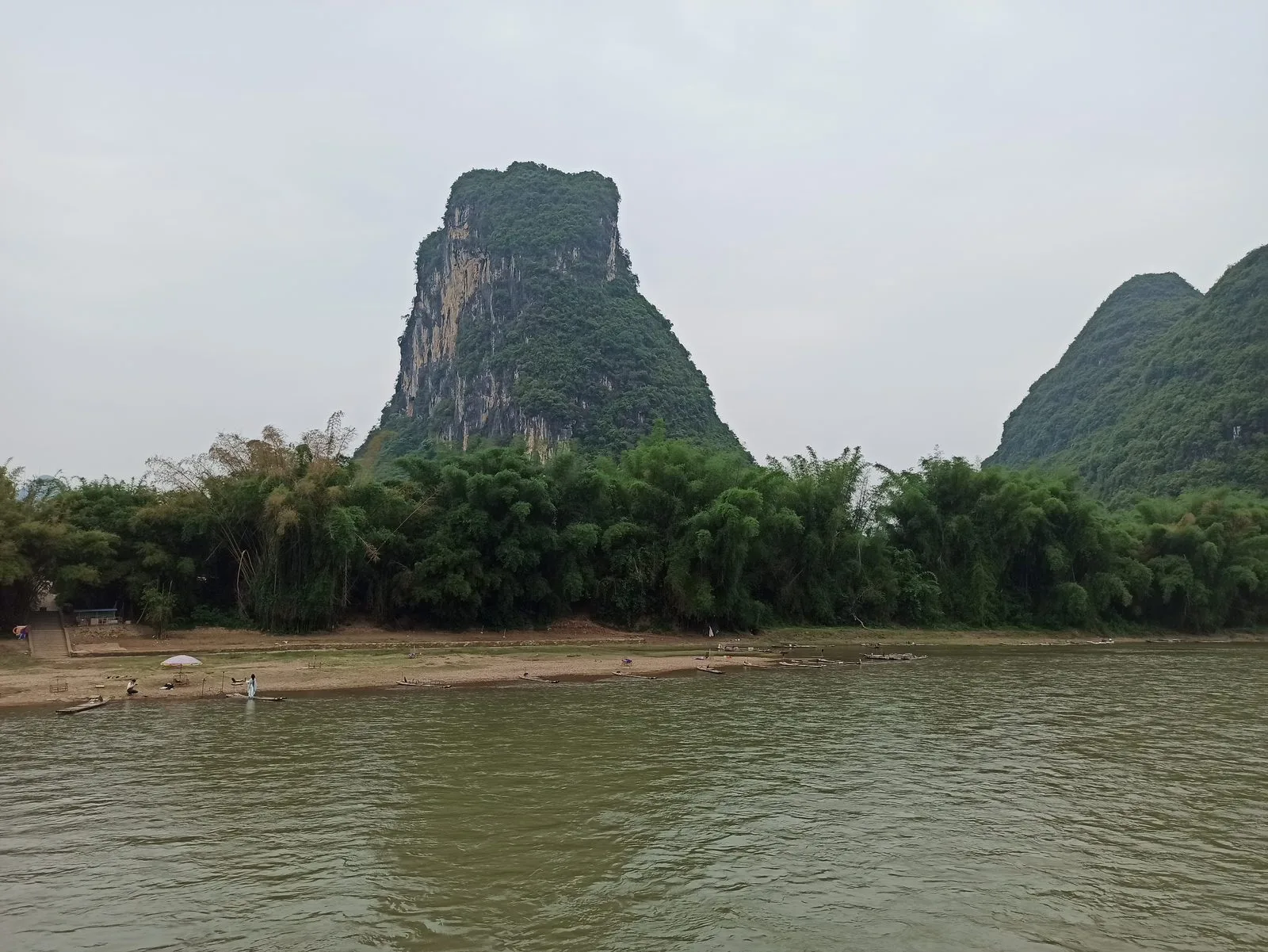
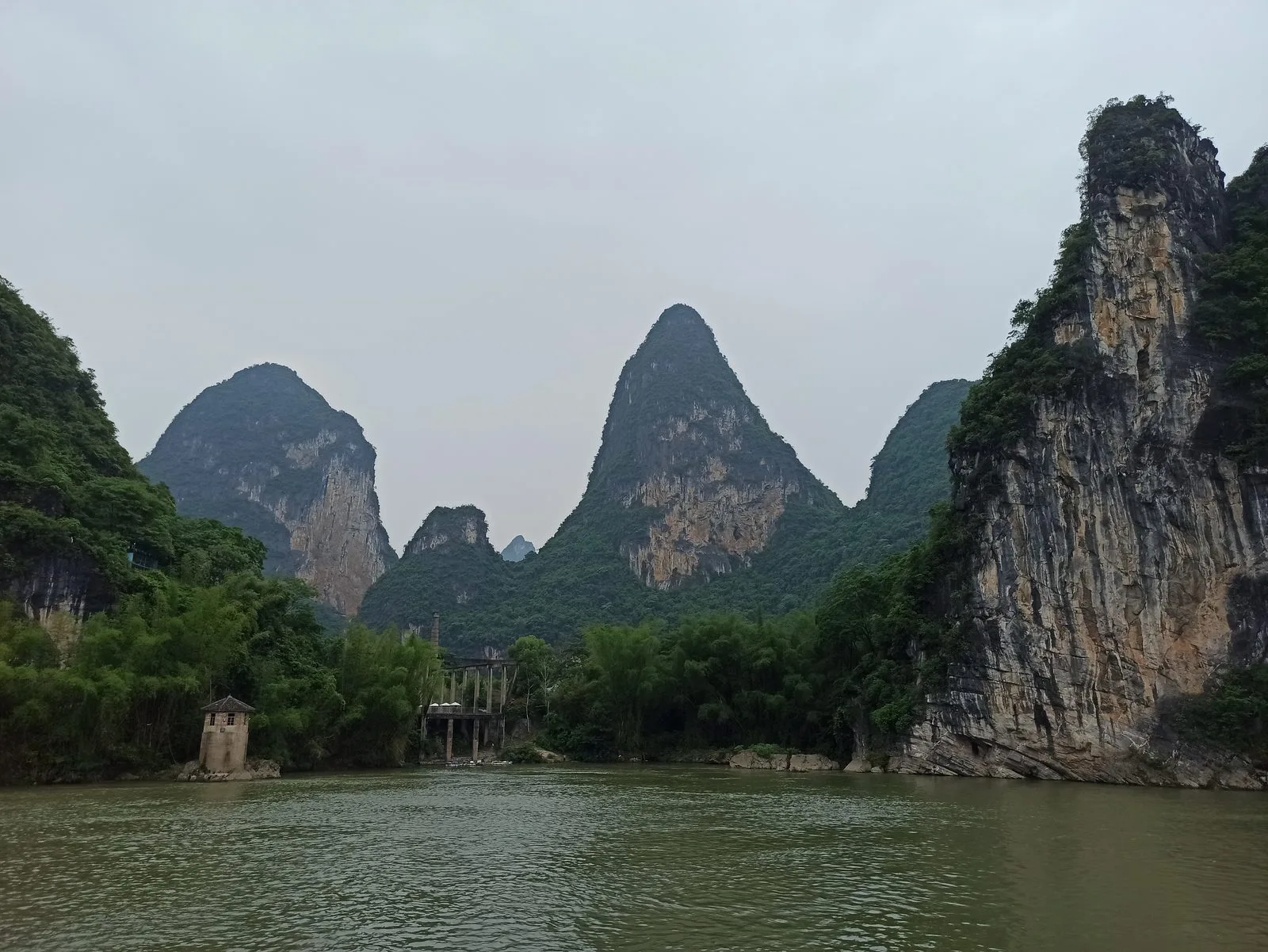
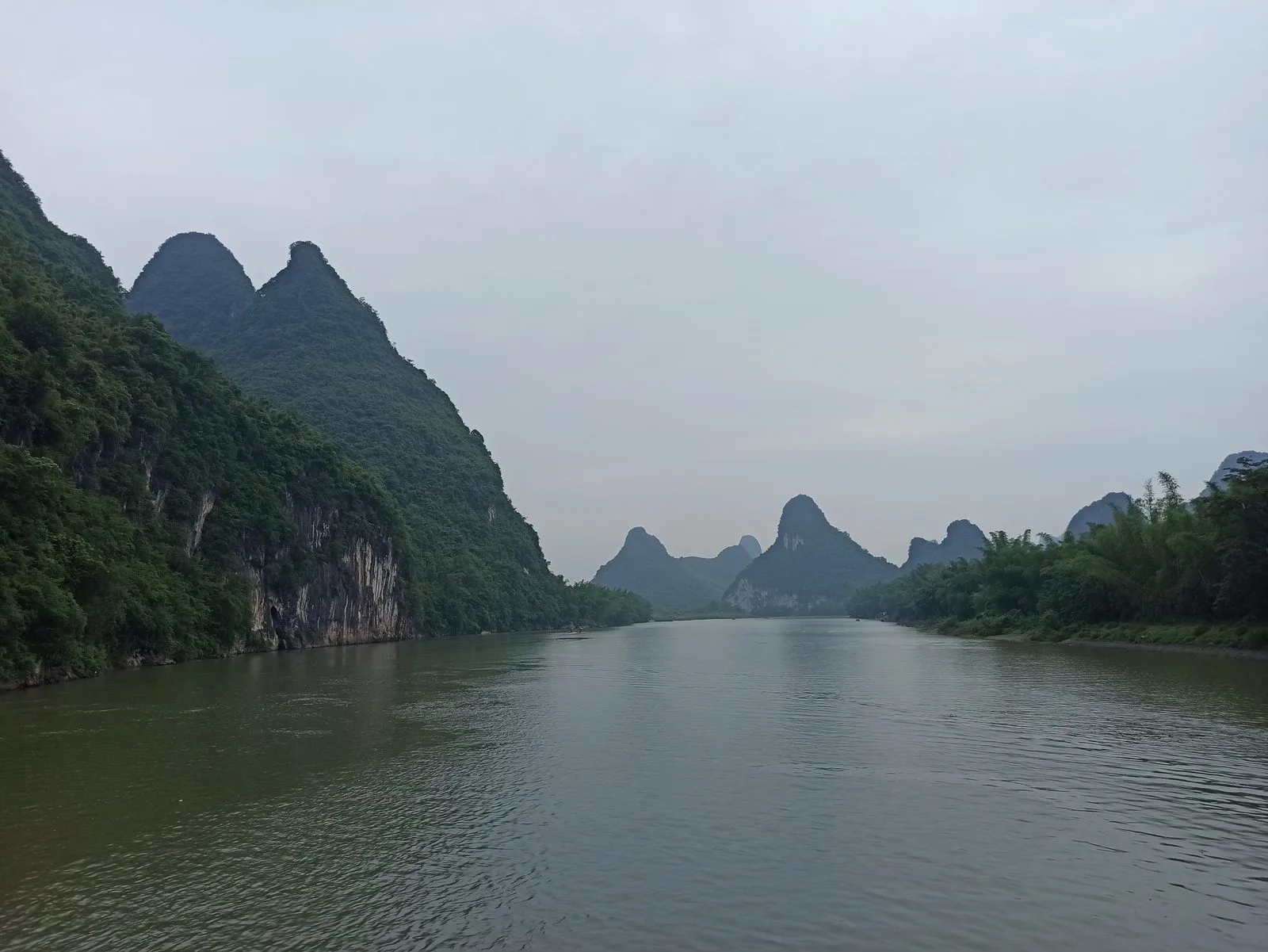
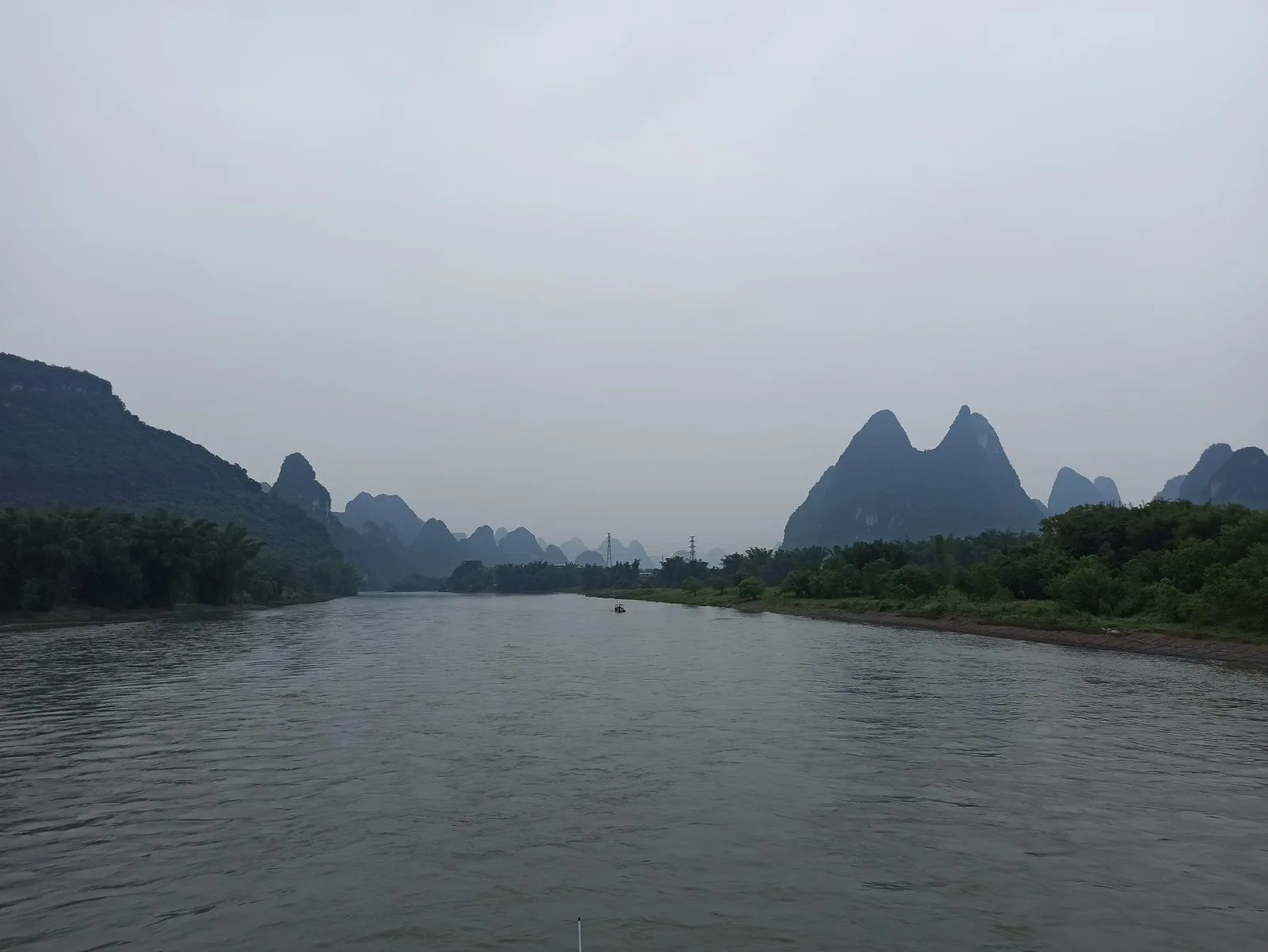
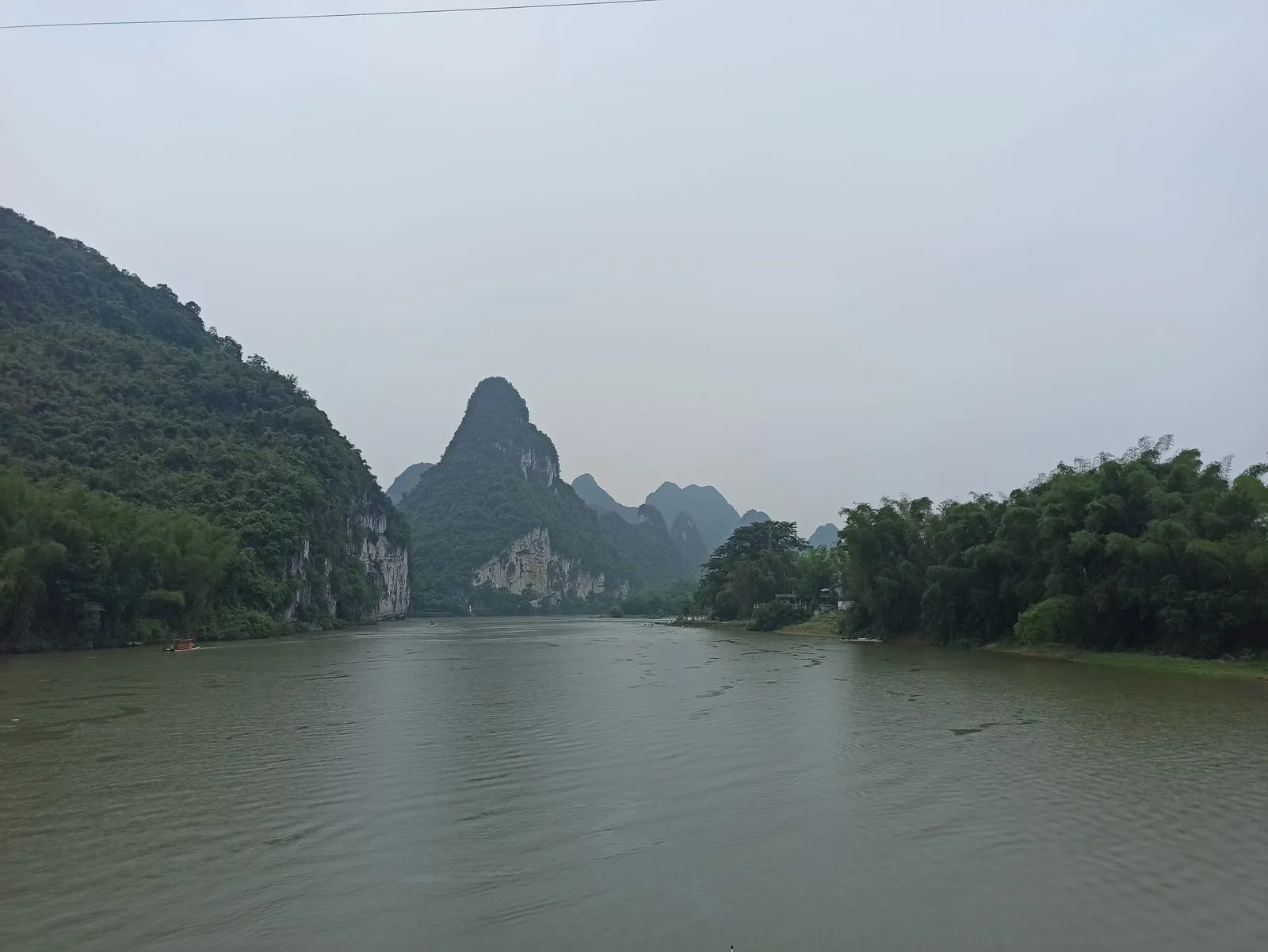
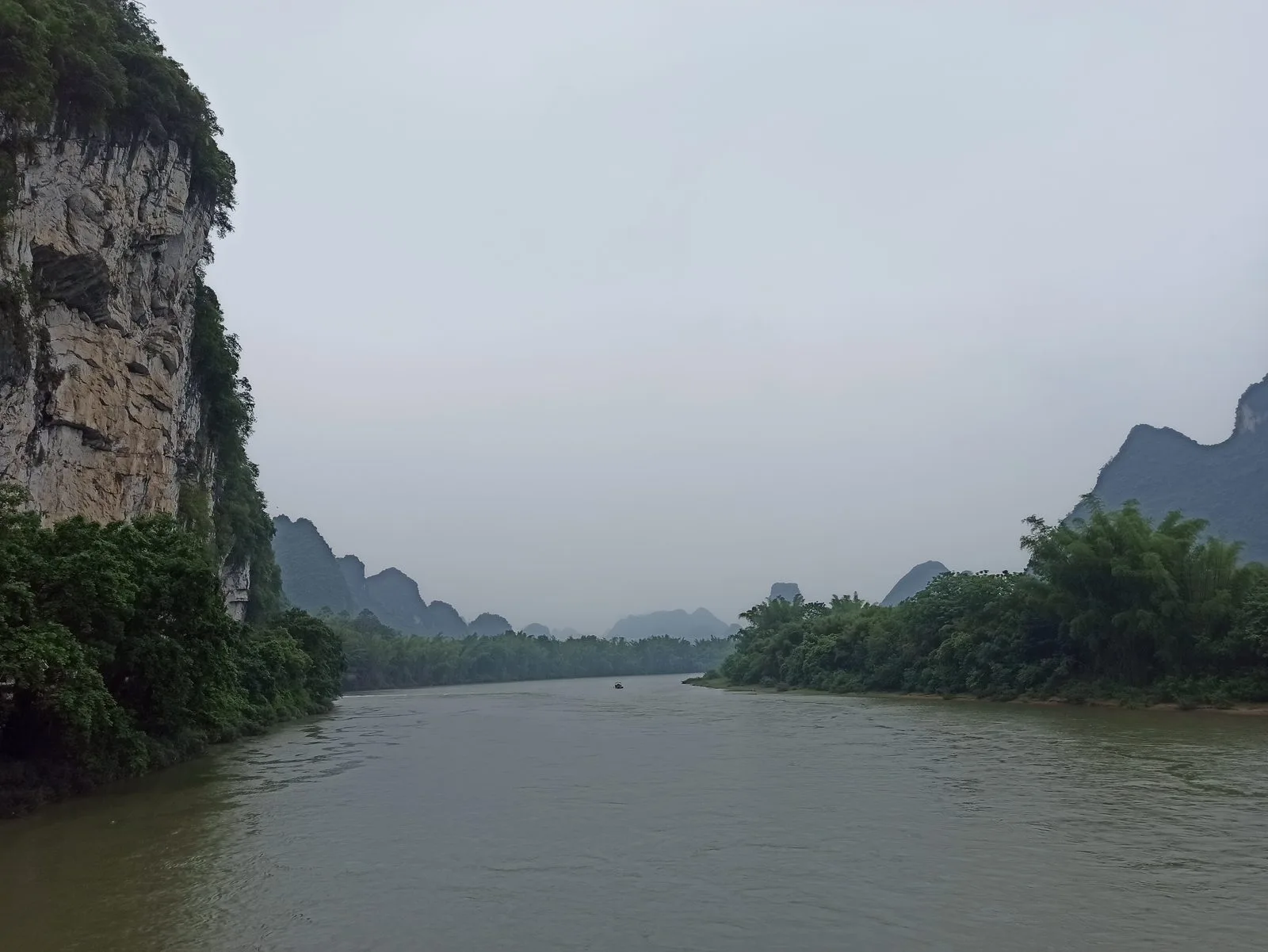
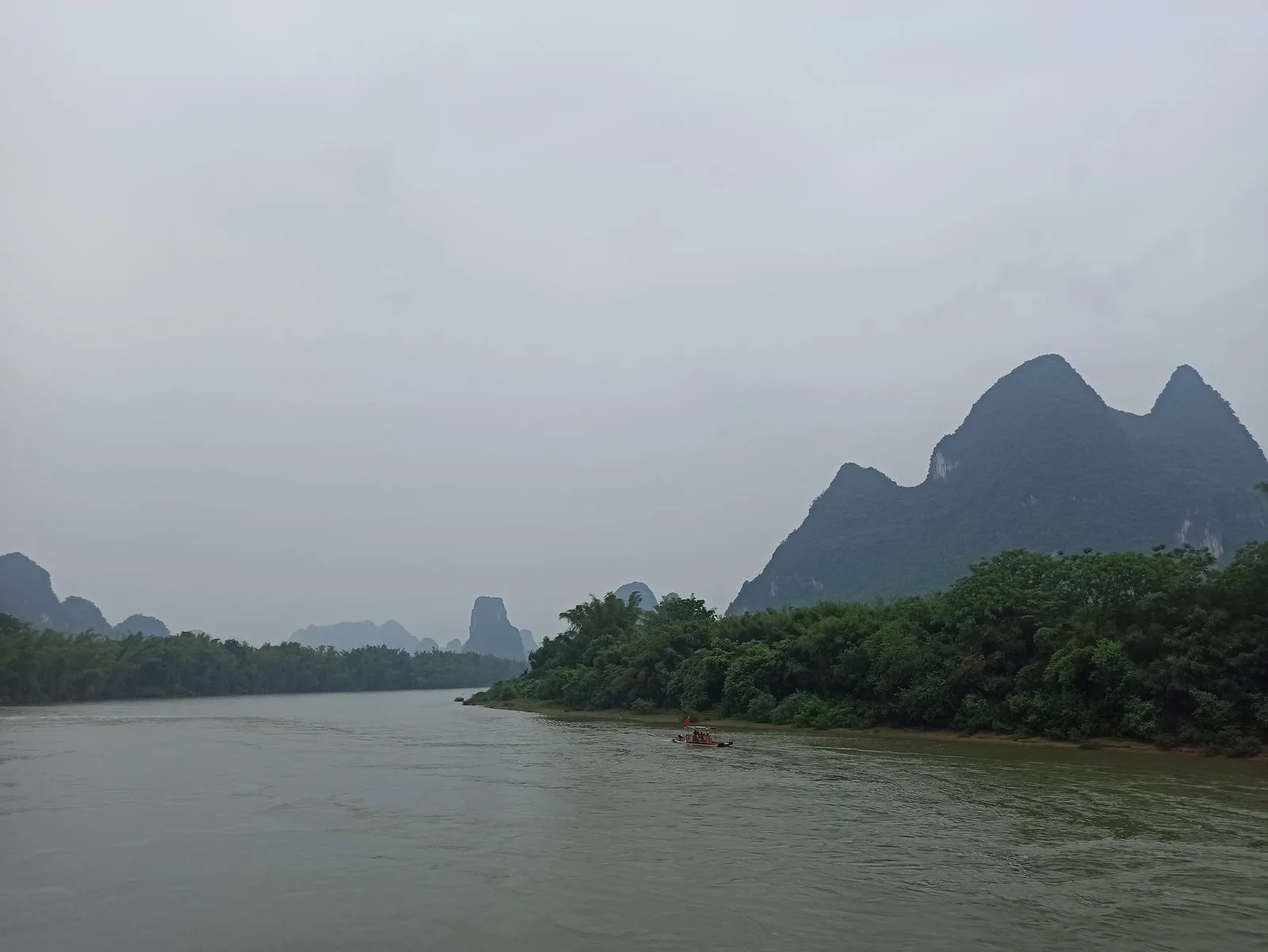
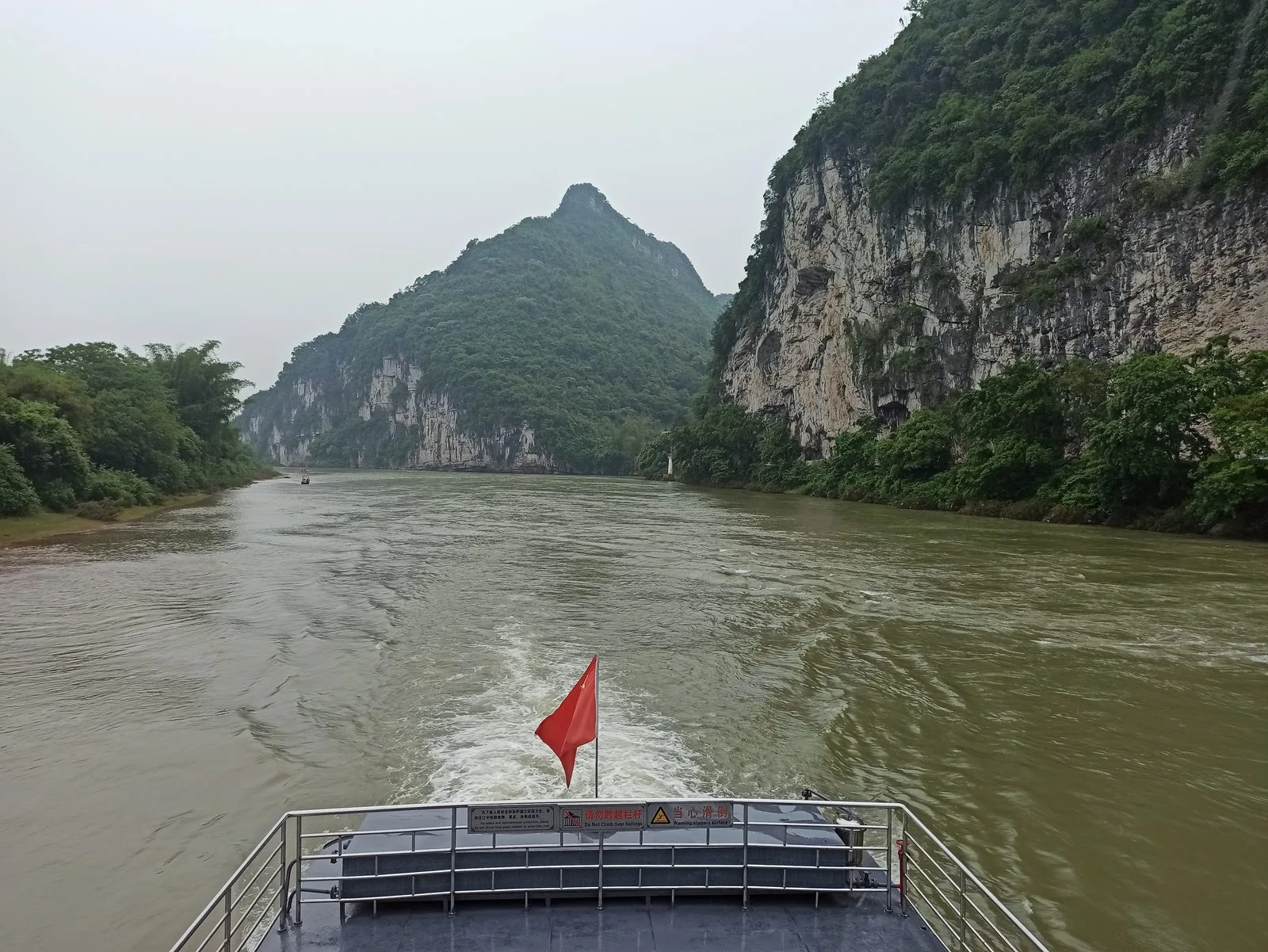
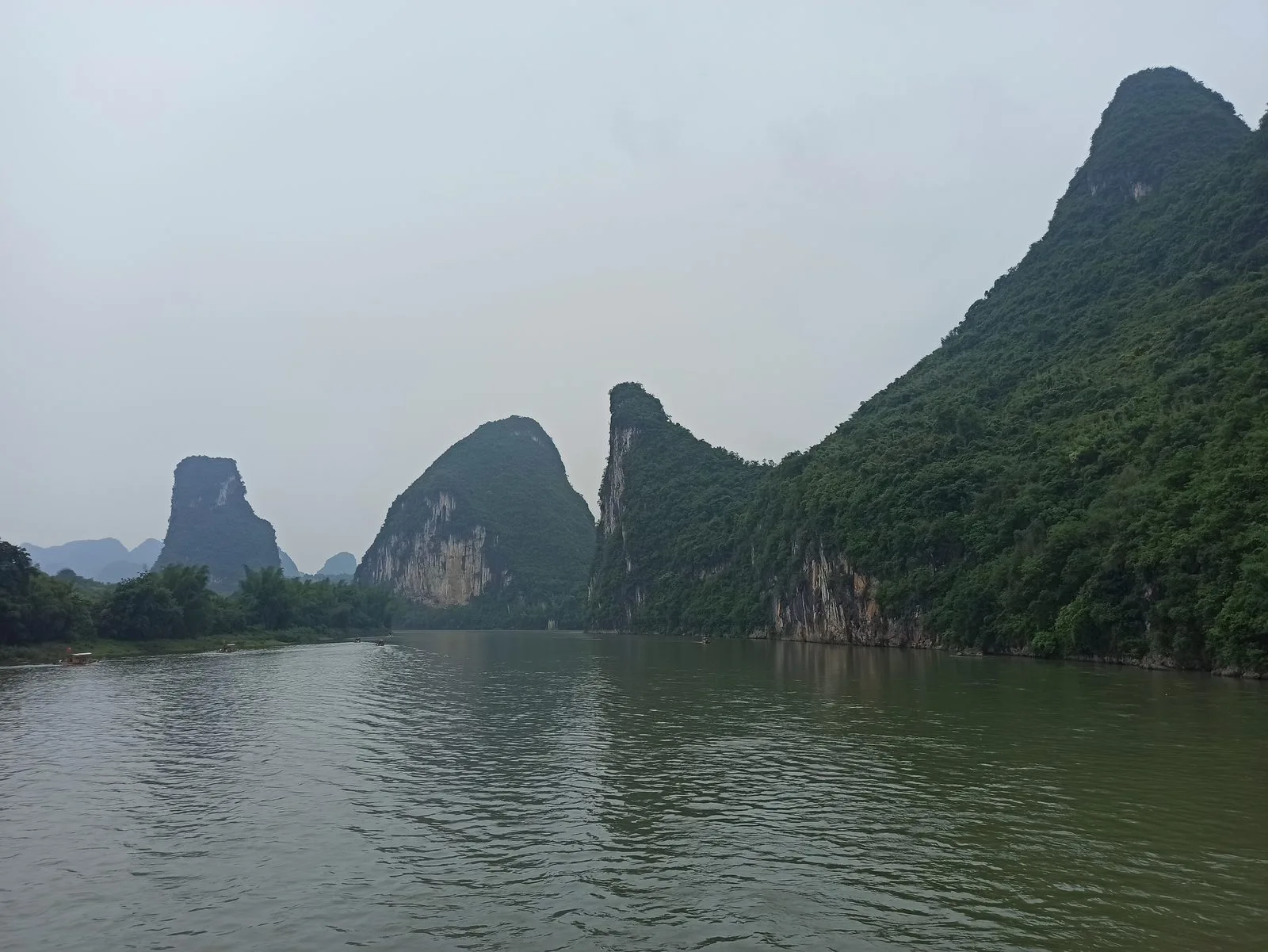
After the long journey it was time to get on the boat and enjoy the views. As I said, this is one of the Chinese people’s favourite places – they like it so much that they even put it on the 20-yuan banknote.
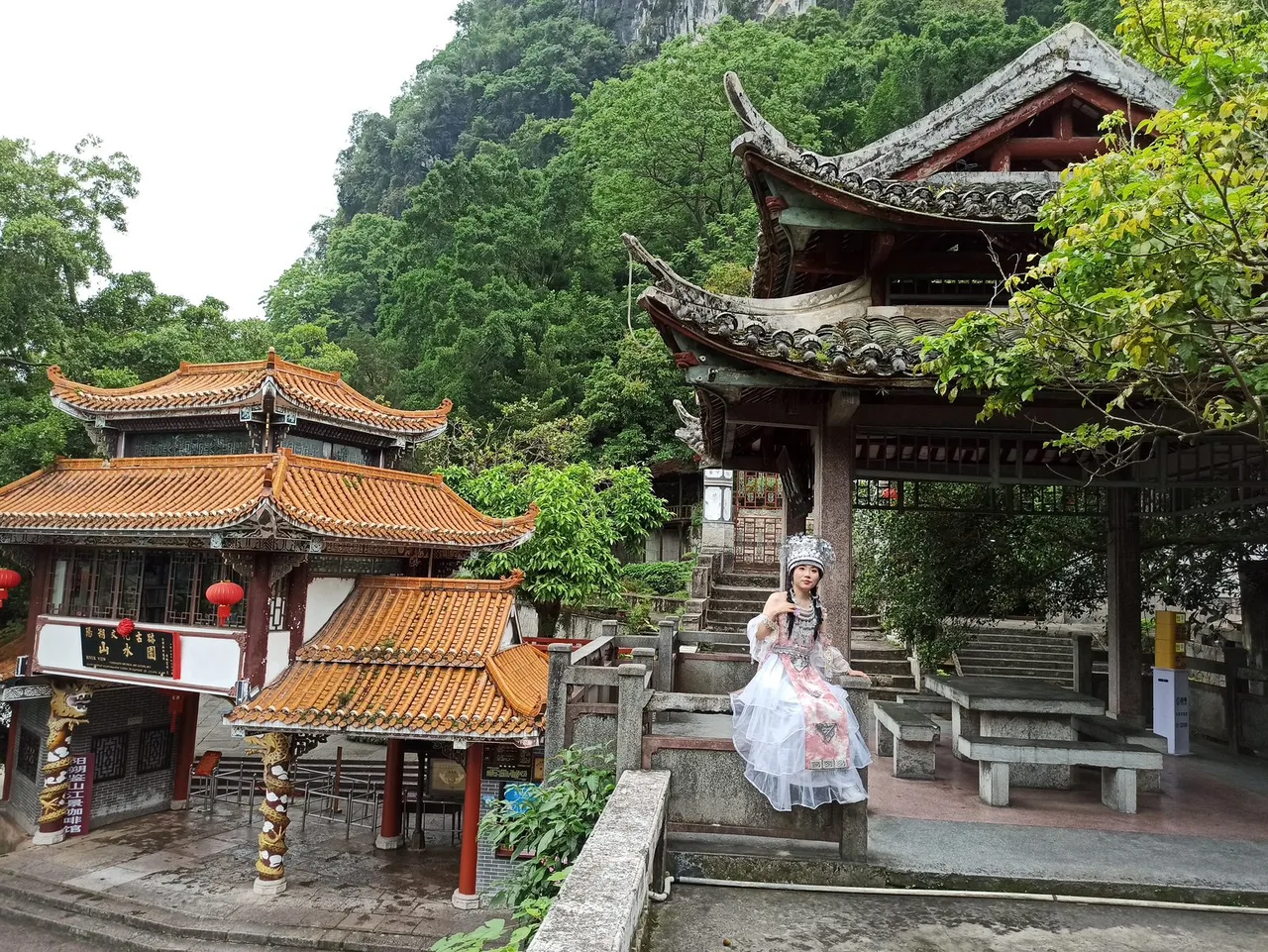
While we were waiting to board, I noticed a few girls in unusual but very beautiful costumes. Later I found out that the costumes belong to the Miao people – one of the ethnic minorities in this region. The next day I would get to know the way of life of the local minorities much more closely.
The cruise itself was pleasant, though not something that can’t be seen elsewhere in the world. What impressed me most were the fishermen who passed by us. Later we were told that there are still fishermen here who fish with cormorants. They train the birds to dive and catch fish, putting a ring around their necks that stops them from swallowing the big fish. When the cormorant returns to the boat, the fisherman takes the catch. Today this ancient tradition survives mainly as a demonstration for tourists.
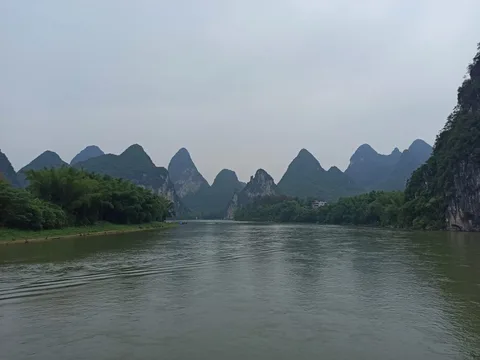 The limestone hills line up one after another as in a Chinese painting
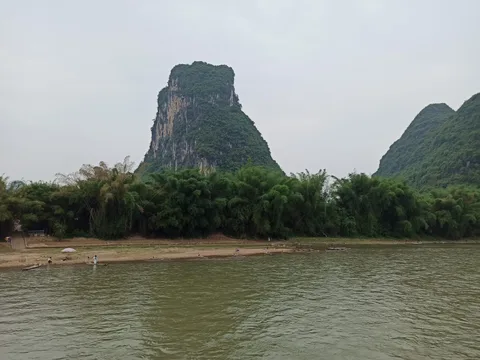 Bamboo groves along the bank
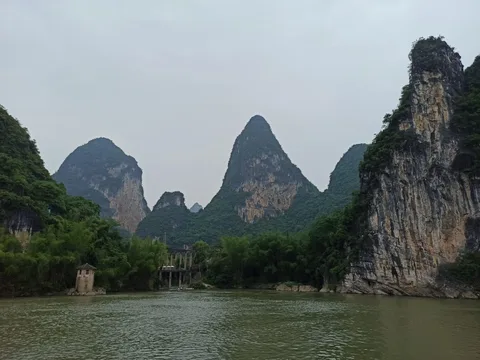 Sheer cliffs above the river
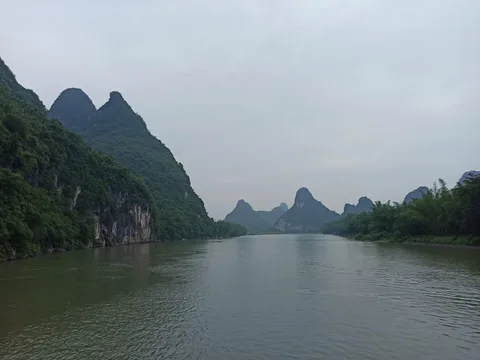 Every bend in the river reveals a new view
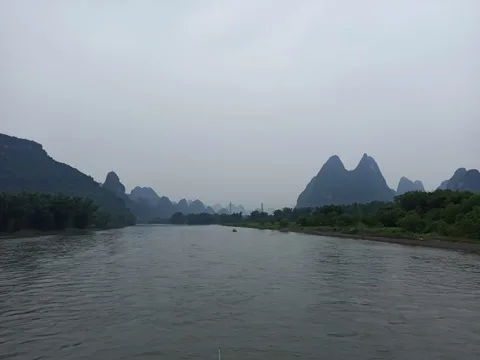 The light mist makes the landscape even more magical
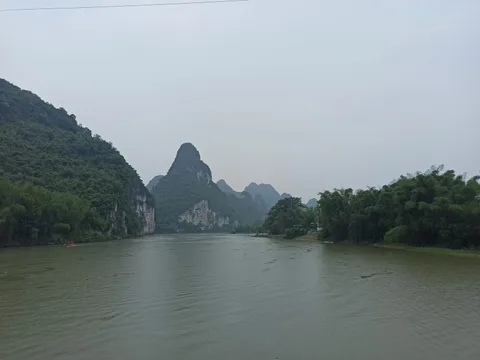 The hills fade into the distance
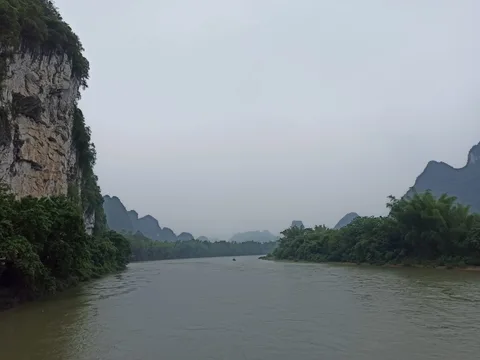 Rocks and bamboo
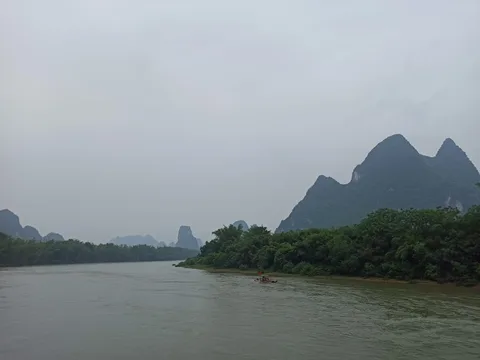 Green islands in the river
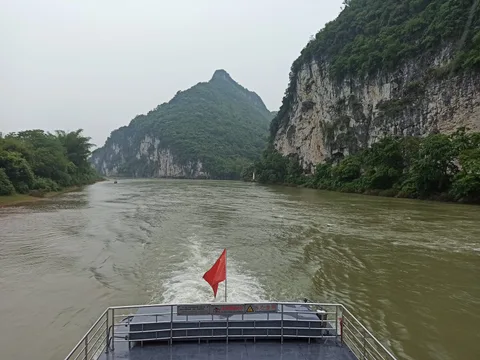 Our boat
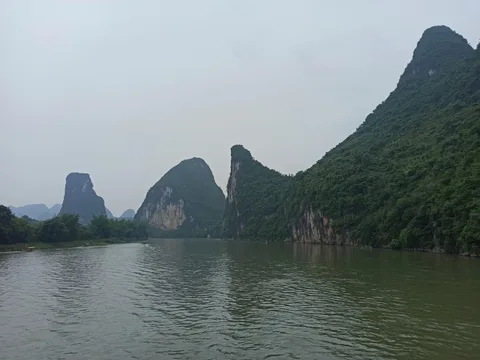 Almost every hill here has a name based on what it looks like
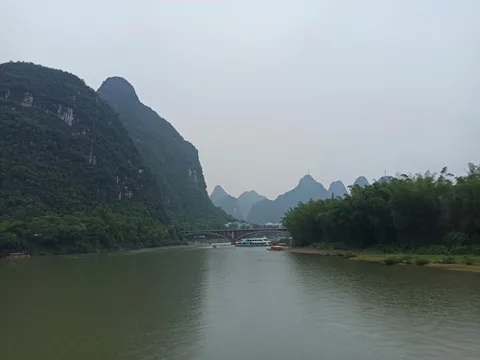 Towards the end of the cruise
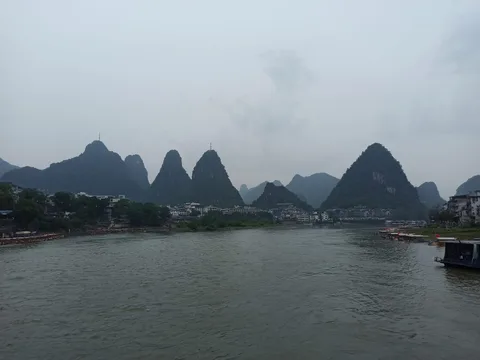 The little town among the hills at the end of the cruise
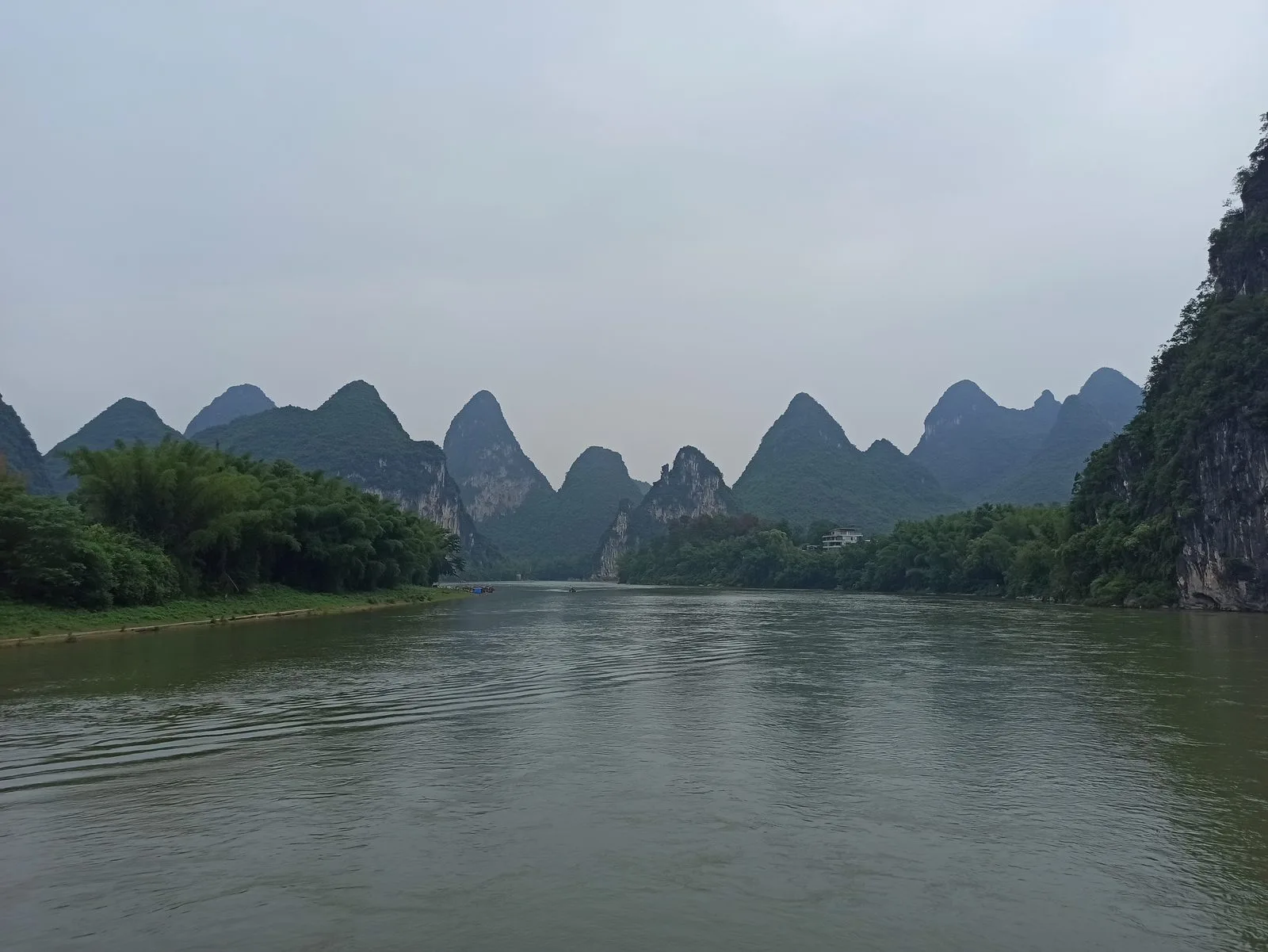
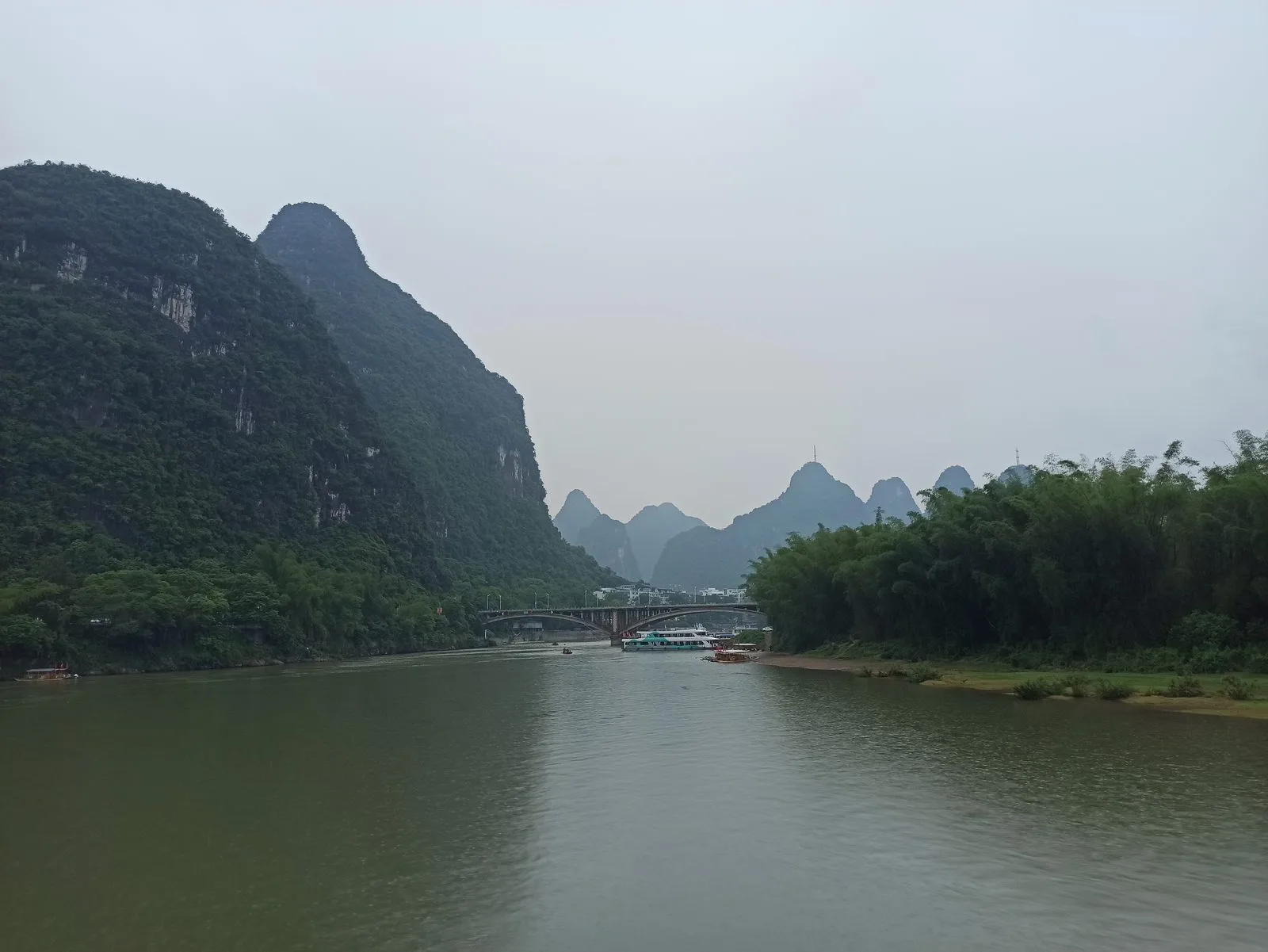
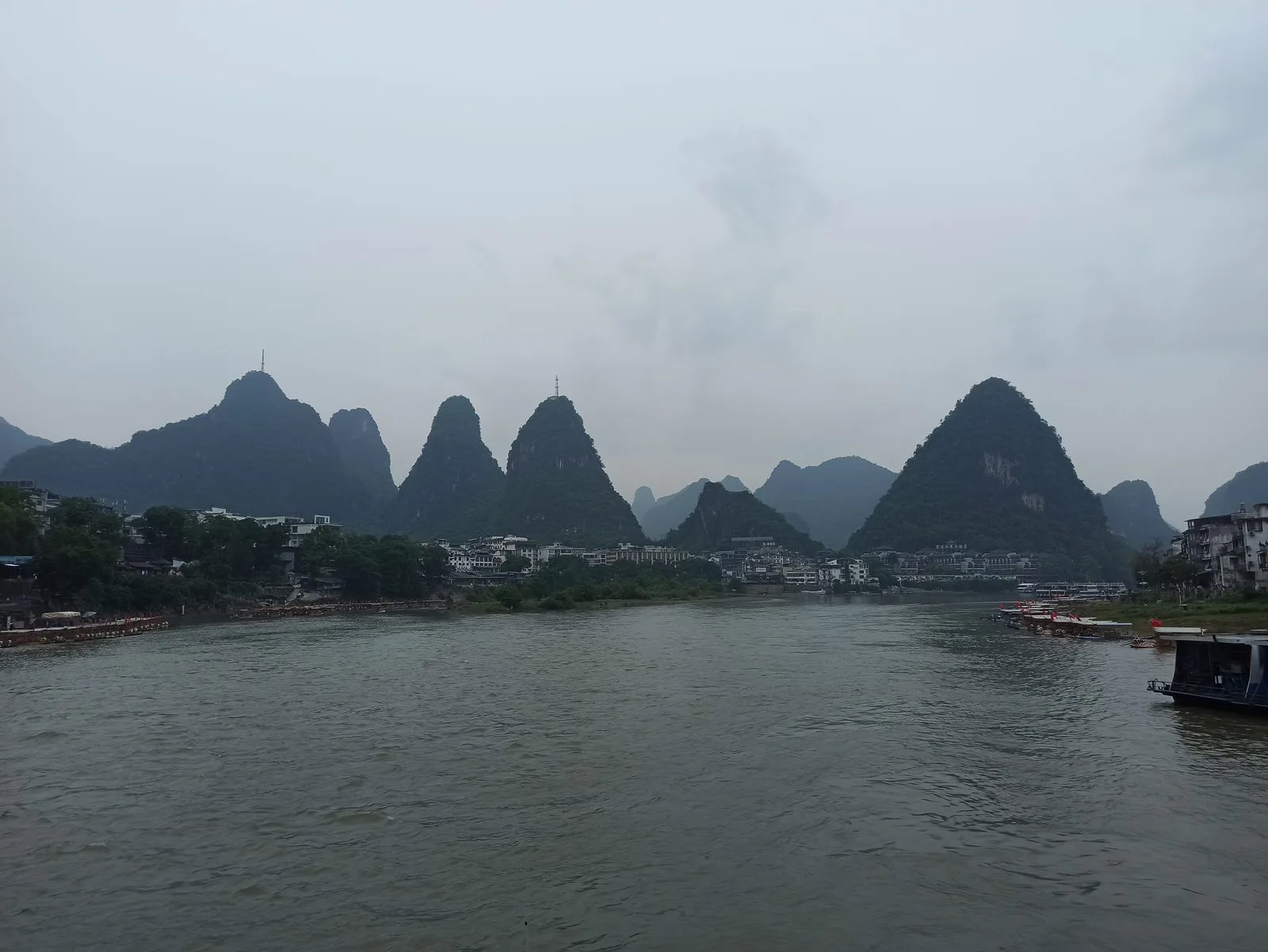
After the cruise we had time to walk along the touristy “West Street” and buy souvenirs. Prices were very good, and I highly recommend the work of the local craftsmen.
The show “Impression Liu Sanjie”
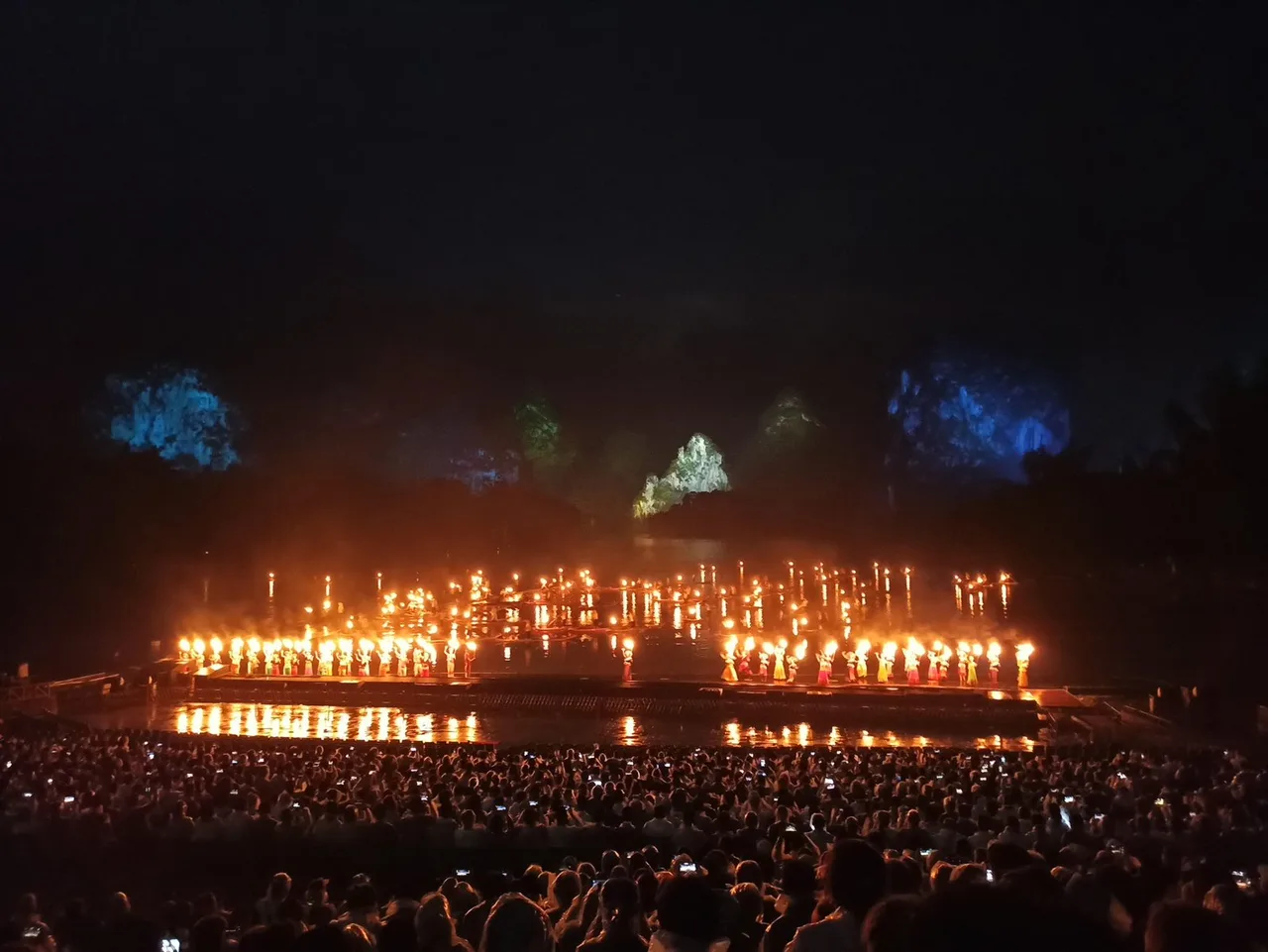
In the evening we went to the show “Impression Liu Sanjie”. It’s directed by Zhang Yimou – the same man who directed the opening ceremony of the 2008 Beijing Olympics – and the show has been running since 2004. Over 600 people take part, mostly locals who have other jobs during the day and come in the evening to show their skills. The stage is the river itself – almost 2 km of the Li River – and the backdrop is 12 illuminated limestone hills, so much of the action takes place in boats. Personally, the other shows impressed me more, but this one has its own charm and is definitely worth it. When you think that these are local fishermen, farmers and other workers who manage to achieve such coordination – it’s simply stunning.

The Longji Rice Terraces
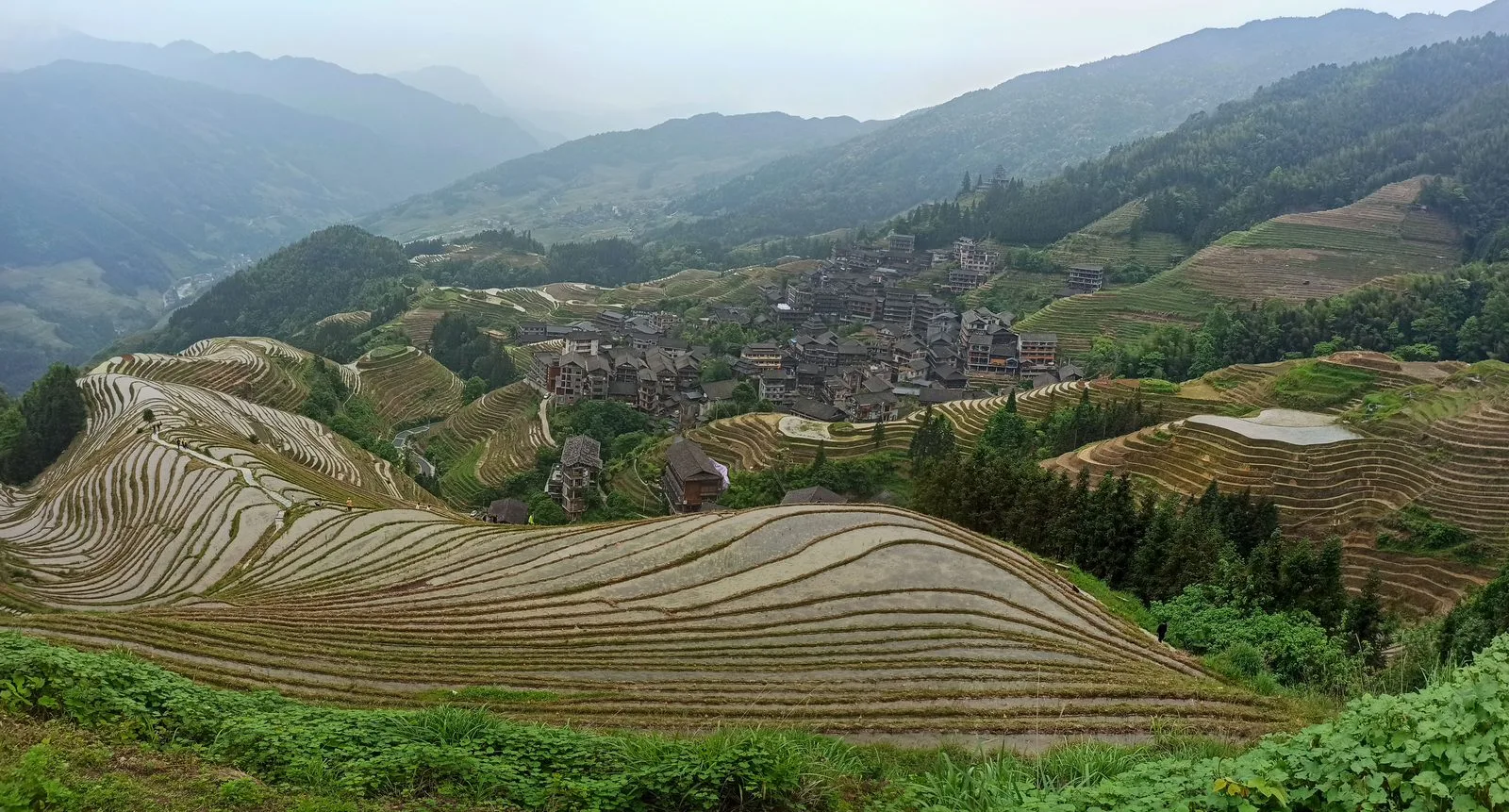
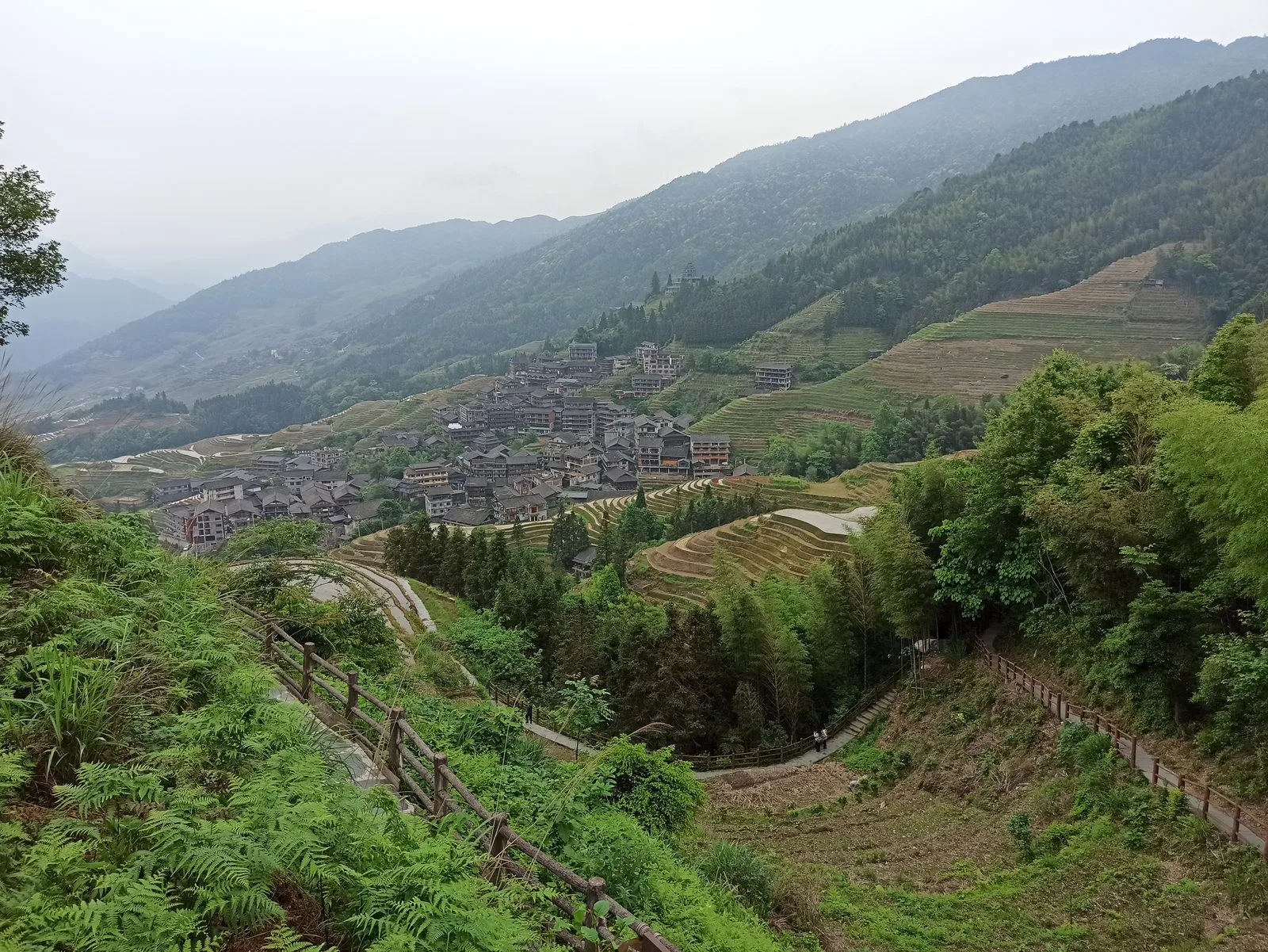
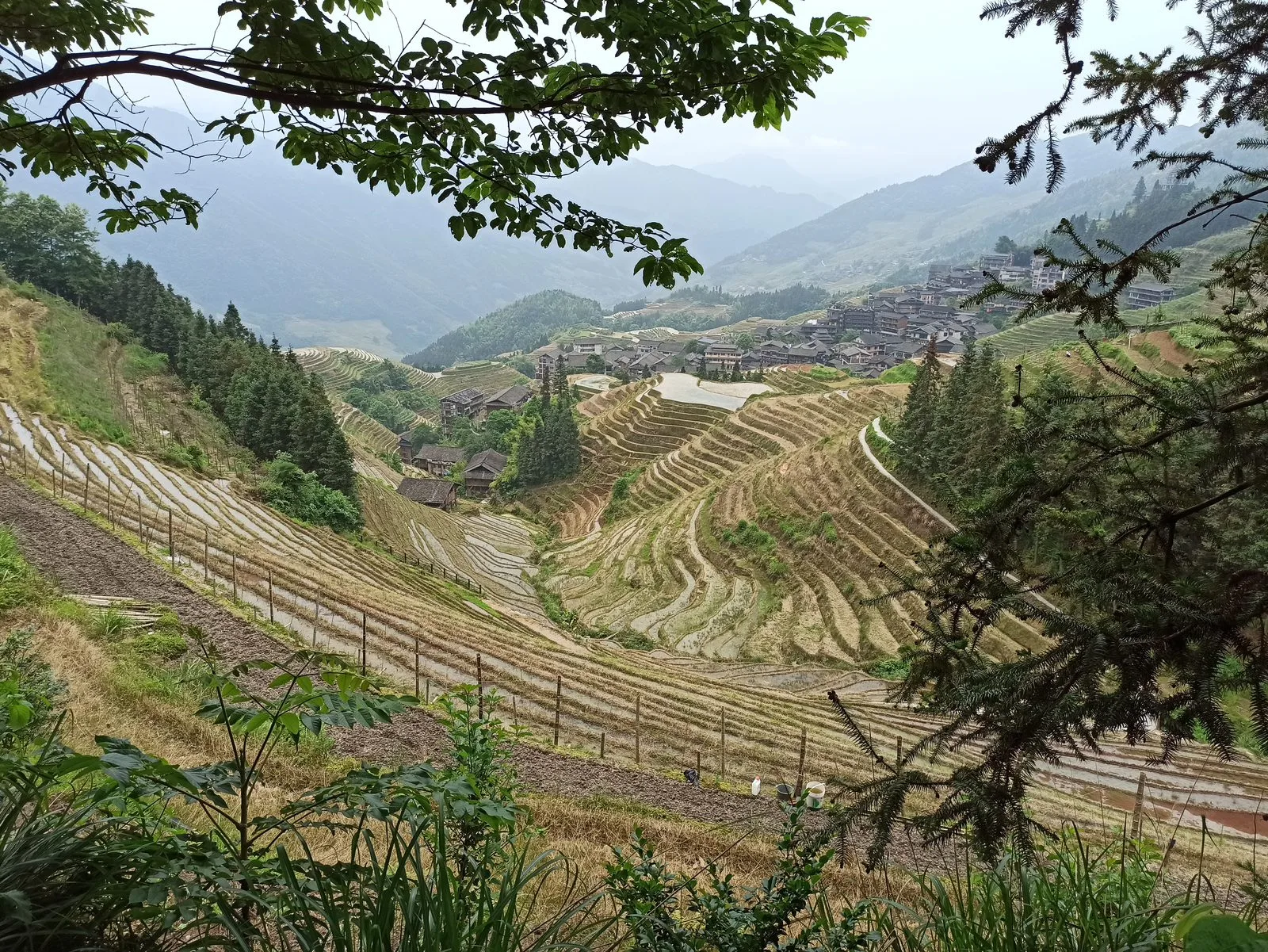
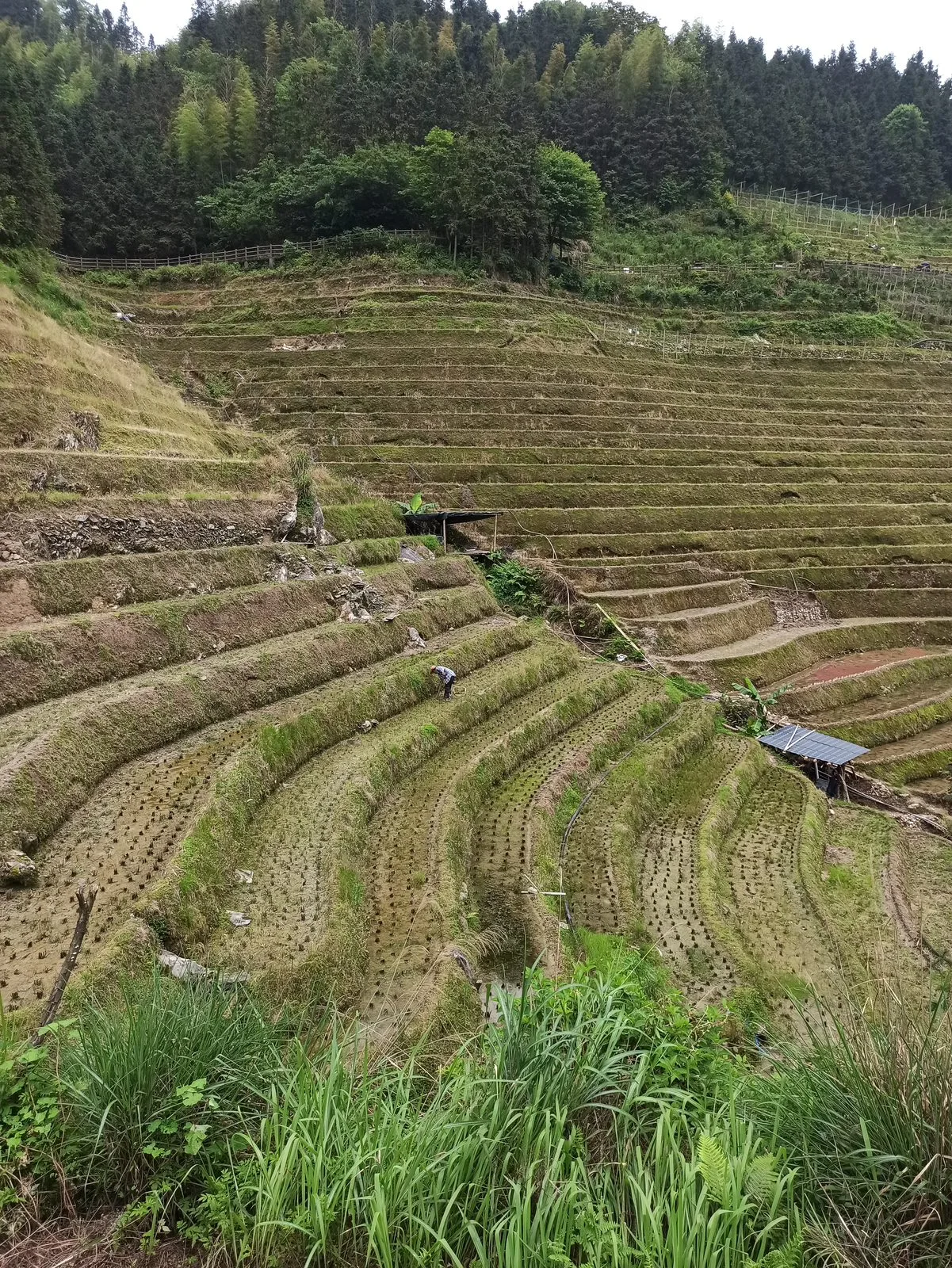
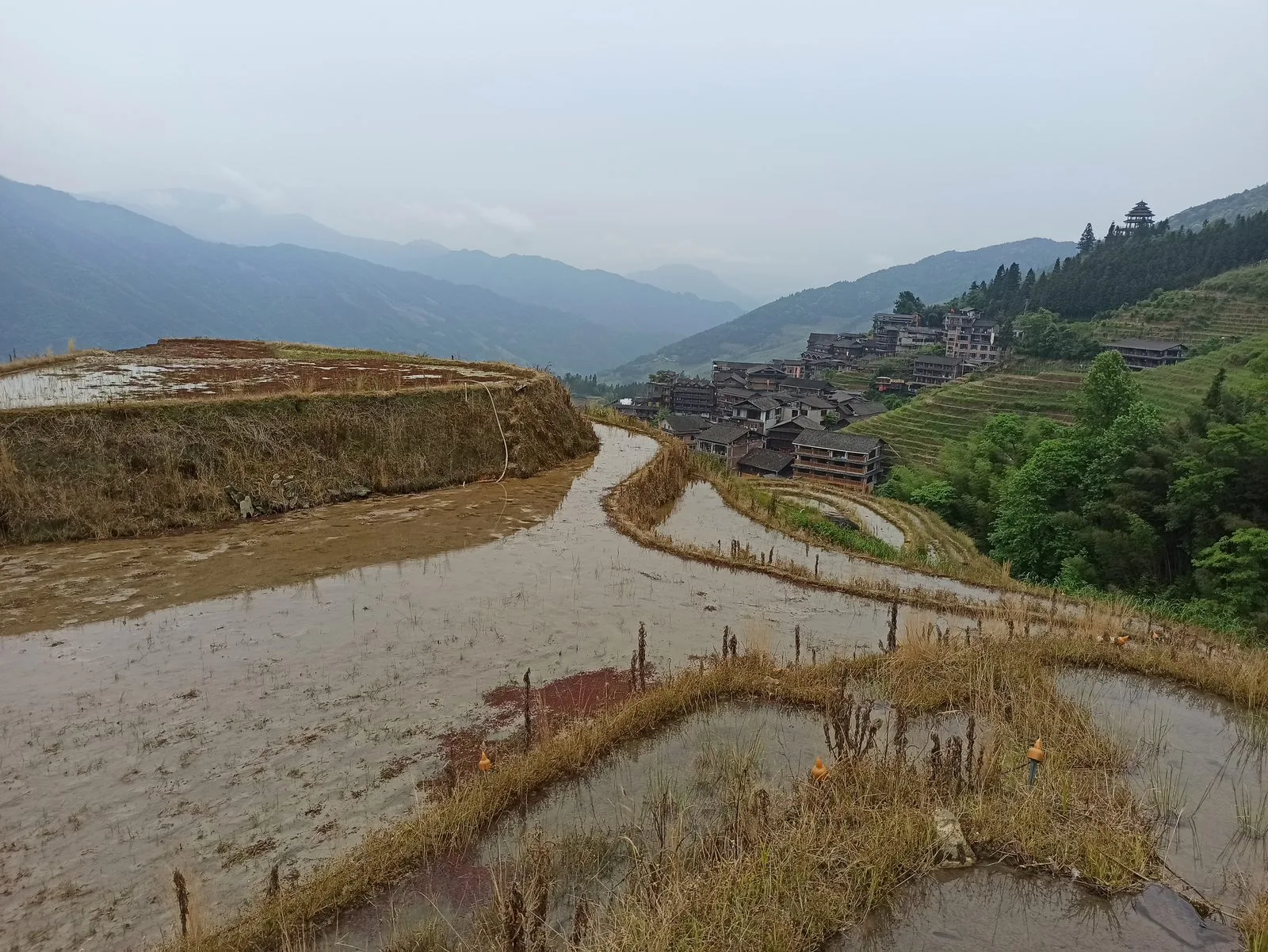
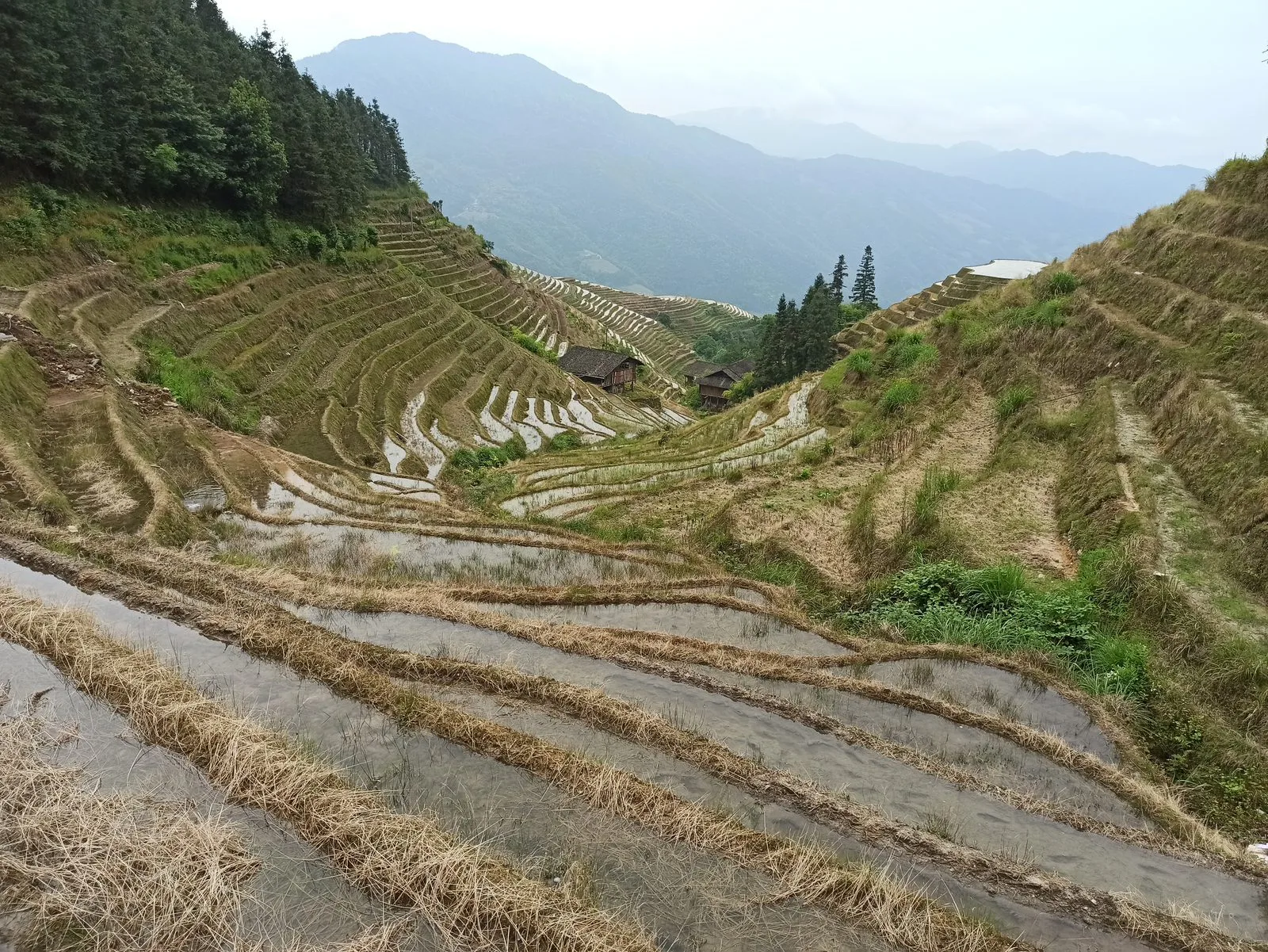
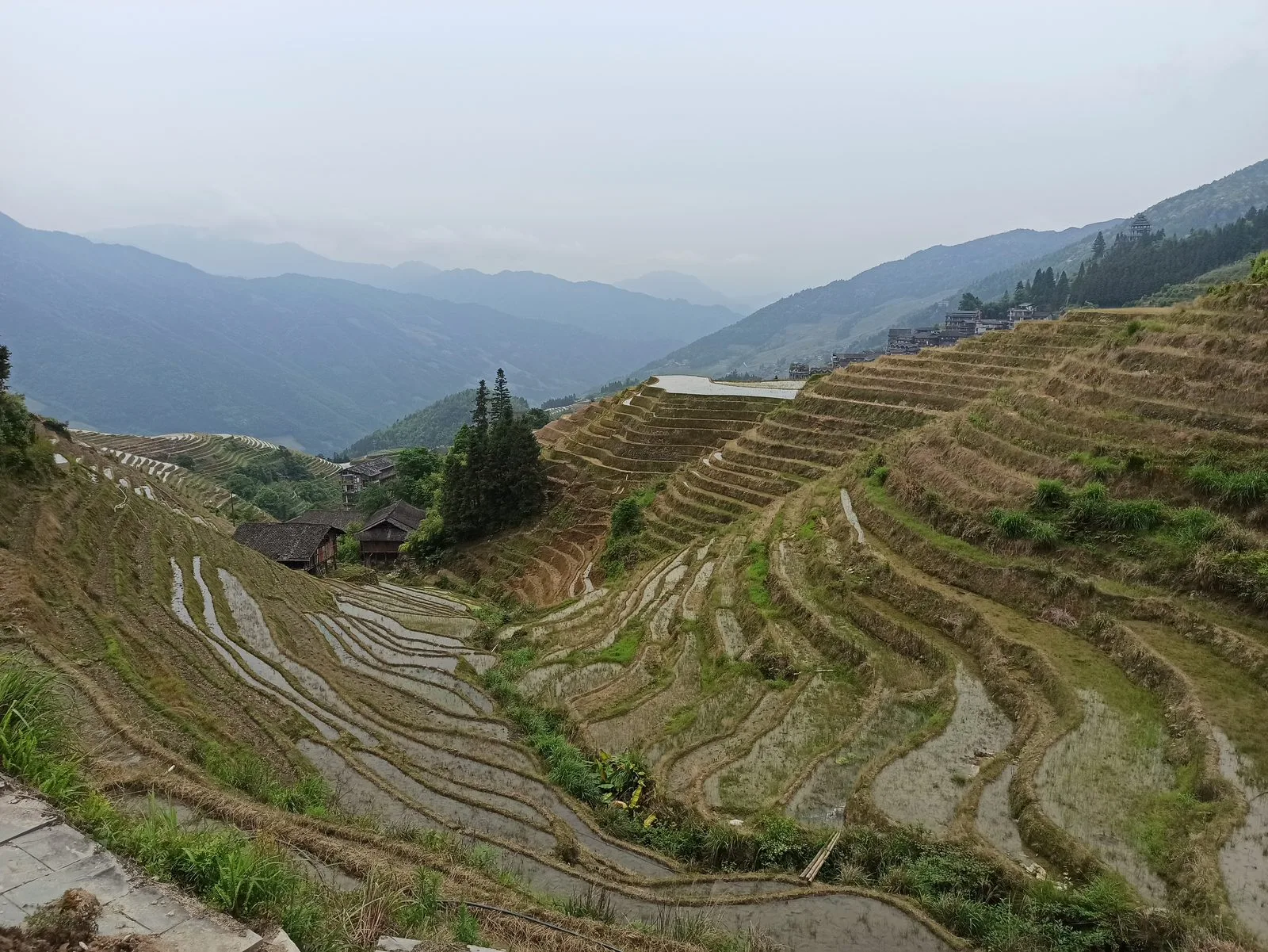
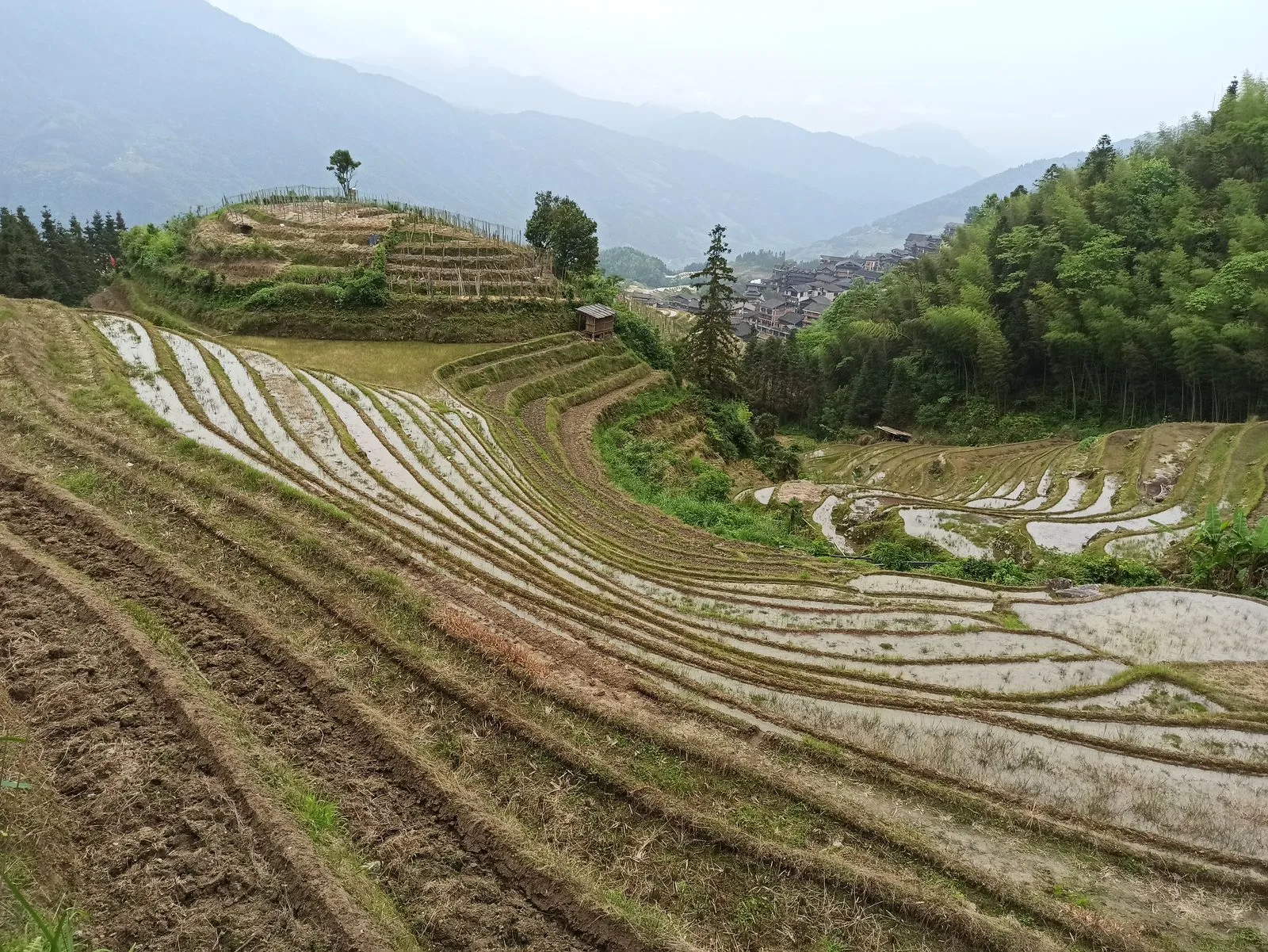
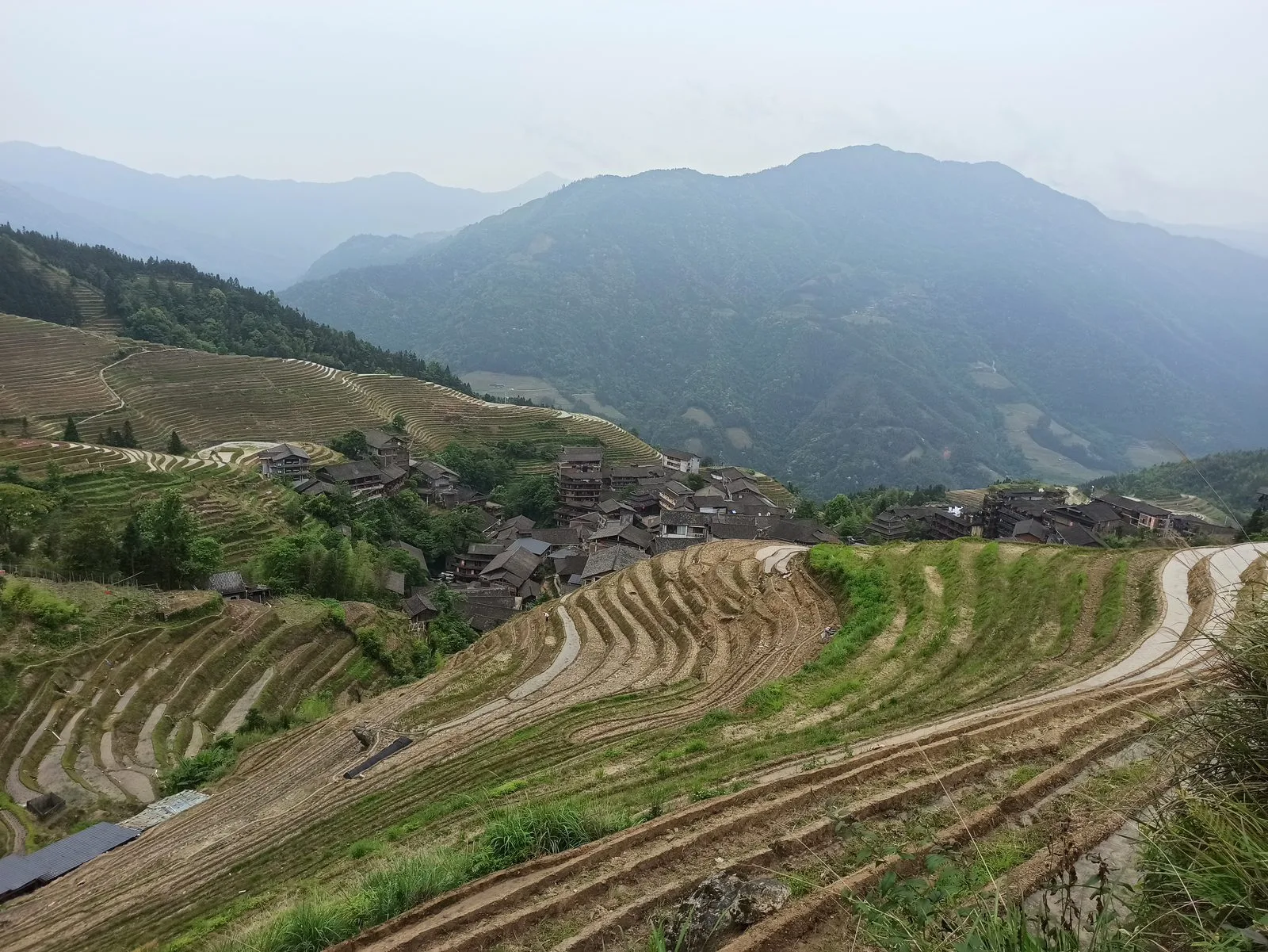
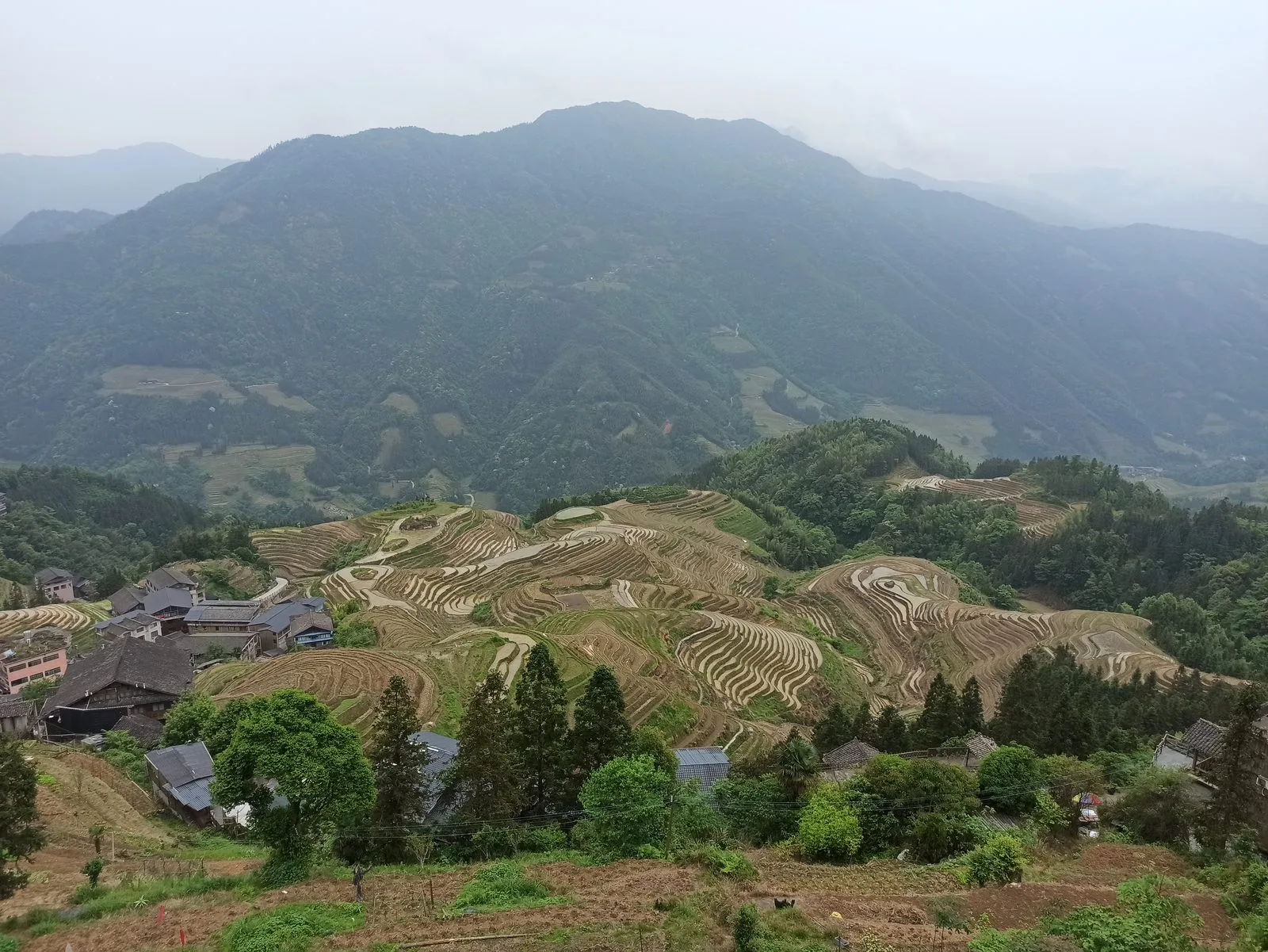
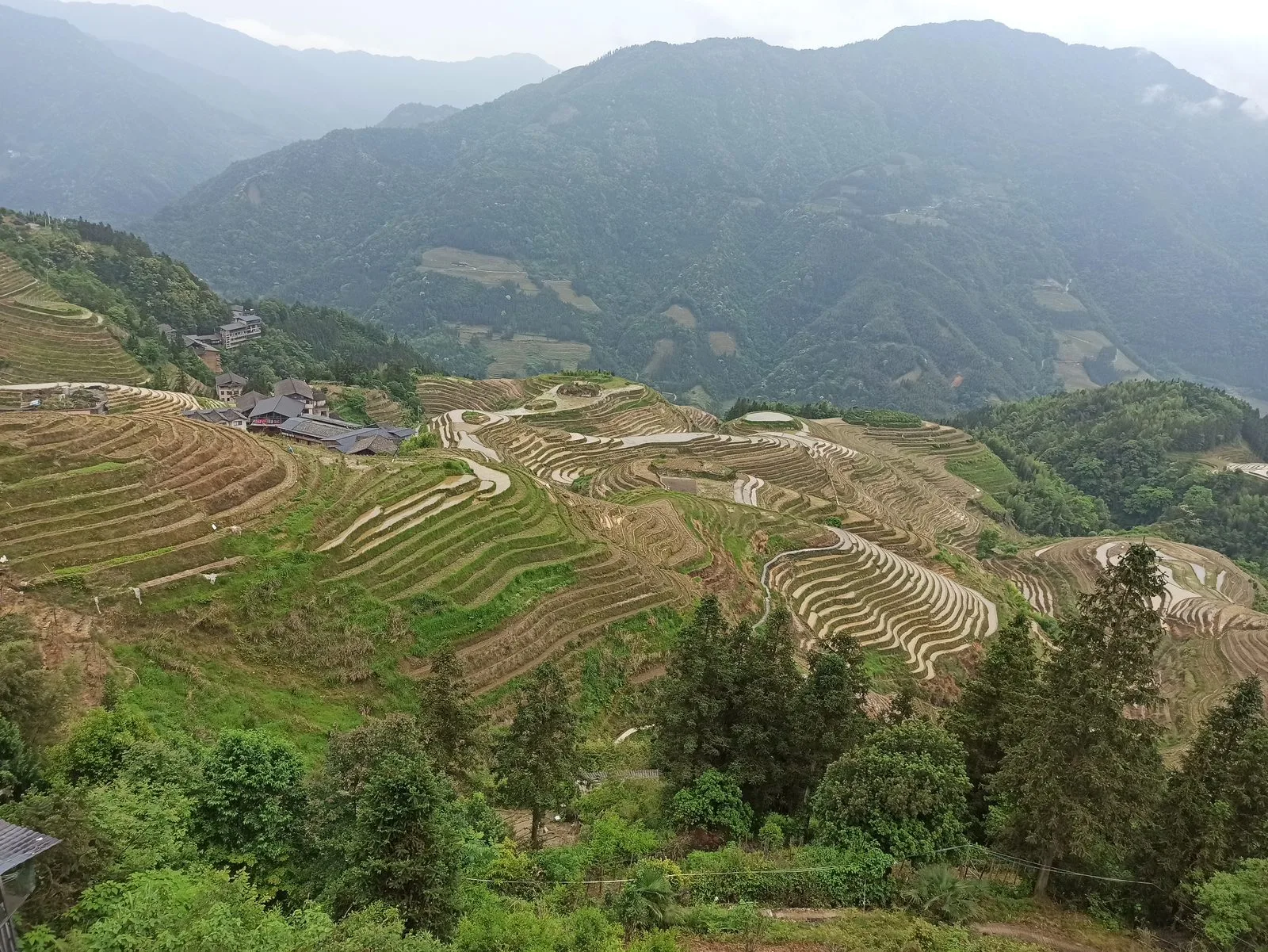
The next day we headed to the famous Longji rice terraces – the “Dragon’s Backbone”. I had seen them so many times in films that I imagined entire mountains completely cultivated this way. They turned out not to be quite so huge, but they were still very interesting. You definitely need good shoes, because you walk on village paths, and if you want to walk among the terraces themselves, be prepared for mud.
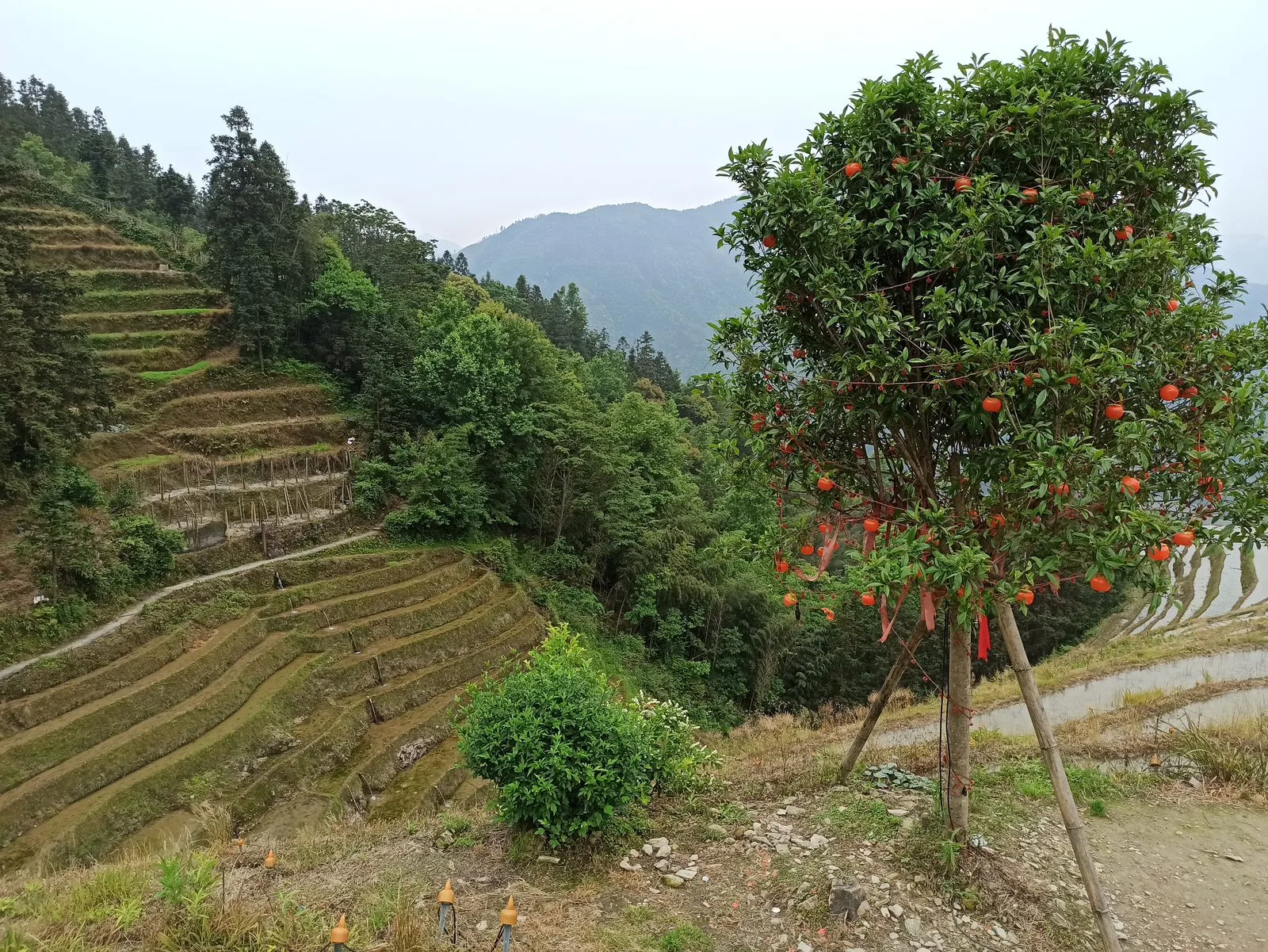
We were told that the terraces are so high up in the mountains because during different periods of Chinese history various peoples were persecuted and killed, and in search of refuge some people settled in the mountains. But there wasn’t enough land there to feed themselves, so they started building these terraces, where they grew rice. Because of the high altitude, growing rice was difficult and huge areas were needed, so generation after generation the terraces grew into what they are today. They were started about 700 years ago, under the Yuan dynasty, and were only completed at the beginning of the Qing dynasty. There are several villages of the Zhuang and Yao peoples in the area – minorities with their own unique architecture, costumes and customs.
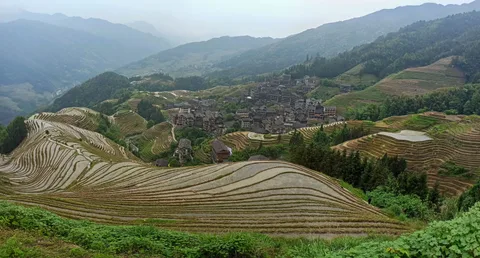 A panorama with one of the villages among the terraces
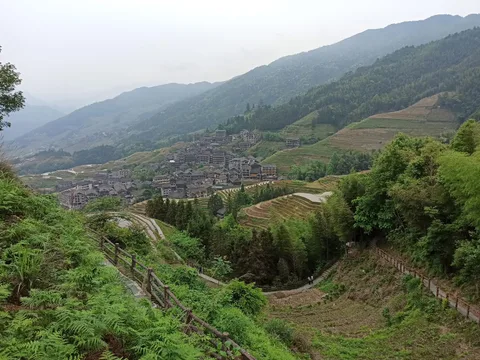 The village nestled on the slope
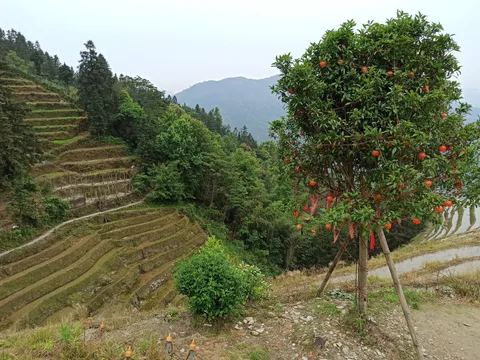 A tree decorated with red ribbons for luck
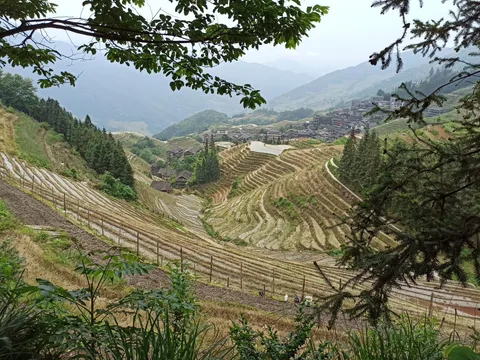 The terraces reach almost to the peaks
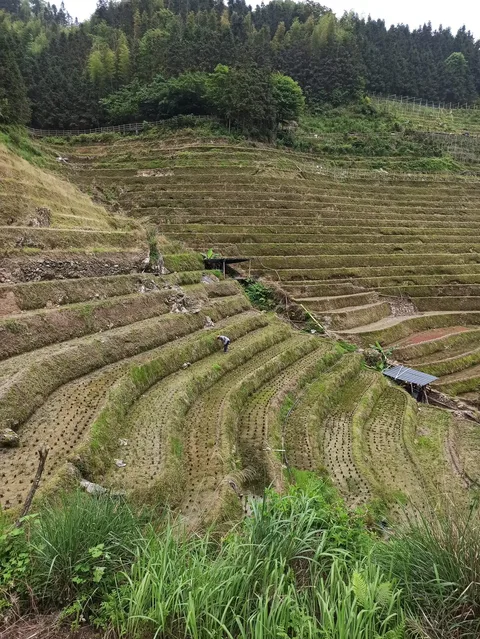 Every terrace was built by hand
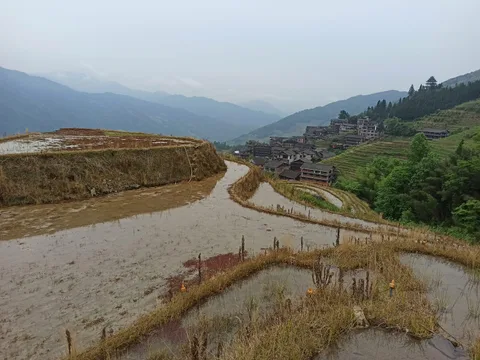 In May the terraces are flooded and ready for planting rice
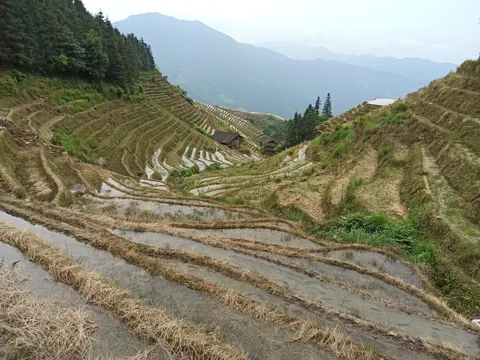 The water reflects the sky
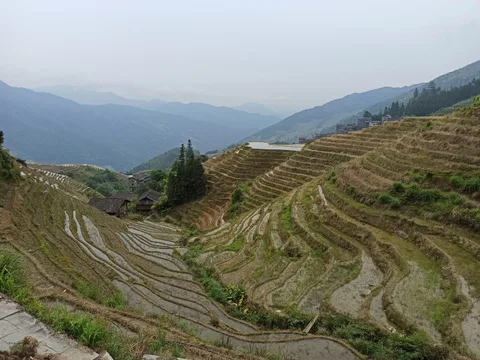 The terraces descend towards the valley
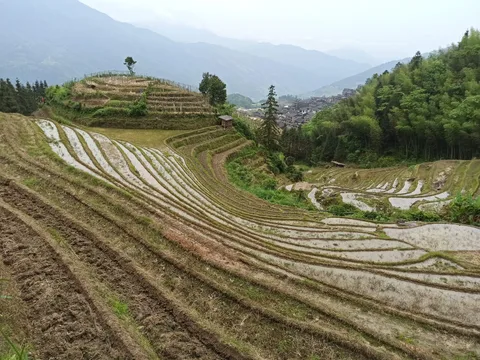 Curving lines wherever you look
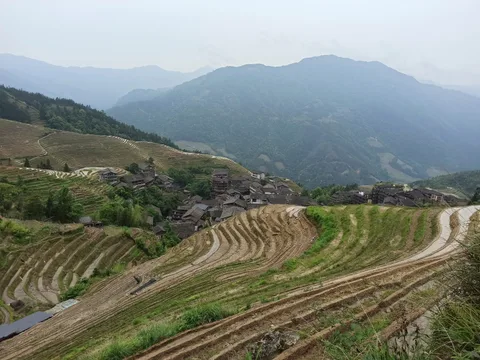 The village’s wooden houses
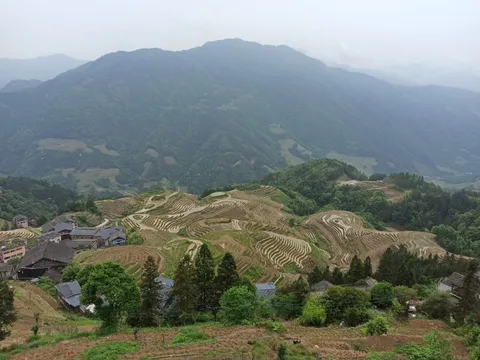 Looking towards the opposite slope
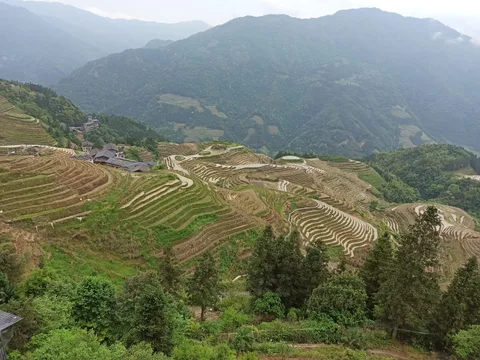 The Longji terraces – the “Dragon’s Backbone”
Shanghai
After the pleasant trip through China’s countryside, it was time to return to the big cities and visit one of the biggest – Shanghai. To get there we flew, crossing the country in a few hours to one of its economic centres. We were told that the city has a long history, full of quite unpleasant moments for the Chinese – especially during the Opium Wars.
After the wars, Shanghai was divided into foreign concessions. We were told that Chinese people were forbidden to enter these territories, that if someone did enter they often didn’t come out, and that many Chinese were sent to other countries to build railways and do other hard labour.
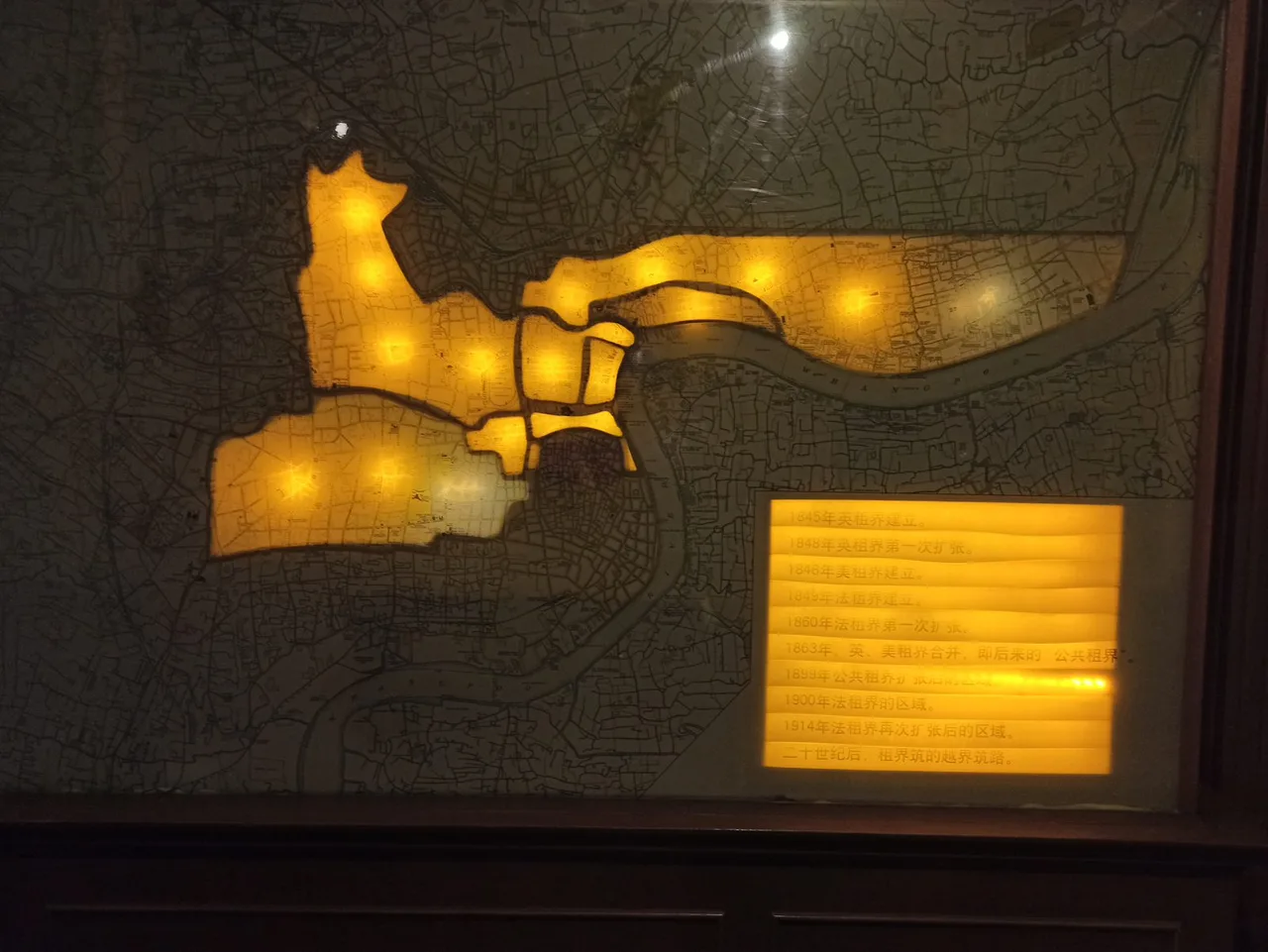
What horrified me was the story that opposite the British concession there was a park with a sign reading “No dogs or Chinese allowed”. When I read up on it, I found a photo of the sign from 1917, but it doesn’t say exactly that.
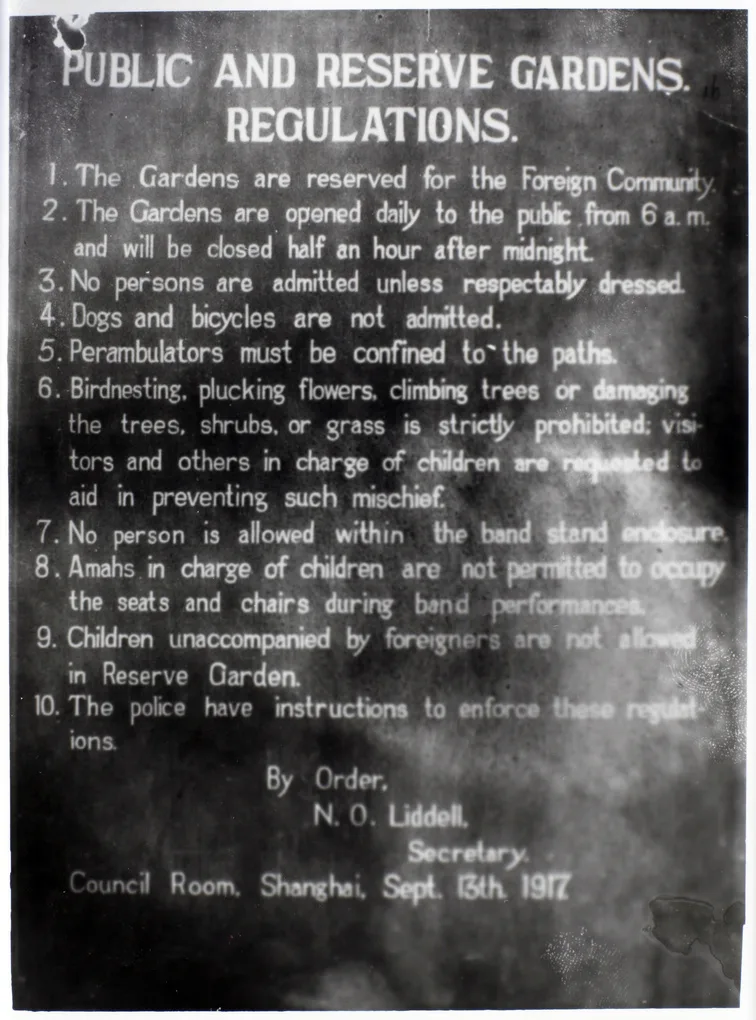
According to the rules:
Rule No. 1: “The gardens are reserved for the Foreign Community.”
Rule No. 4: “Dogs and bicycles are not admitted.”
So one sign really did carry both a restriction excluding the Chinese and a ban on dogs – albeit in two separate points.
In the older rules from 1903, however, the Chinese are mentioned explicitly:
No Chinese are admitted, except servants in attendance upon foreigners.
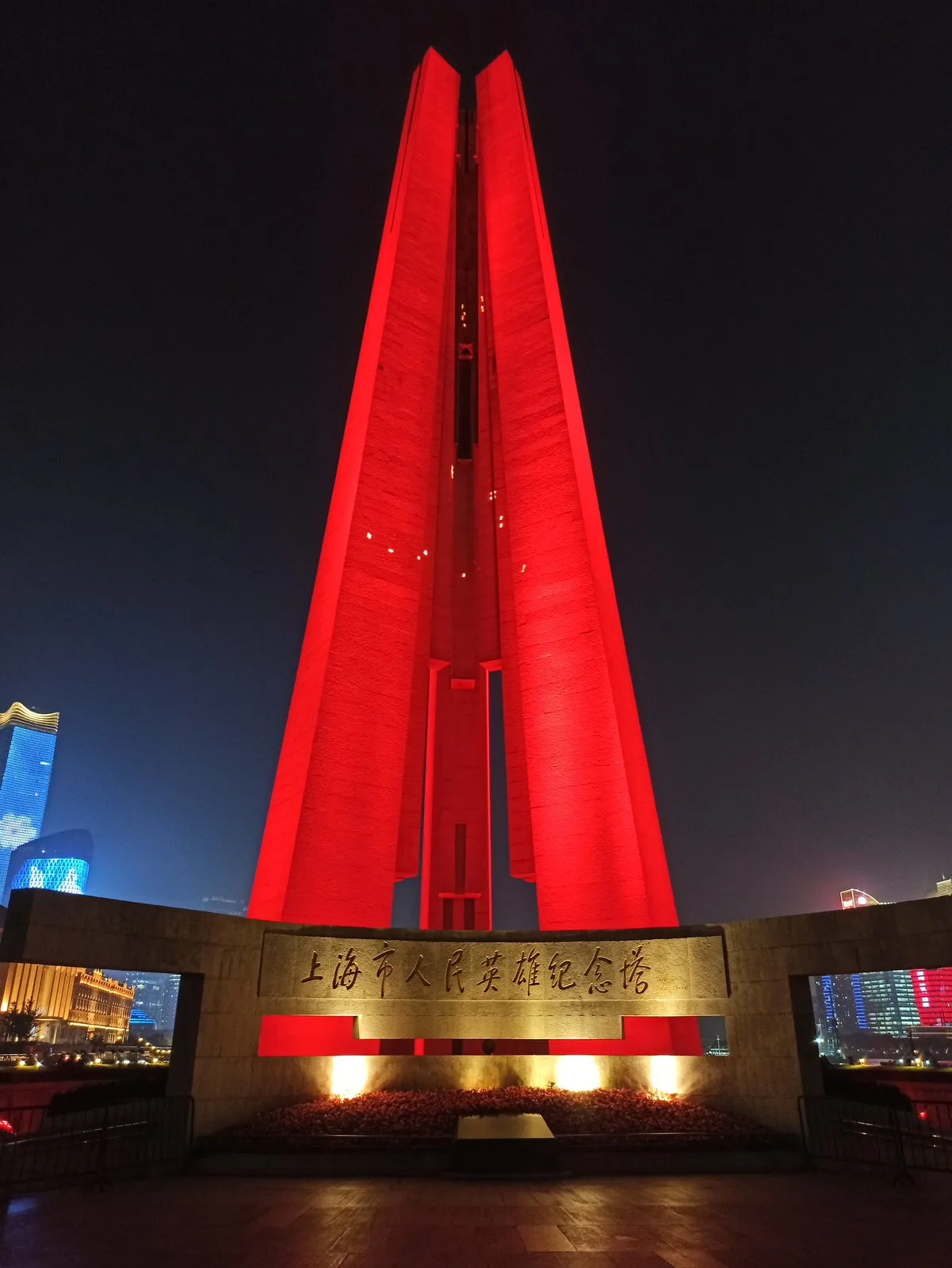
The park remained closed to most Chinese for decades, until the rules were changed in 1928. Today the site is Huangpu Park on the Bund, and the Monument to the People’s Heroes stands in it.
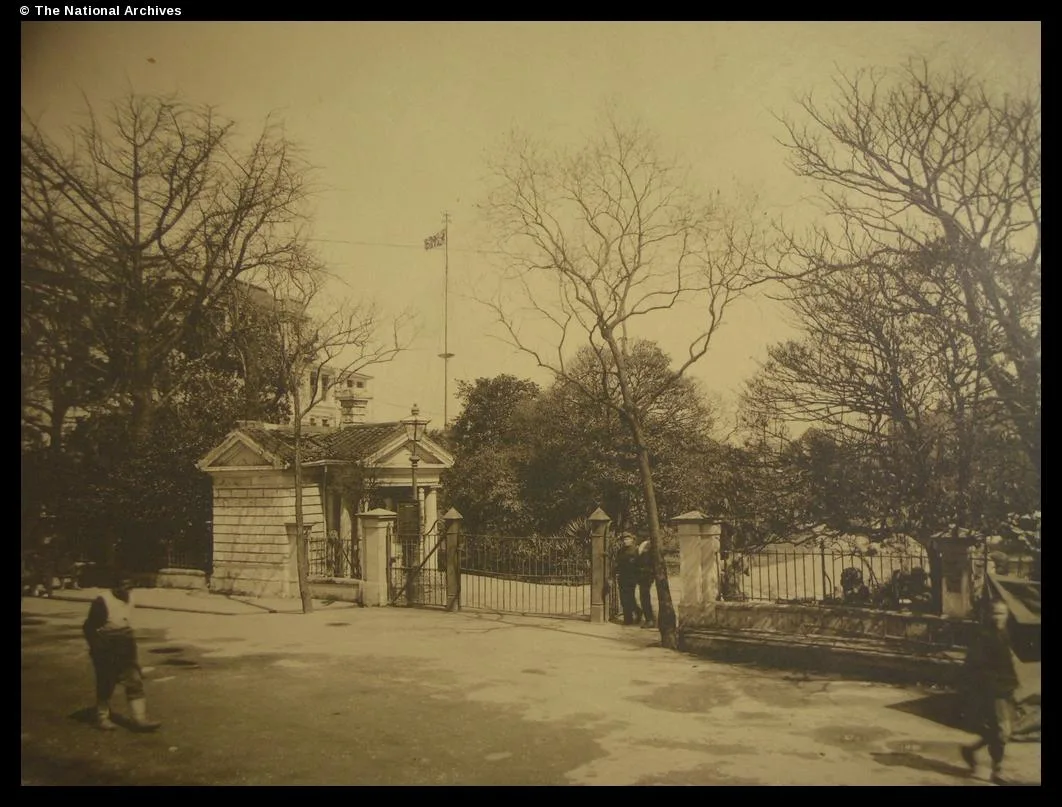
After this story I understand why the Chinese are a bit reserved when dealing with people from the West – they went through such discrimination and violation of human rights. Because of the long presence of Europeans, Shanghai has a very Western feel, it isn’t like other Chinese cities, and it industrialised quickly, but at a very high price. It’s believed that China’s extremely strict attitude towards drugs also comes from this period.
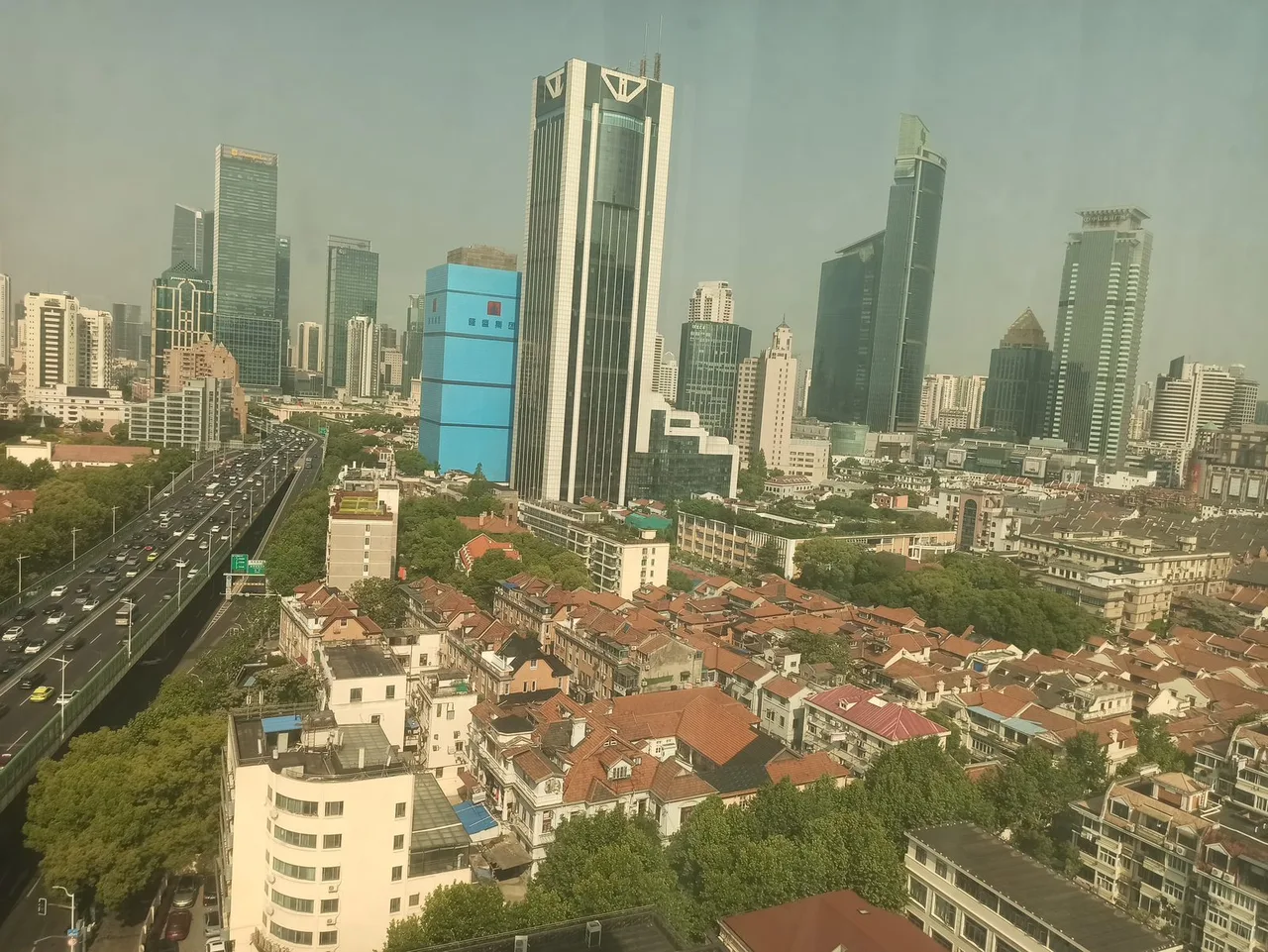
In the 1990s construction began on Pudong – the new part of the city, where most of the skyscrapers we see today are. That’s why they’re clustered in one place: the old city was only on one bank of the river, while on the other, until 1990, there were mainly fields and warehouses.
Zhujiajiao
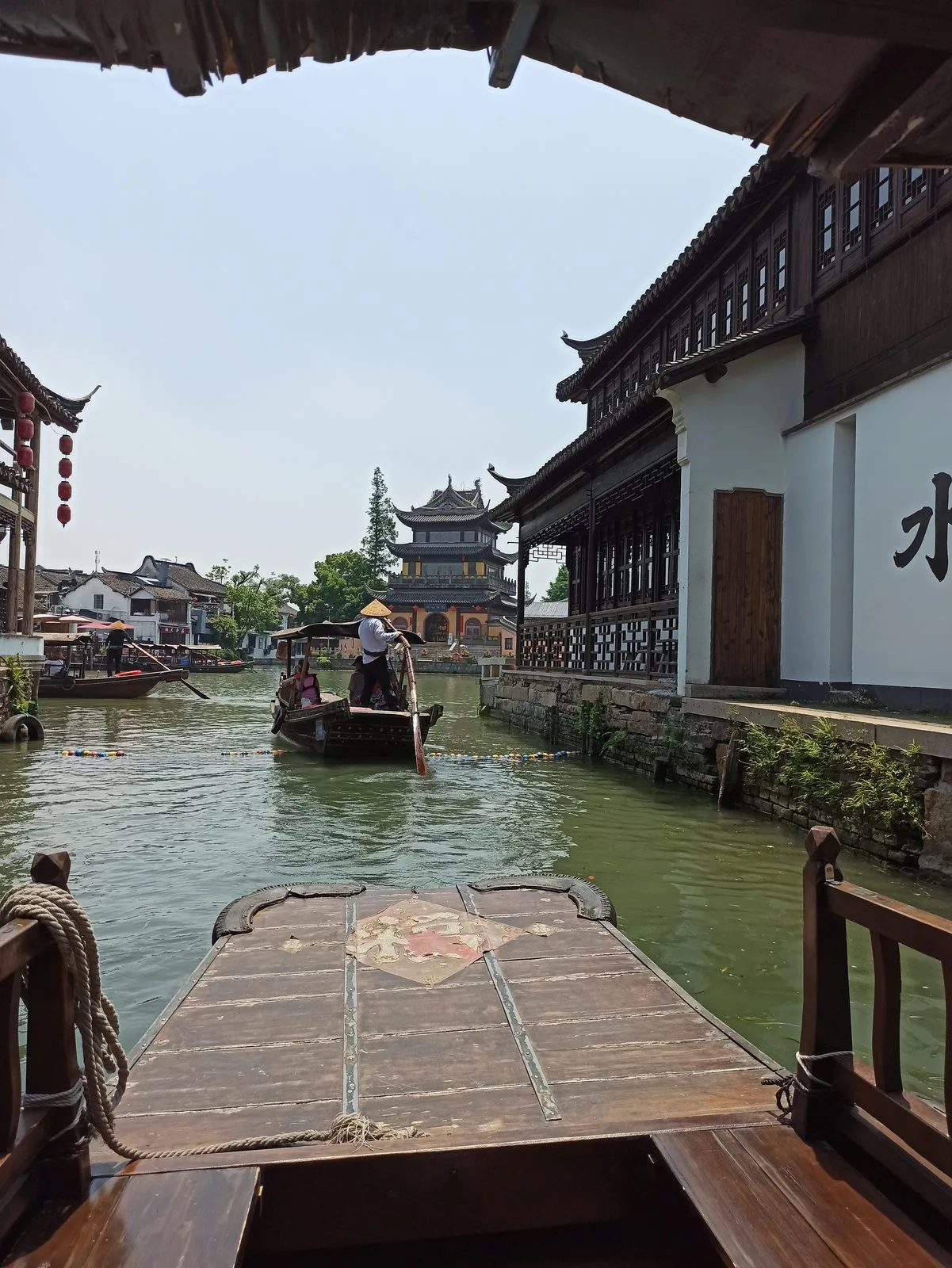
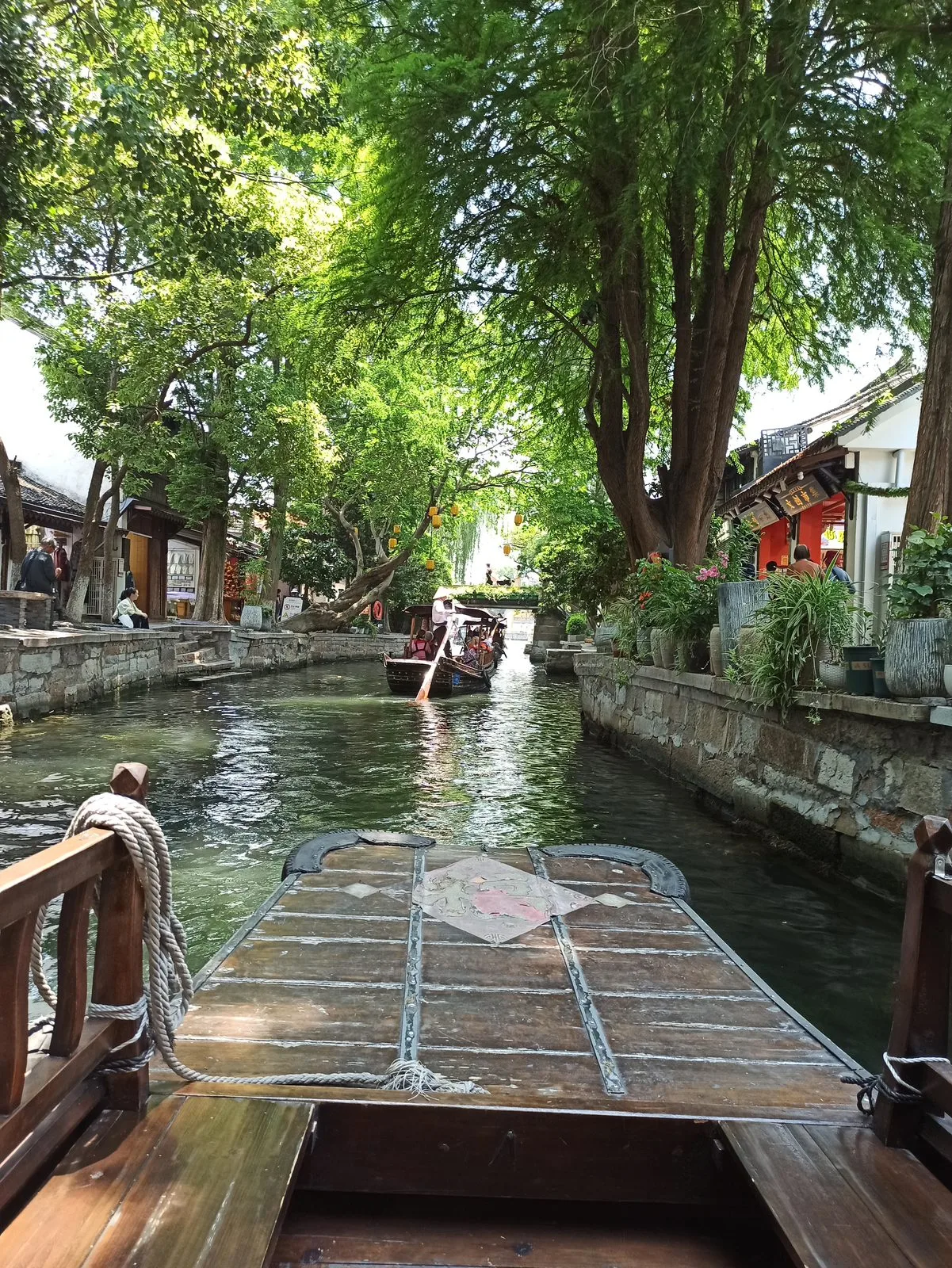
In the morning we went to Zhujiajiao – an ancient water town about 50 km west of central Shanghai. Its history spans more than 1,700 years, and today it’s called the “Venice of Shanghai” because of its beautiful canals, stone bridges and old houses.
Today the town looks like a romantic tourist attraction, but centuries ago it was a busy trading centre. The canals served as roads along which boats carried rice, cloth and other goods. Especially under the Ming and Qing dynasties, Zhujiajiao flourished thanks to trade, and the old houses by the water were once shops, warehouses and homes of wealthy merchants. Its most famous bridge, Fangsheng, was built in 1571 and is the largest five-arch stone bridge in the Shanghai area.
Kezhi Garden
In the town itself is also the Kezhi Garden – an old private estate built between 1912 and 1927 by the wealthy merchant Ma Wenqing. Its name means “studying and planting” – a reminder that one should forget neither books nor the land. The garden combines traditional Chinese architecture with some Western elements. It has pavilions, ponds, stone bridges and picturesque paths, and it shows how wealthy Chinese families created their own small worlds for rest, reflection and communing with nature.
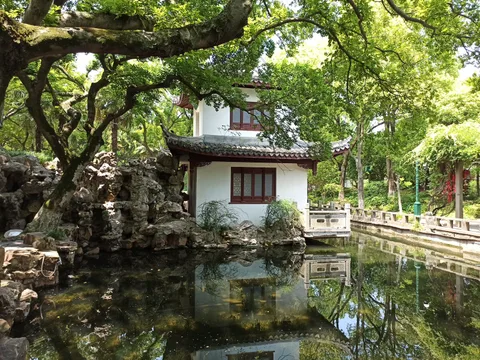 A white house reflected in the pond
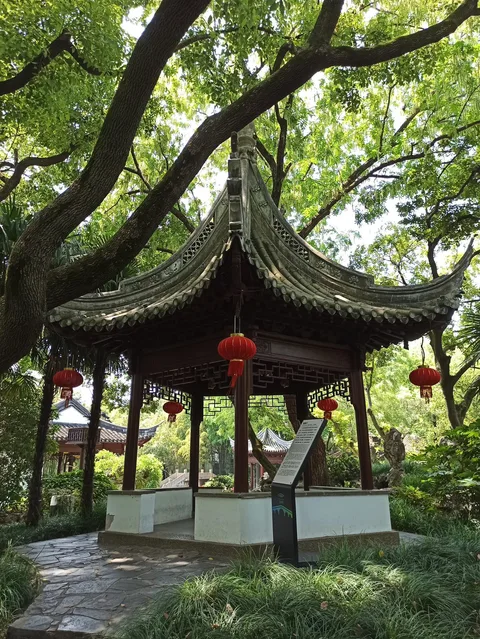 A pavilion under ancient trees
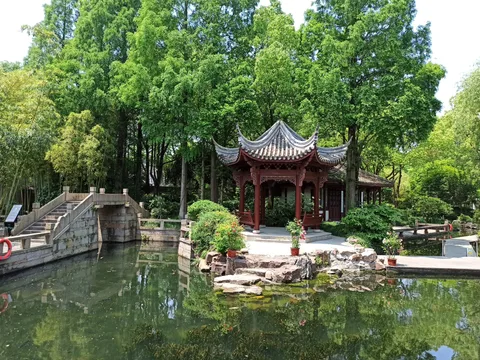 A stone bridge and a pavilion over the water
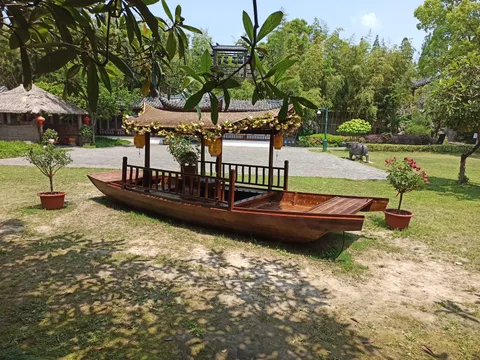 A wooden boat on the lawn
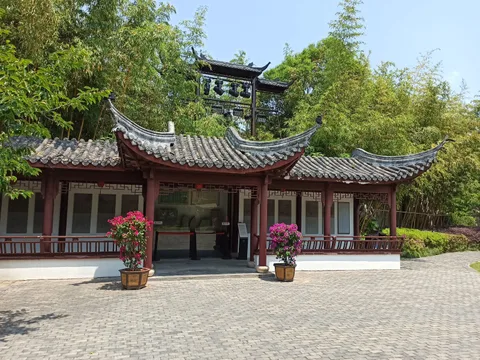 A pavilion with the characteristic upturned eaves
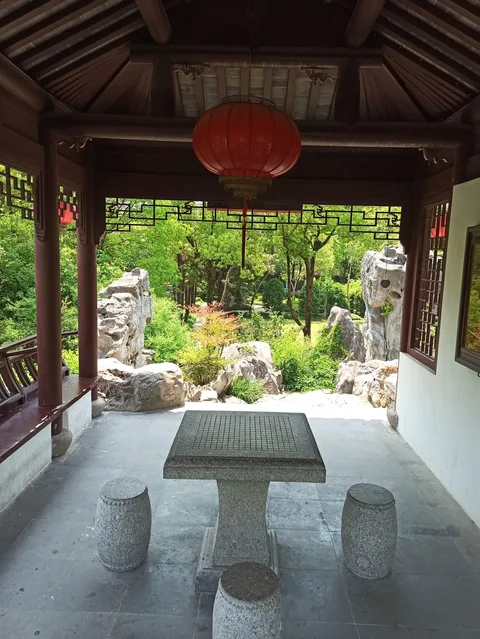 A stone table with a Go board – a game I’ll tell you about below
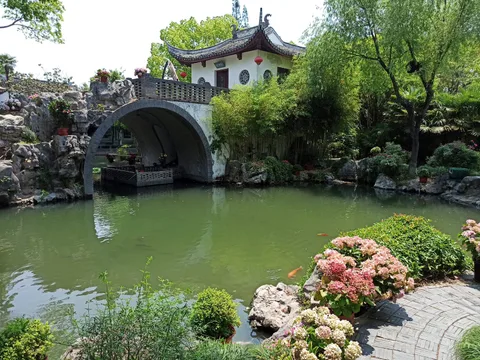 An arched bridge among the rocks
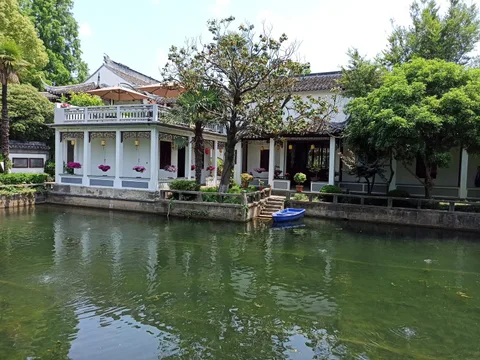 Here you can see the Western influence – a building with columns and balustrades
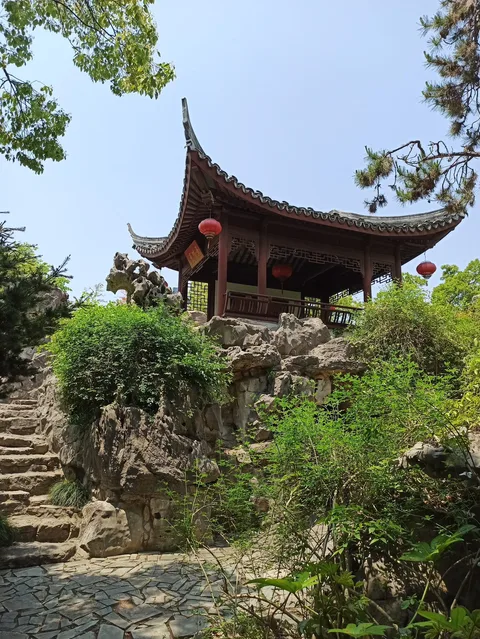 A pavilion on an artificial rock hill
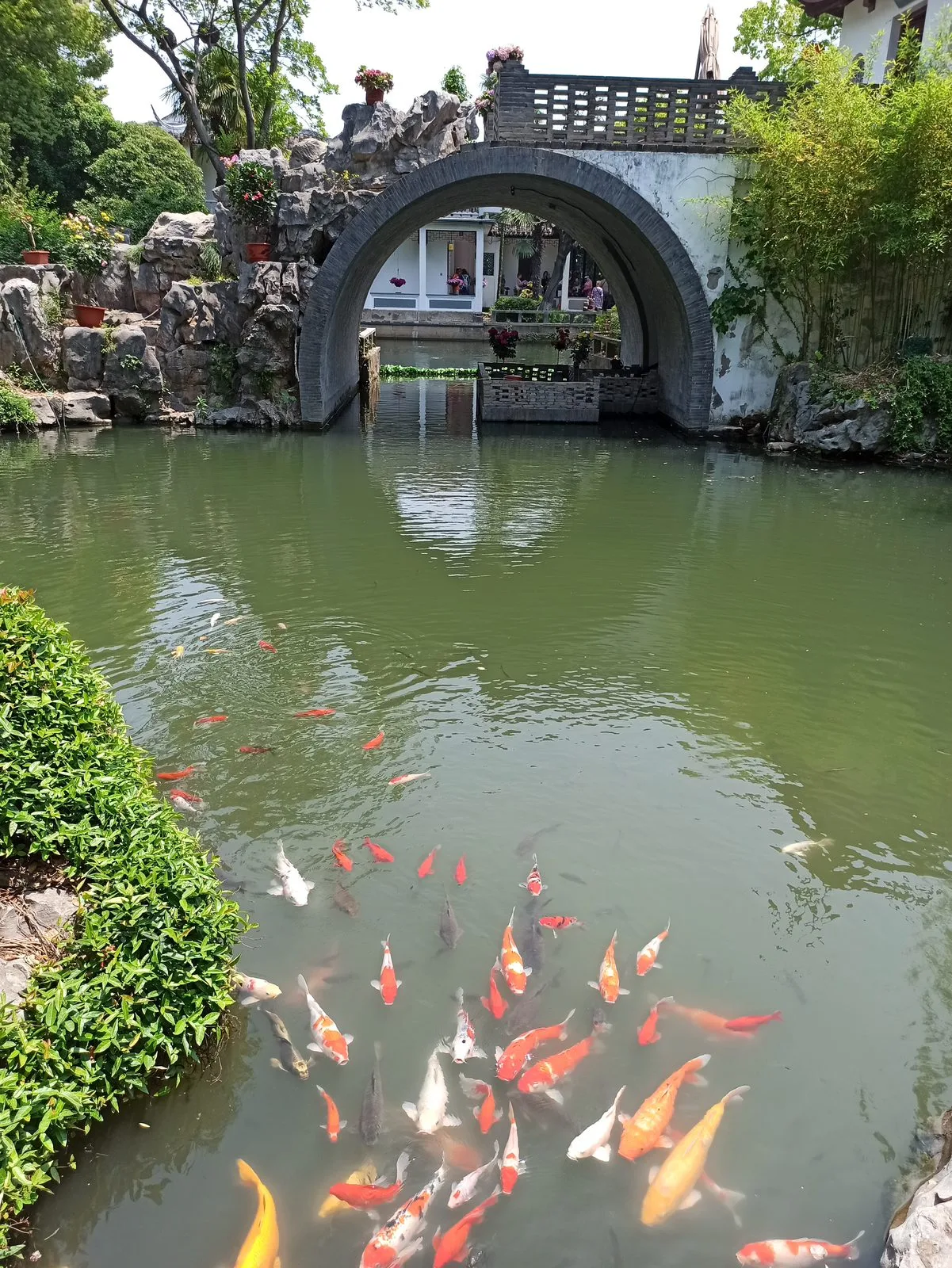
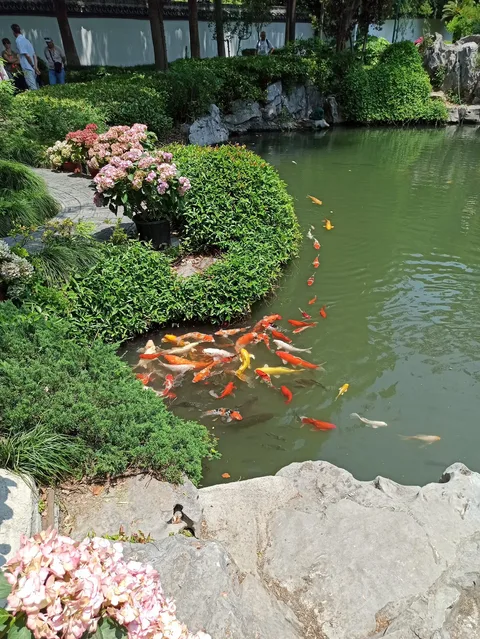 Koi carp – a symbol of perseverance and success
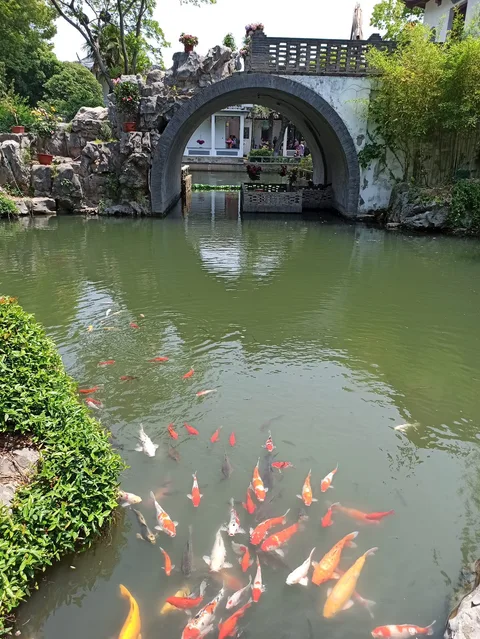 Koi in front of the moon bridge
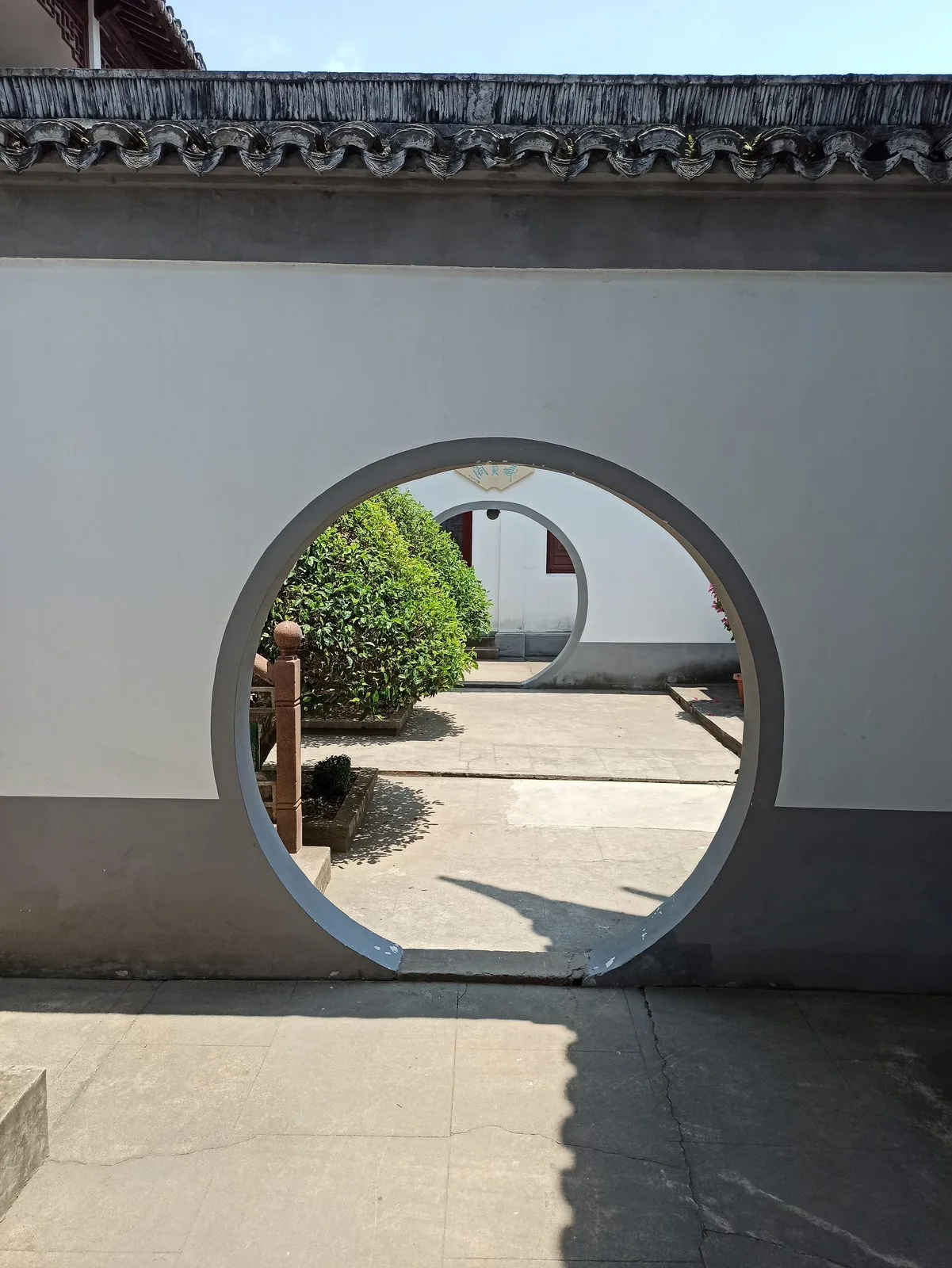
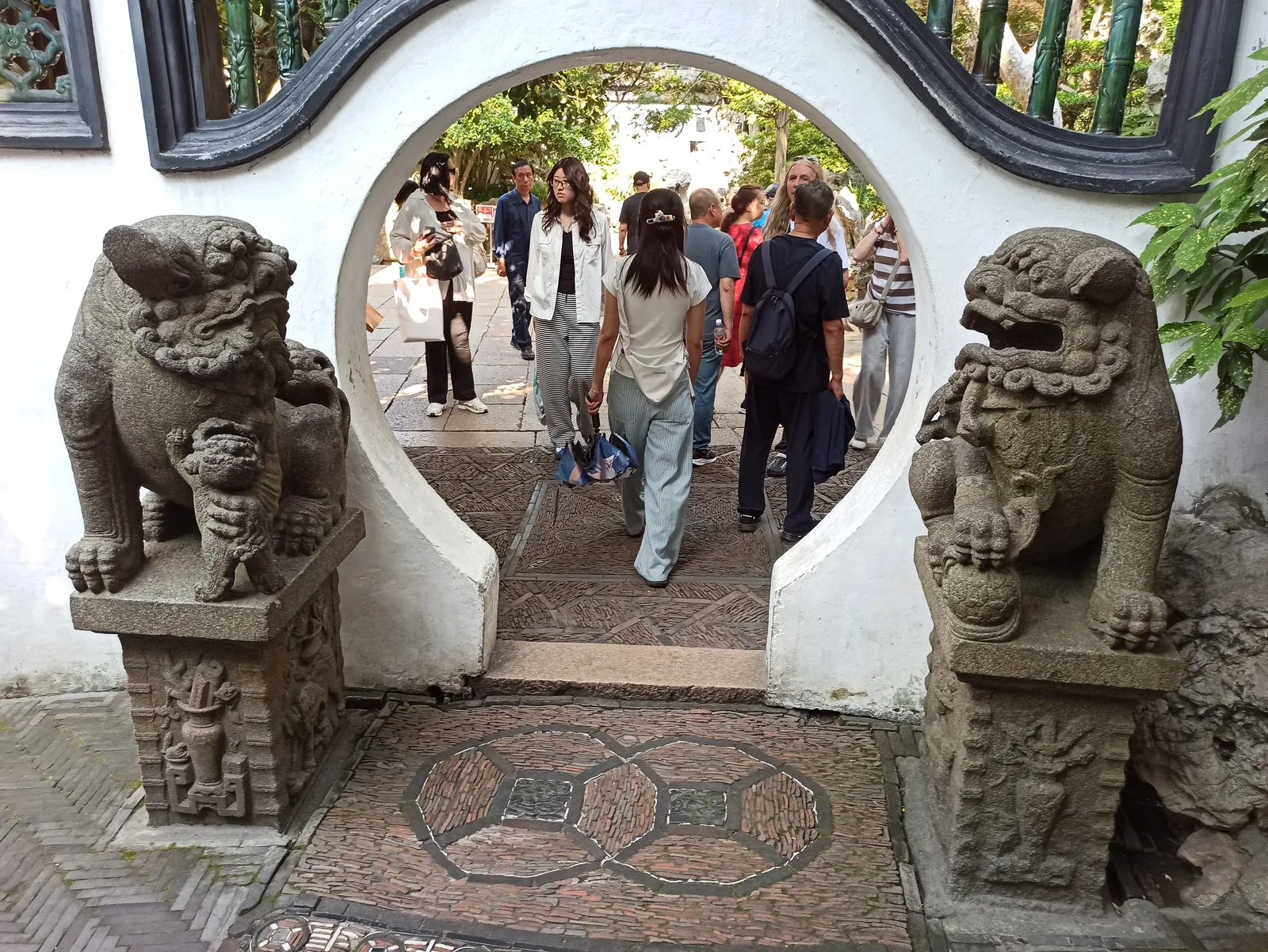
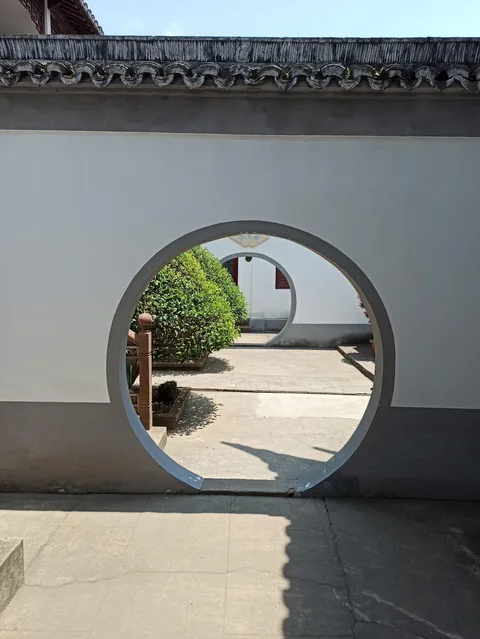 The round “moon gate” – a symbol of completeness and unity
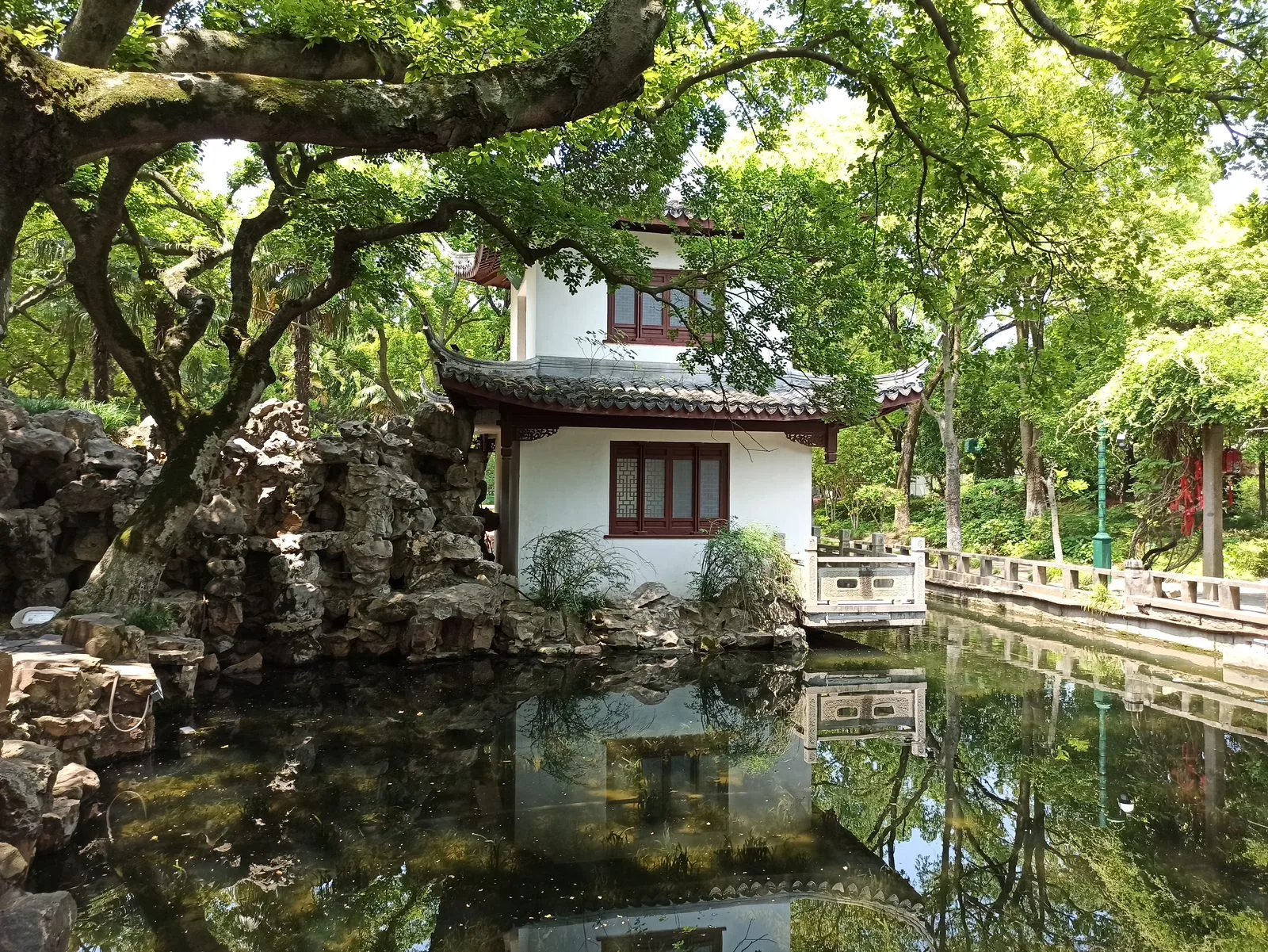
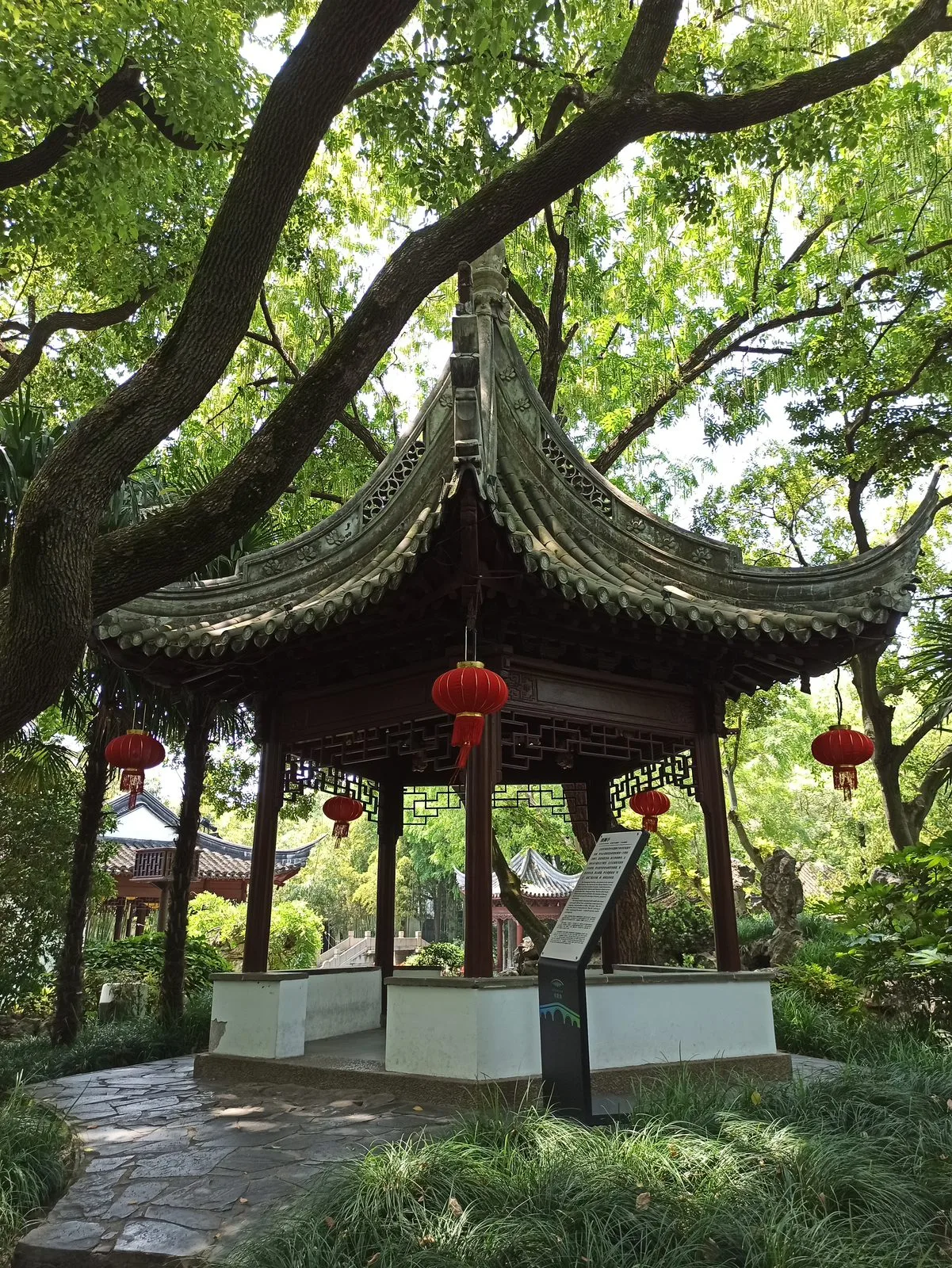
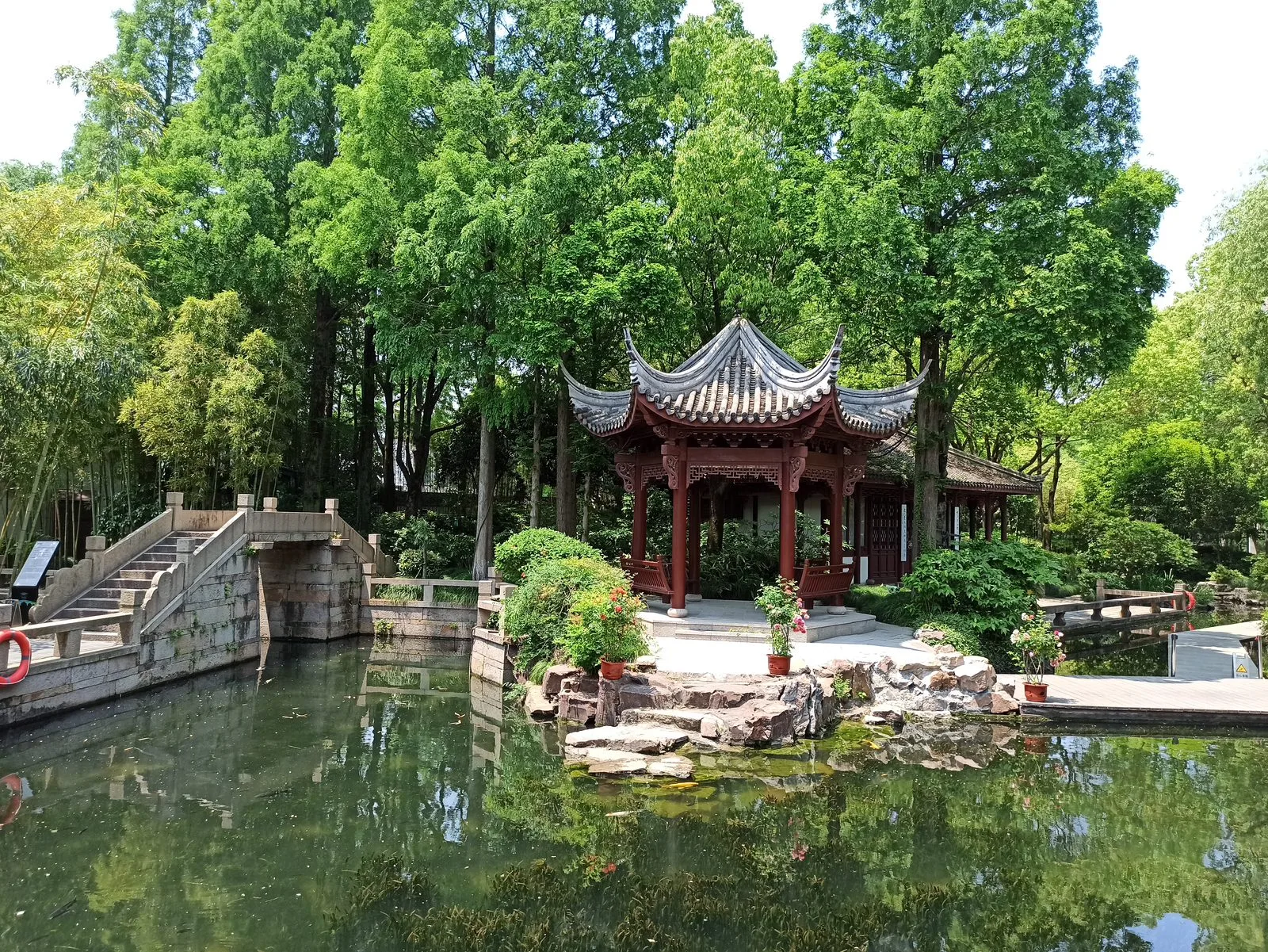
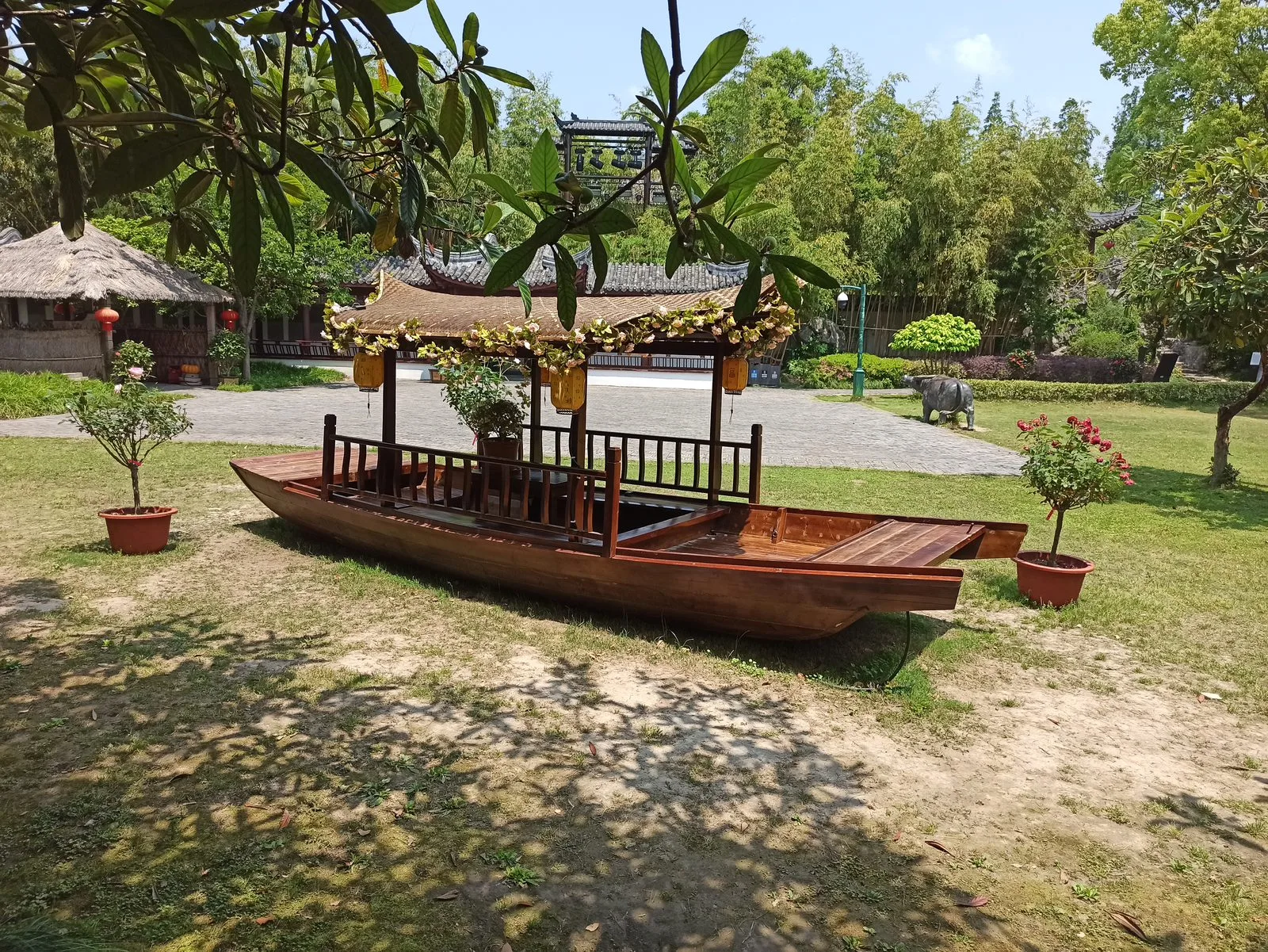
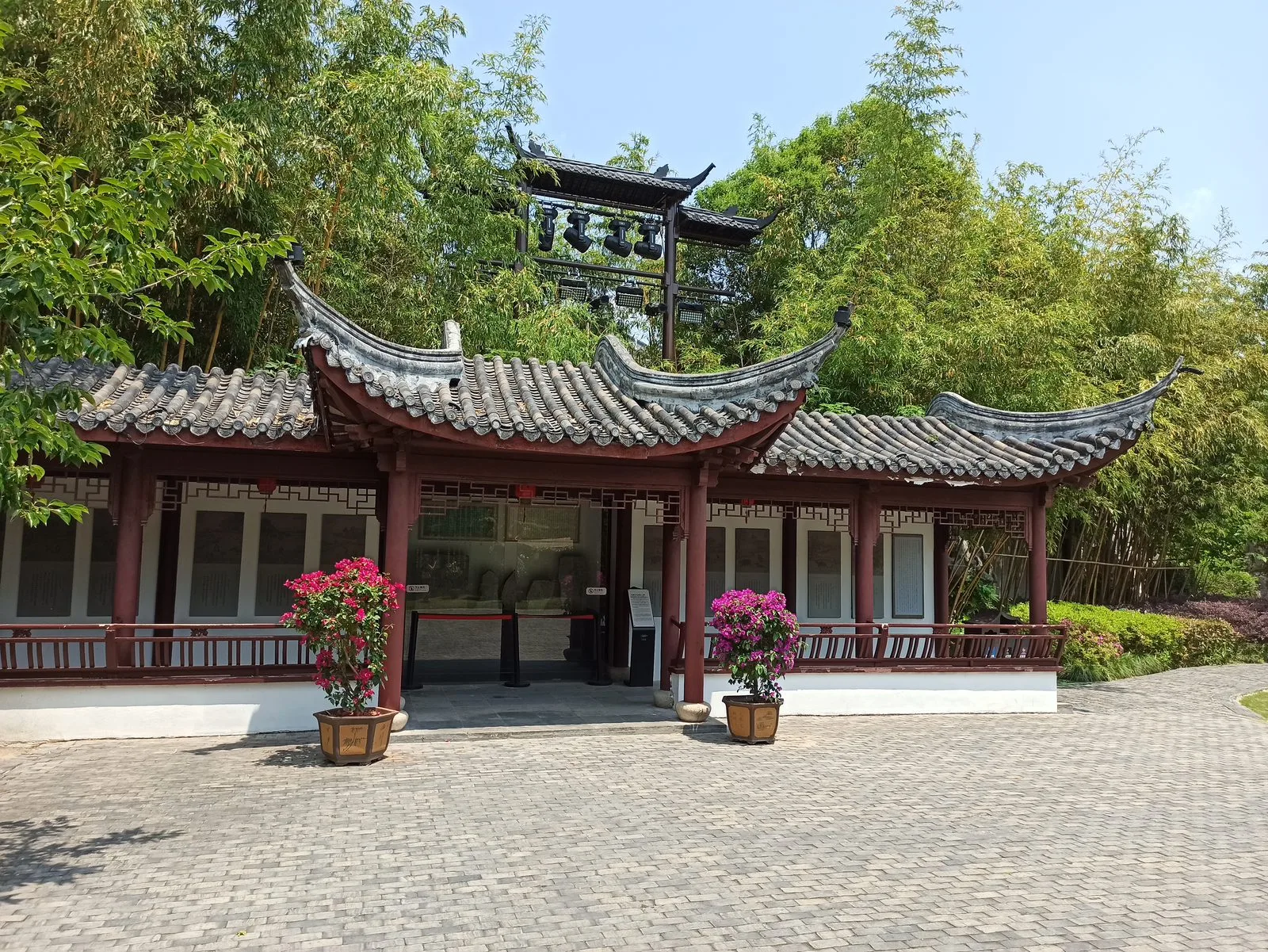
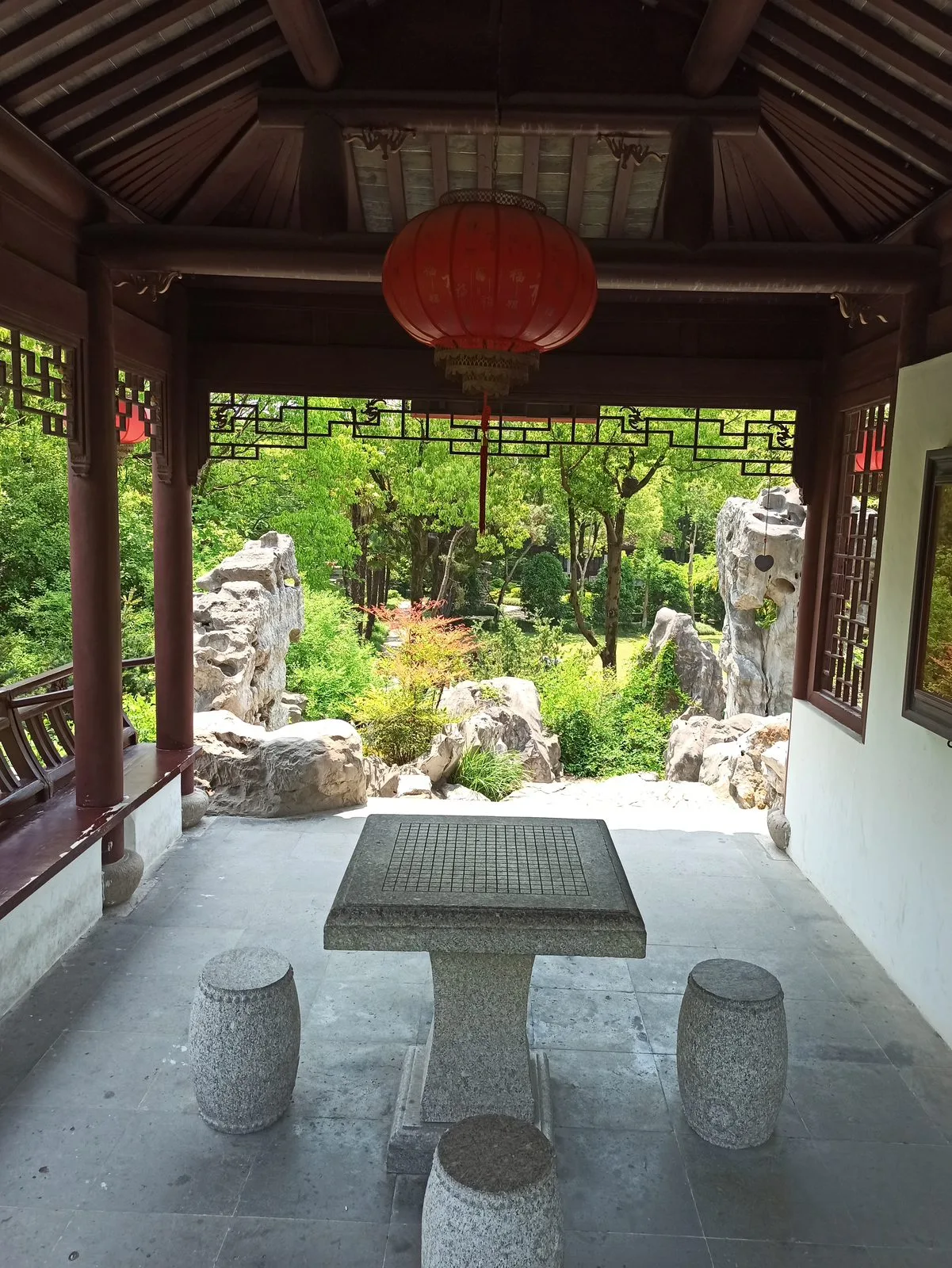
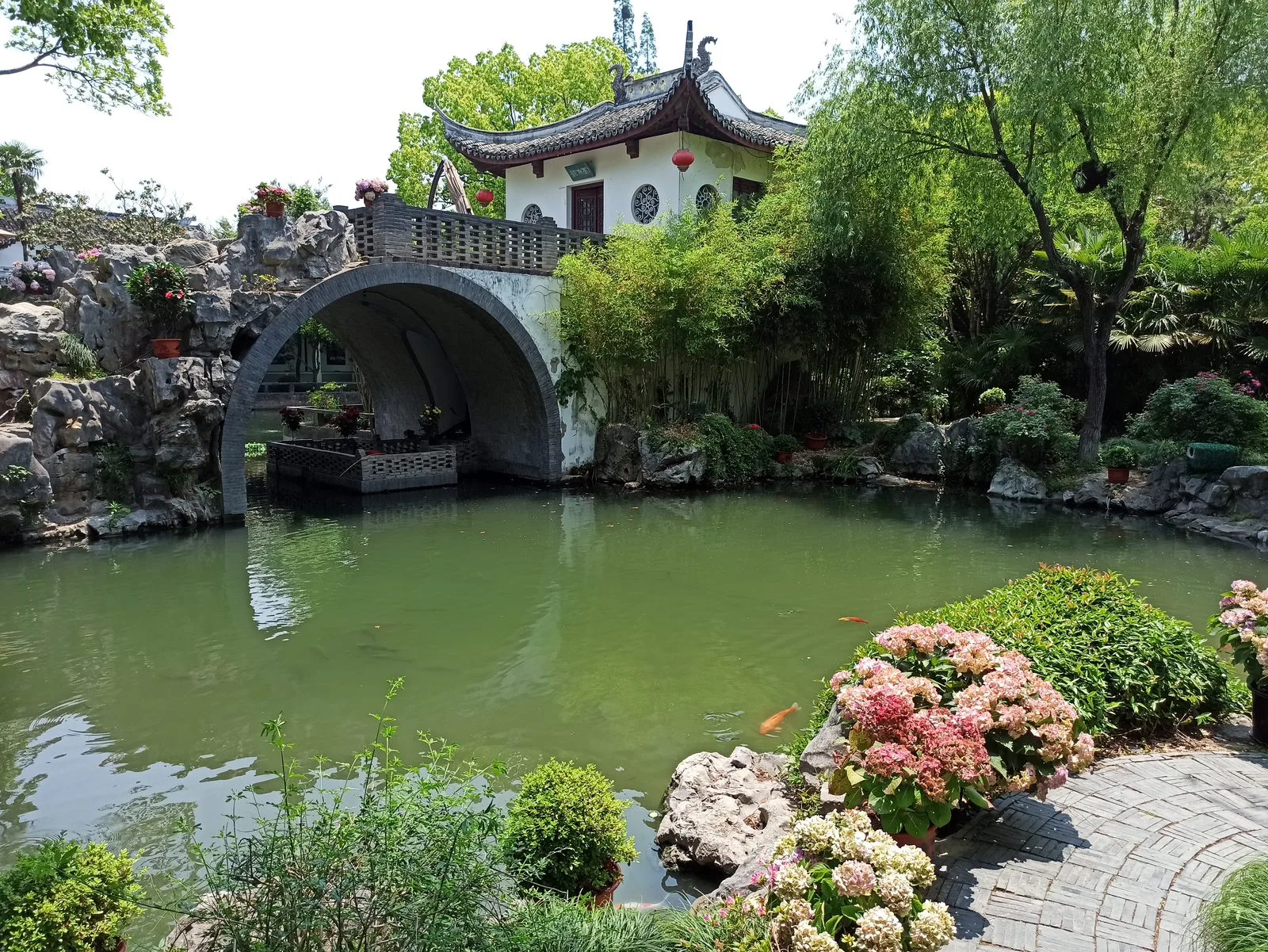
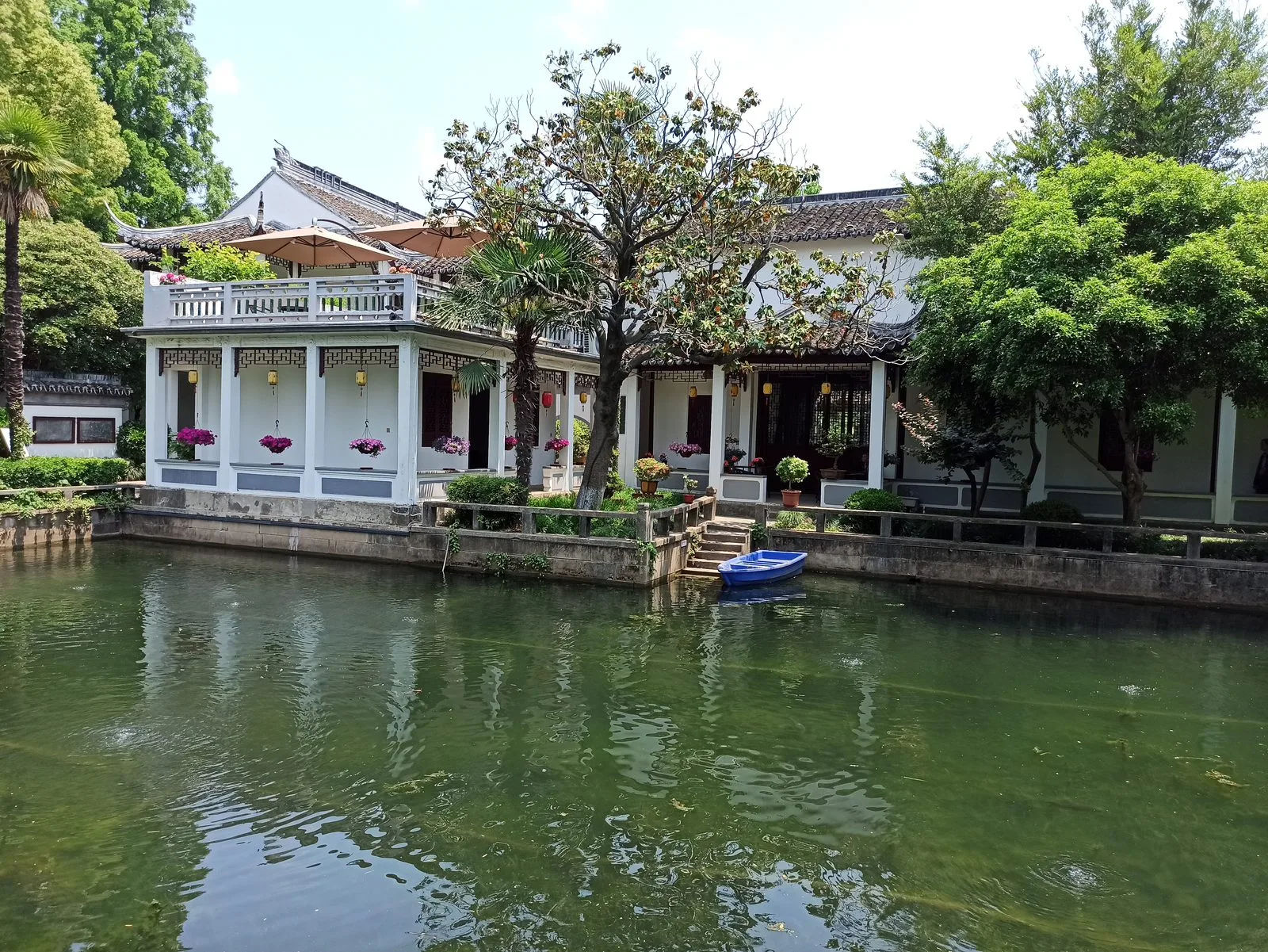
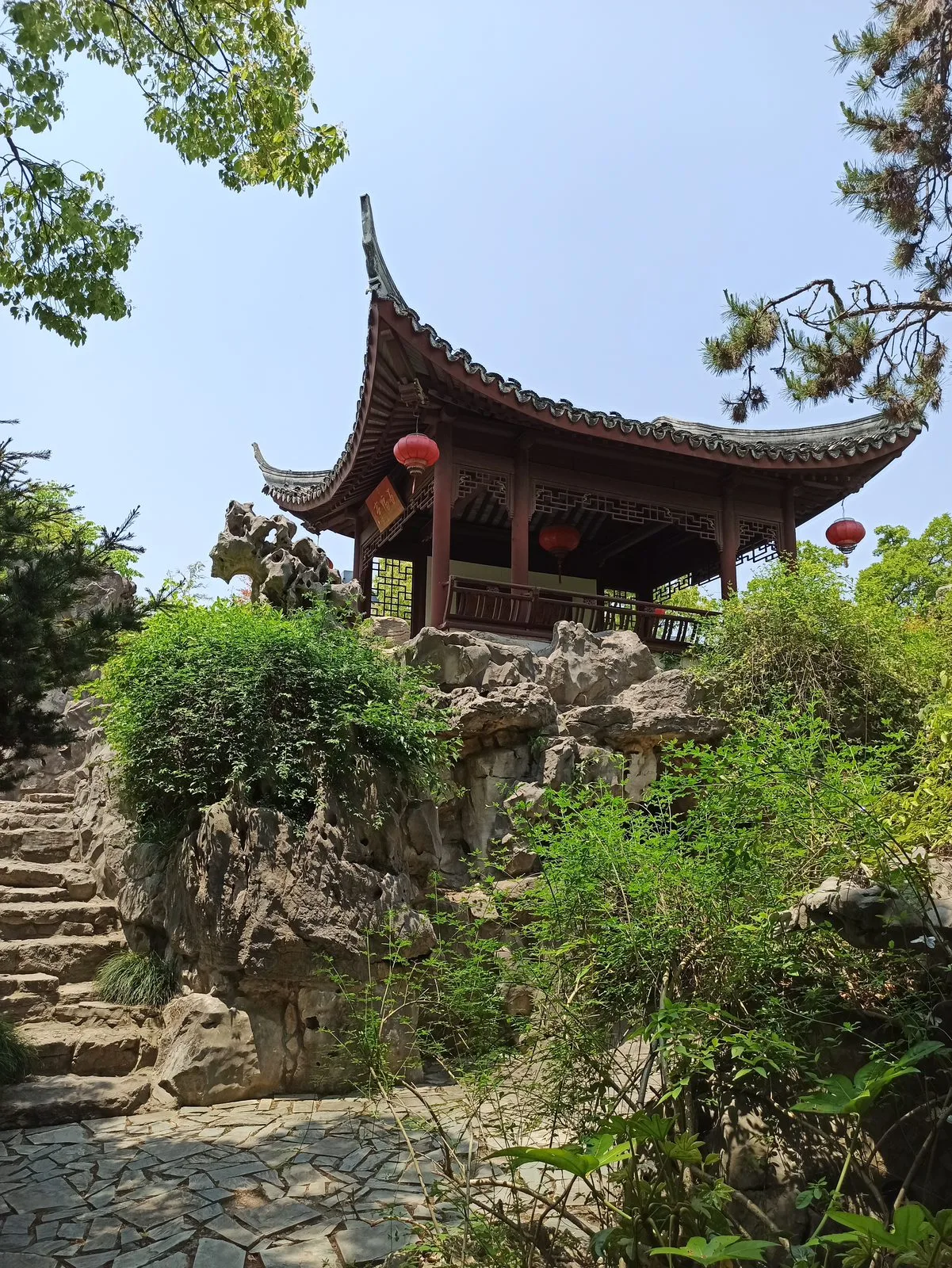
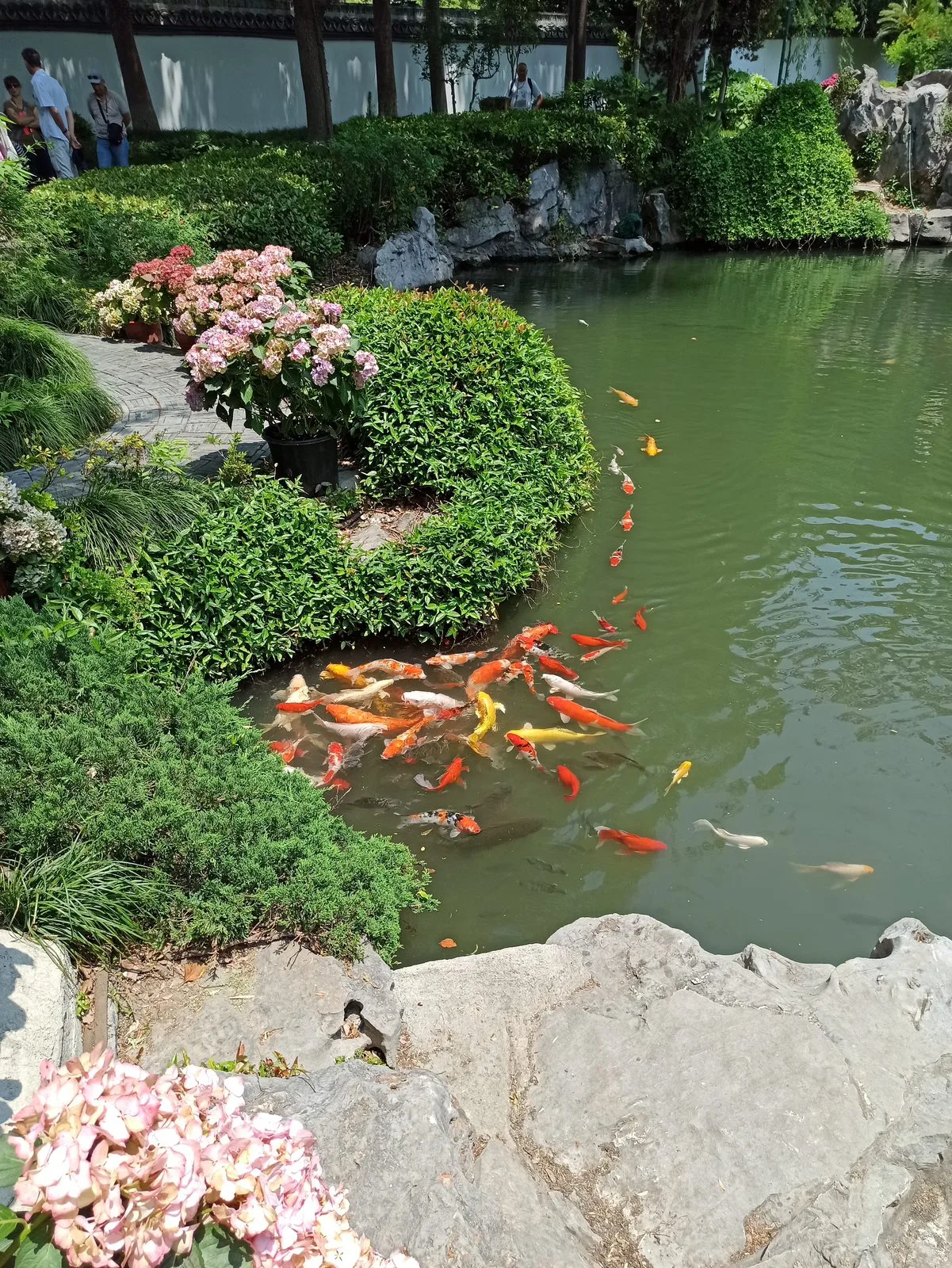
If you imagine that Chinese gardens resemble Japanese ones, you’re very much mistaken! Although they have quite a lot in common, the feeling in them is completely different. Chinese gardens don’t look so strictly ordered and perfect. They are more alive, more natural, as if someone had torn off a piece of nature and carried it into the city. Everything here looks effortless – the rocks, the trees, the water, the winding paths. Japanese gardens, on the other hand, resemble exquisite works of art in which every detail is considered and placed exactly where it belongs. They are beautiful, but to me they sometimes seem too perfect, even a little lifeless. Chinese gardens seem to invite you to become part of nature, while Japanese gardens invite you to contemplate it.
Silk factory
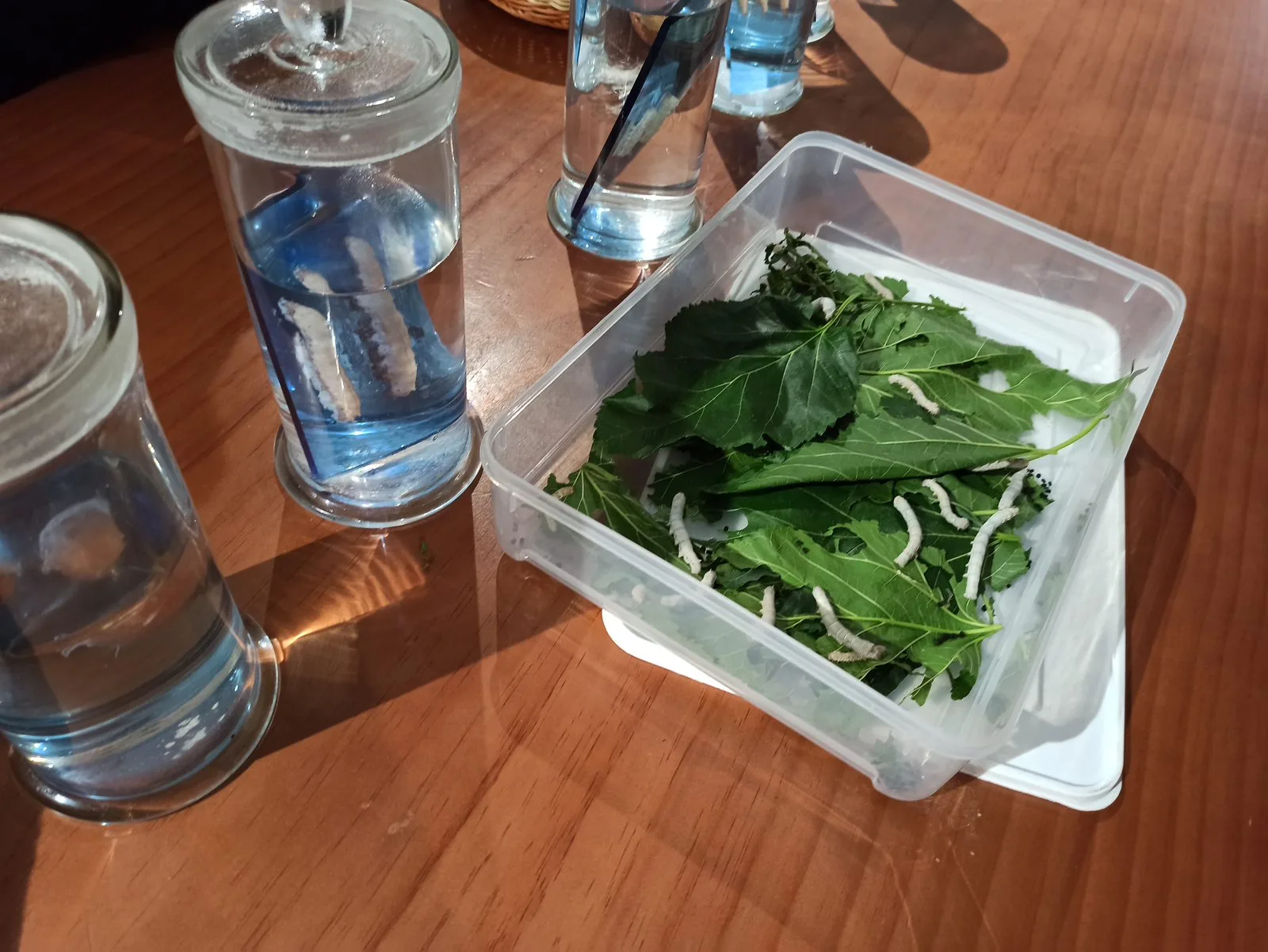
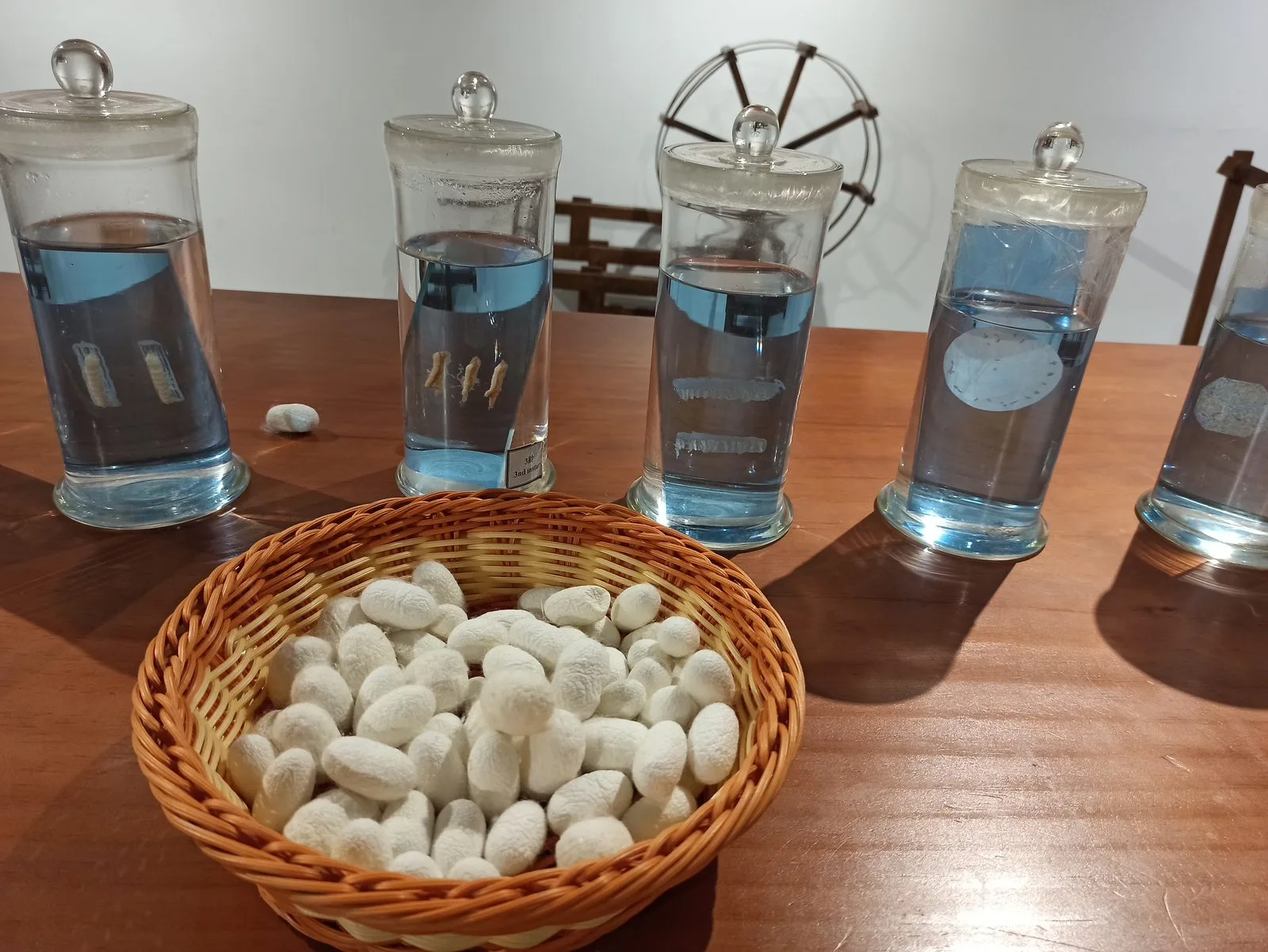
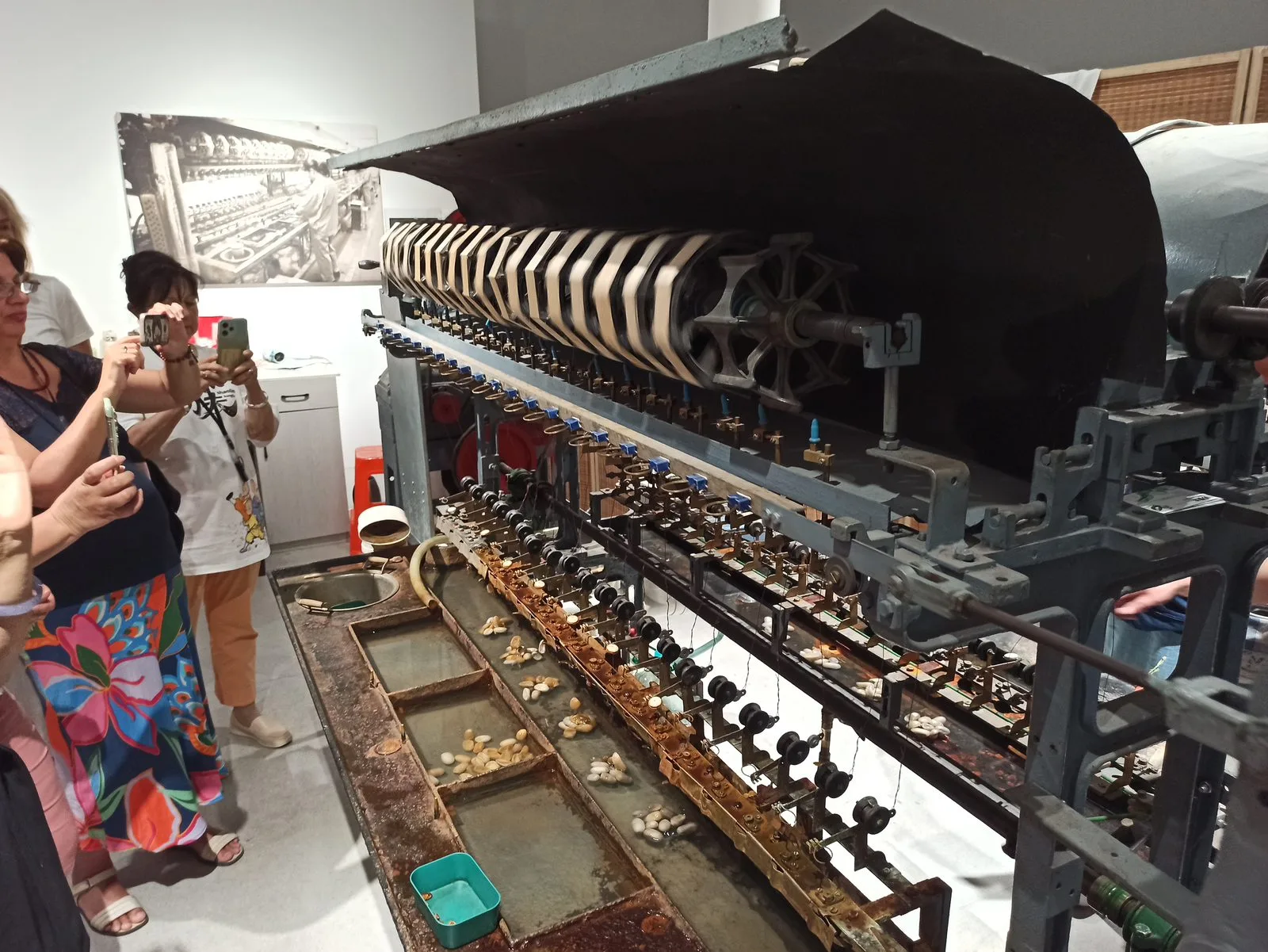
After that we went to a silk goods shop, where they showed us how silk is made – from the silkworms to the finished fabric – and we could follow the whole process. They have a huge variety of items, and prices aren’t low, but this is real silk and it’s definitely worth paying for good quality.
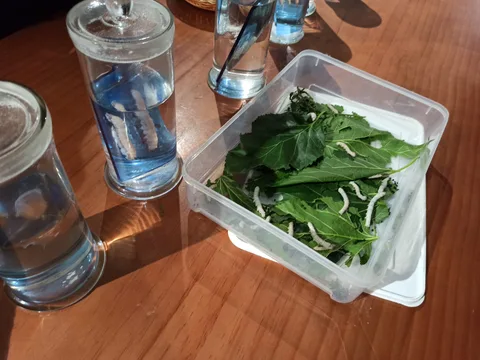 Silkworms feed only on mulberry leaves
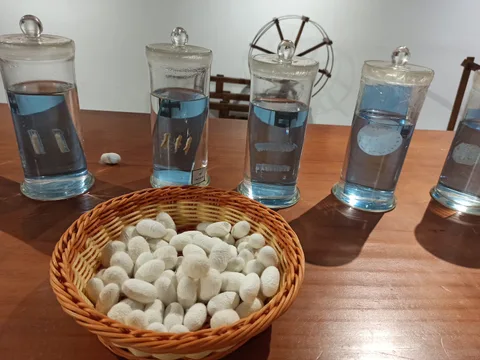 Cocoons – a thread hundreds of metres long is unwound from a single cocoon
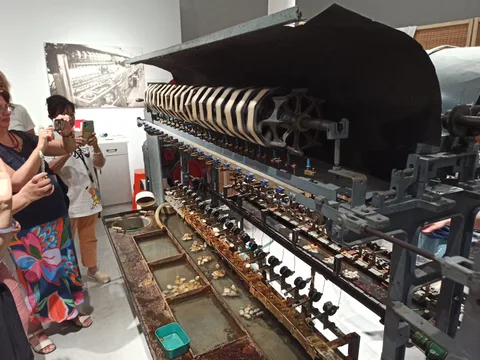 The machine that unwinds the threads from the cocoons
We all know that China is the centre of counterfeits, and to a large extent this is still the case. We were told, however, that after COVID-19 the rules were tightened and it is now much harder to sell fakes openly. Even so, if you walk down any tourist street, quite a few people will appear offering to take you somewhere where you can buy all kinds of “branded” goods.
Boat trip on the Huangpu River
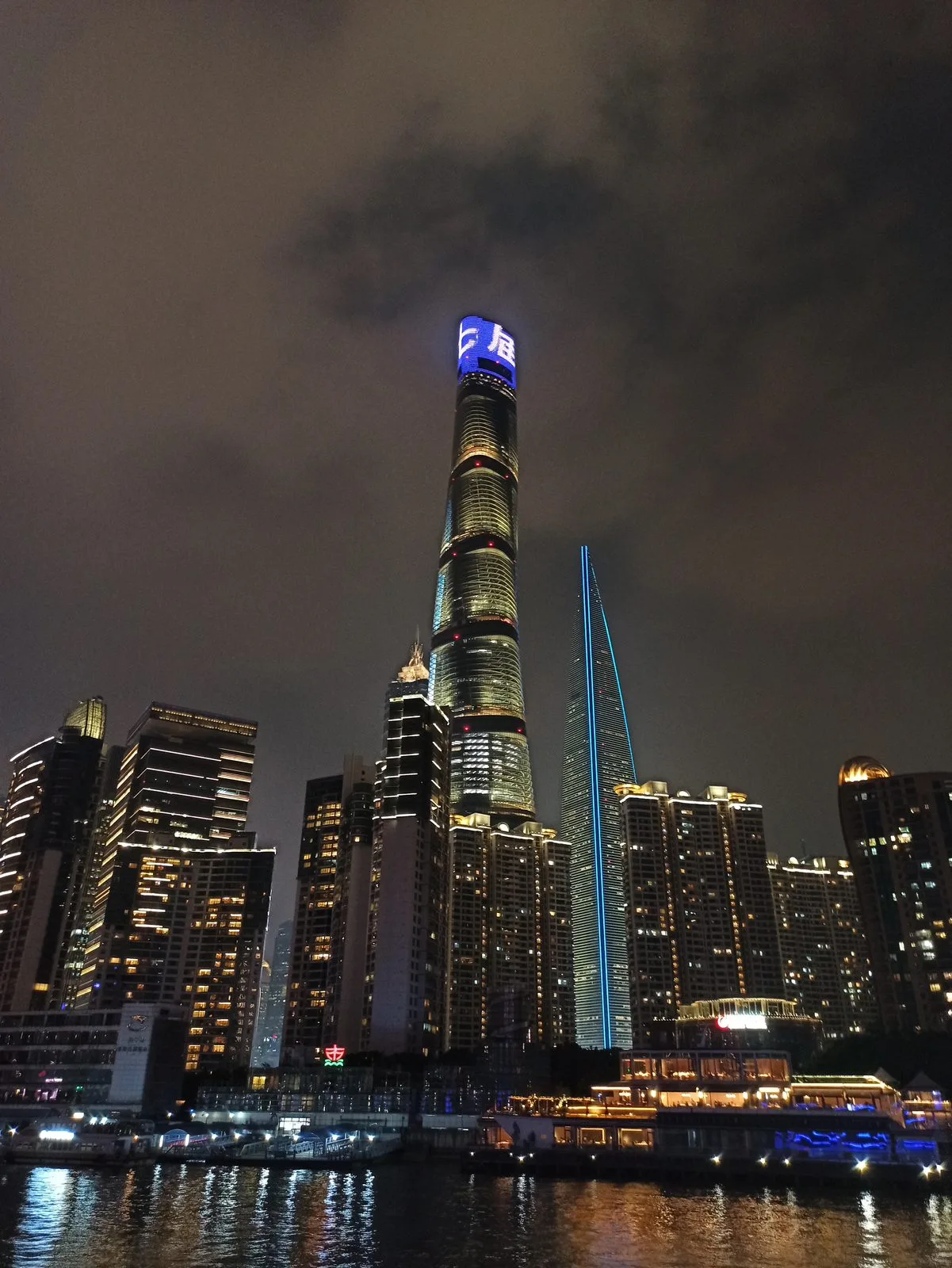
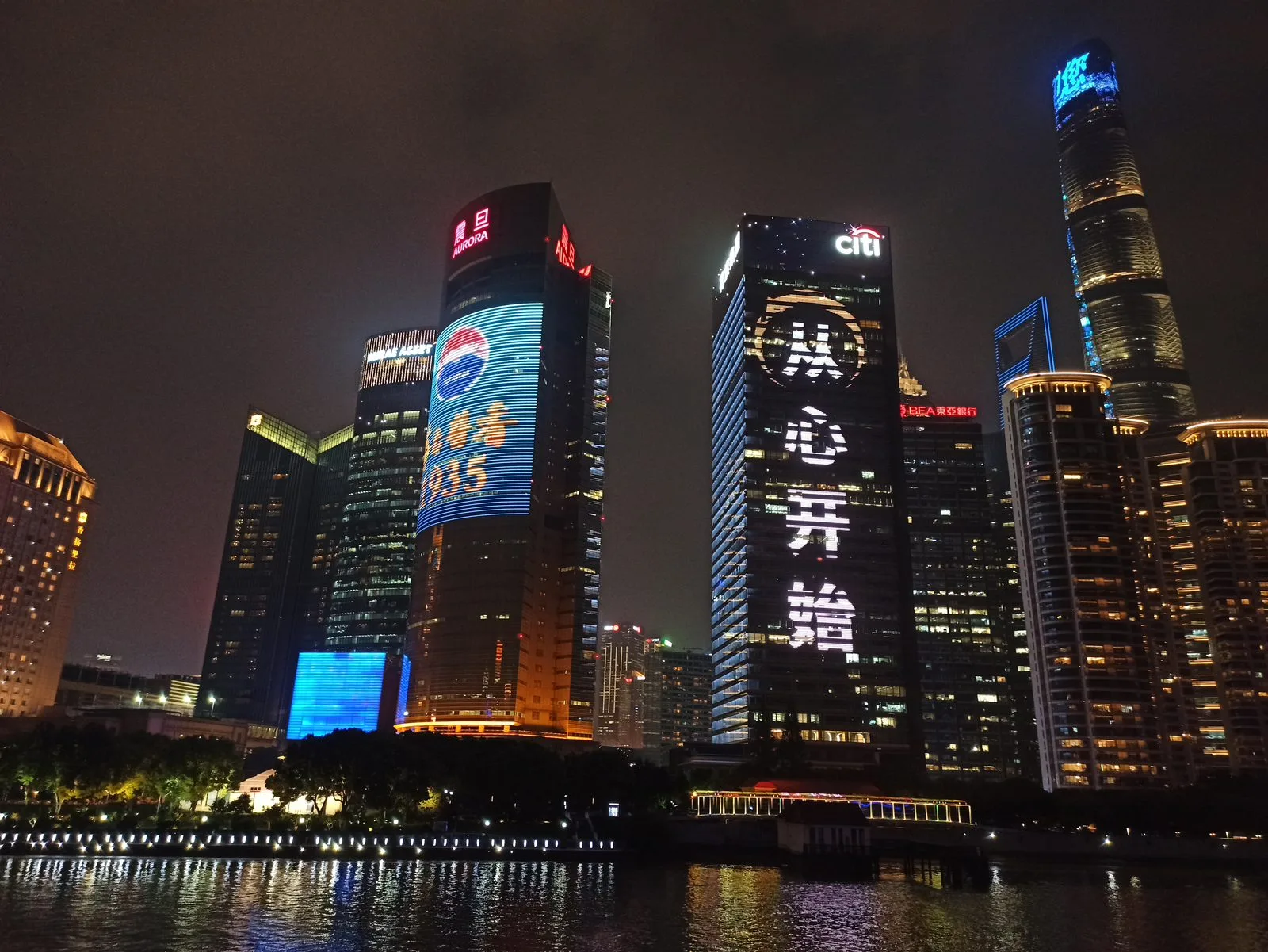
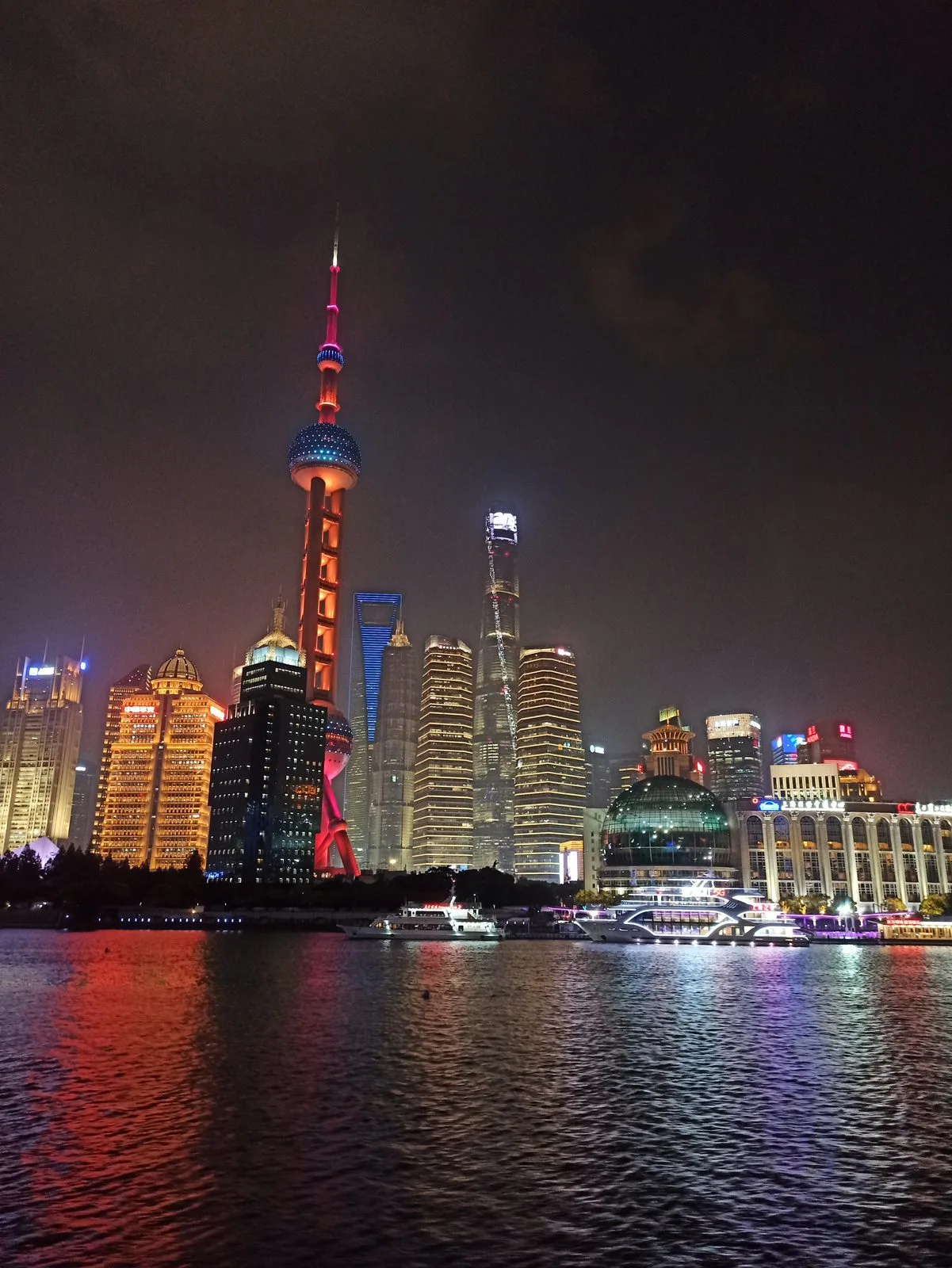
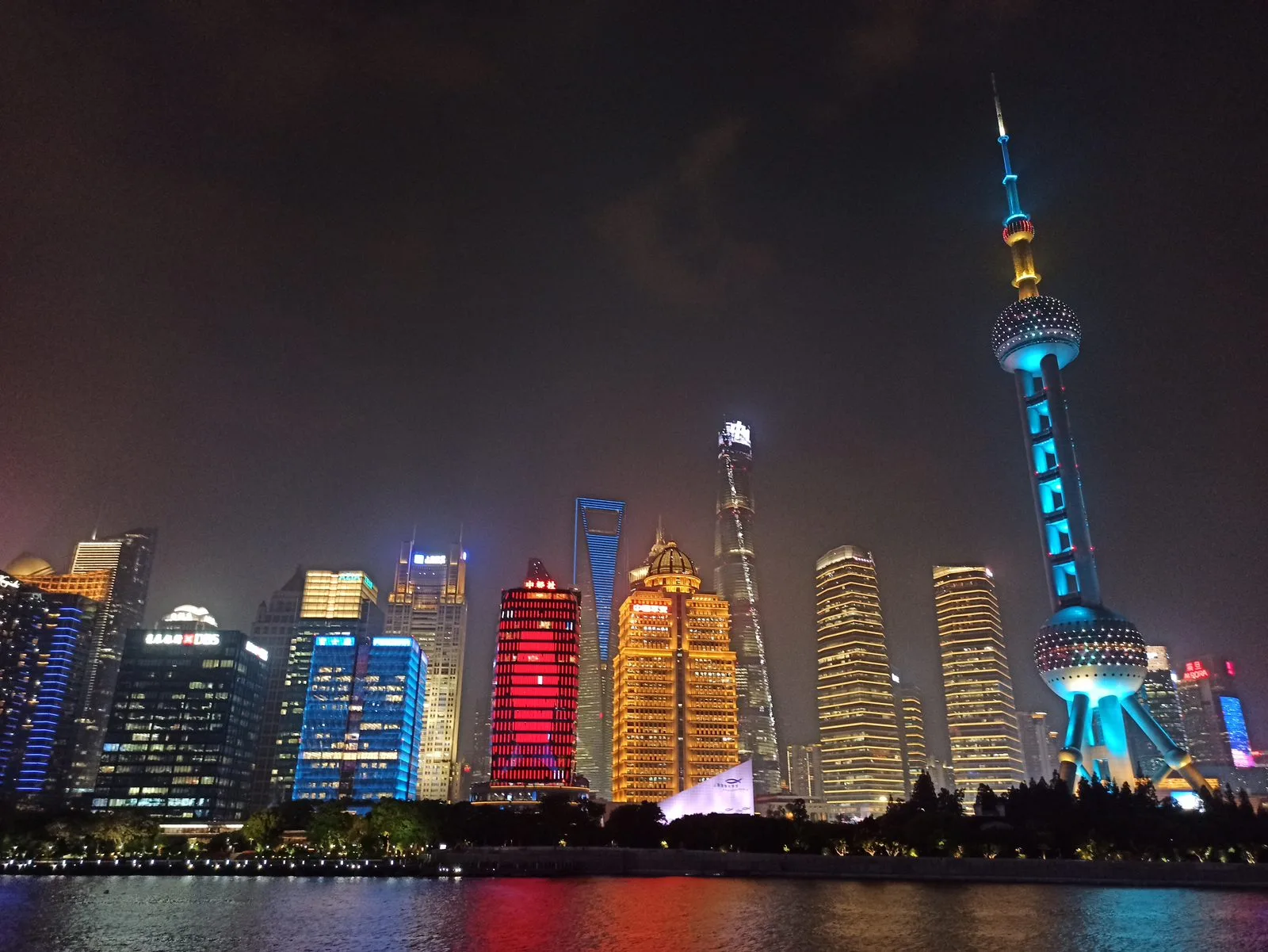
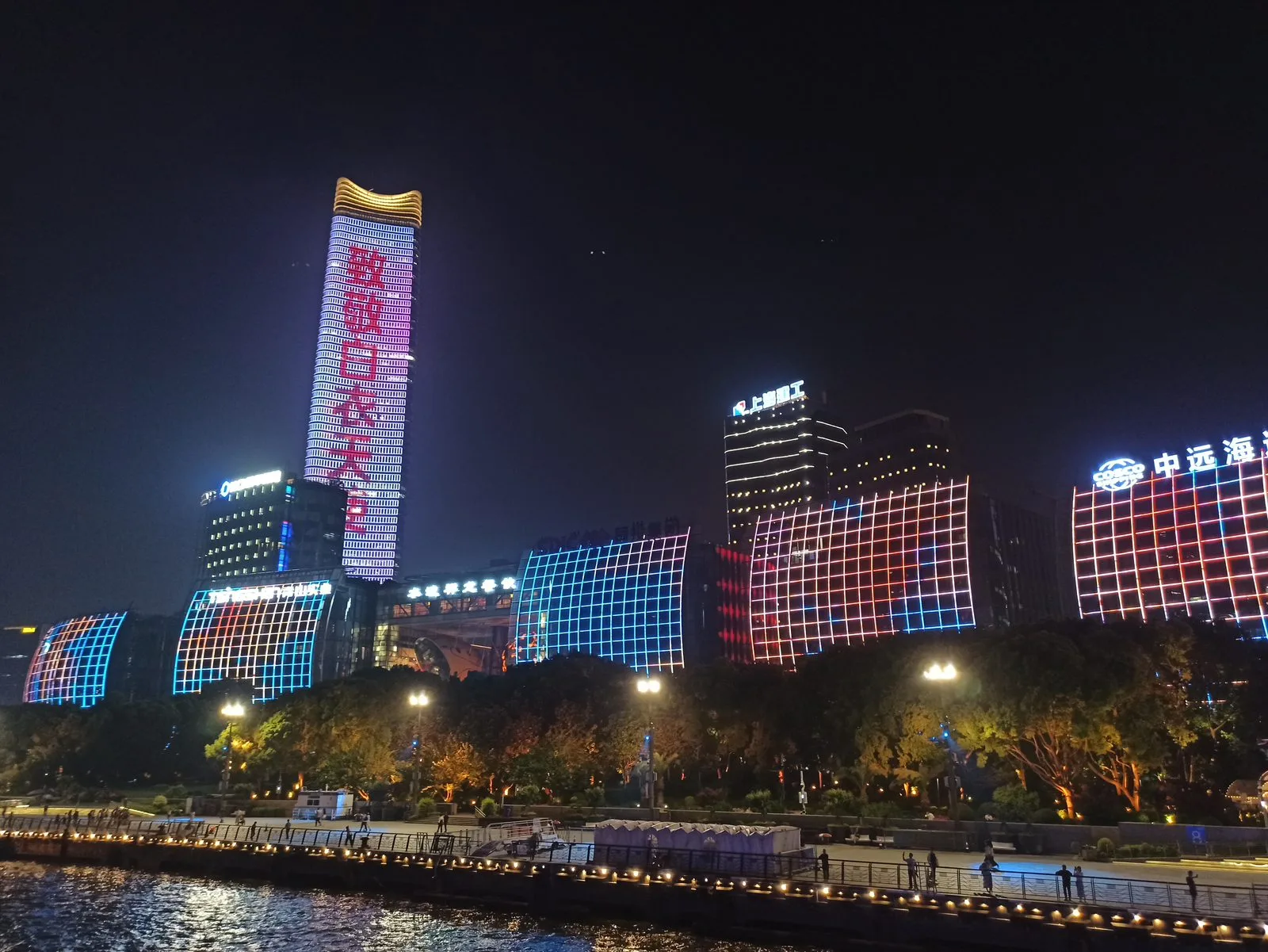
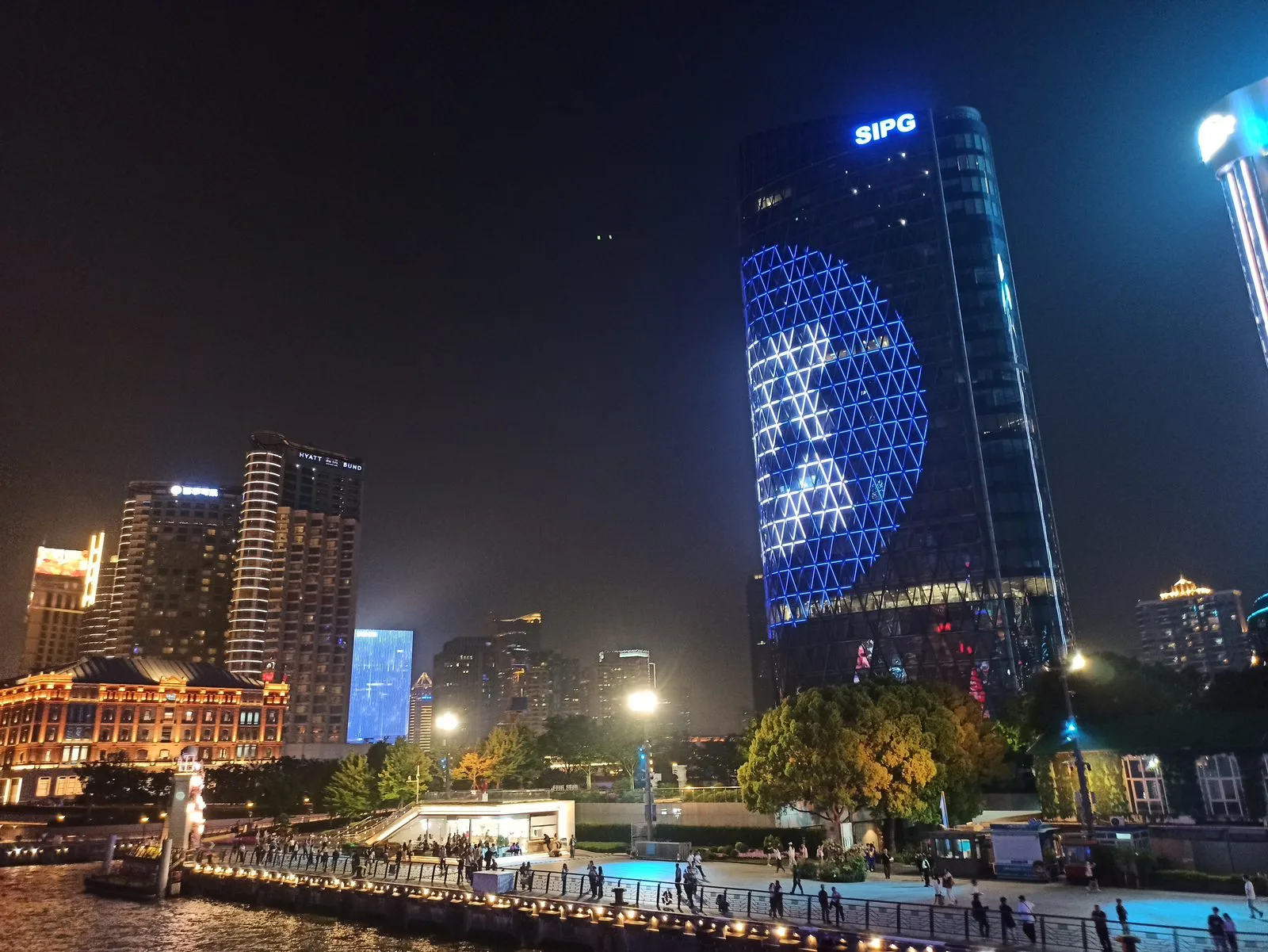
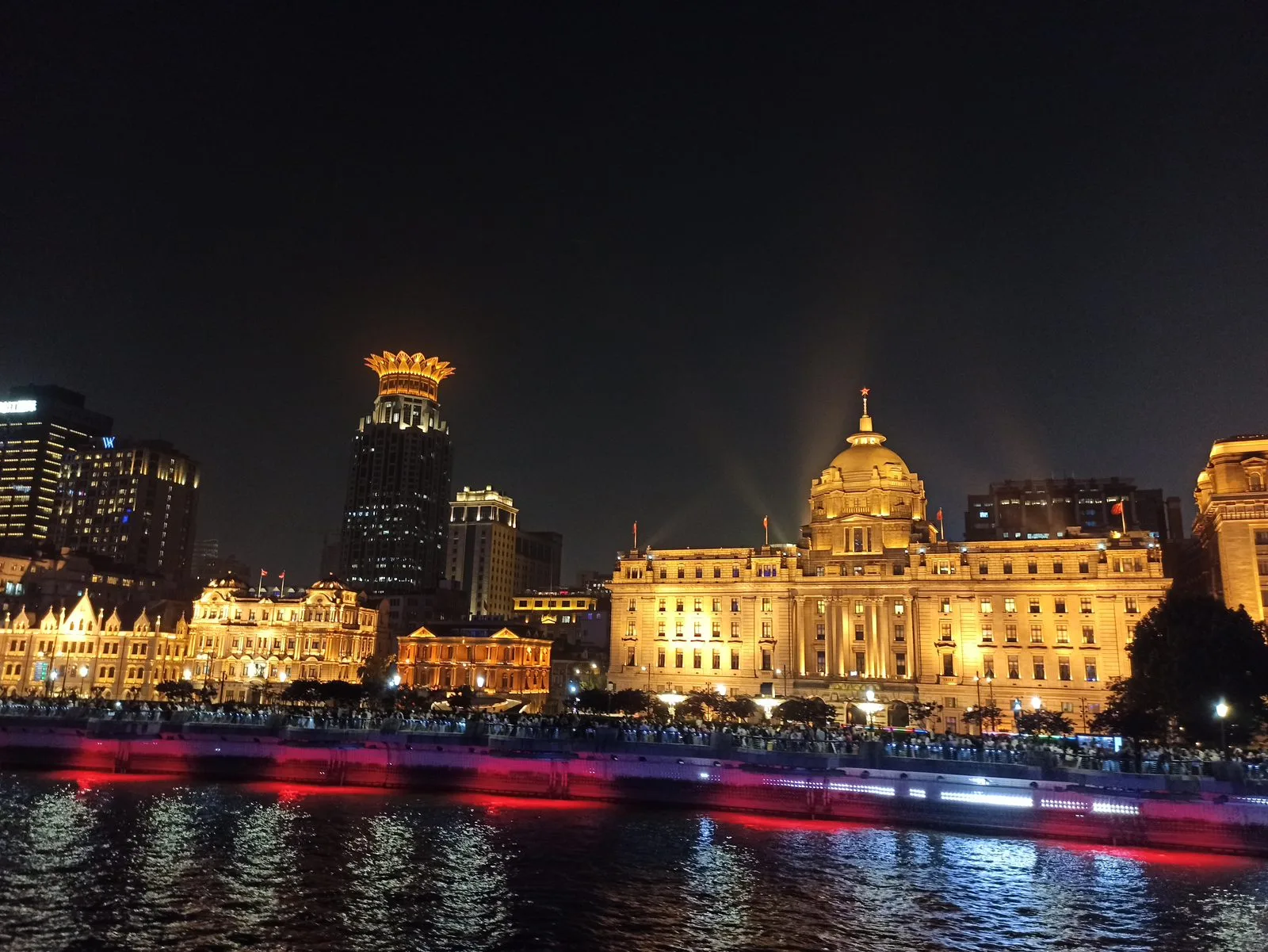
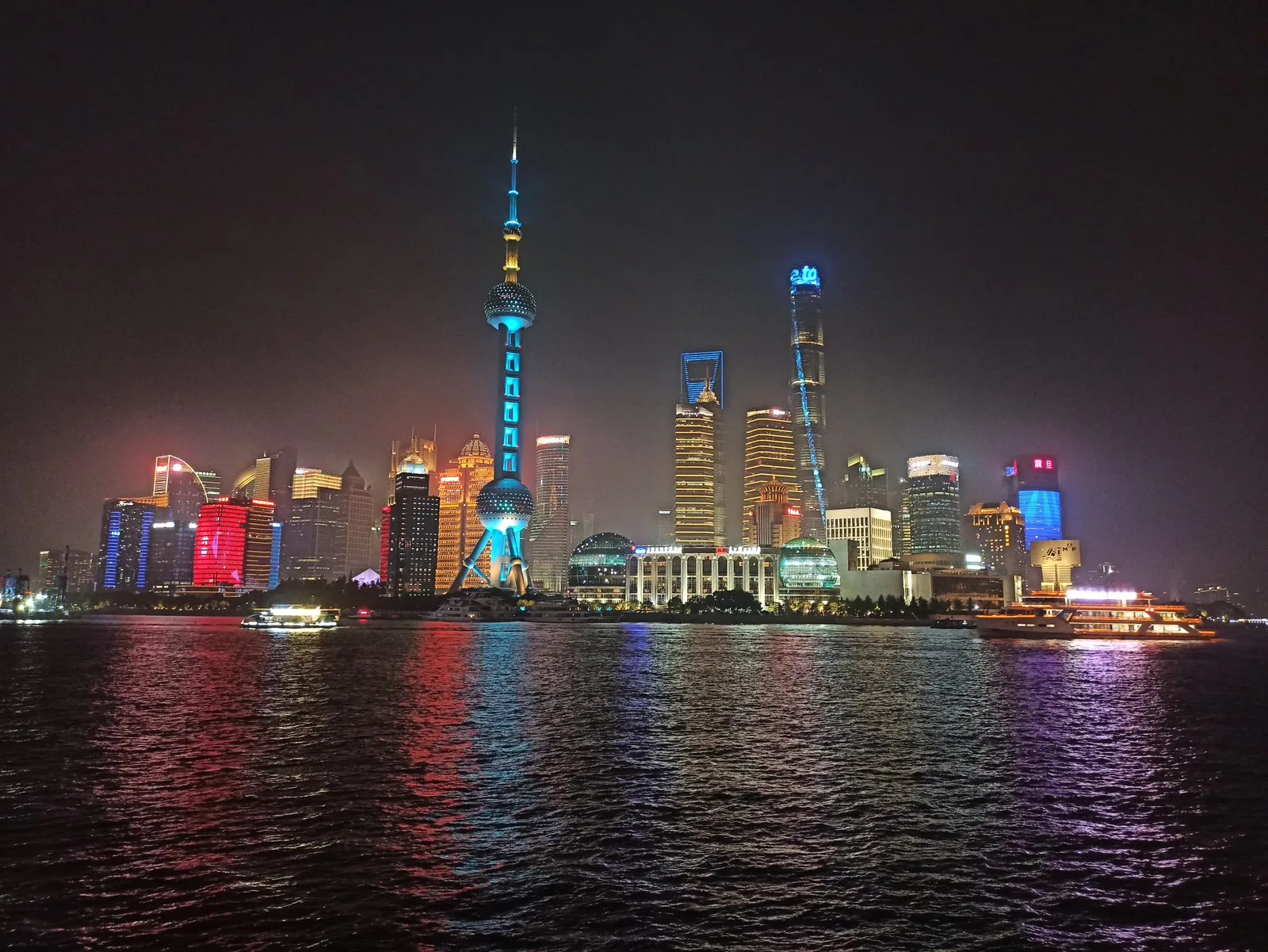
When you’re in Shanghai, be sure to take an evening walk along the river and admire the lights. On one side is the Bund – the waterfront with colonial buildings from the early 20th century, once the financial heart of the concessions. On the other is Lujiazui with the skyscrapers of Pudong. Everything is so beautiful and magical that if you didn’t know about the city’s turbulent history, you’d think it came from a fairy tale. We also took a boat to see the city from a different perspective, and it was definitely worth it.
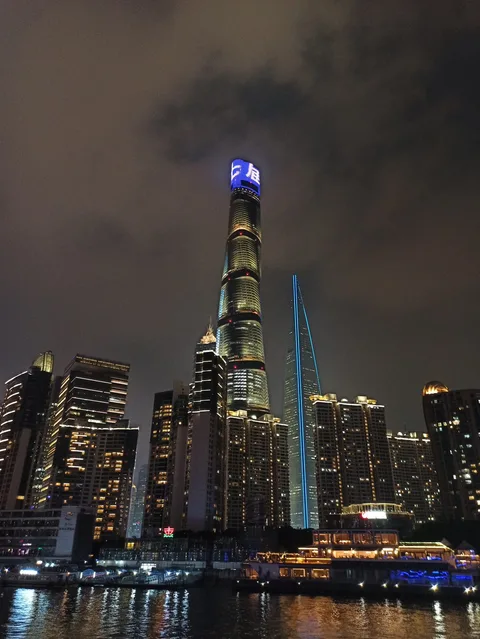 The Shanghai Tower – 632 metres, the third-tallest building in the world
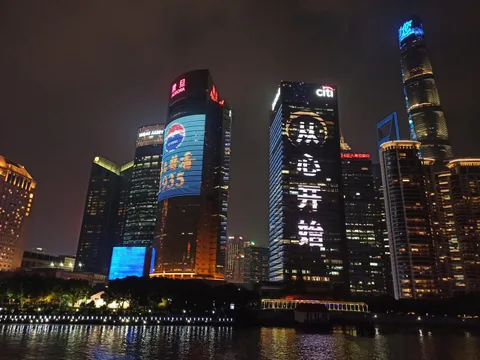 The skyscrapers of Lujiazui up close
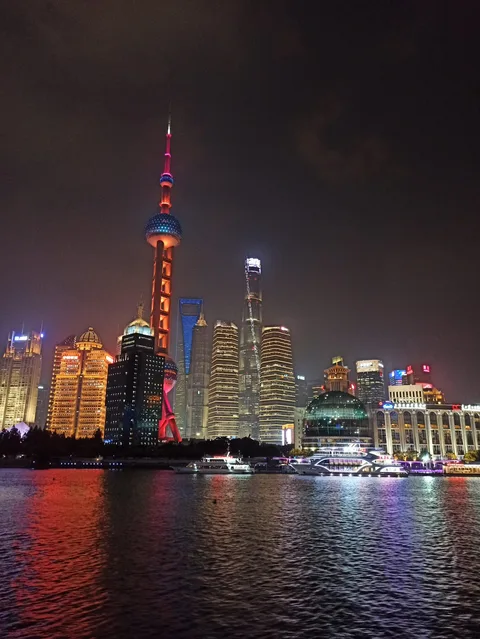 The Oriental Pearl from the river
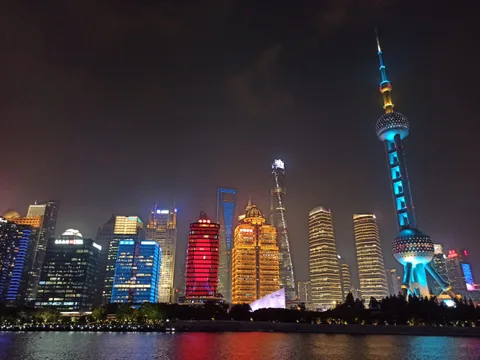 Pudong – until 1990 there were mainly fields and warehouses here
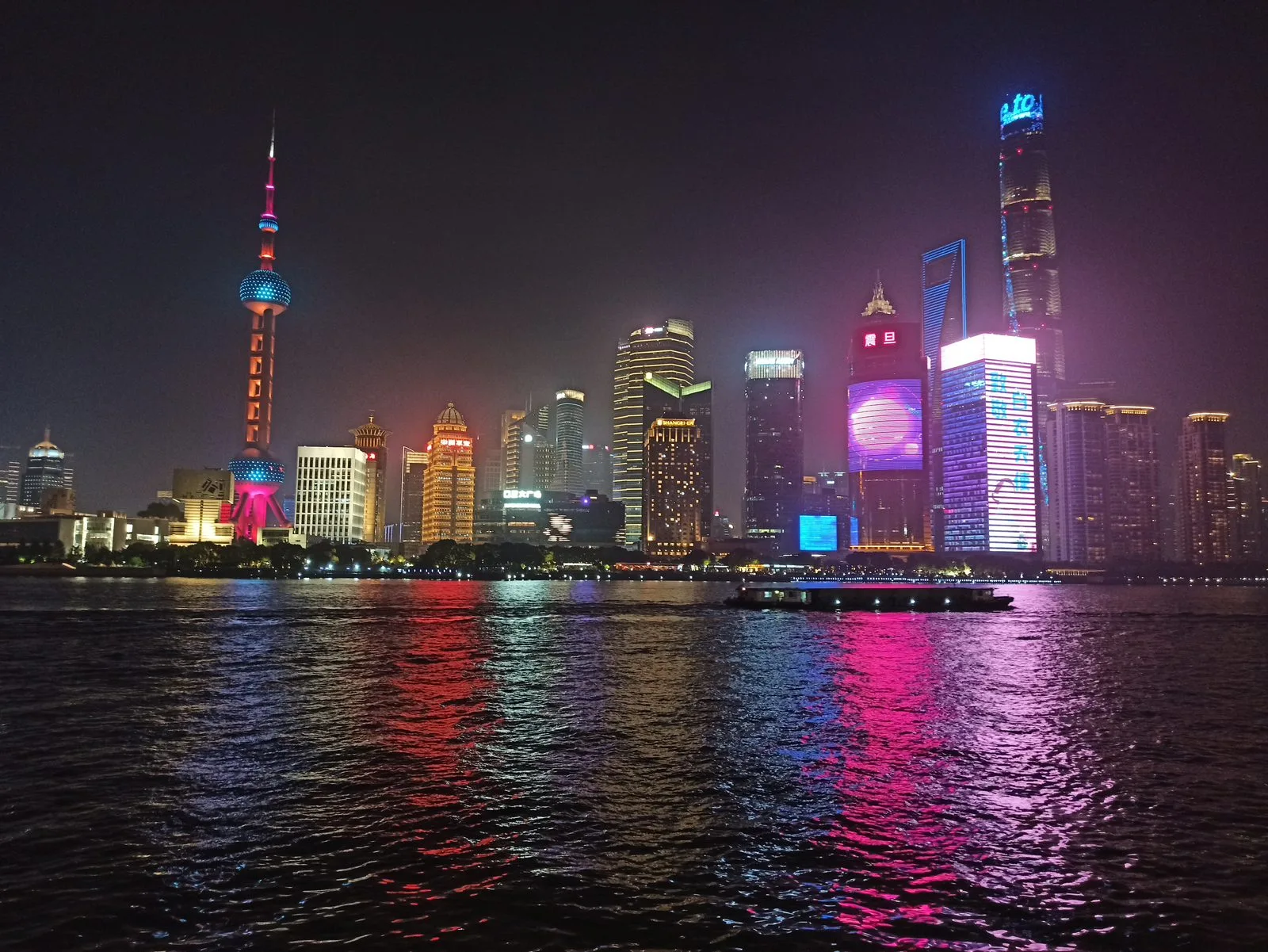
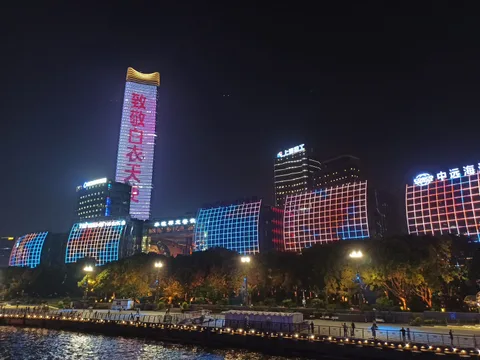 On 12 May, International Nurses Day, the buildings salute the “angels in white”
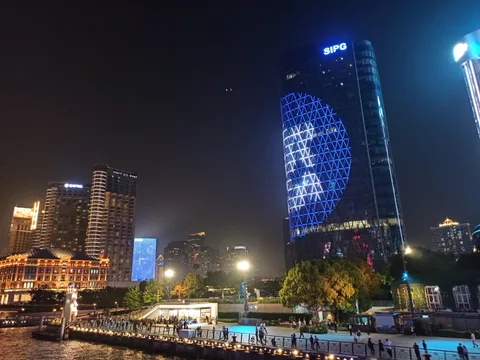 The light shows on the façades never stop for a moment
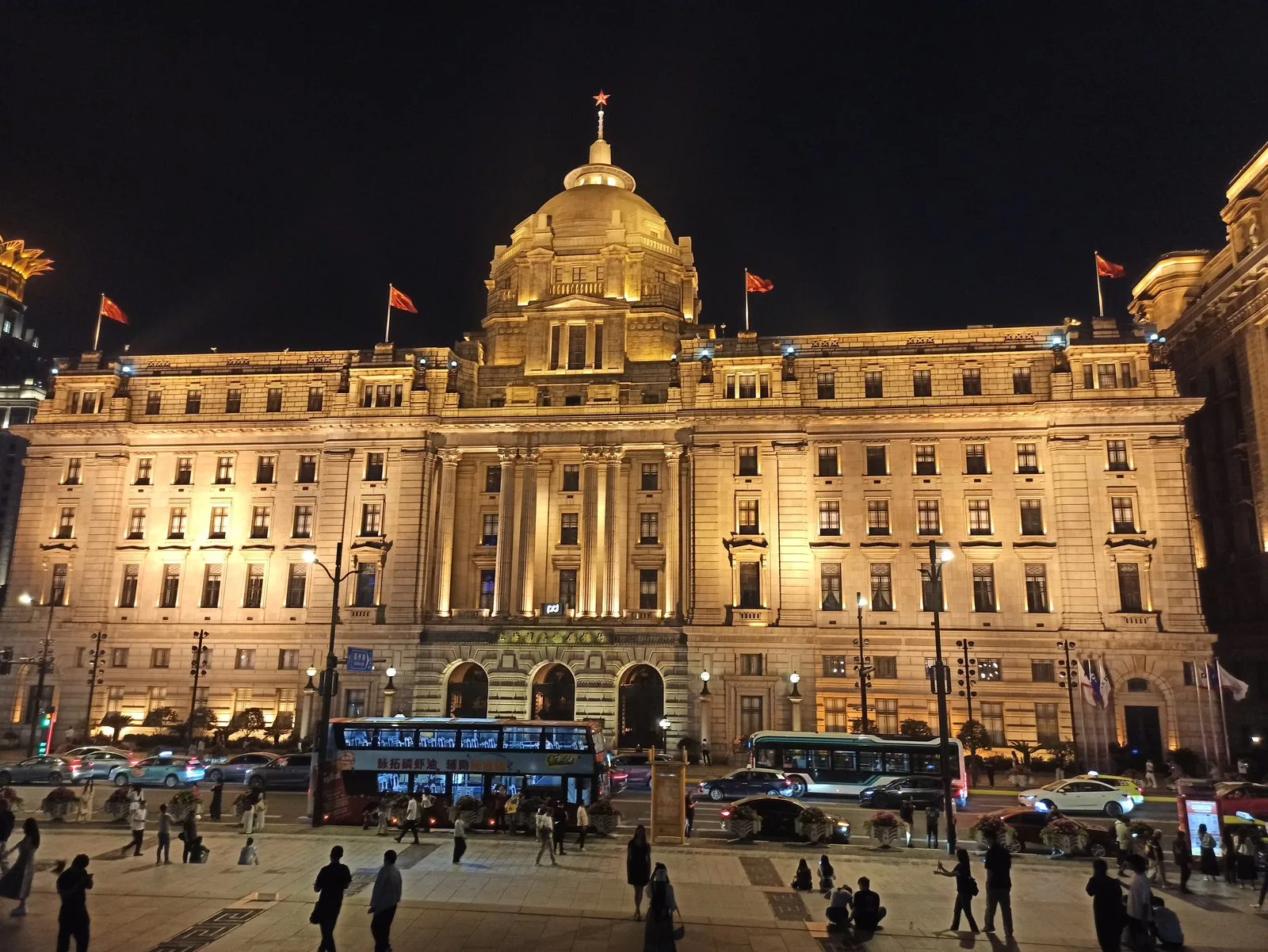
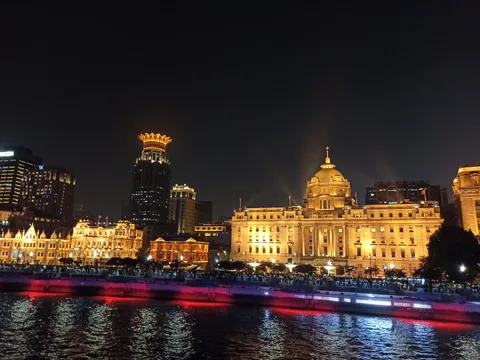 The Bund – colonial buildings from the early 20th century
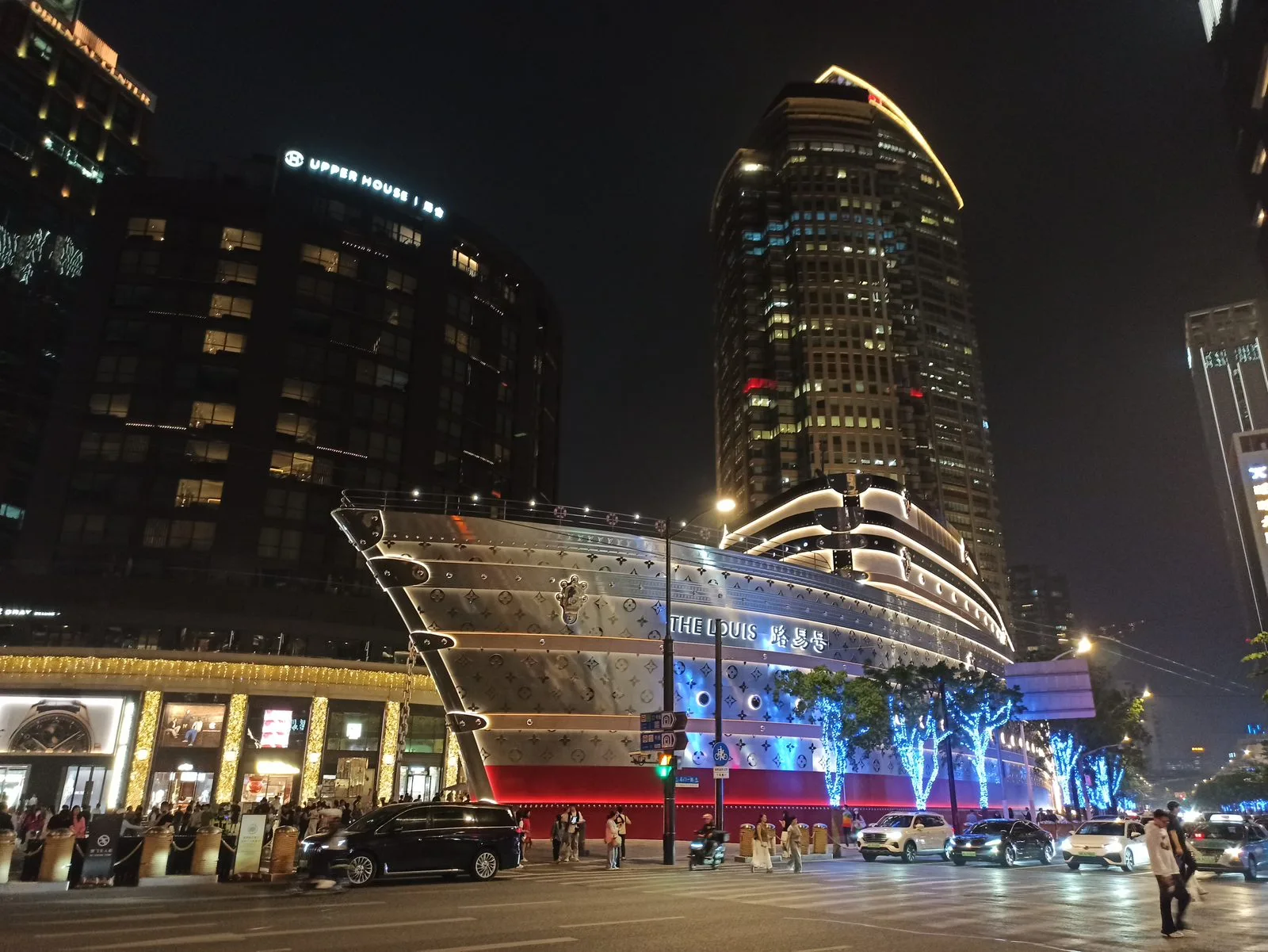
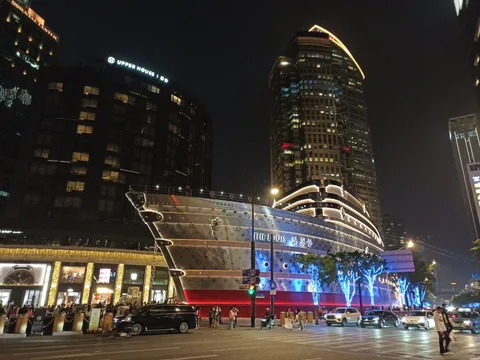 Louis Vuitton’s “ship” The Louis on Nanjing Road – a shop, café and exhibition, opened in 2025
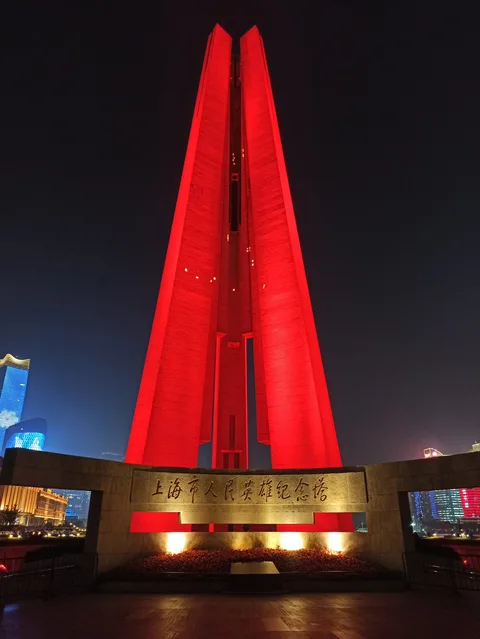 The Monument to the People’s Heroes in Huangpu Park – where the garden “forbidden” to the Chinese once stood
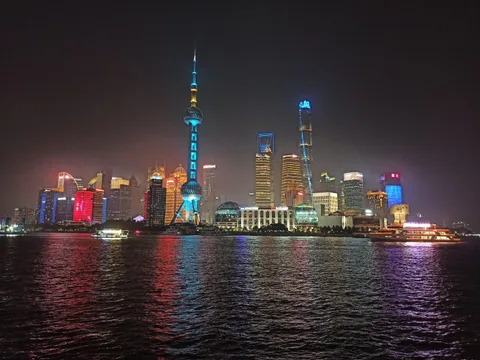 Pudong seen from the Bund
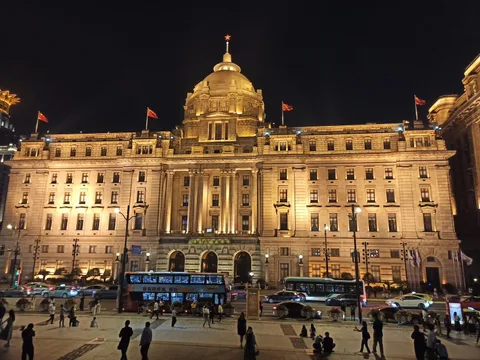 The HSBC Building from 1923 – one of the most beautiful on the Bund
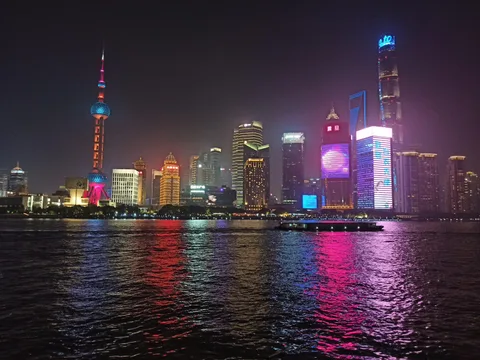 The night panorama of Pudong
Climbing the Oriental Pearl Tower
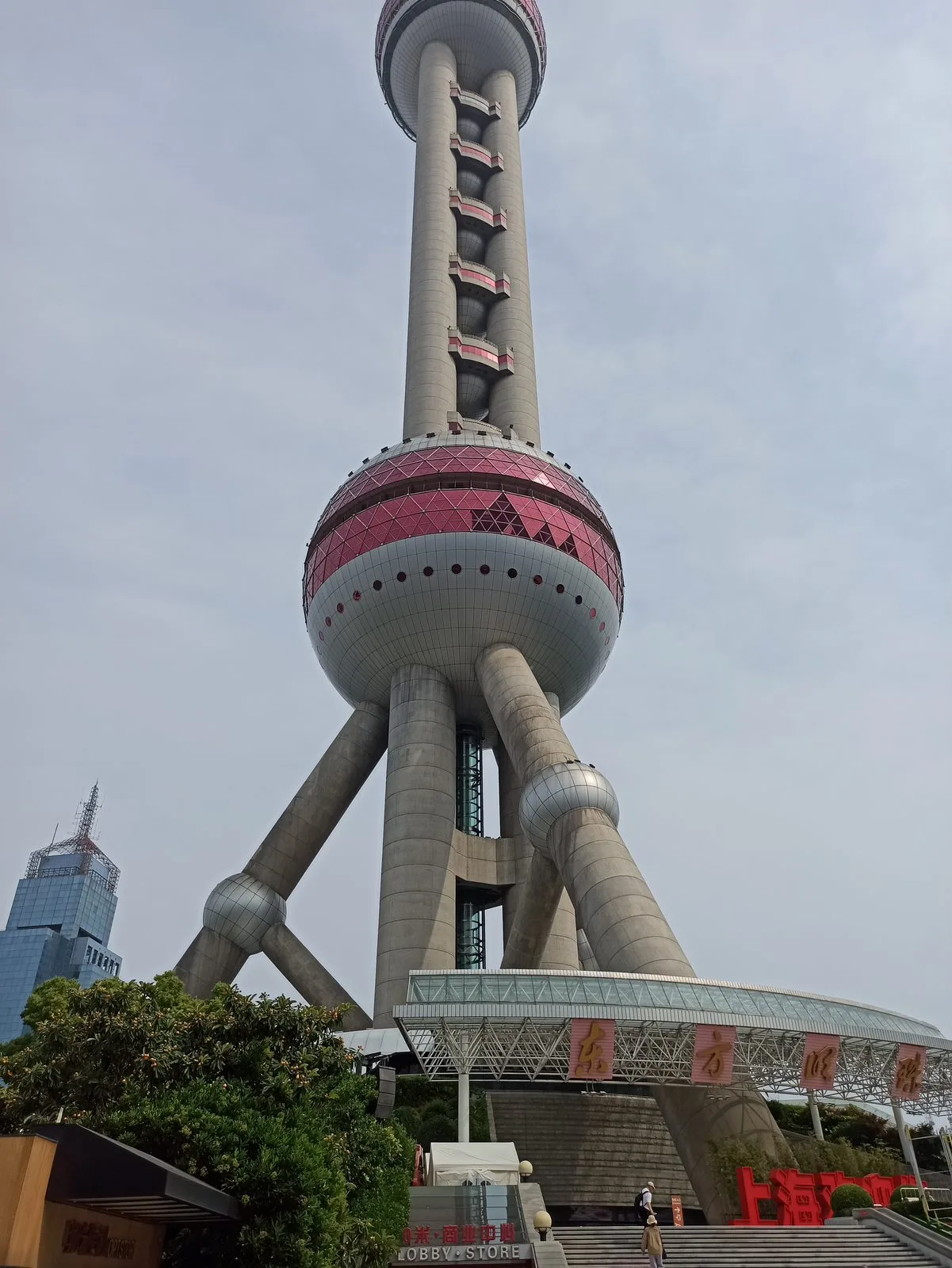
Our last day in China began with something I had been looking forward to – going up to the observation deck of the Oriental Pearl Tower. It’s 468 metres tall and looks like a futuristic structure of giant pearls strung one above the other. It was completed in 1994, just as Shanghai was beginning to turn into one of the most modern megacities in the world, and until 2007 it was the tallest structure in China. The idea for its shape comes from a line by the Tang poet Bai Juyi, who compared the sound of the lute to “pearls, big and small, falling onto a jade plate”.
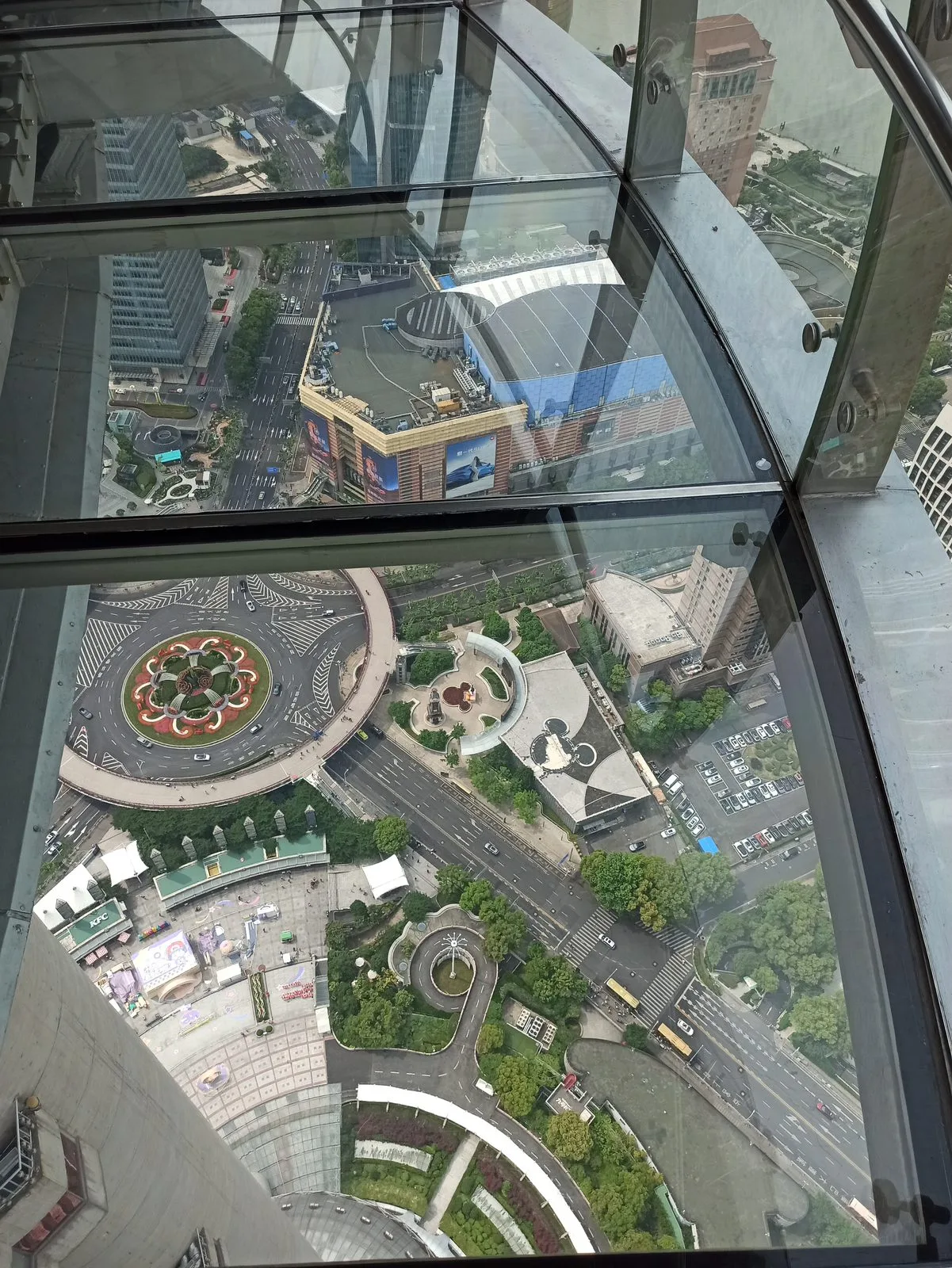
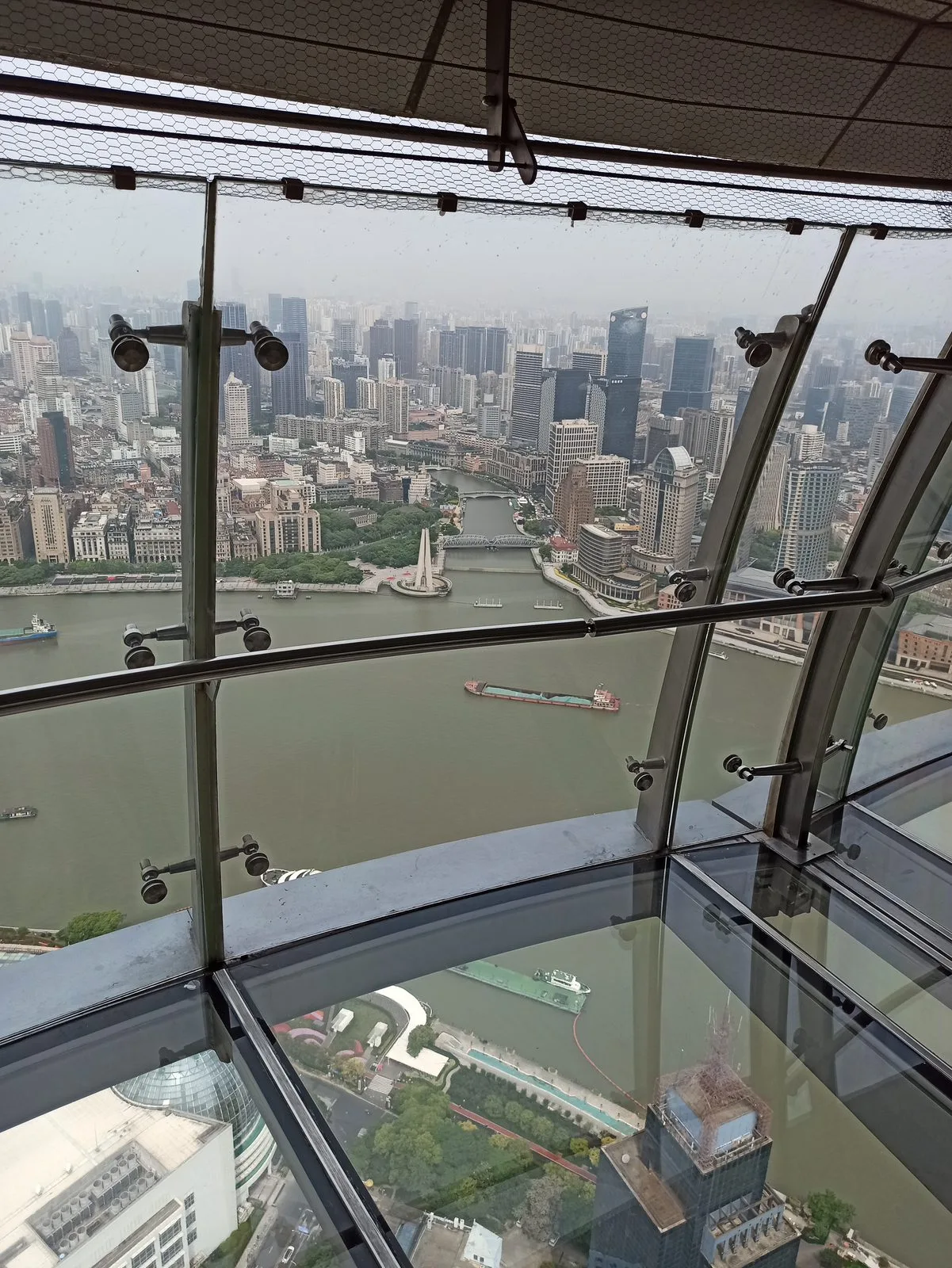
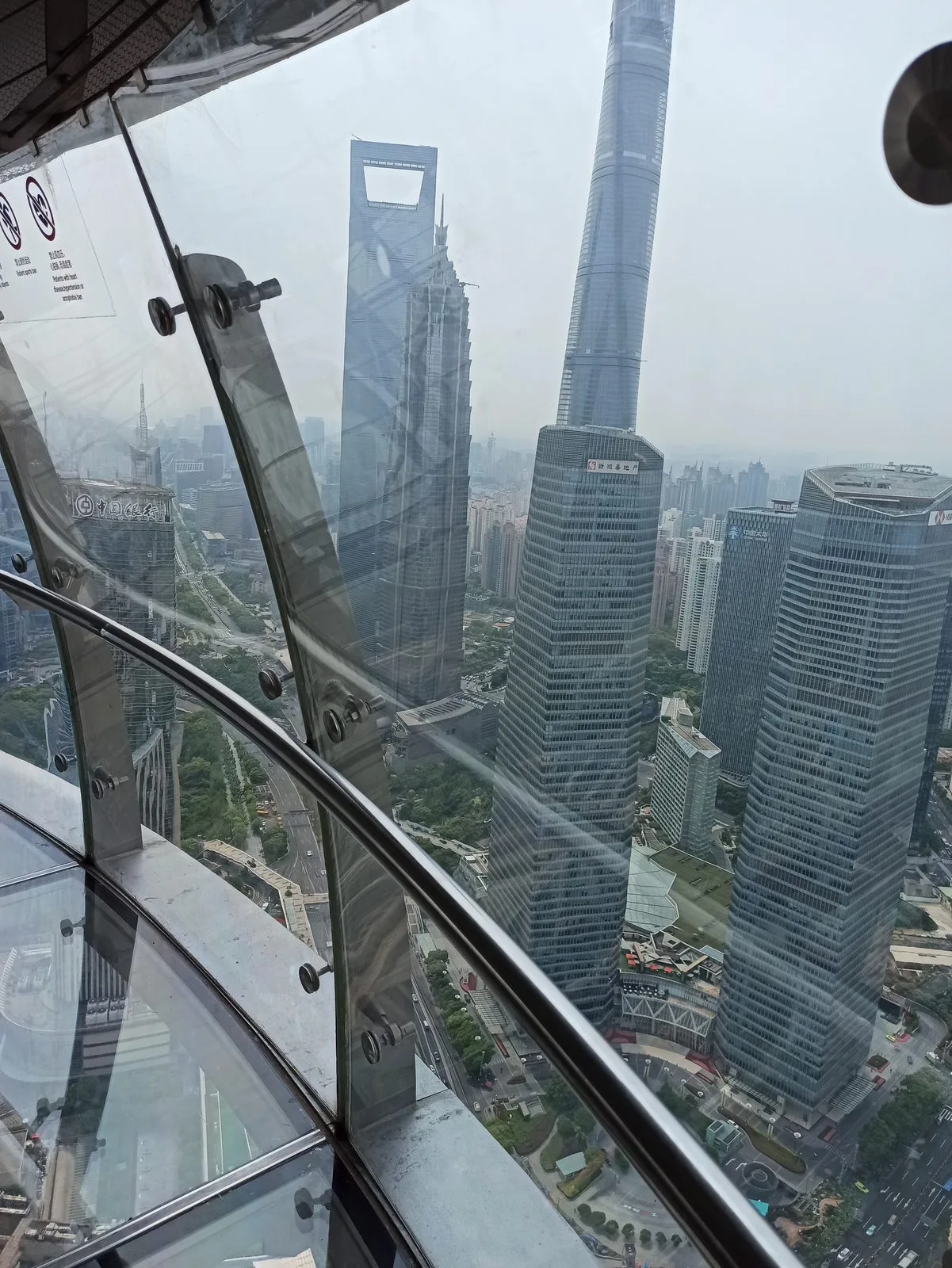
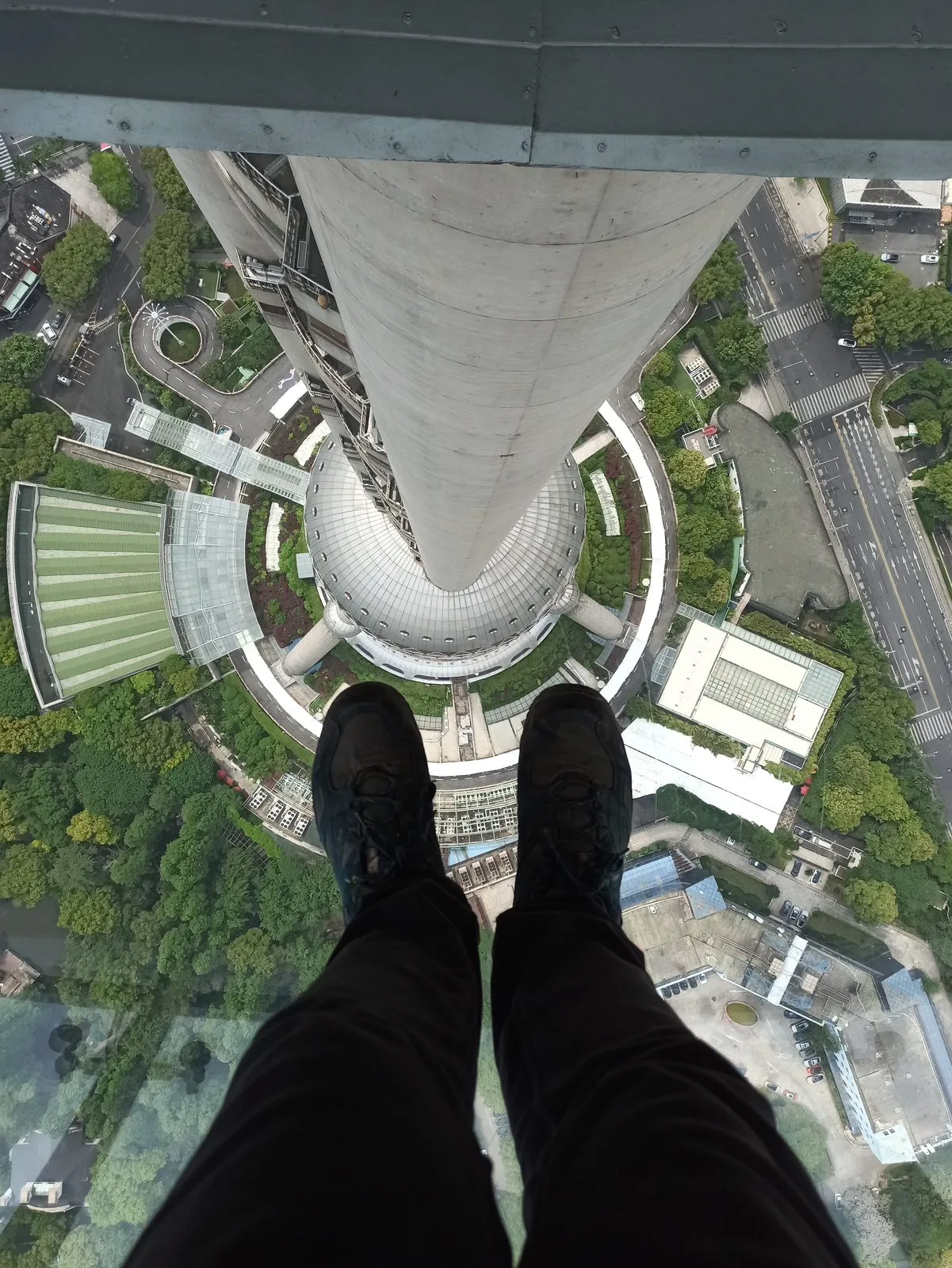
Our goal was to go up to 259 metres and walk on the glass floor. Believe me, even for people who aren’t afraid of heights, it’s quite a startling experience – almost like flying and seeing the city from a bird’s-eye view, but at first, until you get used to it, it’s very frightening.
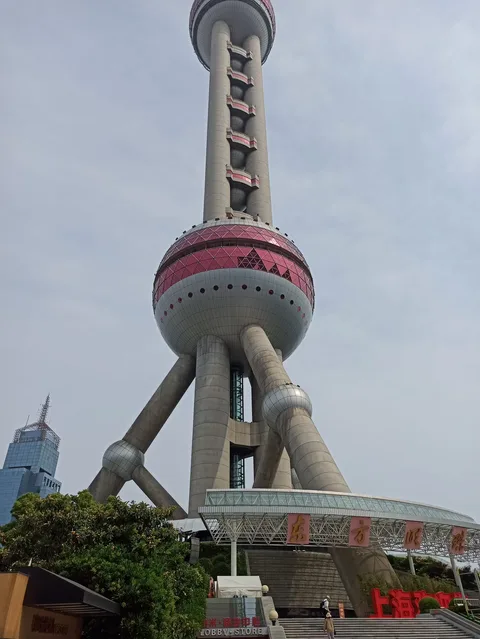 The Oriental Pearl – 468 metres
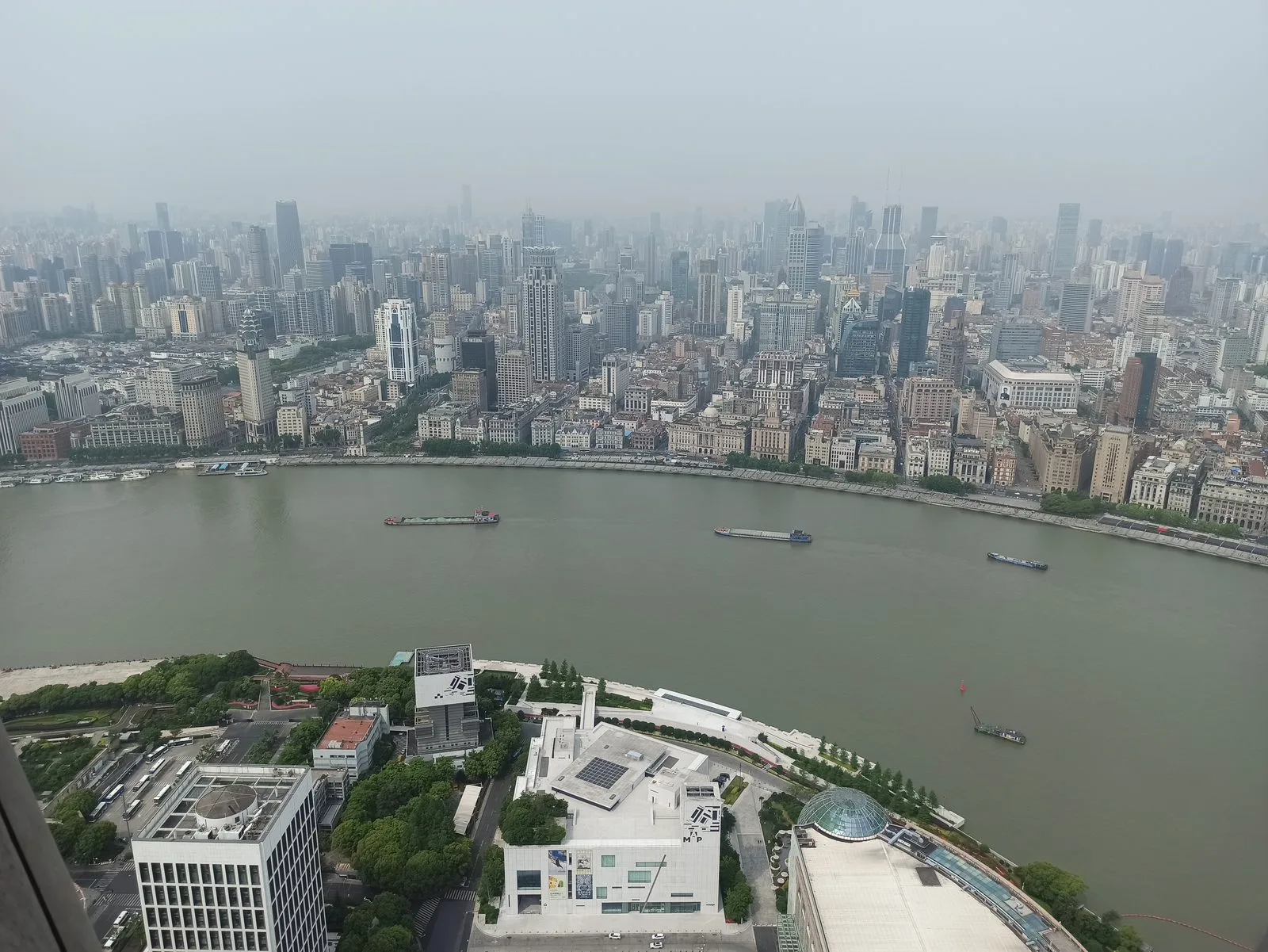
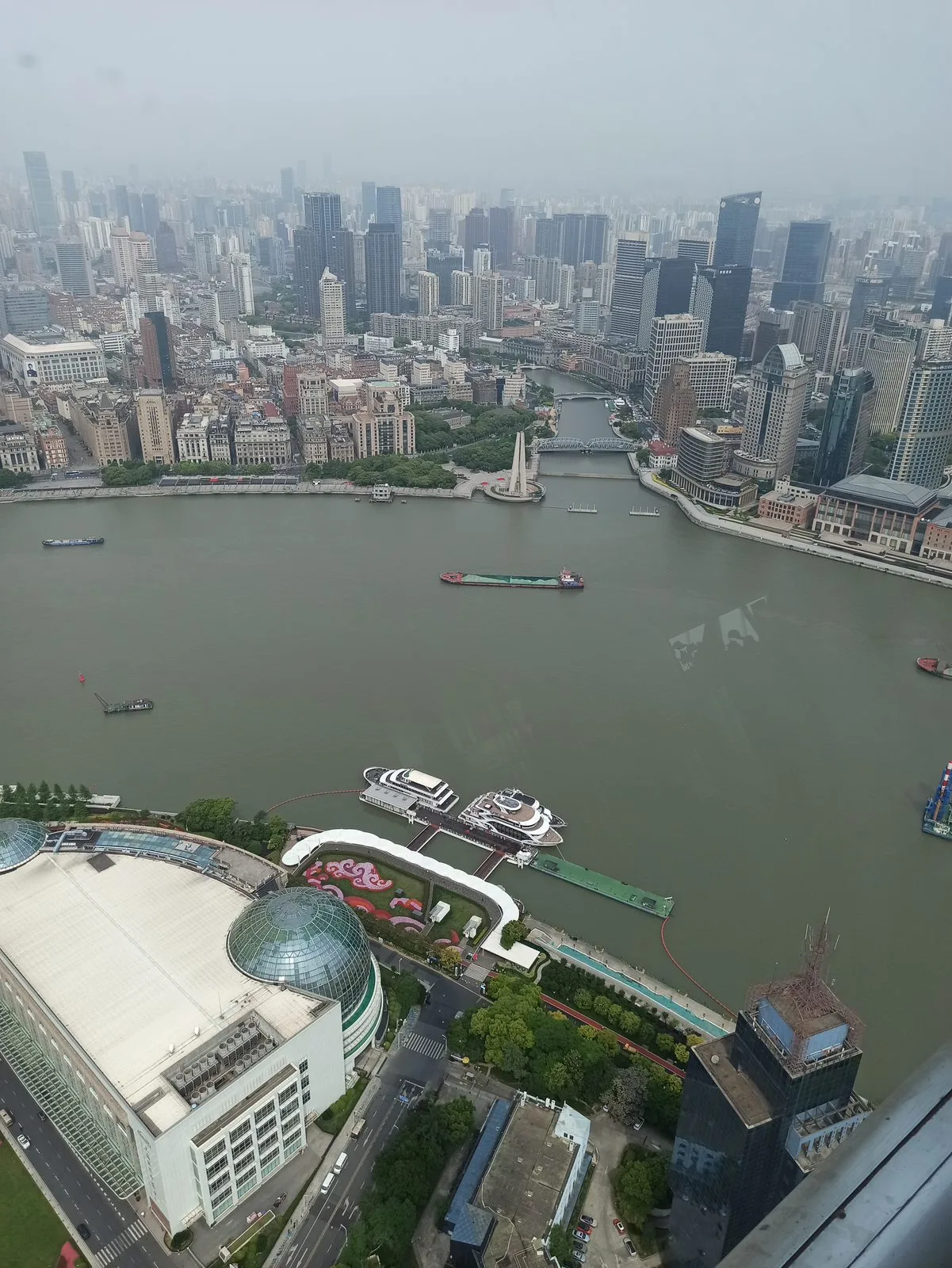
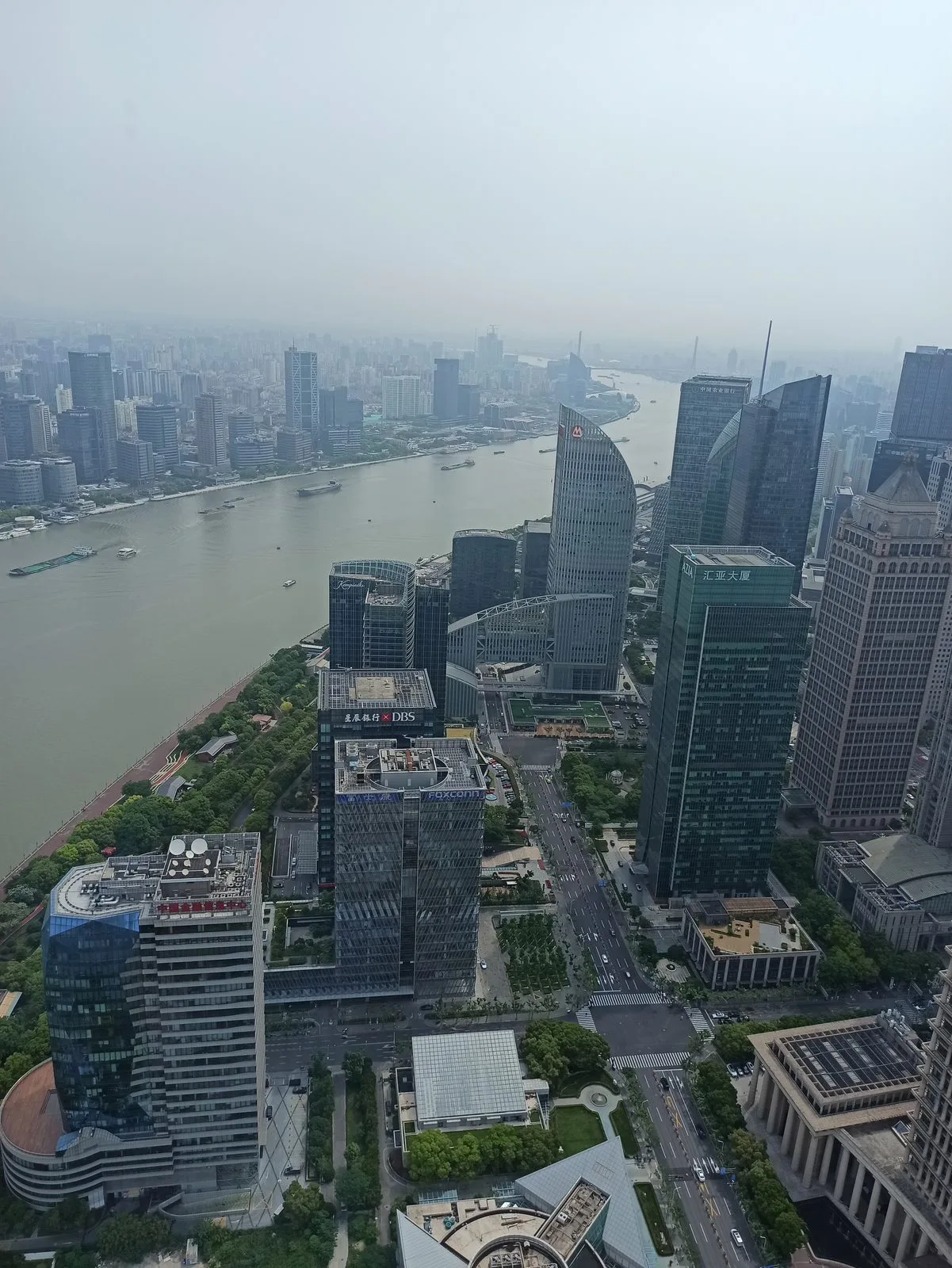
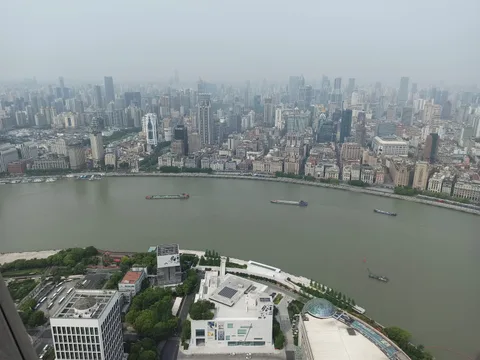 The Huangpu River and the Bund from above
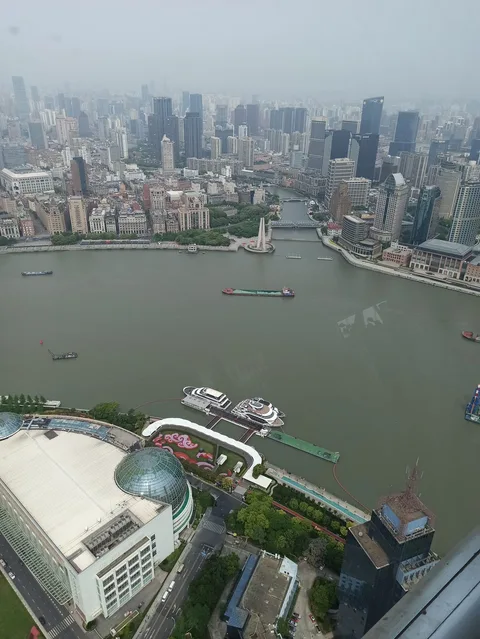 The ships on the river look like toys
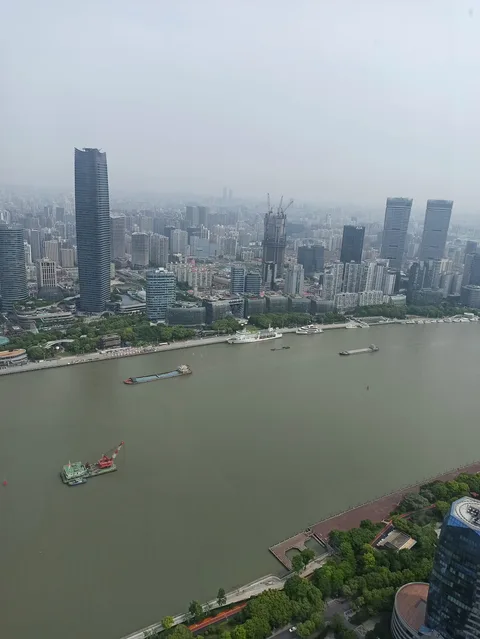 Puxi – the old part of the city on the opposite bank
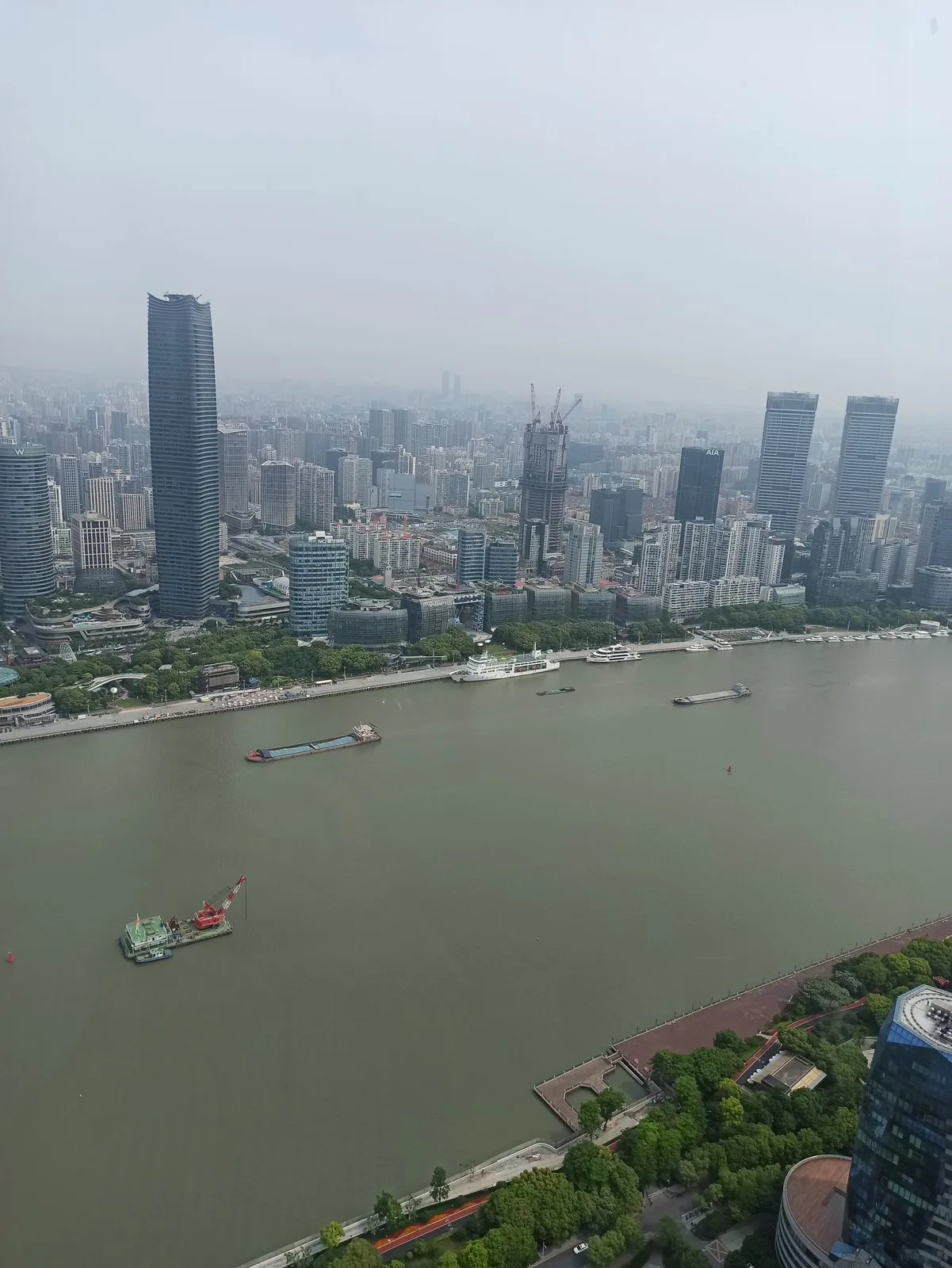
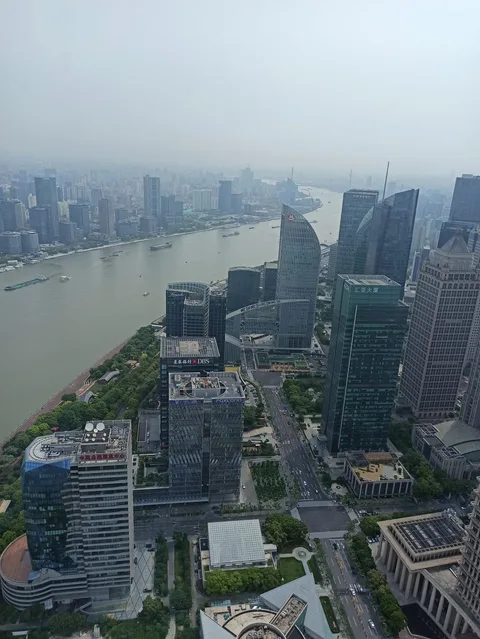 The bend of the river and the skyscrapers of Lujiazui
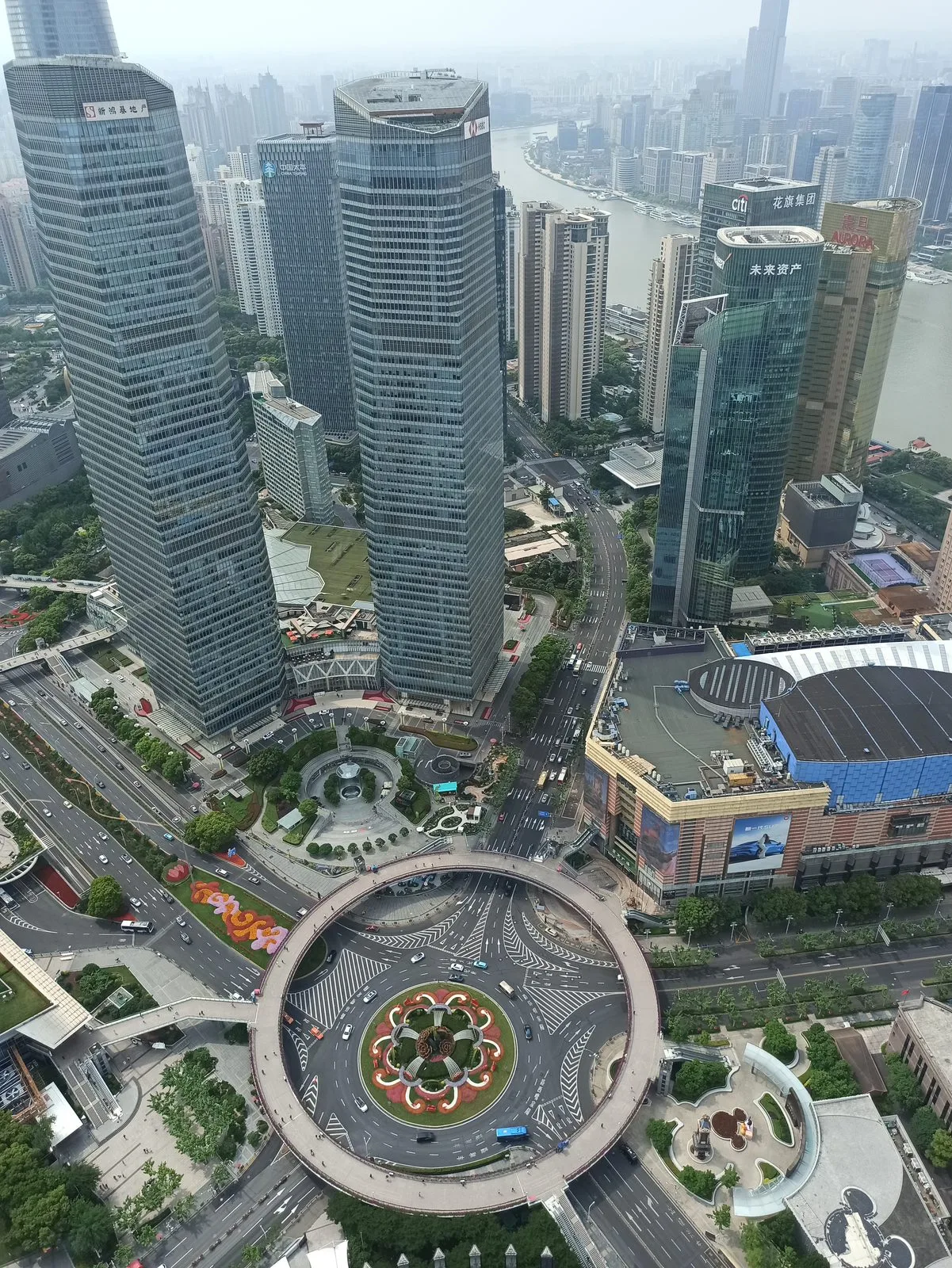
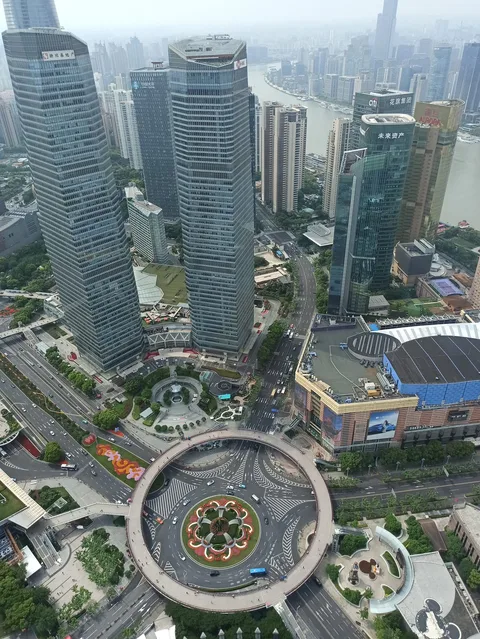 The circular pedestrian bridge of Lujiazui
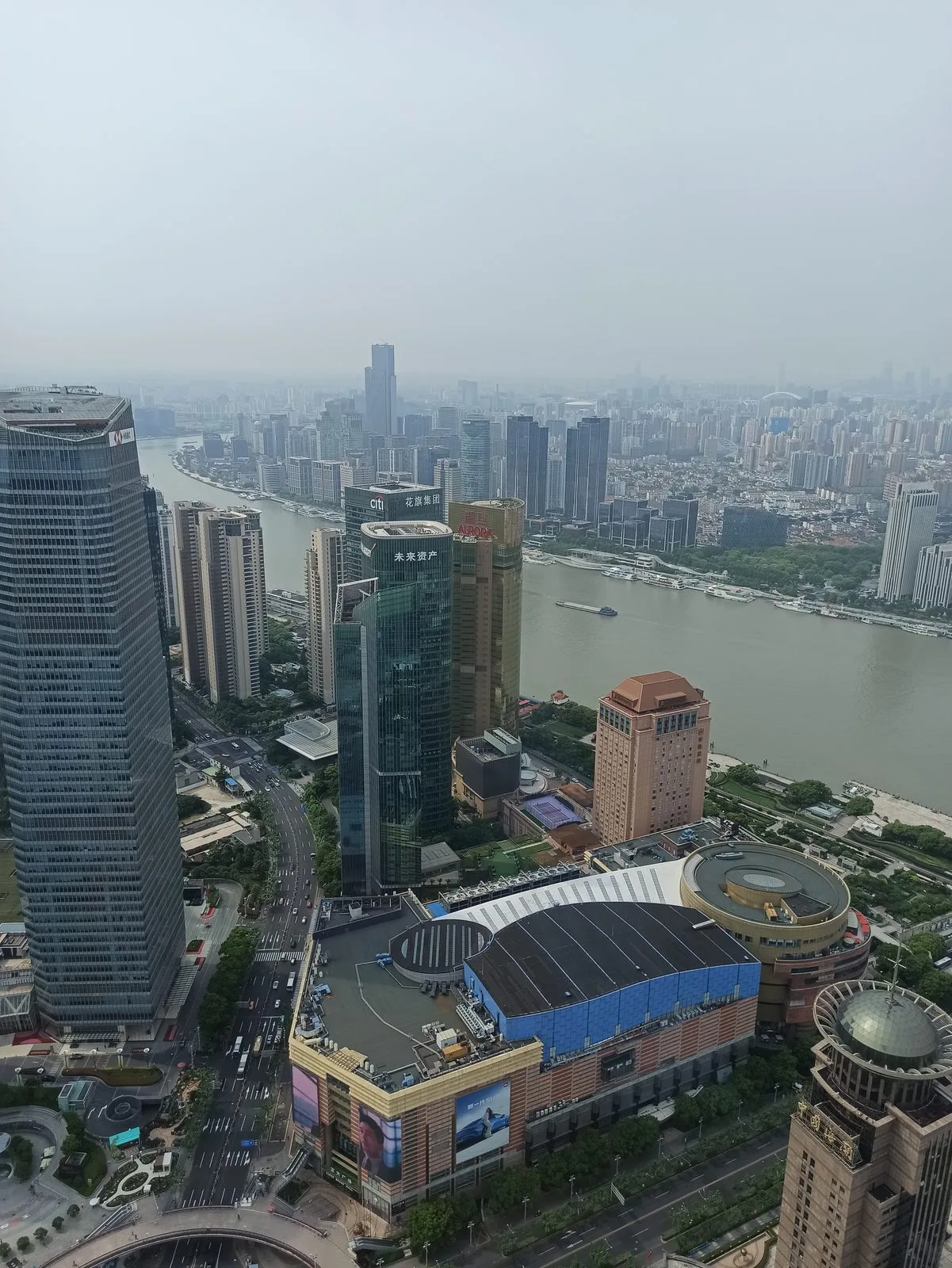
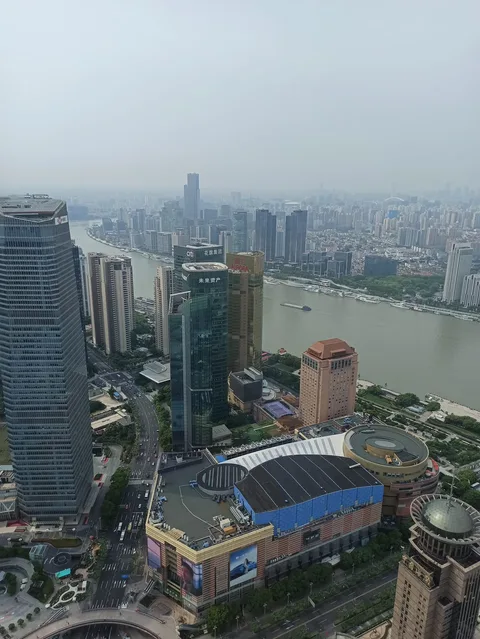 The financial district from above
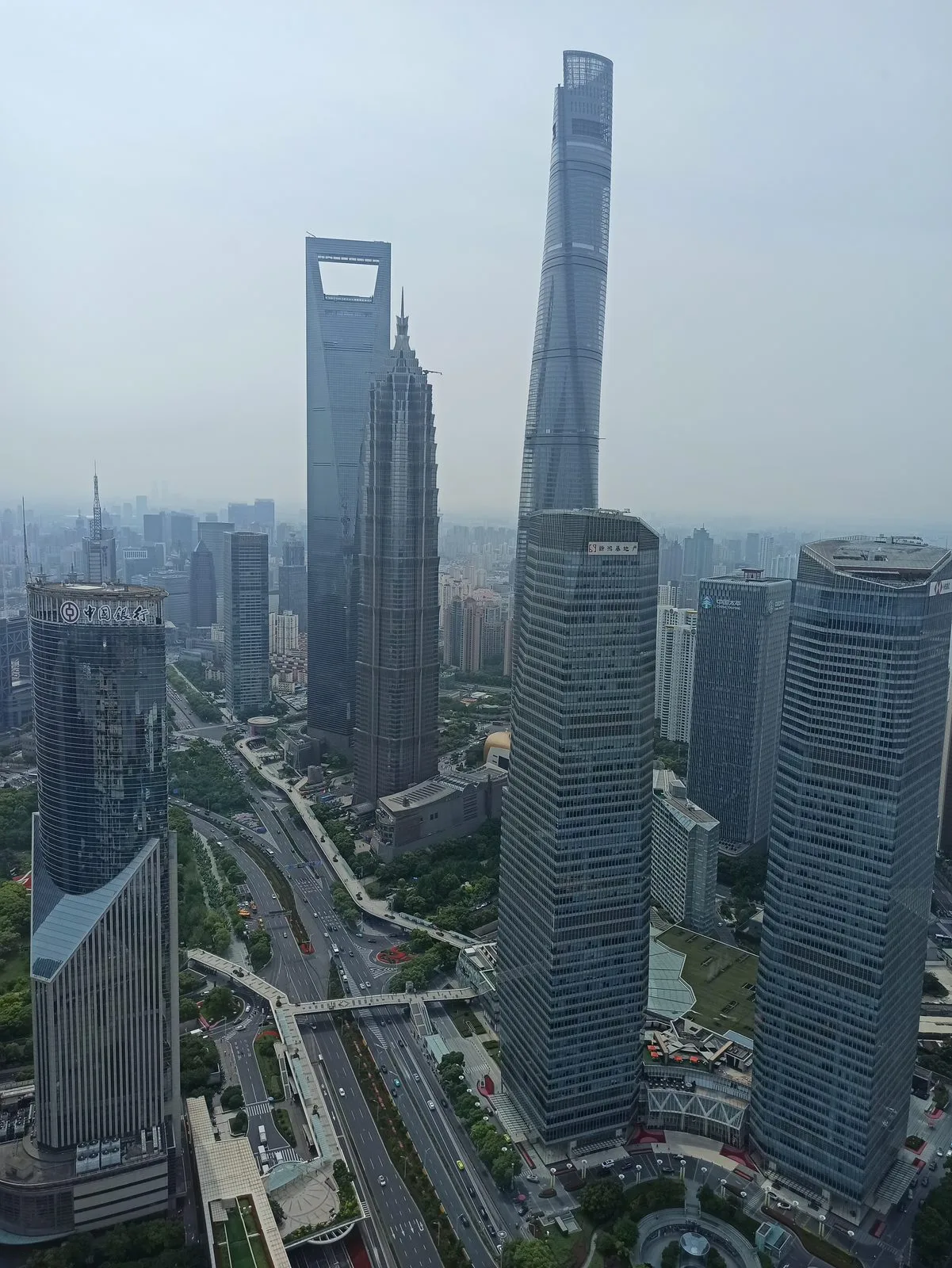
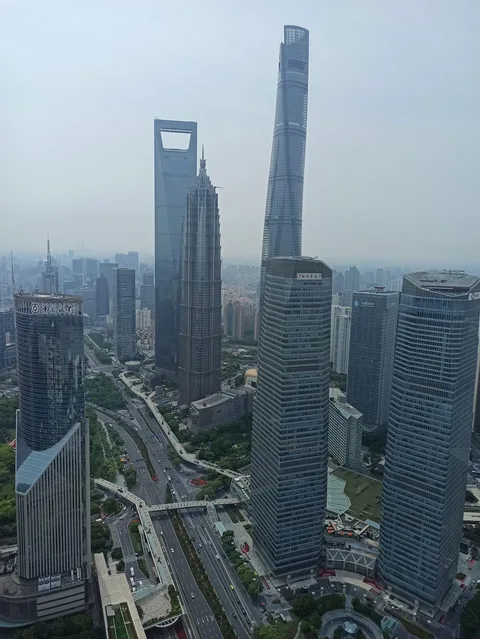 The three giants: the Shanghai Tower, the “Bottle Opener” (the World Financial Center) and Jin Mao
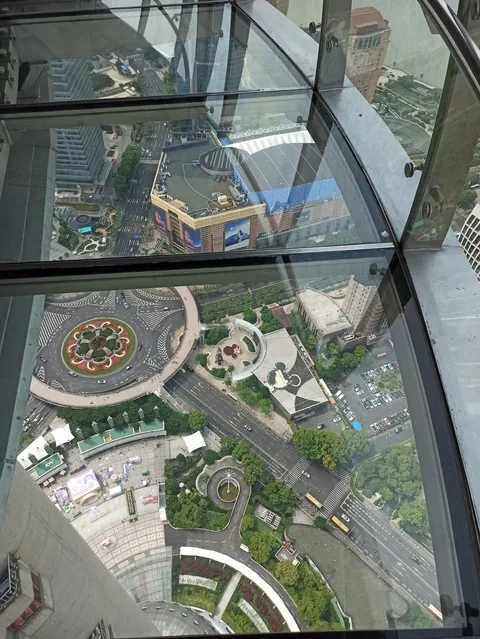 The glass floor – the first steps are the hardest
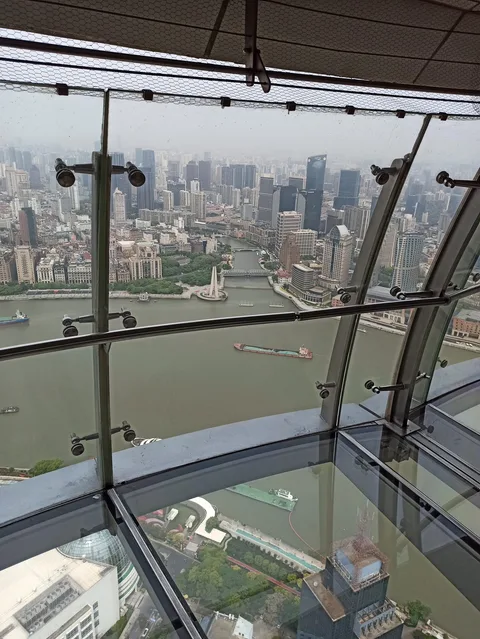 The Bund through the glass
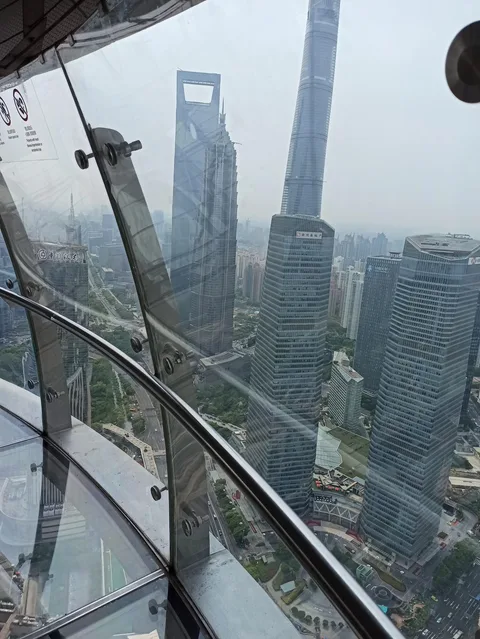 The skyscrapers through the glass wall
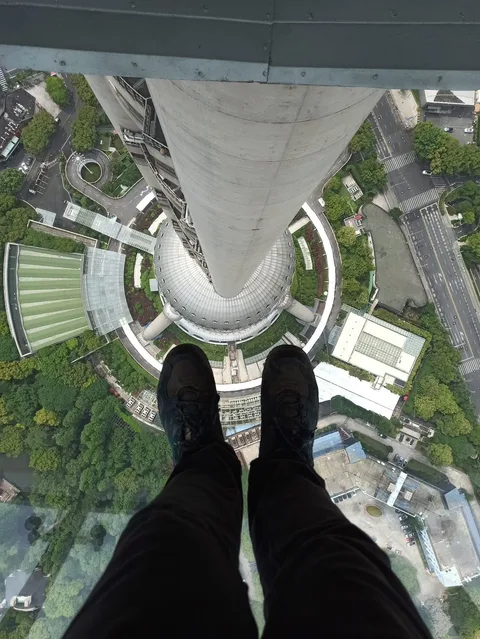 My feet above 259 metres of empty space
At 351 metres there is another deck, called the “Space Capsule”, but we didn’t have time to go up there too to see the city from even higher.
Yu Garden
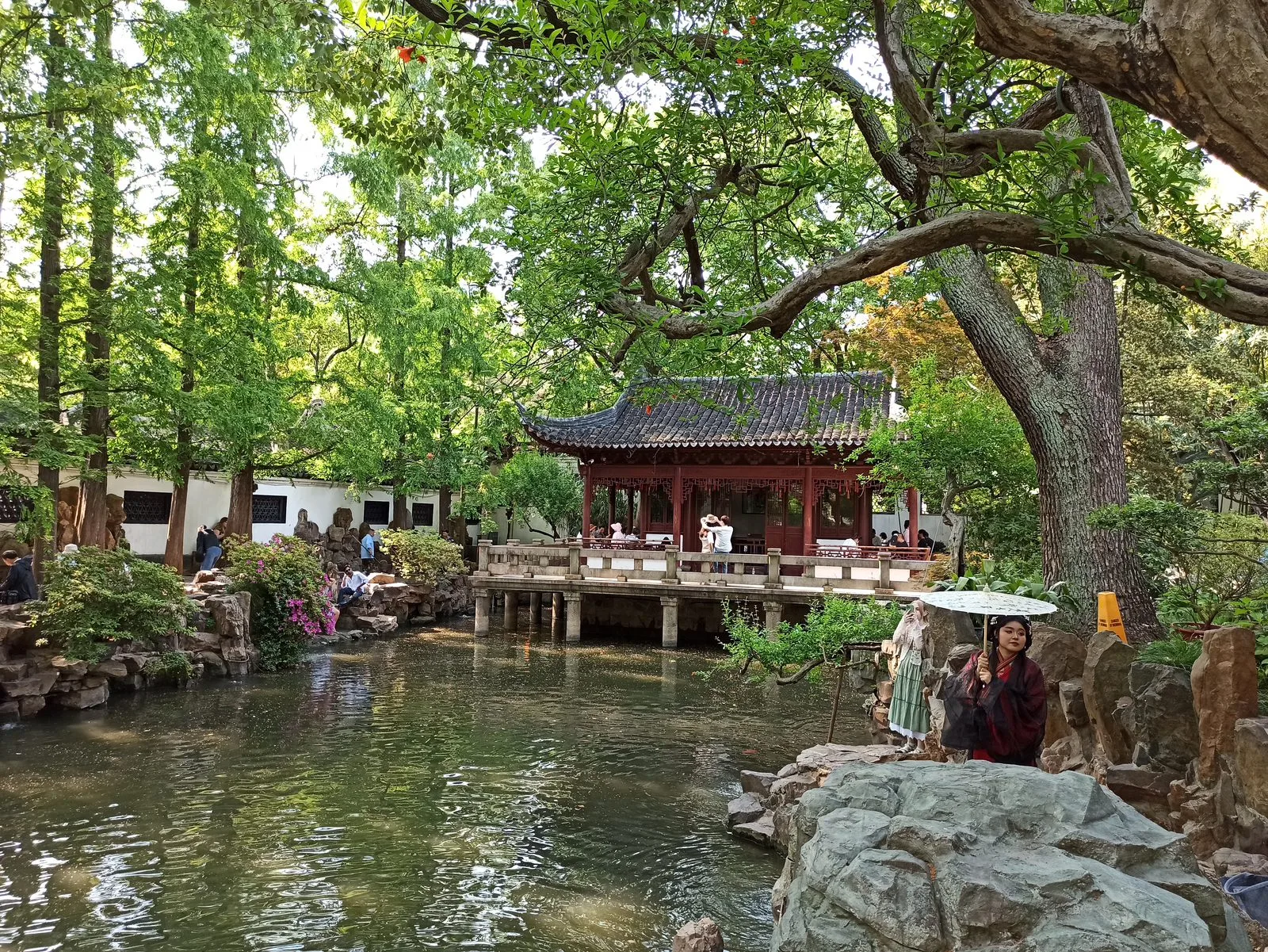
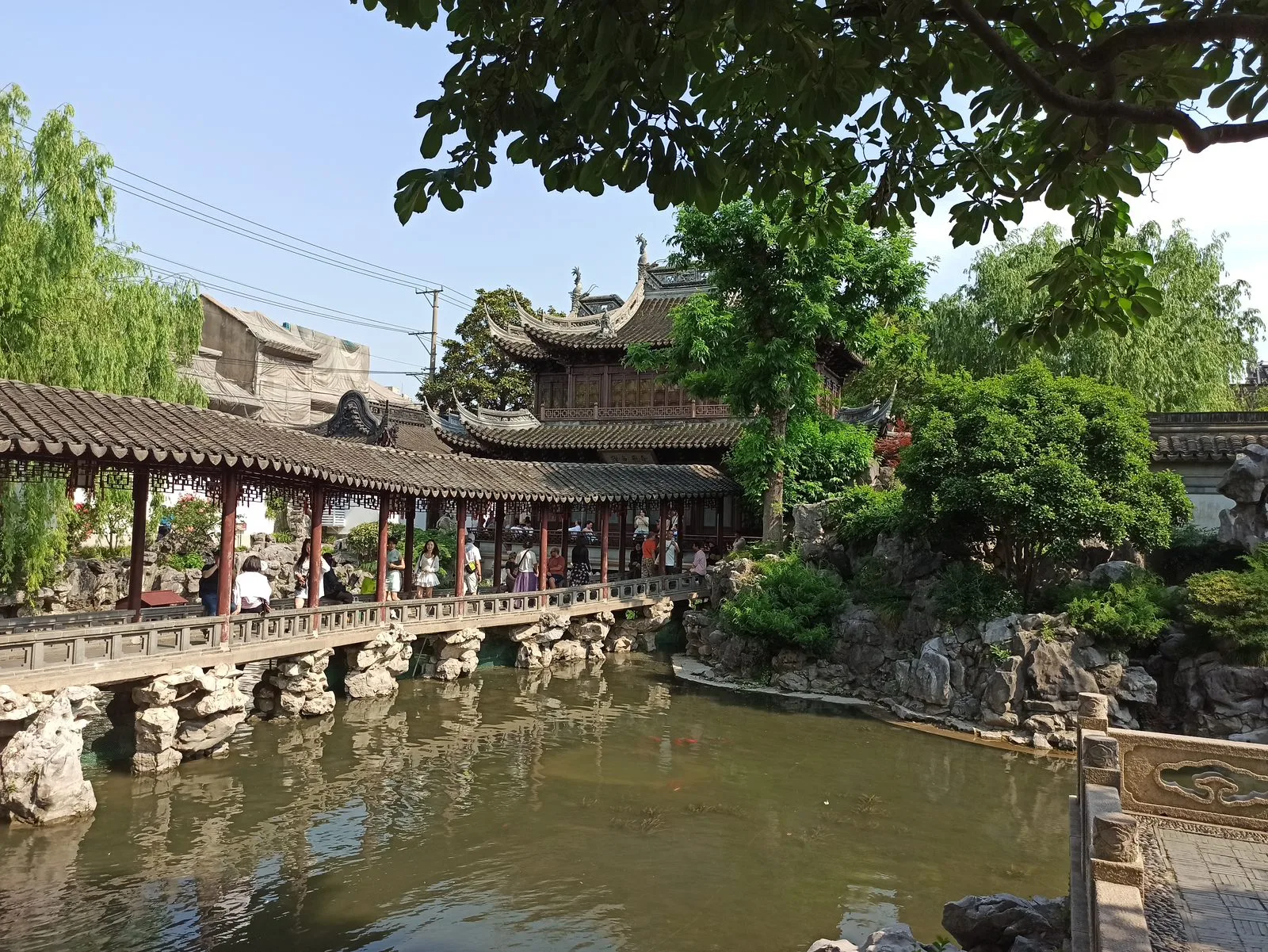
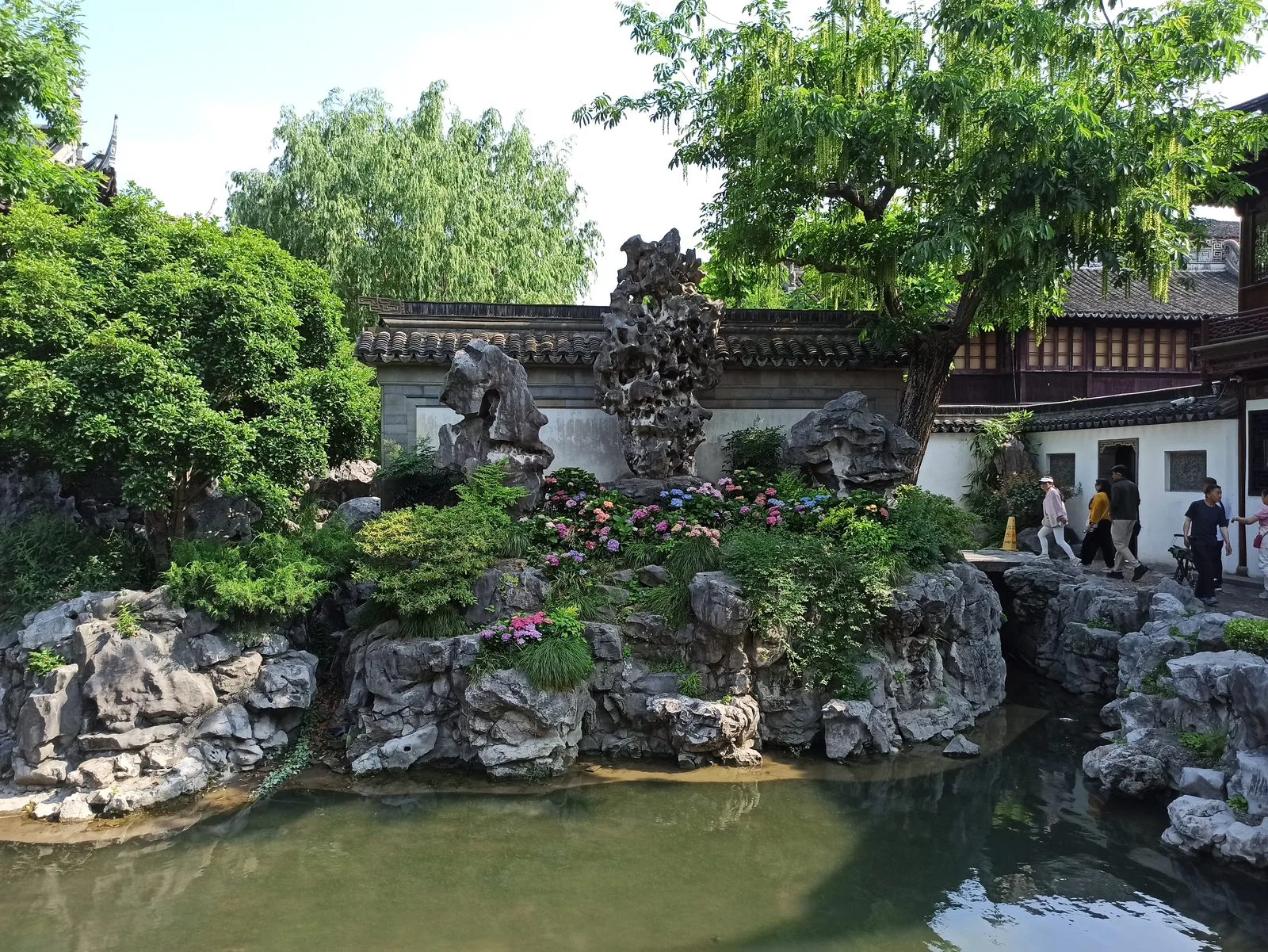
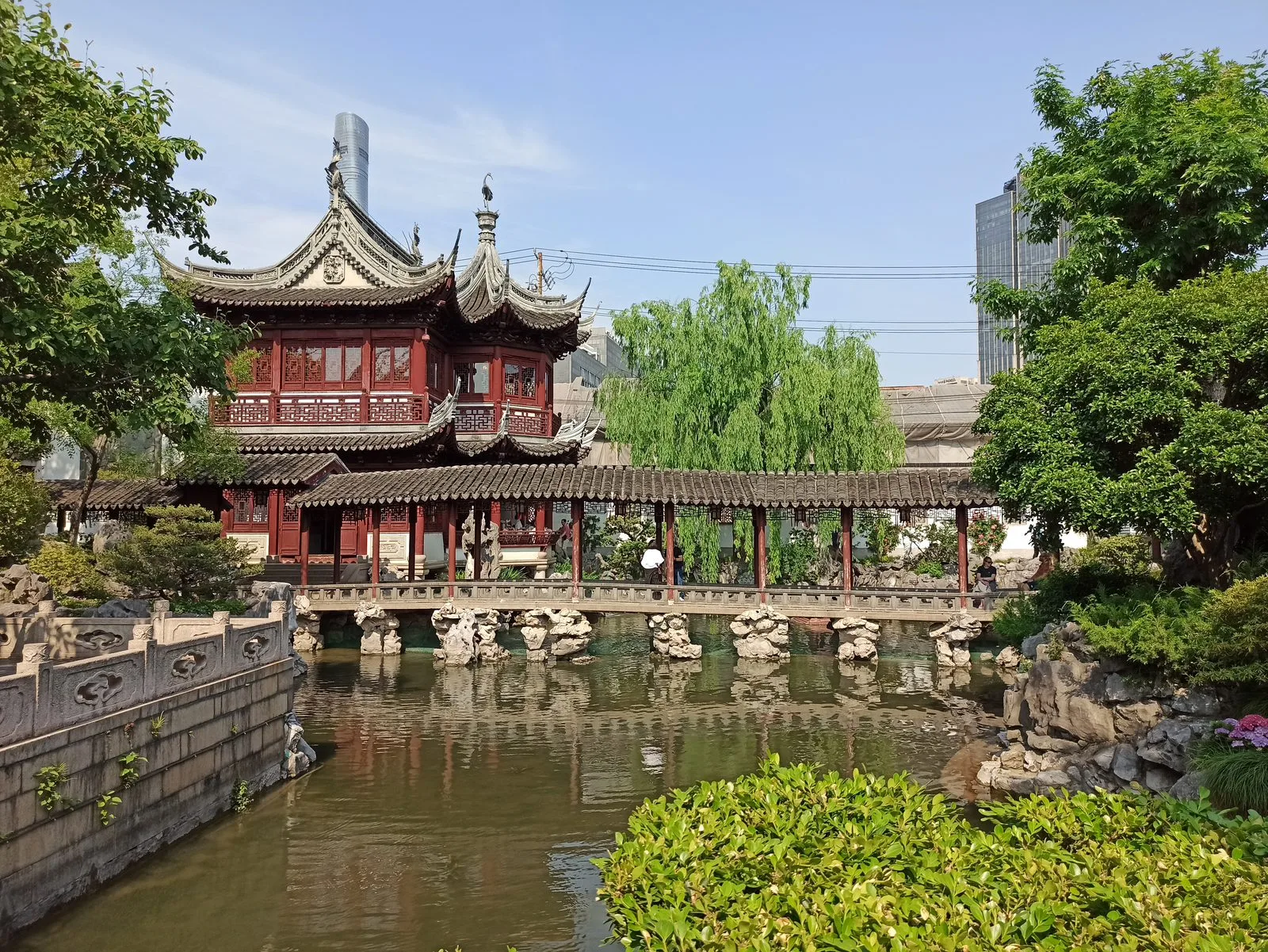
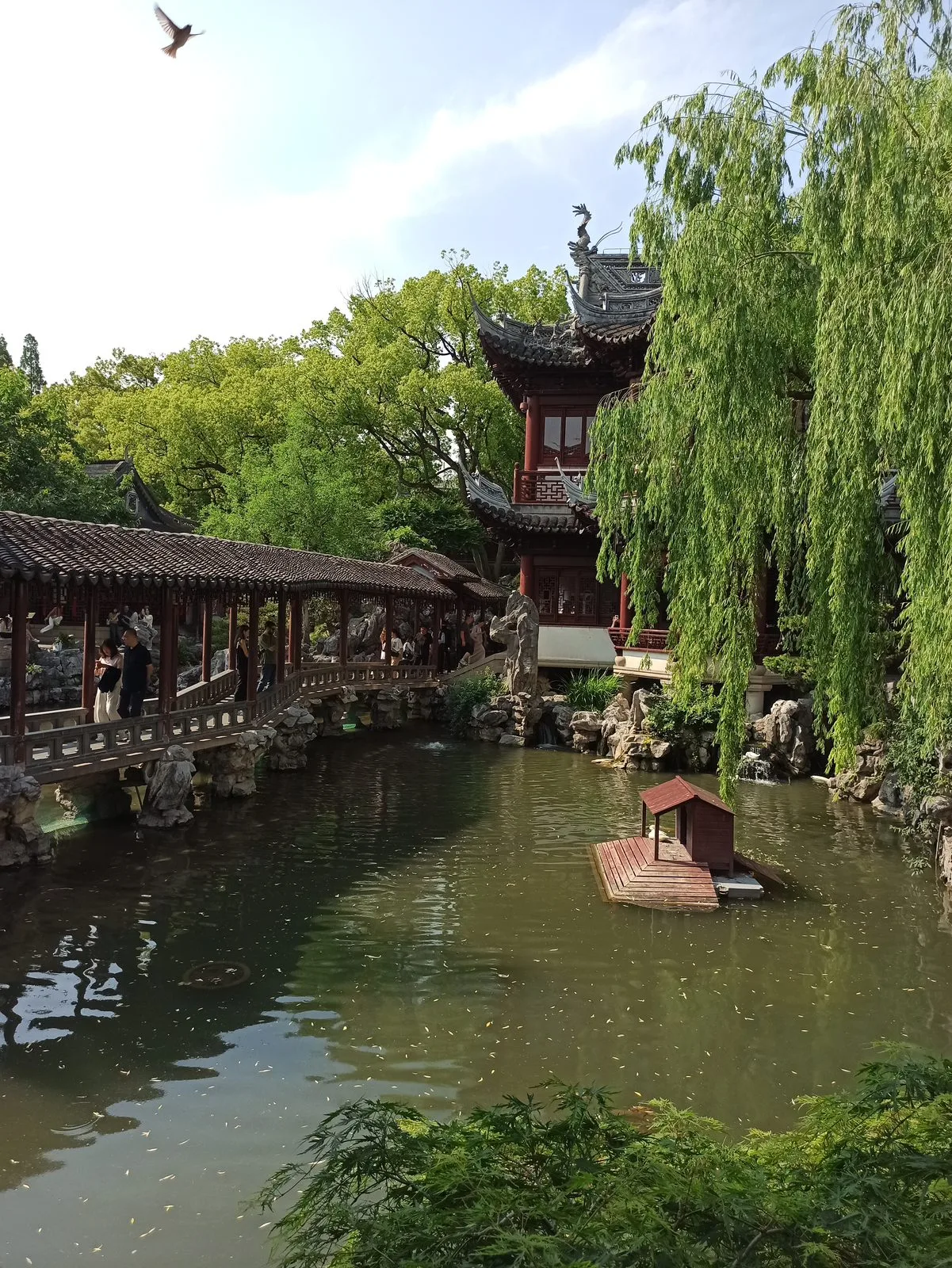
Yu Garden is one of the most beautiful traditional Chinese gardens. It is located in the old centre of Shanghai and was created in 1559, under the Ming dynasty, by the official Pan Yunduan as a gift for his parents in their old age. It covers about 20,000 square metres and is full of pavilions, ponds, rock compositions, curving bridges and narrow paths that keep revealing new views. It’s truly worth seeing, but to really enjoy it you need to sit down and give yourself over to the silence and calm – something that is hard to achieve today with so many tourists.
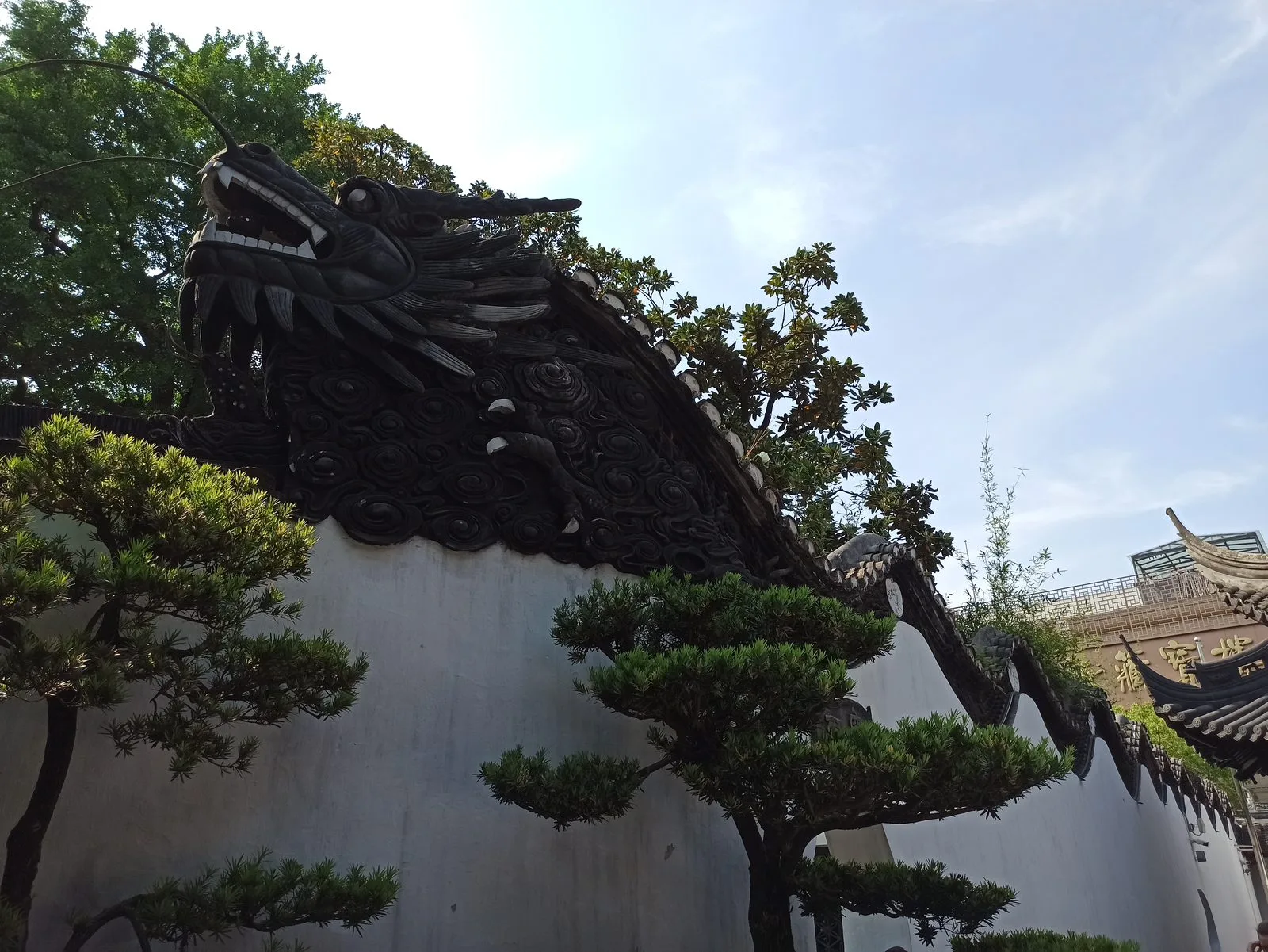
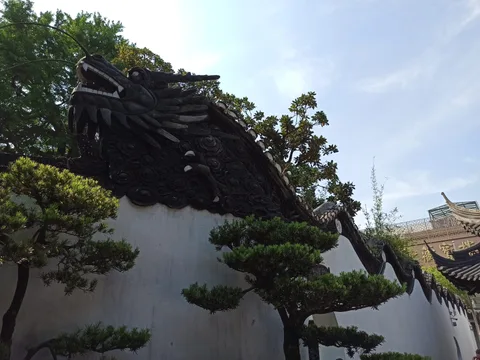 The dragons on the walls that guard the garden
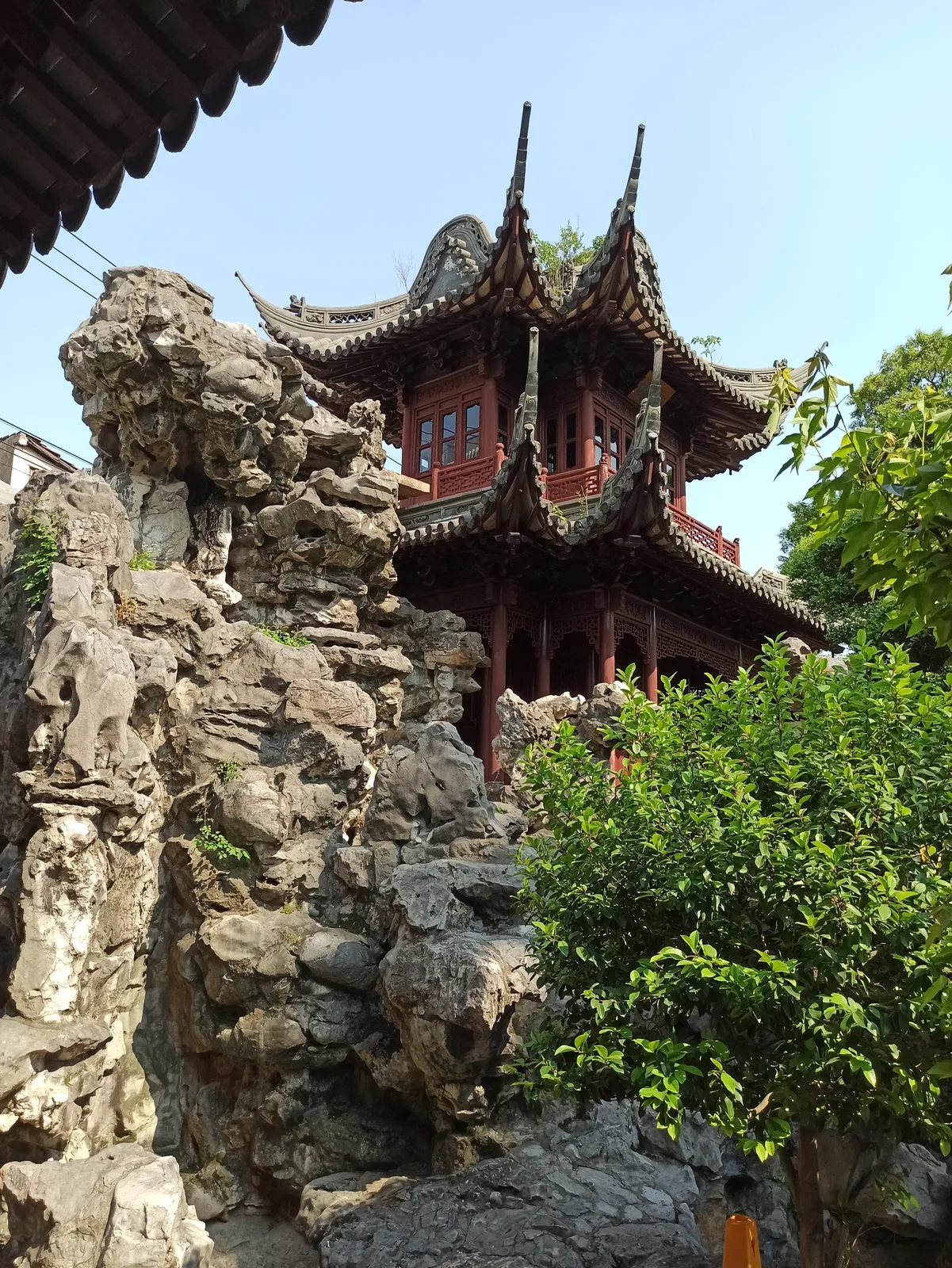
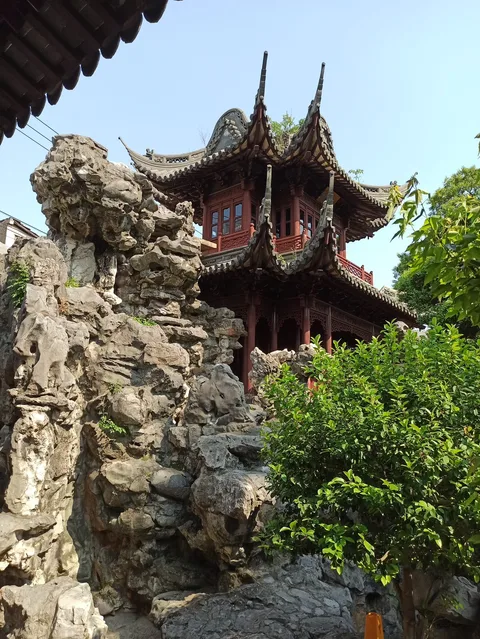 Rock compositions and a pavilion – a Chinese garden is a whole landscape in miniature
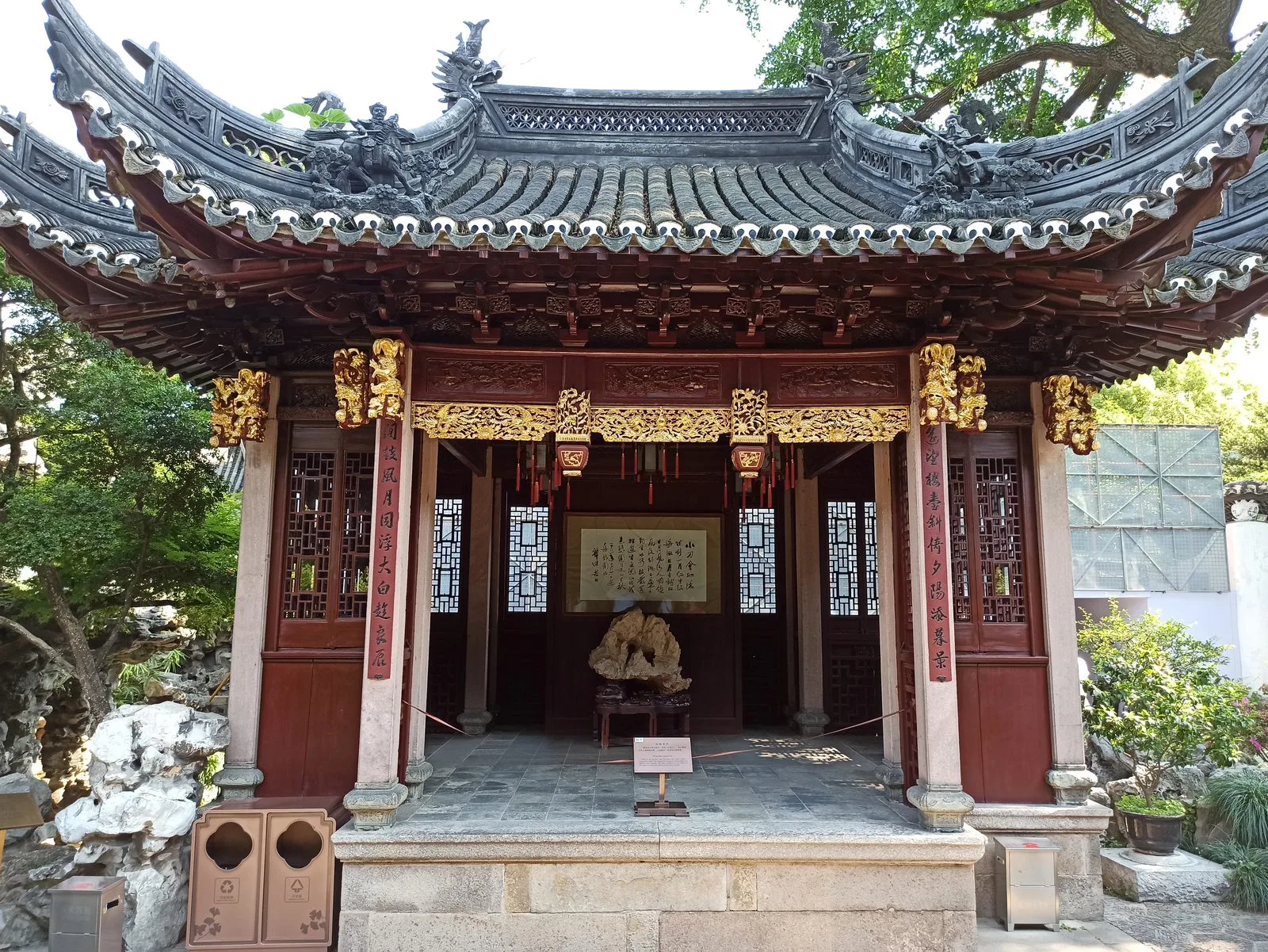
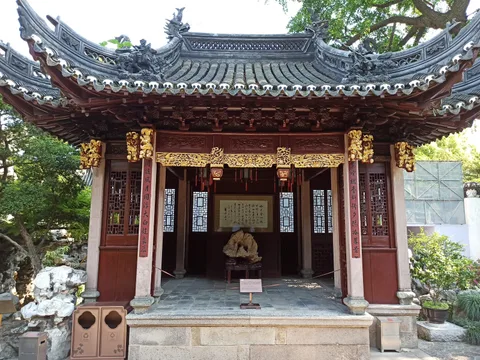 A small pavilion with calligraphy and a decorative stone
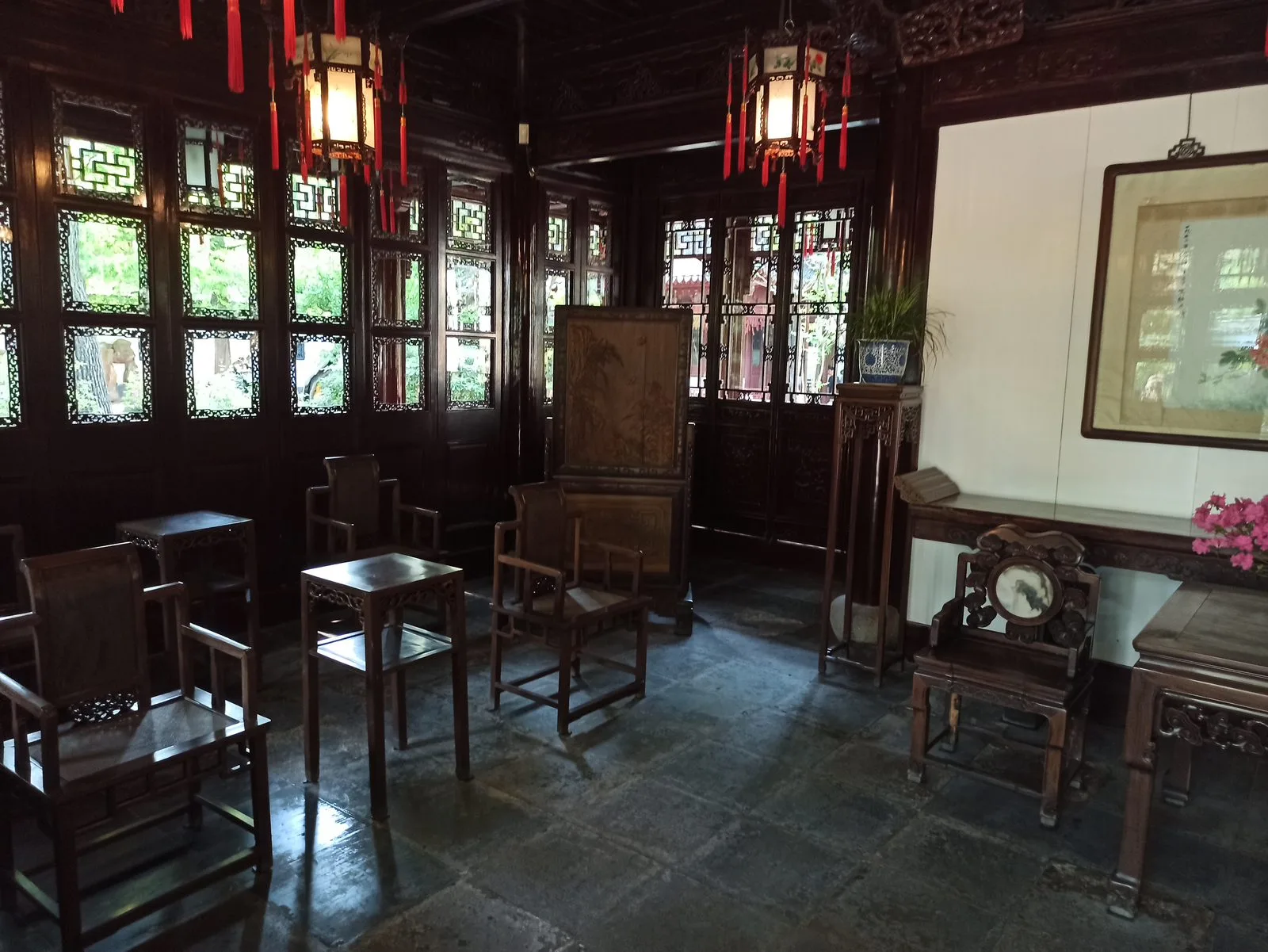
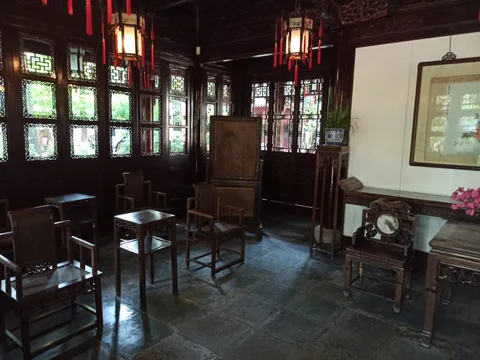 The furnishings in one of the halls
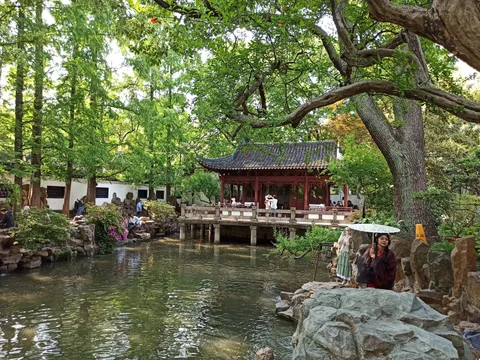 The pond and the pavilions around it
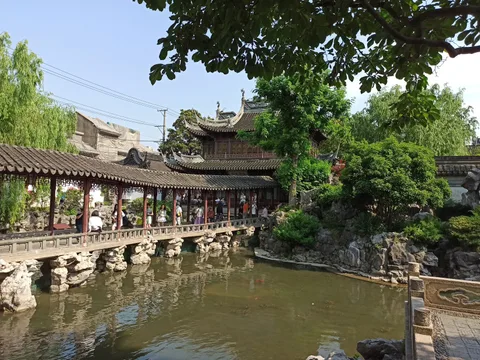 A covered corridor over the water
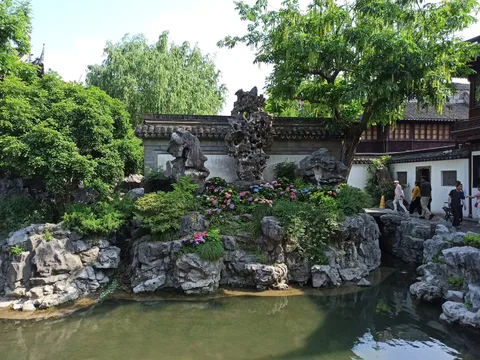 The “Exquisite Jade” rock – actually limestone from Lake Tai
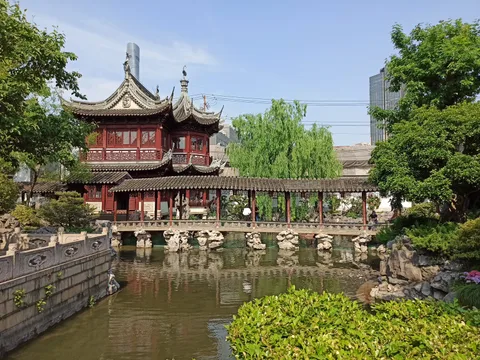 A pavilion over the water
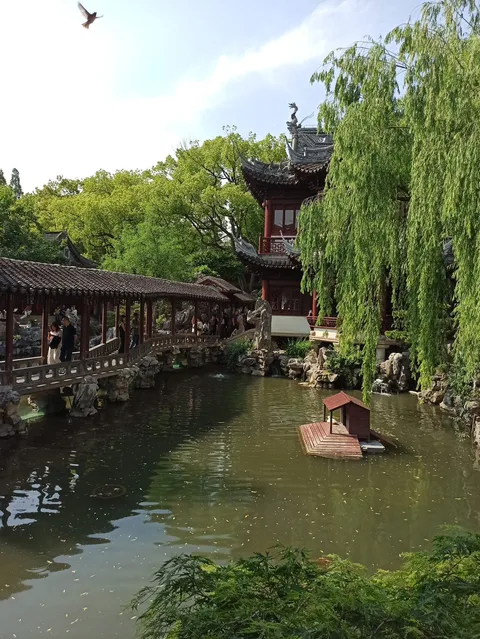 Willows over the pond
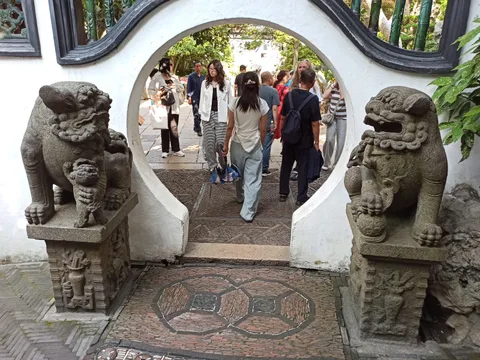 A moon gate guarded by two stone lions
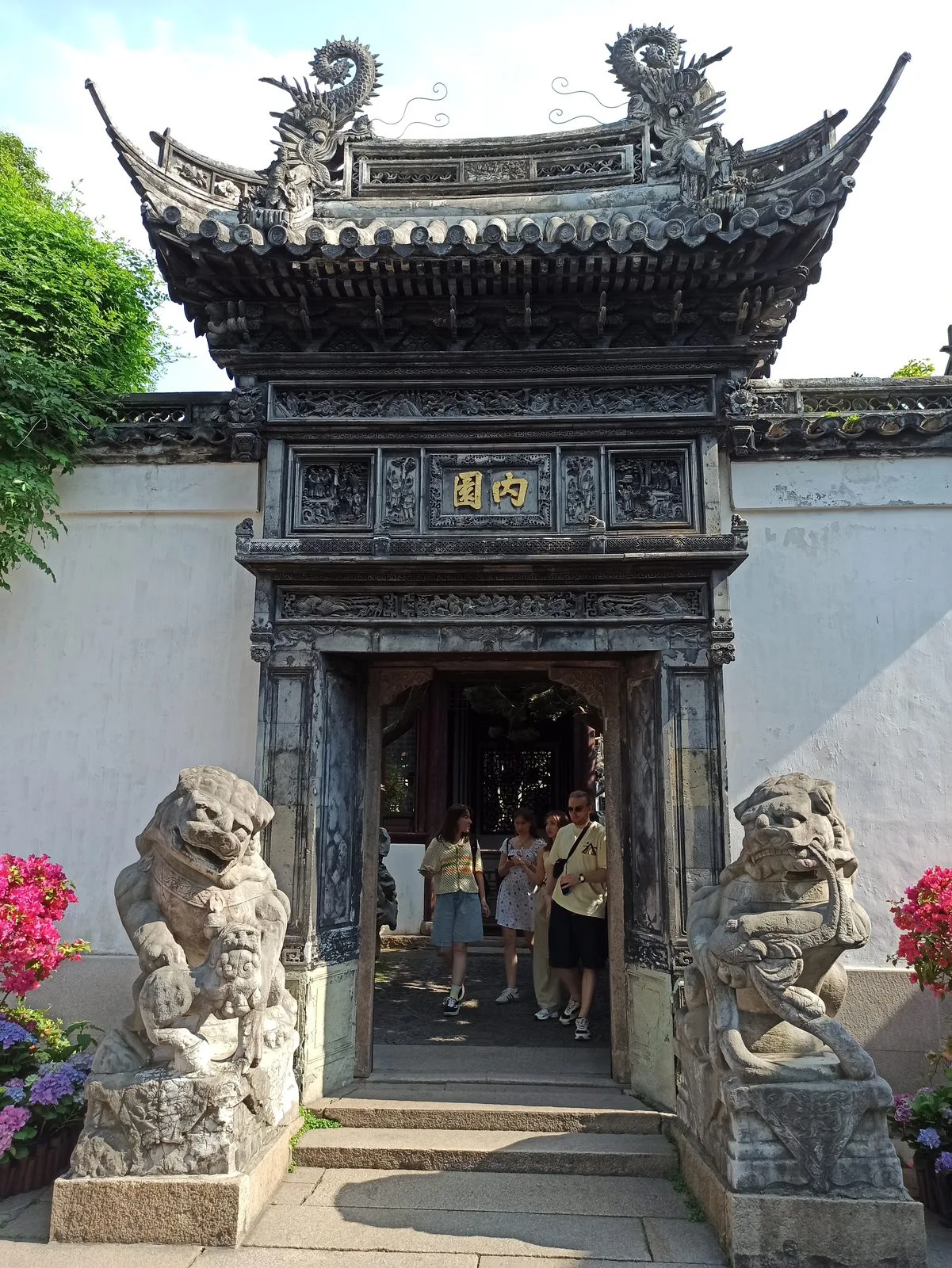
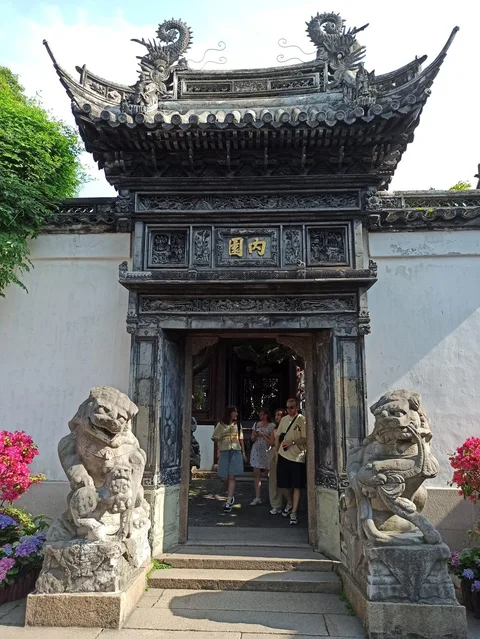 The gate to the Inner Garden with Chinese guardian lions, called shishi
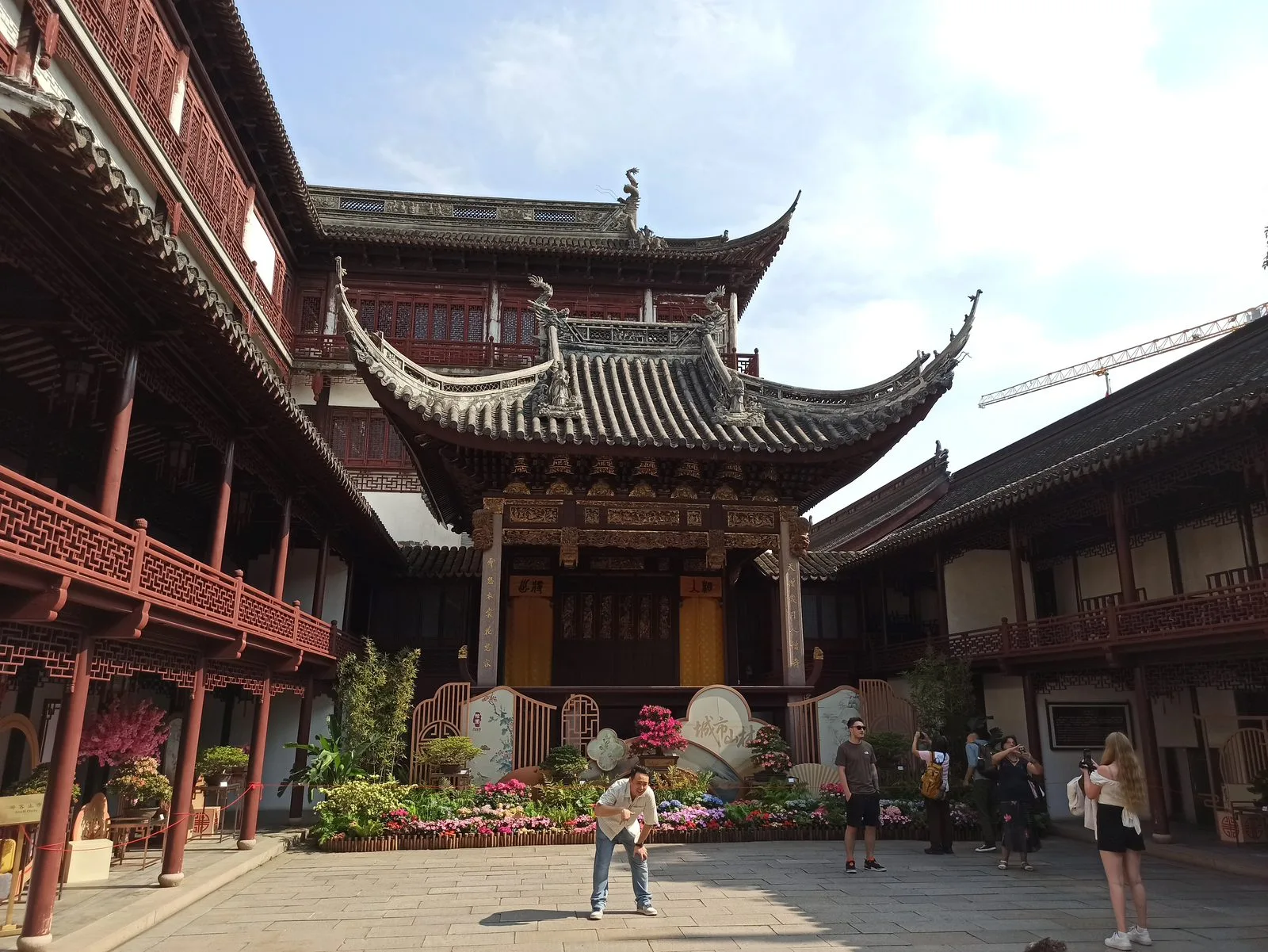
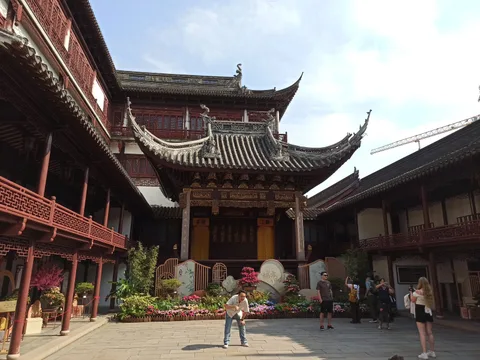 The old theatre stage, where performances were staged
Epilogue
A few months have passed since I visited China. My stay there was short – only 11 days – but so full of experiences and places that I needed time to realise where I had been. Now, as I look at the photos and write about the different places, I discover details I hadn’t thought about at all on the spot. It’s definitely different to read about a place and to be there and experience it, but each has its own charm.
When I came back and told friends about the trip, everyone asked me which place impressed me most. For me it was the evening in Chaoyang Park, when I met the young people who completely changed my idea of this country. Right after it come the Great Wall and the Terracotta Army. Now, looking at the photos, I’m overcome with nostalgia – it was a great adventure and I definitely want to go back to China. I hope by then there’ll be robots on the streets and people will speak more English.
I wrote this article because after I came back, many people told me they wanted to read about my journey. Writing has never been my strong point and I never thought I’d get this far, but as you can see, I found the courage to describe it. There’s no way to fit all the experiences into one article – there are so many things I couldn’t include – but I hope you enjoyed it and will keep reading about my adventures around the world in the future.